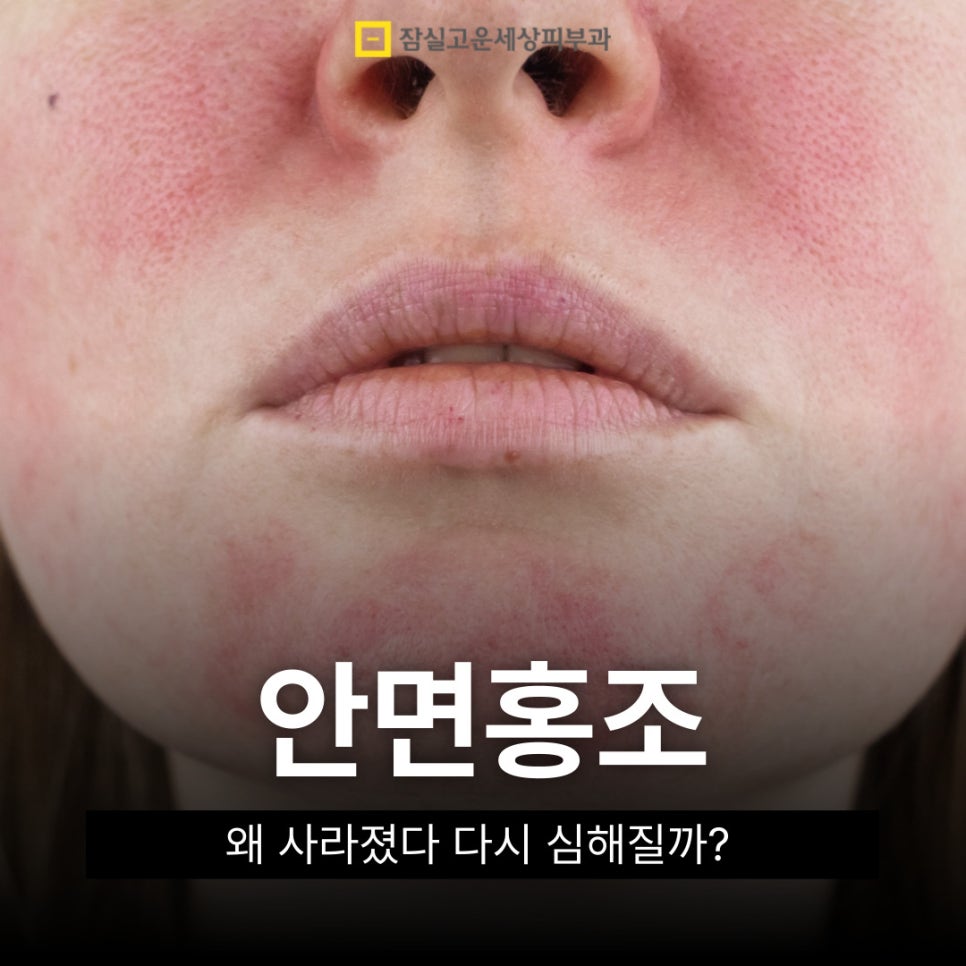
Facial redness,
why does it disappear and then get worse again?
Hello!
This is Jamsil Gounsesang Dermatology Clinic :)
Facial redness is often thought of as nothing more than a simple condition in which the cheeks turn red. But in reality, it is a state in which the excessive dilation of capillaries beneath the skin, the sensitivity of the autonomic nervous system that regulates them, and a weakened skin barrier all work together in a complex way. After treatment, the face may feel calmer for a while and the redness may seem to lessen, which can be reassuring. However, when the season changes, the weather changes suddenly, or stress becomes severe, symptoms often worsen again.
Redness is not a condition that ends with one treatment. It is a chronic tendency that can worsen again at any time depending on the reactivity of the blood vessels in the skin and the surrounding environment. That is why post-treatment management is especially important. Today, I will explain in detail why facial redness recurs and what treatments and lifestyle management are needed to minimize the chance of recurrence.
- Why does facial redness recur?
(1) Recovery of vascular reactivity in the skin
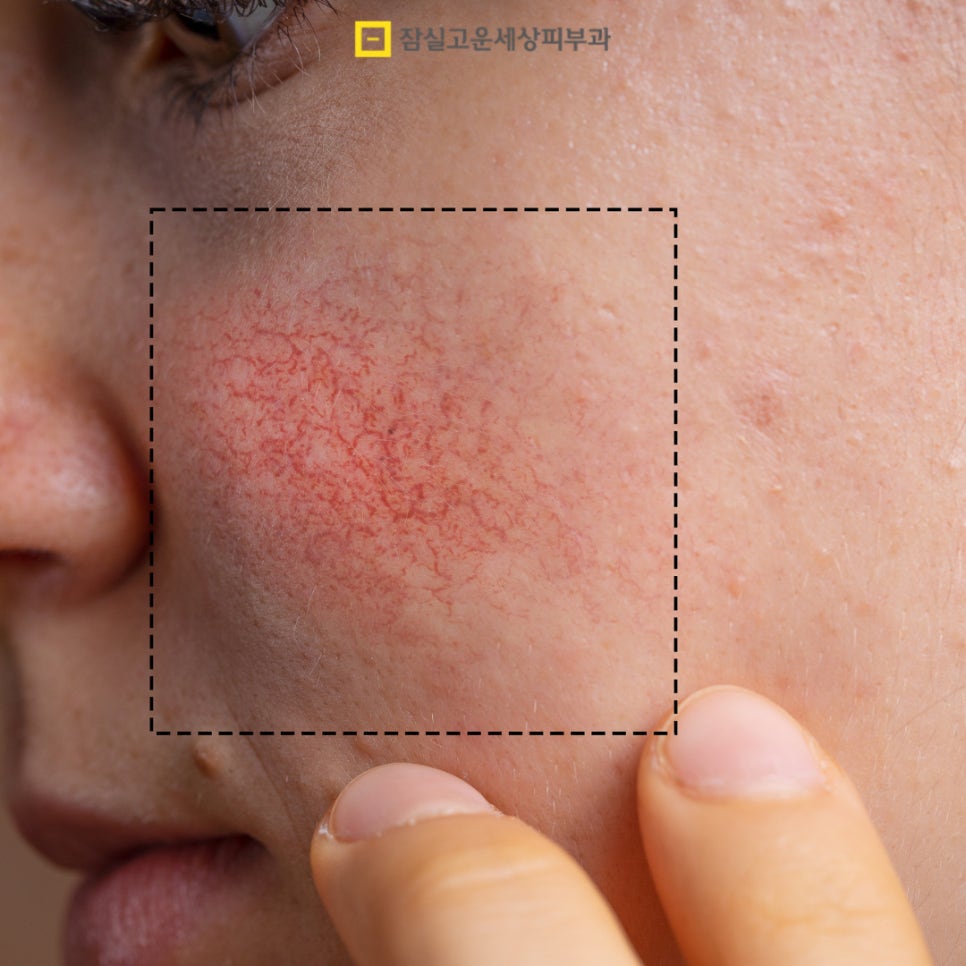
The main mechanism of facial redness is the excessive dilation of capillaries near the skin surface.
Through treatment, unnecessary blood vessels can be reduced, or laser treatment can damage the vessel walls so they are absorbed. However, it is difficult to completely eliminate the blood vessels’ tendency to react.
In particular, if you are constitutionally highly sensitive to external factors such as temperature changes, emotional changes, or spicy foods, the blood vessels can still dilate easily after treatment. For example, you may have experienced your face quickly turning red after going from cold winter wind into a heated indoor space. This happens because the blood vessels dilate in response to sudden temperature changes. When this vascular reactivity returns, redness is more likely to recur.
(2) Living environment and trigger factors
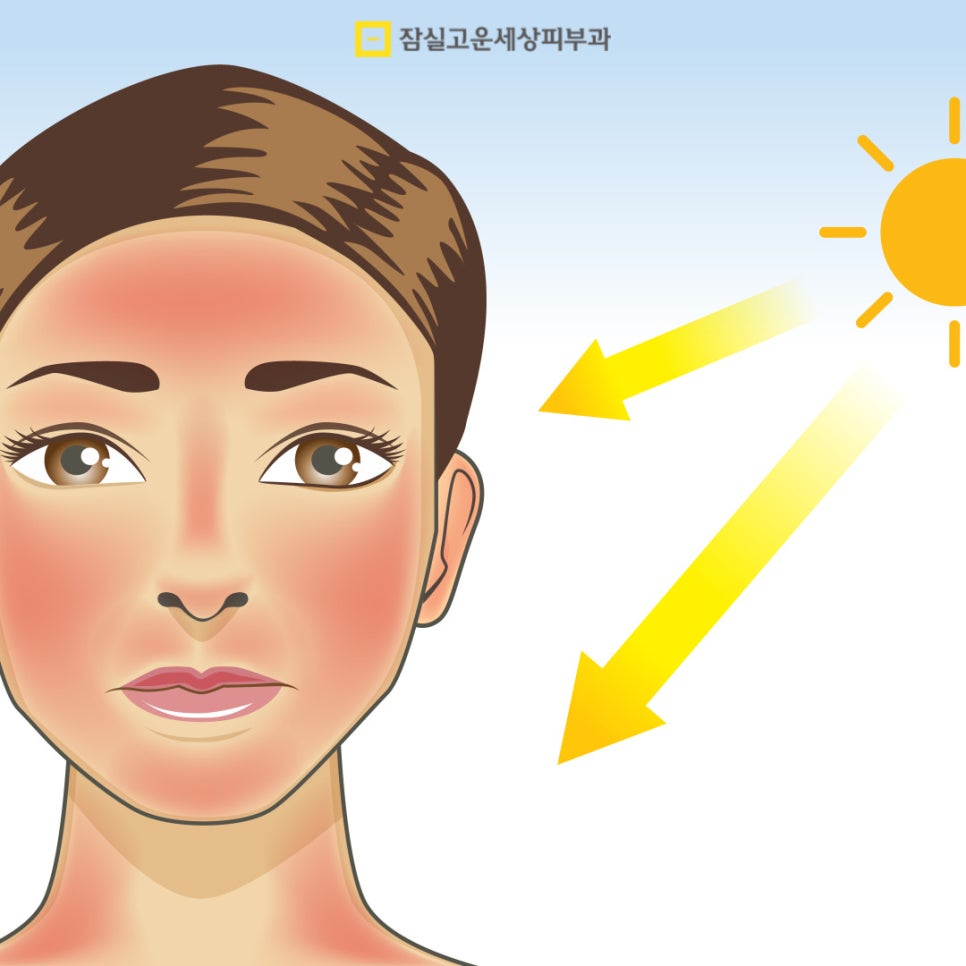
Redness is highly sensitive to environmental changes.
When you spend long periods in hot sunlight during summer, stay for a long time in dry, heated indoor spaces in winter, or are repeatedly exposed to high-temperature environments such as saunas or jjimjilbangs, blood vessel dilation occurs easily.
In addition, caffeine, alcohol, spicy foods, and hot foods have the effect of directly dilating blood vessels. People who usually drink three to four cups of coffee a day or more, or who enjoy spicy foods, may find that the treatment effect does not last long and the recurrence cycle becomes shorter.
(3) Skin barrier and inflammatory response
Skin prone to redness generally has a weakened barrier, so it reacts easily to external stimuli. When the barrier is damaged, tiny inflammatory reactions repeatedly occur deep within the skin, and this inflammation sends signals for blood vessel dilation, worsening redness.
For example, if you frequently undergo strong scrubbing, excessive exfoliation, or high-concentration acidic peels, the barrier does not have time to recover, making redness more likely to recur. During dry seasons, skin moisture escapes more quickly, the barrier becomes thinner, and redness reactions can become more severe.
- Conditions for facial redness treatment that minimize recurrence
(1) Customized treatment based on the cause
Not all facial redness has the same cause.
There are several types, such as cases where structural dilation of blood vessels is the main cause, rosacea-type redness accompanied by acne-like papules, or cases with severe skin barrier damage.
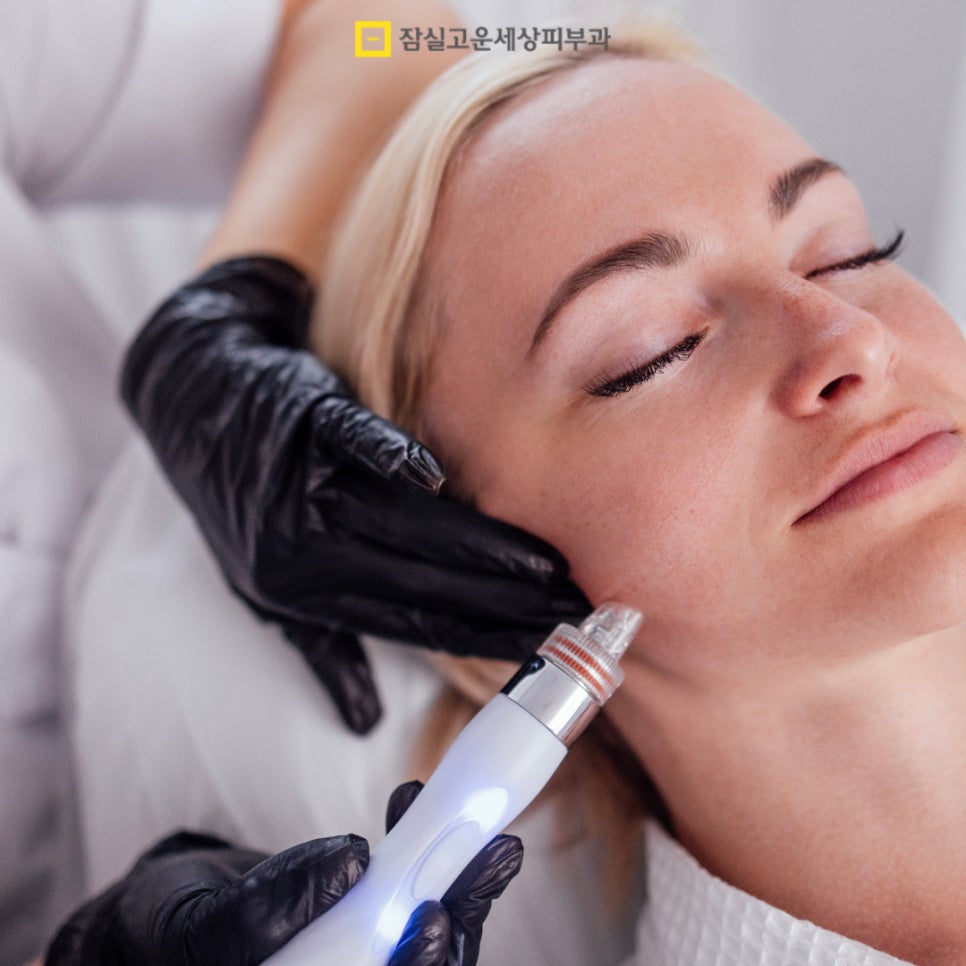
For vascular dilation type, treatment is centered on vascular lasers such as PDL (pulsed dye laser), KTP, and long-pulsed Nd:YAG. If the barrier is damaged, the laser intensity should be lowered or the interval between procedures should be widened while also providing moisturizing and restorative care. For rosacea-type cases, combining medication with anti-inflammatory and antibacterial effects can improve results.
(2) Maintenance after calming the acute phase
If treatment is completely stopped once the redness has significantly subsided, the remaining sensitive blood vessels become active again.
In the beginning, intensive treatment at 2- to 4-week intervals is good, and afterward, maintenance with vascular laser or restorative treatment at 2- to 3-month intervals is recommended. This can gradually lower vascular reactivity and lengthen the recurrence cycle.
(3) Avoiding irritants in daily life
Lifestyle management plays an absolutely critical role in maintaining the effects of redness treatment. First, it is important to avoid environments with sharp temperature changes. When going outside, wear a mask or scarf to avoid sudden cold wind, and avoid setting indoor heating too high.
Diet also matters. Reducing spicy foods, hot broth, caffeine, and alcohol as much as possible, and increasing foods rich in vegetables, fruits, and omega-3 fatty acids, can help ease vascular inflammation.
(4) Strengthening the skin barrier
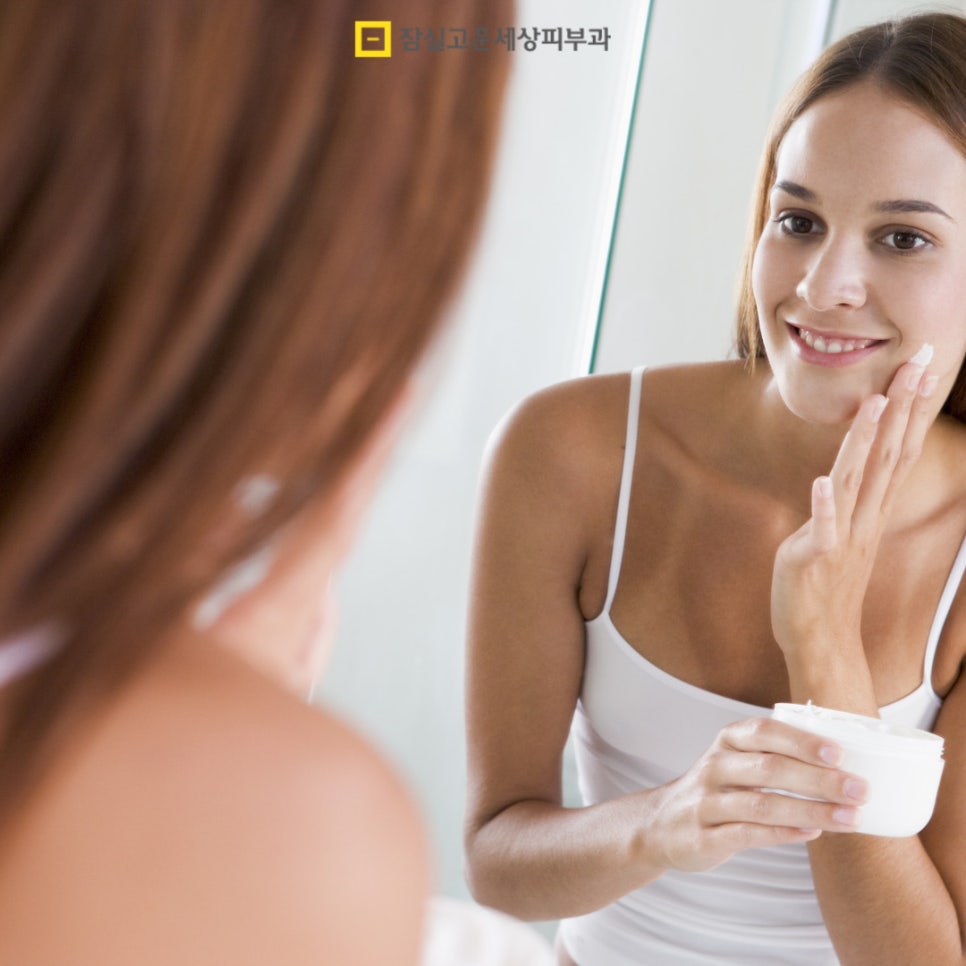
For skin prone to redness, barrier recovery is the key to maintaining treatment effects. Apply a moisturizer containing ceramides, cholesterol, and fatty acids consistently 2 to 3 times a day, and use sunscreen every day.
Also, when washing the face, use lukewarm water instead of hot water, and use foaming cleansers gently only 1 to 2 times a day. Avoiding strong physical irritation helps the skin barrier recover faster and reduces reactivity to external stimuli.
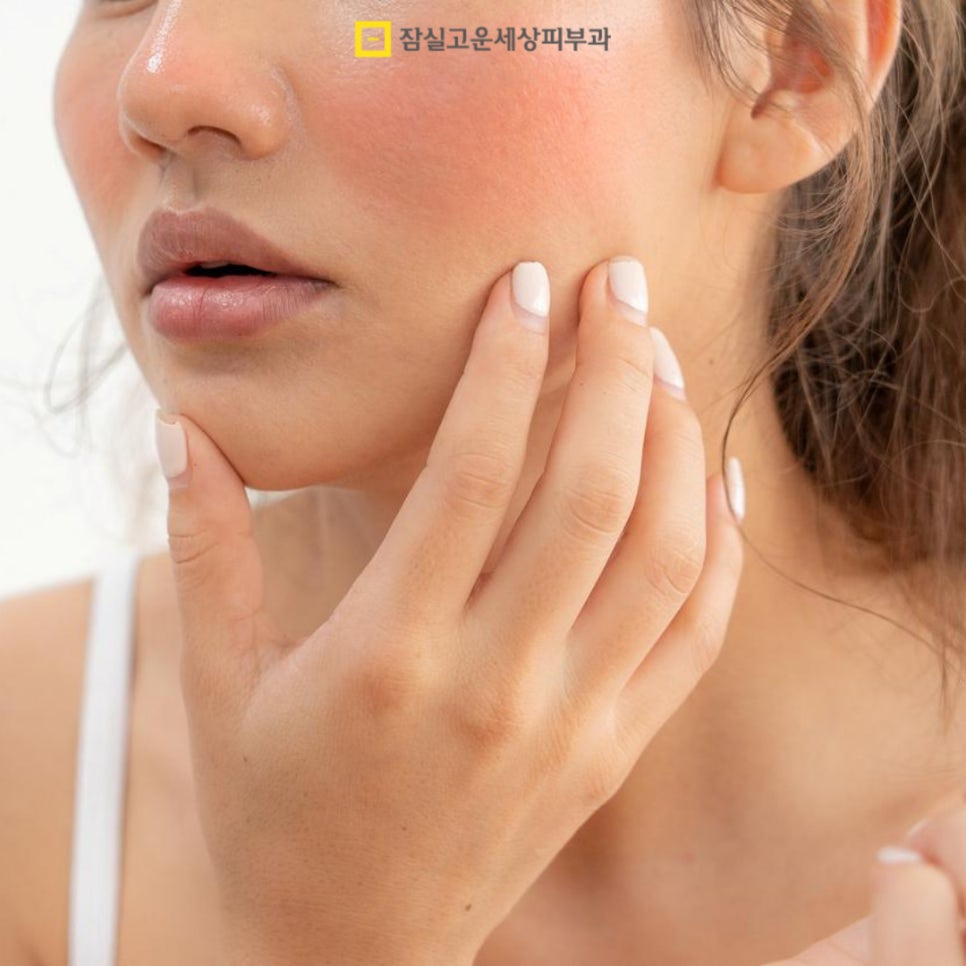
There are three main reasons why facial redness recurs after treatment.
First,
when vascular reactivity in the skin remains high and the blood vessels easily dilate in response to temperature changes or emotional changes,
Second,
when repeated exposure to environmental triggers causes blood vessel dilation,
Third,
when the skin barrier does not recover and becomes sensitive to external stimuli.
To reduce recurrence, four pillars must be carried out together: customized treatment by cause, maintenance care after the acute phase, avoiding irritants in daily life, and strengthening the skin barrier.
Facial redness is more than just visible redness on the surface.
It involves a complex interplay of blood vessel structure in the skin, autonomic nervous system responses, and reduced barrier function, so with short-term treatment alone, it is difficult to completely eliminate the possibility of recurrence.
Therefore, it is essential to continue maintenance care and lifestyle improvements even after treatment. The surest way to prevent recurrence is to treat treatment as the beginning of management, not the end, and to understand the pattern of how your skin reacts so you can adopt the lifestyle habits that match it.
In the end, the key to managing facial redness lies in long-term practice of three pillars: customized treatment + lifestyle improvement + barrier strengthening. Only then can you delay as much as possible the time when redness becomes severe again and maintain comfort and stability in the skin for longer.
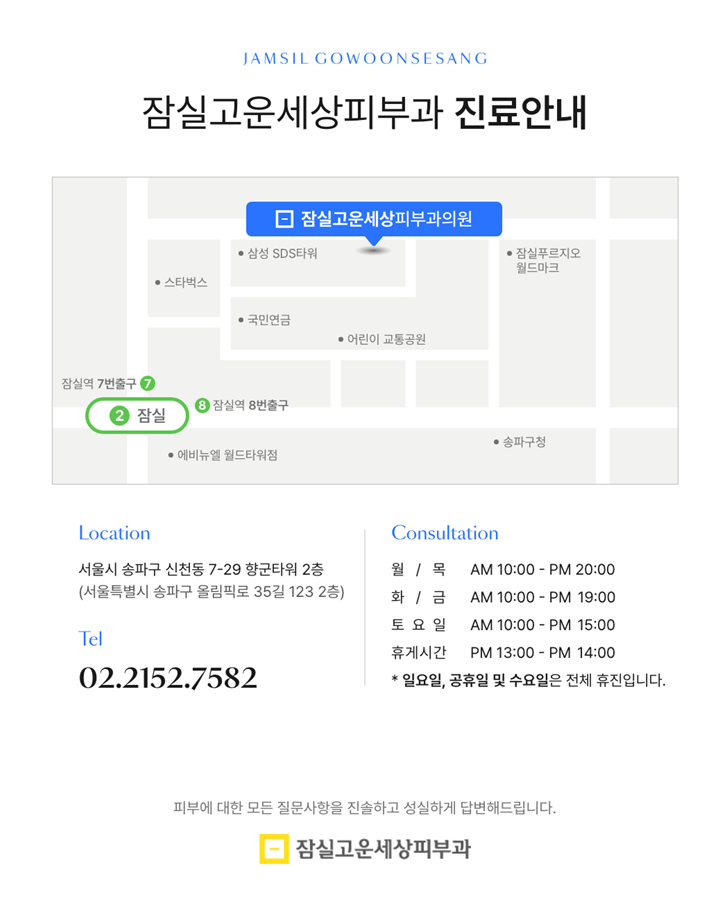
✨Directions to Jamsil Gounsesang Dermatology Clinic✨
✨Jamsil Gounsesang Dermatology Clinic Consultation Information✨
✨Jamsil Gounsesang Dermatology Clinic Website✨
This post is provided by Jamsil Gounsesang Dermatology Clinic for the purpose of providing medical information in accordance with Article 56, Paragraph 1 of the Medical Service Act. All procedures/surgeries carry the risk of side effects such as bleeding, infection, and nerve damage, so please proceed carefully after sufficient consultation with medical professionals.