Radiofrequency lifting,
When is the best time to get it for the most effective results?
Hello, this is Jamsil Gounsesang Dermatology 💕
As we get older, there are moments when our face in the mirror looks a little different from before. One day your cheeks may seem slightly saggy, another day your jawline may look less defined, and the wrinkles around your eyes may seem a little deeper. Once people start noticing these changes, one of the treatments many think of is radiofrequency lifting (for example, Thermage).
But when you actually start considering the procedure, the question comes up: “When is the best time to get it?” If you get it too early, you may worry that you are having a procedure before it is really needed. On the other hand, if you get it too late, you may wonder whether the effect will be reduced.
Today, we will take a step-by-step look at the principles behind radiofrequency lifting, the best timing by age and situation, and some useful tips to know before the procedure.
- The principle of radiofrequency lifting
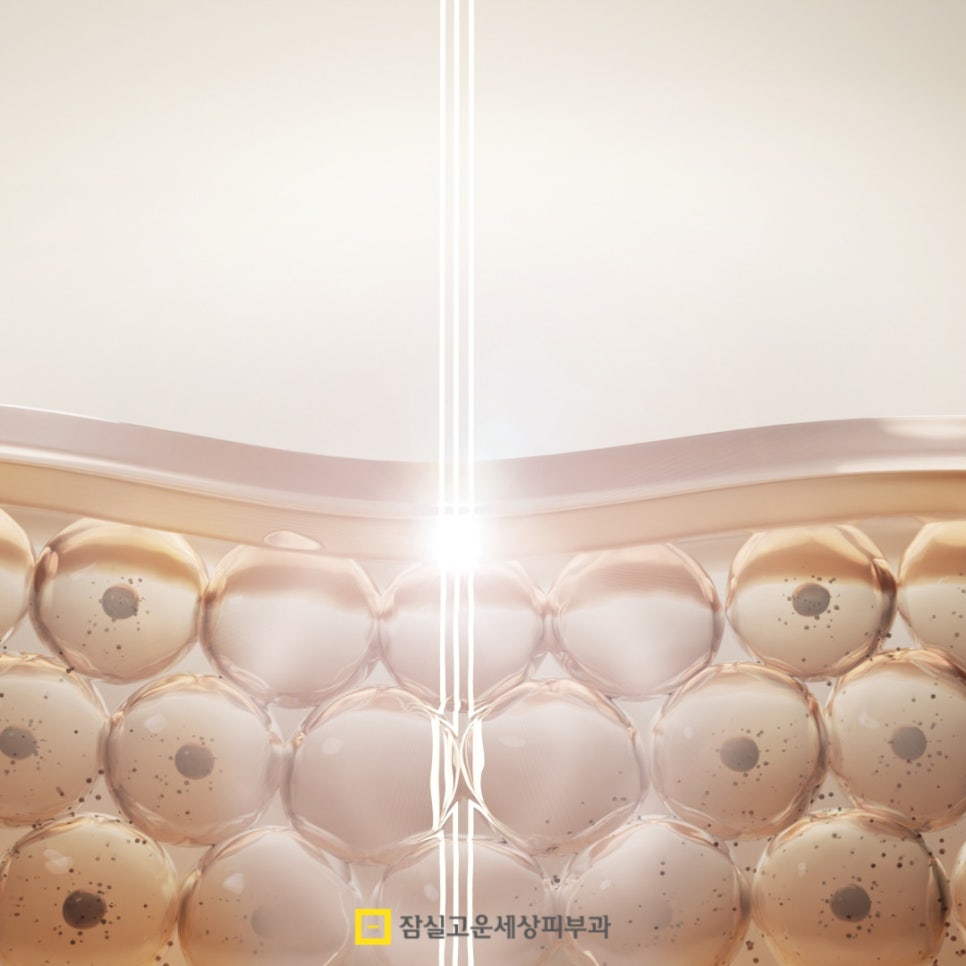
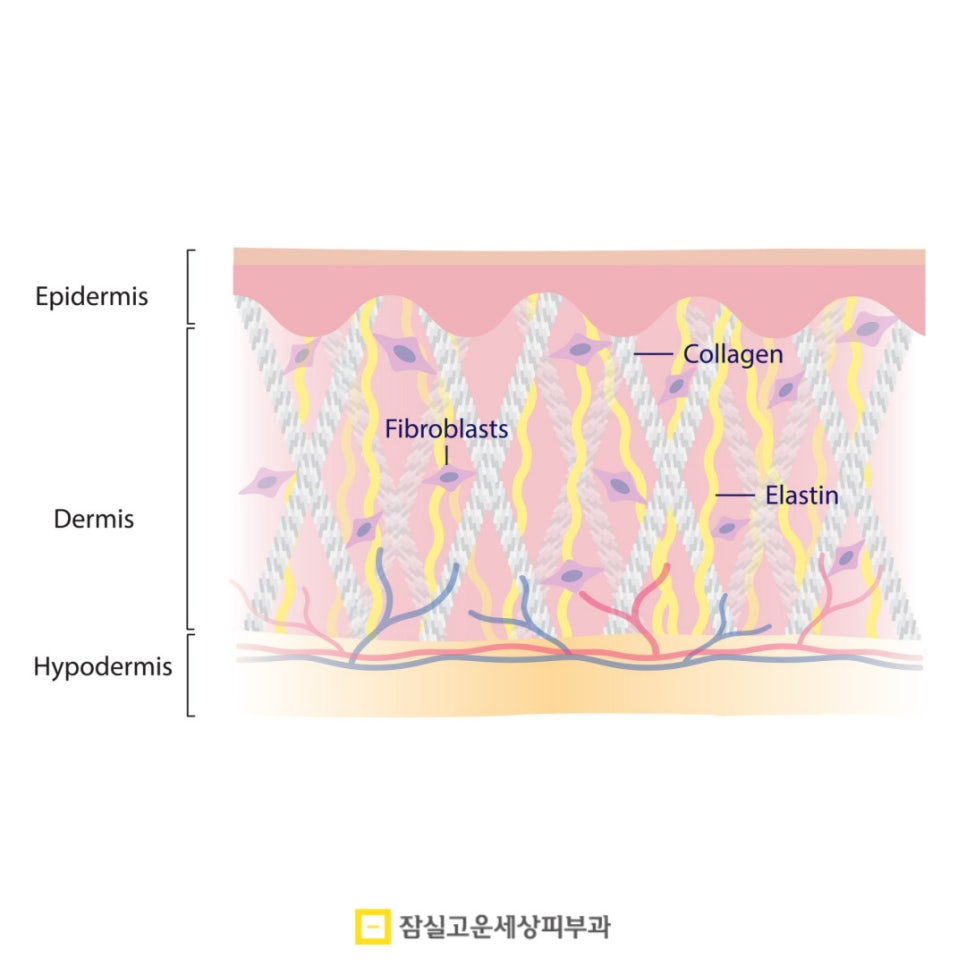
Radiofrequency lifting, as the name suggests, works by delivering radiofrequency energy deep into the skin to stimulate collagen and elastin regeneration.
When radiofrequency passes through skin tissue, heat is generated by the tissue’s electrical resistance (impedance heating). This heat temporarily contracts the existing collagen fibers, and then, as the skin heals itself afterward, the production of new collagen and elastin is encouraged.
Seen this way, the procedure is not simply about tightening the skin; it is a process of rebuilding the structure inside the skin.
There are two main changes that appear during this process.
First,
a tightening effect appears immediately after the procedure, giving the skin an instant firming effect.
Second,
there is a collagen regeneration effect that gradually develops over 2 to 3 months after the procedure. In simple terms, radiofrequency lifting is like temporarily tightening an old spring while also creating new springs.
In particular, because heat is concentrated in the dermis and subcutaneous tissue without damaging the epidermis, the recovery period is short and daily activities are possible even right after the procedure.
- Differences in effect depending on timing
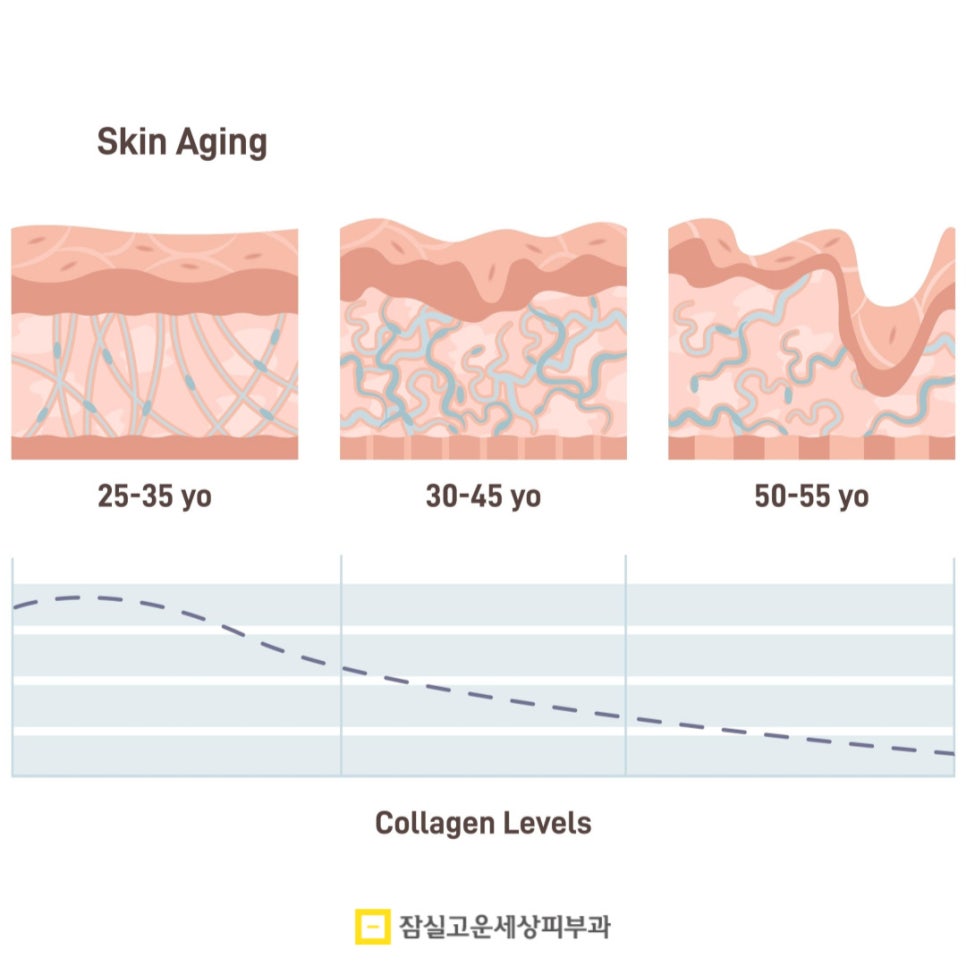
(1) Late 20s to early 30s: a stage for preventing loss of elasticity
At this stage, there is usually little visible sagging, but since the mid-20s, the amount of collagen decreases by about 1% per year. In other words, invisible changes are gradually taking place. If you receive radiofrequency lifting before the skin’s elastic structure begins to break down, you can slow the rate of collagen loss and maintain skin elasticity more consistently.
Because this is a preventive procedure, the right intensity for your skin condition is more important than simply making it as strong as possible.
For example, if your skin is thin or dry, the intensity should be adjusted to avoid thermal damage. On the other hand, if your skin is thick and produces more sebum, a slightly stronger setting may be possible. At this stage, getting it regularly once every 1 to 2 years is usually enough.
(2) Mid-to-late 30s to early 40s: restoring elasticity and maximizing lifting effects
From this stage onward, fine lines around the eyes, nasolabial folds, and sagging along the jawline begin to appear gradually. Collagen regeneration ability is still sufficient, but because structural changes have started, the response to radiofrequency lifting is very good.
Two to three months after the procedure, the skin texture may become smoother and the sagging jawline may become more defined. At this stage, regular maintenance every 1 to 2 years is very effective, and if needed, combining it with ultrasound lifting or fillers can create a greater synergistic effect.
(3) Mid-to-late 40s and beyond: maintaining elasticity and slowing the aging process
At this stage, the amount of collagen has already decreased significantly. Therefore, it is difficult to fully improve sagging with radiofrequency lifting alone, but it is still useful for improving the skin’s surface elasticity and texture.
When combined with ultrasound lifting, it can improve elasticity across the full layer, from the deep SMAS layer to the surface. If thread lifting is added as well, it can also help improve the jawline and sagging cheeks. At this stage, it is better to approach it not as a way to go back to how things were before, but as a way to maintain your current condition for as long as possible.
- Best timing based on season and lifestyle
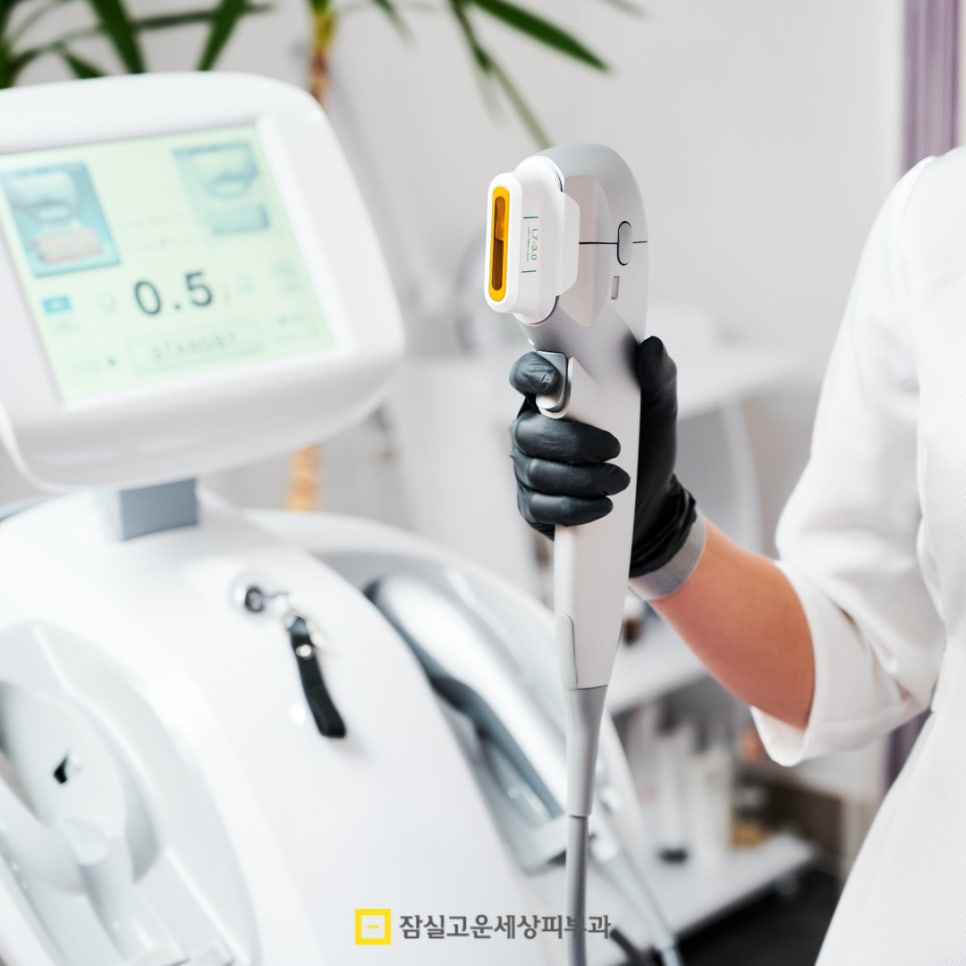
Radiofrequency lifting is not heavily affected by the season, but it is especially effective during seasonal transitions and winter, when the skin tends to become dry and lose elasticity more easily. When collagen regeneration is encouraged at a time when skin moisture is quickly lost due to heating and dry air, both the skin barrier and elasticity can improve.
Also, if you have a special schedule such as an important event, photoshoot, or wedding, it is ideal to schedule the procedure 2 to 3 months beforehand. This is because the key effects of radiofrequency lifting are most noticeable 1 to 3 months after the procedure rather than immediately after it. And after the procedure, it is important to keep up with moisturizing and sunscreen use to support the skin’s recovery process.
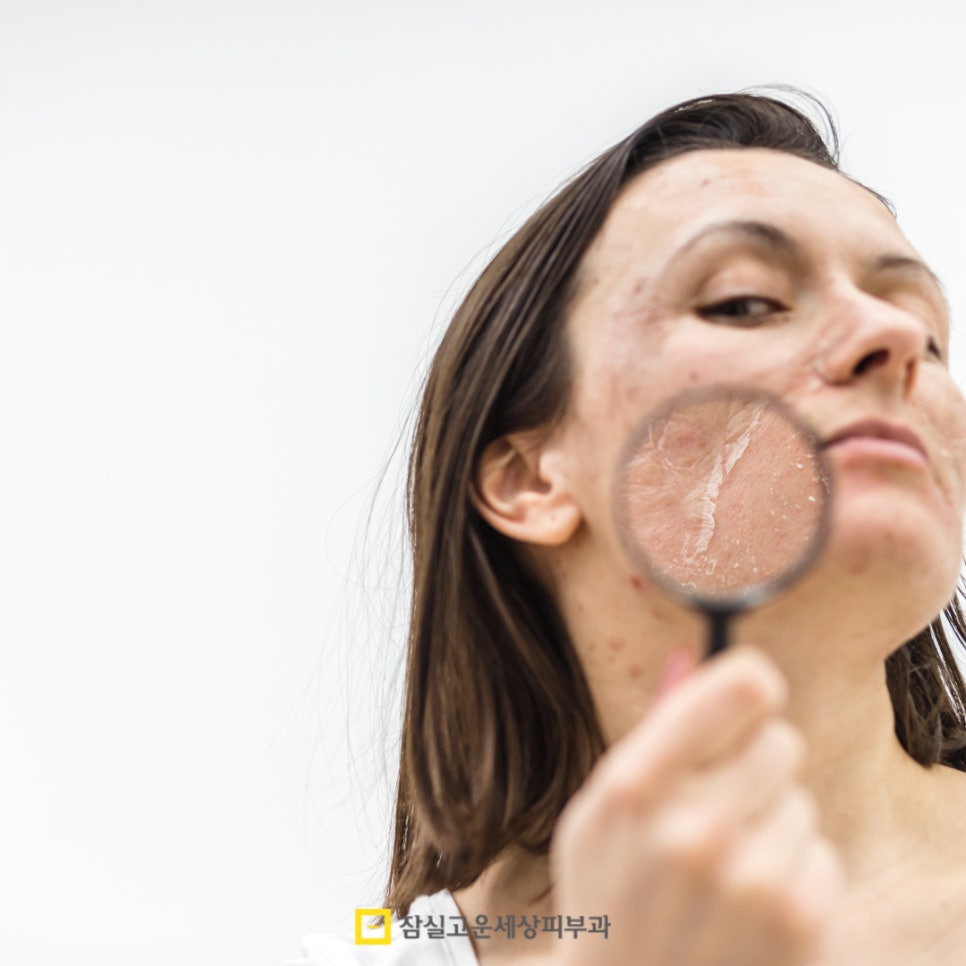
Radiofrequency lifting is best known through Thermage, which helps restore skin elasticity and slow the aging process through collagen regeneration.
-
Late 20s to early 30s:
Preventive purpose, low intensity, customized treatment
-
Mid-to-late 30s to early 40s:
Maximum lifting effect, optimal timing
-
Mid-to-late 40s and beyond:
Maintenance and supportive purpose, greater effect when combined with other lifting treatments
-
If performed 2 to 3 months before an event,
you can meet the day with your skin in its best condition

Radiofrequency lifting should be started before the skin has sagged severely and while there is still enough collagen regeneration ability left for long-term elasticity maintenance.
In particular, the mid-to-late 30s to early 40s is the period when the response to treatment is best, so both the effect and satisfaction are high.
However, even after that, if you continue maintenance care consistently, it can still be very helpful in slowing the aging process.
In the end, the key to success with radiofrequency lifting is: “before it is too late, with the right intensity, and consistently.”
If you create a treatment plan that considers both prevention and recovery, you can delay visible age-related changes in the mirror as much as possible and keep your skin firm and healthy for longer.

❤ Directions to Jamsil Gounsesang Dermatology ❤
❤ Jamsil Gounsesang Dermatology Clinic Information ❤
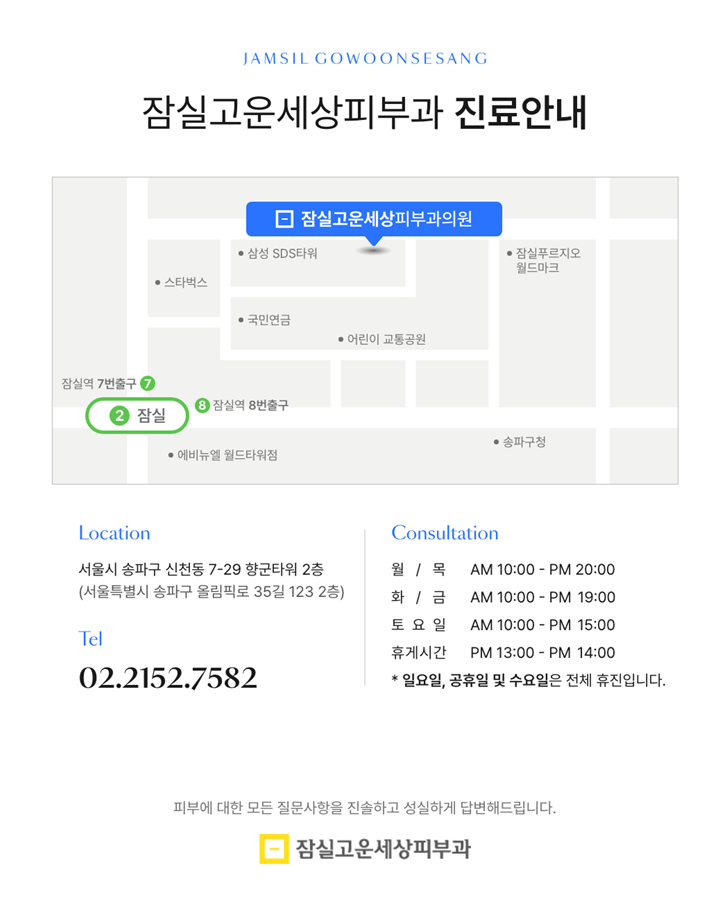
❤ Jamsil Gounsesang Dermatology Website ❤
This post is provided by Jamsil Gounsesang Dermatology for the purpose of providing medical information in accordance with Article 56, Paragraph 1 of the Medical Advertisement Act. All procedures/surgeries carry the risk of side effects such as bleeding, infection, and nerve damage, so please proceed carefully after sufficient consultation with medical staff.