Acne patches,
Why is proper use important?

Hello, this is Jamsil Gounsesang Dermatology Clinic!
It is easy to think of acne as a temporary skin concern that only appears during the teenage years, but in reality, it is a common problem that many people continue to experience into adulthood.
In particular, adult acne often involves more severe inflammation, so it does not simply appear and disappear. As the skin’s ability to regenerate becomes weaker than before, it is more likely to leave marks or scars.
At times like this, one of the methods many people turn to is acne patches.
They may seem useful only for covering visible acne, but if used correctly, they can help protect the affected area and reduce scarring in a meaningful way.
However, if you apply them casually without properly understanding the type of patch and how to use it, you may end up worsening acne or delaying recovery.
Ultimately, what matters is knowing which patch to choose for each situation and how to use it properly. Today, we will organize the types and features of acne patches, along with the precautions you must remember when using them, step by step.
- Acne patches before popping
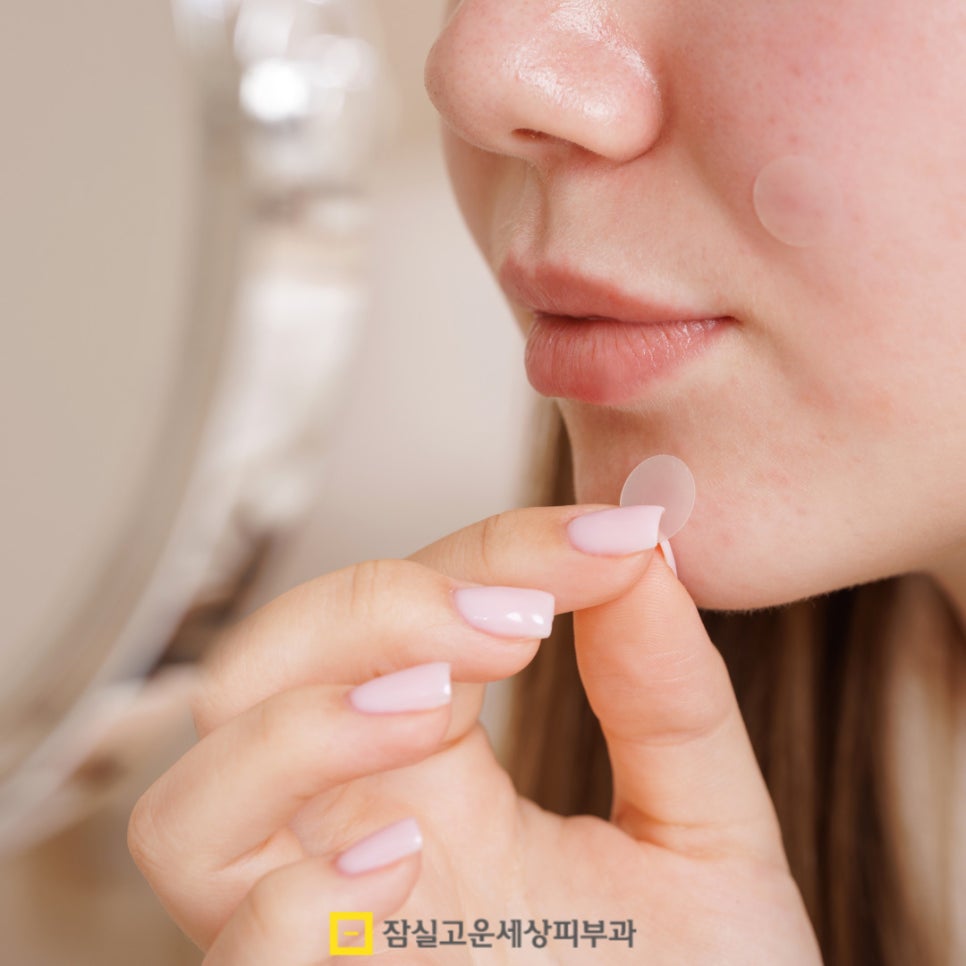
When acne appears, many people find themselves wondering:
Should I squeeze it, leave it alone, or maybe put on a patch? If it is still at the stage before extraction, a patch containing salicylic acid or tea tree oil is appropriate.
Salicylic acid helps dissolve dead skin cells and sebum blocking the inside of pores, helping prevent the acne from spreading into a larger inflammatory lesion. Tea tree oil has anti-inflammatory and antibacterial effects, inhibiting the growth of acne-causing bacteria and creating an environment where the skin can calm down.
These two ingredients work together in a complementary way to help prevent acne from getting worse, so they are especially effective for acne in the early stage.
However, even if you expect results, leaving the patch on for too long can irritate the skin. Once the recommended time has passed, salicylic acid can damage the skin barrier. Therefore, it is important to follow the time stated on the product.
These pre-extraction patches are mainly helpful for small bumps or acne that has just started to turn red.
On the other hand, they are not suitable for acne that already has pus.
At the stage where yellow pus is visible, the patch will not be able to do enough, and if managed incorrectly, there is a risk that the inflammation will become deeper.
In the end, the key is to distinguish the condition of the acne well and use the right patch at the right time.
Only then can a patch go beyond simply covering the area and provide real help to skin recovery.
- Acne patches after popping
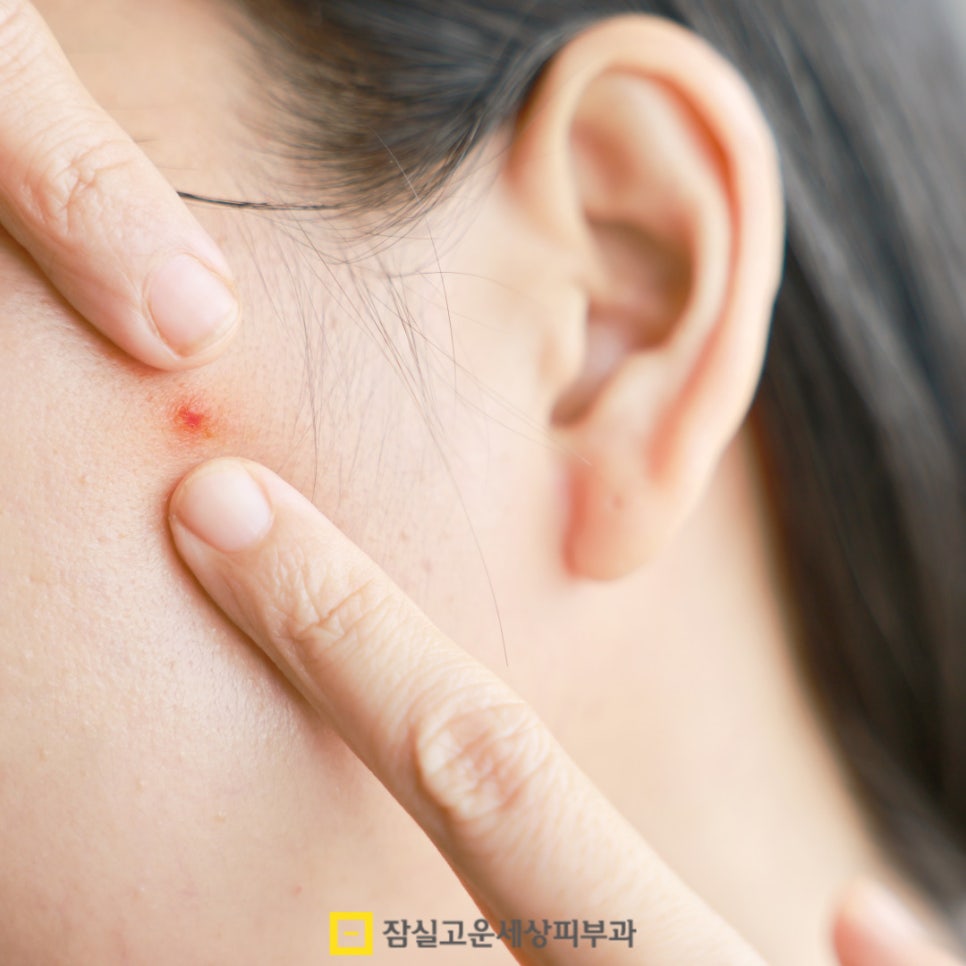
Right after extracting acne, the skin is at its most sensitive and vulnerable to external irritation.
How you care for it at this moment determines whether it will remain as a scar or heal cleanly. Many people 고민—consider using a patch at this point, and after extraction, it is appropriate to apply a hydrocolloid moisture patch.
Hydrocolloid seals the wound area to protect it from external bacteria or contaminants. At the same time, it creates a consistent moist environment on the skin, helping new tissue grow more quickly.
In a dry environment, a wound can easily scab and remain as a scar, but in a moist environment, new skin can naturally form, helping recovery proceed more smoothly. It may also help block the wound from ultraviolet rays and external irritation, reducing the risk of pigmentation and secondary infection.
However, there is an important point you must be careful about here.
If you apply a patch before the acne has been fully extracted, the situation may actually worsen. If a moist environment is created while inflammation still remains inside the skin, it can become a favorable condition for acne-causing bacteria to multiply, which may worsen the symptoms.
Therefore, hydrocolloid patches are safest to use only after extraction has been fully completed and the internal inflammation has settled.
In other words, an acne patch after popping can be a strong protective barrier during recovery, but its effect can only be expected when used correctly.
It is more important than anything else to check the condition of the skin carefully and use it at the appropriate time.
- Acne that cannot be solved with a patch alone
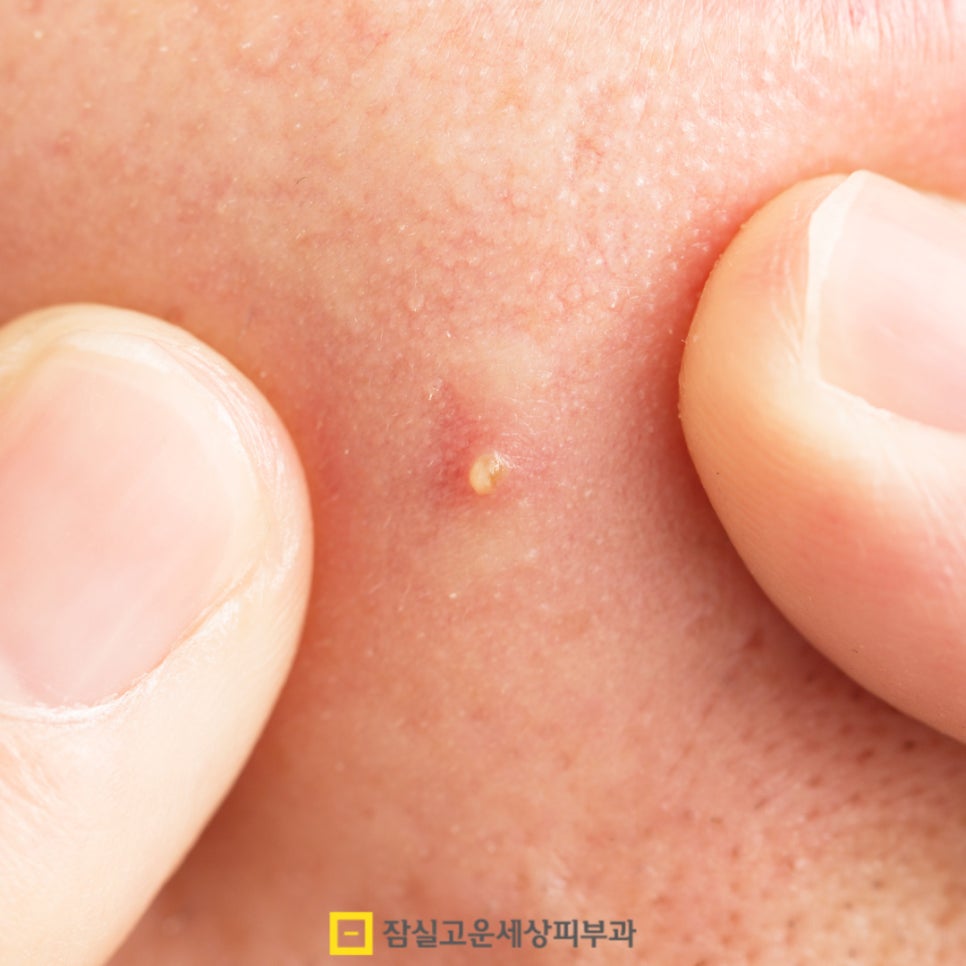
Acne patches are useful in many cases, but not all acne can be resolved with a single patch.
In particular, pustular acne with a large pocket of yellow pus is difficult to improve simply by applying a patch. If you force a patch onto it, the pus may be pushed deeper into the skin, causing tissue damage and increasing the risk of more severe scarring.
In such cases, rather than trying to solve it on your own, getting professional extraction is the safest option. In a dermatology clinic, acne can be removed while minimizing inflammation through specialized tools and a hygienic environment.
However, if visiting a clinic is difficult, you should 반드시 wash your hands thoroughly and use a cotton swab to extract it carefully. Using a cotton swab instead of your fingers can reduce the risk of bacterial infection.
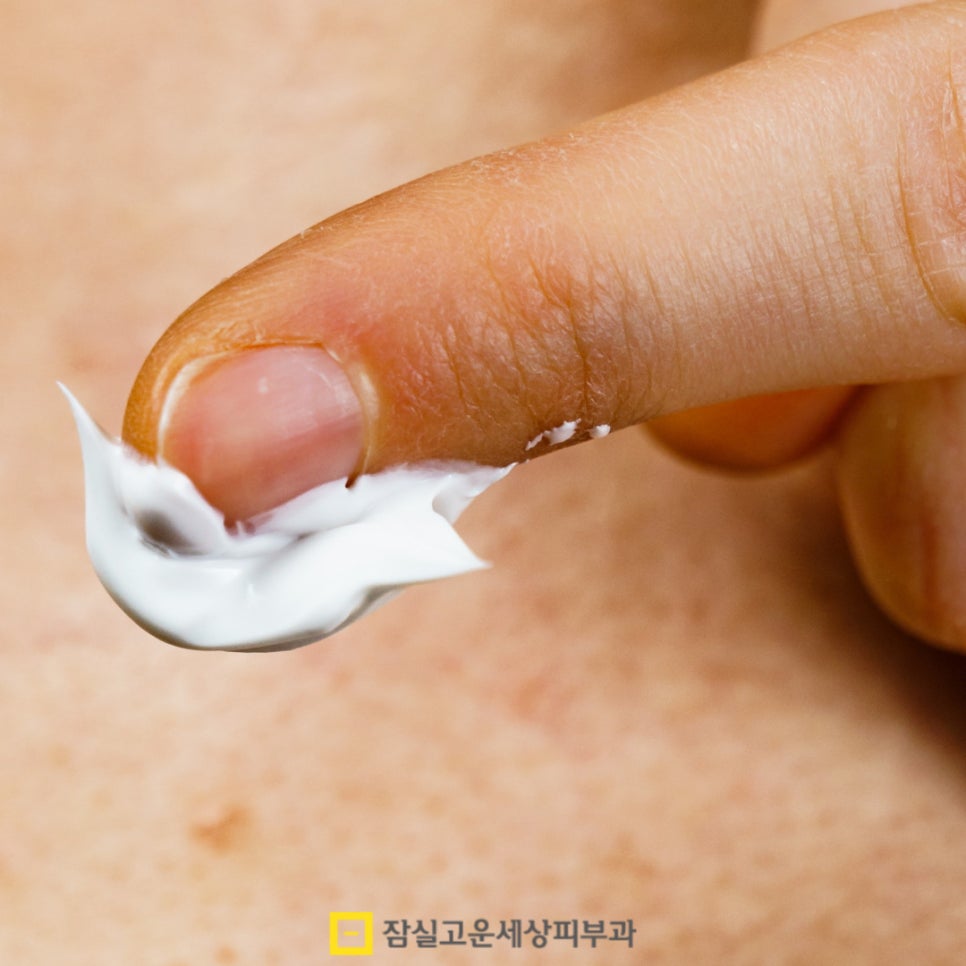
Immediately after extraction, it is more effective to care for the wound with antibiotic ointment rather than applying a patch.
After the inflammation has calmed down to some extent and the wound has settled, usually after about 1 to 2 days, using a hydrocolloid patch can help with wound recovery.
In other words, patches must be used according to the situation in order to become a protective barrier for the skin.
Applying one unconditionally without carefully checking the condition can actually be risky, so it is important to judge the stage and condition of the acne accurately before using it appropriately.
- Basic rules you must follow when using patches
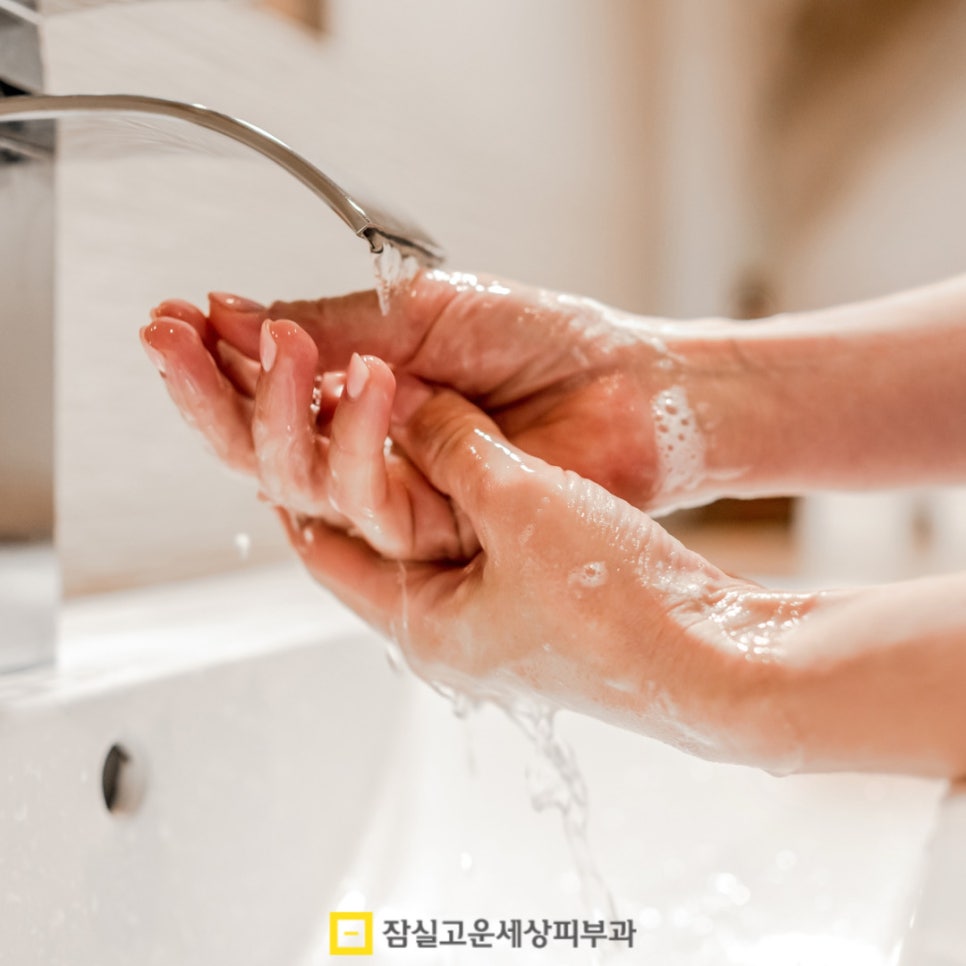
An acne patch is not something that ends with simply sticking it on.
You can get the desired effect only when you use it properly; otherwise, it may instead burden the skin.
The first rule to follow is hygiene.
Rather than touching the patch directly with your hands, it is basic to wash your hands thoroughly before use, and if possible, it is even more hygienic to pick it up with sterilized tweezers. This helps prevent bacteria left on the hands from transferring to the patch.
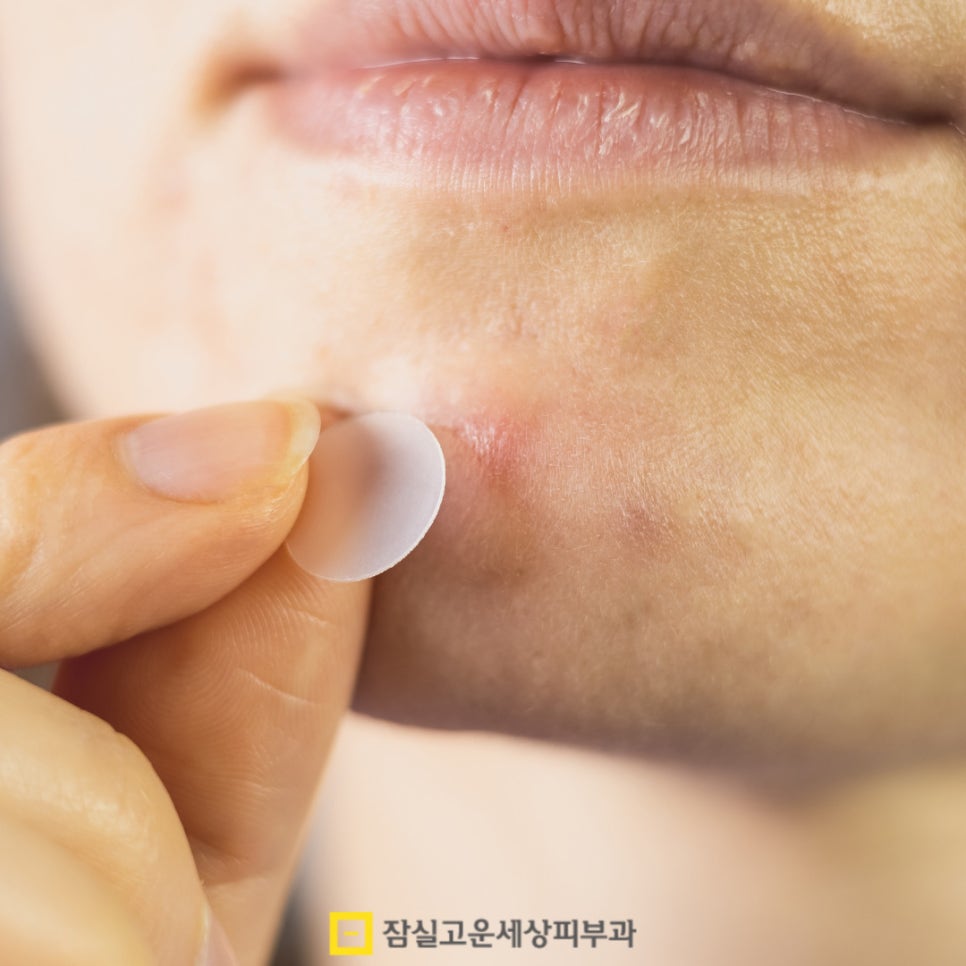
The skin where the patch will be applied should also be clean after washing.
If you apply a patch over toner or lotion, not only will the adhesion be reduced, but oil trapped underneath may actually worsen inflammation. Therefore, the rule is to apply it immediately after washing, on dry skin.
Wearing time is also important.
It is easy to think that leaving the patch on longer will make it more effective, but it is recommended not to exceed 12 hours at a time. Leaving it on too long can weaken the skin and cause irritation.
In the end, depending on how it is applied, an acne patch can either help the skin recover or, on the contrary, become an irritant. Simply following the basic rules of hygiene and wearing time can greatly improve the patch’s effectiveness and protect the skin more safely.
The skin remembers the traces of careful care.
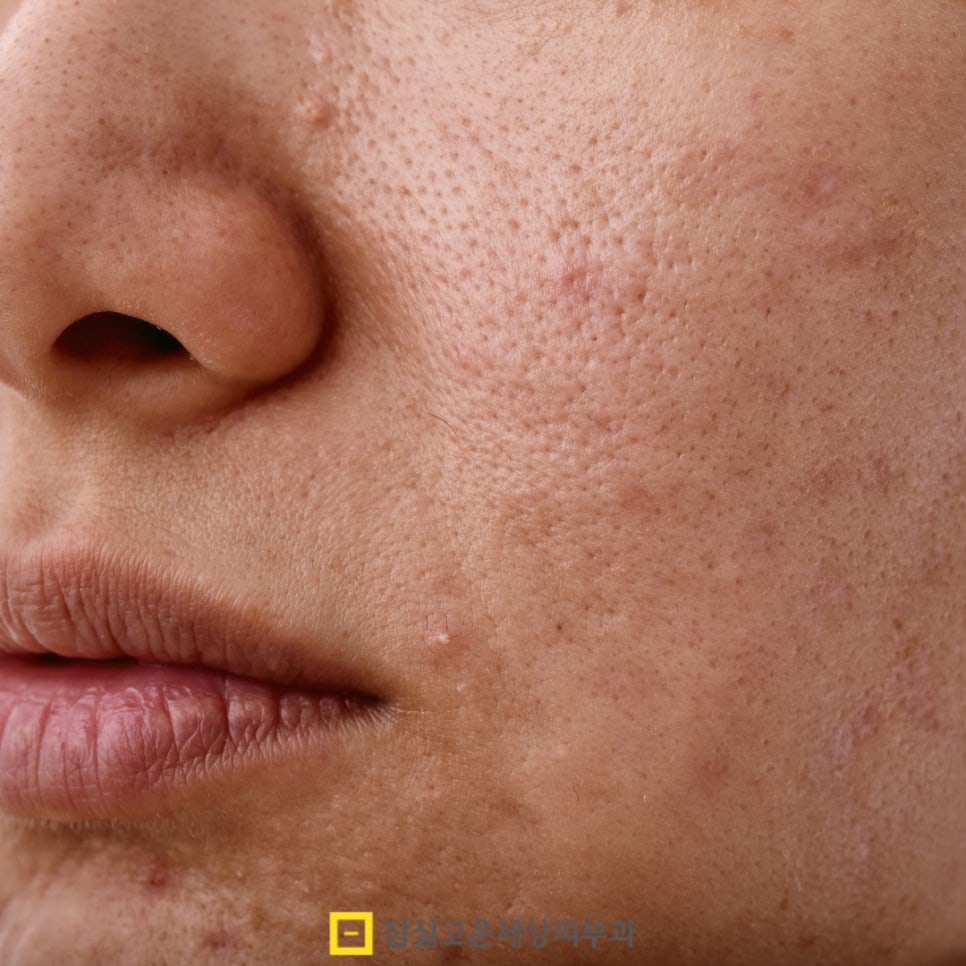
An acne patch is not just a covering tool.
When used appropriately for the situation, it can become an important way to help the skin recover. However, if used without proper distinction, it can become a burden rather than a protective barrier and may make the skin even more sensitive.
Because patches used before popping and after popping have clearly different ingredients and roles, it is important to distinguish between them and use them accordingly. For acne with severe pus or acne that may leave marks, it is safest to consult a professional.

In the end, the most important thing in skin care is to carefully observe what condition your skin is in right now and make the right choice for it. The same goes for acne patches: it is not about applying as many as possible, but about when and how you use them that determines the result.
Today's small habits and careful choices are recorded 그대로 in tomorrow’s skin.
If you continue to care for it steadily without rushing, your skin will remember that effort and return it with a healthier, clearer appearance.
Thank you.
▼Jamsil Gounsesang Dermatology Clinic directions▼
▼Jamsil Gounsesang Dermatology Clinic information▼
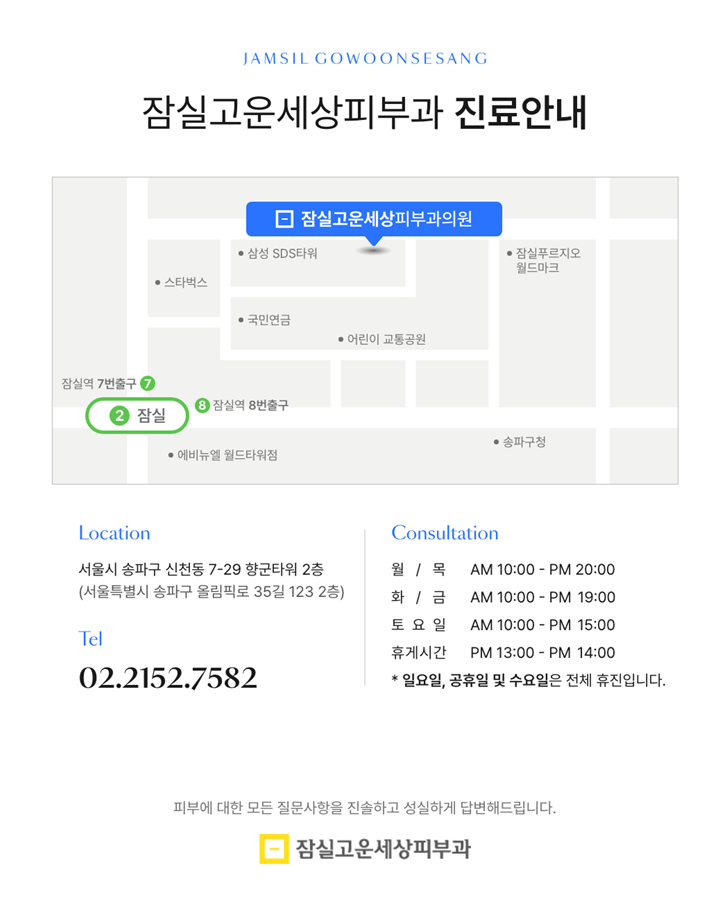
▼Jamsil Gounsesang Dermatology Clinic website▼
This post is provided by Jamsil Gounsesang Dermatology Clinic for the provision of medical information in accordance with Article 56, Paragraph 1 of the Medical Service Act. All procedures/surgeries carry the risk of side effects such as bleeding, infection, and nerve damage, so please proceed carefully after sufficient consultation with medical staff.