The season when dryness begins,
signals sent by your skin
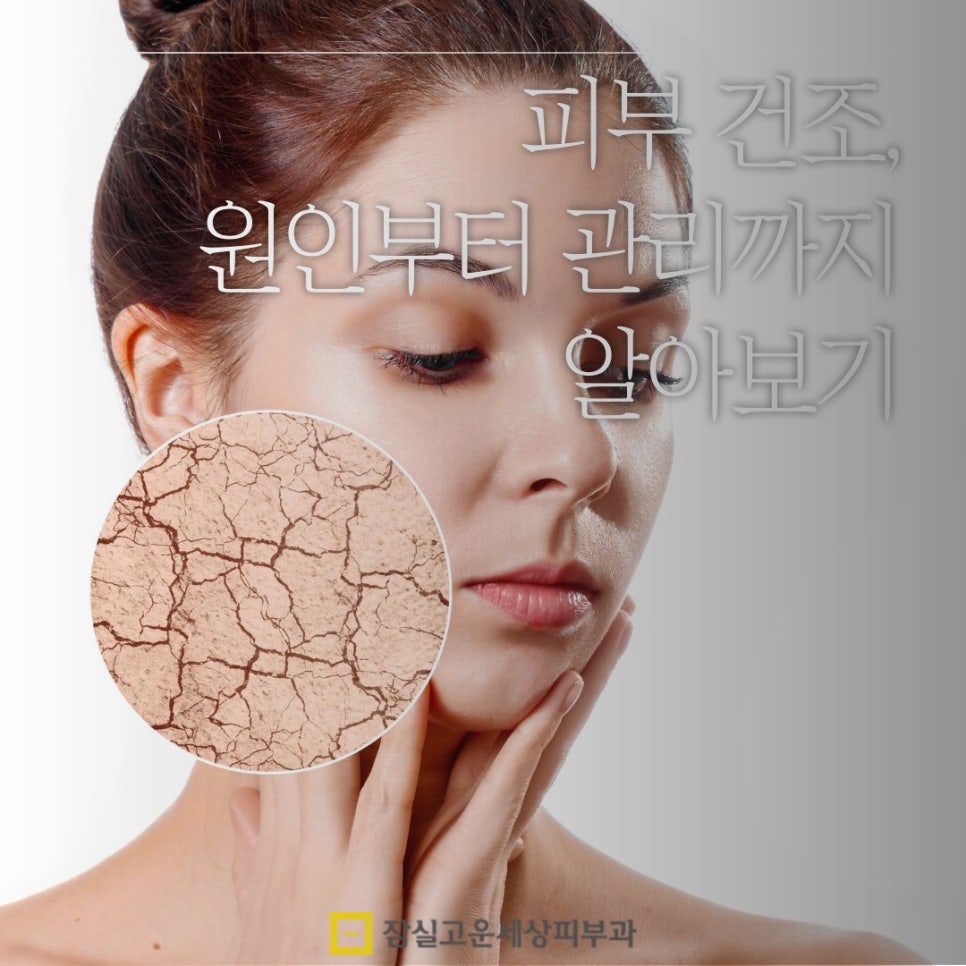
When cold winds blow and the temperature difference between indoors and outdoors grows larger, there comes a moment when your face feels tight and rough.
It is easy to dismiss this as just a seasonal effect, but these changes may be the result of overlapping personal factors such as lifestyle habits, environmental influences, and age.
Rather than stopping at the roughness you can see on the surface, dryness can lead to itching and cracking, and in severe cases may develop into a skin condition, which is why a systematic understanding and management are necessary. Today, let’s calmly organize everything from the main causes of dry skin to effective care methods so you don’t miss the small signals in everyday life that are easy to overlook.
Before small discomfort repeats itself, setting the right direction is the surest first step toward restoring comfort to the skin.
- Causes of dry skin
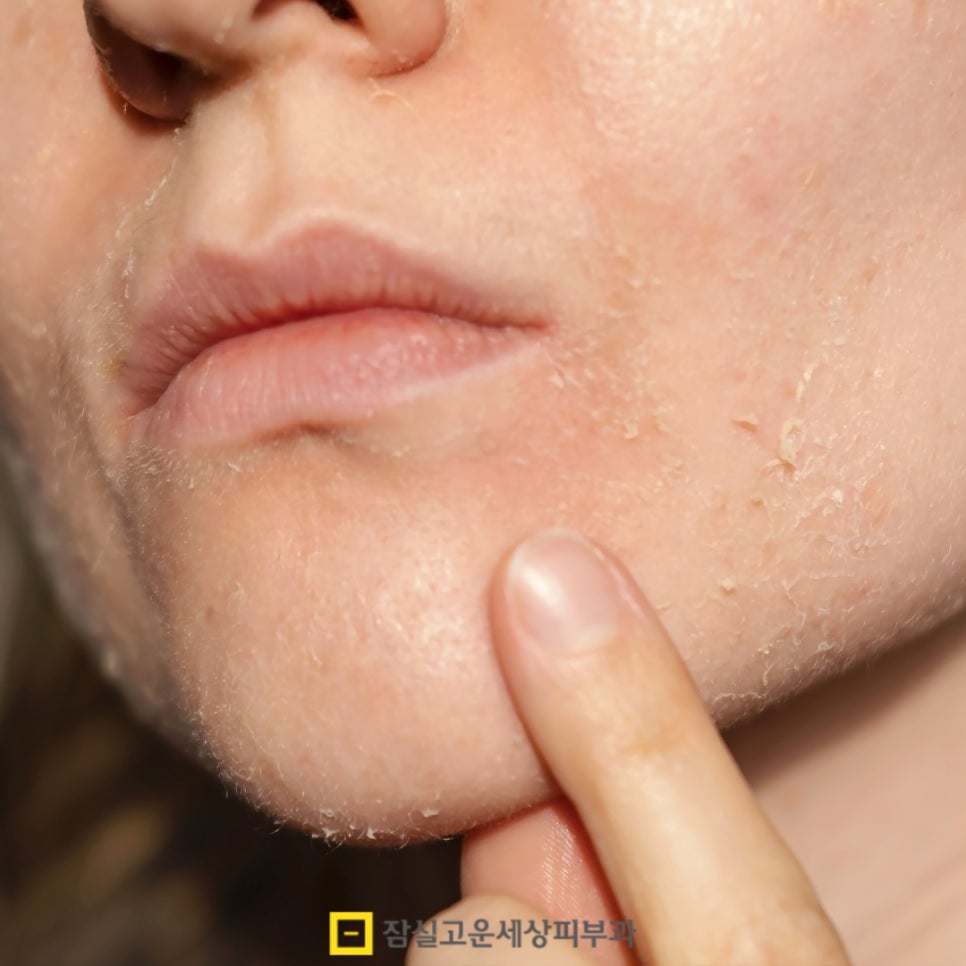
Many people experience the discomfort of tightness and cracking skin whenever the seasons change.
It may seem like a temporary issue, but there are many hidden causes behind dry skin. Looking at those causes more closely, you can see that they are made up of several overlapping factors, from familiar everyday habits to internal influences you may not even notice.

- Environmental factors,
the first cause encountered in daily life
During dry seasons like autumn and winter, humidity in the air drops, causing moisture in the skin to evaporate quickly. In particular, when indoor heating is used for long periods, the air becomes even drier, and skin dryness often worsens.
This is why skin can become rough even while staying in a warm home. Since this kind of environment is difficult for anyone to avoid, the skin reacts sensitively even to small changes in humidity.

- Lifestyle habits,
the effects of actions repeated without thinking
Daily cleansing and showering can also worsen dry skin. Showering for a long time with hot water or washing the face several times a day weakens the skin barrier and breaks down the protective layer that keeps moisture in.
If you add in the habit of using harsh cleansers or excessive scrubbing, the skin becomes easily sensitive and dryness becomes even more noticeable. This is something many people can relate to, because actions done with the thought that they are helping with self-care may actually place a burden on the skin.
- Internal factors,
the invisible but important part
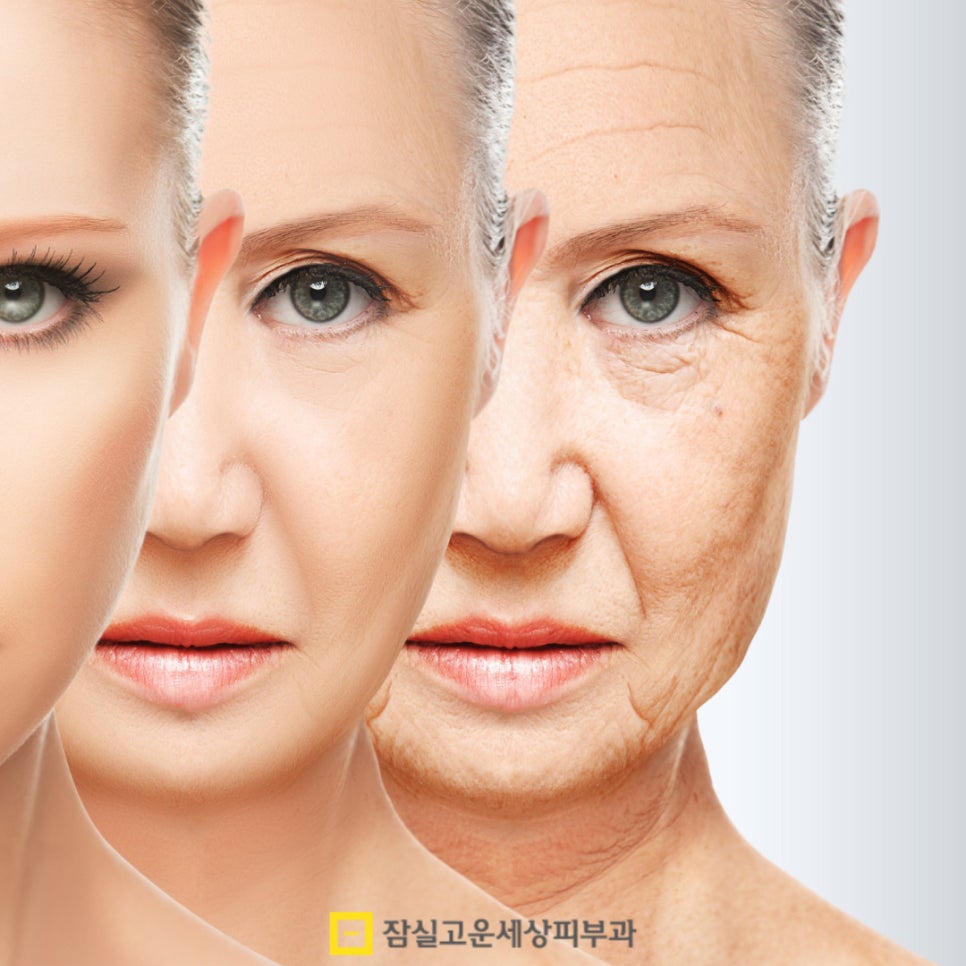
As skin ages, it gradually changes. A representative example is the decrease in natural moisturizing factors (NMF) and sebum production, which makes it harder for the epidermis to retain moisture. Systemic conditions such as diabetes and thyroid disease, as well as zinc deficiency and nutritional imbalance, can also lead to dry skin.
In some cases, taking certain medications can also make the skin dry more easily than usual, which is why the cause cannot simply be attributed to external conditions alone.

- Psychological factors,
the traces of the mind that appear on the skin
When stress continues for a long time, hormonal balance can be disrupted and the skin’s ability to recover may decline. The body sends signals to recover, but skin that cannot maintain balance properly responds right away with dryness.
The fact that emotional condition can also be linked to the skin is not widely recognized, but it is something many people experience in daily life. Small tension or fatigue shows up on the skin, making dryness feel even more severe.
- Symptoms of dry skin
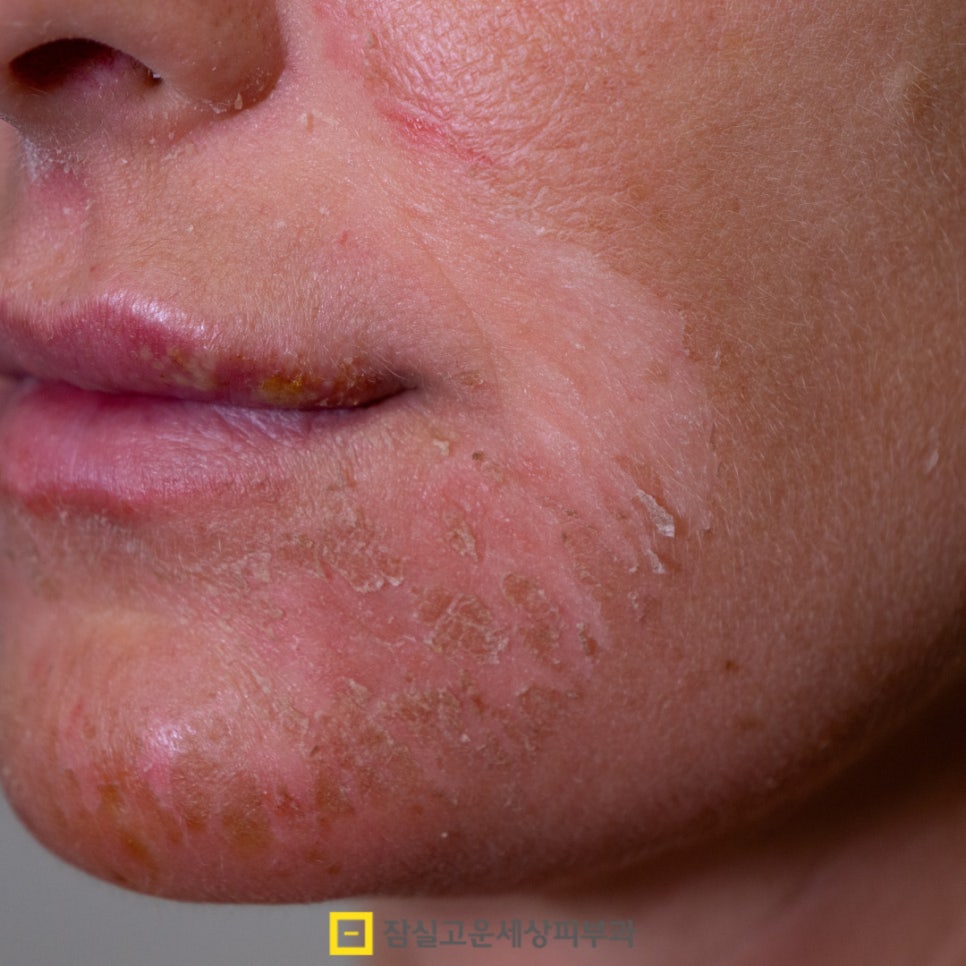
When people think of dry skin, they often first imagine tightness or white flakes of dead skin. But dry skin can involve much deeper changes than that.
Dryness that begins as a small signal can gradually lead to rough, noticeable changes over time. Going through this process yourself makes you realize that it is not simply ordinary dryness.
- Skin peeling like fine scales
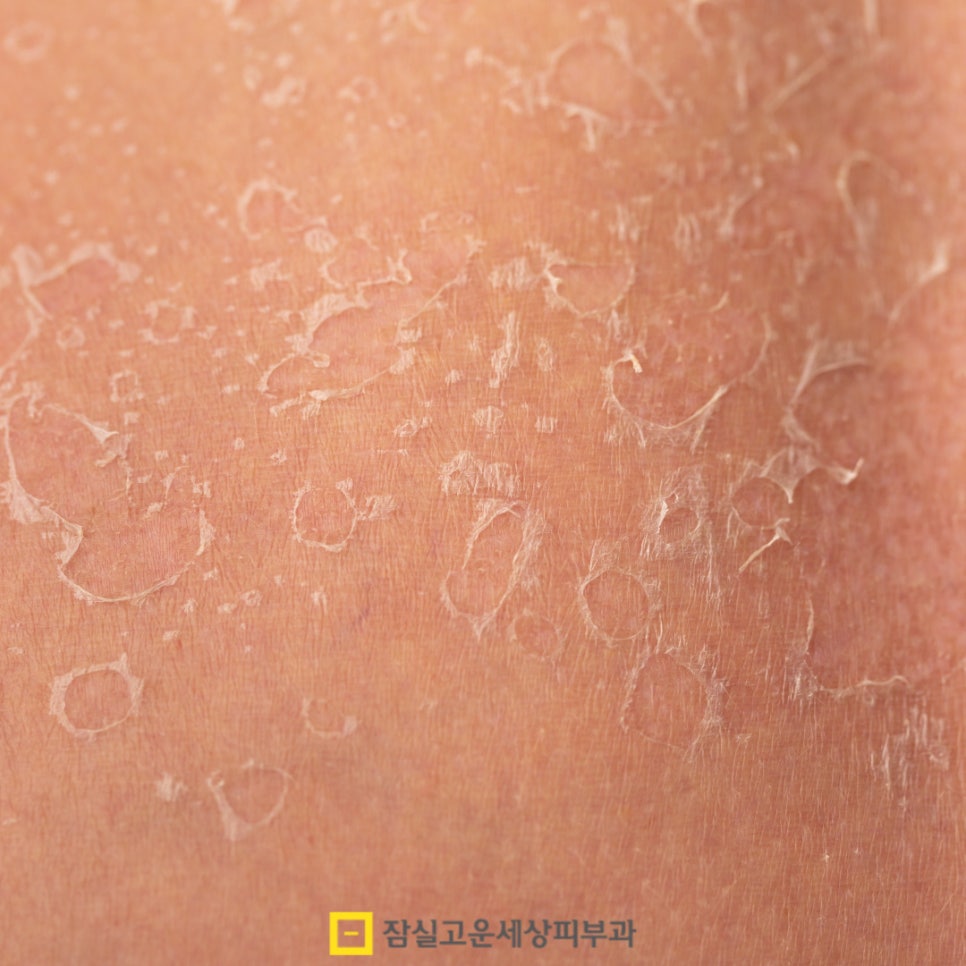
As dry skin progresses, the skin surface may no longer feel smooth and instead appear to lift like tiny scale-like flakes. This happens because the skin is no longer maintaining normal moisturizing function and the epidermal layer is drying out and shedding.
In particular, the thin white flakes become visibly noticeable and bothersome, and they may feel even more irritating whenever you put on or take off clothes.
- Cracks that look like cracked porcelain
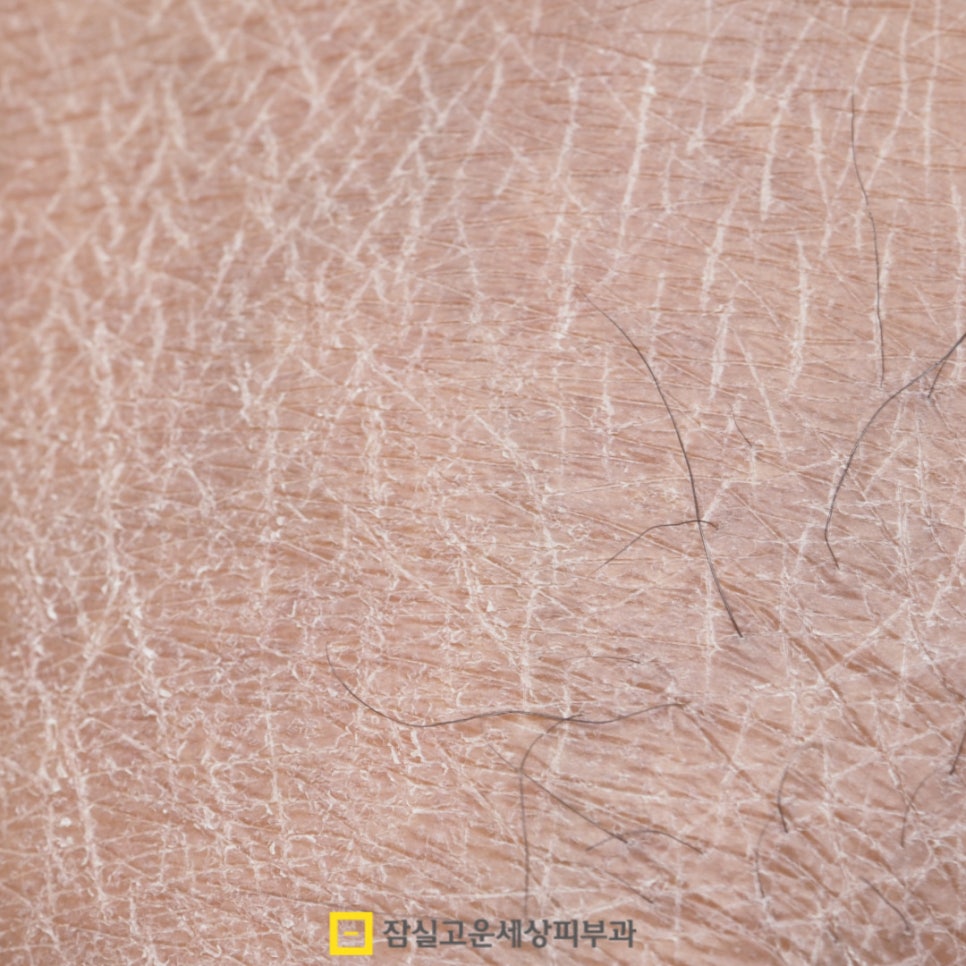
When the skin becomes even drier and the condition worsens, cracks may appear, like the surface of cracked porcelain. This often occurs in areas where the skin is relatively thin and stiff, especially around the shins.
Similar patterns can also be seen on the arms, hands, and feet. Cracked skin is not just uncomfortable to look at; when it is exposed to irritation in daily life, it can also lead to pain.

- Itching that accompanies dryness
Dry skin often does not stop at visible changes on the surface and is frequently accompanied by itching. When the skin becomes dry, the nerve endings become more sensitive, making it easy to feel itchiness even from small刺激.
You may feel discomfort in everyday situations, such as before falling asleep or when clothing touches the skin. Because this itching is hard to ignore, you may scratch without thinking, which can worsen the symptoms.
- Secondary problems that can occur in scratched areas
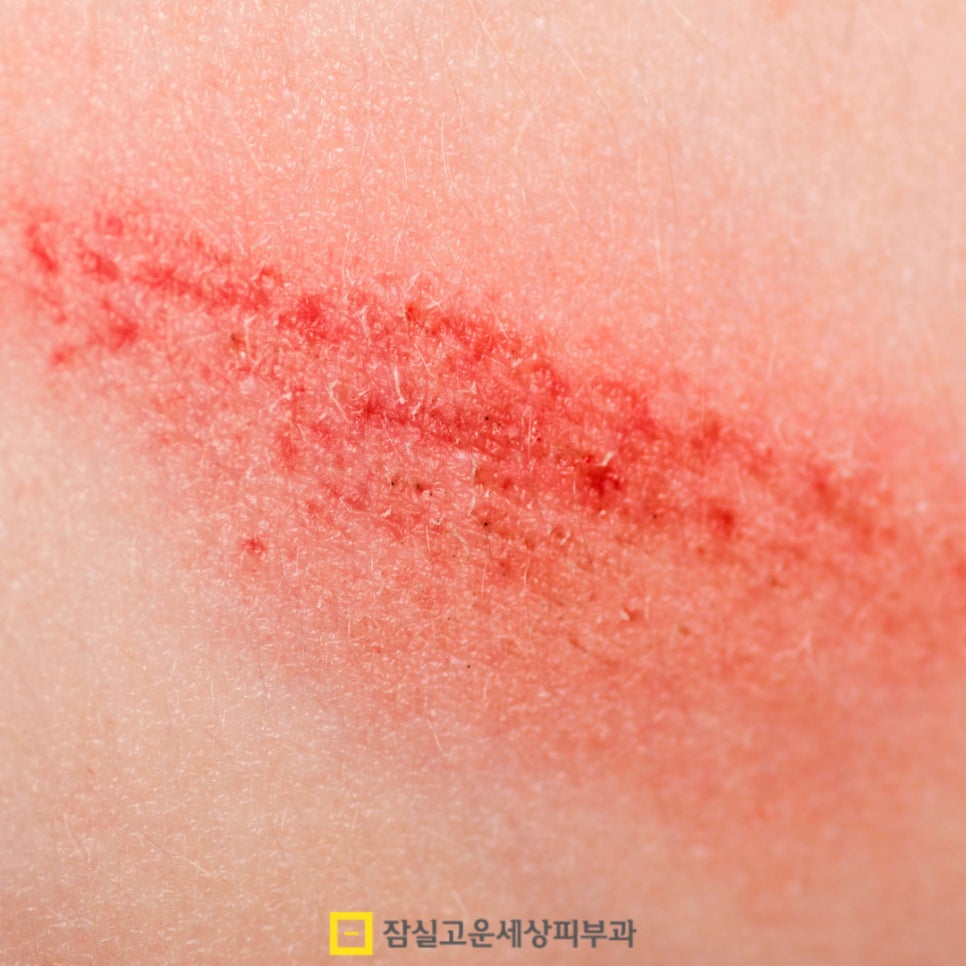
When you repeatedly scratch to relieve itching, the skin surface can be damaged and small wounds may form. These open wounds create an environment where bacteria can easily enter, increasing the risk of secondary bacterial infection.
Because a problem that starts as simple dryness can progress into inflammatory changes, dry skin should never be taken lightly.
- How to manage dry skin
When the skin feels tight and rough every day, small habits across your overall lifestyle can make a bigger difference than one-time treatment. The moment you finish showering and wipe off moisture with a towel, the few seconds spent washing your hands at the sink, and even the long hours spent indoors.
Just by adjusting these everyday scenes a little, the skin can feel much more comfortable. The guidelines below are designed so they can be followed steadily without strain.

- Use a moisturizer
The key is to apply moisturizer immediately after showering while the skin is still slightly damp.
It works by forming a moisturizing layer before moisture on the skin surface evaporates, helping prevent water loss. Moisturizers containing ceramides, cholesterol, and fatty acids are suitable.
This combination helps reinforce the skin barrier, and the drier the season becomes, the more important it is to keep up with a thorough moisturizing routine. A difference of just a short moment in timing can affect comfort throughout the whole day.
- Improve cleansing and bathing habits
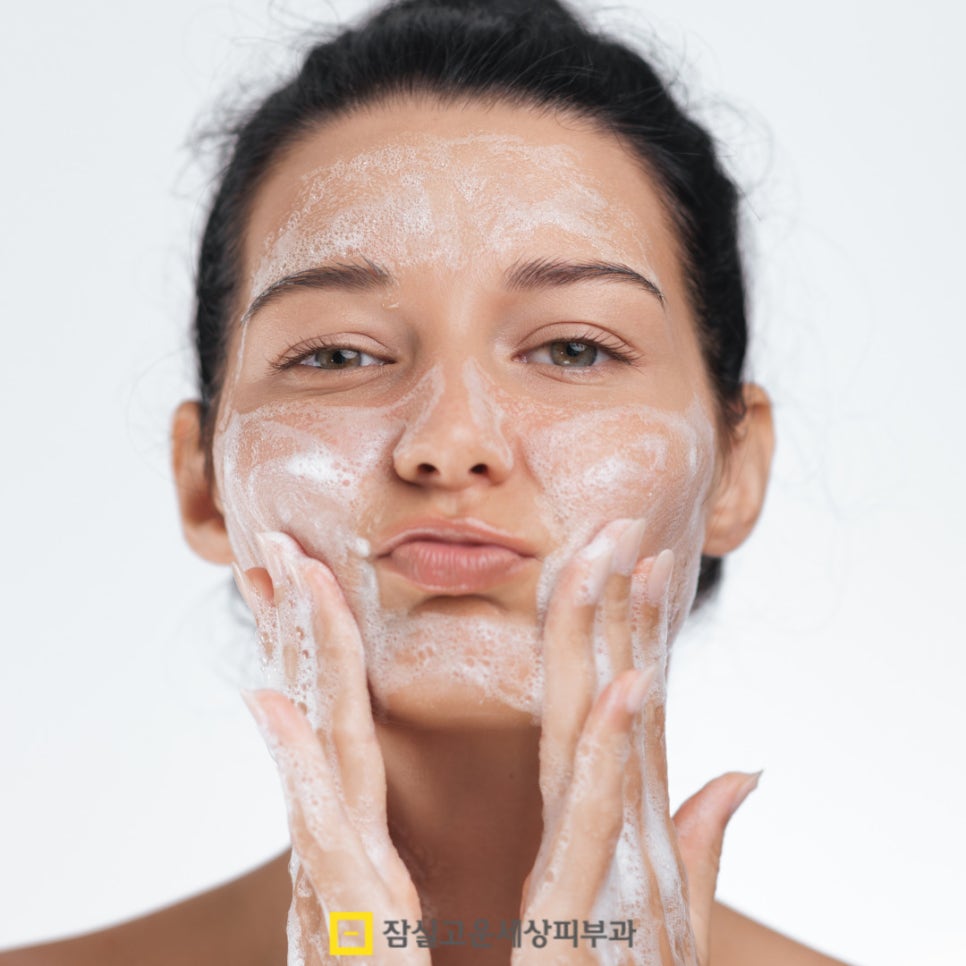
Cleansing should be gentle and brief.
Choose a mild, slightly acidic cleanser so that unnecessary oils and moisture are not stripped away excessively, and keep the water temperature lukewarm rather than hot. It is also better not to make showers too long.
Excessive scrubbing should be avoided because it damages the barrier that protects the skin. Even small irritation can build up if repeated, increasing dryness and sensitivity, so it is necessary to adjust habits to minimize stimulation, from the cleansing method to the pressure used.

- Replenish moisture inside the body
Skin comfort begins with balance inside the body.
Drink about 1.5 to 2 liters of water a day in divided portions to maintain hydration. If you spend a lot of time indoors, using a humidifier can also help reduce dryness in the surrounding air. When the air that reaches the skin is not too dry, the same moisturizing routine can feel more consistently effective.

- Sun protection
Ultraviolet rays promote skin aging and dryness regardless of the season or weather. Even in daily life where you move between indoors and outdoors, it is important to make a habit of applying sunscreen consistently.
If you apply it 30 minutes before going out and reapply every 2 to 3 hours, it helps protect the skin from everyday exposure. When moisturizing and sun protection are done together, the dryness felt throughout the day is reduced even more.

- Manage your lifestyle habits
Daily rhythms deeply affect the skin’s recovery and ability to retain moisture. Regular exercise helps blood circulation, allowing the nutrients the skin needs to be delivered more evenly, while sufficient sleep and a balanced diet give the skin time to reset itself overnight.
Reducing stress and making time for rest ultimately benefits the skin as well. As the balance between body and mind improves, discomfort caused by dryness naturally moves toward relief.
- Dry skin, things not to overlook
Many people tend to think of dry skin as nothing more than tightness and roughness.
But dryness can go beyond simple discomfort on the skin’s surface and develop into a problem that affects daily life.
In particular, if the discomfort continues for a long time, it can affect not only the skin but also overall quality of life.

- Dryness that can lead to sleep problems
When the skin becomes dry, the itching that often accompanies it makes the problem worse. During the day you may be able to bear it, but at night the itching often becomes stronger and interferes with deep sleep. Repeated tossing, turning, and scratching can make it difficult to fall into deep sleep, which in turn can lead to fatigue and reduced concentration. This is why dryness should not be taken lightly, as it can disrupt daily rhythms.

- Wounds and infection risks created by repeated scratching
When skin is dry and itchy, scratching may feel like an immediate relief, but in return the skin surface is easily damaged. Even a small wound can deepen if it is scratched repeatedly, and the skin can lose its ability to recover.
If bacteria enter during this process, there is a risk of secondary infection that can develop into a pus-forming condition. In the end, the act of scratching just because it itches can cause a bigger problem.

- Care needed along with lifestyle changes
When dry skin appears mildly, it often improves with lifestyle management alone. But if dryness lasts for a long time or itching becomes severe enough to affect daily life, it is necessary to combine everyday care with professional medical treatment.
Not missing the signals sent by the skin and adjusting care methods at the right time is the safest way to protect skin health in the long term.
Dry skin is not simply something that can be blamed on the season alone; it is the result of the lifestyle habits and health condition we have built up over time. Small habits such as applying moisturizer after washing, consistently drinking water in small amounts, remembering sunscreen, and maintaining a regular daily rhythm all help the skin regain its ability to recover on its own.

When this basic care is maintained, the skin can stay smooth and hydrated without easily being shaken by rough winds. What matters is that the starting point of care is never grand or complicated.
The small choices and actions you take today can change your skin tomorrow, and that steady effort becomes the consideration your skin wants most. When your skin feels dry, it may already be a sign that care is needed, and not missing that signal, keeping up the basics in daily life, and, if necessary, correcting the balance through professional advice is the right path to protecting skin health.
Skin remembers our habits. We should not forget that the effort we make now will lead to healthy skin in the future.
Thank you.
▼Directions to Jamshil Gounsesang Dermatology▼
▼Jamshil Gounsesang Dermatology Consultation Guide▼

▼Jamshil Gounsesang Dermatology Homepage▼
This post is provided by Jamshil Gounsesang Dermatology for the provision of medical information in accordance with Article 56, Paragraph 1 of the Medical Service Act. All procedures/surgeries carry the risk of side effects such as bleeding, infection, and nerve damage, so please proceed carefully after sufficient consultation with medical professionals.