Acne,
is no longer just a teenage
problem!
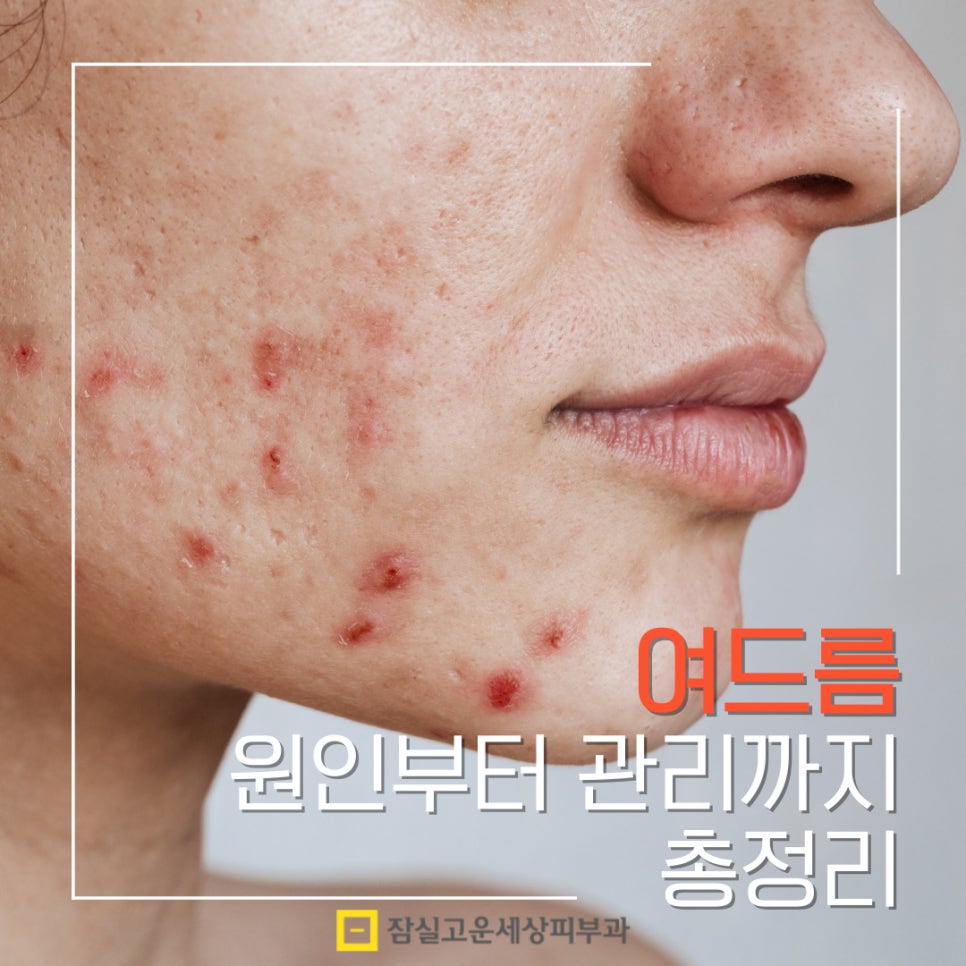
The acne reflected in the mirror does not end as a concern
only for adolescence.
Recently, it has also appeared frequently in adults, and in daily life
it can lower confidence and lead to inconvenience.
It may look like a small rash on the skin,
but in reality it is a chronic skin condition that occurs as a complex interplay
of imbalanced sebum production, clogged pores,
bacterial growth, and inflammatory reactions.
If you think the reason acne keeps recurring is simply a surface-level
skin problem, it is easy to miss the right direction for care. Because
daily habits and structural changes in the skin act together,
proper understanding becomes the starting point for recovery.
In this post, we will go through step by step how acne develops,
what symptoms it appears with, and what should be considered in care and
treatment.
- Causes of acne
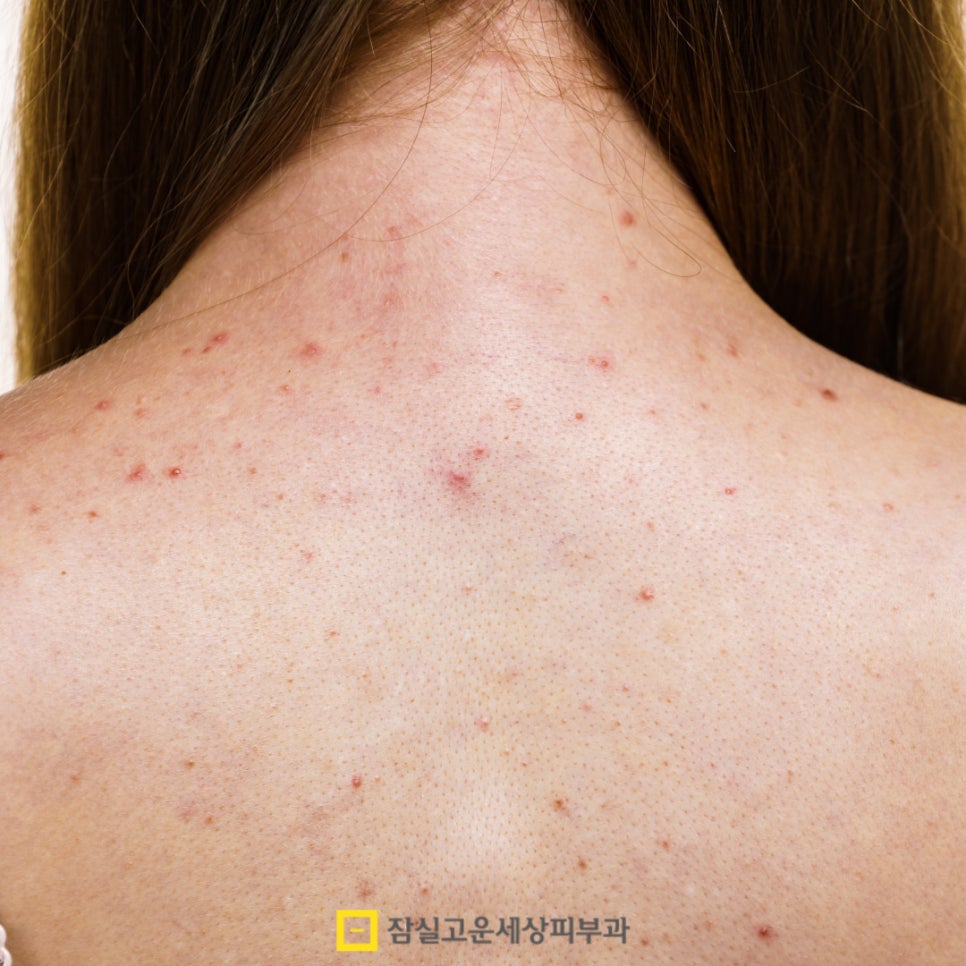
Acne cannot be explained by just one reason.
People often think of hormonal changes during puberty, but in reality,
a much more complex process is involved.
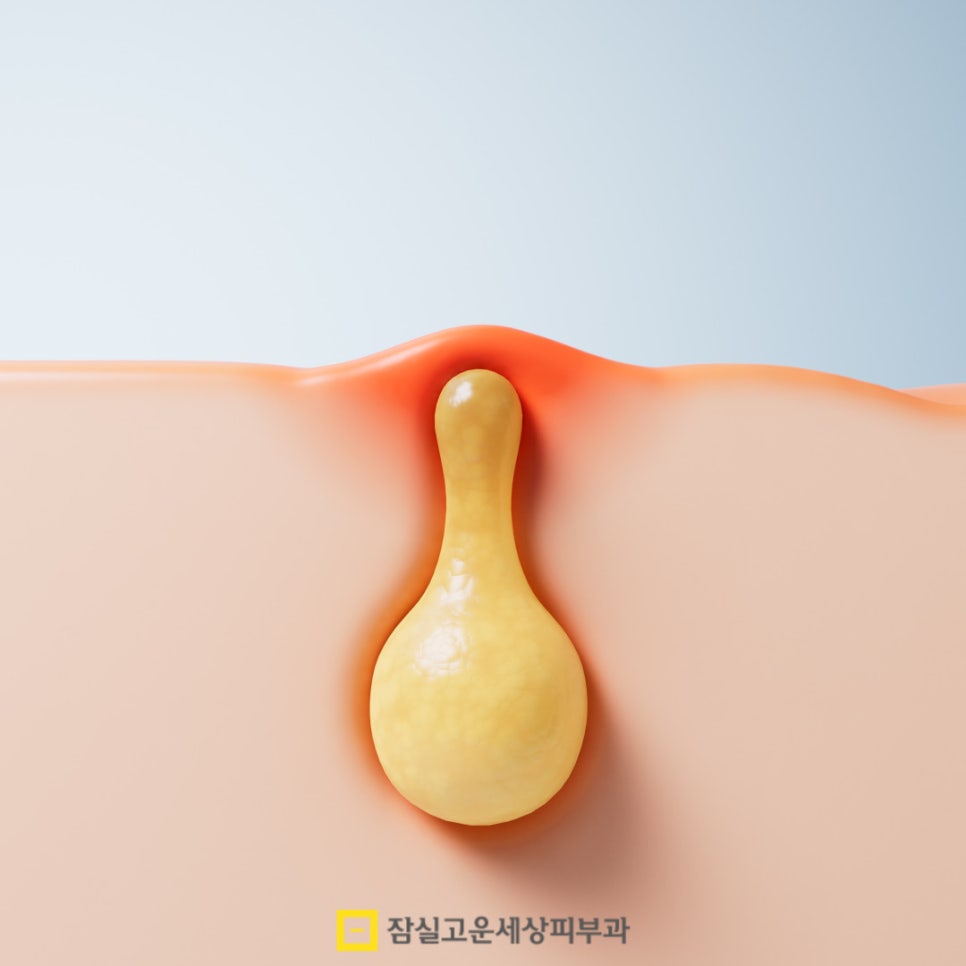
When hormone secretion changes, the sebaceous glands
become more active, and the excess sebum produced in this process
accumulates on the skin surface. If pores become clogged with dead skin cells,
the sebum cannot be discharged smoothly and remains inside,
forming comedones, the starting point of acne.
The problem does not end there. Sebum trapped in the pores
becomes good nourishment for bacteria, and as the bacteria break it down,
an inflammatory reaction occurs, leading to red and painful lesions on the
skin.

In addition, the lifestyle habits of modern people act as factors that
further worsen this process. Insufficient sleep,
ongoing stress, a diet centered on oily and sweet foods, and the use of cosmetics
that do not suit the skin all disrupt skin balance
and create a background that makes acne easier to develop and
worsen.
Ultimately, acne is not a problem limited to the skin surface,
but a skin condition that appears as internal changes and lifestyle habits
work together. That is why correctly understanding the cause becomes the
first step in care and treatment.
- Types of acne
Although all acne may look the same, it appears in different forms depending on
the depth of inflammation and how far it has progressed.
So if you simply judge by the outward appearance,
it is easy to miss the right direction for care.
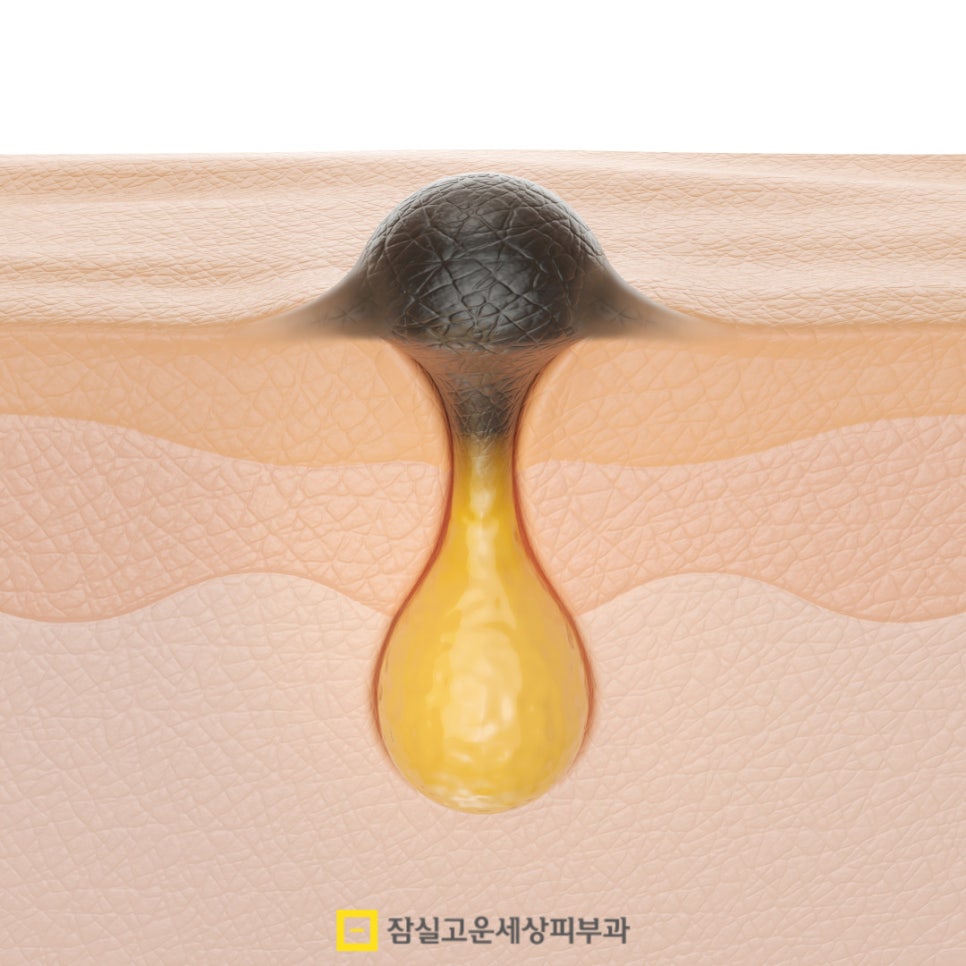
Blackheads are a representative early form, appearing when sebum
collects in pores and turns black after contacting air and oxidizing.
There is almost no pain, but if you pick at them carelessly,
the pores may widen or leave marks. Comedonal acne, which appears as small
bumpy spots like millet seeds, does not show visible pus on the surface,
but it has a high chance of developing into inflammation, so it is important
not to squeeze it or irritate it rashly.
As symptoms progress, they can develop into red, firm nodules or pustules
filled with pus. At this stage, pain is accompanied,
and if care is insufficient, the likelihood of leaving marks
increases. The most severe stage is the cystic or conglobate form,
which is large, forms pus pockets deep in the skin,
and is accompanied by warmth and swelling. In such cases, the risk of
skin damage is high, and scars or
pigmentation may remain, so early and appropriate
management is necessary.
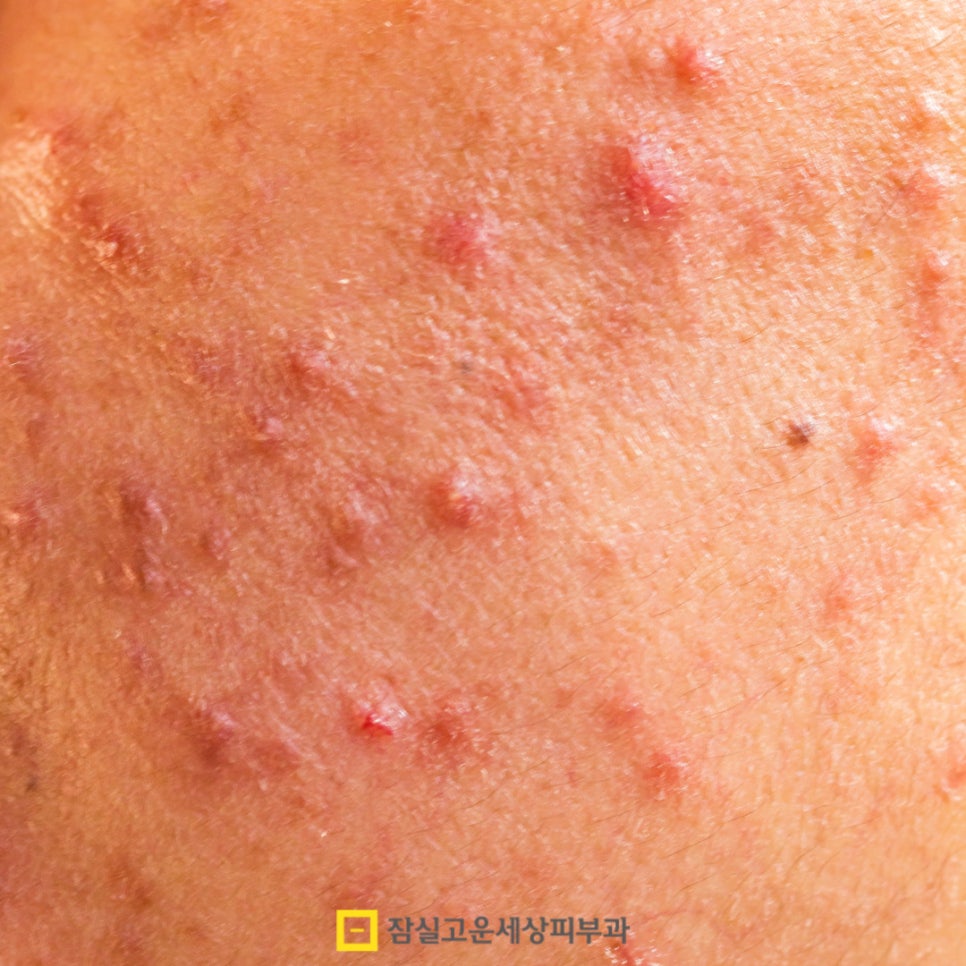
Because the appearance of acne varies like this,
it is important first to understand what stage the form appearing on your skin is in.
Even if it is the same acne, the direction of care and treatment can differ.
- Daily care habits
Acne, just like treatment, requires careful management of daily habits.
The skin responds exactly to how we live, so a small habit can worsen symptoms
or, conversely, help improve them.
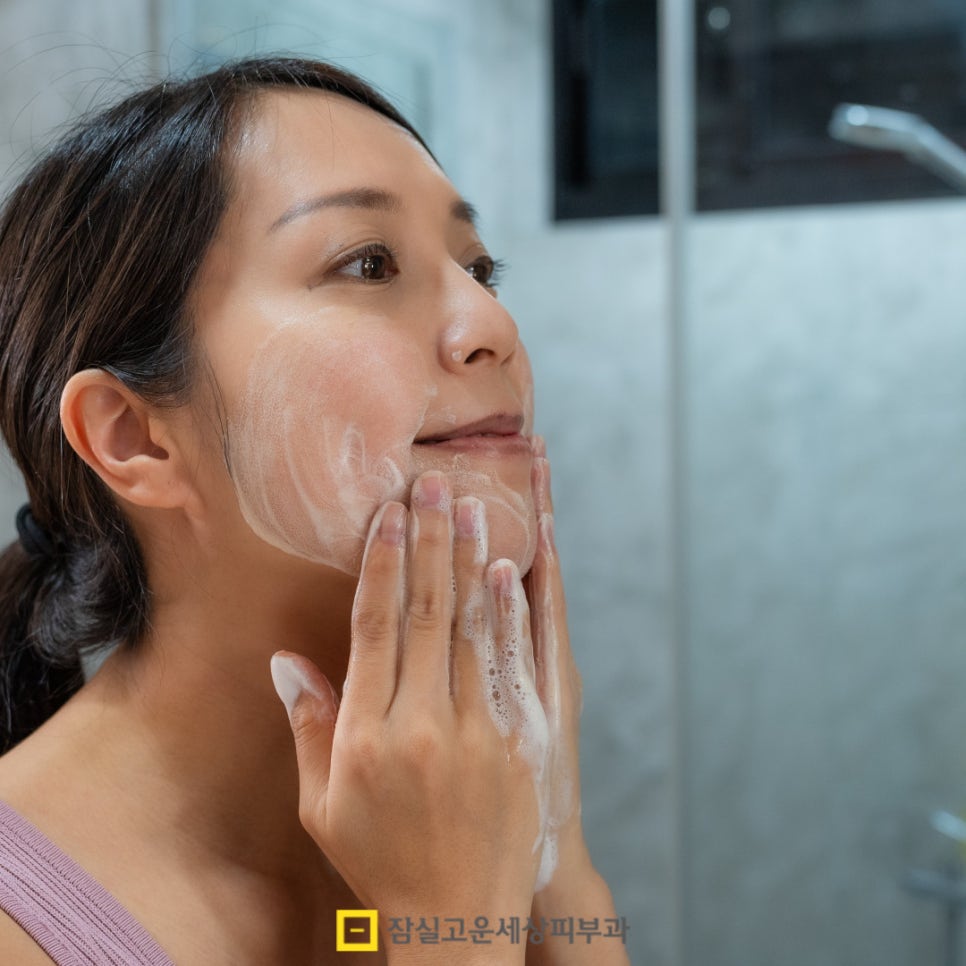
First, cleansing habits are basic.
It is best to wash your face gently twice a day with a mildly acidic cleanser
that can protect the skin barrier.
Excessive cleansing can instead irritate the skin and increase sebum production,
so caution is needed. After cleansing, it is also necessary not to forget
to provide moisture.

Diet is also closely linked to acne.
Oily foods, sugary foods, and dairy products can increase sebum production
and promote inflammatory reactions, so they need to be controlled.
On the other hand, fresh vegetables and fruits help restore balance within the skin,
and adequate water intake helps skin metabolism function smoothly.
Sleep habits cannot be left out either.
In particular, the period from 10 p.m. to 2 a.m. is when growth hormone is
actively secreted, and it is the golden time for the skin to recover on its own.
Getting deep sleep during this time is of great help to acne
management as well.

Lastly, stress control is needed across daily life.
That is because stress can disrupt hormonal balance, increase sebum production,
and worsen inflammatory reactions. Regular exercise or finding a rest method
that suits you also has a positive effect on skin health.
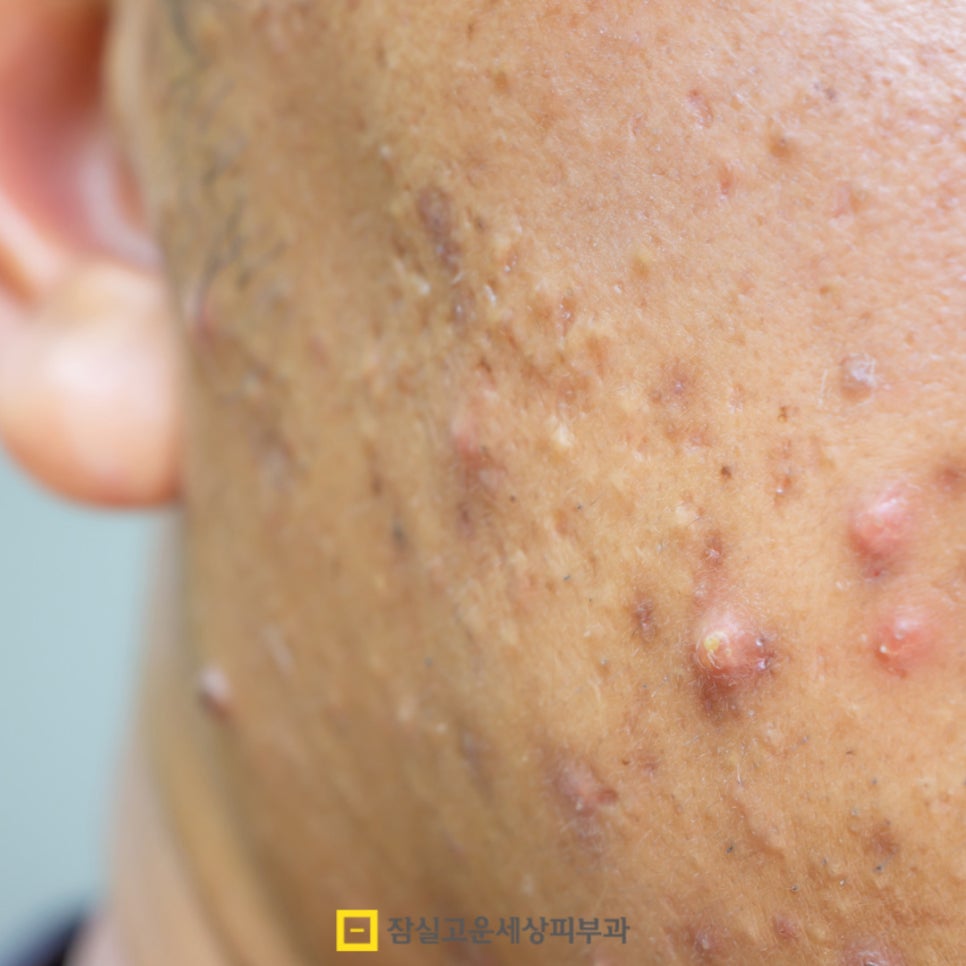
Most importantly, you should avoid the habit of squeezing acne with your hands
without thinking. Improper extraction can easily lead to pore damage,
scarring, and pigmentation. It is necessary to remember that small habits
ultimately create changes in the skin.
- When treatment is needed
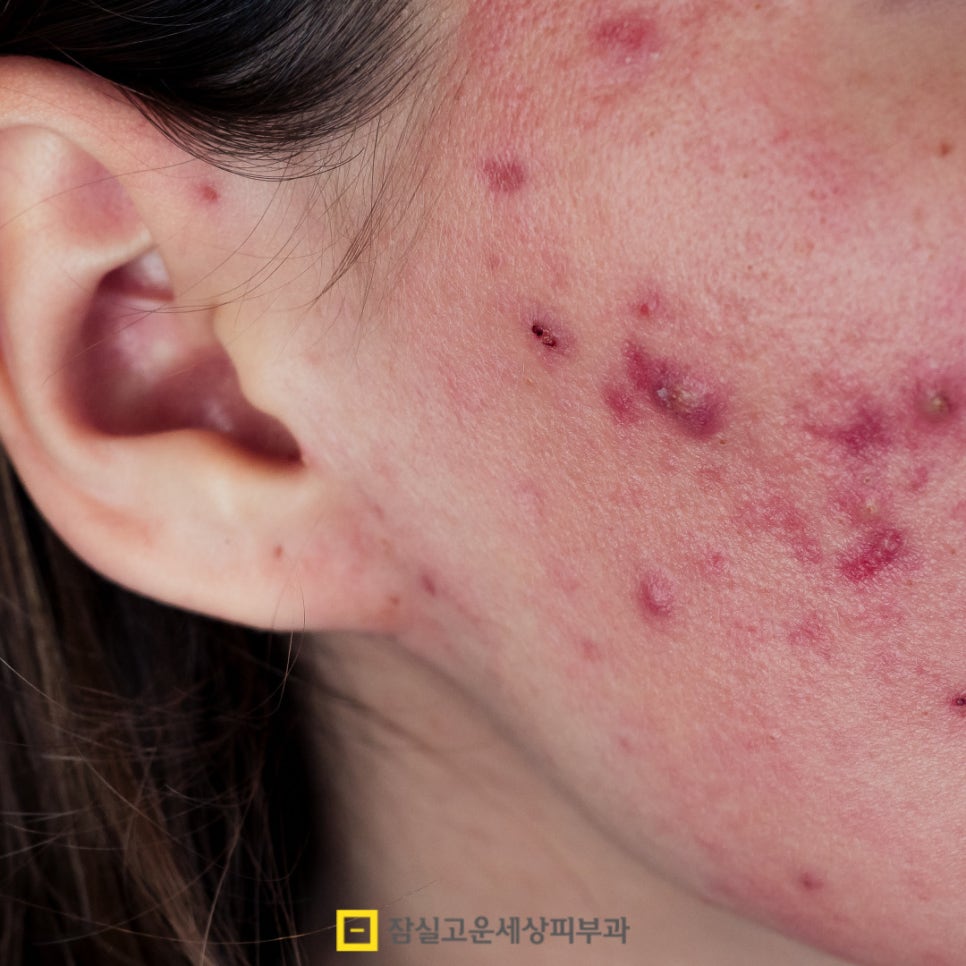
Because not all stages of acne are the same,
in some cases improvement is possible with lifestyle management alone,
but in other cases active treatment is definitely needed.
In mild stages, improving cleansing habits and using topical agents containing
ingredients such as salicylic acid, retinoids, or benzoyl peroxide may help.
At this stage, the key is to support the skin's self-recovery ability
while preventing progression to inflammation.
However, nodular acne, in which inflammation becomes deep and firmly settles
within the skin, or cystic acne, which becomes large, fills with pus, and is
accompanied by pain and warmth, is difficult to resolve with simple care alone.
In such cases, professional treatment methods such as antibiotics, steroid
injections, and lasers are needed.
The important thing is to take an appropriate approach early,
before it progresses to these stages.
If the initial response is delayed, inflammation can worsen and lead to scars
or pigmentation, so not missing the proper timing is more important than anything.
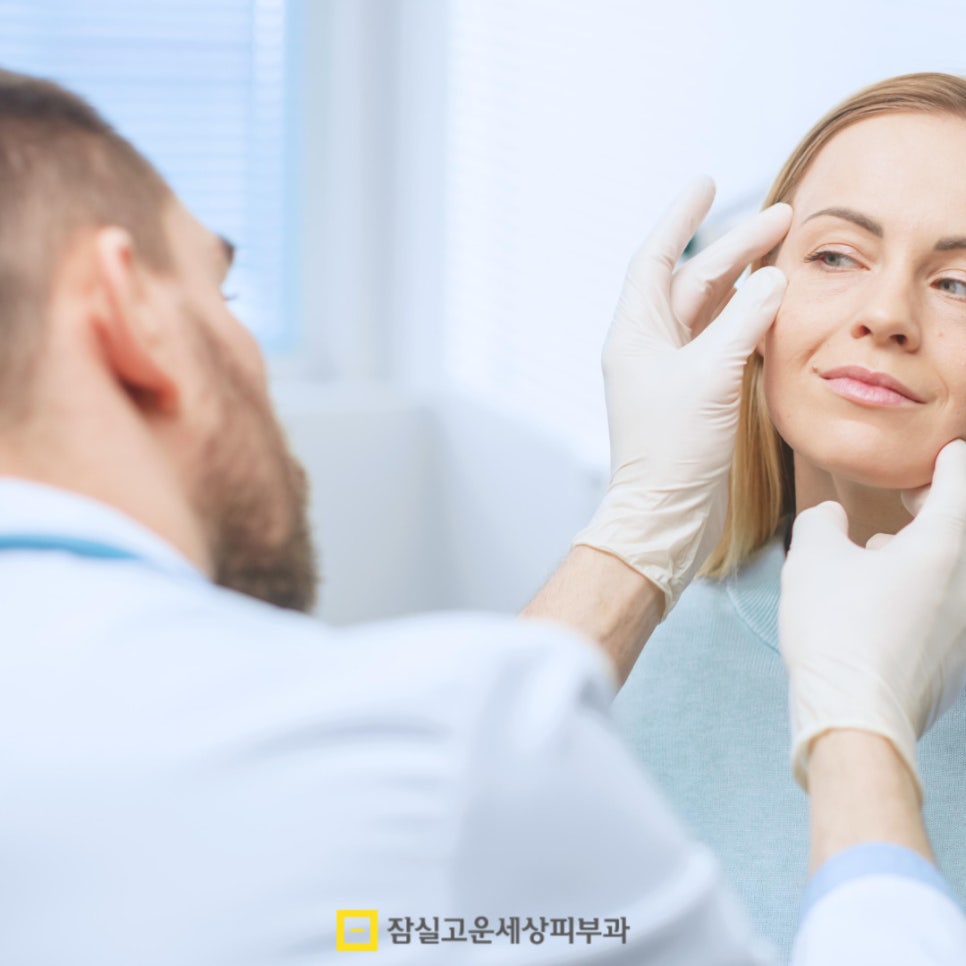
Acne does not only affect how you feel today,
but can also leave a major impact on your future skin condition.
That is why accurately understanding the degree of symptoms,
and receiving appropriate treatment when needed, is the wisest way
to protect long-term skin health.
Acne is not a simple pimple appearing on the skin.
It is a signal that the balance of the body is being disrupted,
and it may be the result of small daily habits and internal changes in the skin
working together. Therefore, if it is neglected carelessly or managed in the wrong way,
the result can lead beyond simple marks to deeper problems.
The essence of acne care is not simply covering the discomfort you see right now.
Its purpose is to prevent it from recurring.
To do this, you should consistently practice small changes in daily life
and carefully observe the skin's condition first.
In addition, when needed, the process of having a specialist accurately assess it
must definitely be included.

Acne is not just a problem for today.
It is an important signal that deeply affects the future skin and confidence in life.
So the choice you make right now will determine the skin you have later.
Small changes in habits add up to big changes in the skin,
and when proper care and appropriate treatment come together,
you can recover to healthy, smooth skin.
If you are still worried because of recurring acne in the mirror,
I recommend not treating that discomfort as a simple temporary
phenomenon. This may be the best time to start the changes your skin needs.
Thank you.
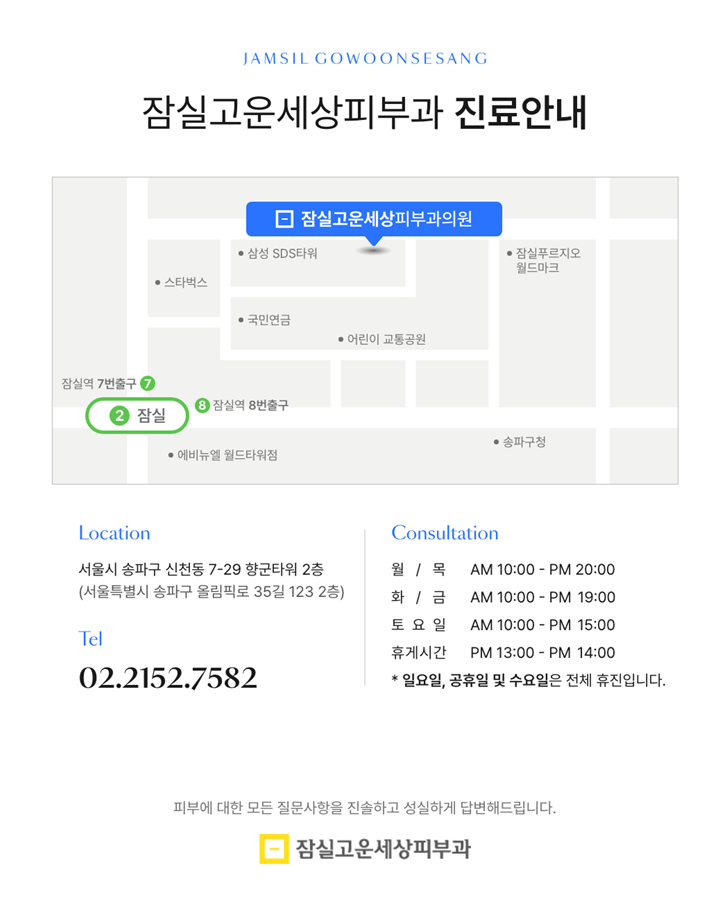
▼Directions to Jamsil Gounsesang Dermatology▼
▼Jamsil Gounsesang Dermatology Treatment Information▼
▼Jamsil Gounsesang Dermatology Website▼
In accordance with Article 56, Paragraph 1 of the Medical Advertising Act, this post is provided by Jamsil Gounsesang Dermatology for the purpose of providing medical information. All procedures/surgeries carry the risk of side effects such as bleeding, infection, and nerve damage, so please proceed carefully after sufficient consultation with medical staff.