Deep dehydration, something a moisturizing cream alone can’t fix
The structural problem of the skin

Hello! This is Jamsil Gounsesang Dermatology Clinic.
When your skin feels tight and itchy several times a day, flakes rise up and makeup pills, and no matter how much moisturizer you apply it quickly feels dry again. On the surface, it may look oily, but inside it feels strangely stiff and stings. Many people experience this more than expected during seasonal changes or in everyday life.
We call this condition “deep dehydration.” Even when the skin looks fine on the outside, it is a sign that moisture is breaking down underneath. The problem is that if deep dehydration is left untreated for a long time, the skin gradually becomes more sensitive, loses elasticity, and eventually turns into sensitive skin that is easily affected by even small irritations.
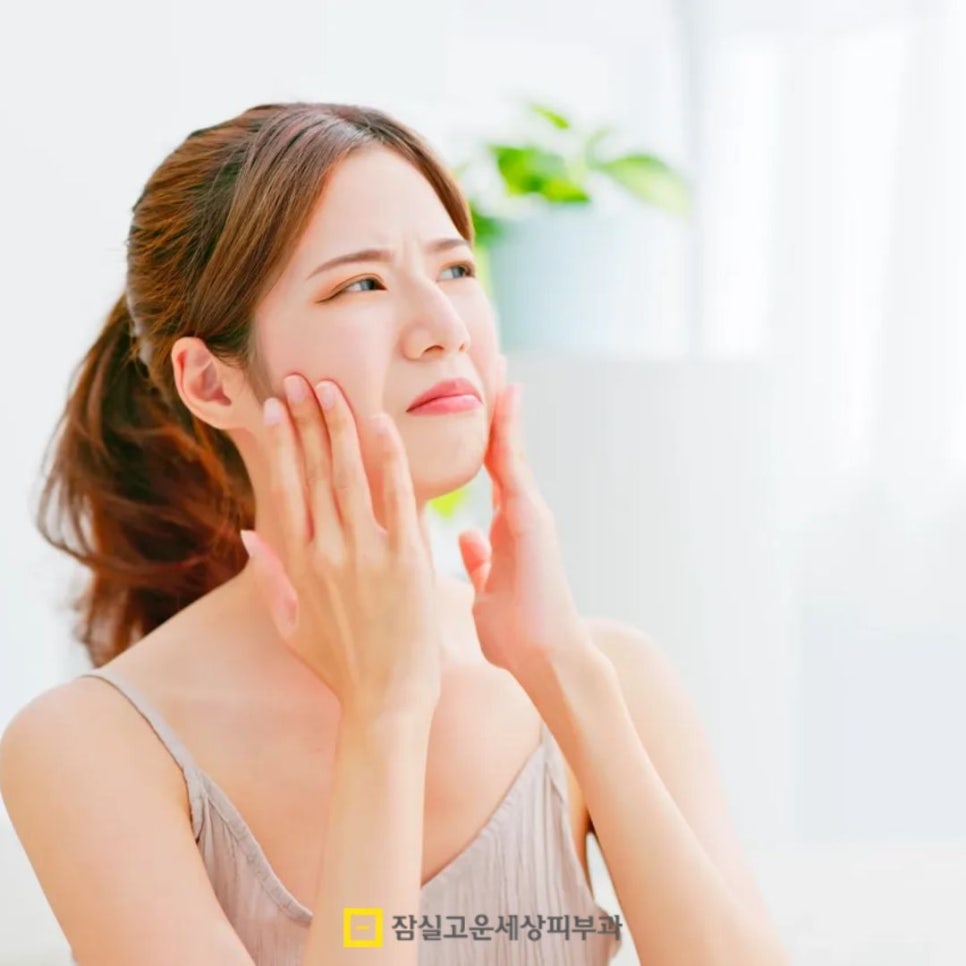
However, deep dehydration can definitely be improved.
What matters is approaching it not by covering the surface, but by restoring the skin’s internal structure. In this post, we will explain everything from the causes of deep dehydration and common wrong care habits to the right home care methods and how clinics approach it differently, so you can learn practical ways to care for the skin’s deeper layers.
- What is deep dehydration? It is different from surface tightness
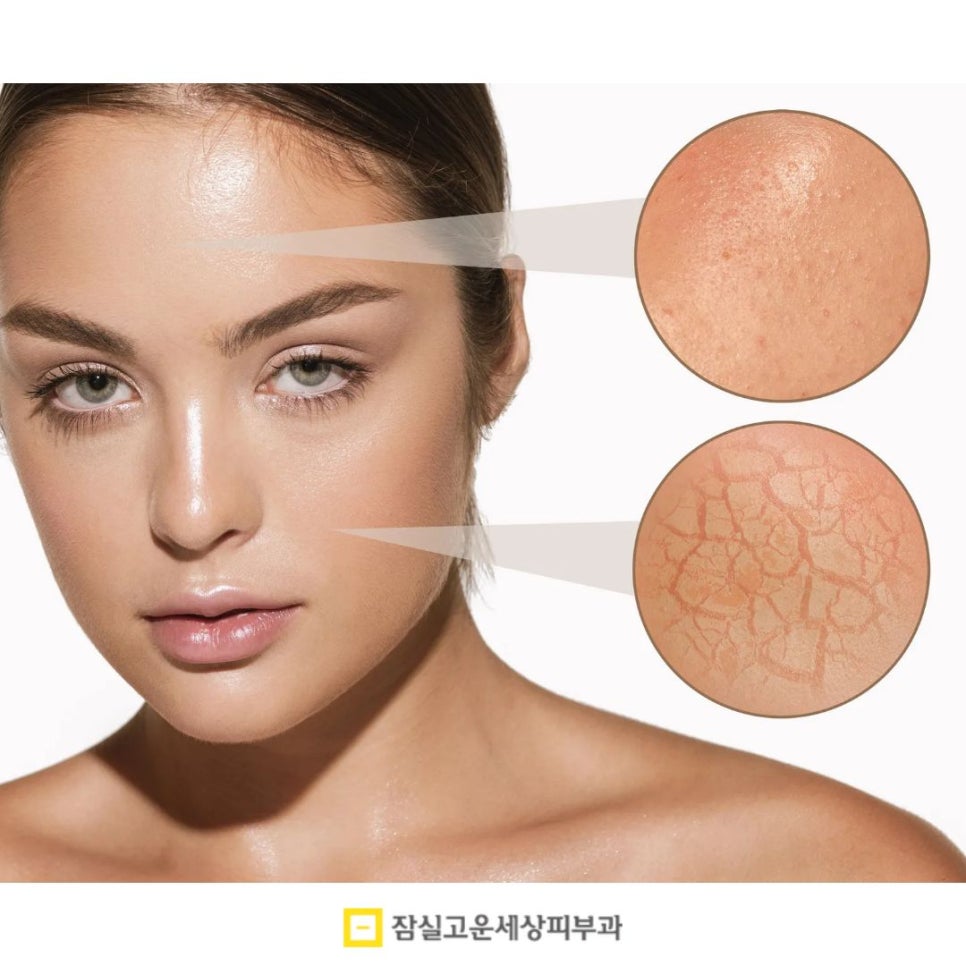
Deep dehydration refers to a state in which the surface may look oily and shiny, but the inside of the skin lacks moisture and feels tight and dry from within. It is easy to mistake for oily skin at a glance, but in reality it is a structural problem that begins deep in the skin as the dermis loses its ability to retain water.
Surface tightness usually means the outer moisturizing film has been damaged, leaving the skin surface tight and rough. Deep dehydration, on the other hand, is a condition in which microscopic breakdown starts from inside the skin where moisture has been lost. When the skin barrier weakens and moisture in the dermis can no longer be maintained, the natural rhythm of skin renewal is disrupted, making fine lines, reduced elasticity, and sensitivity more likely.
In particular, deep dehydration is not clearly distinguishable by eye, so many people end up managing it in the wrong direction, confused by thoughts like, “Why does my oily skin still feel tight?” or “Moisturizer doesn’t seem to help.” Common symptoms include tightness starting immediately after washing the face, or constantly feeling dry inside and having makeup lift even when there is enough oil. In these cases, simple surface moisturization is not enough, and an approach that replenishes the skin’s internal moisture reservoir is needed.
- Common care mistakes that can actually worsen deep dehydration
Because it can look oily on the outside, deep dehydration is often mistaken as “probably too much moisturizing.” For that reason, people easily fall into routines that make the skin drier, which in turn deepens and makes deep dehydration more chronic.
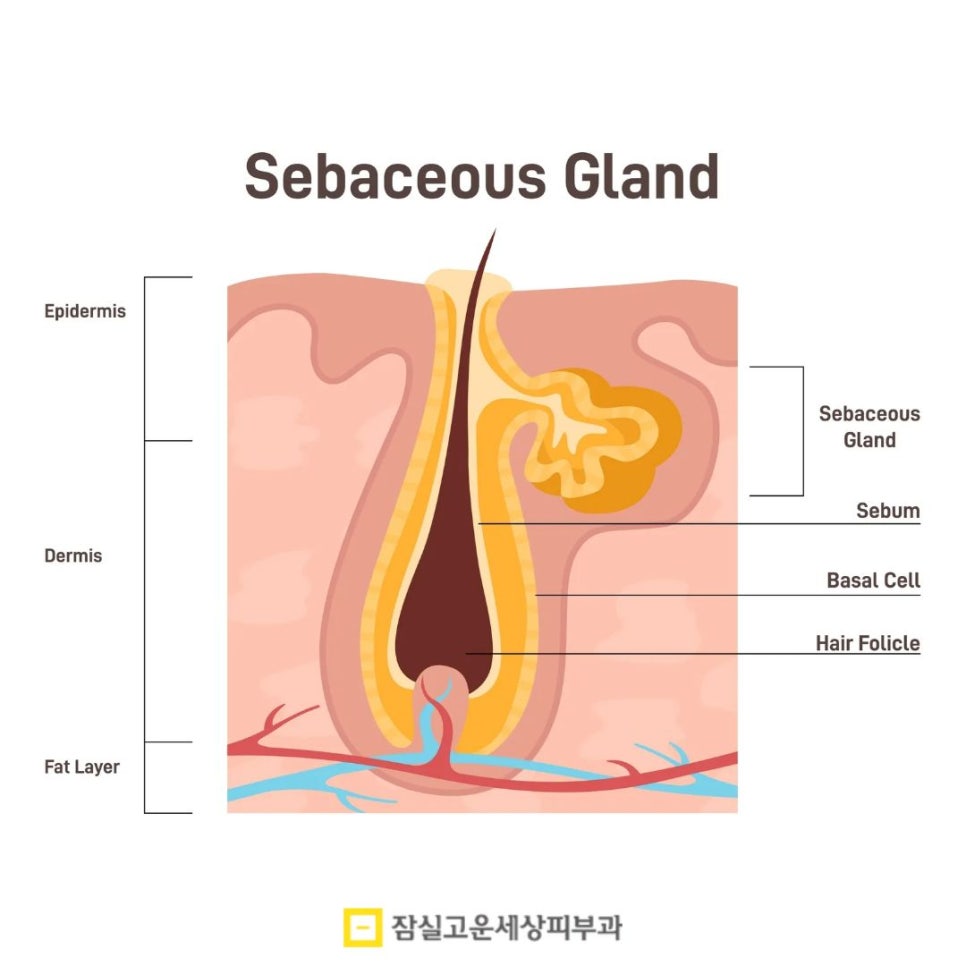
The most common mistake is assuming the skin is oily and reducing or skipping moisturizer. When the skin lacks internal moisture, the sebaceous glands become overactive, so the surface looks shiny while the inside becomes drier and drier. If you mistake this for “too much oil” and stop moisturizing, the moisture-oil balance collapses completely.
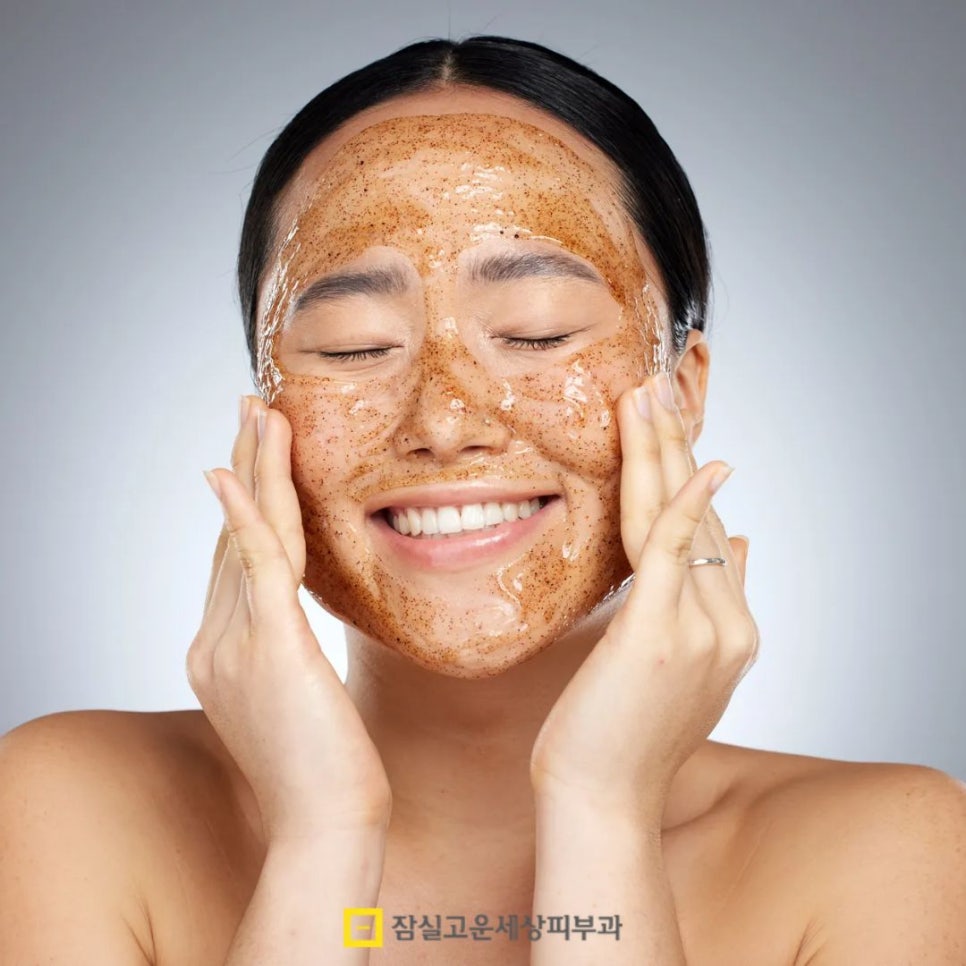
Another common mistake is using scrubs or peeling products too often because the skin feels rough. Of course, exfoliation is sometimes necessary, but excessive exfoliation damages the skin’s protective layer, causing even more moisture loss. As a result, the skin becomes more sensitive to irritation and deep dehydration worsens.
Choosing a moisturizing cream based only on how quickly it absorbs is also a problem. The misconception that a fast-absorbing product is “better” often leads to choices that overlook barrier protection and moisture-locking function. Even if moisture reaches deep into the skin, without a barrier to hold it in, deep dehydration will quickly return.
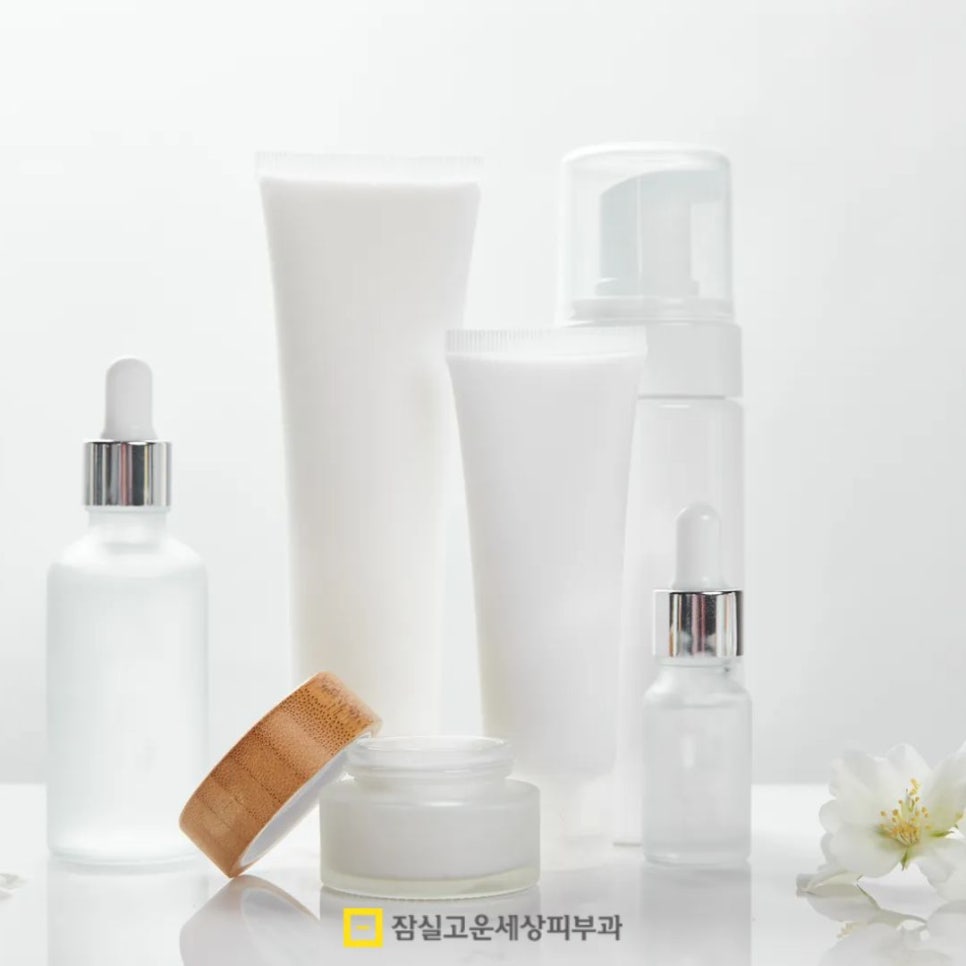
Lastly, layering on many different cosmetics can also be risky. This may end up only coating the skin’s surface while leaving the inside still dry, and it can lead to side effects such as clogged pores and breakouts. The key is not the amount, but a structure that can absorb and a barrier that can be maintained.
- The key to managing deep dehydration is
“reintroducing moisture + restoring the barrier”
Deep dehydration cannot be addressed by simply supplying moisture. Only when the supplied moisture is retained inside the skin and the barrier function is restored can the skin feel stable and hold moisture on its own. Therefore, the core of treatment is to design these two processes at the same time.
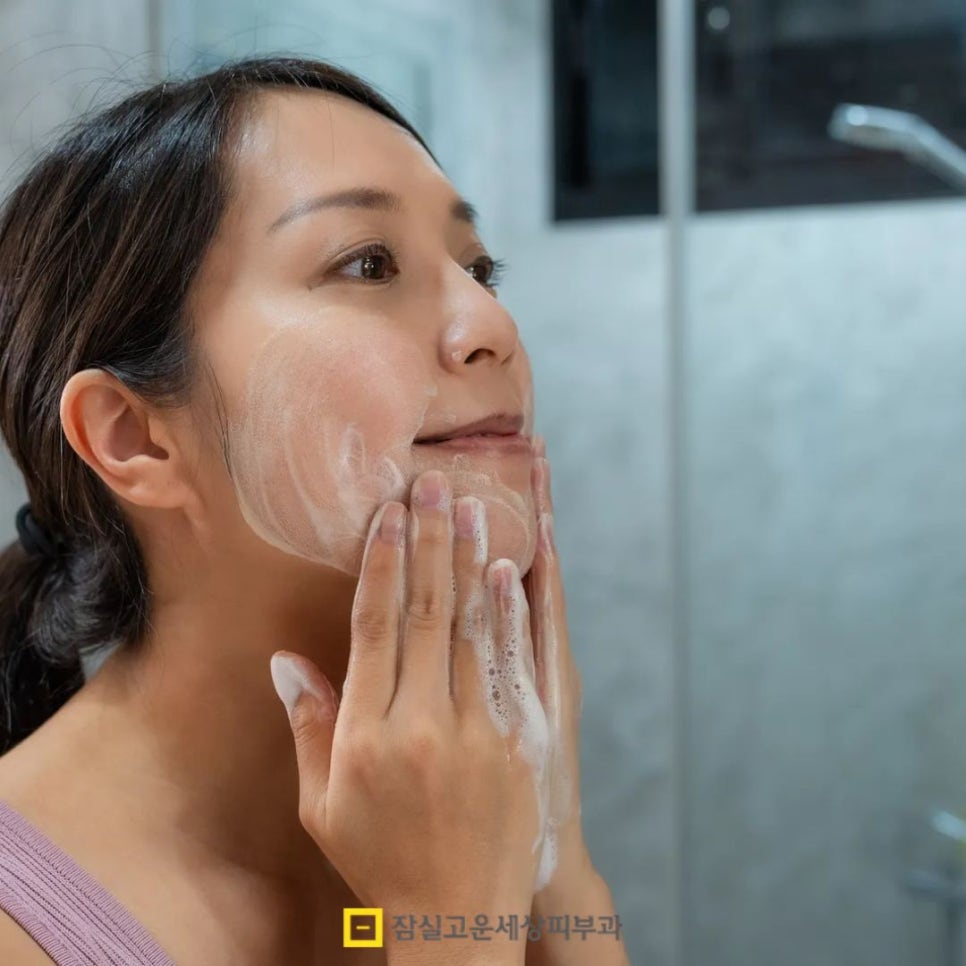
First, the cleansing step needs to change. Rather than a foam cleanser with strong cleansing power, use a mildly acidic cleanser similar to the skin’s pH to minimize moisture loss immediately after washing. Water temperature also matters; washing with lukewarm water causes less damage to the skin barrier.
Next is toner and ampoule layering, the core step of moisturizing. Products rich in hyaluronic acid, panthenol, amino acids, and NMF ingredients should be applied thinly in several layers to build a deeper absorption layer, and it is important to finish with a cream containing ceramides, cholesterol, and fatty acid complexes to restore the barrier so the absorbed moisture does not evaporate.
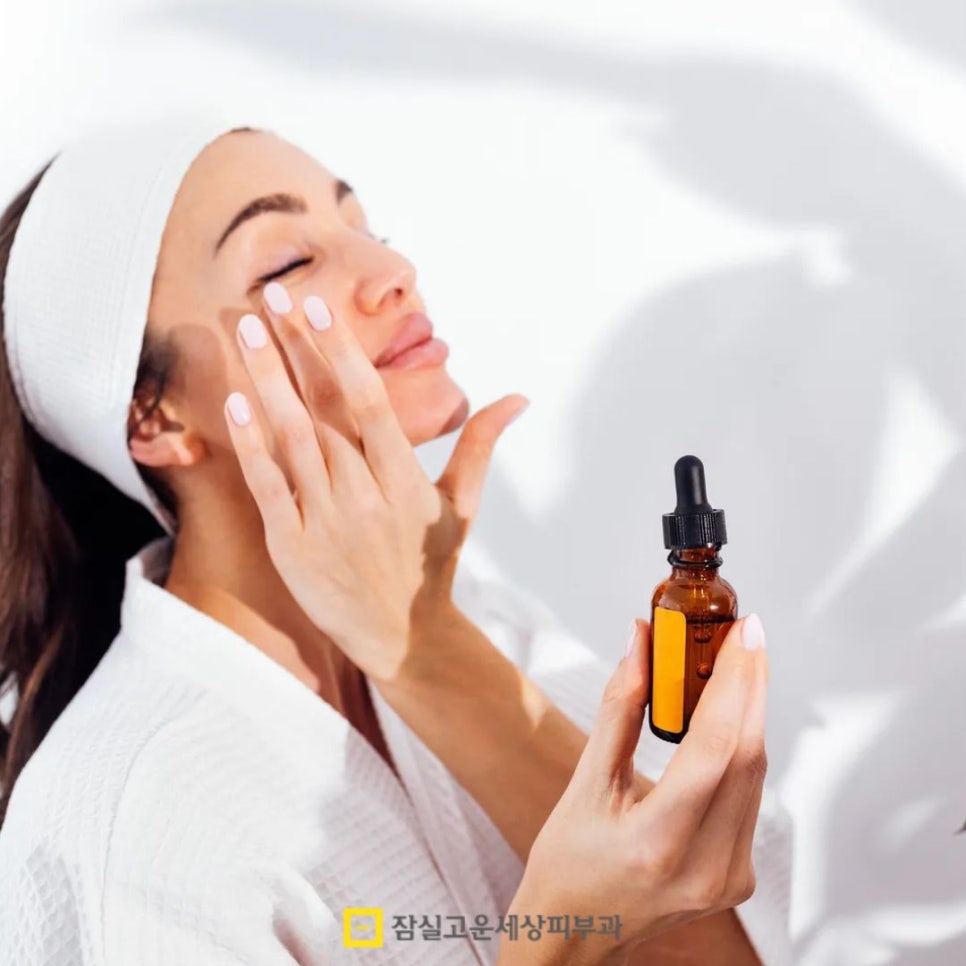
In particular, if you only use a watery moisturizing ampoule with no oil content, the skin can dry out again easily, so in the final step it is effective to use a product that forms a moisturizing film to lock in the moisture as well.
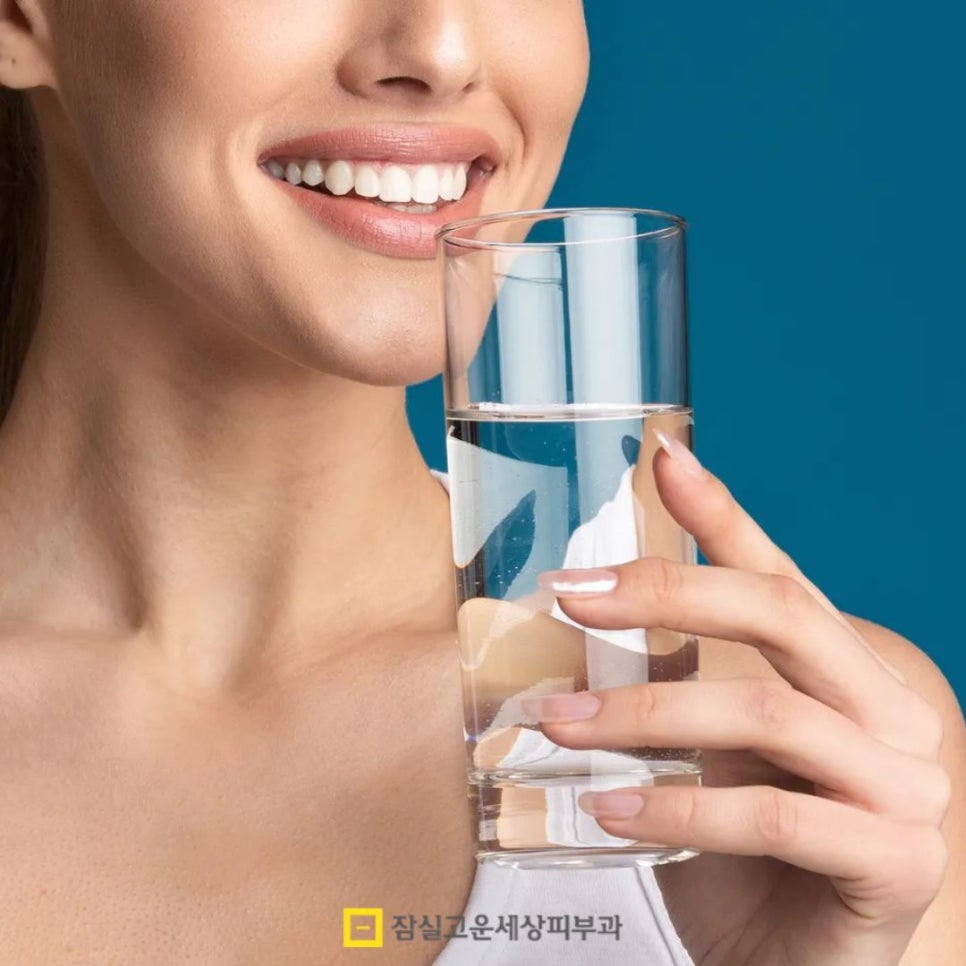
In daily life, water intake is easy to overlook, but it is very important. Drinking 1.5 to 2 liters of water a day helps improve the skin cells’ ability to store moisture and has a positive effect on deep dehydration. However, caffeinated drinks require caution because their diuretic effect can instead cause the body to lose water.
- How is it treated in a clinic?
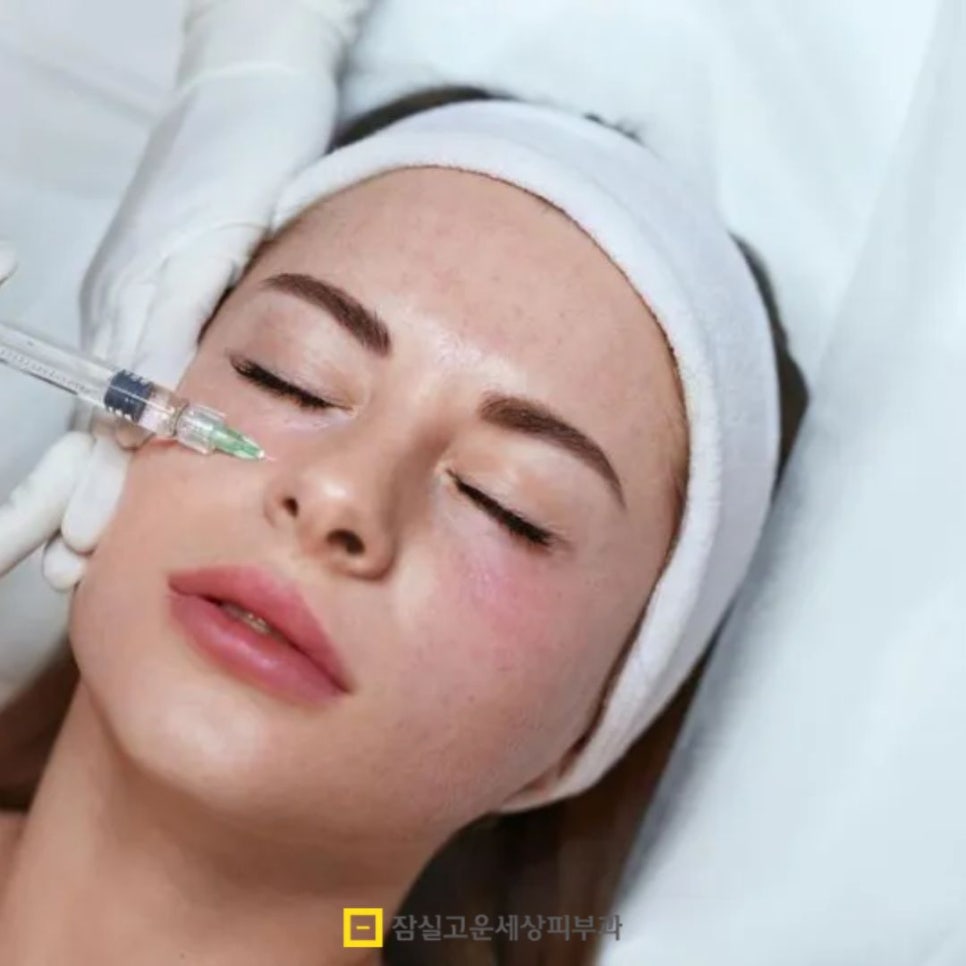
Long-term deep dehydration is difficult to improve with moisturizing care alone. Because the skin’s ability to produce and retain moisture has weakened, medical intervention may be necessary. In a clinic, a more precise diagnosis is made by analyzing the skin’s internal moisture status, the degree of barrier damage, and skin thickness, and then treatment is carried out accordingly.
The most representative treatment is a hyaluronic acid-based skin booster. By injecting moisture directly into the dermis, it increases moisture density from within the skin, allowing hydration to be restored quickly and helping prevent reduced elasticity and fine lines.
Along with this, promoting skin cell regeneration through PDRN or PN (polynucleotide) injections allows a fundamental approach of strengthening the skin’s retention ability, not just supplying moisture. The goal is to help the skin itself retain moisture.
If deep dehydration and reduced elasticity are present at the same time, radiofrequency lifting plus moisture ampoule injection-type care may also be used. Radiofrequency stimulates the dermis to open moisture pathways, and then high-molecular moisturizing ingredients are injected to maximize the effect.
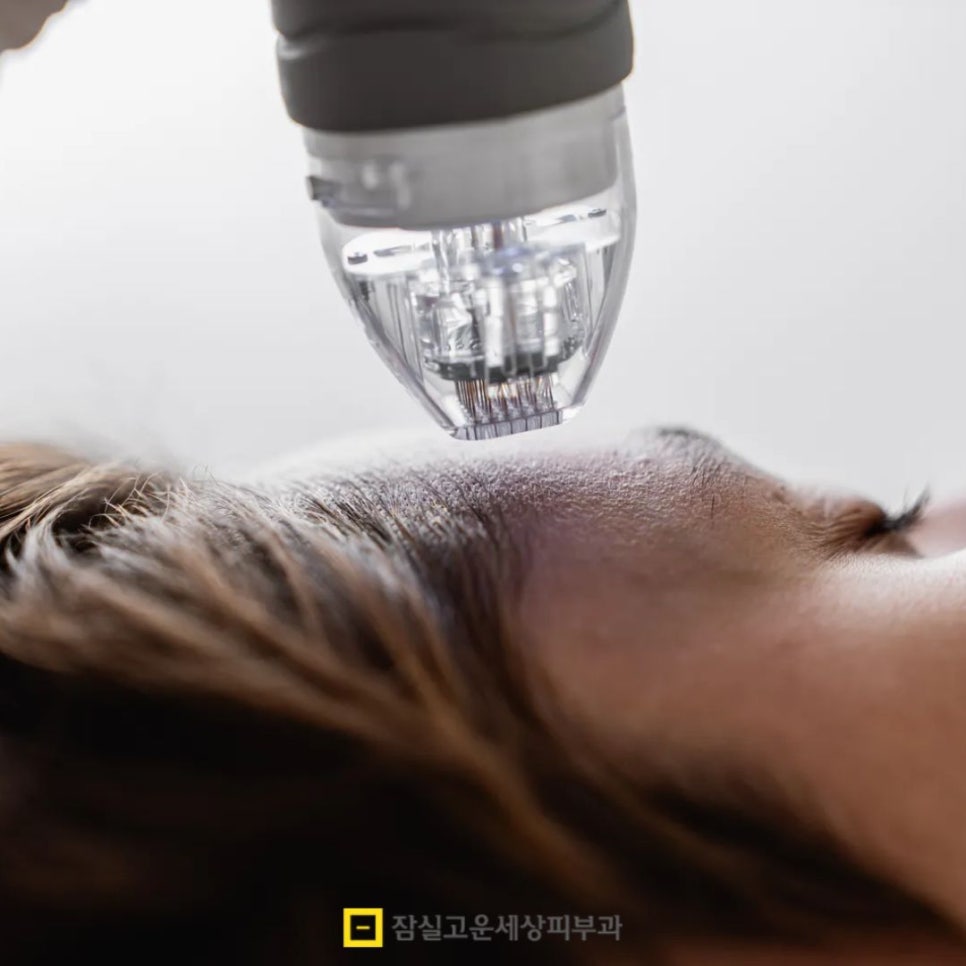
For sensitive skin or skin with severe barrier damage, LED soothing care, mildly acidic peeling, and regeneration care programs are beneficial. This is an approach that promotes circulation in the dermis without irritation and gradually helps the skin recover an environment that is stronger against external stimuli.
The key point of clinic treatment is not simply to make the skin feel moist, but to restore the physiological function that allows the skin to retain moisture on its own.

Deep dehydration is not just dryness.
It is evidence that the skin is breaking down from within.
The signals of deep dehydration sent by the skin are always quiet. On the surface it may look fine, but after washing the face it feels tight right away, and even after applying moisturizing cream it dries out again within one or two hours. Flaking starts out thin, then gradually spreads over a wider area.
If this condition is left alone for too long, the skin can no longer withstand external irritation, may turn sensitive, or lose its regenerative ability and age faster. Deep dehydration is essentially a problem of the skin barrier function and moisture storage capacity, and at its core, it requires treatment that restores the skin’s physiological ability to recover.
Fortunately, deep dehydration can be improved sufficiently through a professional approach.
As long as you follow the process of restoring the skin’s moisture balance and rebuilding a barrier that can hold moisture in, the skin can regain a moist and healthy rhythm.
Identifying whether the current tightness and dryness are simply dryness, or a sign of structural deep dehydration. Just confirming that can already be the beginning of skin recovery.
The skin truly improves when it is filled from within.
🖤Jamsil Gounsesang Dermatology Clinic Directions🖤
🖤Jamsil Gounsesang Dermatology Clinic Treatment Information🖤
🖤Jamsil Gounsesang Dermatology Clinic Website
This post is provided by Jamsil Gounsesang Dermatology Clinic for the purpose of providing medical information in accordance with Article 56, Paragraph 1 of the Medical Service Act. All procedures/surgeries carry the risk of side effects such as bleeding, infection, and nerve damage, so please proceed carefully after sufficient consultation with medical staff.