Dry but Oily Skin?
From Dry Hands to the Skin Barrier,
A Type-by-Type Diagnosis Guide
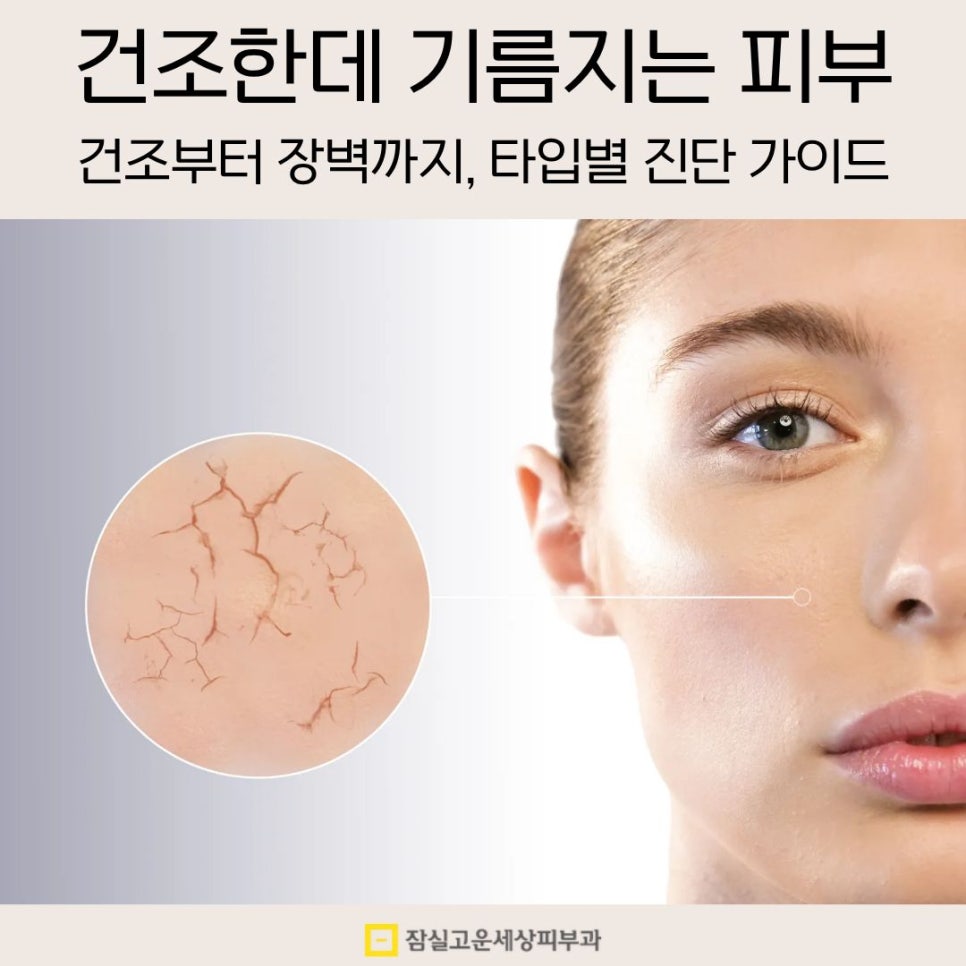
Hello, this is Jamsil Gounsesang Dermatology!
“I have a lot of sebum, so I hardly ever moisturize.”
“My makeup applies well, but by the afternoon I start getting flaky.”
“My forehead is shiny, but my cheeks are cracking.
Why is that?”
Some people say they use very little moisturizer because they have a lot of oil, while others say their makeup goes on well but flaking starts by the afternoon.
Others say their forehead is shiny, but their cheeks crack and feel tight.
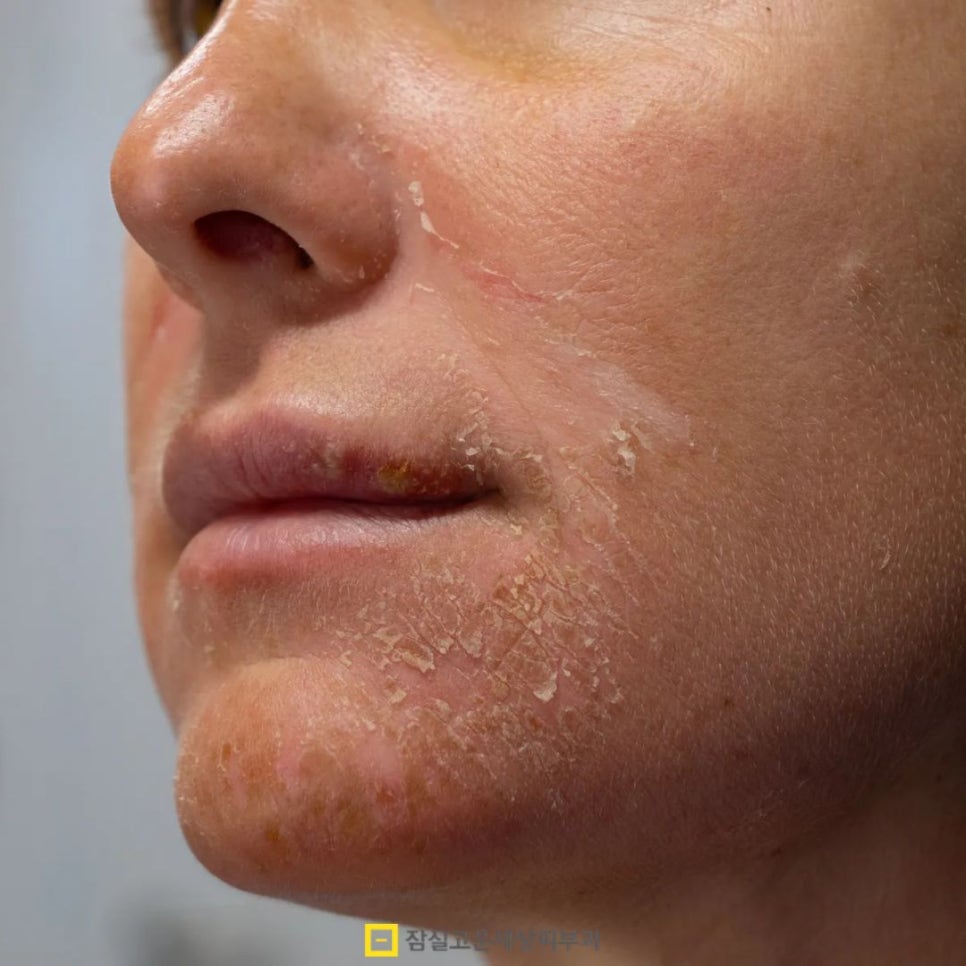
On the surface, all of these may look like dry skin conditions,
but in reality, depending on skin type, the causes and patterns of dryness,
as well as the direction of care needed, can be completely different.
The skin stays in its most stable condition when the balance between sebum and moisture is well maintained. But when this balance breaks down, the skin sends various signals in the form of “dryness.” However, because these signals appear differently depending on skin type, repeating general moisturizing without an accurate assessment can actually worsen the skin condition.
In this post, I’ll summarize the characteristics of dry symptoms seen in dry, oily, and combination skin, along with the corresponding care strategies. Simply understanding dryness by skin type and finding the right direction for your own skin can already help you move away from persistent tightness and flaking.
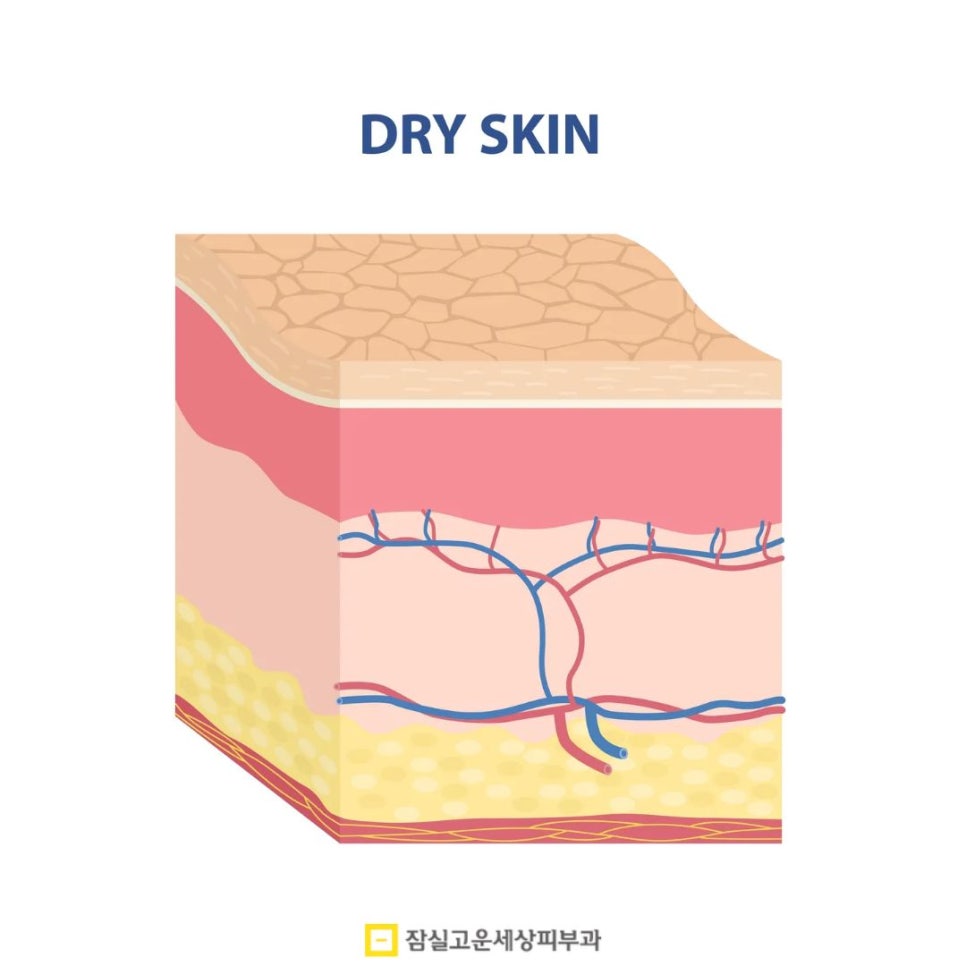
- Dry skin:
A state that fundamentally lacks both moisture and oil
- Structural characteristics of the skin
Dry skin is a type with naturally low sebum production and limited ability to form the lipid layer that protects the skin.
Because of this, moisture on the skin surface evaporates easily, and the skin tends to react sensitively to changes in the external environment. In particular, the skin barrier is weakened, so it easily becomes red, itchy, tight, and flaky even with minor irritation.
The skin barrier is the outermost protective layer that shields the skin from external irritants and helps retain moisture. When this barrier weakens, moisture escapes easily and the skin becomes dry. In addition, the skin’s own ability to hold moisture decreases, so simply applying more moisture is not enough to solve the problem.
- Pattern of dryness symptoms
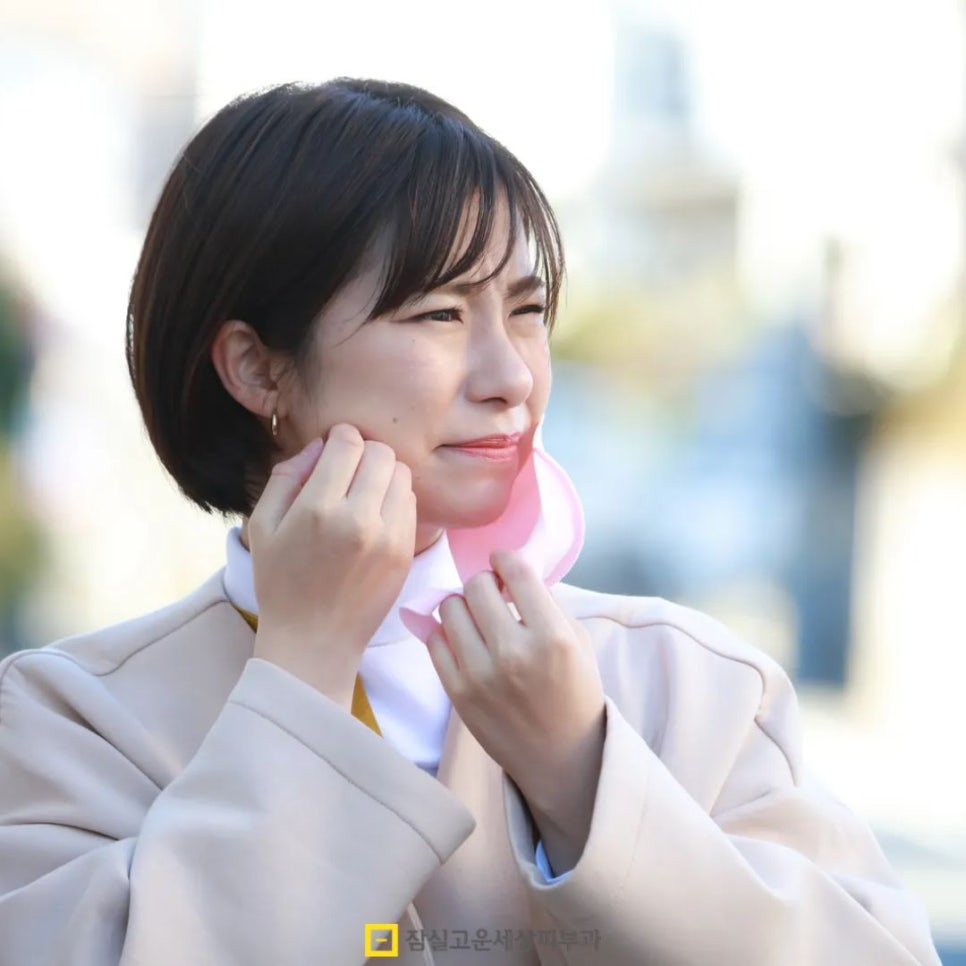
In this type of skin, clear signs of dryness appear across the entire face. The whole face feels tight, fine flakes appear, and white peeling often repeats. Even when makeup is applied, it does not adhere smoothly and often lifts in a cracked-looking way.
In the fall and winter, or in low-humidity environments, skin itchiness or minor breakouts are also common.
In particular, immediate tightness and dryness right after cleansing are pronounced, and redness along with a feeling of heat is often observed. This can be seen as a sign that damage to the skin barrier and reduced moisture retention are happening at the same time.
- Care direction
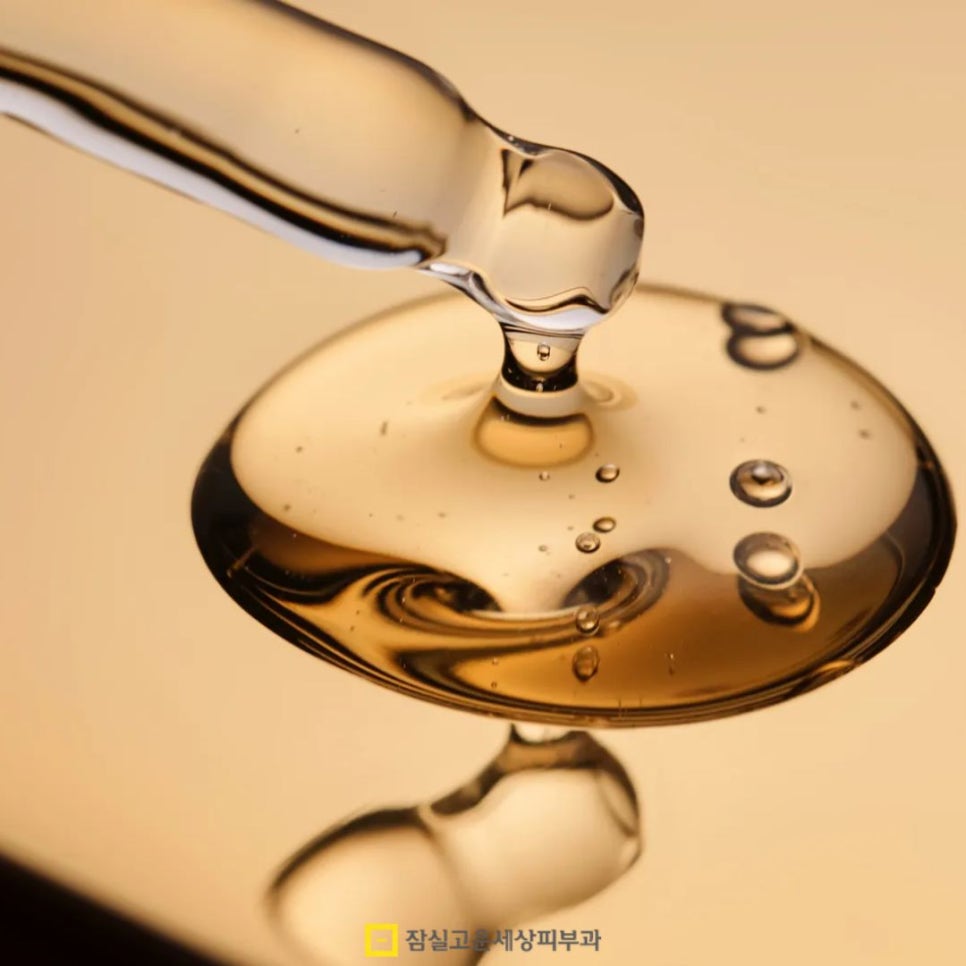
Dryness in dry skin is not simply a lack of moisture; because the protective barrier itself is weak, it should be approached by replenishing lipid ingredients. Using a moisturizer containing ceramides, cholesterol, and fatty acids is essential, and when cleansing, strong cleansers should be avoided. Use mildly acidic cleansing and lukewarm water to reduce irritation.
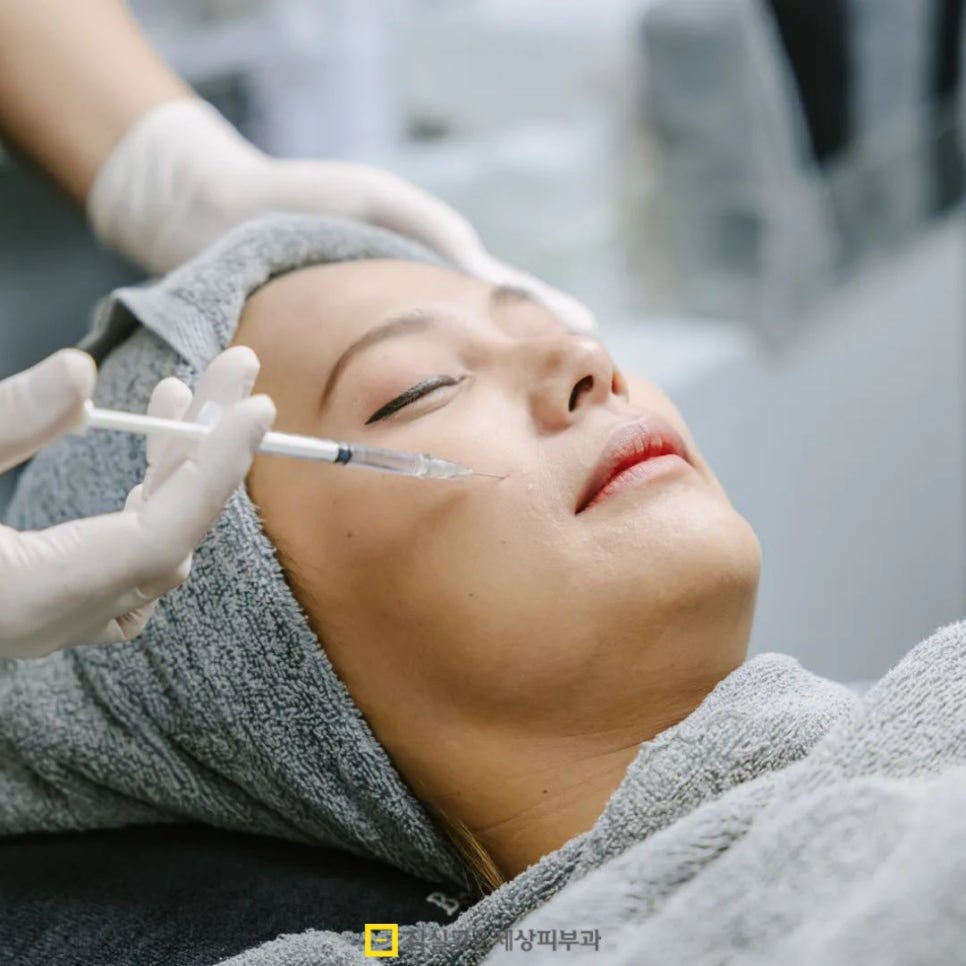
It is also effective to finish with an oil-containing moisturizer or a night cream with strong water-retention properties so that absorbed moisture does not easily evaporate. If necessary, combining a barrier-recovery program at a clinic or regenerative ingredient-based skin booster treatment can help improve the skin’s recovery ability.
Because the skin is thin and sensitive to irritation, the top priority for every approach should be minimizing irritation.

- Oily skin:
Oily on the surface but lacking moisture underneath
- Structural characteristics of the skin
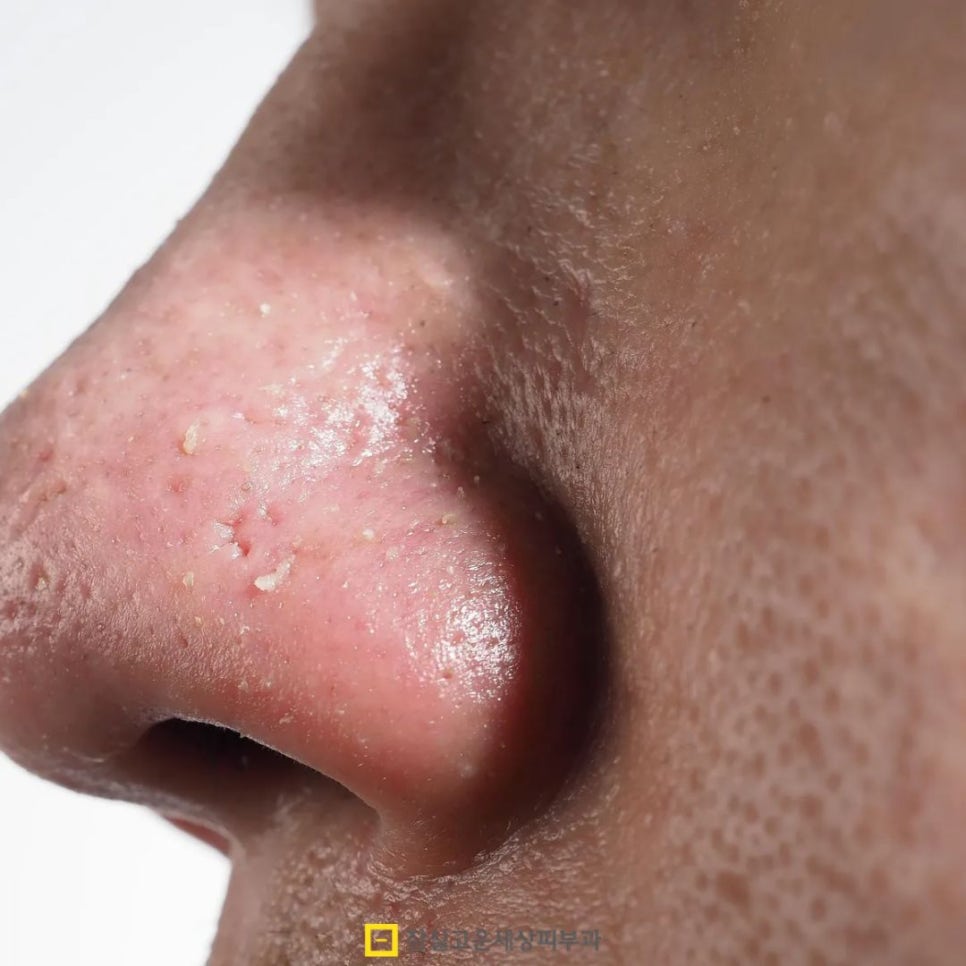
Oily skin has highly active sebaceous glands, so the skin surface often appears shiny or greasy.
But having a lot of sebum does not mean the skin is well hydrated. In reality, the dermal layer often has low moisture retention, which leads to hidden dryness.
Oily skin with hidden dryness is exactly the state described as “oily on the outside, tight on the inside,” and it is a representative example of a broken balance between oil and moisture. If moisturization is skipped because the skin looks oily, the skin may instead secrete even more sebum to compensate for the moisture shortage, creating a vicious cycle.
- Pattern of dryness symptoms
In this type of skin, the sensation of internal tightness—“shiny on the outside, but constantly tight underneath”—often appears.
To compensate for the lack of moisture, the sebaceous glands overproduce sebum, which instead brings problems such as breakouts, excess oil, and enlarged pores.
Tightness is felt immediately after cleansing, and as time passes, the face becomes shiny, makeup lifts, and the skin texture feels uneven and rough. In particular, excessive use of sebum-control products or oil-control cosmetics can worsen hidden dryness, and the skin may gradually become more sensitive.

- Care direction
For oily skin, the priority is to supply enough moisture. The ideal approach is to layer moisturizing ampoules based on ingredients such as hyaluronic acid, panthenol, and amino acid complexes that absorb quickly and are low in irritation, while keeping the oil finish light.
Moisturizers in a low-oil gel texture or a water-based lotion are suitable, and it is important to choose low-irritation products that maintain hydration without clogging pores. Since oily skin and areas with stronger internal tightness may coexist, localized customized care—changing the amount and texture of products by area—is effective.
If necessary, clinics may combine dermal hydration procedures for deep moisture, such as skin boosters or PDRN, with programs that suppress excessive sebum production, such as radiofrequency or mildly acidic peels, to address both hidden dryness and oiliness at the same time.
- Combination skin:
A type where dryness and oiliness appear in different areas at the same time
- Structural characteristics of the skin
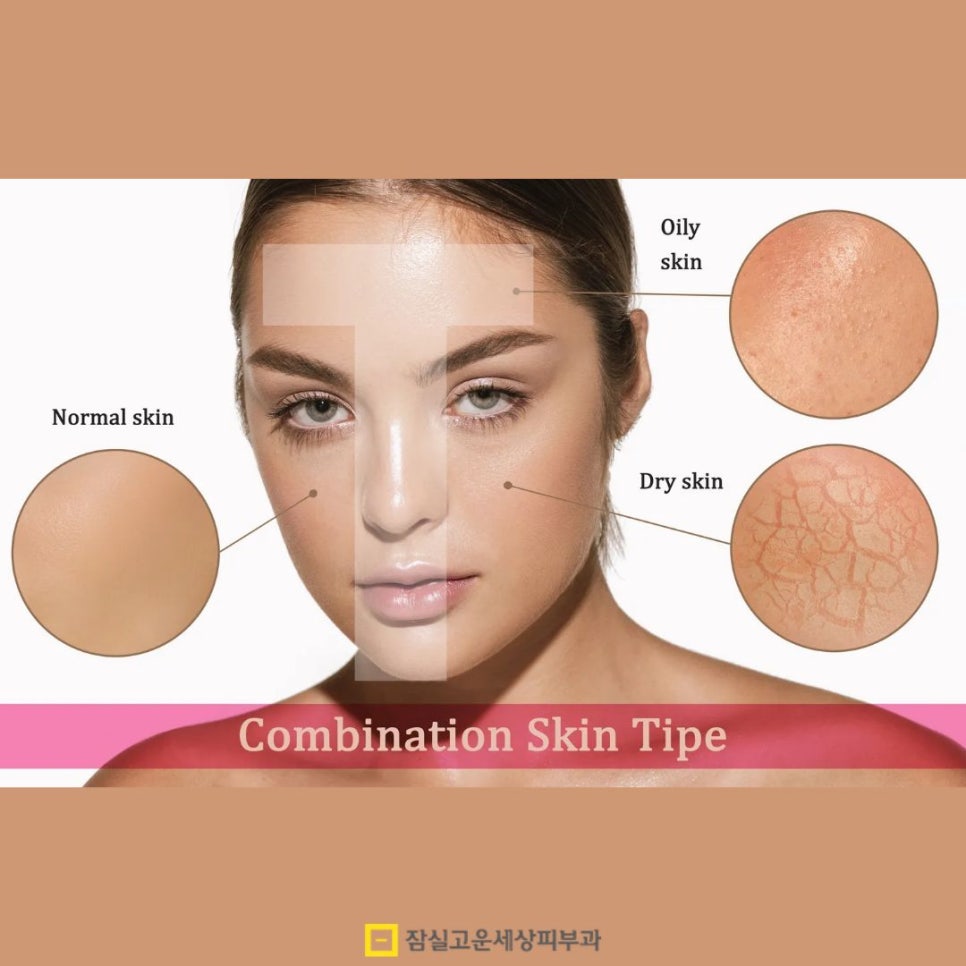
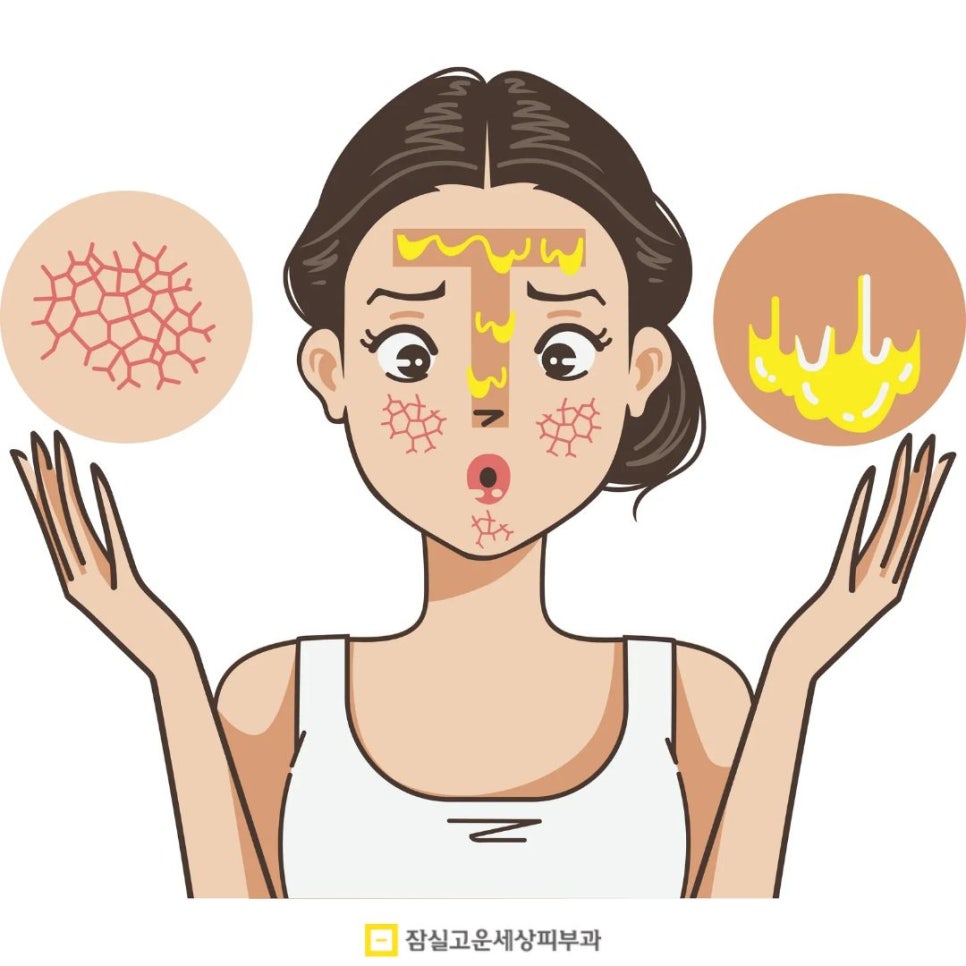
Combination skin has a dual structure in which the forehead and nose (the T-zone) produce a lot of sebum and become shiny, while the cheeks and chin (the U-zone) lack moisture and become dry or sensitive.
Because the basic balance of the skin structure differs by area, it is difficult to achieve overall skin balance with a single product or routine.
Since the distribution of oil and moisture inside the skin varies by area, not only product selection but also the order and method of use need to be arranged more carefully. Otherwise, the dry areas may become even drier, and the oily areas may secrete even more sebum, repeating a vicious cycle.
- Pattern of dryness symptoms
In combination skin, dryness appears only in certain areas, so it is easy to overlook.
The T-zone has excessive sebum, causing strong oiliness and shine, while the U-zone experiences flaky skin, redness, and easy irritation due to hidden dryness.
In addition, the skin’s moisture/oil balance often changes depending on seasonal shifts, stress, sleep, and hormonal changes. Because of this, rather than keeping the same routine fixed, a strategy that can be flexibly adjusted according to the skin’s condition is needed.
- Care direction
The key to managing combination skin is to take different approaches by area.
Right after cleansing, provide moisture overall, but use a moisturizing gel with sebum-control functionality or a lightweight lotion on the T-zone, and choose a cream containing barrier-recovery ingredients for the U-zone to build a zone-specific skincare routine.
Also, if sustained barrier function weakness is suspected rather than temporary moisture deficiency, clinics may consider combining area-specific procedures—such as peels for sebum and dead skin control on the T-zone, and regenerative-focused skin boosters or PDRN treatment on the U-zone.
For combination skin, a routine that observes and adjusts to the skin’s responses is especially important.
This is a representative example of skin type for which there cannot be just one “correct answer” in skincare.
Even within the same word “dryness,” skin can have completely different patterns, causes, and response methods.
Dryness in dry skin comes from a fundamental lack of moisturizing ability, hidden dryness in oily skin is a state where the balance between the outside and inside has broken down, and combination skin has a mixed structure that requires different balance adjustments by area.
That is why trying to solve all dryness with one product and one routine can actually make the skin more unstable.
What matters is understanding under what conditions and in what way your skin is becoming dry right now, and recovery begins by making an accurate diagnosis and setting up a customized care strategy by skin type.

The skin stays in its most stable state when the internal recovery environment is properly established. Please take a close look at whether your current dryness is simply tightness, hidden dryness, or the result of barrier damage, and adjust your care direction in the way your skin needs.
Dryness may not just mean a lack of moisture; it may be a sign that the skin’s ability to protect that moisture has weakened. From now on, I hope you will read that signal properly in the language of your own skin type.
Thank you.
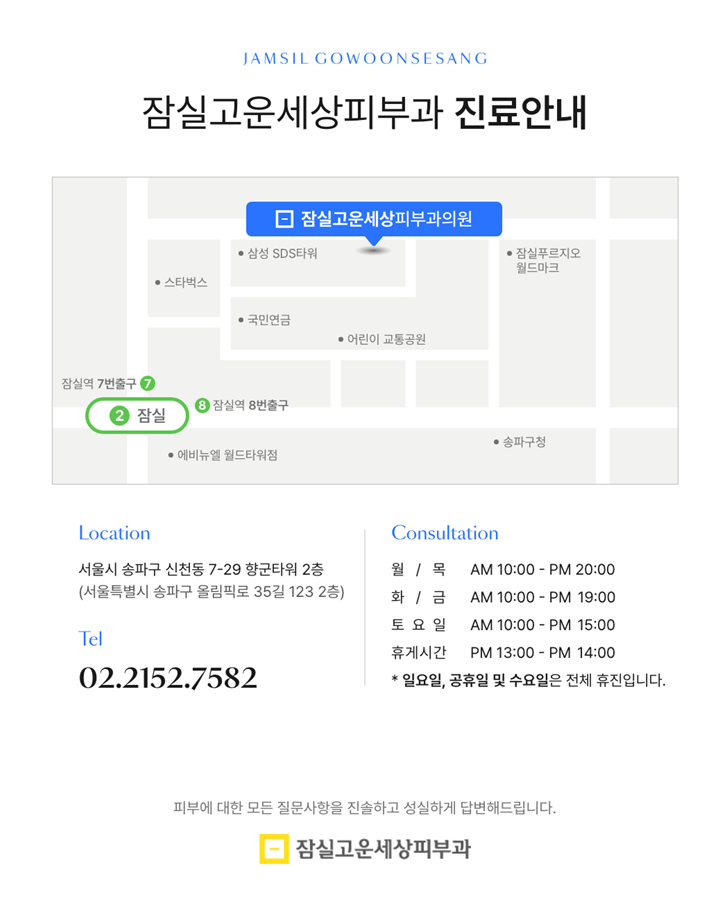
[Directions to Jamsil Gounsesang Dermatology Clinic]
[Consultation Information for Jamsil Gounsesang Dermatology Clinic]
[Website of Jamsil Gounsesang Dermatology Clinic]
This post is provided by Jamsil Gounsesang Dermatology for the purpose of providing medical information in accordance with Article 56, Paragraph 1 of the Medical Service Act, and all procedures/surgeries carry risks of side effects such as bleeding, infection, and nerve damage, so please proceed carefully after sufficient consultation with medical staff.