Dry skin during seasonal changes,
Tips for managing dead skin cells
Hello, this is Jamsil Gounsesang Dermatology Clinic :~)
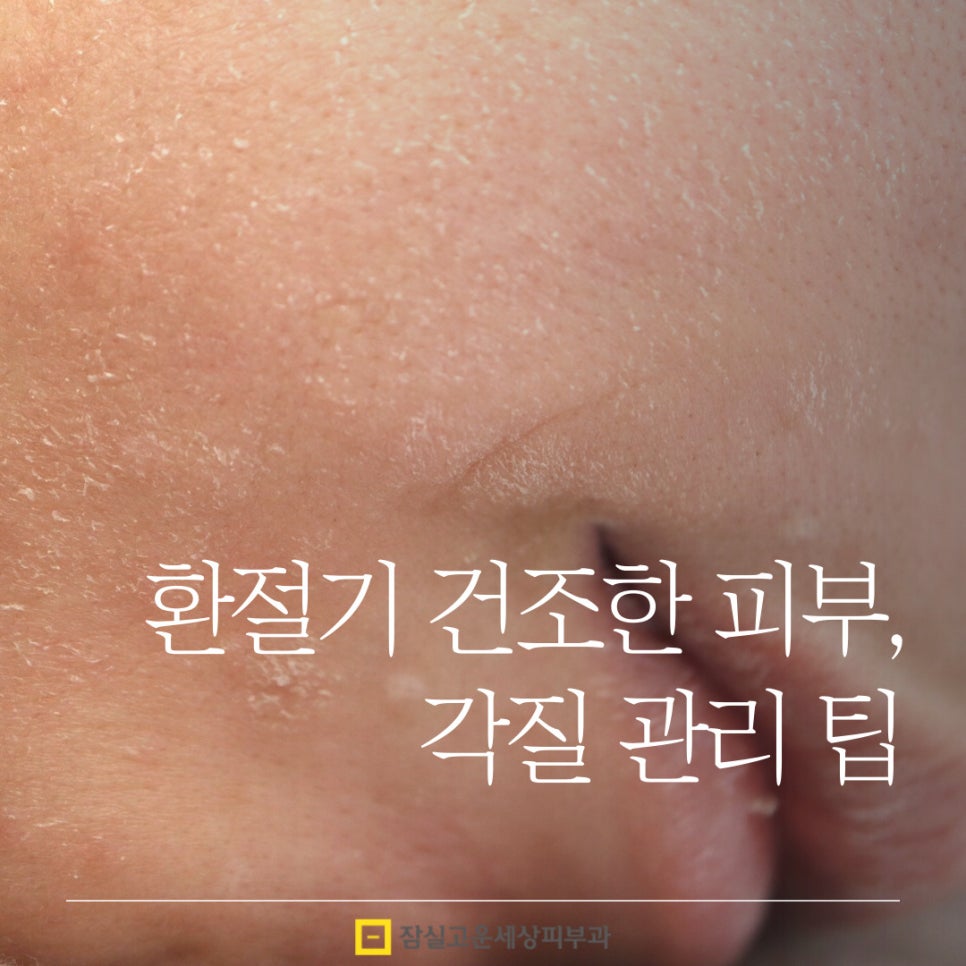
You may have noticed that your skin becomes especially sensitive whenever the seasons change. In the morning, makeup may not sit well; by afternoon, your face feels tight; and your skin may feel dull and rough compared to usual. Many people experience flaking skin and find that no matter how much moisturizer they apply, it only sits on the surface, a problem that tends to repeat every seasonal transition.
The skin changes during this period are not simply about dryness. A combination of factors, such as rapid changes in temperature and humidity, damage to the skin barrier, and the breakdown of the balance between sebum and moisture, all act at once. As a result, the skin cannot recover its disrupted balance and easily becomes sensitive.
Therefore, seasonal skin care is much more important when it comes to “knowing exactly what to do and restoring the areas that need it” rather than simply “applying a lot.”
In this post, we will explain in detail why skin becomes more sensitive during seasonal changes, what to be careful about when managing dead skin cells, and why moisturizing and barrier treatments performed at a clinic can be effective. Rather than just simple tips, we hope you will use this as a baseline for restoring the skin’s essential health.
- Why does skin easily become dry during seasonal changes?
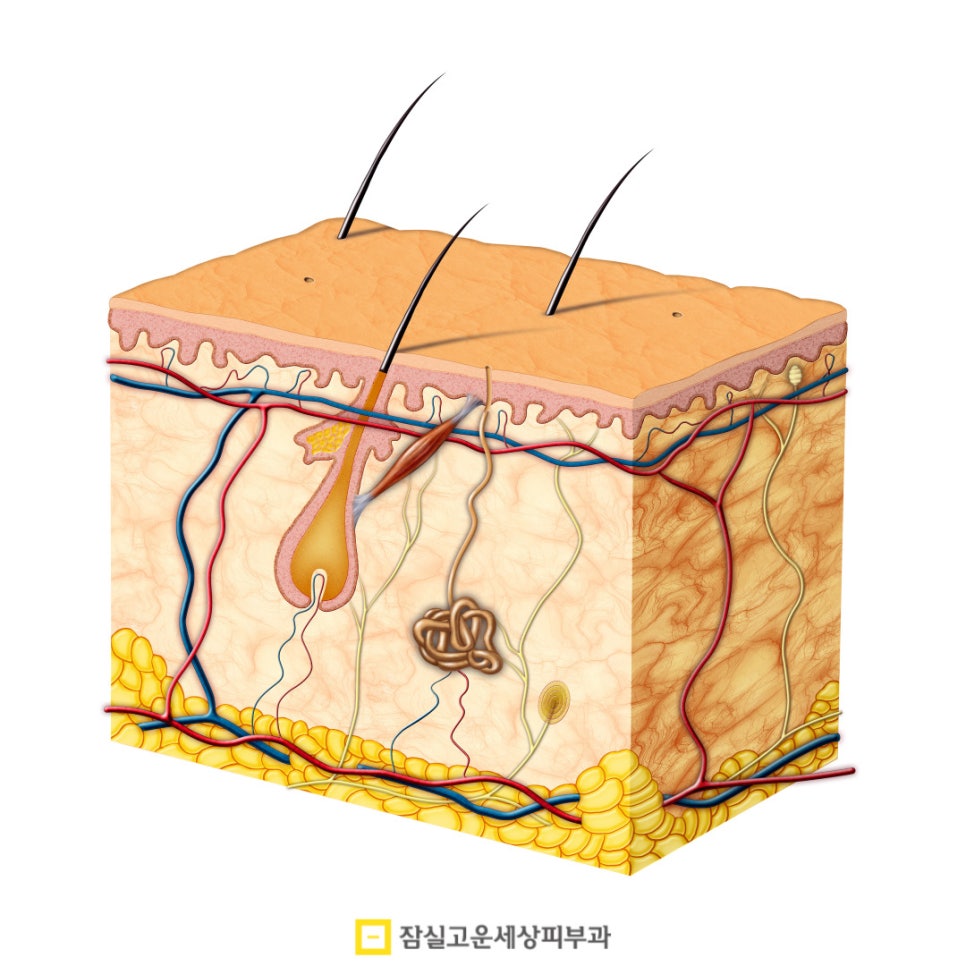
During seasonal changes, the temperature difference between day and night grows larger, and the humidity in the air drops sharply, causing moisture loss from the skin to progress much faster than usual. In particular, when moisture on the skin surface disappears, the stratum corneum can no longer function properly, and it becomes prone to cracking or flaking.
At this time, the area affected first is the stratum corneum, the outermost layer of the skin. This layer acts as a barrier that maintains moisture and protects the skin from external irritants. If it cannot adapt to rapid climate changes, its shedding cycle becomes disrupted. As a result, old dead skin cells that do not shed properly build up on the skin, or conversely, the dead skin that was serving as a protective barrier falls away before it has fully regenerated, repeatedly making the skin thinner and more sensitive.
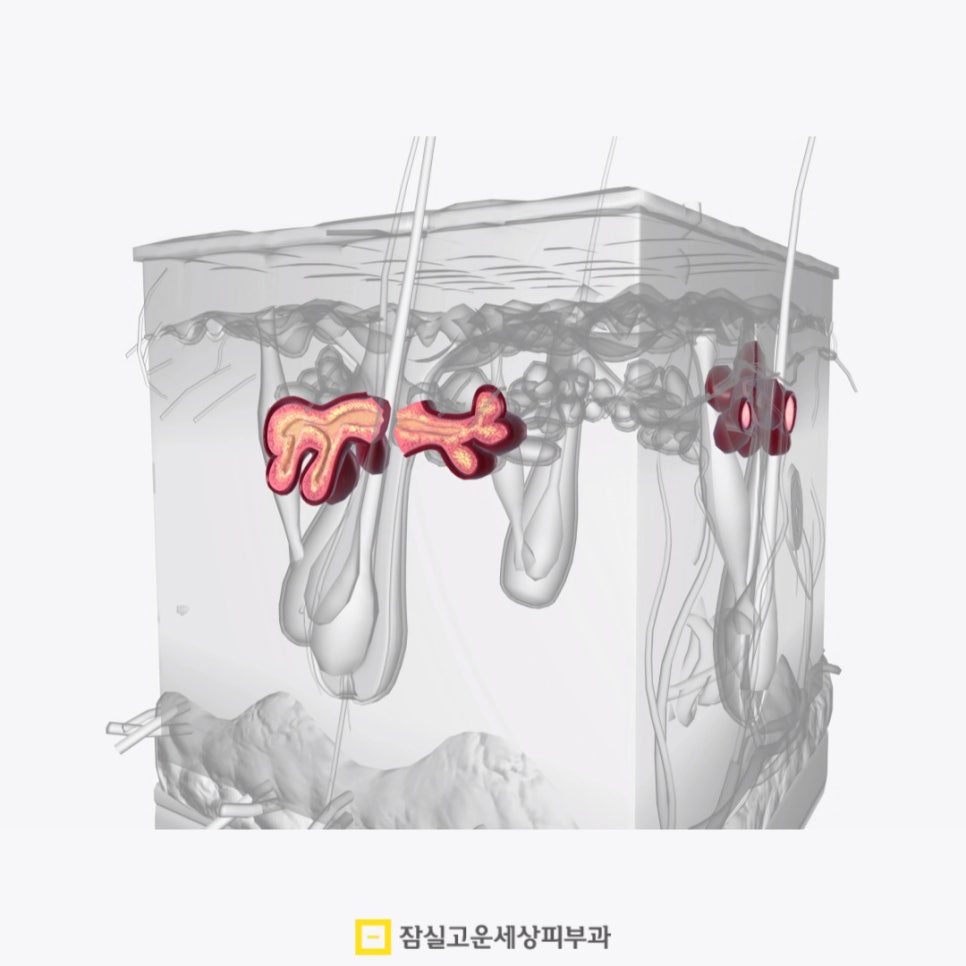
In addition, because sebum gland activity also slows during seasonal changes, an oil film does not form properly on the skin. This leads to greater moisture loss, allowing dryness to penetrate deeper into the skin. In the end, the skin changes into a “dehydrated sensitive skin” condition, where it flakes on the surface, feels tight on the inside, and reacts sensitively to irritation.
- Dead skin care is not about forcing it off,
but about “adjusting” it
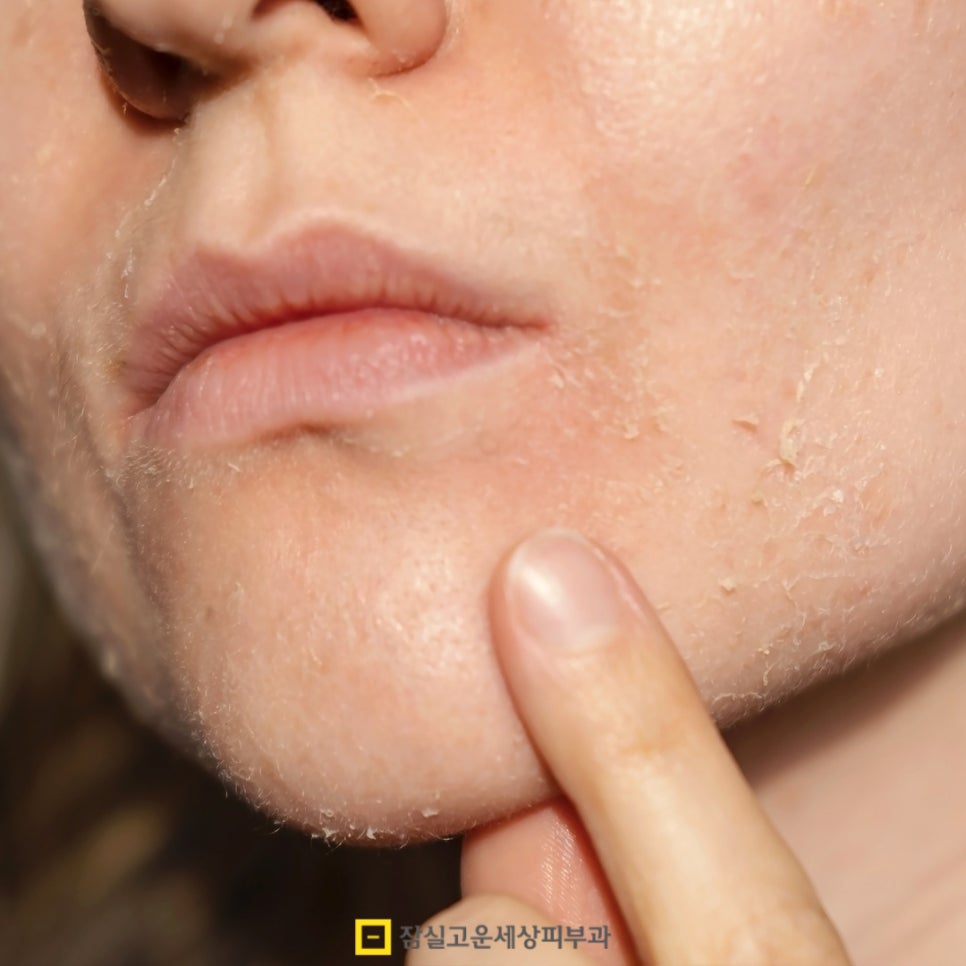
When skin becomes rough and flaky during seasonal changes, many people first try to “peel it off” using scrubs or peeling products. However, when the skin barrier is weakened, such irritation can instead trigger inflammatory reactions and slow recovery, potentially worsening into chronic sensitive skin.
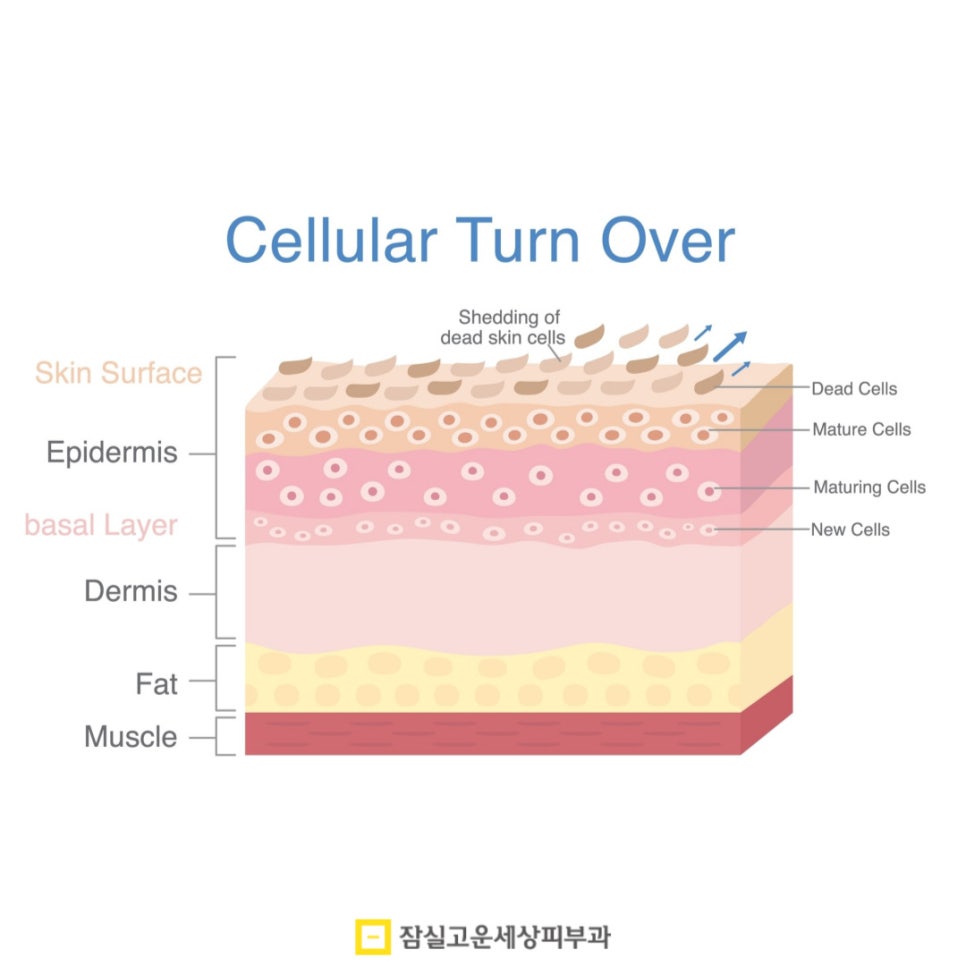
The key to dead skin care is not “stripping it away,” but “adjusting” it in a direction that normalizes the skin turnover cycle and restores the barrier. The skin naturally has the ability to regenerate and shed dead skin cells on its own, but during seasonal changes, that rhythm can easily break down. At such times, instead of adding more irritation from the outside, the most effective approach is to create the conditions the skin needs so that its regeneration cycle can recover again.
More specifically, for areas where the dead skin is thin and the skin is sensitive (such as around the eyes and the center of the cheeks), it is helpful to balance the skin with a mildly acidic cleanser, then layer moisture several times with a mist or toner containing soothing ingredients. On the other hand, for areas where dead skin builds up heavily and makeup does not sit well (such as the jawline, sides of the nose, and forehead), it is better to gently remove it with a low-irritation enzyme peel (enzyme-based method) or a mildly acidic clinic peeling program performed at a dermatology clinic, and then finish with a cream containing barrier-strengthening ingredients such as ceramides, panthenol, and madecassoside.
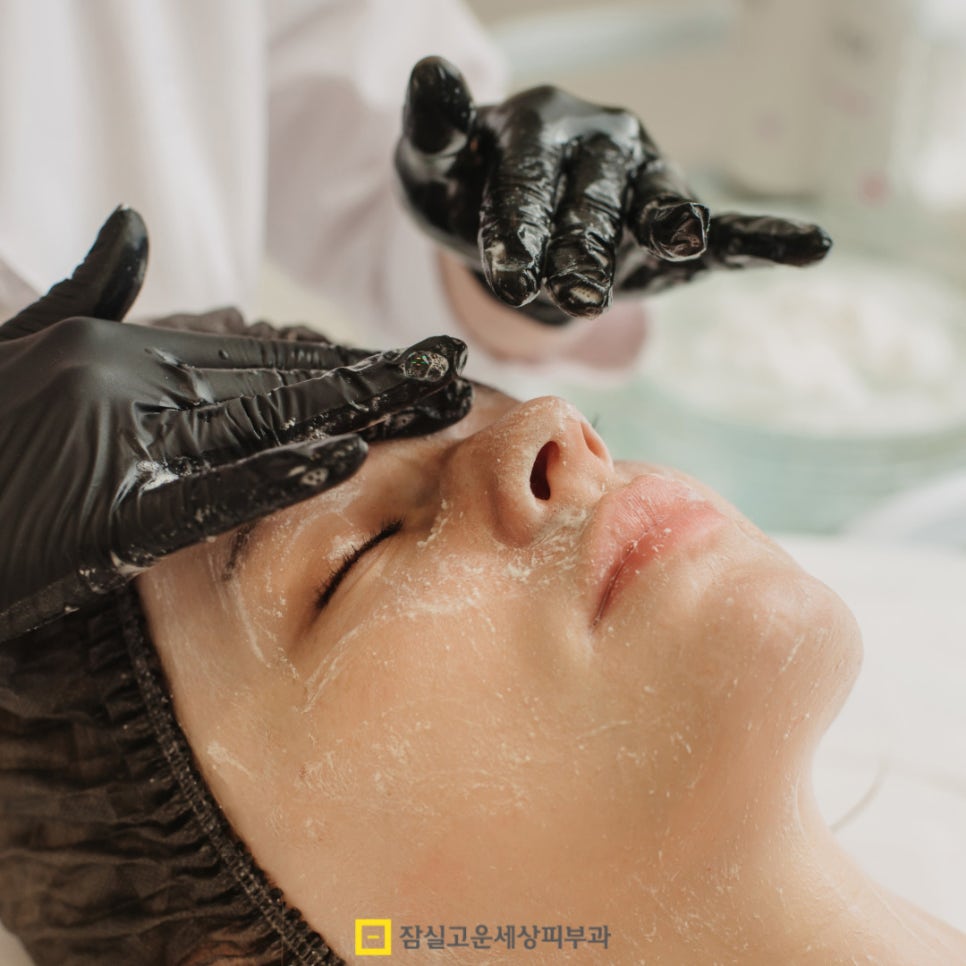
Above all, what matters most is that after removing dead skin, a recovery step must follow. When dead skin is smoothed out, the skin’s absorption improves, so using this period well to provide enough soothing and moisturizing ingredients is a key point in keeping the skin healthy.
- How are moisturizing and barrier treatments at a clinic different?
If dryness does not improve with basic skincare products, or if dead skin repeatedly lifts and flakes, you should consider the possibility that it is more than just a lack of moisture and that the skin barrier itself may be damaged. In such cases, recovery is difficult with simple topical products alone, and a more fundamental treatment approach is needed. At a clinic, these issues are diagnosed more precisely and treated by combining methods that are effective for barrier restoration.
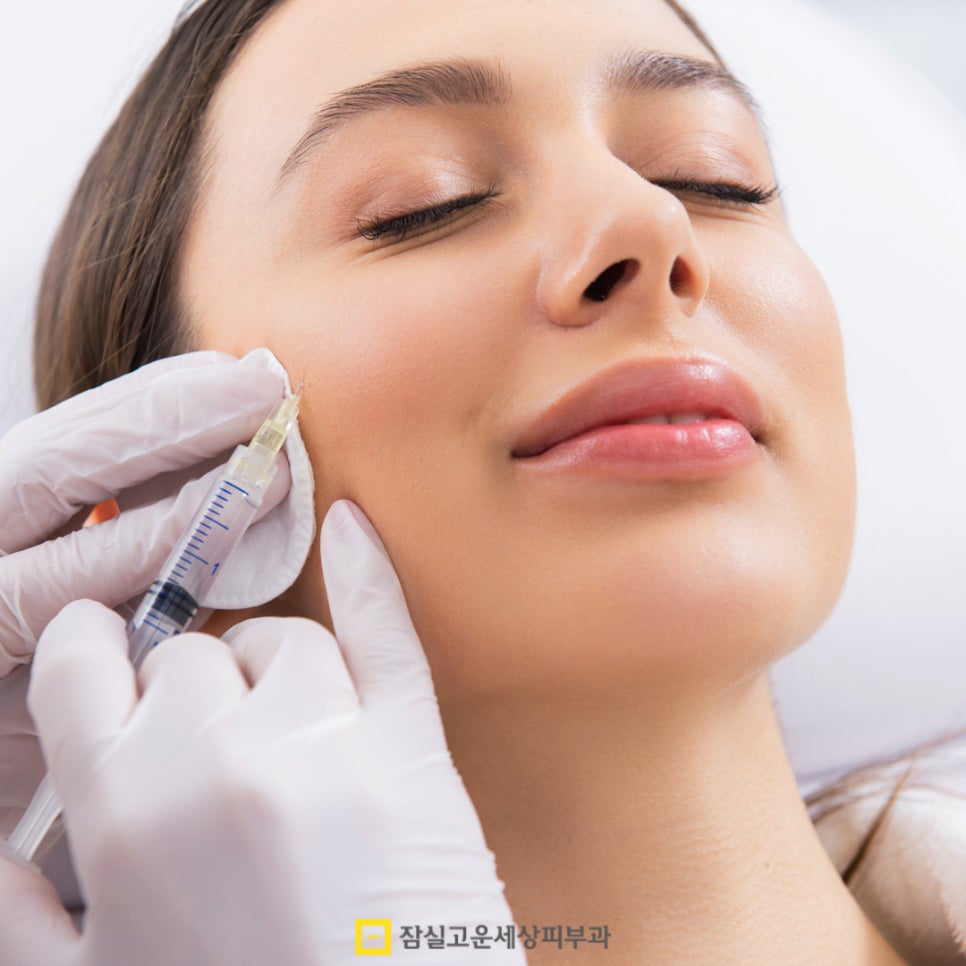
A representative treatment is the skin booster. This treatment involves injecting formulations containing hyaluronic acid, PDRN, PN (polynucleotides), amino acid complexes, and similar ingredients into the dermis to restore the skin’s ability to retain moisture and encourage cell regeneration. It goes much deeper than simply applying moisture on the surface, and it is very effective for seasonal skin because it creates a moisturized, regenerative environment from within the skin.
In addition, dermatology clinics offer combination programs that sequentially include low-irritation peeling tailored to the skin, regenerative care, high-concentration ampoule application, and LED soothing therapy. These programs are especially suitable for people with sensitive and thinned skin, and they help minimize inflammatory reactions while enhancing the skin’s own recovery ability.
What is most important is to carefully check the skin’s condition before and after treatment, accurately determine whether the cause of dryness is simply a lack of oil and moisture, barrier damage, or abnormal turnover, and then design a customized treatment accordingly.
In that sense, specialized care and treatment at a dermatology clinic can offer a different level of solution from simple cosmetics or at-home care.

Skin lifting and dryness during seasonal changes are not just a simple seasonal phenomenon. The skin breaks down from the inside before it shows on the outside. In particular, skin at this time has weakened self-recovery ability, so it needs an approach that creates a recovery-friendly environment rather than unnecessary irritation. Instead of forcefully stripping away dead skin, normalize the skin turnover cycle and restore barrier function. Instead of layering products only on the outside, replenish moisture from within to encourage skin regeneration. If you keep these two principles in mind, your skin can remain healthy even during seasonal changes.

Above all, if your skin repeatedly lifts, becomes sensitive, and you feel limited in how much care you can give it, it is important to receive an accurate diagnosis of the cause. The approach differs completely depending on whether it is simple dryness, barrier damage, or abnormal turnover.
If you change direction just a little, the skin responds much faster.
Looking at what is happening under the skin before focusing on the dead skin on the surface.
That is where the first step of seasonal skin care begins.
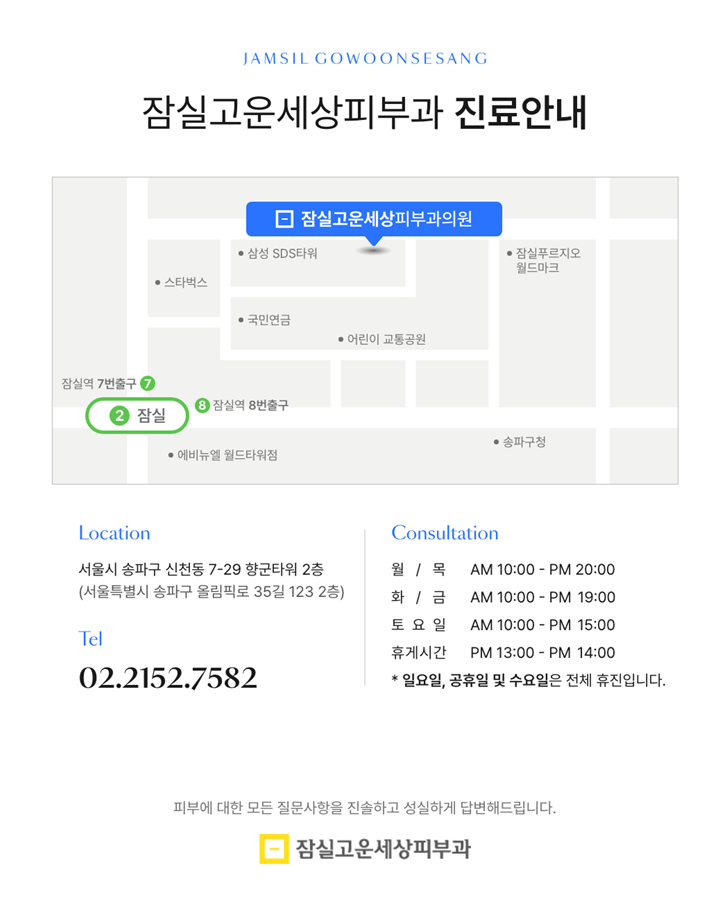
<Jamsil Gounsesang Dermatology Clinic Directions>
<Jamsil Gounsesang Dermatology Clinic Information>
<Jamsil Gounsesang Dermatology Clinic Website>
This post is provided by Jamsil Gounsesang Dermatology Clinic for the purpose of providing medical information in accordance with Article 56, Paragraph 1 of the Medical Service Act. All procedures/surgeries carry the risk of side effects such as bleeding, infection, and nerve damage, so please proceed carefully after充分 consultation with medical staff.