If skin trouble suddenly increases,
it may be seasonal allergic skin!
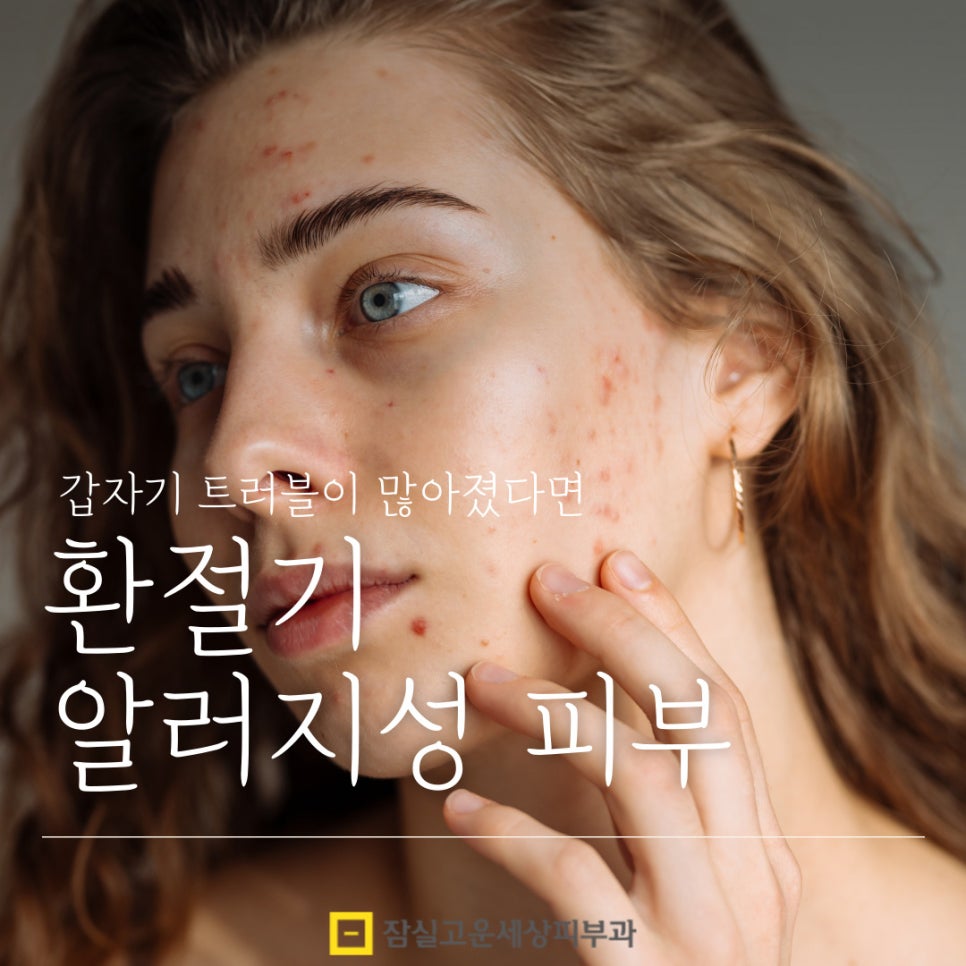
Hello! This is Jamsil Gounsesang Dermatology Clinic.
“My skin used to be fine, but for the past few days
something keeps coming up like pimples.”
“It’s more itchy and red than usual, and when I scratch it,
it spreads more. It doesn’t seem like acne…”
At this time of year, during the seasonal transition, many
people come to dermatology clinics with these concerns.
In particular, when people who usually do not have many
skin troubles suddenly become sensitive and their skin
reacts with redness and itching like hives, it is hard not
to feel confused. You may think it is acne and try various
products, but that only irritates the skin more, and as you
search for the cause of the suddenly increased trouble,
stress also builds up.
But did you know that these skin reactions may actually
be due to “allergic skin”?
Especially during the seasonal transition, several conditions
that make it easier for the skin to have an allergic reaction
overlap, and skin problems that are completely different
from the usual ones can appear.
Today, we’ll talk about why seasonal skin trouble appears
as an “allergic skin reaction,” how to distinguish it from
immune reactions such as contact dermatitis and hives,
and most importantly, how to care for it in these cases.
- Why does skin suddenly
become sensitive during the seasonal transition?
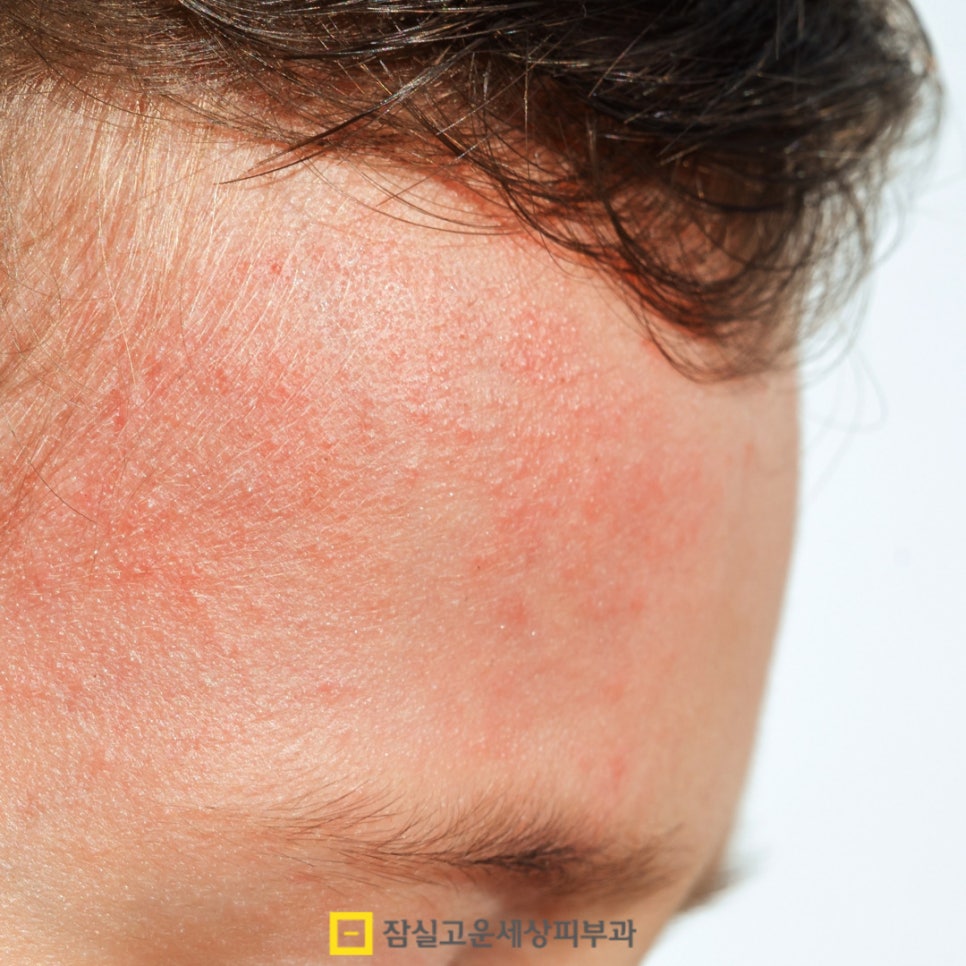
1-1. A time when the skin barrier breaks down
During the seasonal transition, the temperature difference
between day and night is large, and humidity changes
rapidly as well. In summer, the hot and humid environment
causes more sebum and sweat, but when autumn arrives,
the air becomes dry and the amount of moisture that
evaporates from the skin increases. The first part affected
in this process is the outermost layer of the skin, the
stratum corneum.
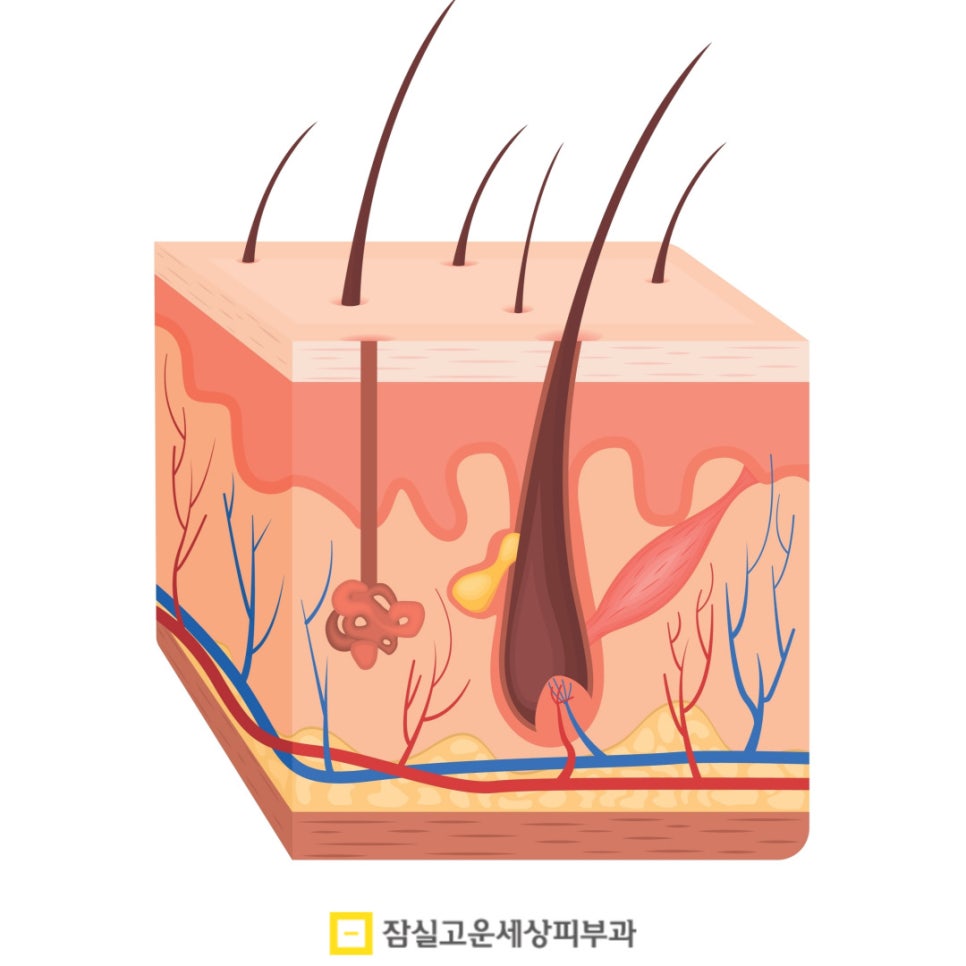
The stratum corneum acts as a barrier that protects the skin
from external irritation and preserves moisture. But during
the seasonal transition, this layer becomes rapidly dry,
cracks develop, and it becomes sensitive even to tiny
external irritants. In simple terms, you can think of it as the
skin’s defense barrier becoming thin and full of holes.
1-2. The skin immune system becomes overly sensitive to external irritants
Our skin is constantly fighting outside substances.
Things that it usually handles well—such as pollen, dust,
bacteria, and cosmetic ingredients—can be judged as
“dangerous” when they come into contact with skin whose
barrier has broken down, triggering an excessive immune
response. This is called an “allergic skin reaction.” In simple
terms, it is a state in which the skin is sounding an overly
sensitive alarm.
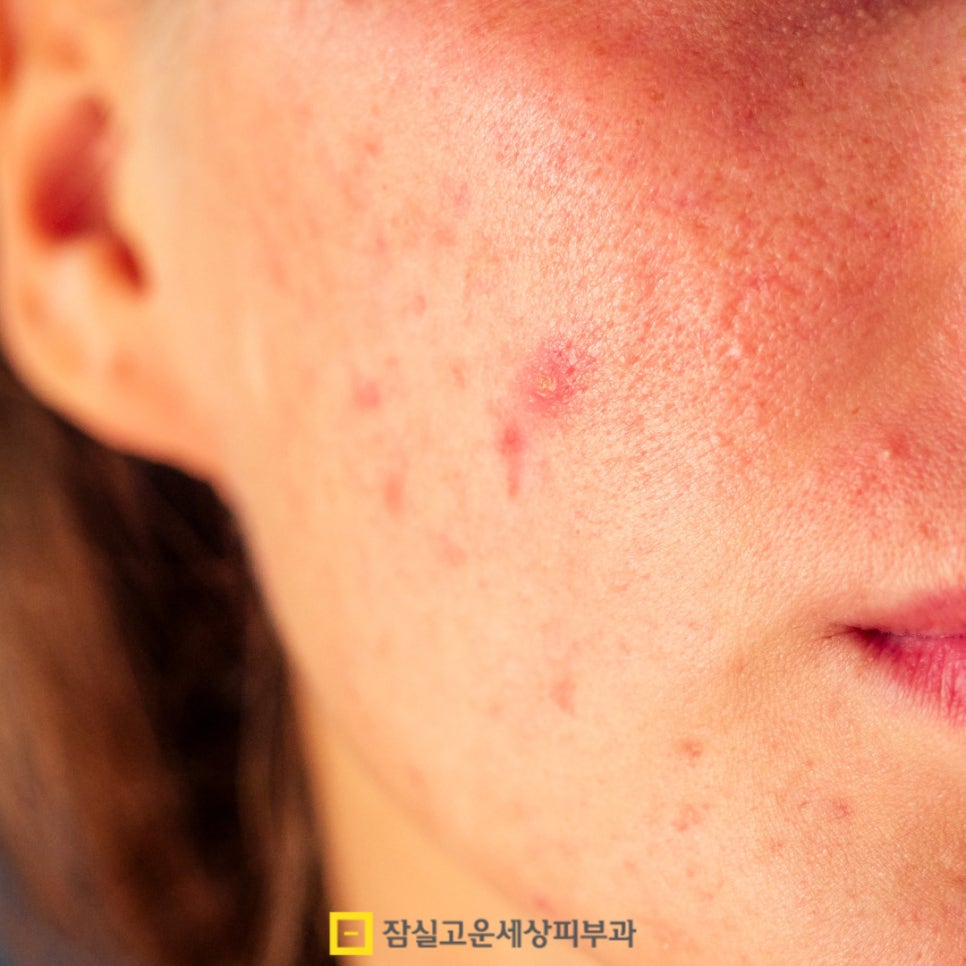
The problem is that when this immune response is too strong,
it actually worsens the skin inflammation and trouble on its
own. That is why sudden redness, itching, red patches, and
warmth may look like acne, but are in fact more likely to be
allergic contact dermatitis or hives.
- Allergic skin reactions,
what symptoms do they show?
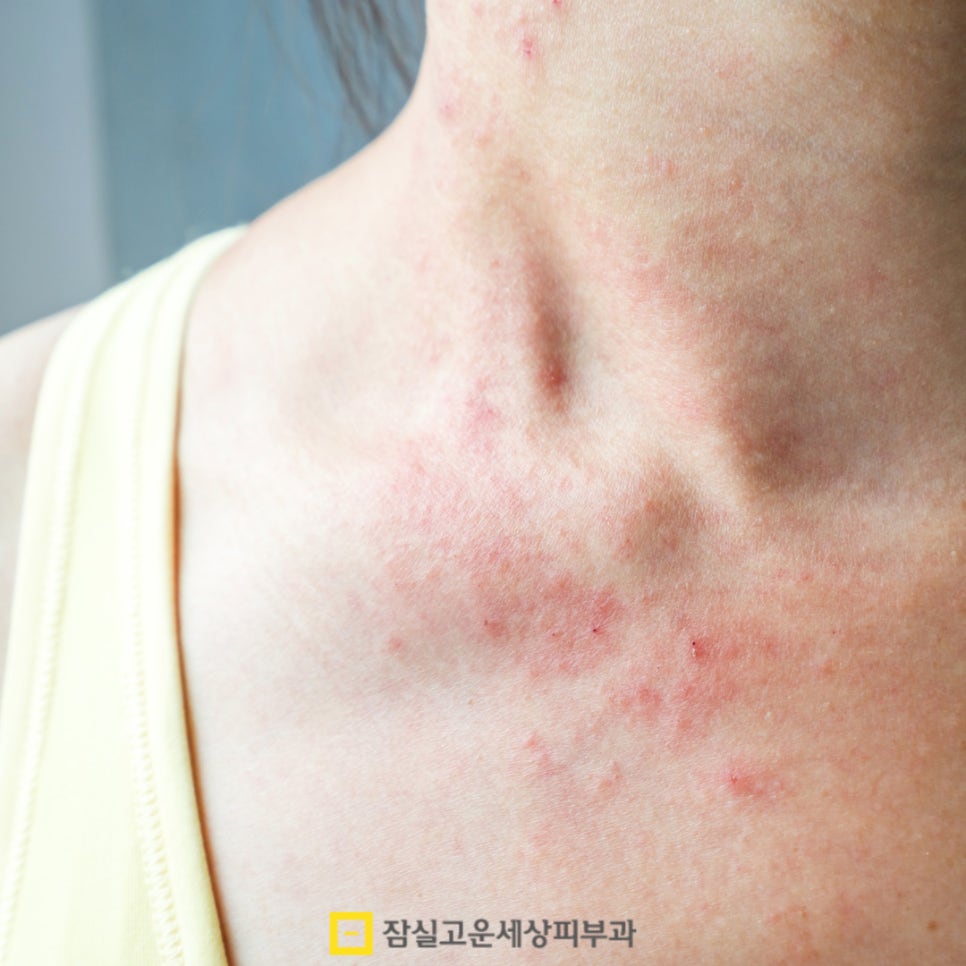
2-1. Characteristics of contact dermatitis
One of the skin troubles that appears frequently during the
seasonal transition is “contact dermatitis.” As the name
suggests, when an external substance touches the skin, the
immune cells that recognize it as a foreign substance cause
a reaction. The causes are surprisingly varied.
Newly changed cosmetics, the fabric inside a mask, knit
turtlenecks, surfactants in shampoo or cleanser, and even
fine dust or pollen in the air can all be causes.
When exposed to these, the skin may sting, turn red, itch,
and sometimes even ooze.
Unlike ordinary acne, contact dermatitis tends to have wide,
spreading borders and often occurs in areas where the skin
surface is thin and sensitive, such as around the eyes, around
the mouth, and around the neck.
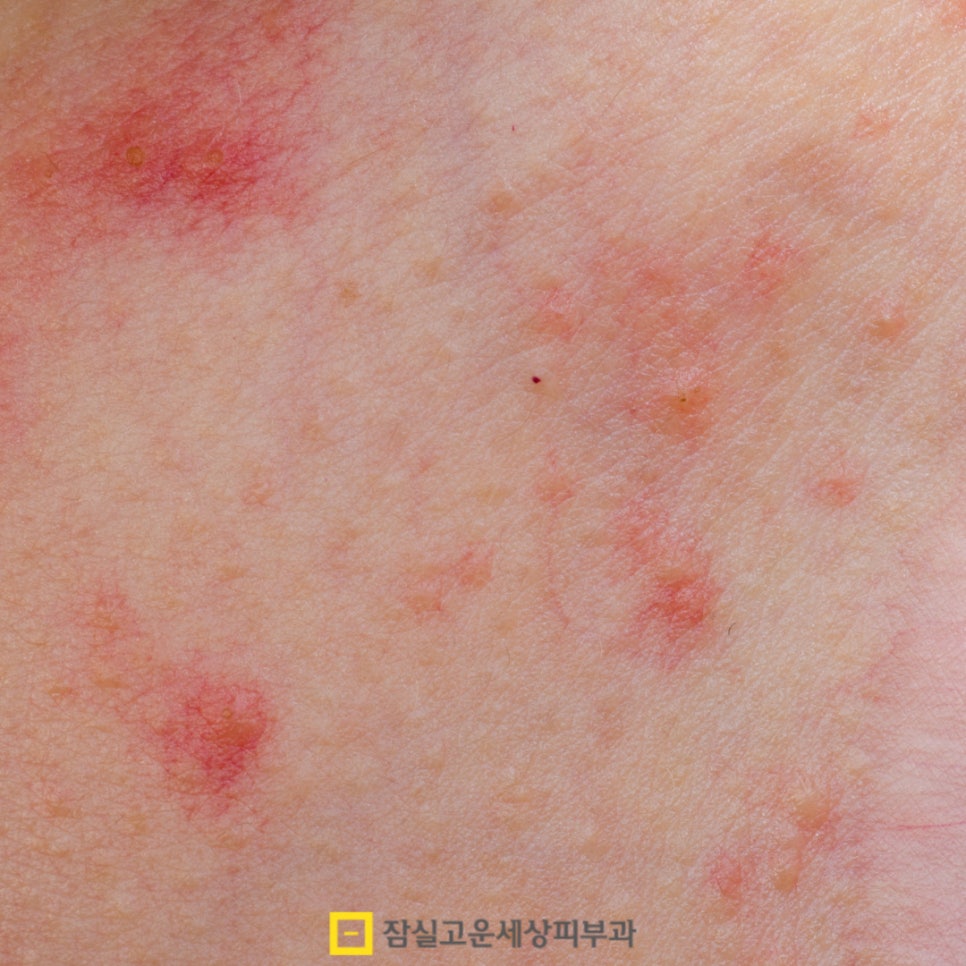
2-2. The form of hives
Hives are one of the most common and also one of the most
confusing symptoms among allergic skin reactions. Seasonal
hives often appear suddenly: after washing the face or
taking a shower with warm water, the skin may suddenly
swell and turn red, small raised rashes may appear, and
they may be accompanied by intense itching.
These symptoms can also be caused by food, medication,
temperature changes, sweat, stress, and more, but during
the seasonal transition the skin is temporarily in an overly
sensitive state, so it often reacts excessively even to
irritants that were fine before.
Hives may go away with time, but if they recur they can
become chronic, so they should not be approached as
something to simply endure and move on from.
- Seasonal allergic skin,
how should it be managed?
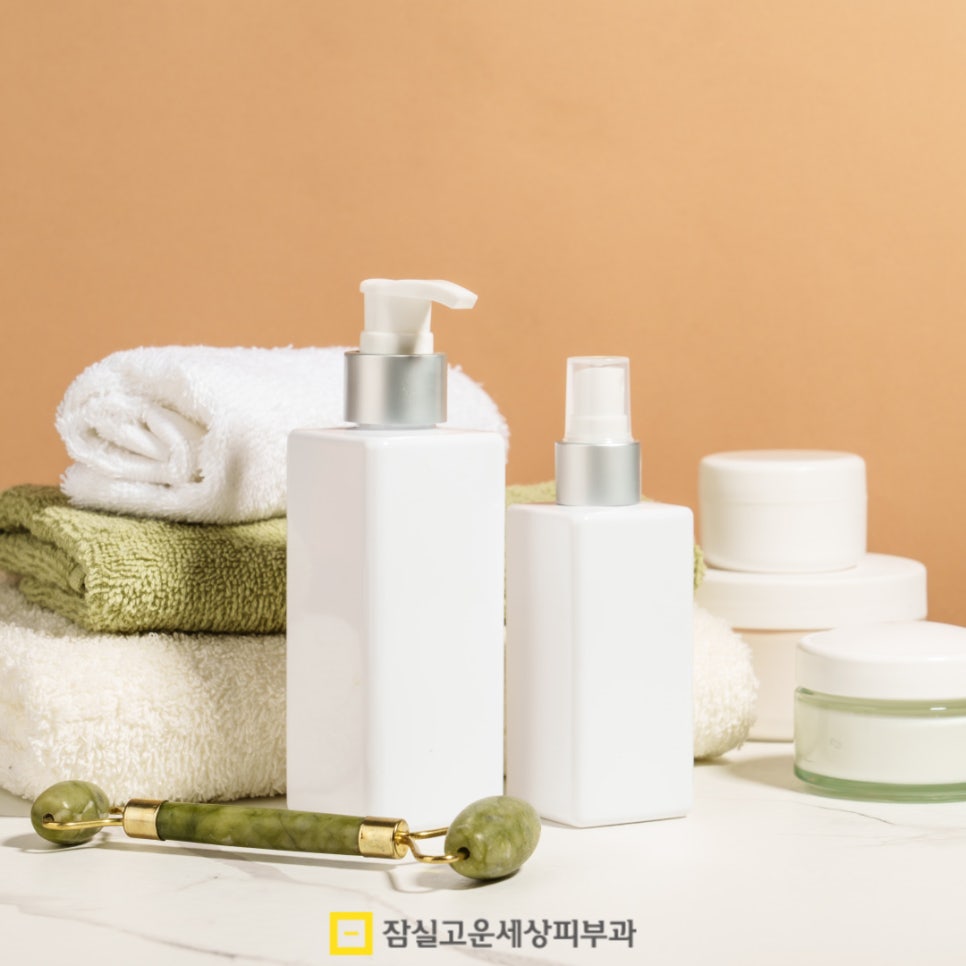
3-1. Take a break from cosmetics for now
When trouble appears, the first thing to do is to “pause” the
skincare routine you have been using.
Serums, creams, and sheet masks that you thought were
good may be irritating your skin right now, so it is important
to minimize and simplify skincare.
Giving your skin time to recover on its own with just one
fragrance-free, low-irritation moisturizer can be very helpful
for skin during the seasonal transition.
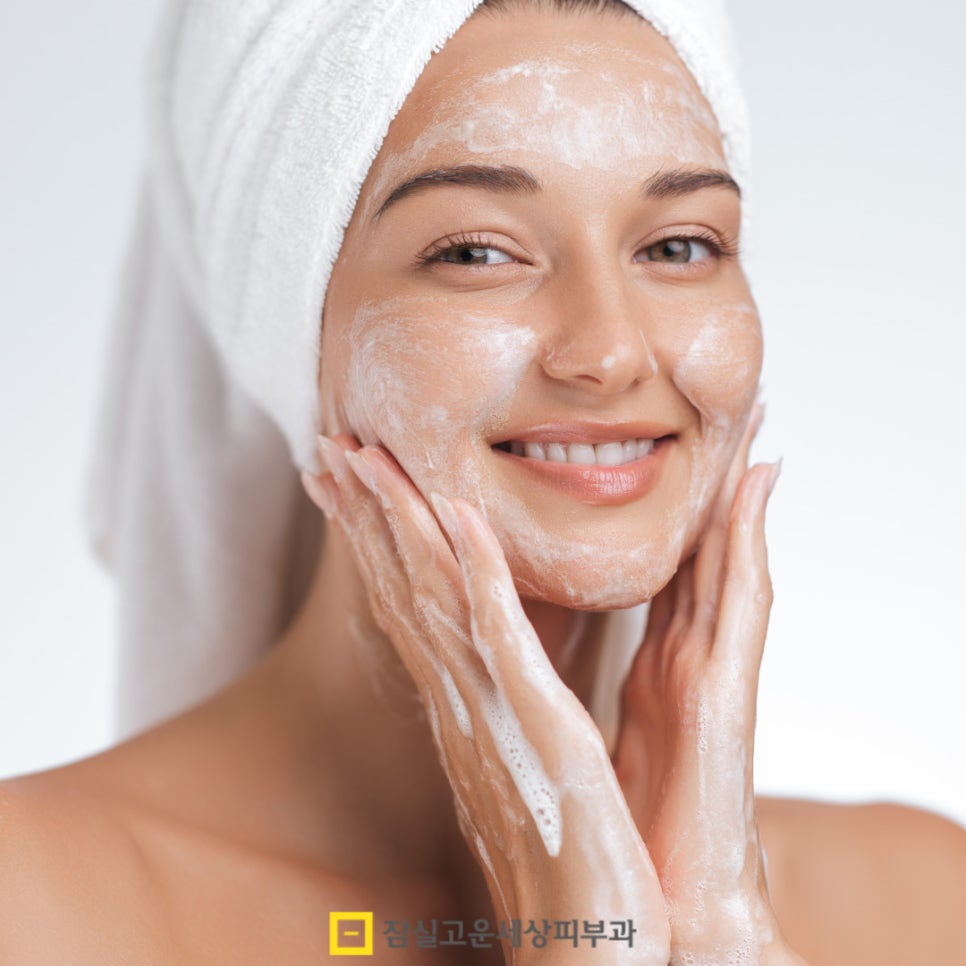
3-2. Keep the cleansing routine gentle too
Face washing is also important. Rather than a cleanser that
leaves the skin feeling squeaky clean, we recommend a
mildly acidic cleanser with a pH of around 5.5.
Instead of very hot water, lukewarm water and gentle,
non-irritating cleansing help protect the skin barrier.
In the morning, you may also consider washing with water
only, or even skipping cleanser altogether depending on
the condition of your skin.
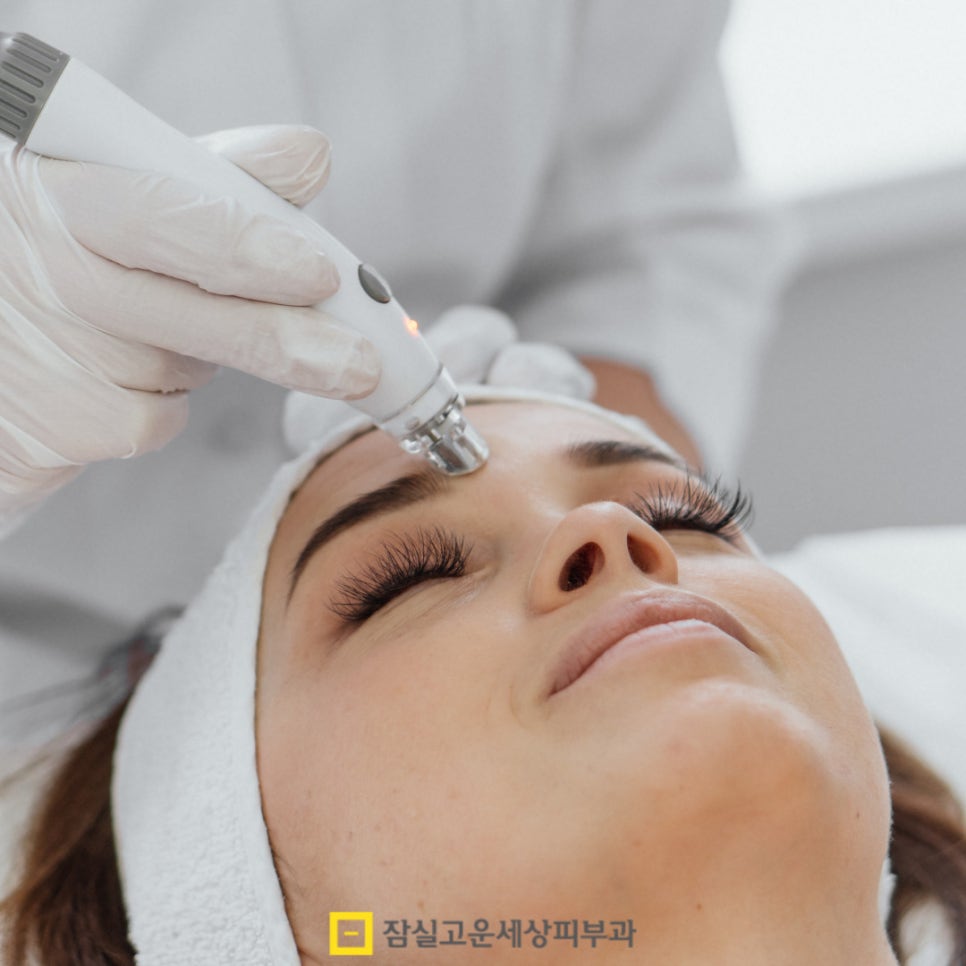
3-3. Soothing skin treatments can help
If the trouble is severe or itching keeps recurring, a
dermatology clinic may use soothing laser treatments,
mild steroid ointments, or antihistamines if needed.
At this time, the skin is in an inflamed state, so treatment
that cools the heat and calms the inflammatory response
comes first rather than irritating procedures.
Strong treatments such as lasers or peeling may have the
opposite effect, so it is best to receive only what is needed
after consulting a specialist.

Seasonal skin trouble may be the result of changes that
cannot simply be dismissed as ordinary acne or sensitive
skin, and may affect the body’s overall condition as well as
the skin’s immunity.
In particular, if your skin becomes red, itchy, and more
sensitive to irritation than usual, it may be your skin saying,
“Please let me rest a little right now.”
At times like this, rather than applying more products, it may
be a much faster path to recovery to think first about what
to reduce and how to calm the skin.
There is no need to rush to get rid of the trouble. The changes
of the seasonal transition are temporary, and the skin can
recover its health surprisingly quickly.
What matters is giving the skin enough time and rest.
And when necessary, getting help from a dermatologist to
identify the cause accurately and return the skin to a stable
state. This seasonal transition, why not listen a little more
closely to what your skin is telling you?
Your body, mind, and skin can all regain a calm balance
again.
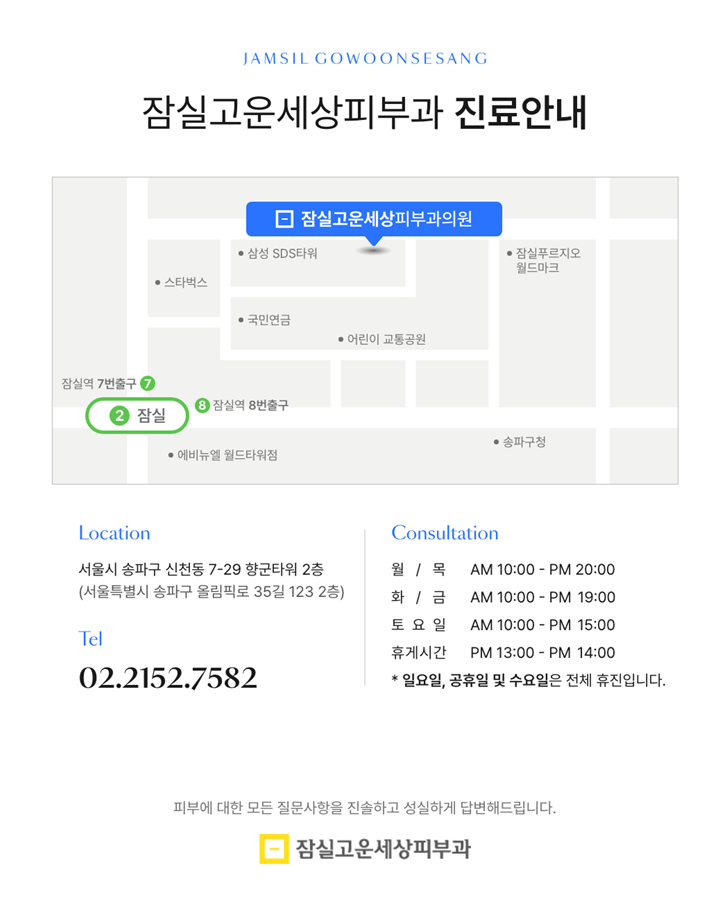
[How to visit Jamsil Gounsesang Dermatology Clinic]
[Consultation guide for Jamsil Gounsesang Dermatology Clinic]
[Jamsil Gounsesang Dermatology Clinic website]
This post is provided by Jamsil Gounsesang Dermatology Clinic for the provision of medical information in accordance with Article 56, Paragraph 1 of the Medical Service Act. All procedures/surgeries carry the risk of side effects such as bleeding, infection, and nerve damage, so please proceed carefully after sufficient consultation with medical staff.