Dermatology acne treatment,
How long do you need to go?
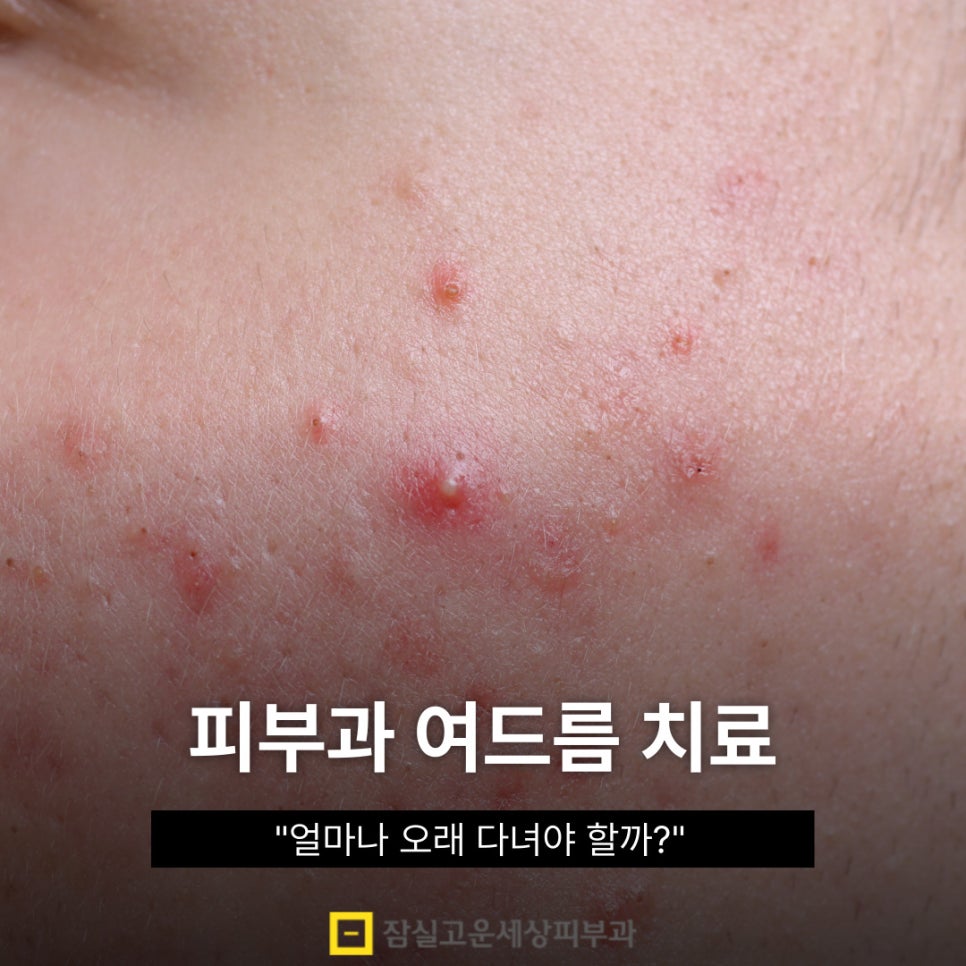
Hello! This is Jamsil Gounsesang Dermatology!
“How long do I need to keep coming?”
It’s actually a very natural question. The skin is a visible part of the body, and acne can affect appearance and confidence. And since the cost and time involved in visiting the clinic every time, taking medication, or receiving procedures cannot be ignored, it’s only natural to wonder, “How long do I have to keep repeating this?”
However, not many people realize that acne is not a one-time problem that ends after just a few treatments.
Asking about the “end” of acne treatment is ultimately connected to how deeply you understand the condition itself.
Today, when receiving acne treatment at a dermatology clinic, I’ll go through questions such as:
“How long does it usually take before results appear?”
and
“When can we say it’s over?”
one by one.
- Why acne treatment takes time
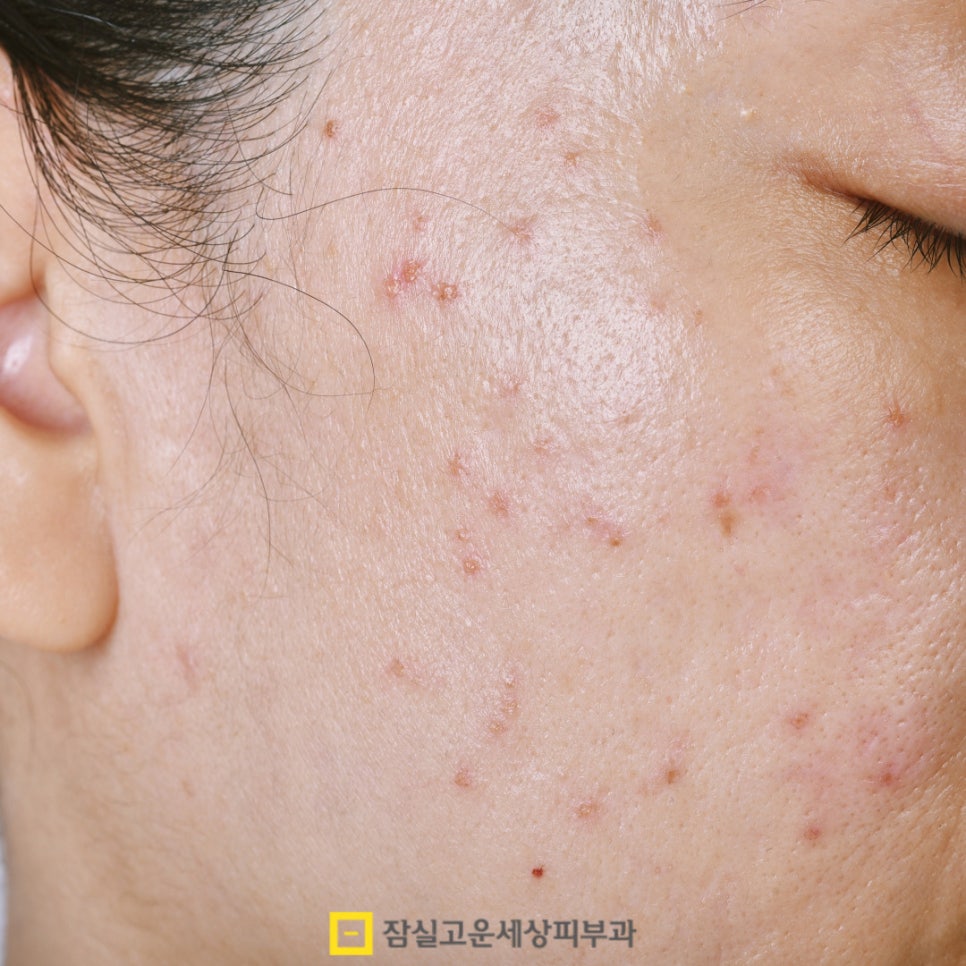
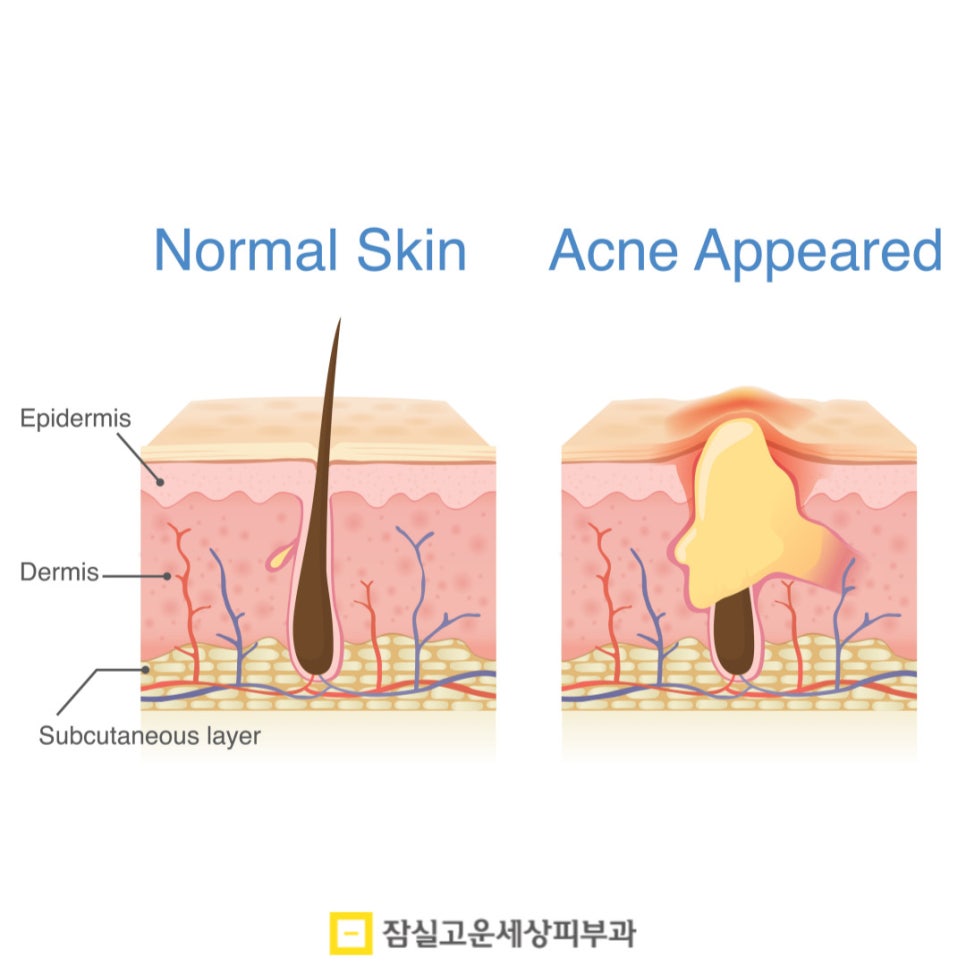
Many people think of acne as a simple pimple or temporary breakout, but medically, acne is a “chronic inflammatory disease.”
In other words, once symptoms appear, they do not easily go away, and treatment should be approached step by step over time, including treatment, management, and prevention of recurrence.
In particular, dermatology clinics classify acne as follows and set treatment periods according to each stage.
- Non-inflammatory acne (whiteheads, blackheads):
Quick response to treatment, relatively short-term treatment possible
- Inflammatory acne (red, pus-filled acne):
Includes antibiotics and topical treatment
→ Treatment period: several weeks to several months
High potential for scarring and chronicity
→ Long-term treatment needed for several months or more
In other words, the treatment period inevitably differs depending on the “type” of acne.
A dermatologist combines appropriate medication, extraction, and procedures according to each stage to build the optimal treatment duration.
- Four key factors that determine acne treatment duration
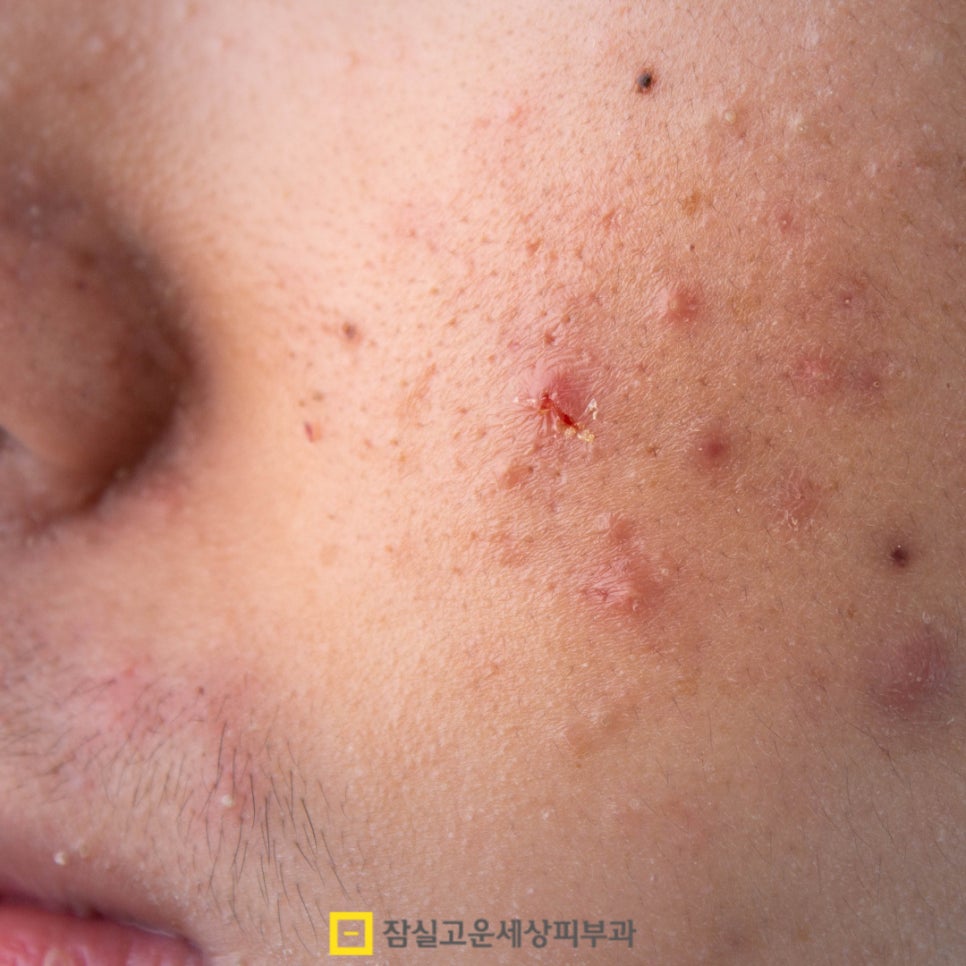
2-1. How chronic the acne is and how likely it is to recur
Acne is not a breakout that appears briefly and disappears quickly; it is a chronic inflammatory skin disease that tends to recur easily. In particular, adult acne is repeatedly influenced by various factors such as hormonal changes, stress, sleep patterns, and eating habits, so it often flares up again if treatment is stopped.
If you stop treatment right away once the symptoms look noticeably better, it is common for inflammation to return and the skin to become sensitive again within a few weeks. That is why dermatology clinics often recommend continuing treatment for another month or two even after the skin has visibly improved. Just like building basic strength, the skin also needs time to stay in a relatively stable condition. Acne treatment may feel long, but that time is also an important process for helping the skin not break down easily again.
2-2. The patient’s lifestyle habits and skin type
Skin treatment does not happen only at the clinic. Everyday habits at home and each small way of treating the skin greatly affect treatment results. For example, washing your face too often and drying out the skin, unknowingly using oily cosmetics, or frequently touching your face with your hands can further irritate inflammation.
In particular, oily skin has more active sebum production, so even with the same treatment, improvement may be a little slower. The more acne-prone the skin is, the more important it is to maintain a balance: minimizing irritation while still providing enough moisture. What treatment you receive at the clinic is important, but even more important is how you manage the time in between. Even changing one small, simple habit can reduce acne recurrence and shorten the treatment period.
2-3. The type of medication used and the speed of response
In dermatology, several types of medication are used to treat acne.
There are topical medications and oral medications. However, each medication works a little differently, and the timing of its effects also differs. Common topical agents such as benzoyl peroxide and retinoids are effective at reducing sebum and promoting exfoliation, but at the beginning, many people are surprised because the skin may become redder or sting more.
The oral medication Roaccutane also often goes through a process in which inflammation may briefly worsen at the start before gradually settling down. So rather than stopping treatment because there is no immediate effect, it is important to understand how these medications work and wait a little longer.
In general, many cases require steady use for about 3 to 6 months for sebum production to stabilize and recurrence to decrease. I completely understand the desire to improve quickly, but when it comes to acne treatment, moving forward slowly without rushing may be the best path.
2-4. Whether procedures are combined
These days, acne treatment often includes not only medication but also various procedures.
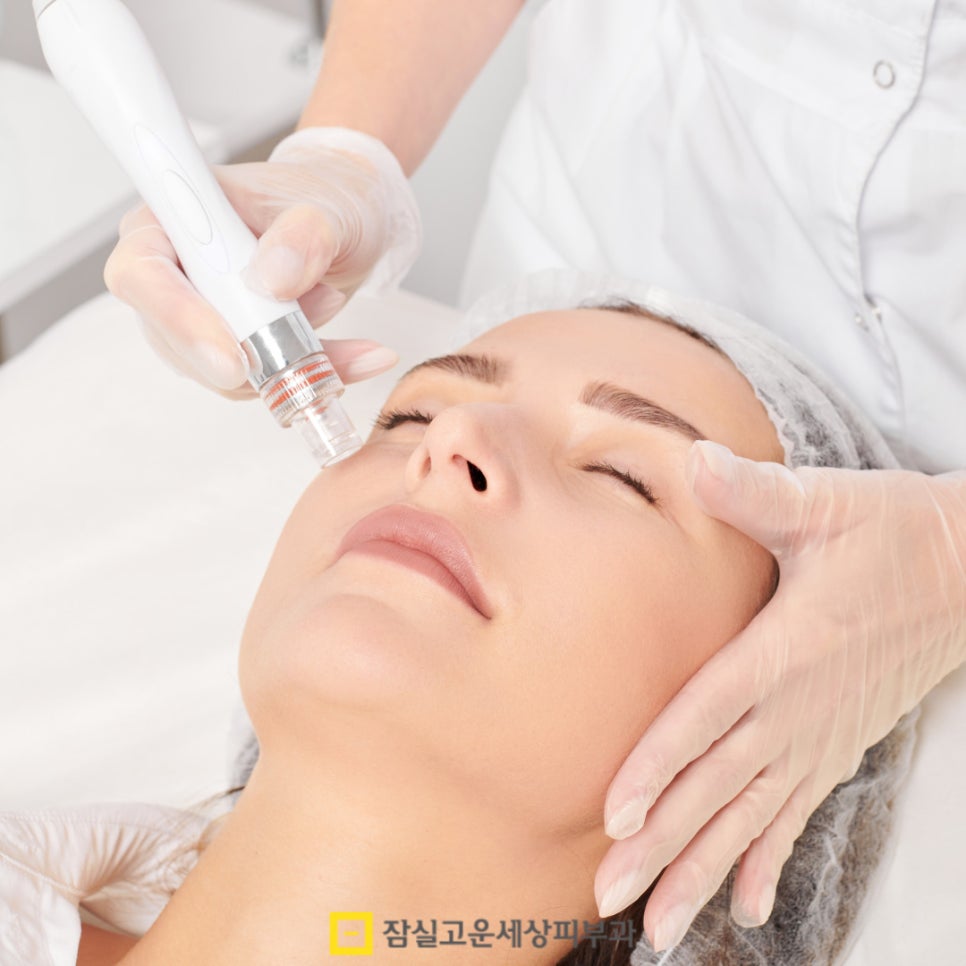
For example, laser treatment that helps control sebum, soothing procedures that calm inflammation, and scaling methods that clean up the outer layer of dead skin cells are typical examples. When these procedures are combined, noticeable improvement may appear a little faster.
However, more procedures are not always better. If extraction is performed too often or irritating procedures are repeated on sensitive skin, the skin barrier may weaken, and redness or red marks may last longer. It is also easy to think that procedures alone can solve everything and become less attentive to medication and lifestyle management. In fact, acne treatment only works well when three elements are all aligned: procedures, medication, and lifestyle habits. Procedures are just a tool that can slightly speed up the treatment process; what matters most is restoring the skin’s natural strength.
- Average treatment duration and prognosis

So if you actually receive treatment at a clinic, how long does it take?
Mild acne:
Improvement possible with about 4 to 8 weeks of treatment
(medication or extraction-centered)
Moderate acne:
About 3 to 6 months needed
(combination of medication + procedures)
Severe acne:
At least 6 months to 1 year or more
(Roaccutane-centered, with procedures, including scar prevention)
The important point here is that “visible improvement” and “actual end of treatment” are not the same.
In other words, even if the visible acne disappears, the overactive sebaceous glands, inflammatory response, and skin regeneration ability may not yet be fully stabilized.
Acne treatment is a marathon.
Rather than speeding up, you need to choose the right path
Acne treatment is not a sprint.
Rather than “how long,” what matters more is “how accurately” the treatment is done.
If you stop in the middle and repeat recurrence, it can instead lead to secondary problems such as scarring and pigmentation.
From the time you first visit a dermatology clinic, it may take longer than expected to fully improve.
But if treatment progresses systematically, your skin three months later will definitely be different.
There is no need to blame yourself and think your skin is the problem just because acne keeps recurring, and there is no reason to worry just because you are taking medication for a long time.
Please remember that dermatology treatment is not just about removing acne, but about “building the skin’s foundation so it does not come back.”
That path may be long, but the resilient recovery built along the way will become one of the strongest skin assets in your future life.
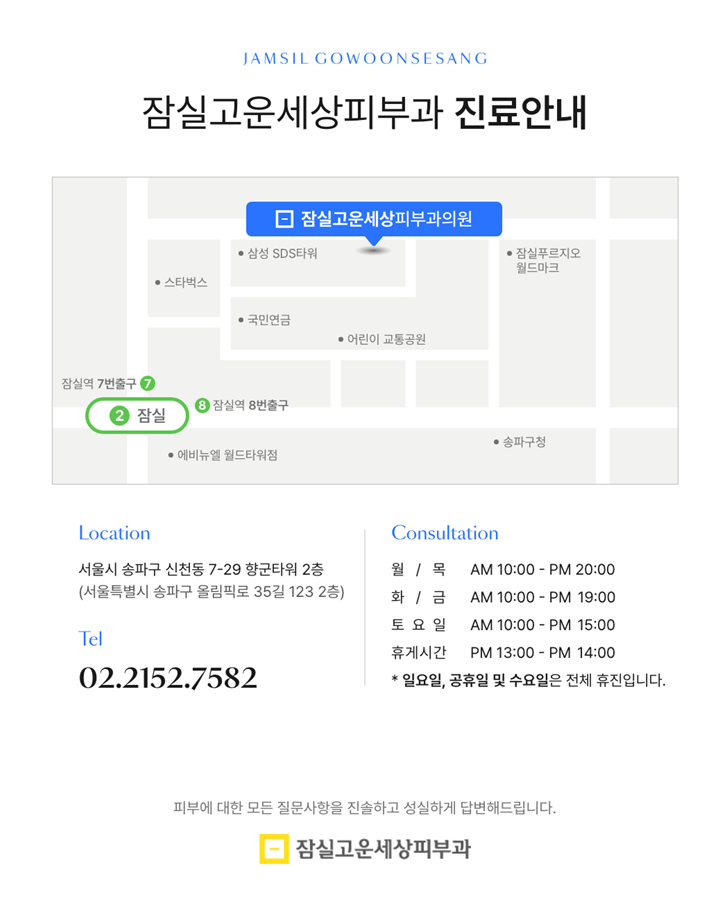
❤Jamsil Gounsesang Dermatology Directions❤
❤Jamsil Gounsesang Dermatology Treatment Information❤
❤Jamsil Gounsesang Dermatology Homepage❤
In accordance with Article 56, Paragraph 1 of the Medical Advertising Act, this post is provided by Jamsil Gounsesang Dermatology for the purpose of providing medical information. All procedures/surgeries carry the risk of side effects such as bleeding, infection, and nerve damage, so please proceed carefully after sufficient consultation with medical staff.