Dehydrated oily skin,
Why it gets even drier during seasonal transitions

Hello, this is Jamsil Gounsesang Dermatology.
Have you ever experienced skin that looks oily on the outside but feels tight on the inside?
When you look in the mirror after washing your face, the forehead and nose quickly become shiny with oil, but the cheeks or chin feel tight and your makeup starts to lift. Skin like this is often called dehydrated oily skin.
Many people think oily skin simply means skin that is shiny because it produces a lot of sebum, but if you look more closely, there is a completely different story underneath. It may look oily on the outside, but the skin is actually lacking moisture, creating a severe imbalance. In particular, during seasonal transitions, this imbalance becomes more noticeable, and the skin often becomes more sensitive and prone to breakouts.
Today, we’ll explain what dehydrated oily skin is, why it gets worse during seasonal transitions, and how to care for it.
- What is dehydrated oily skin?
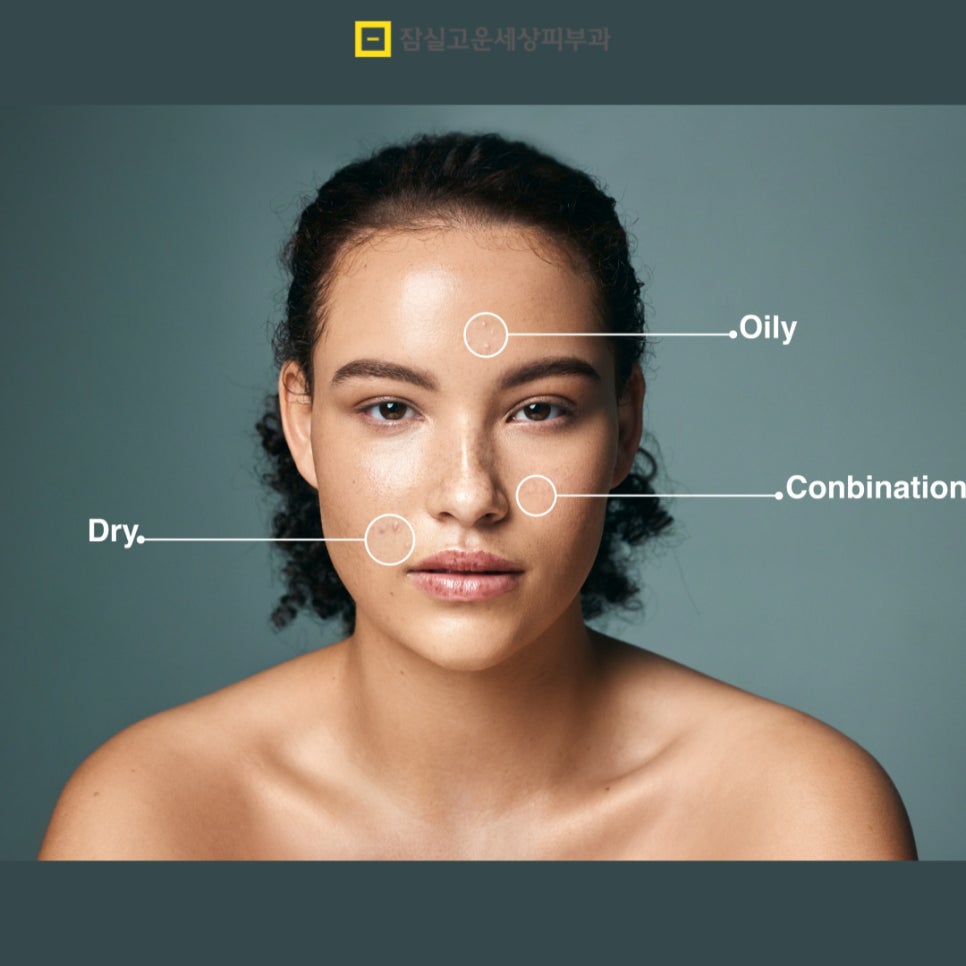 1-1. An imbalance between the outside and the inside
Skin stays healthy through a balance of two main elements: moisture and oil. In normal skin, moisture is evenly distributed in the epidermis, and oil forms a protective barrier on top to help prevent moisture from evaporating. But in dehydrated oily skin, this balance is disrupted.
The inside is dry because it lacks moisture, while the outside compensates by producing excess sebum. So although it looks oily and shiny, the skin is actually tight and prone to flaking.
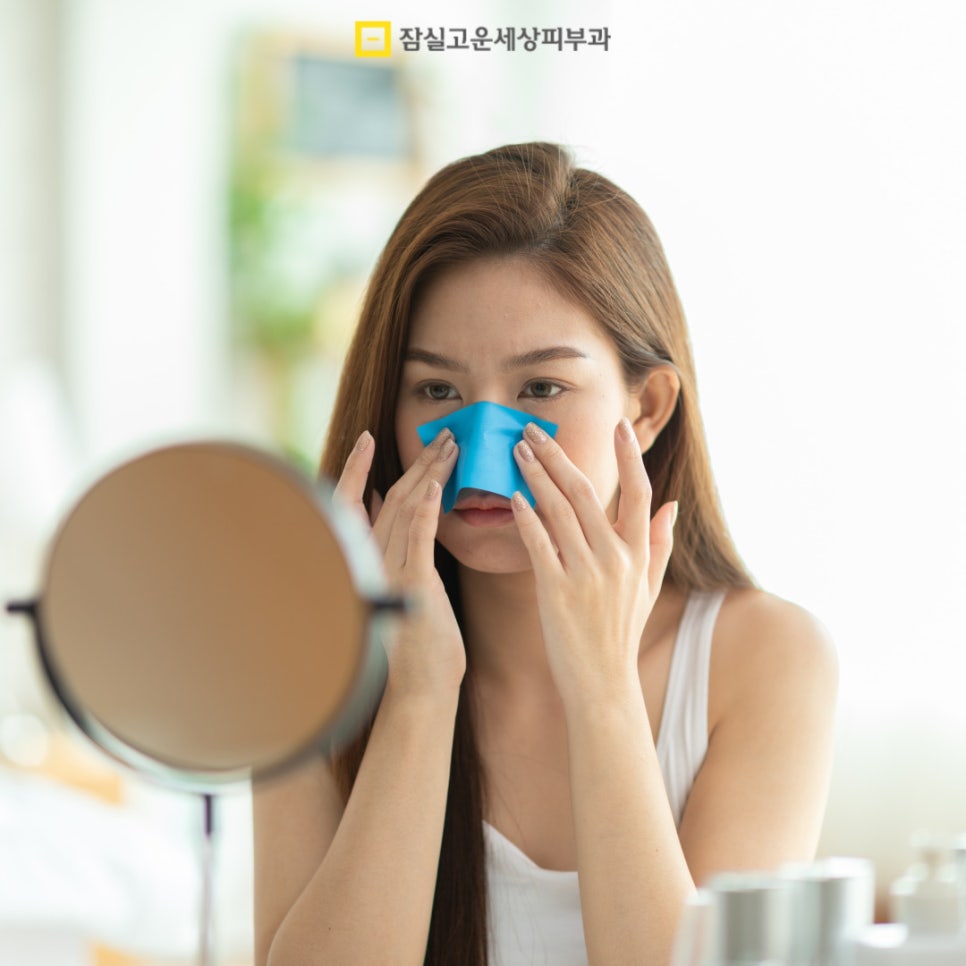 1-2. A common misconception
Many people skip moisturizer altogether because their face looks shiny, or they use strong cleansers because they think they need to remove oil. But this approach can actually worsen internal dryness and stimulate the skin to produce even more oil. In the end, it becomes a repeated cycle.
- Why does it get worse during seasonal transitions?
 2-1. Sudden changes in temperature and humidity
During seasonal transitions, the temperature difference between day and night becomes large, and the air becomes dry. This environment quickly evaporates moisture from the skin’s surface and weakens the skin barrier. Especially if the skin has already been damaged by summer UV exposure and has not yet recovered, the dryness of seasonal transitions can hit even harder.
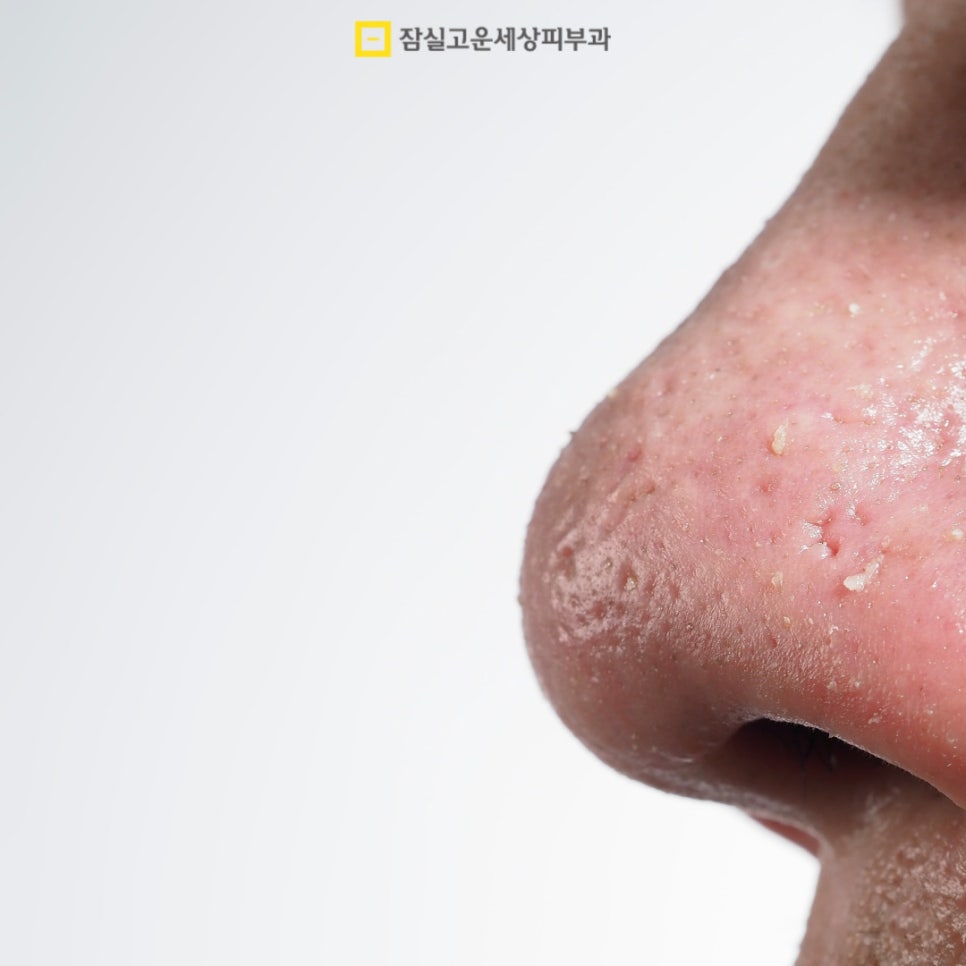 2-2. Barrier weakening and excess sebum production
When skin becomes dry, the lipids in the stratum corneum break down and tiny gaps form. As moisture keeps escaping through those gaps, the skin tries to block it by producing too much sebum. As a result, the skin becomes dry on the inside and even shinier on the outside, creating a twofold problem.
- Problems caused by internal dryness
 3-1. Shine and breakouts
When the inside is dry, the sebaceous glands become overactive to compensate. Sebum and dead skin cells become mixed together, clogging pores and eventually causing inflammatory acne, blackheads, and whiteheads.
This is also why people wonder, “My skin is obviously dry, so I should moisturize it, but if I have so much oil, won’t moisturizer make it even shinier?”
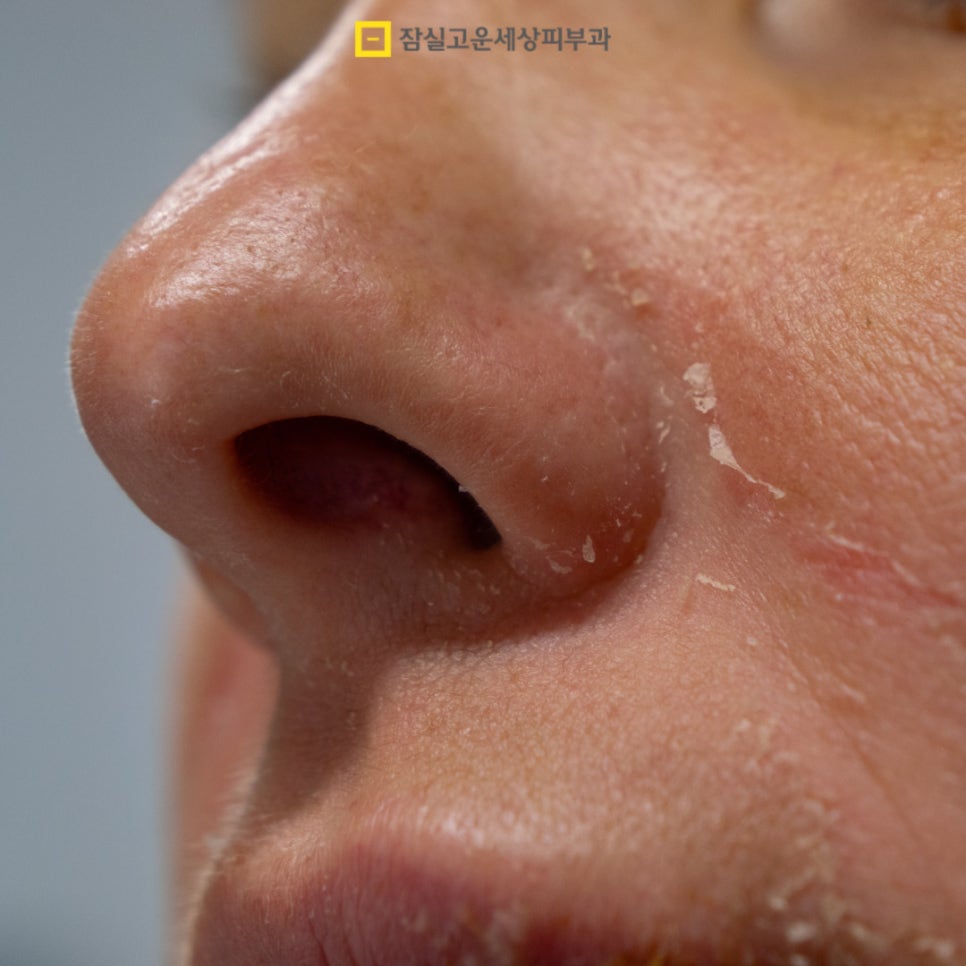 3-2. Flaking and reduced makeup wear
Internal dryness throws off the skin’s turnover cycle, making dead skin cells more likely to lift. As a result, even if you carefully apply makeup in the morning, it often starts to lift and break down by the afternoon. Foundation getting trapped in pores or the skin looking patchy are also typical signs of internal dryness.
3-3. Weakened skin barrier
Skin that lacks moisture has reduced defense and becomes more sensitive to external irritation. Itching, redness, and stinging that often appear during seasonal transitions can also be understood in this context. In the end, internal dryness is more than a simple discomfort—it becomes a factor that threatens overall skin health.
- Care points
 4-1. Cleansing: avoid over-cleansing
The most important thing in caring for dehydrated oily skin is your cleansing routine. Washing until your skin feels squeaky clean with a strong cleanser may feel refreshing at first, but it further disrupts the skin’s oil-moisture balance. It’s better to use a mildly acidic, low-irritation cleanser and limit cleansing to no more than twice a day. Washing with water only in the morning can also help.
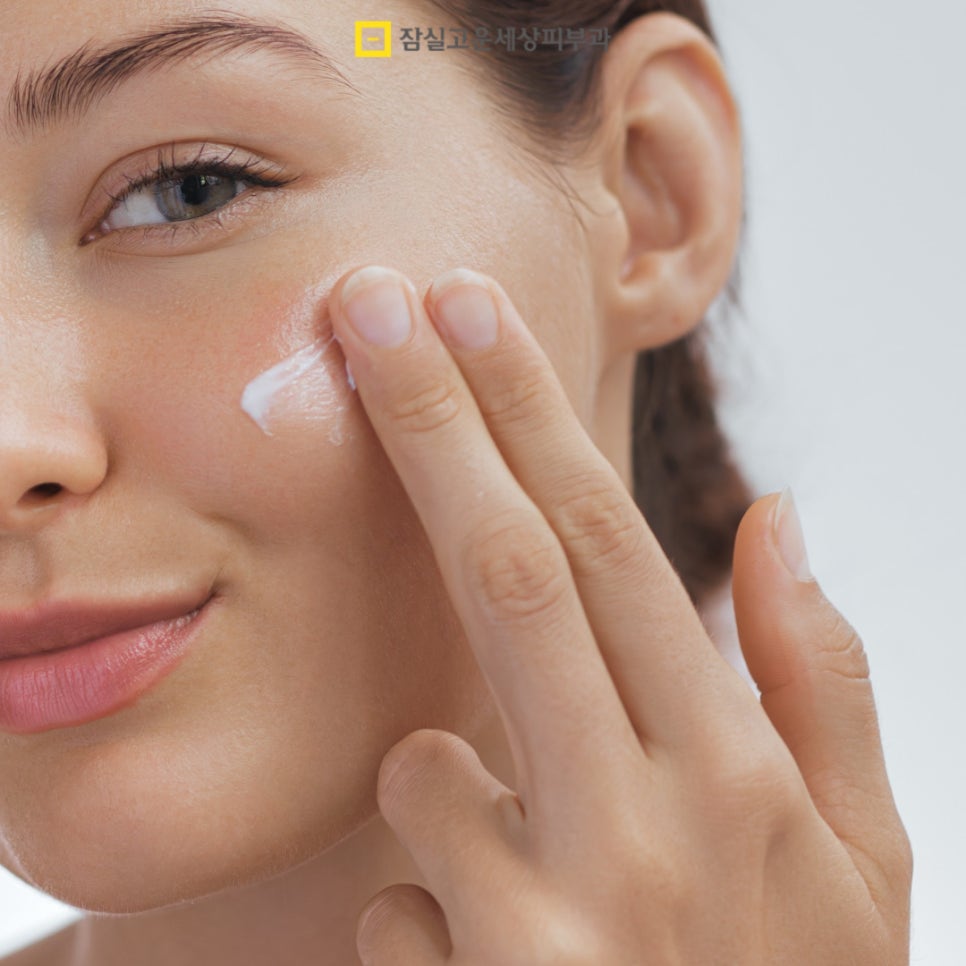 4-2. Moisturizing: balancing water and lipids
When choosing a moisturizer, a product that replenishes both moisture and lipids is more suitable than one that only adds water. Products containing humectants such as hyaluronic acid and glycerin, along with barrier-supporting ingredients such as ceramides and squalane, are recommended. Also, rather than applying a large amount at once, the layering method of applying thin layers several times is effective.
 4-3. Lifestyle habits: managing internal hydration
Dry skin is not just an external issue; it is directly connected to the body’s hydration status. It’s good to drink water little by little throughout the day, and it’s also important to maintain indoor humidity at 40–60%. During seasonal transitions, be especially careful not to be exposed directly to heater or air conditioner airflow.
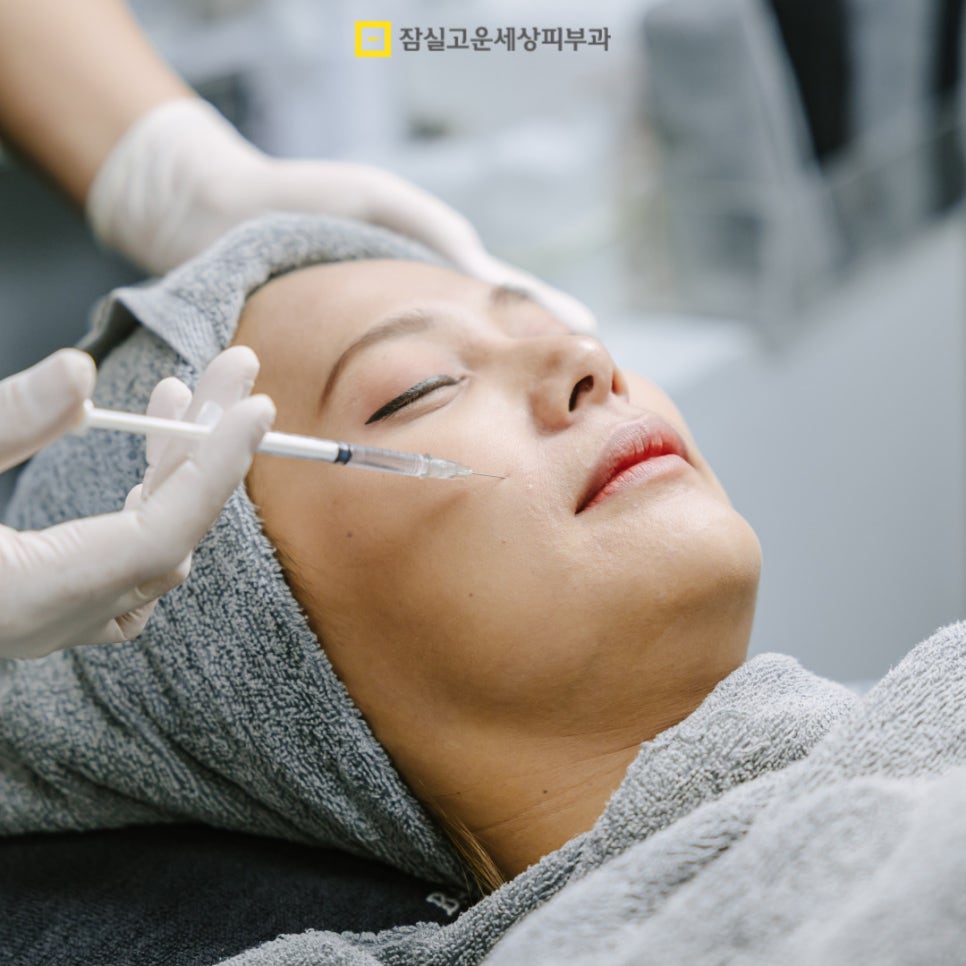 4-4. Dermatology treatment options
If internal dryness is severe and difficult to manage on your own, dermatology procedures can help. For example, skin boosters that directly inject moisture into the skin, Rejuran that helps restore the skin barrier, and soothing lasers that calm inflammation are representative options. What matters here is not choosing an overly aggressive procedure, but selecting a method that minimizes irritation and supports recovery according to the skin’s condition.
Dehydrated oily skin is not simply a condition where the skin is oily and shiny.
It is a complex state in which the skin’s moisture is lacking and its balance is disrupted, so it looks oily on the outside but is dry on the inside, leading to various problems.
Particularly during seasonal transitions, temperature and humidity change significantly, and the skin barrier weakens, making these symptoms more noticeable. If internal dryness is left untreated, it can lead to shine, breakouts, flaking, and even redness, so early care is important.

The answer is simpler than you might think.
Listen carefully to what your skin is telling you, cleanse gently, moisturize thoroughly, and keep your lifestyle balanced. If needed, getting help from a dermatologist is also a good way to soothe internal dryness.
This seasonal transition, take a moment to check whether your skin is being misunderstood because of the oil visible on the surface.
When you take care of the inside before the outside, your skin can finally regain a comfortable balance.
Thank you.
✨ Directions to Jamsil Gounsesang Dermatology ✨
✨ Jamsil Gounsesang Dermatology Appointment Information ✨

✨ Jamsil Gounsesang Dermatology Homepage ✨
This post is provided by Jamsil Gounsesang Dermatology for the purpose of providing medical information, in accordance with Article 56, Paragraph 1 of the Medical Service Act. All procedures/surgeries carry the risk of side effects such as bleeding, infection, and nerve damage, so please proceed carefully after sufficient consultation with medical professionals.