Soothing or Moisturizing,
What Does Skin Need During Seasonal Changes?

Hello, this is Jamsil Gounsesang Dermatology!
Many of you may find that your skin acts up whenever the seasons change, right? In summer, sweat and sebum can make the skin look greasy and cause breakouts, but in the fall or spring, seasonal transitions bring dryness and sensitivity, leading to different concerns. Even skin that usually has no issues may easily turn red, sting, or have trouble with makeup during this time.
“Does my skin need more moisture right now,
or does it need soothing?”
In fact, the answer to this question is not simple.
It can vary depending on your skin type and the signals your skin is sending. So today, we will look at four common seasonal-change skin types—sensitive skin, dry skin, flaky skin, and redness-prone skin—and explain the care routine that fits each one.
- Why skin becomes unstable during seasonal changes
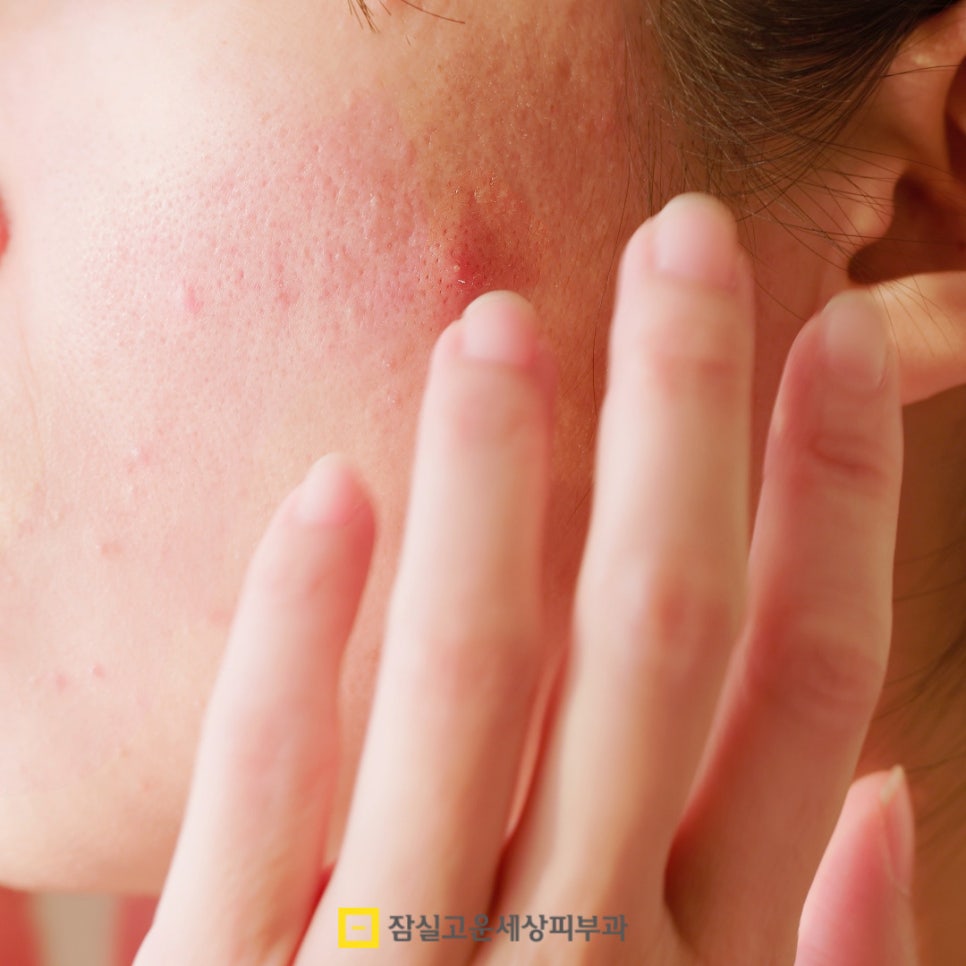
During seasonal transitions, the temperature difference between day and night is large, and humidity is also unstable. At this time, skin easily loses moisture and the skin barrier weakens, making it more vulnerable to external irritation. Skin that was already stressed by strong summer ultraviolet rays is then exposed to dry winds before it has fully recovered, so it reacts even to minor刺激. That is why some people turn red, some develop flaking, and others may break out in a hive-like pattern. These differences ultimately come from differences in skin type and current condition.
- Seasonal-change skin concerns and routines by type
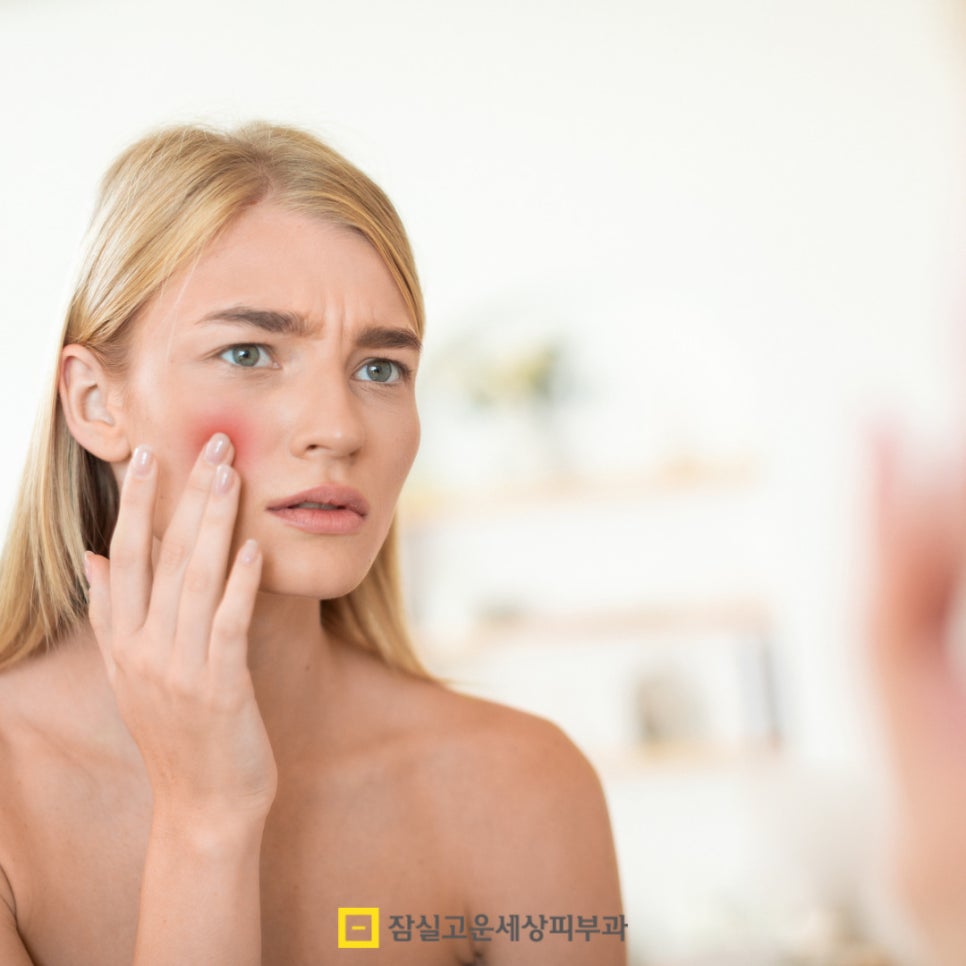
2-1. Sensitive skin: skin that turns red easily even from small irritation
Sensitive skin is the type that most commonly becomes unbalanced during seasonal changes.
It may be fine under normal circumstances, but when the seasons shift, it often suddenly stings, turns red, and may even itch. Its skin barrier is thin and its immune response is sensitive, so it tends to overreact even to small temperature changes or fine dust.
In this case, simplifying your skincare routine is the key. The more cosmetic ingredients there are, the more irritation the skin may be exposed to, so it is better to manage with just one product that has simple ingredients and is low in irritation. In particular, choose a fragrance-free, colorant-free, low-irritation moisturizer, and rather than a product with too much oiliness, a formula that absorbs lightly into the skin is recommended.
Cleansing also requires care. Hot water can expand blood vessels and worsen redness, so lukewarm water and a gentle, light rinse are appropriate. Sensitive skin needs both soothing and moisturizing, but the priority should be soothing. This is because only after calming unnecessary irritation can moisturizing work effectively.
 2-2. Dry skin: skin that feels tight and cracks
Dry skin suffers particularly during seasonal changes. Once the seasonal winds start blowing, moisture on the skin surface evaporates quickly, leading to flaking, and after cleansing, the skin feels increasingly tight. In severe cases, irritation can enter through cracked areas and even cause inflammation.
For this type of skin, strengthening moisture is the key. Rather than applying a large amount all at once, layering several thin steps works better. Supply moisture to the skin with a toner or essence that lightly adds hydration, and then lock it in with a cream containing barrier-supporting ingredients such as ceramides, hyaluronic acid, and glycerin. For dry skin, it is right to prioritize moisturizing over soothing. However, if the dryness is severe and stinging is also present, both soothing and moisturizing are needed.
 2-3. Flaky skin: makeup lifts and the skin texture becomes rough
During seasonal changes, many people complain that flaking becomes especially severe. This happens because the skin becomes dry and the skin barrier becomes unstable, disrupting the natural cycle of shedding in the outer layer of skin. At this point, makeup may lift and the skin texture may feel rough, making it tempting to use scrubs repeatedly.
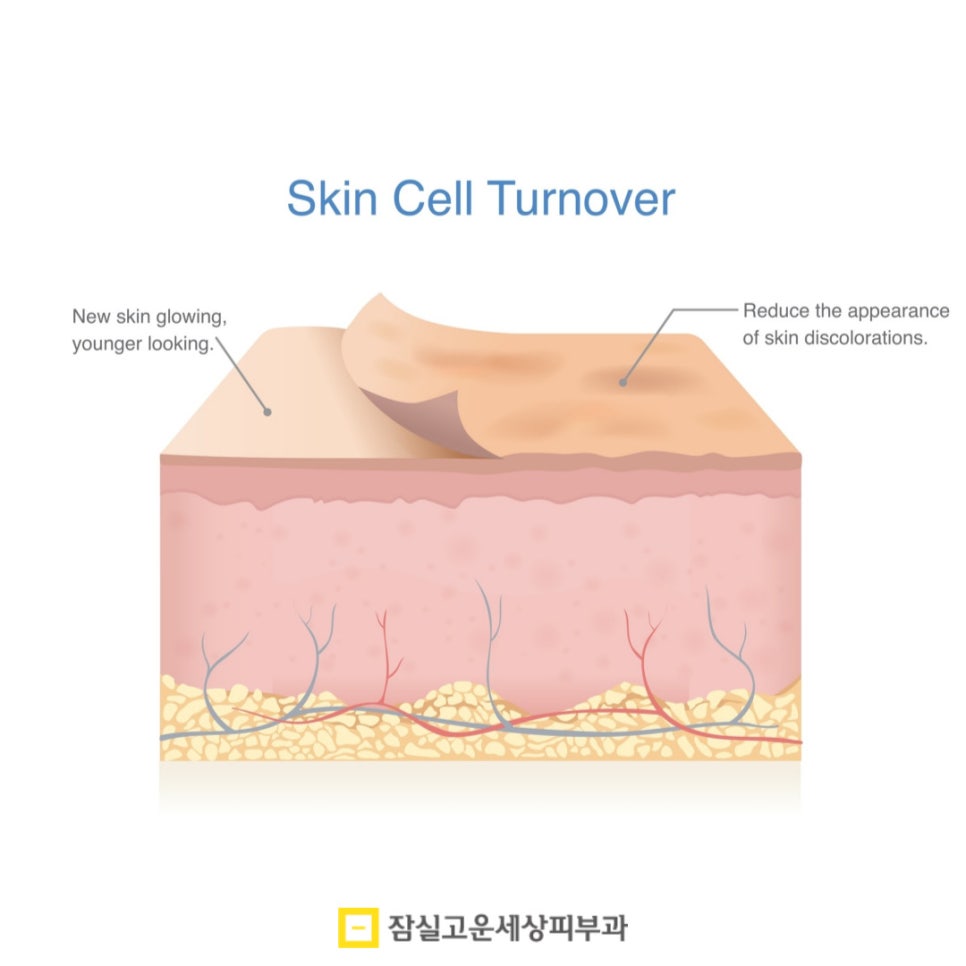
However, during this period, strong peeling or scrubbing can actually make the skin even more sensitive. Instead, gentle exfoliation combined with moisturizing is the right approach. For example, lightly smooth out dead skin with a mildly acidic toner, and then be sure to apply plenty of moisturizer to help restore the skin barrier. Using a mild exfoliant once or twice a week is fine, but it is better to avoid anything more than that. For flaky skin, rather than deciding whether soothing or moisturizing is more important, the most effective approach is to balance both.
 2-4. Redness-prone skin: skin that easily flushes when temperatures change
Redness-prone skin struggles especially when the air becomes colder during seasonal transitions and the temperature difference between indoors and outdoors becomes larger. It is common for the face to feel hot and flush red when you go from a warm place to a cold wind.
This happens because the capillaries inside the skin expand and blood flow changes sensitively. For redness-prone skin, easing temperature changes and managing with soothing care are the most important. When cleansing, it is best to keep the water temperature consistent and avoid environments that are too hot or too cold. When going বাইরে, applying a thin layer of a barrier cream can help, and if needed, getting support such as calming laser treatment at a dermatology clinic is also a good option. Redness-prone skin also needs moisture, but soothing should come first. If unnecessary blood-vessel reactions in the skin are not calmed, even the best moisturizer will be less effective.
- Common care methods:
The basics needed for any skin
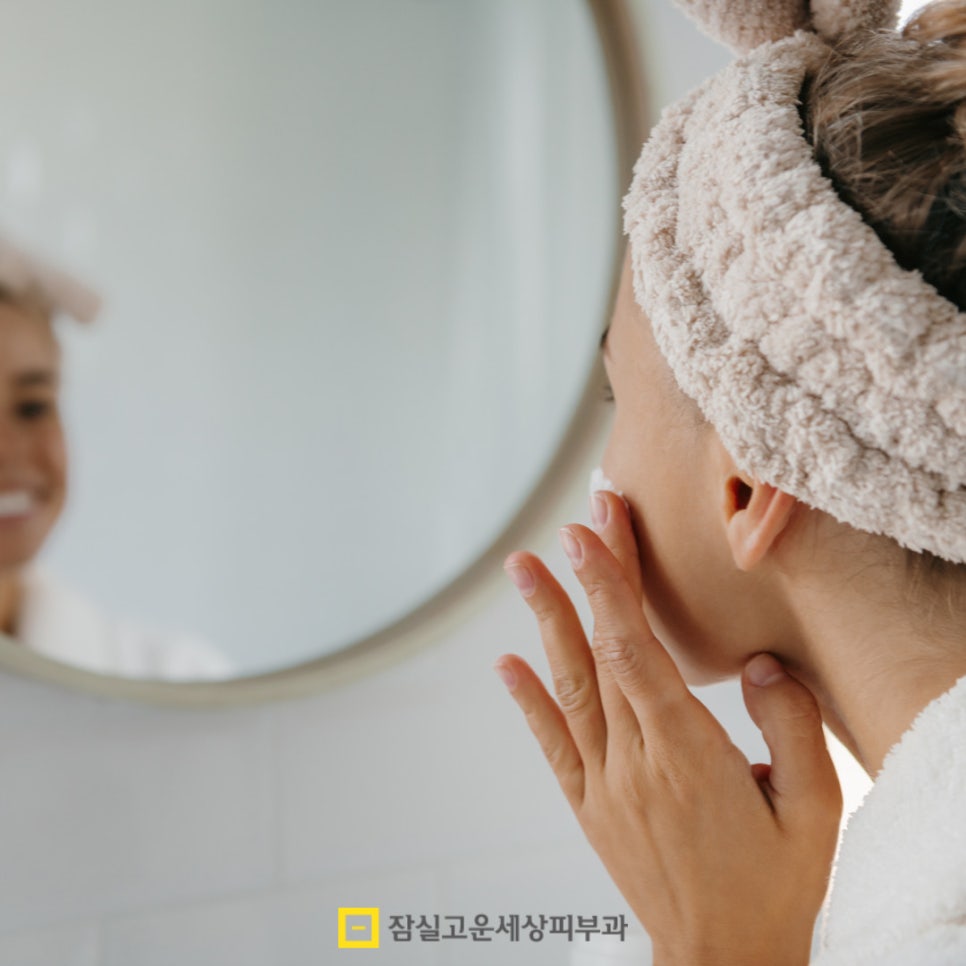
Although there are differences by skin type, there are basic principles that apply commonly to seasonal-change skin care.
First, cleanse gently. Excessive cleansing power can weaken the skin barrier and make all skin types more sensitive.
Second, moisturizing is essential. All skin becomes sensitive when it becomes dry, and sensitive skin becomes dry again. To prevent this vicious cycle, it is essential to consistently use a moisturizer suited to your skin type.
Third, balance soothing and moisturizing. Skin does not operate under a single condition. Sensitivity may be mixed with dryness, and flaking may accompany redness. So rather than leaning too heavily in one direction, it is important to adjust both according to the situation.
Fourth, seek help from a dermatologist when needed. If symptoms keep recurring or worsen, receiving professional treatment rather than managing on your own is much safer in the long run.

Skin becoming unstable during seasonal changes is natural for anyone. The question is how you accept and manage that instability. The question of “soothing or moisturizing” is ultimately another way of asking what state your skin is in right now.
If it is sensitive, focus on soothing. If it is dry, focus on moisturizing. If flaking is severe, combine gentle exfoliation with moisturizing. If redness stands out, place more weight on soothing. And in between all of that, consistently maintaining basic moisturizing and soothing care is the surest answer.
Seasonal-change skin cannot be perfectly prevented, but by listening closely to what your skin is telling you and giving it the right care, you can get through it much more comfortably. This seasonal change, try paying a little more attention to the small signals your skin is sending. Your skin is ready to recover much sooner than you might think.
🍀 How to get to Jamsil Gounsesang Dermatology 🍀
🍀 Jamsil Gounsesang Dermatology Treatment Guide 🍀

🍀 Jamsil Gounsesang Dermatology Website 🍀
This post is provided by Jamsil Gounsesang Dermatology for the purpose of providing medical information in accordance with Article 56, Paragraph 1 of the Medical Service Act's advertising regulations. All procedures/surgeries carry the risk of side effects such as bleeding, infection, and nerve damage, so please proceed carefully after sufficient consultation with medical professionals.