
Hello, this is Jamsil Gounsesang Dermatology!
Every year, when the seasons begin to change, the number of people visiting dermatology clinics because of acne definitely increases. In particular, during the transition from summer to fall, many people struggle with sudden breakouts of small bumps, inflammatory breakouts around the chin or cheeks, and similar skin concerns.
People often think acne gets worse in hot and humid seasons, but in fact, there are plenty of factors that can make acne worsen during seasonal transitions as well. Your skin may feel dry and tight on the outside, while sebum production increases underneath, creating an odd imbalance. When the skin barrier weakens due to sudden temperature changes and dry air, it can become more sensitive to external irritants, creating an environment where inflammation develops more easily.
In other words, acne tends to worsen not just because of sebum, but when the skin’s overall condition becomes unstable. Today, I’d like to talk about why acne seems to appear more easily during seasonal transitions and why existing breakouts also tend to calm down more slowly. If your skin has been feeling especially off lately, it may be worth reading to the end.
Causes of worsened acne during seasonal transitions,
shall we go through them one by one?
- Weakened skin barrier due to changes in skin condition
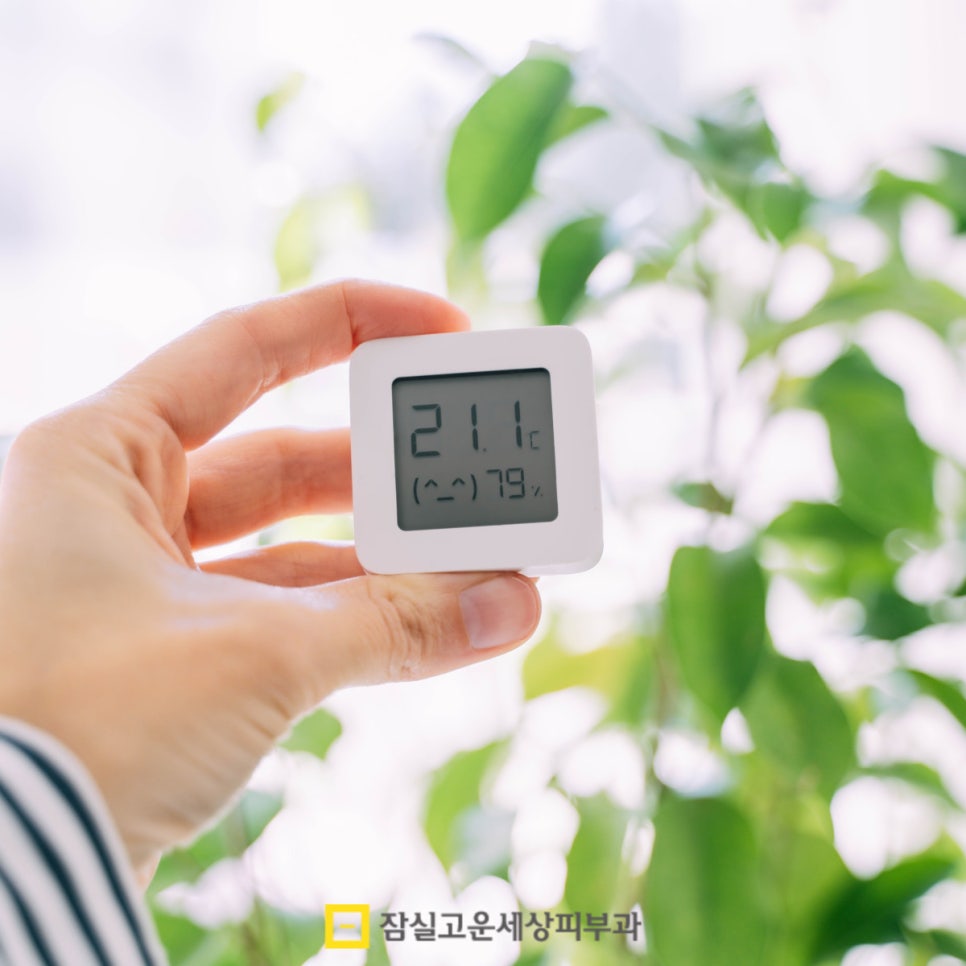
(1) Sudden changes in temperature and humidity
During seasonal transitions, the temperature difference within a single day can be large, and the air begins to dry out rapidly. At this time, the skin also has to work hard to adapt to the external environment, which puts strain on its lipid balance and moisture-retention function. As a result, the skin barrier weakens, becomes more sensitive to irritation, and existing breakouts are more likely to worsen.
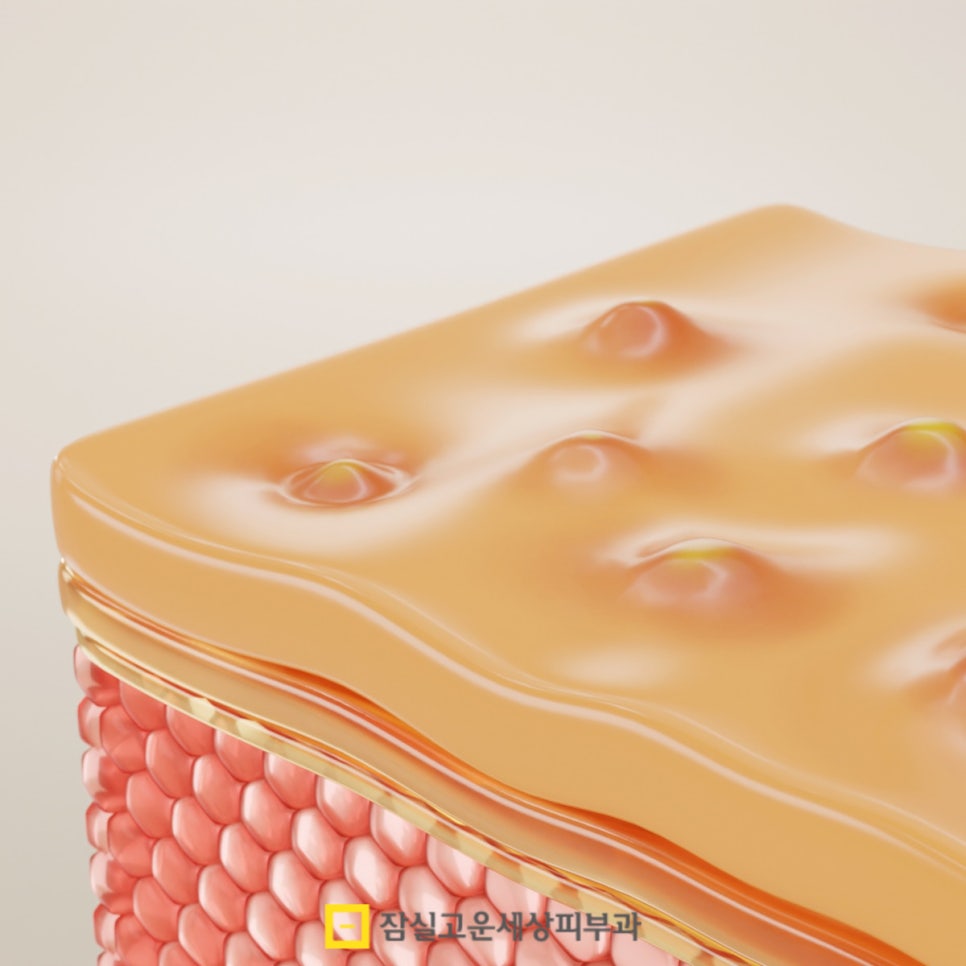
(2) When the skin barrier breaks down, inflammatory responses increase
A weakened skin barrier means that harmful external substances or bacteria can penetrate more easily. Since acne is fundamentally an inflammatory condition, even a small amount of irritation can cause it to worsen or new breakouts to appear. In particular, breakouts that start as small bumps often spread into pustular acne.
- Imbalance between sebum production and moisture levels
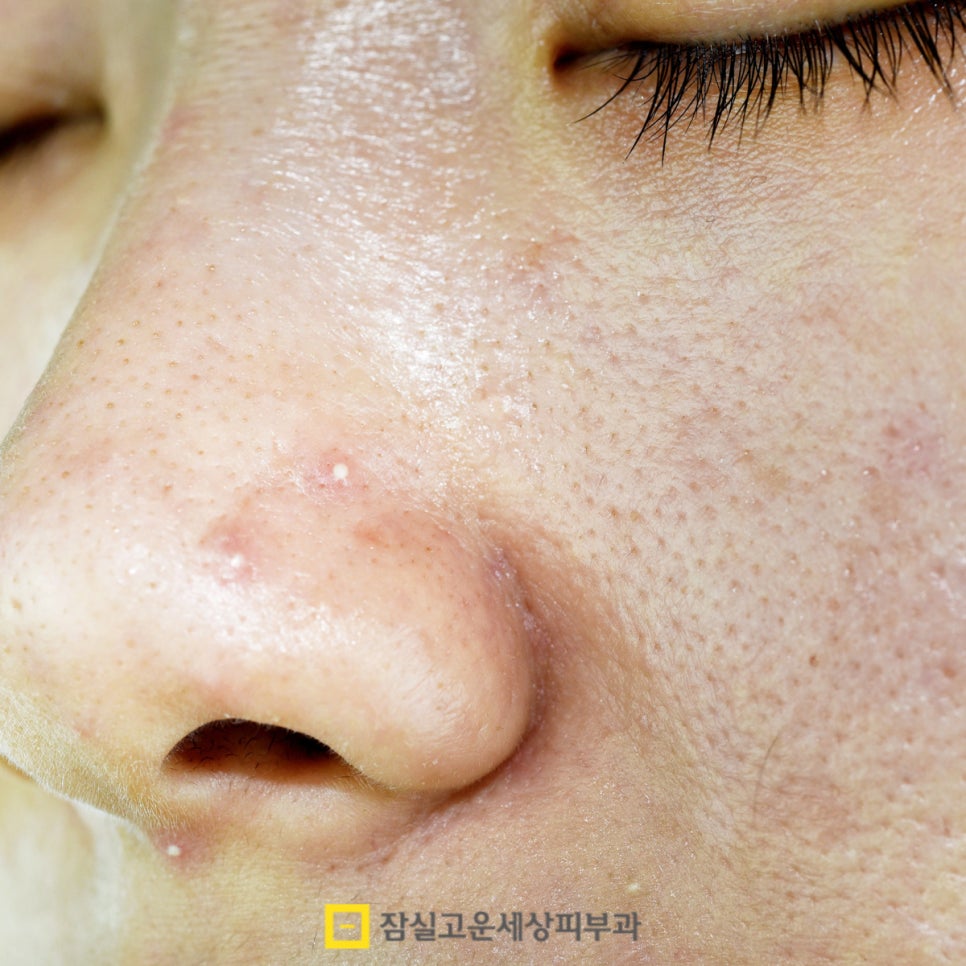
(1) Dry on the outside, oily on the inside
You might think, “It’s the dry season, so oily skin should be fine, right?” But in fact, the opposite can happen. When the skin feels dry on the outside but lacks moisture internally, it tries to compensate by producing more sebum. This can actually make the skin oilier during seasonal transitions.
(2) Sebum and dead skin cells clog pores and trigger inflammation
Excess sebum, together with dead skin cells, clogs pores, and bacteria that cause acne then multiply inside, developing into inflammatory acne. This is exactly why exfoliation becomes important during seasonal transitions.
- Reduced immunity and hormonal changes

(1) Lowered immune response due to wide daily temperature swings
During seasonal transitions like now, the body’s immune system can also become unstable. People tire more easily, sleep more poorly, and have trouble regulating body temperature. This overall drop in physical condition also affects the skin, reducing its regenerative ability and making inflammation slower to subside.
(2) Stress and hormonal imbalance
During seasonal transitions, your physical condition can fluctuate strangely, and your mood may also feel somewhat down. When stress accumulates, hormone secretion becomes unstable, and androgens, a male-hormone-related group, become relatively more active, increasing sebum production. This is also one of the major causes of acne worsening.
- Incorrect skincare and external irritation
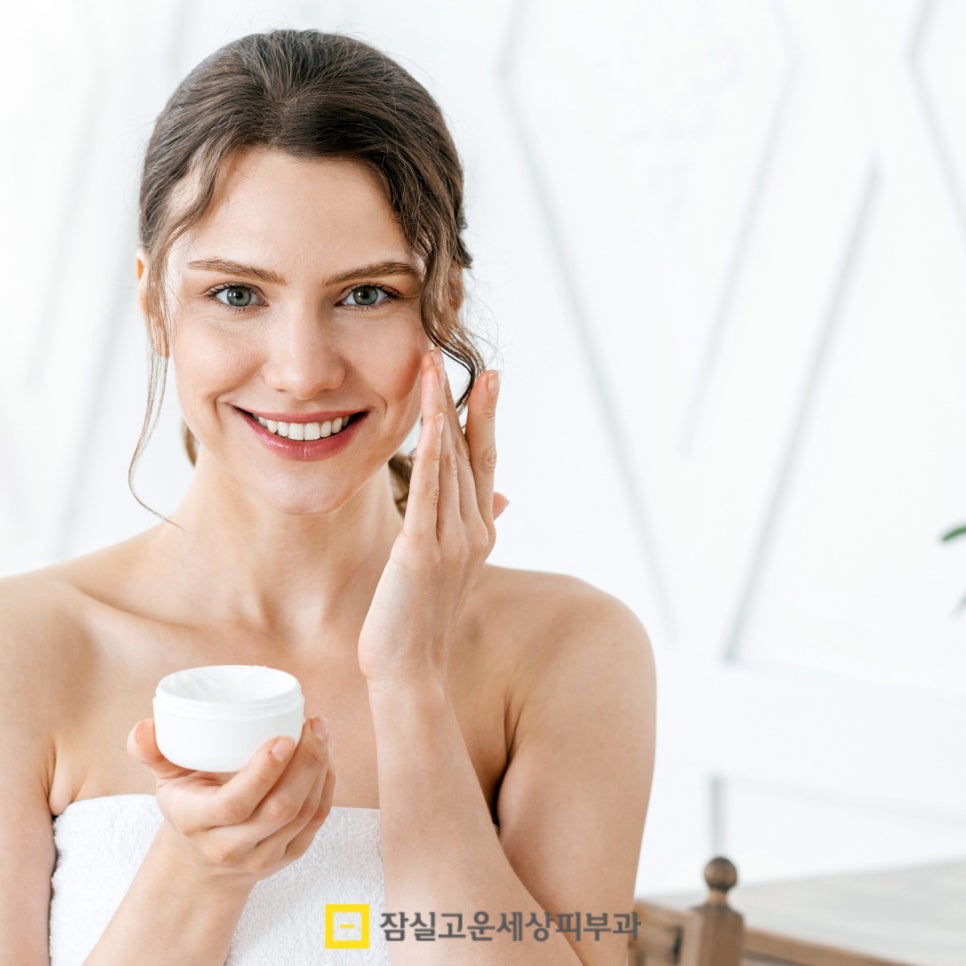
(1) Too much moisture vs. not enough moisture
When seasonal transitions come around, many people think, “It’s dry lately, so I should apply a lot of moisturizer.” But excessive moisturizing can sometimes clog pores and interfere with sebum drainage, which may actually trigger acne. On the other hand, applying nothing at all can further weaken the skin barrier, so moisturizing with a balance of hydration and oil is necessary.
(2) Frequency and method of exfoliation
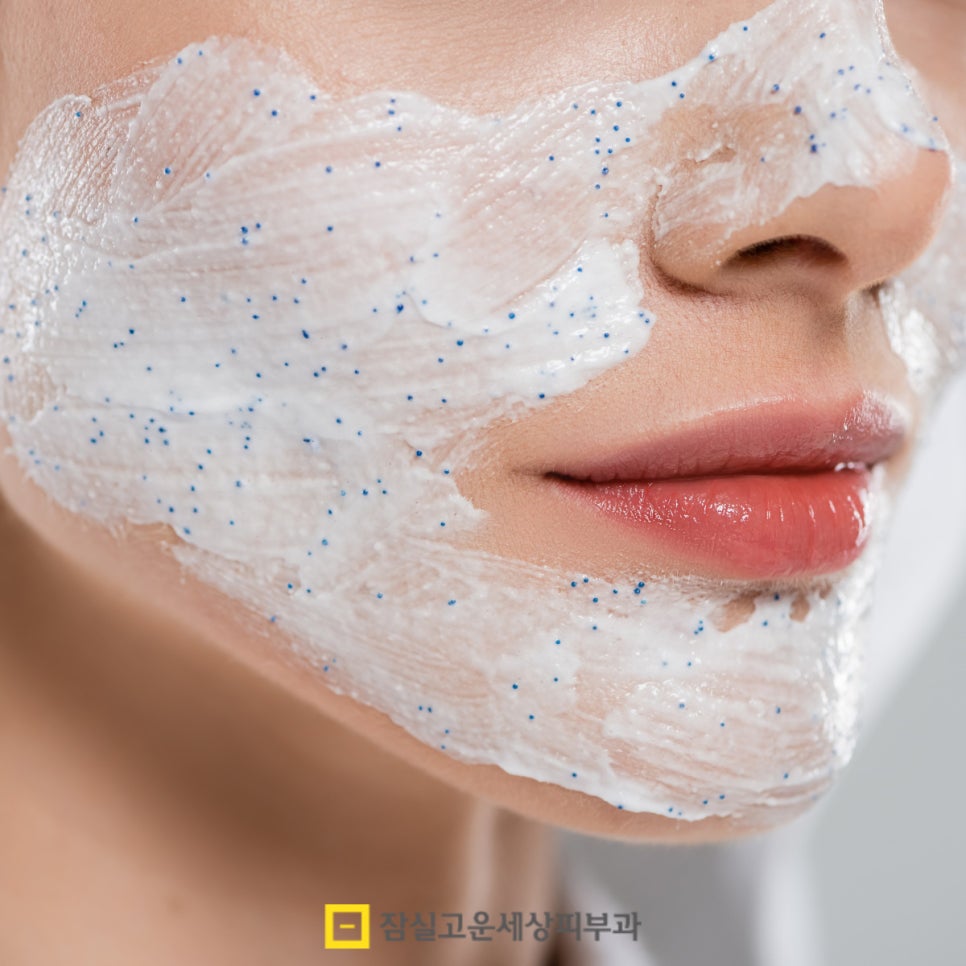
Because the air becomes dry and dead skin cells shed more easily, many people focus on exfoliation. However, harsh scrubs or frequent peeling can irritate the skin barrier and worsen acne, so caution is needed.
(3) Friction from masks, clothing, and other fall-related contact
At the beginning of fall, people still wear masks often and also start wearing light outerwear, scarves, hats, and similar items more frequently. The physical friction caused by these can trigger acne around the chin, cheeks, and forehead. In seasonal transitions, when the skin is more sensitive, even small amounts of irritation can turn into inflammatory reactions, so friction-related acne also needs attention.
- Changes in daily routine, sleep, and eating habits

(1) Unstable sleep patterns
Seasonal transitions are a time when daily routines can become irregular as the days get shorter and the sun sets earlier. If your sleep time becomes shorter or you toss and turn without getting deep sleep, your skin’s regeneration cycle is also disrupted. Since acne is a type of inflammation, reduced recovery and immunity can make it worse.

(2) Changes in food intake in fall
As the weather cools, people naturally tend to feel hungrier. Appetite that was lost during the hot summer months returns, and as temperatures drop, people often look for warm and spicy foods more often.
In particular, this is also the time when the intake of spicy stews, greasy meats, carbohydrate-heavy meals, and the beer or beverages that go with them tends to increase.
These foods can temporarily warm the body and help relieve stress, but from the skin’s perspective, they can act as irritants that trigger inflammation or increase sebum production.
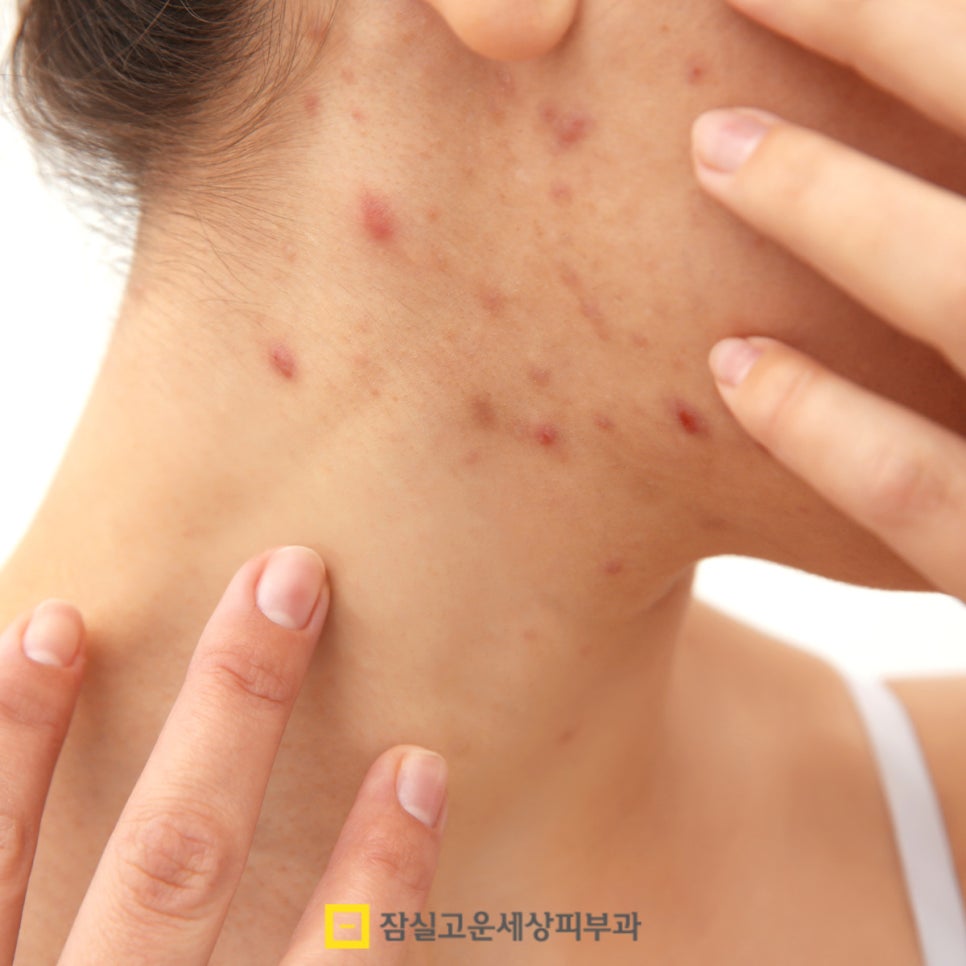
In particular, if you are someone who is prone to acne or already has active breakouts, these changes in diet can easily create an environment that worsens skin inflammation. In other words, the unconscious dietary changes that come with the changing season can also affect the skin, so it is worth taking a closer look at them during this time.
Seasonal-transition acne,
more a matter of balance than temperature
In summary, seasonal-transition acne gets worse not simply because the weather has turned colder.
It becomes more severe because the skin barrier weakens, the balance between sebum and moisture breaks down, and factors such as immunity changes, hormonal changes, and poor habits all act together.
In other words, during seasonal transitions, the key is to protect your skin’s “sense of balance.” Rather than squeezing a sudden breakout or switching products recklessly, it may be more important to recognize it as a sign that your skin’s condition is being thrown off.
Don’t miss the signals your skin is sending right now
Among the four seasons, seasonal transitions are the time when skin is at its most sensitive. If you’ve experienced breakouts and irritated skin during a time that is neither as sweaty as summer nor as cold as winter, then it is likely not just a problem with skincare products.
At times like this, listen closely to the small signals your skin is sending.
“Can I get away with using less moisturizer?” “Should I really scrub right away just because I have a lot of dead skin?” “Should I check my daily habits before my cosmetics?”
If you ask yourself these questions, you may begin to see the direction of care your skin truly needs right now.
So that seasonal-transition acne is no longer something to fear.
For balanced skin, how about starting to care for it calmly, one step at a time, from now on?
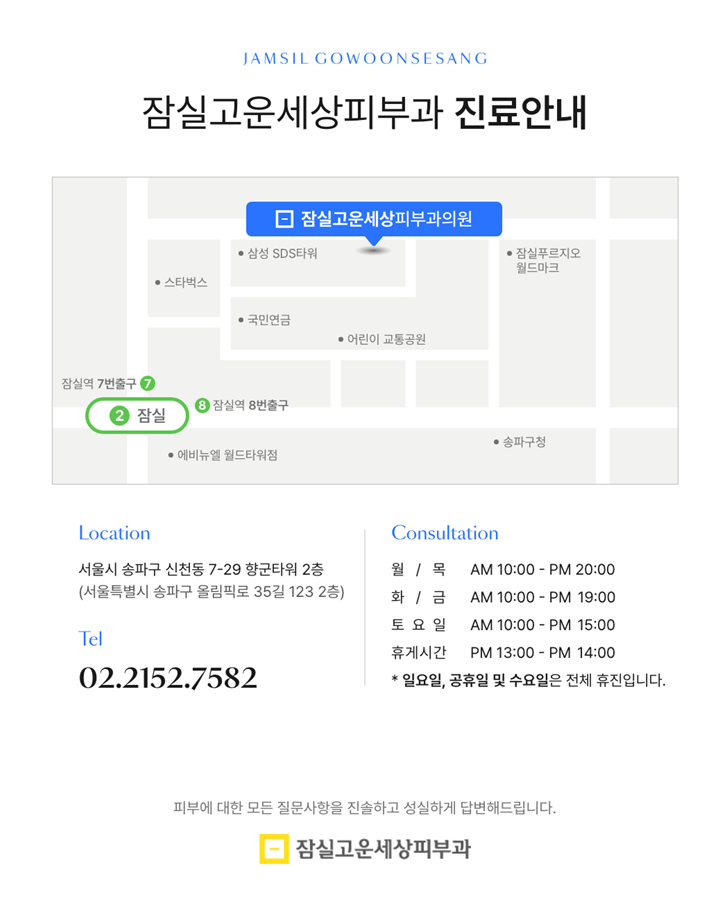
<< Directions to Jamsil Gounsesang Dermatology >>
<< Jamsil Gounsesang Dermatology Clinic Information >>
<< Jamsil Gounsesang Dermatology Website >>
This post is provided by Jamsil Gounsesang Dermatology for the provision of medical information in accordance with Article 56, Paragraph 1 of the Medical Service Act. All procedures/surgeries carry the risk of side effects such as bleeding, infection, and nerve damage, so please proceed carefully after sufficient consultation with medical professionals.