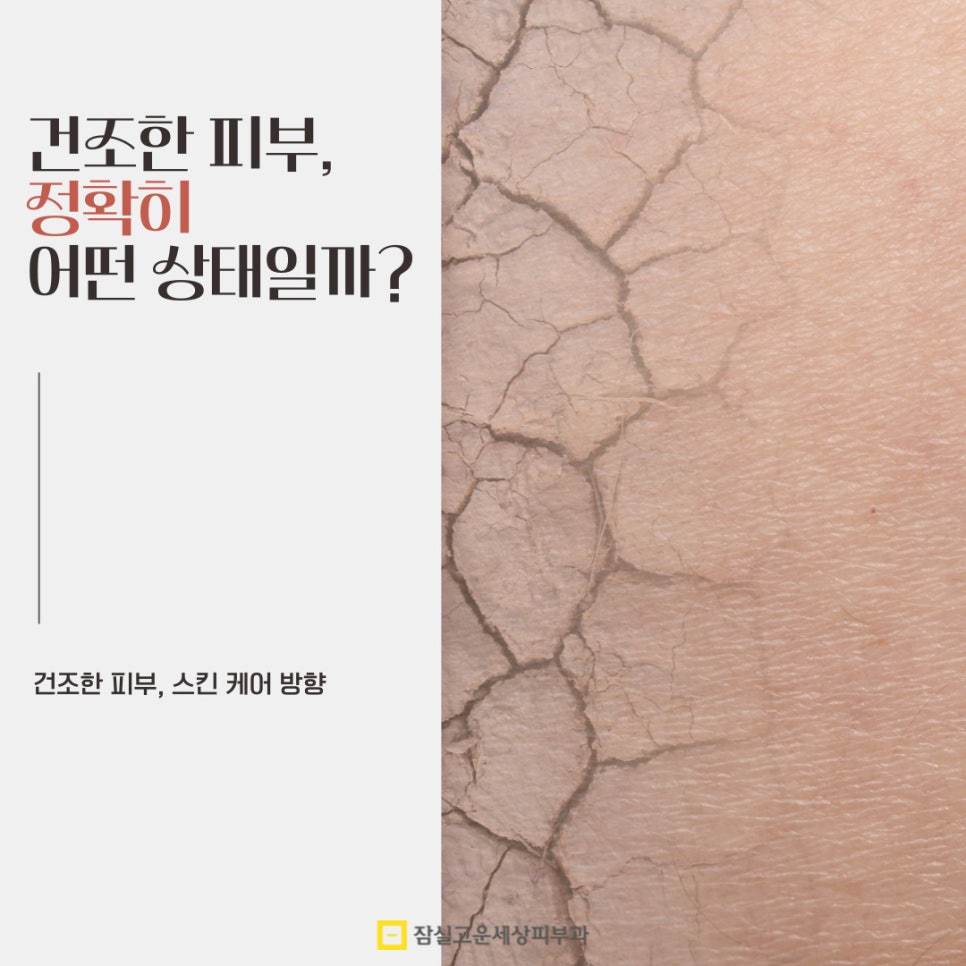
What exactly does it mean
when skin is dry?
Hello! This is Jamsil Gounsesang Dermatology Clinic.
“Lately, my skin has been so dry.”
“My skin feels rough, and my makeup doesn’t go on well.”
“No matter how much moisturizer I apply all day, my skin still feels tight.”
Most people have probably said something like this at least once.
Especially when the weather turns colder or as the seasons change,
skin becomes more sensitive, and no matter how much you moisturize,
it can still feel like it is not enough.
But then a question may suddenly come to mind.
‘What does it actually mean for skin to be dry?’
‘Does it mean the surface is rough? Is the inside dry? Or is it
lacking moisture?’
We casually say skin is “dry,” but what exactly counts as
“dry skin” is something many people do not clearly know.
So today, let’s look at what it really means when we say skin
is dry, what is happening inside the skin, and the more
specific skin conditions involved beyond simply being low in
oil.
- The key point of saying skin is dry is
that it is losing moisture
(1) It does not just mean the skin is low in moisture;
it means the skin cannot hold onto it
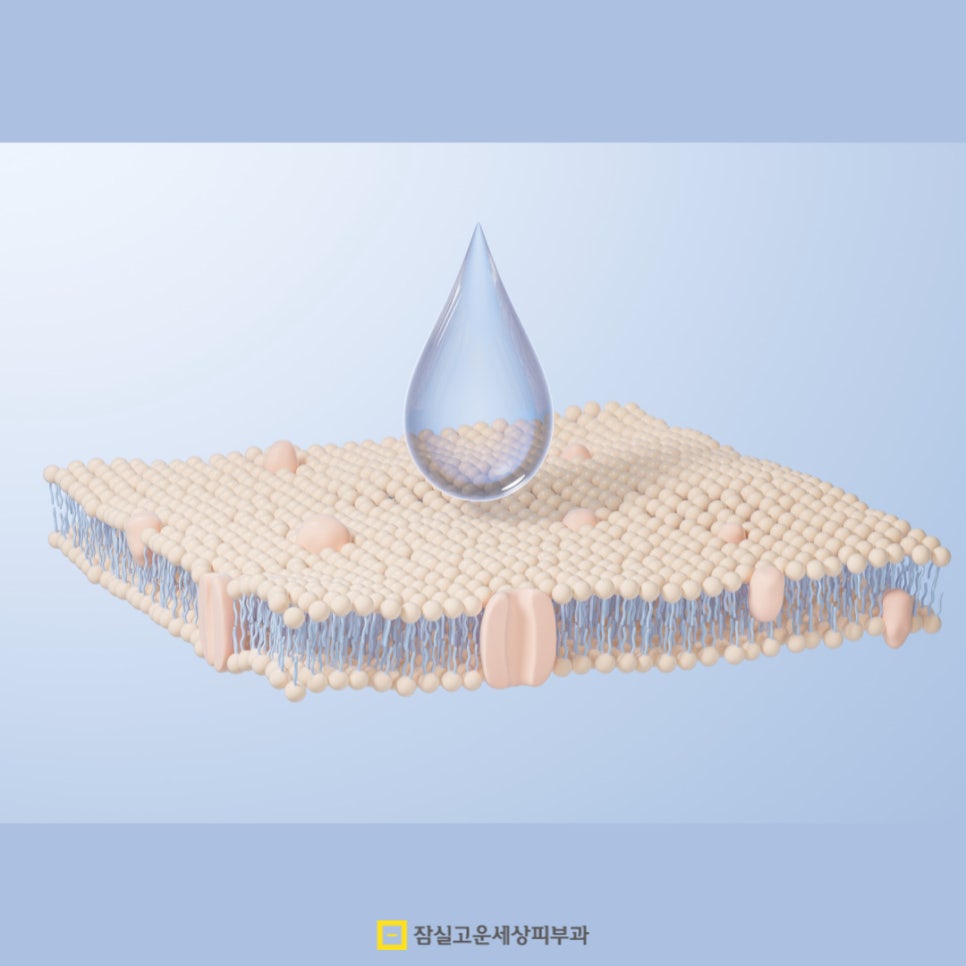
Saying skin is dry does not simply mean it lacks moisture.
It is more accurate to say that the skin structure is no longer
able to retain moisture.
If even a good moisturizer seems to disappear quickly, and the
cream you applied generously in the morning feels like it has
done nothing by the afternoon, that may be a sign that the
barrier that helps retain moisture has weakened or been damaged.
(2) When skin loses the ability to stay hydrated
Dry skin often means that natural moisturizing factors (NMF),
lipids, ceramides, and other moisturizing components are lacking,
or that the skin barrier has been damaged to the point that those
components can no longer do their job.
If moisture enters the skin briefly but there is no structure to
hold it in, that moisture will quickly evaporate.
- Common signs of dry skin
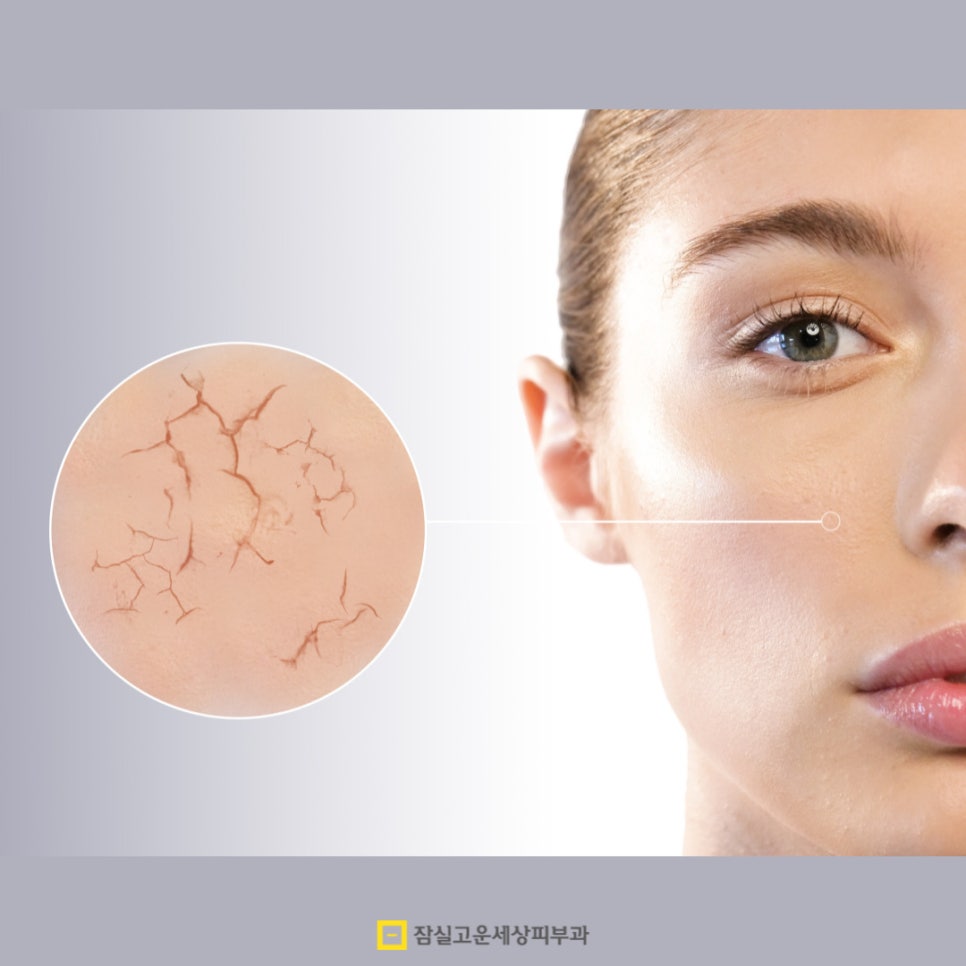
(1) The skin surface feels rough and looks cracked
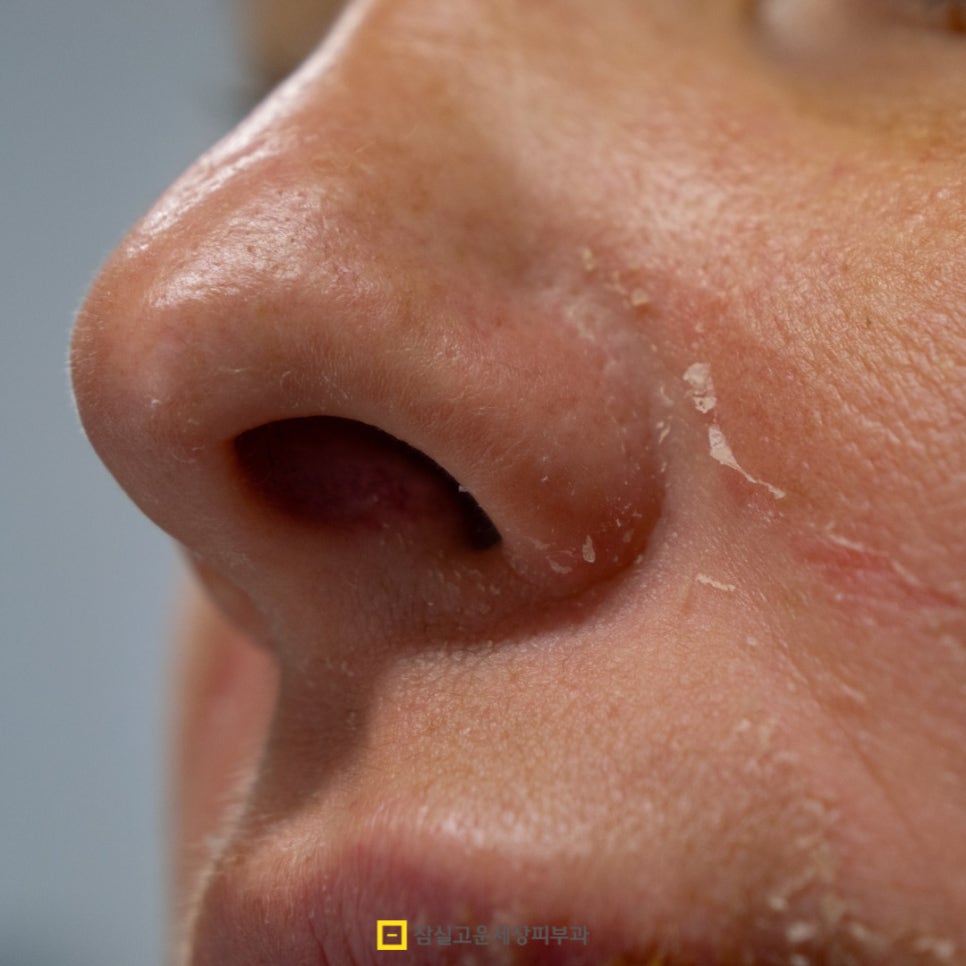
Dry skin may appear uneven in texture when viewed from the
outside, or dead skin cells may look like they are peeling off in
thin layers.
If it feels rough to the touch, or if you feel tightness right after
washing your face, there is a high chance that moisture has
already evaporated.
(2) Makeup does not adhere well and looks flaky
When skin is dry, makeup products often do not sit smoothly on
the skin and instead appear to sit on top of it.
Foundation may not spread evenly, certain areas may lift, and
other areas may flake, creating the strong feeling that makeup
just does not settle well overall.
(3) Itching and stinging appear together
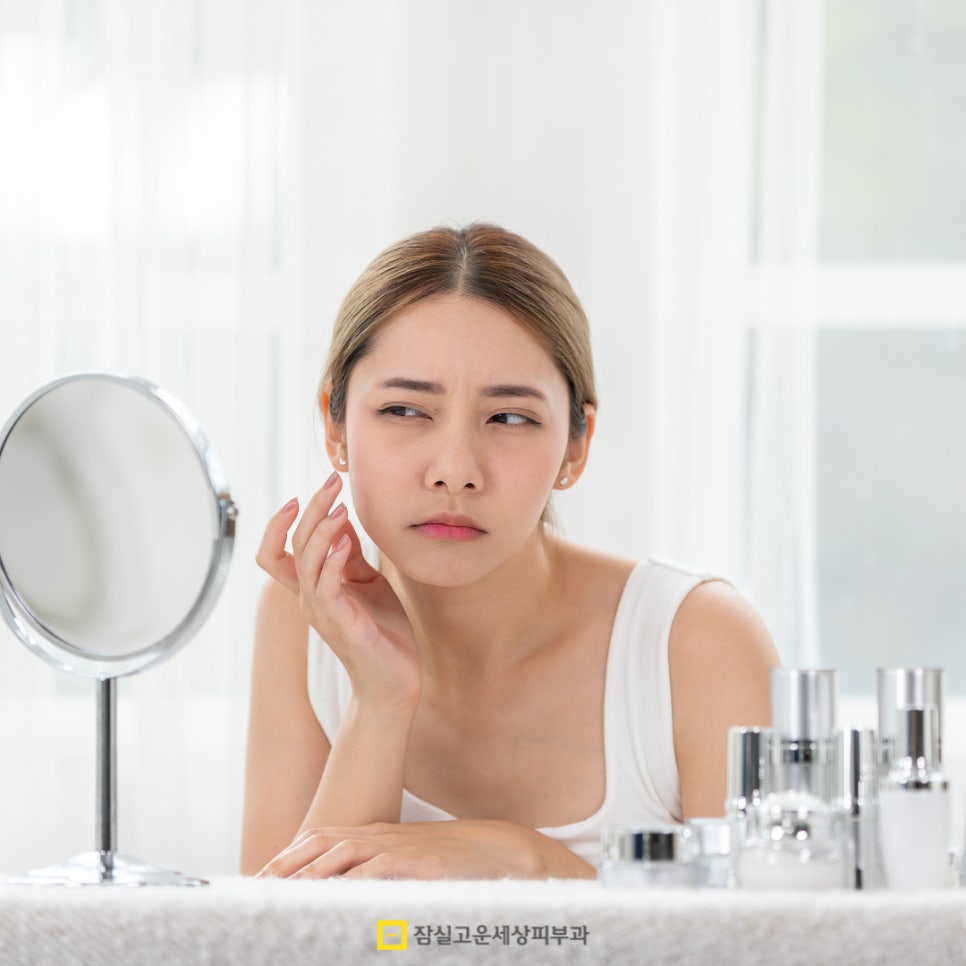
Dry skin reacts more sensitively to external irritation.
Even a slight cold breeze can make the face turn red, and even
just rubbing your face with a towel can cause itching and stinging.
This is also a typical sign of dryness caused by a weakened skin
barrier.
- The reasons skin becomes dry are more varied than you might think
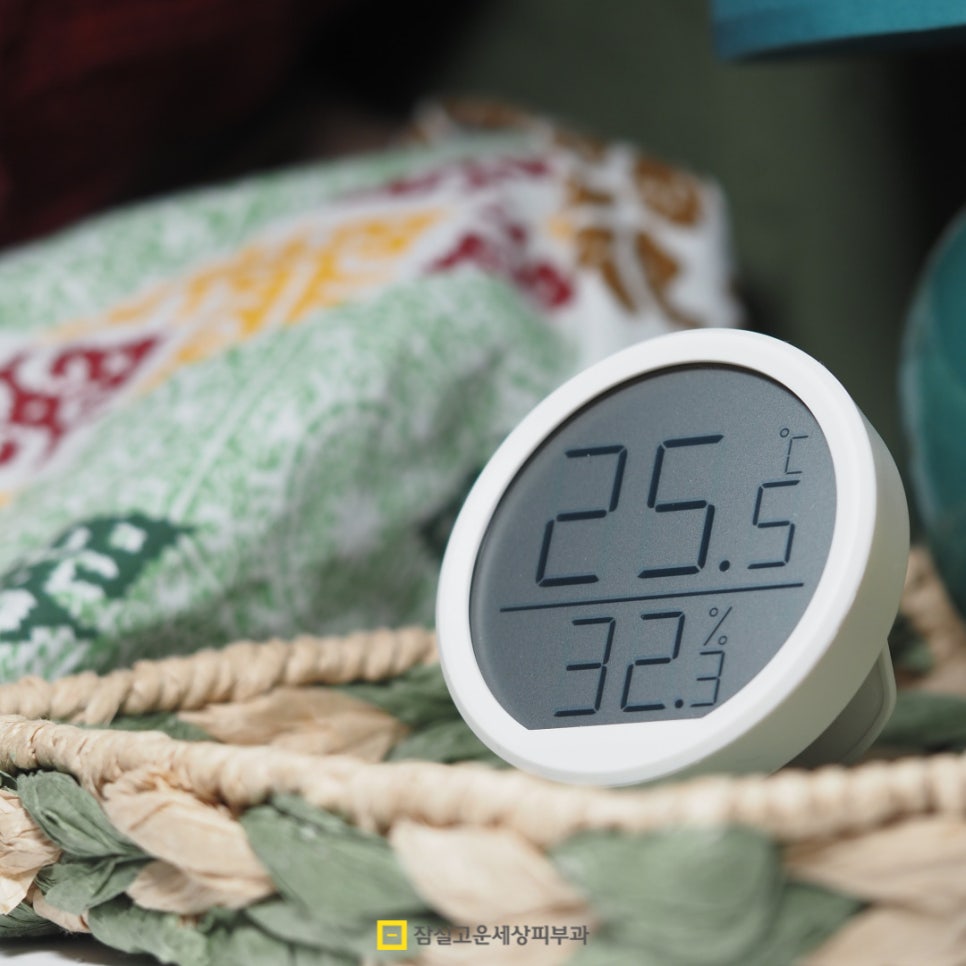
(1) Environmental factors - temperature, humidity, wind, heaters
The most common cause is seasonal change.
When temperatures drop and humidity decreases, there is less
moisture in the air, so the skin dries out more easily.
Indoors, heating systems make the air even drier, and if you stay
in that environment for a long time, moisture from the skin also
evaporates.

(2) Habit-related factors - frequent cleansing, harsh cleansing, exfoliation
Cleansers and cosmetic products used every day can also make
the skin dry.
Washing habits that remove the skin’s protective barrier along
with sebum, scrubbing or peeling too often, and toners or mists
with high alcohol content can instead make the skin barrier thinner
and make moisture evaporate more easily.
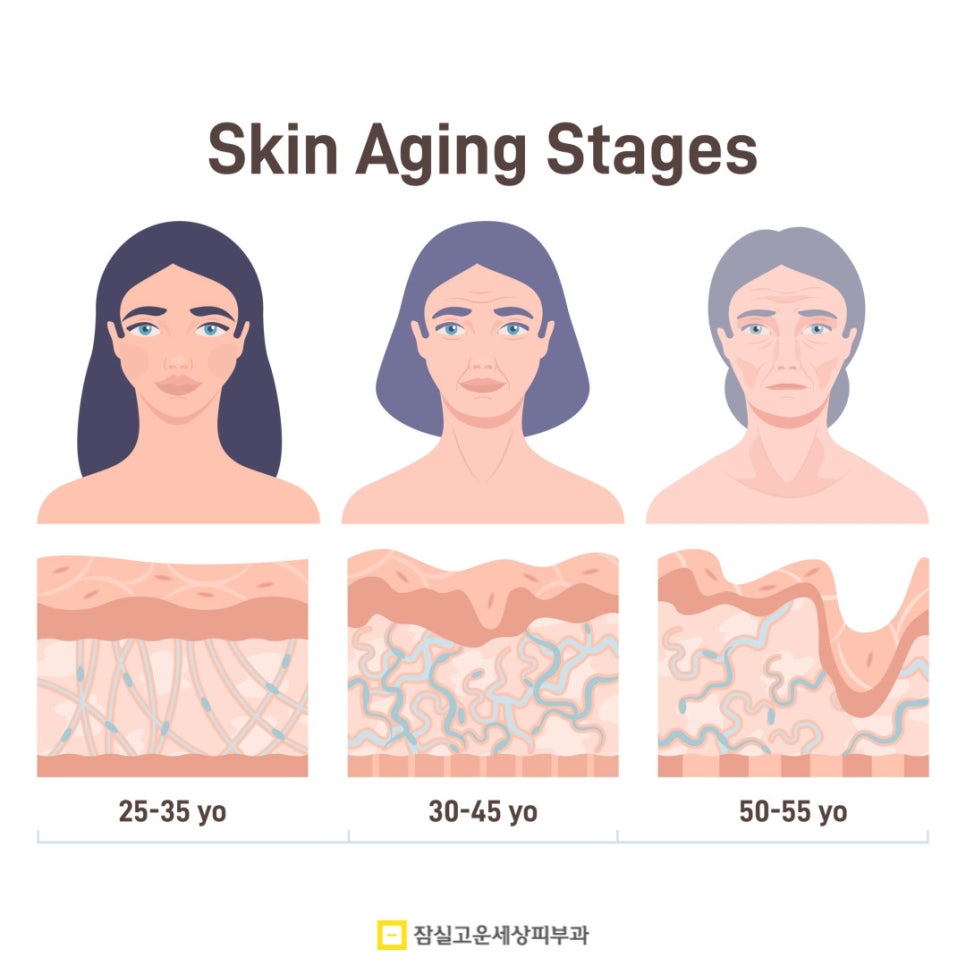
(3) Physiological factors - age, hormones, genetic skin type
As people age, sebum production decreases and the production
of natural moisturizing factors also declines, so dryness is felt
more often naturally. Also, if your skin type is inherently dry,
you need to pay attention to moisturizing regardless of the season.
- Just because the surface looks oily does not mean it is not dry
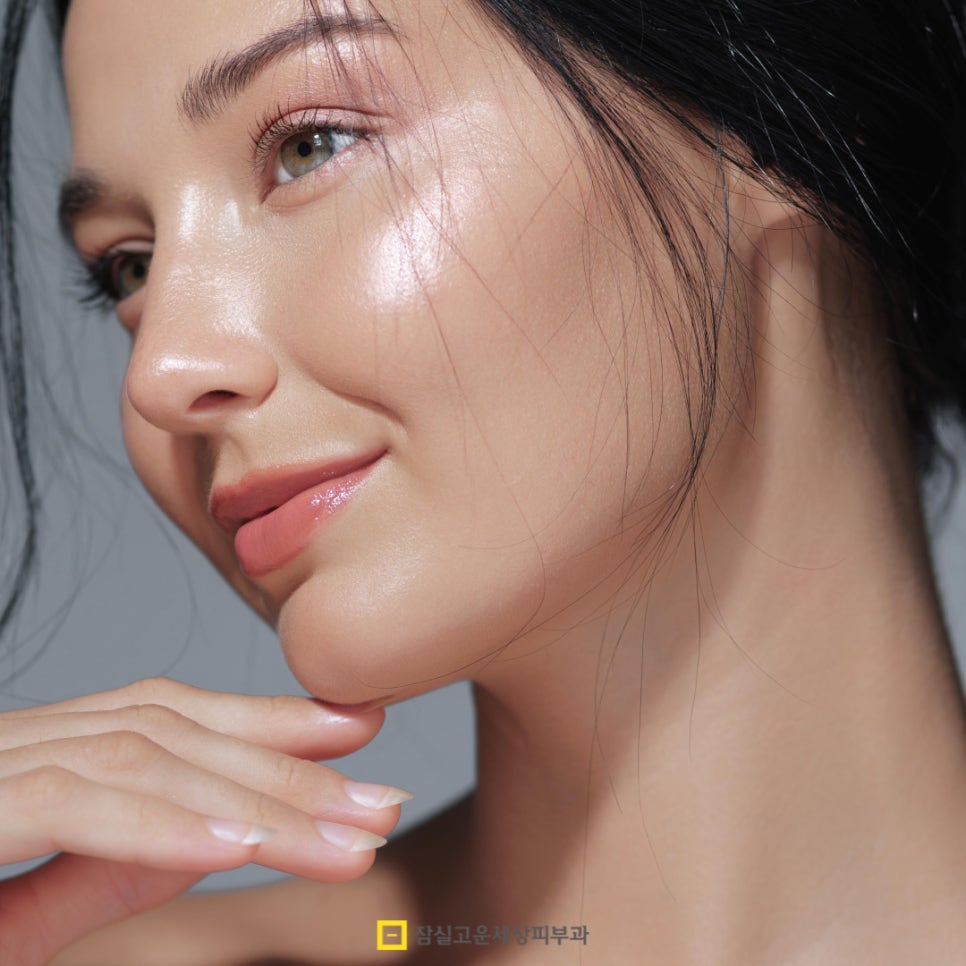
(1) Dehydrated oily skin, or inner dryness
You may have heard of skin that looks shiny but feels tight inside.
This is not necessarily oily skin; rather, it is more likely to be a
state of inner dryness.
It is a condition in which the skin overproduces sebum to
compensate for dryness inside.
In this case, rather than trying to reduce oil, it is more effective to
focus on supplying enough moisture so that sebum is not
overproduced.
(2) Having a moisturized look and having real moisture are different
Just because the skin surface looks as if it has a dewy glow does
not mean it is a skin type with plenty of moisture.
Truly well-hydrated skin does not feel tight from within, tolerates
irritation well, and allows makeup to adhere evenly.
Saying skin is dry does not simply mean it looks rough;
it is a sign that the skin’s ability to hold and maintain moisture
has weakened.
The barrier may have broken down, natural moisturizing
ingredients may be lacking, or the skin may be reacting easily to
external irritation.
So what is truly needed is not just applying cream and stopping
there, but creating an environment in which the skin can hold
and maintain moisture on its own.
Management that keeps moisture in is needed more than
just adding moisture
Dry skin is not something that can be solved simply by drinking
more water or applying a lot of moisturizer.
What the skin really wants is a structure that can hold moisture for
a long time.
So when your skin feels dry, it may be more important to check
not just whether you are adding enough moisture, but how long
that moisture can stay in your skin.
If you look more closely at the dryness signals your skin is sending,
the direction of your skincare routine may change.
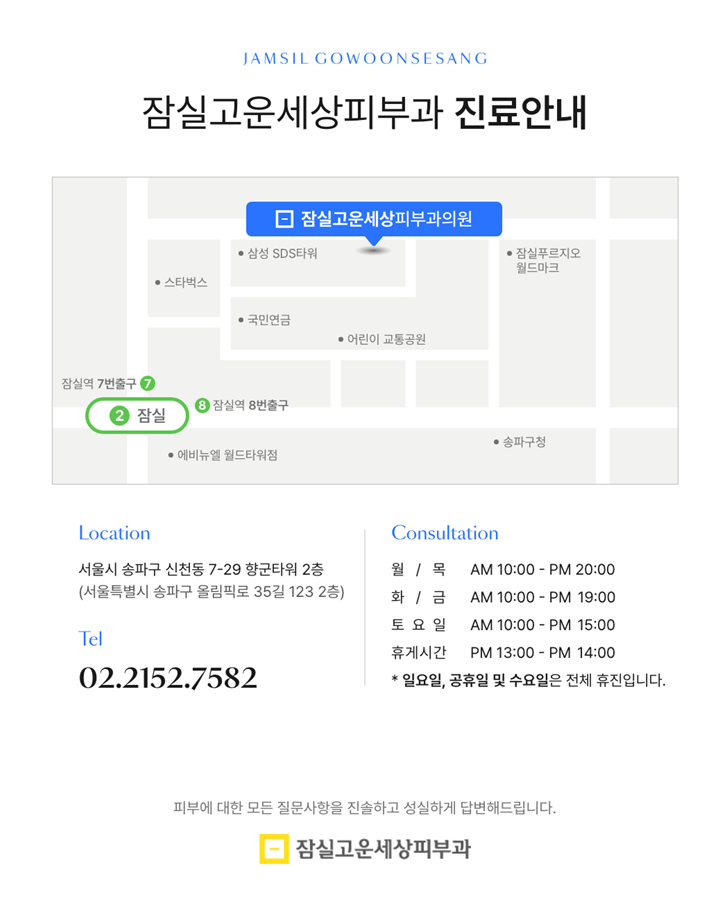
< Directions to Jamsil Gounsesang Dermatology Clinic >
< Jamsil Gounsesang Dermatology Clinic Consultation Guide >
< Jamsil Gounsesang Dermatology Clinic Website >
This post is provided by Jamsil Gounsesang Dermatology Clinic for the purpose of providing medical information in accordance with Article 56, Paragraph 1 of the Medical Service Act. All procedures/surgeries carry the risk of side effects such as bleeding, infection, and nerve damage, so please proceed carefully after sufficient consultation with medical professionals.