Just changing your cleansing routine can reduce seasonal skin irritation by 50%!

Hello, this is Jamsil GoウンSesang Dermatology :)
These days, as we move from summer into fall, don’t you feel like your skin condition is all over the place?
Even though you’re managing it as diligently as before,
suddenly your face feels tight, dead skin starts to flake,
and breakouts may appear. So some people try changing
skincare products or layering on more moisturizing cream.
But in fact, during times like this, how you wash your face
can matter more than what you apply.
In the seasonal transition period, changes in temperature and humidity make it easier for the skin barrier to weaken, leaving the skin more sensitive to external irritation than usual. When overly harsh or incorrect cleansing habits are repeated on sensitive skin like this, the skin can easily become red and dry, and in severe cases, breakouts can follow.
So today, let’s look at why cleansing becomes especially important during seasonal changes, and why even a small change in the way you do it can noticeably reduce skin irritation.
We’ll also go step by step through what to be careful about and what cleansing habits actually help.
The Cleansing Technique That Helps Save Your Skin During Seasonal Changes
- Why cleansing matters during seasonal changes
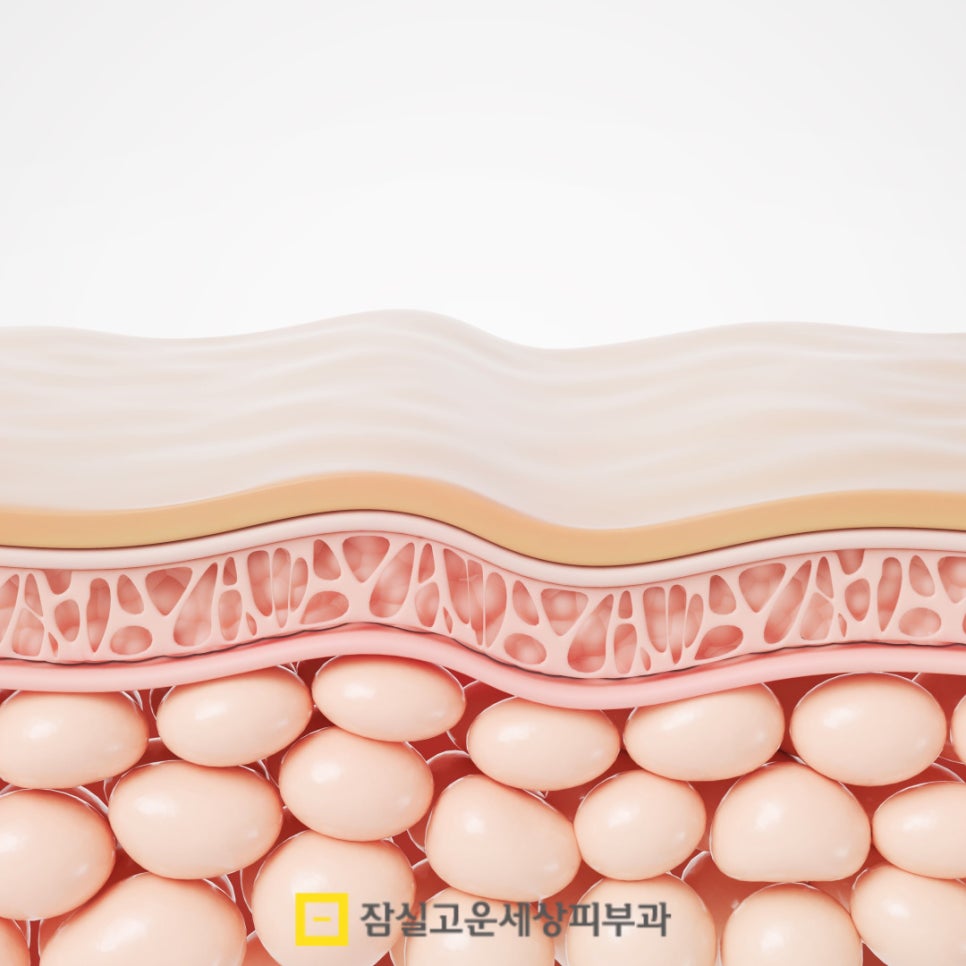
(1) A time when the skin barrier breaks down
During seasonal transitions, the skin becomes rapidly drier, and while trying to adapt to temperature differences, the balance of natural moisturizing factors and the sebum film (lipid layer) can easily collapse. This lipid layer is like a protective barrier that gently wraps the skin’s surface and helps block outside irritation.
The problem is that when this lipid layer is excessively removed during cleansing, the skin loses its defense and becomes easily irritated.
(2) Skin-care absorption also depends on cleansing condition
Many people worry about choosing good cosmetics, but if the skin is out of balance after cleansing, no product will work well. If you apply a moisturizing cream to skin where only oil remains and moisture has evaporated, it often pills, and applying a serum to flaking skin can make irritation even worse.
- How incorrect cleansing habits irritate the skin
(1) Washing with water that is too hot
During seasonal transitions, mornings and evenings get chilly, so it’s natural to want to wash with warm water. But water that is too hot quickly strips away the skin’s protective barrier and causes moisture to evaporate as well. Dry or sensitive skin in particular may feel the irritation more strongly.
That’s why we recommend washing with lukewarm water (around 30–34°C). Water that feels only “a little warm” when touched to the back of your hand is appropriate.
(2) Using products with overly strong cleansing power
Some people prefer foam cleansers with strong cleansing power because they like that squeaky-clean feeling. In particular, people who had more oil during summer often continue using the same products into the seasonal transition.
These products wash away not only oil but also the lipids that act as a protective barrier, which can leave the skin dry and sensitive.
So during seasonal transitions, it’s better to switch to a mildly acidic cleanser or a product containing moisturizing ingredients such as hyaluronic acid, panthenol, or allantoin.
(3) Repeating double cleansing out of habit
In summer, double cleansing can be helpful because of sunscreen, makeup, and increased sebum production. But during seasonal transitions, makeup use often decreases while the cleansing routine stays the same.
In that case, it can instead repeatedly irritate and dry out the skin unnecessarily.
On days when you don’t wear heavy makeup, finishing with a gentle water-based cleanser or a mildly acidic cleanser is enough.
- A skin-friendly cleansing routine recommended for seasonal transitions
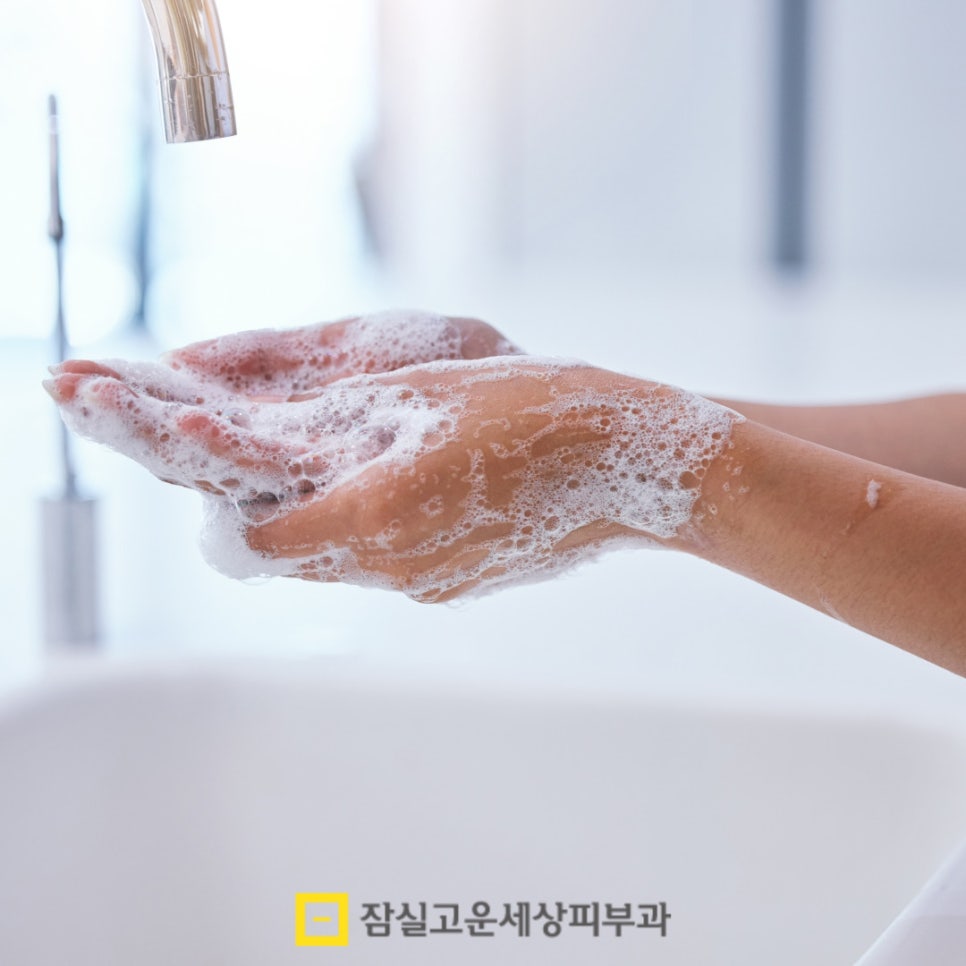
(1) Wash your hands thoroughly before cleansing
It may sound obvious, but many people surprisingly overlook this step. If bacteria or dust left on your hands touches your face directly, the cleansing product can end up spreading those impurities over the entire face.
Hand cleansing before washing your face is a basic essential.
(2) Don’t wet your face first; make enough foam first
Many people squeeze foam cleanser or cleansing gel into their hands and apply it directly to the face. But it is much gentler and more effective to lather it well in the palm first, then apply it to the skin as if placing it on without irritation.
Think of cleansing with foam, not with your hands.
(3) Be gentle on thin areas such as around the eyes and mouth
The skin around the eyes and mouth has a thin epidermis and almost no sebaceous glands, so it is very sensitive to irritation.
However, rubbing these areas too hard or repeatedly using cleansing oil can easily worsen inflammatory irritation or dryness.
The rule for sensitive areas is to gently wipe them as if pressing lightly with your fingertips.

(4) After cleansing, pat dry with a towel
Many people rub their face hard with a towel after washing. This is a representative habit that can damage the skin barrier through physical friction. Please use a soft towel and gently press to absorb the water.
Never rub!
- After cleansing,
the next step is even more important!

(1) Moisturize within 3 minutes after washing
Because skin moisture evaporates rapidly within 3 minutes after cleansing, timing is key for moisturizing. Right after wiping off the water, apply toner or an ampoule that replenishes hydration.
If you miss this timing, moisture inside the skin can evaporate, making it even drier and more sensitive.
(2) If your skin feels tight after cleansing, it’s a warning sign
If you feel tightness after washing or stinging when applying toner, your skin barrier may already be irritated.
In that case, it’s necessary to review your skincare routine and consider products that strengthen moisture retention and reduce irritating ingredients.
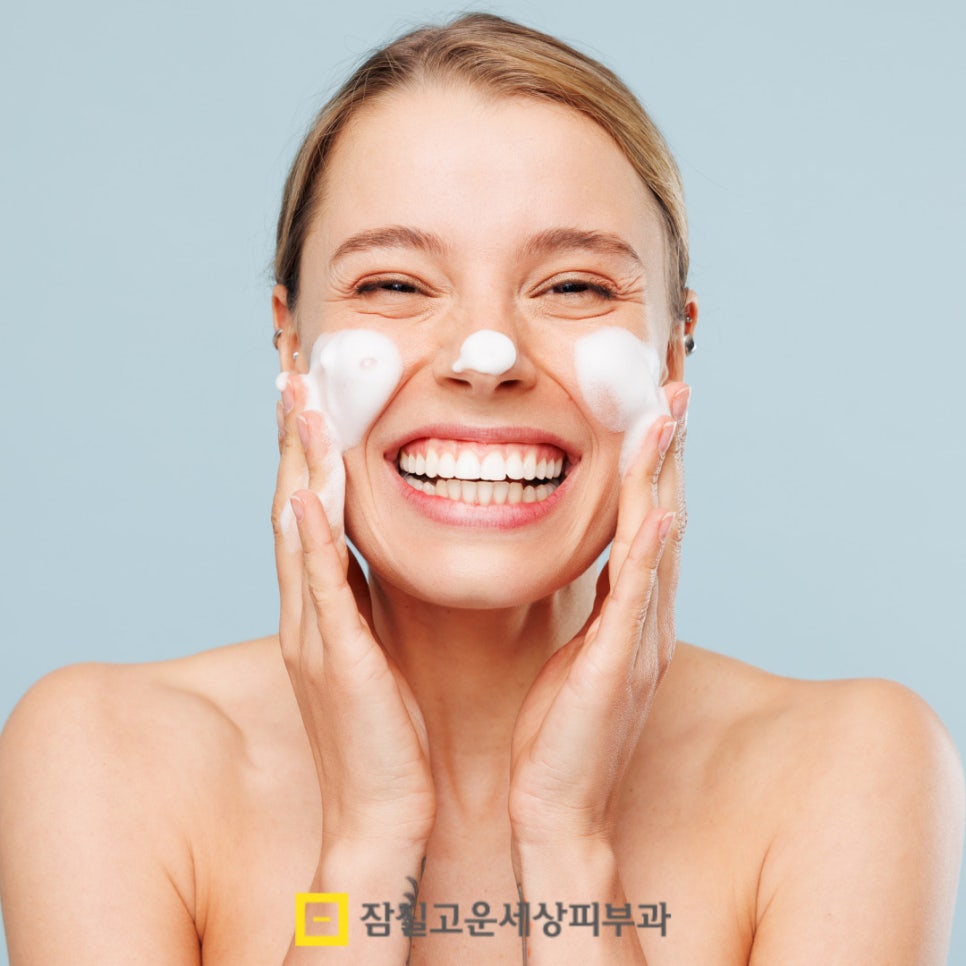
Seasonal cleansing: reduce irritation and protect the barrier
To summarize, seasonal transitions are a time when the skin’s oil-water balance can easily become unstable, and if irritating cleansing habits continue during this period, the skin barrier can break down and lead to breakouts.
Even a small adjustment to how you cleanse can greatly reduce skin irritation, and the effects of your skincare products may show more clearly as well.
- Hot water NO, lukewarm water YES
- Strong cleansing power NO, gentle mildly acidic cleanser YES
- Habitual double cleansing NO, flexible according to skin condition
- Rubbing NO, pressing gently to absorb YES
What may need to change before your cosmetics is
your cleansing habit.
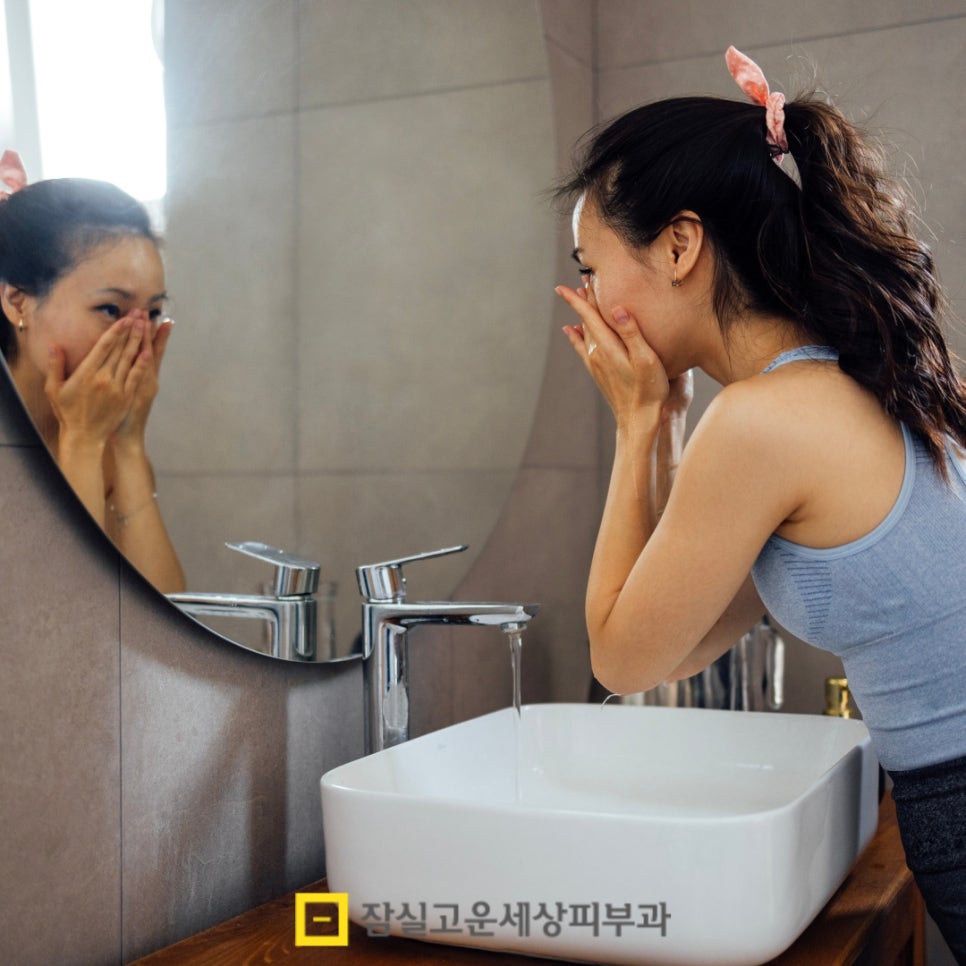
If the weather has turned cooler lately and your skin keeps becoming more sensitive and your condition worsens, we recommend looking back at your cleansing habits before buying new skincare products.
Of course, what you apply matters too, but how you wash can have a greater effect on your skin. Just changing your cleansing routine can noticeably reduce irritation and help you maintain a more comfortable skin condition than usual.
Please pay attention to the small signals your skin is sending,
and start by receiving them differently through cleansing.
<< Directions to Jamsil GoウンSesang Dermatology >>
<< Jamsil GoウンSesang Dermatology Treatment Information >>

<< Jamsil GoウンSesang Dermatology Homepage >>
This post is provided by Jamsil GoウンSesang Dermatology for the provision of medical information in accordance with Article 56, Paragraph 1 of the Medical Service Act. All procedures/surgeries carry the risk of side effects such as bleeding, infection, and nerve damage, so please proceed carefully after sufficient consultation with a medical professional.