
Hello, this is Jamsil Gounsesang Dermatology Clinic!
When the air feels different in the morning and evening,
that is the season of changing weather. Even as we add
layers of clothing one by one,
our skin is often left unchanged.
But skin is much more sensitive to seasonal changes
than many people think. When temperatures suddenly drop and humidity falls,
moisture inside the skin evaporates quickly, leading to dryness.
When fine dust and allergens in the air are added,
sensitivity and breakouts can begin together.
Especially during seasonal transitions, the skin barrier becomes weaker,
so care is far more important than usual. Simply applying moisturizer
is not enough; you need to review your overall lifestyle habits
to maintain skin balance. Today, I’d like to talk about five habits
that are worth practicing during this time to protect your skin.
- Be Gentle with Cleansing Rather Than Harsh

Many people, when their skin feels rough or breakouts appear,
tend to wash their face more often or look for a stronger cleanser.
But for skin during seasonal changes, this habit can do more harm than good.
The skin has a natural oil film and a stratum corneum that act as a protective barrier,
even though they are not visible to the eye.
If these are removed excessively, the skin barrier breaks down and moisture evaporates easily.

During seasonal changes, it is best to cleanse only twice a day,
in the morning and at night, using lukewarm water.
The key is to choose a mildly acidic cleanser.
Mildly acidic products gently remove impurities while maintaining the skin’s natural pH balance.
After cleansing, instead of rubbing your face hard with a towel,
it is enough to gently press and pat away the moisture.
- Moisture Care: What’s Inside Matters More Than What’s Outside

Dry skin does not happen simply because you use too little moisturizer.
If your body lacks moisture, your skin can dry out easily.
If you drink coffee or beverages all day but do not drink enough water,
the inside of your skin becomes increasingly dry.
Make it a habit to drink at least about 1.5 liters of water a day, in small amounts throughout the day.
Also, moisture does not only mean water.
Eating foods rich in moisture, such as fruits and vegetables,
can help maintain hydration inside the skin.
Cucumber, tomato, pear, and apple are good examples.
External moisturizing is, of course, essential.
Right after cleansing, while the skin is still slightly damp, apply toner and a moisturizing cream
to prevent moisture from escaping.
What matters here is not only replenishing moisture, but also sealing it in.
If you layer a cream with a little oil or an oil product over your moisturizer
to prevent evaporation, you can keep the skin hydrated for much longer.
- Consistent Moisturizing: Three Times a Day Is the Basics
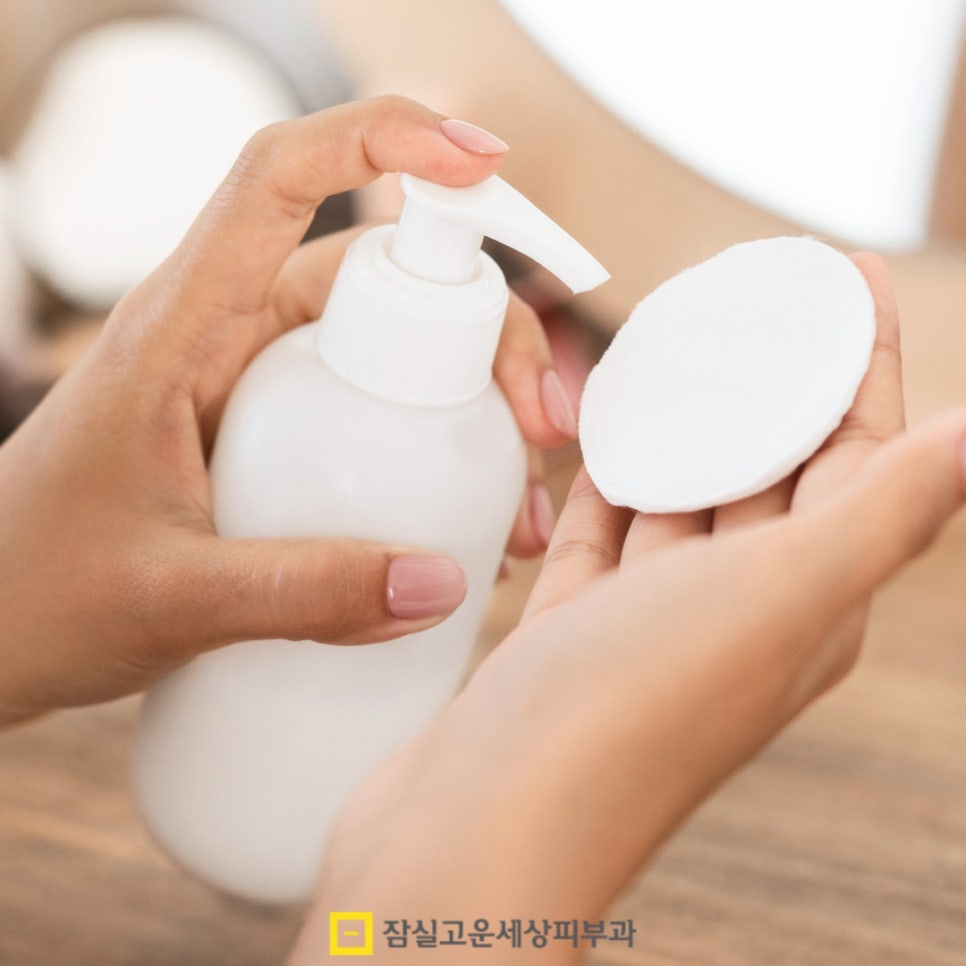
During seasonal changes, as humidity in the air drops, moisture on the skin’s surface evaporates quickly.
So applying moisturizer once in the morning will not keep your skin hydrated all day.
In the morning, use a lightweight, refreshing moisturizing cream.
During the day, replenish moisture as needed with a portable mist or cream,
and at night, apply a generous amount of a nourishing moisturizer.
In particular, it helps to remember the three-step layering of hydration, moisture, and nourishment.
First, supply moisture to the skin with a toner or ampoule that contains plenty of water.
Then form a protective barrier with a moisturizing cream on top,
and finally seal in the moisture with oil or a sleeping pack.
If you do this, you may find that your skin does not feel tight even when you wake up in the morning,
and makeup applies much more smoothly as well.
- Sunscreen Is Essential All Year Round
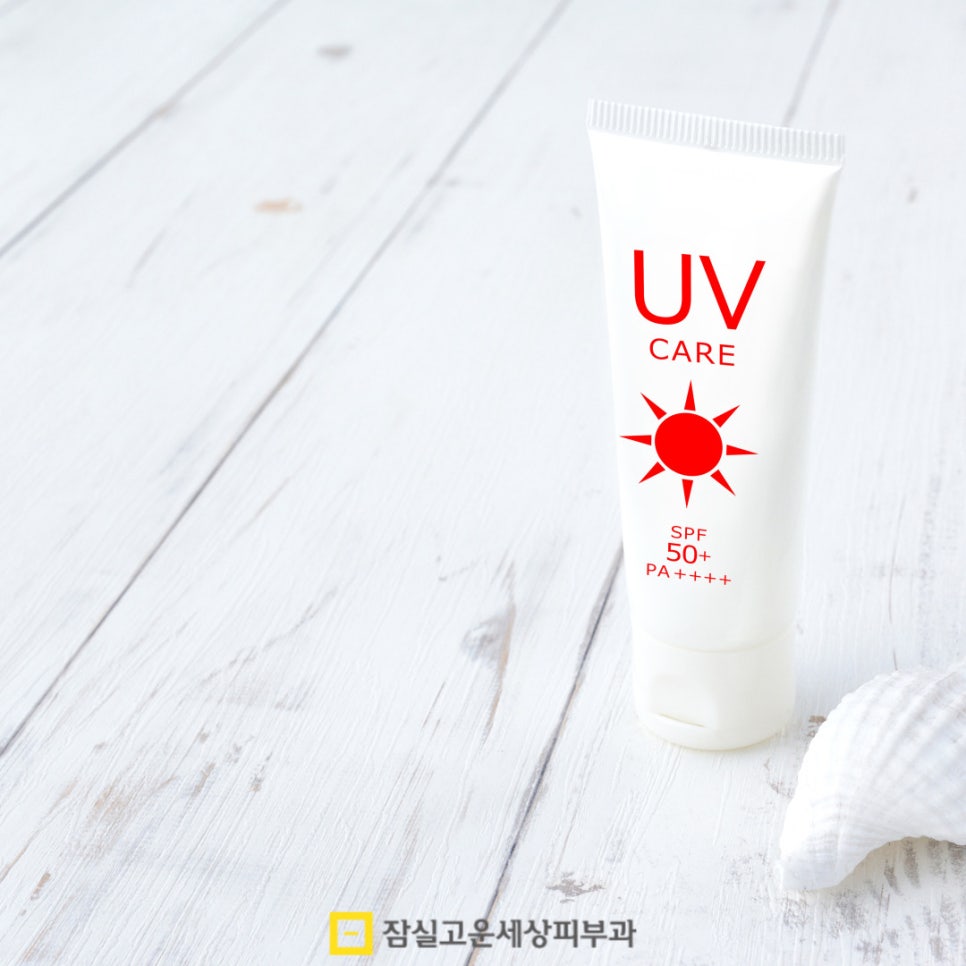
Many people think sunscreen is only for summer,
but ultraviolet rays are present regardless of the season.
In particular, during seasonal changes, even if the UV index is low,
the skin is dry and sensitive, so it can be damaged much more easily.
Ultraviolet rays destroy collagen in the skin, cause pigmentation,
and accelerate aging over time.
That is why, even during seasonal changes, you should make it a habit to apply sunscreen before going out in the morning.
Choose a product with SPF 30–50 and PA++ or higher,
and it is best to reapply every 3 to 4 hours after going outside.
Also, even if you are indoors, UV rays can enter through windows,
so sun protection should become a daily habit, not something only for outdoor activities.
- Enough Sleep and Stress Management

Skin recovers at night. During sleep, growth hormone is secreted,
and damaged skin cells regenerate.
But lack of sleep or an irregular sleep pattern can interfere with this process,
making the skin look duller and rougher.
On average, sleeping at least 7 hours a day and keeping a consistent schedule for going to bed and waking up
plays a major role in protecting skin health.

Stress is also an enemy of the skin.
When you are stressed, your body secretes a hormone called cortisol,
which increases sebum production, causes breakouts,
and slows the recovery of the skin barrier.
Light activities such as regular exercise, meditation, or a walk can help.
When the mind feels at ease, the skin naturally becomes calmer as well.
In the end, good skin is not achieved through external care alone,
but is created through balanced daily rhythms and emotions.

During seasonal changes, everyone’s skin becomes sensitive.
But this is a natural phenomenon.
It is part of the process by which the body adapts to a new environment as the season changes.
What matters is how you get through that period.
If you cleanse gently, maintain enough hydration and moisture,
and take care of sun protection and sleep, your skin will quickly regain stability.
In the end, the key to skin care during seasonal changes is continuous balance.
Rather than suddenly changing something, build the habit of caring for your skin a little each day.
If you do that, you can maintain healthy, clear skin not only during seasonal transitions but all year long.
Try practicing even one thing starting today. Small changes can make a surprising difference for your skin.
<Directions to Jamsil Gounsesang Dermatology Clinic>
<Clinic Information for Jamsil Gounsesang Dermatology Clinic>

<Jamsil Gounsesang Dermatology Clinic Website>
This post is provided by Jamsil Gounsesang Dermatology Clinic for the purpose of providing medical information, in accordance with Article 56, Paragraph 1 of the Medical Service Act. Since all treatments/surgeries carry the risk of side effects such as bleeding, infection, and nerve damage, please proceed carefully after sufficient consultation with medical professionals.