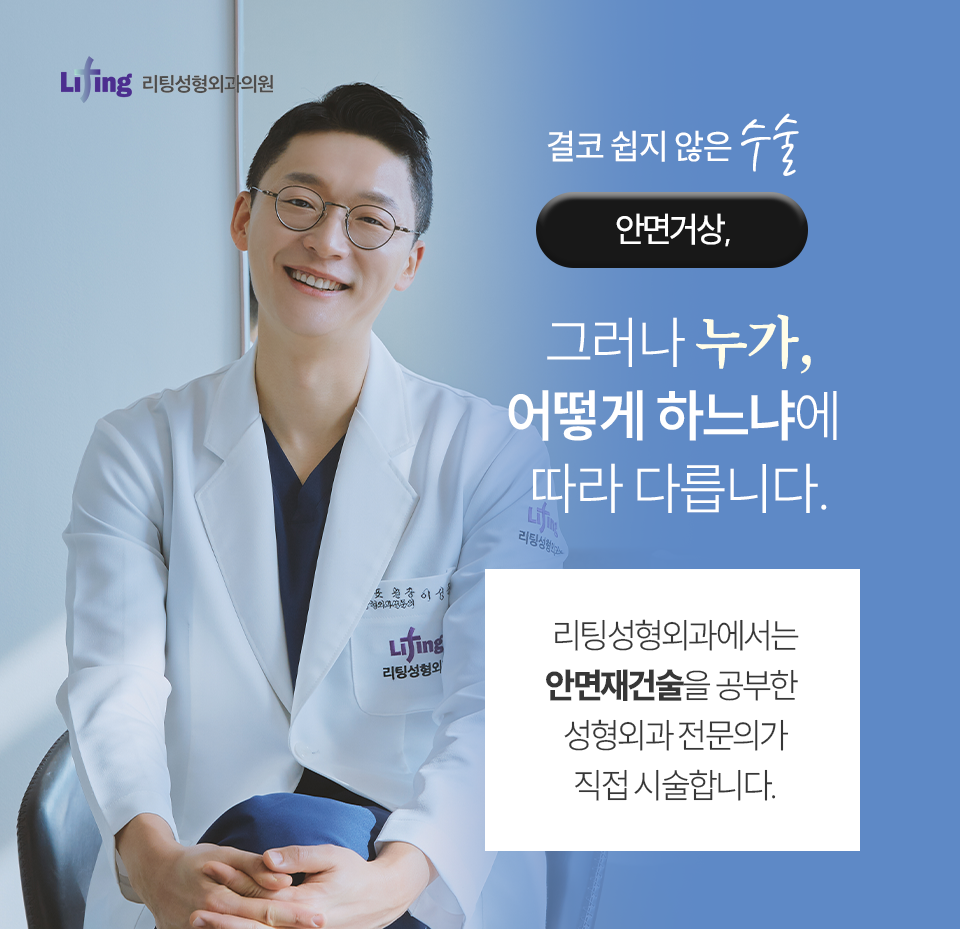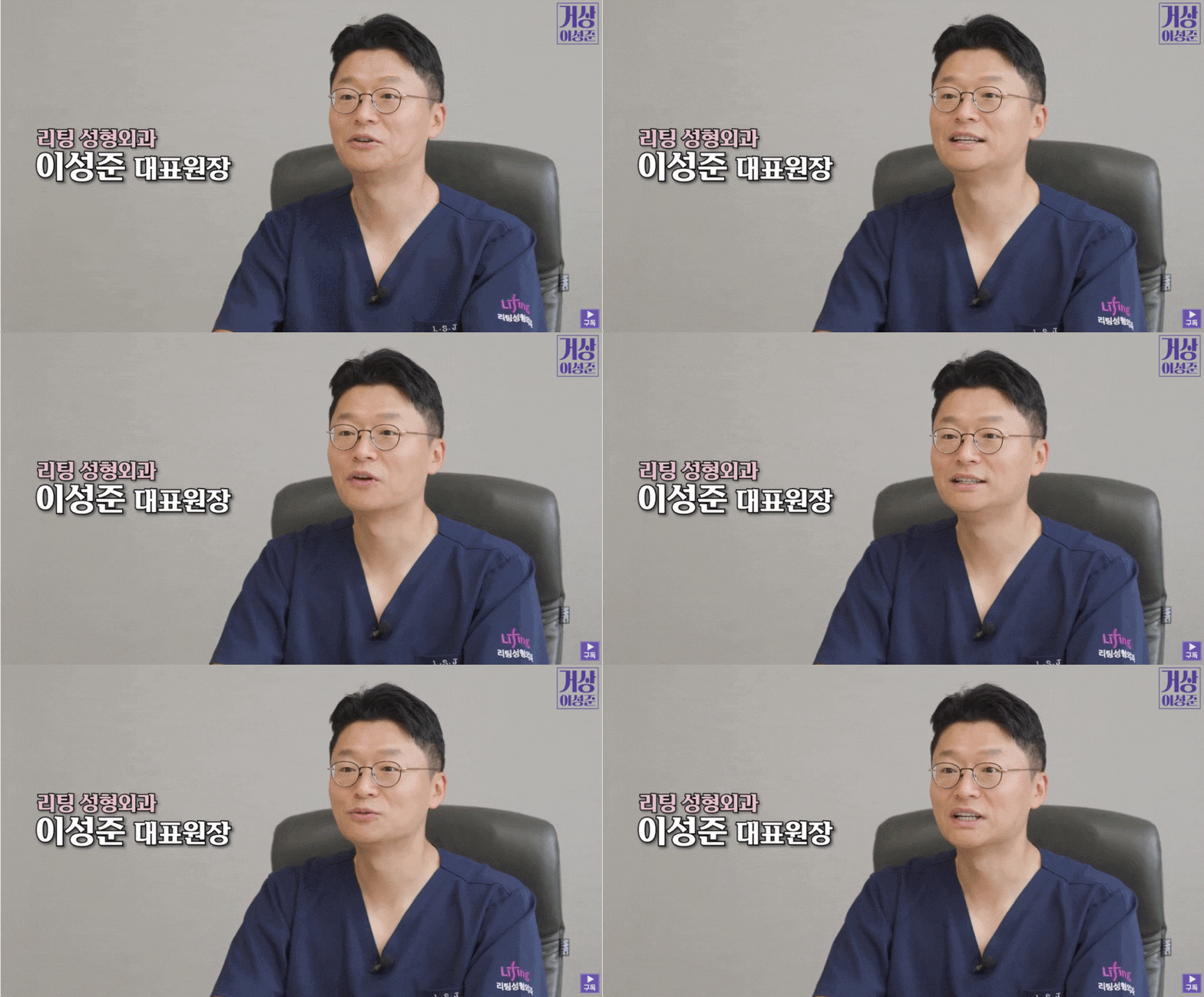
Hello, I’m Lee Seong-jun, the chief director of the Seoul branch of Reting Plastic Surgery.
As the saying goes, no one can win against time, and aging is an inevitable process as we get older.
Facial skin is where the signs of aging are first noticed, and as the SMAS layer and retaining ligaments weaken, sagging skin occurs.
Because of this, many people consider a facelift. However, many also hesitate about a facelift or consider revision surgery due to side effects such as pointed ears, so today I’d like to talk about the pointed-ear concern many of you have.
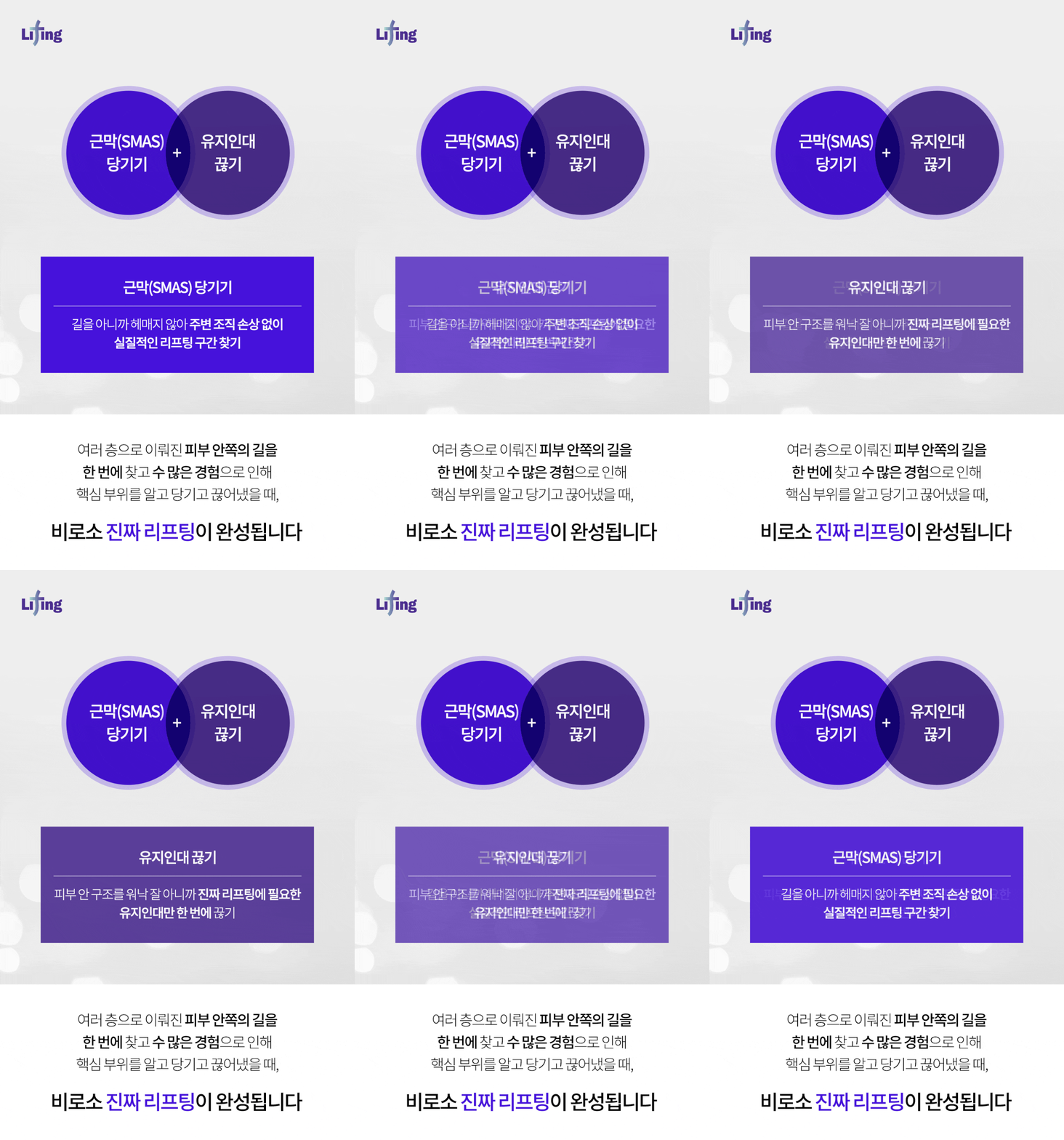
At our clinic, facelift surgery is performed in a personalized way that takes each patient’s individual characteristics into account.
The key to a facelift is to carefully understand the complex internal structure of the skin and lift not only the visible surface but also the SMAS layer, which is actually more affected by gravity, in order to restore the overall skin support.
If you want a natural lift, we target and lift the SMAS layer of the upper face starting from the cheekbones, while applying threads to the lower face below the cheekbones.
If you want a stronger lifting effect, the lower face below the cheekbones is treated by cutting the retaining ligaments.
Although it is a delicate process, our experienced medical team provides treatment, so you do not need to worry too much about side effects such as pointed ears after a facelift.
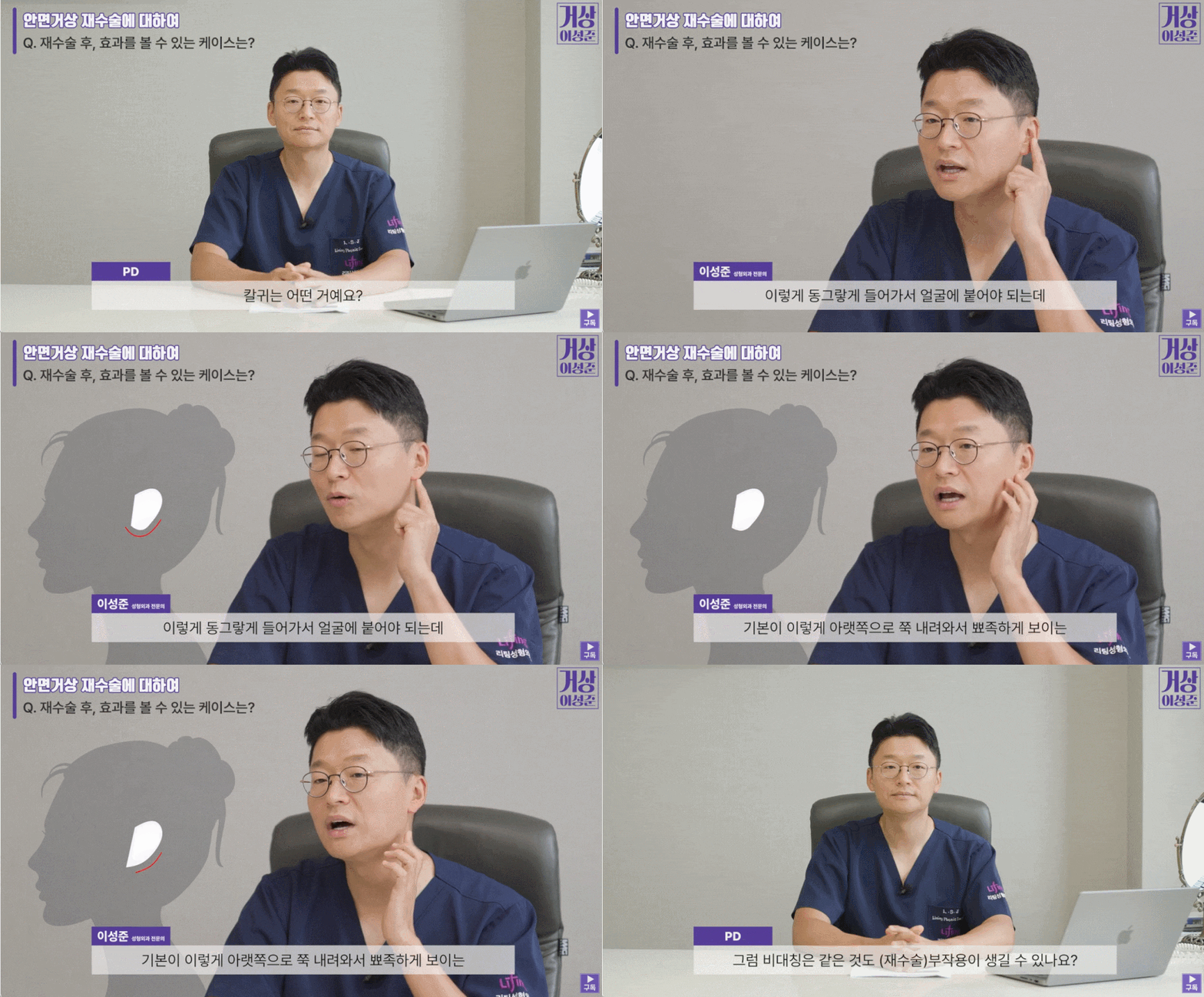
What is a pointed-ear deformity after a facelift?
When lifting is performed, if the skin is pulled and fixed excessively without properly lifting the SMAS layer, the thin SMAS layer can be damaged, which may leave scars or cause side effects.
When the earlobe becomes stretched and the tip of the ear turns downward and becomes pointed and elongated, this is called a “pointed-ear” deformity.
It is named that way because the earlobe is not thick and round, but instead sags in a straight line and looks sharp and long, almost like a knife.
This is not something that appears immediately after lifting; it develops gradually as a result of excessive pulling during the procedure.
It can be accompanied by widening of the incision scar, and about 1 to 3 months after surgery, the scar area may gradually widen.
So even if the shape looked good at first, many people become startled as it changes over time, and this is why many seek revision surgery.
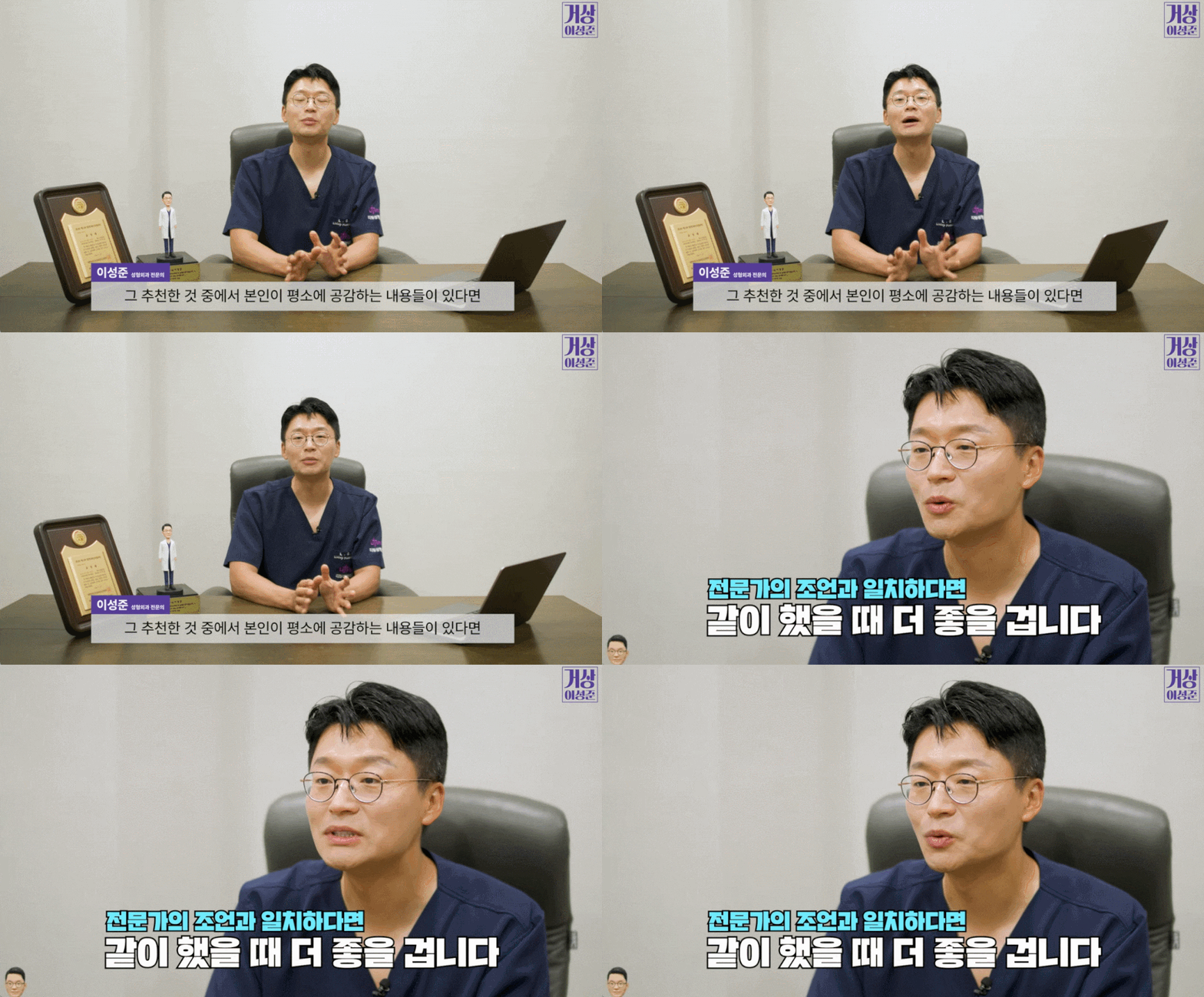
Then how can facelift side effects be prevented?
To prevent these side effects, it is most important to entrust the procedure to a highly experienced medical team.
At our clinic, we carefully assess the structure of the skin, including each person’s skin thickness and condition, and the degree of sagging in the SMAS layer.
Based on extensive clinical experience, we provide thorough care, so you can feel reassured.
Because facelift surgery is more difficult than other procedures, it is necessary to consider these aspects and make a decision only after sufficient consultation. This is also important to help prevent pointed-ear deformity after a facelift.
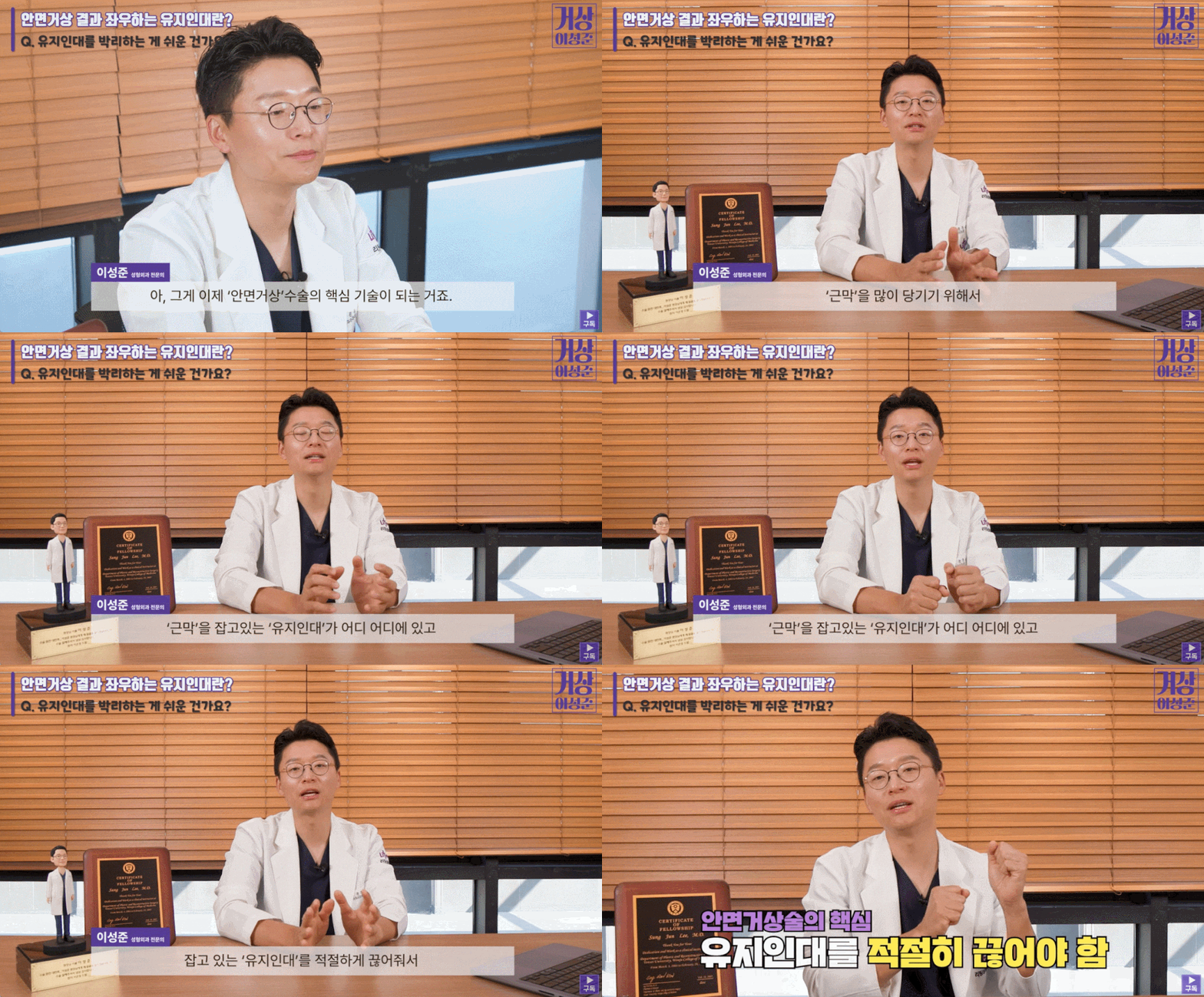
At our clinic, we lift and secure only the key areas with precision, providing a lift that does not easily collapse.
A facelift is performed by making an incision along the boundary of the ear from inside the temporal hairline, then lifting the skin flap and dissecting the SMAS layer.
After that, the retaining ligaments underneath the SMAS layer are released, and the SMAS flap is elevated.
This is the process of separating the space between the skin tissue and the muscle layer, and after pulling the wrinkled muscle layer, the excess muscle layer is removed. This is an important step for producing a stronger lifting effect.
The sagging SMAS layer is pulled and fixed, the middle and lower face are tightened, the remaining skin is excised, and the procedure is carefully completed with double suturing.
At our clinic, we pay close attention to each patient’s condition until the very end, and we minimize visible traces of the incision line by using double sutures.
We apply scar management injections to help the firm scar tissue at the surgical site settle down, and provide Hylight care to reduce swelling and bruising and support skin regeneration.
In addition, scar laser treatment is applied to aid skin recovery, which can help deliver highly satisfactory results.
The postoperative care system is tailored to each patient’s situation, so it may vary depending on the circumstances.
If you want personalized care from start to finish without worrying about side effects such as pointed ears after a facelift, please visit us for a consultation.