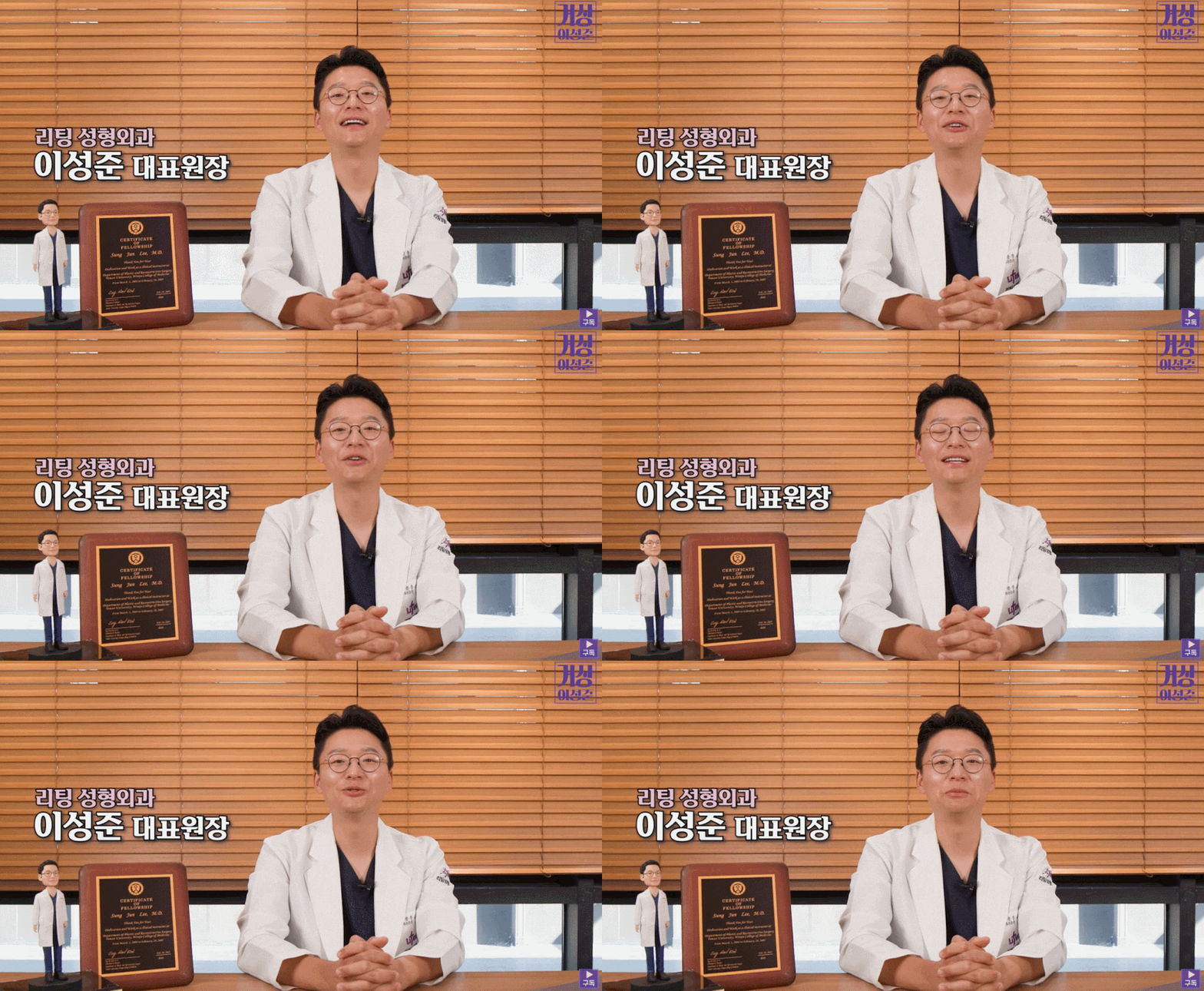
Hello, I’m Lee Seong-jun, the chief director of Ritting Plastic Surgery Seoul Branch.
Everyone experiences aging, and in the process, skin sagging and wrinkles occur.
And many people look into lifting procedures to address this.
The appropriate lifting method can vary depending on age and the degree of skin sagging, but if you are middle-aged or older and are concerned about overall skin sagging, a facelift may be worth considering.
Today, let’s take a look at everything from facelift pain to post-surgery care.
What is a facelift?
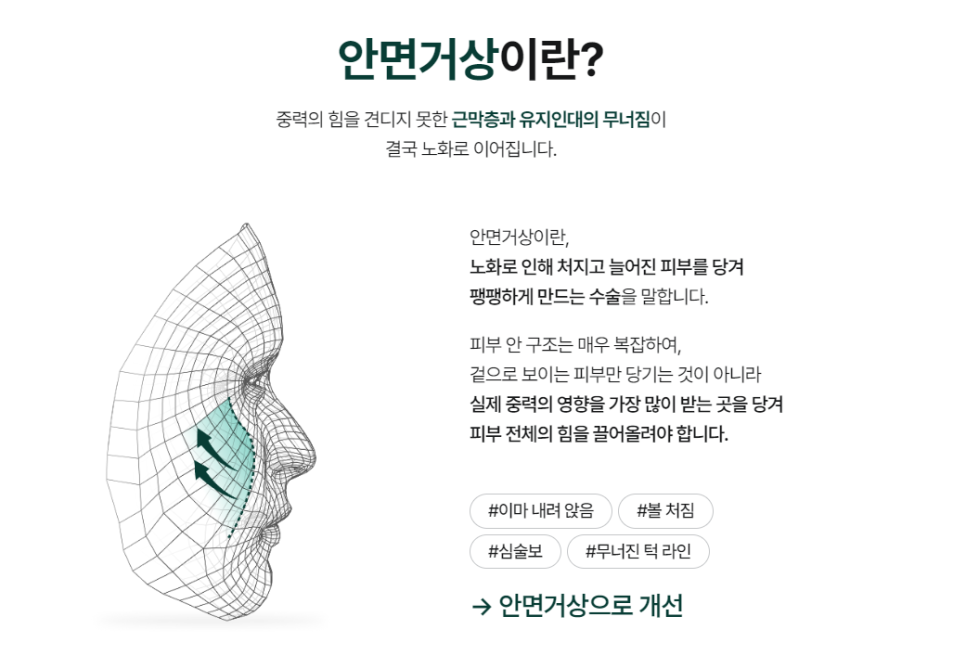
A facelift is, as the name suggests, a lifting surgery that tightens and corrects the overall face by pulling up the skin.
An incision is made from the temple area to in front of the ear, the earlobe, and behind the ear, and after carefully separating the skin and fascial layer, they are pulled tight and sutured.
Unlike methods such as laser energy or injectable drug treatments, this is a lifting method that directly and physically pulls up sagging skin, creating immediate and dramatic changes.
That is why it is also a lifting surgery often chosen by middle-aged and older patients with significant skin sagging.
Acute swelling and chronic swelling?
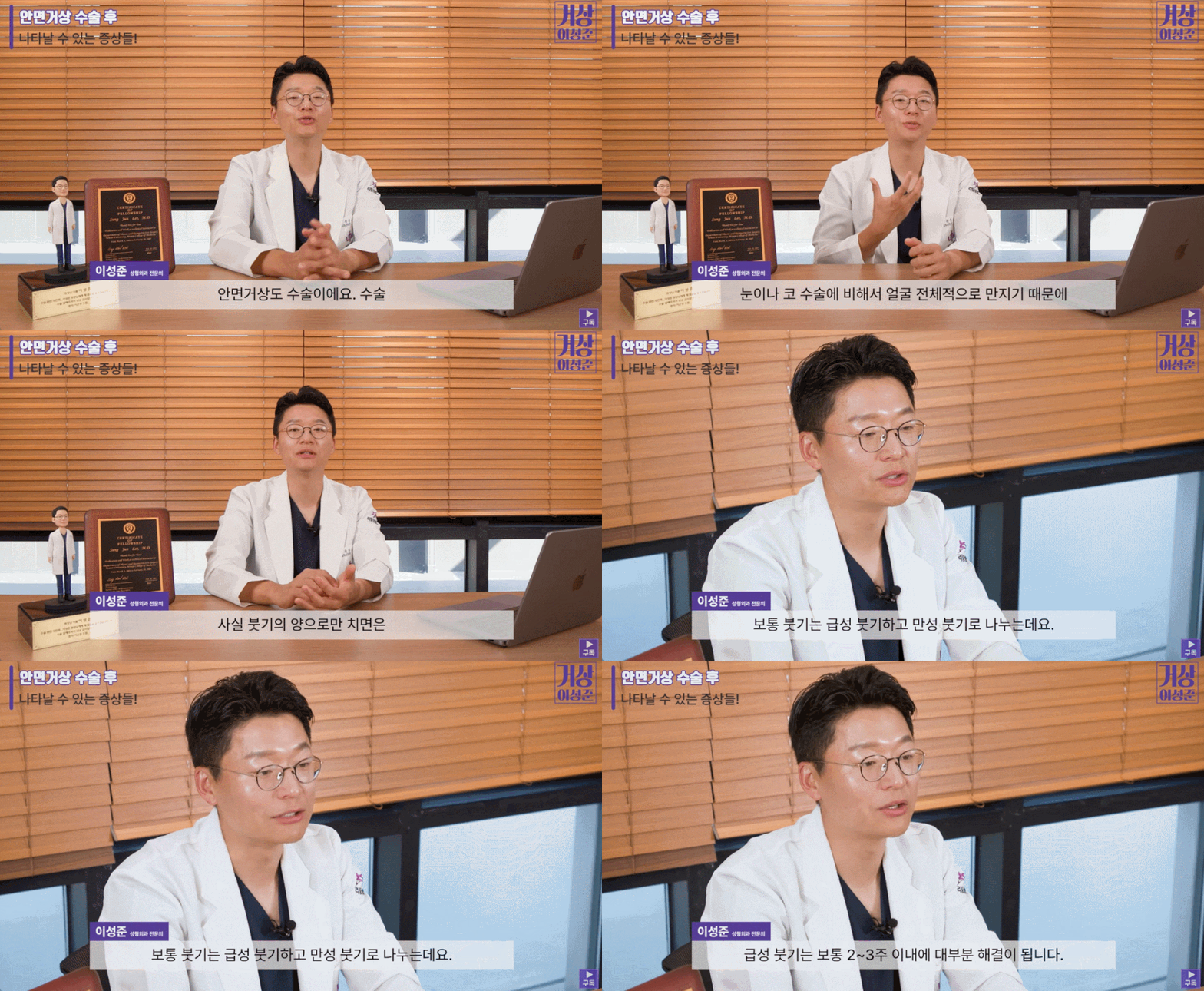
Because a facelift has a wider incision area than methods such as double eyelid surgery or brow lift surgery, the amount of swelling can be greater.
But swelling does not last forever.
Swelling is broadly divided into acute and chronic stages, and it is important to reduce acute swelling quickly. In general, acute swelling subsides in most cases after about 2–3 weeks.
However, even after the acute swelling goes down, the face does not immediately return to its original state; as the wound gradually heals and stabilizes, facelift pain and the remaining swelling slowly decrease.
How long does it take to heal after a facelift?
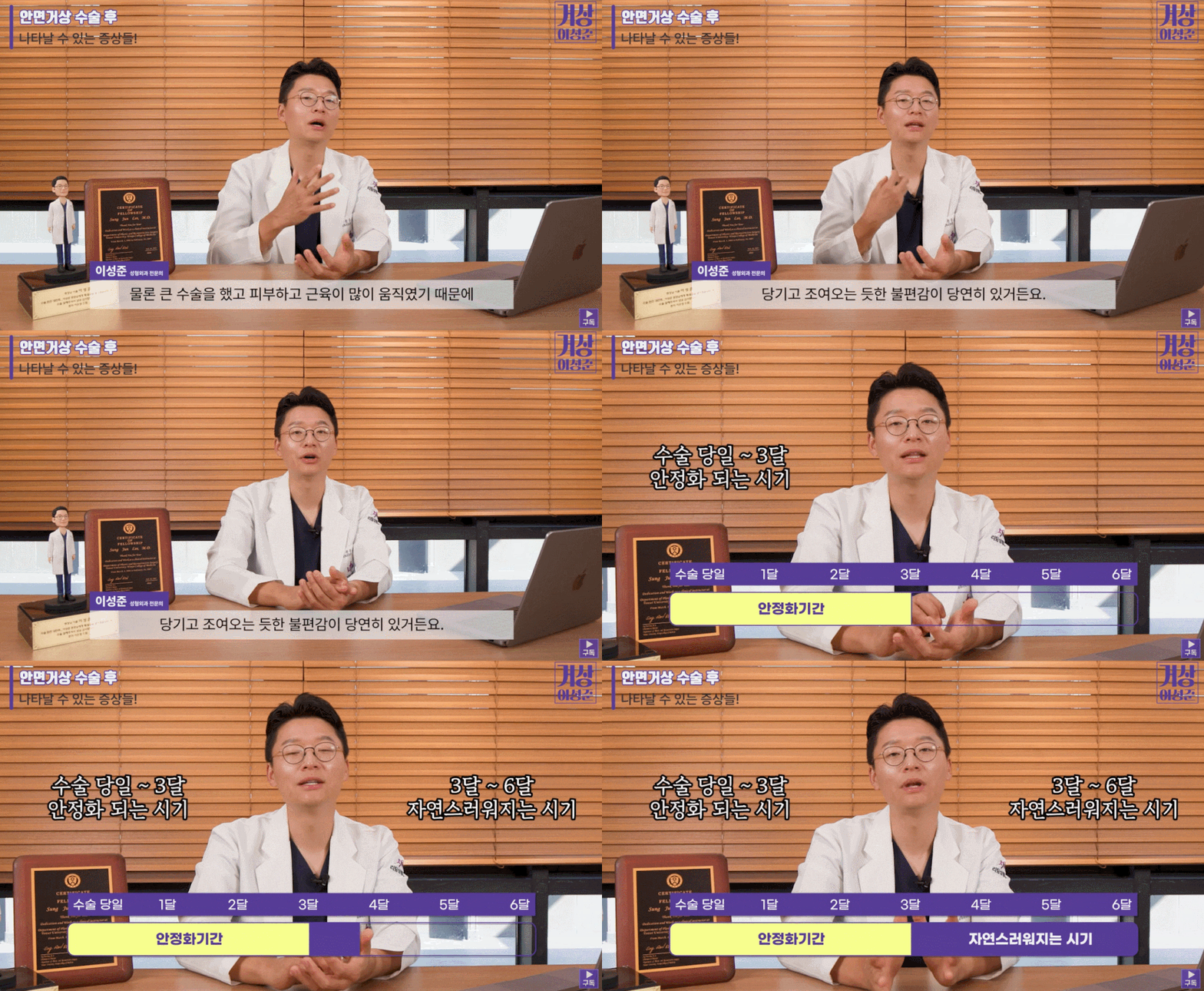
Generally, the period during which facelift pain subsides and things stabilize is considered to be from immediately after surgery to about 3 months.
From 3 to 6 months, the swelling gradually goes down in a more refined way and the result becomes more natural.
If you carefully manage swelling, pain, and movement during these first 3 months, you may be able to shorten the time until the result becomes natural.
What should you be careful about after surgery?
To reduce facelift pain and swelling after surgery, careful daily management is necessary.
The first is the habit of sleeping flat on your back while facing the ceiling.
For the first 3 days after surgery, you should consciously sleep in the correct position, and even after that, if you want to reduce swelling quickly, it is recommended that you maintain the proper sleeping posture for about 1–2 weeks.
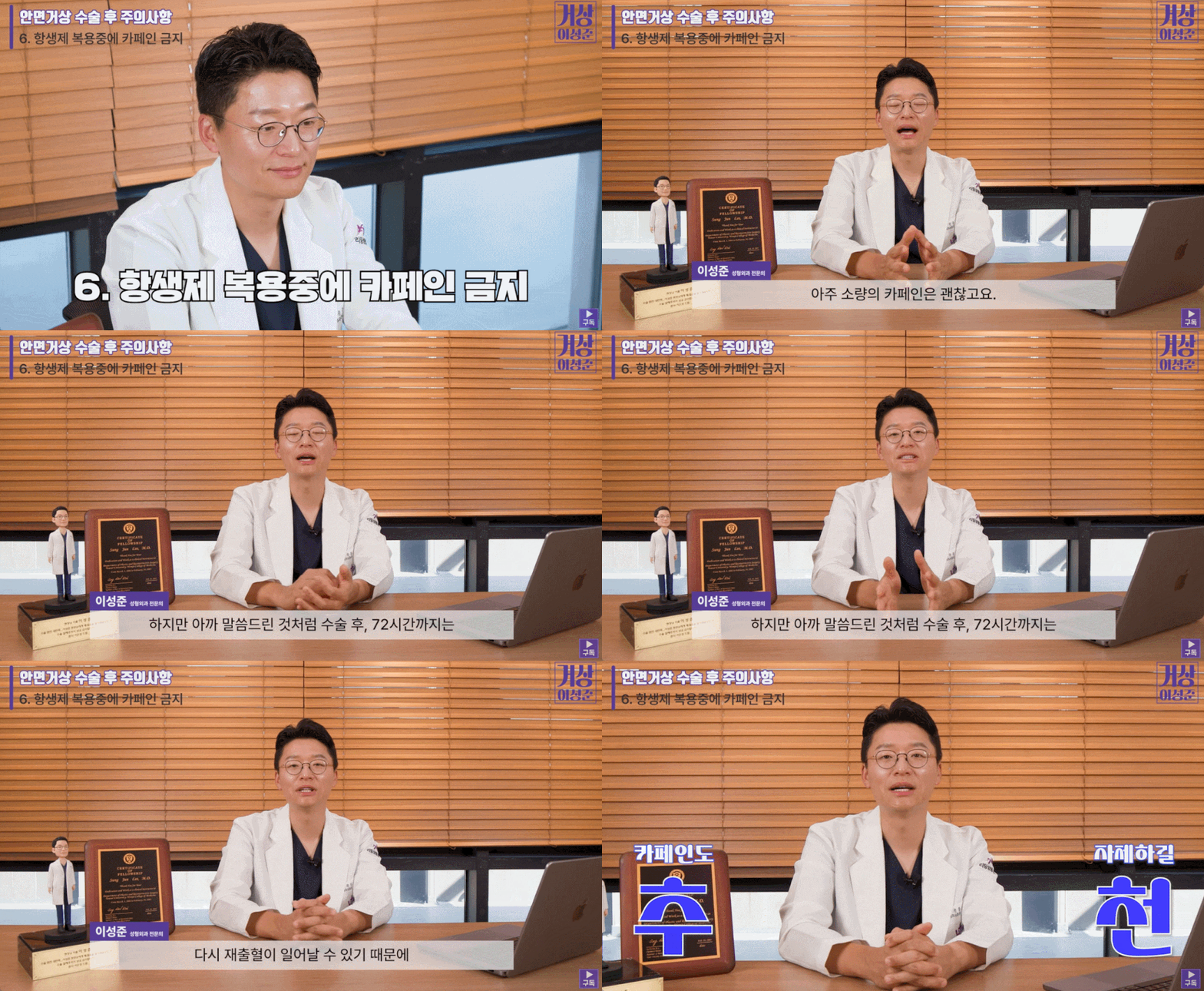
Also, within 3 days after surgery, you should avoid movements that put excessive strain on the fascia, muscles, and skin, and you should also refrain from alcohol, sauna use, and smoking for one month.
These external stimuli can cause bleeding and inflammation at the surgical site, which may delay and slow the healing process.
In such cases, facelift pain and swelling may persist longer, and if the swelling does not subside quickly, it may lead to chronic swelling, which can make the face look larger and puffier. So we strongly urge you to follow these guidelines.
Ritting only does lifting.
However, above all, what matters most is a thorough consultation with the medical team.
Our clinic handles only lifting procedures, and based on a high level of anatomical understanding and expertise in the fascial layer, retaining ligaments, and skin layer that determine the success of lifting, we help provide customized lifting treatments and surgeries.
If you want swelling to go down quickly and skin to be pulled up precisely, please visit Ritting Plastic Surgery anytime.
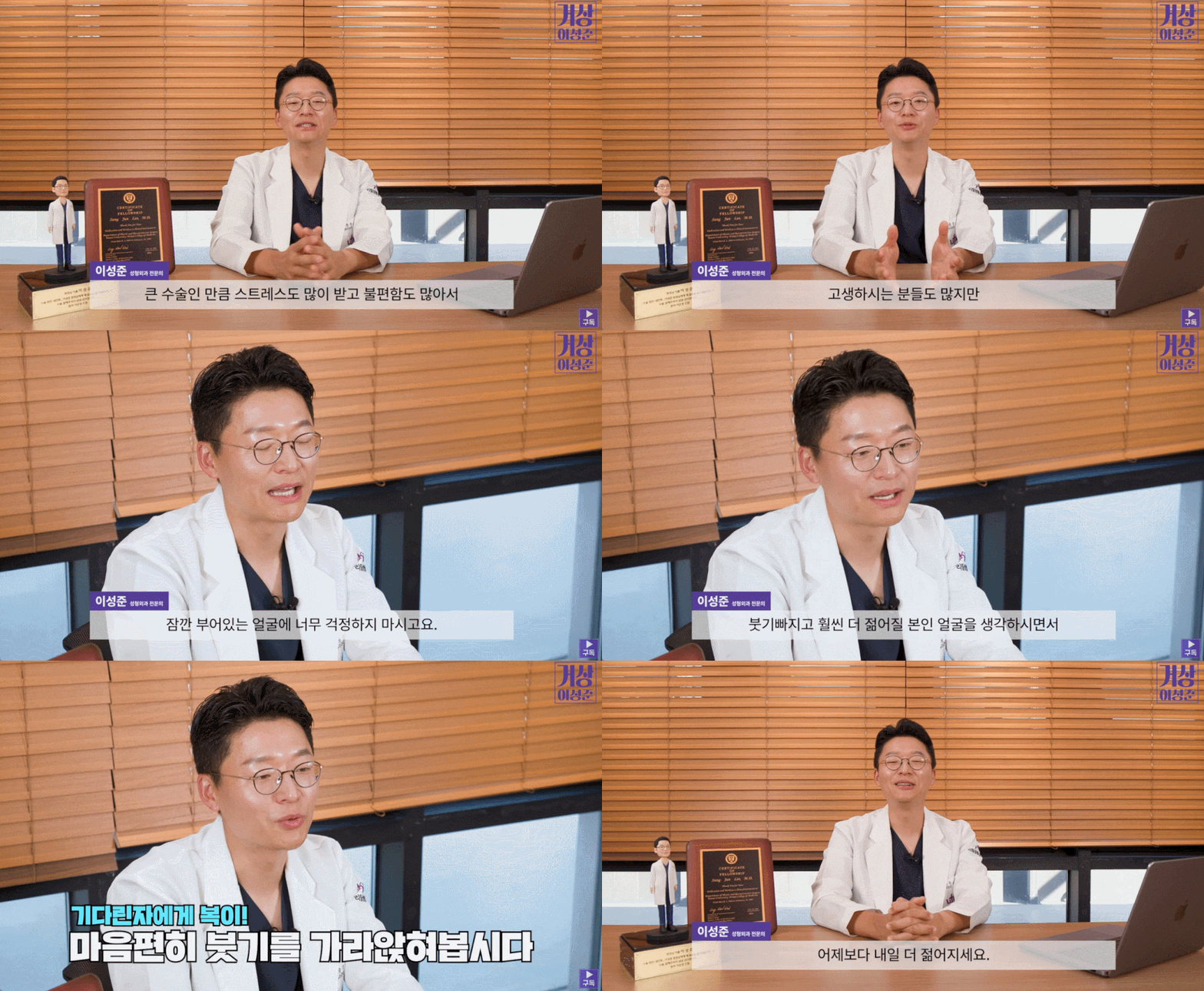
Become younger tomorrow than you were yesterday!