Hello, I’m Lee Seong-jun, Chief Director of the Seoul Branch of Reting Plastic Surgery.
When the face begins to sag noticeably, many people consider a facelift, which is more powerful than laser lifting or thread lifting.
Some people make a big decision to undergo the procedure despite the burden of incisions, only to complain that the swelling does not go down well or that the face looks larger.
It is only natural to worry whether something may have gone wrong with the facelift.
Today, let’s look at what can help improve satisfaction with the facelift recovery period.
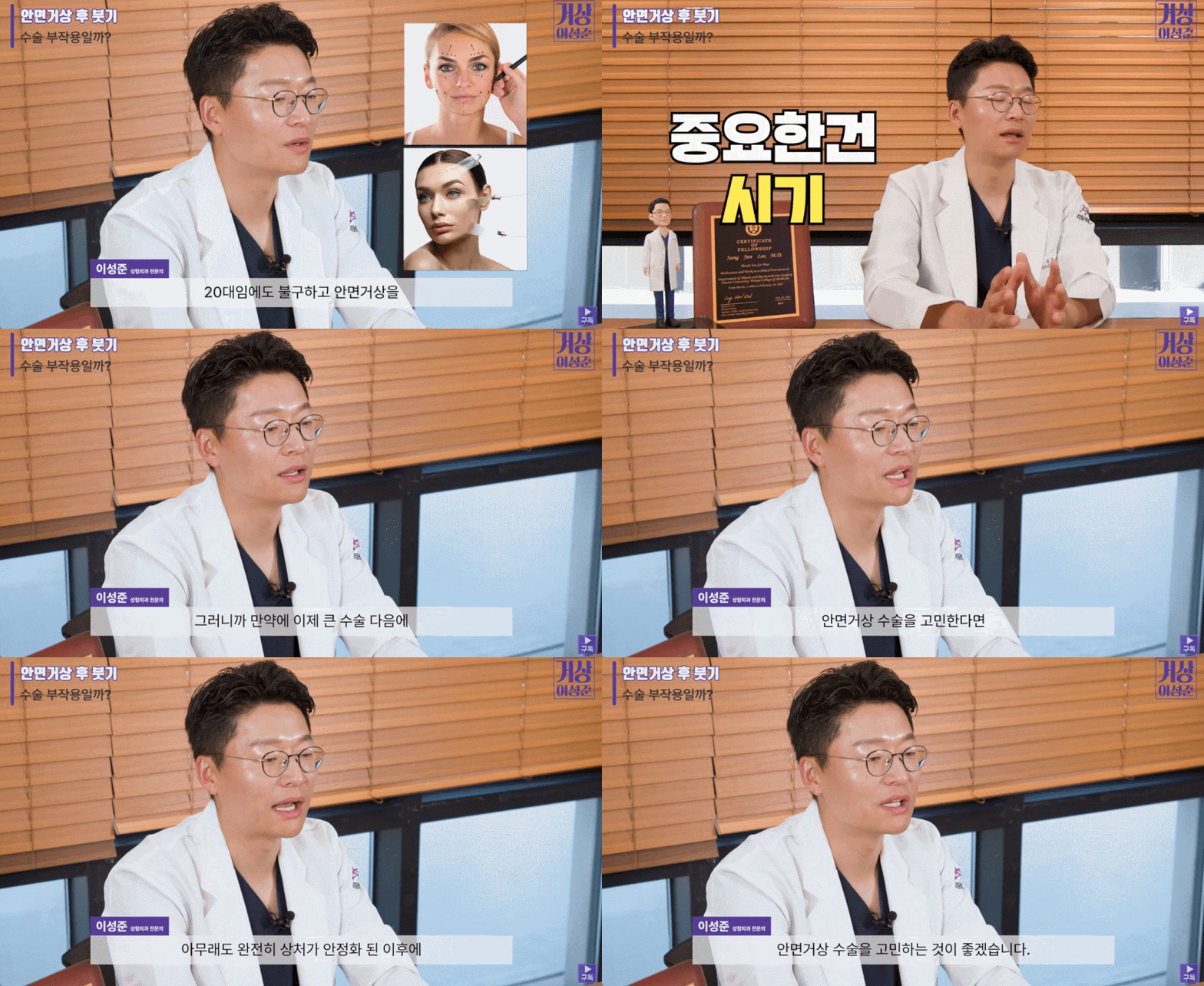 What should you know?
Before getting into the actual facelift recovery period, several symptoms can appear after a facelift.
Unlike noninvasive laser lifting or thread lifting, which involves very little invasion, a facelift is a surgical procedure, so wounds and bleeding will occur.
This is one reason why, even while worrying a lot about facial aging, some people hesitate about whether to undergo a facelift.
Because it is based on a surgical approach, it is important to remember that it takes a certain amount of time to regain normal condition.
 What symptoms may appear?
Because eyelid surgery and nose surgery are relatively common, it is easy to find people comparing a facelift to them.
Unlike the eyes or nose, however, a facelift targets the entire face, so swelling can be more pronounced than with those procedures.
That said, since this is acute swelling that subsides over two to three weeks, you can expect it to gradually decrease and for the wounds to stabilize after this period.
The period from the day of the facelift to three months afterward is considered the stabilization period, and during this time, a pulling or tight feeling may occur.
Why should you allow time?
After the stabilization period, from three months to six months, the process is considered a time of becoming more natural.
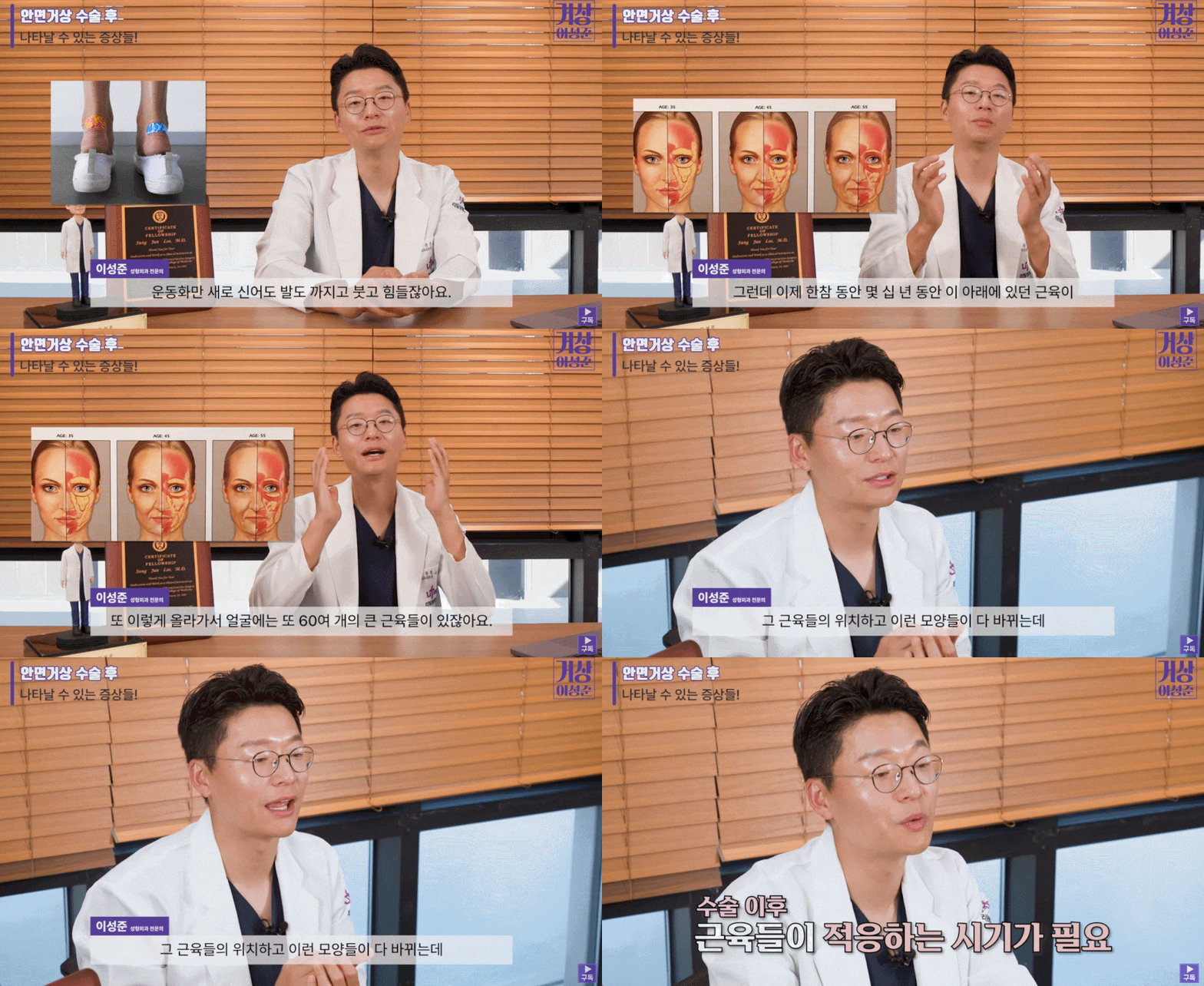
It can be compared to the period when new shoes feel uncomfortable and rub your feet at first, before they eventually become broken in.
This is because as the muscles that were positioned lower are moved upward through the lift, they need time to adapt to their new position and movement.
This is why, during the facelift recovery period, it is advisable to proceed with some patience, since the procedure delivers powerful lifting results.
 What precautions are there?
To increase satisfaction during the facelift recovery period, sleeping in the proper position is also helpful.
For about three days, it is essential to sleep in the proper position, and after that, it is recommended to maintain it as needed because it helps reduce swelling more quickly.
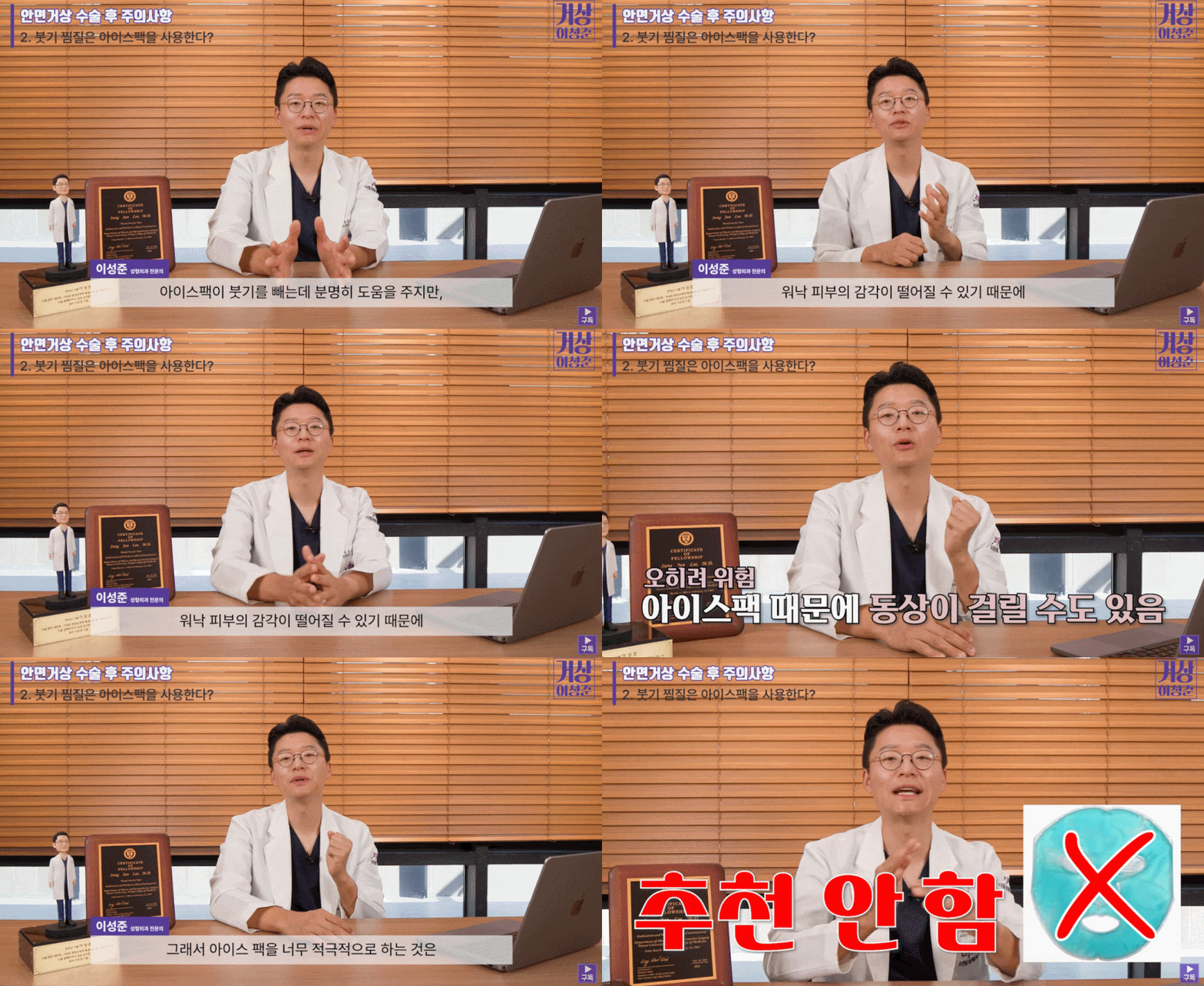
Another point to be careful about is that using an ice pack to reduce swelling can cause frostbite.
In many cases, people who undergo a facelift are older and may have reduced sensation, so we recommend not using ice packs.
👉Related article worth reading
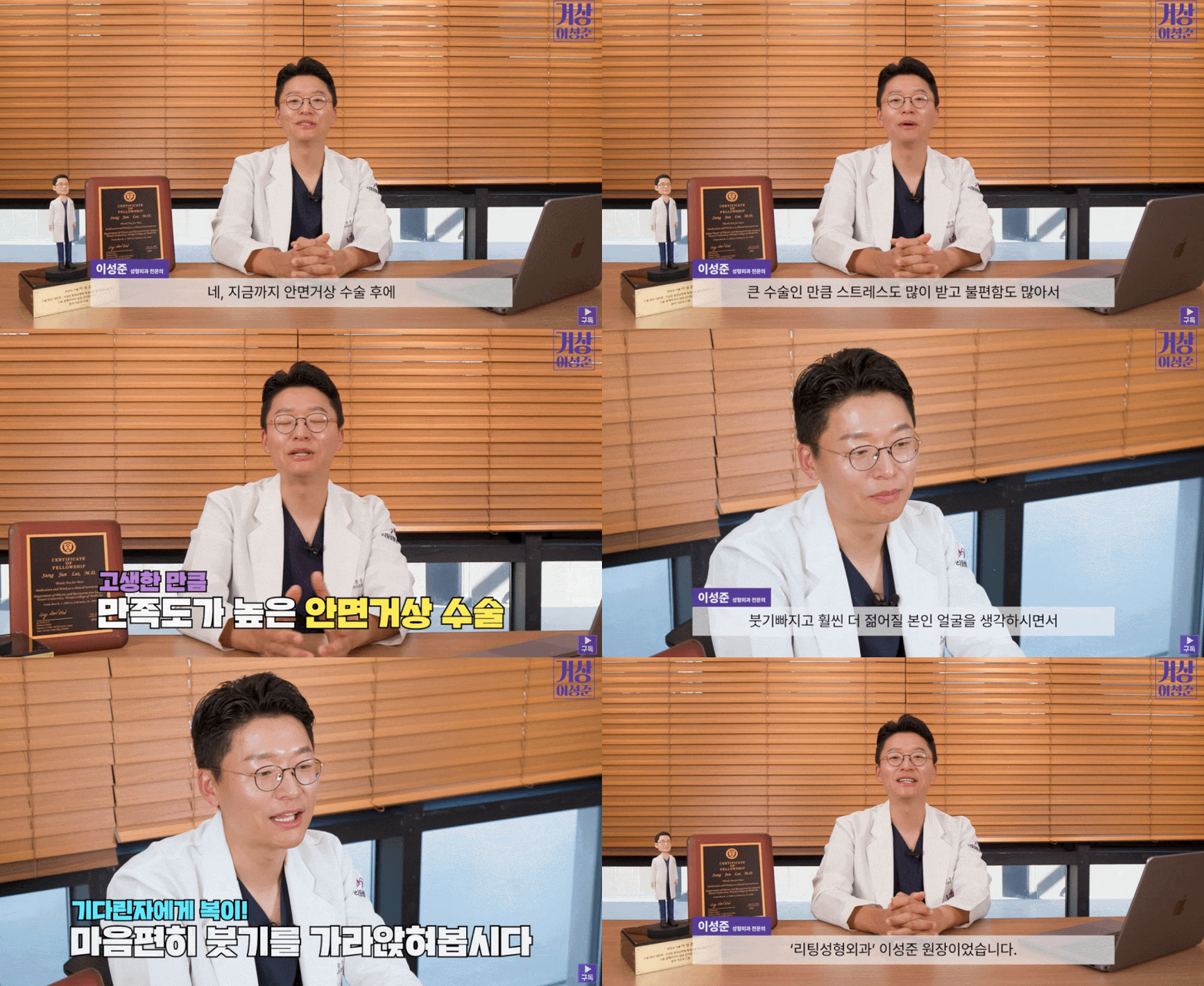
After a facelift, a considerable amount of energy is spent regaining your original condition, so it is important to receive adequate nutrition.
If you reduce your meals because you feel tired or bothered, wound recovery will be delayed accordingly, and you will not be able to spend the facelift recovery period satisfactorily.
We recommend eating sufficient meals centered on protein, and it also helps to have a relaxed mindset that the acute swelling will soon go down.
If you have more questions about facelifts, please feel free to visit us anytime.
Become younger tomorrow than you were yesterday!