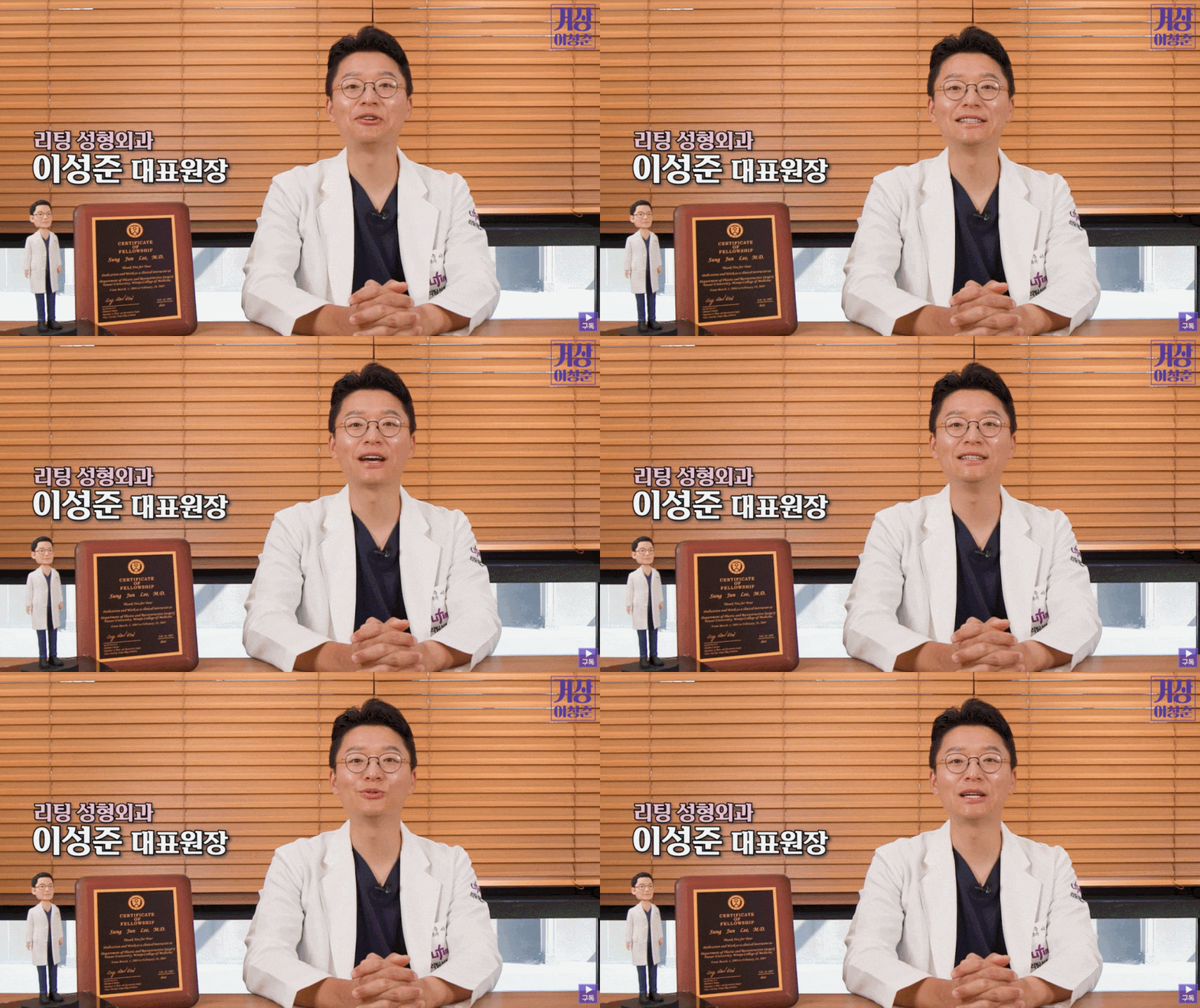
Hello, I’m Lee Seong-jun, CEO surgeon at Leeteing Plastic Surgery Seoul Branch.
While the facial features that make up the face are important, the importance of face shape—the container that holds them—is becoming increasingly significant.
As a result, contouring surgery is increasing among younger people in their 20s and 30s who want a smaller, smoother face shape.
Some people are satisfied with a smaller, sharper face, but many also worry when the results are not sufficient or when abnormal symptoms appear.
Today, for those who are concerned after contouring surgery, I’d like to introduce a facelift for people in their 20s.
Facial sagging after contouring surgery
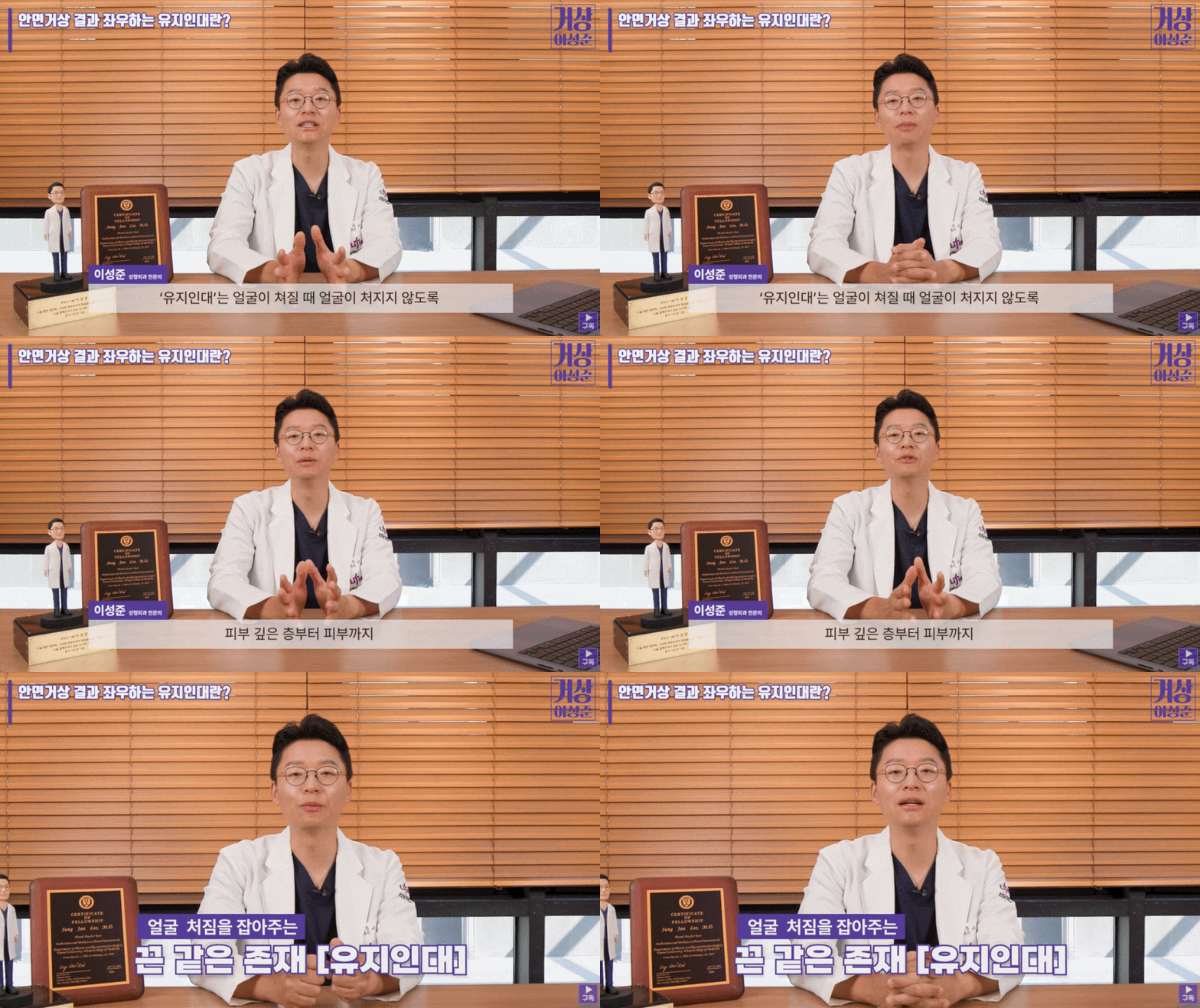
One of the most common concerns after contouring surgery is facial sagging.
Because the procedure reduces the main bony framework of the face, spaces naturally form between the skin and the bone as the skeleton becomes smaller.
As a result, the skin tissue loses support and becomes prone to sagging, leading to drooping under the pull of gravity.
Since this occurs for reasons different from normal aging, active medical assistance such as a facelift for people in their 20s is needed to improve it.
What is a facelift?
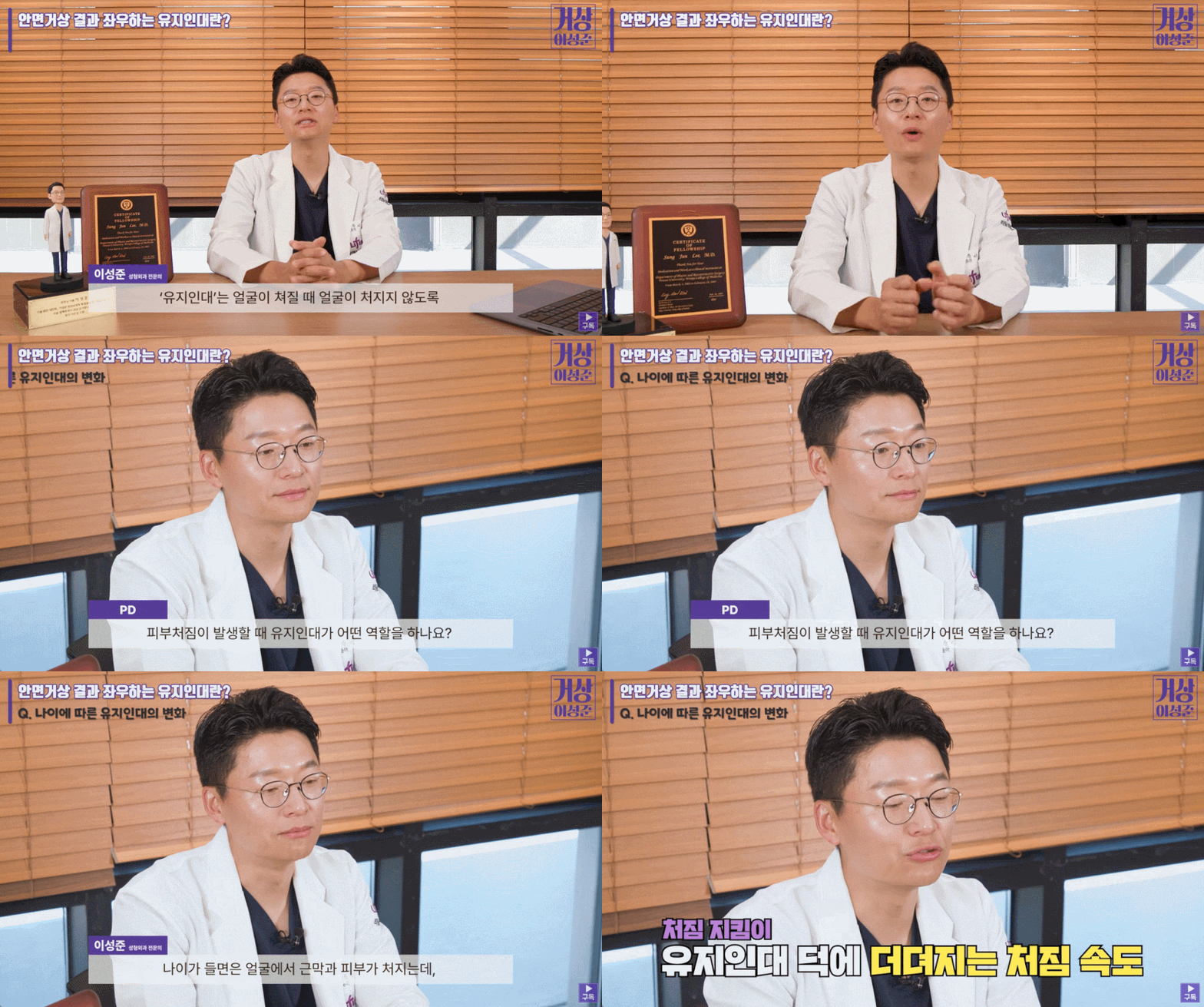
Simply put, a facelift is a procedure that pulls up skin that has sagged and loosened because it could not withstand gravity, restoring it to a firmer state.
Because it directly lifts the skin tissue, it is well known for producing strong results.
The key here is that the procedure should not target only the skin that is visible on the surface, but also the layer that is actually heavily affected by gravity.
It is usually applied when the skin has loosened due to aging, but recently there have been more cases of people in their 20s receiving a facelift after contouring surgery.
The importance of the SMAS layer
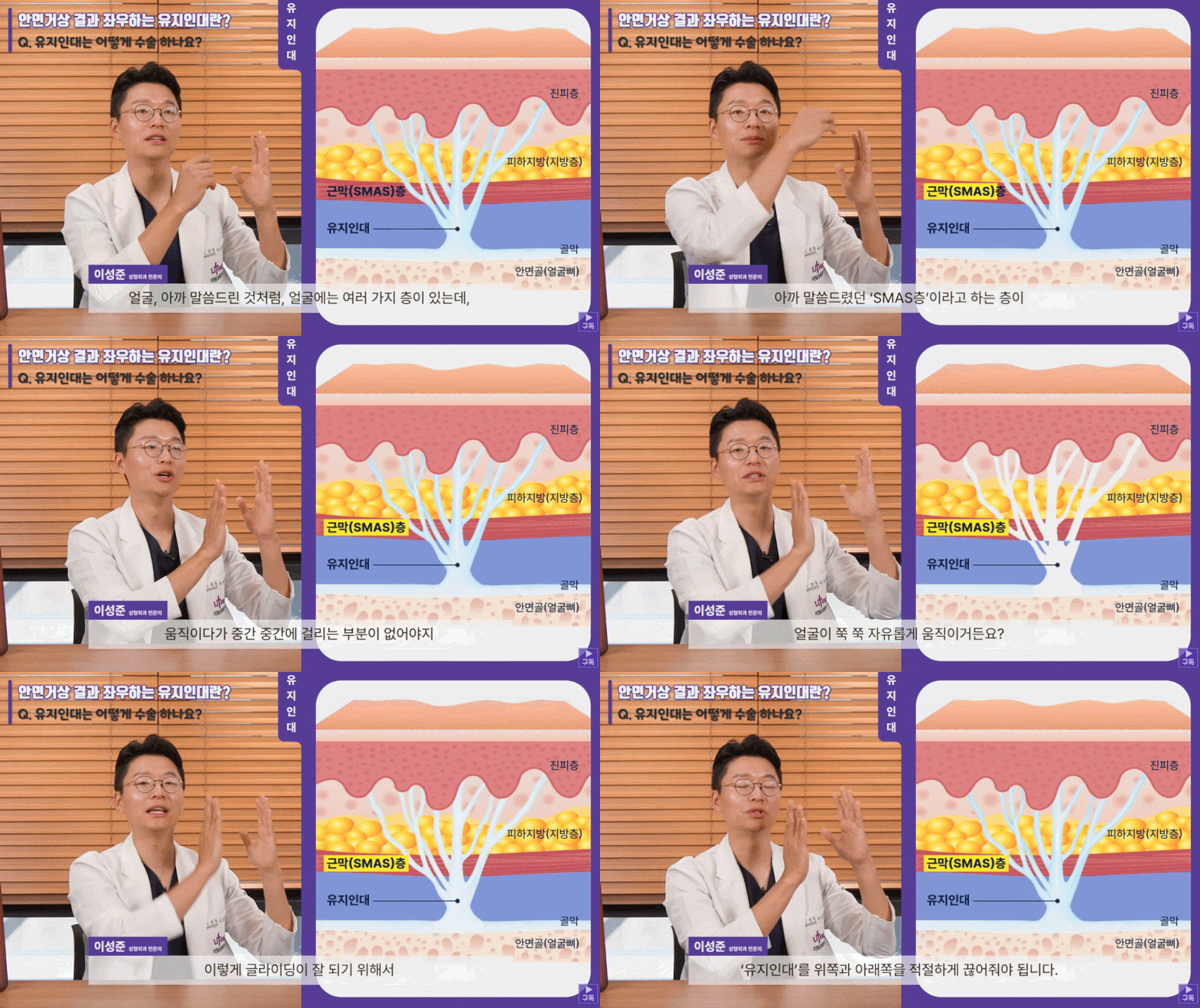
The core layer of a facelift for people in their 20s is the SMAS layer, located between the subcutaneous fat layer and the muscle layer.
The SMAS layer, which is the cause of skin sagging, is a fascial layer made up of thin multiple layers that supports the muscles and skin.
Because it is formed along the grain of the tissue, you must understand that grain in order to pull in the correct direction and secure it firmly.
Only with a deep understanding of the skin and extensive experience with a wide range of cases can the actual lifting area be found easily.
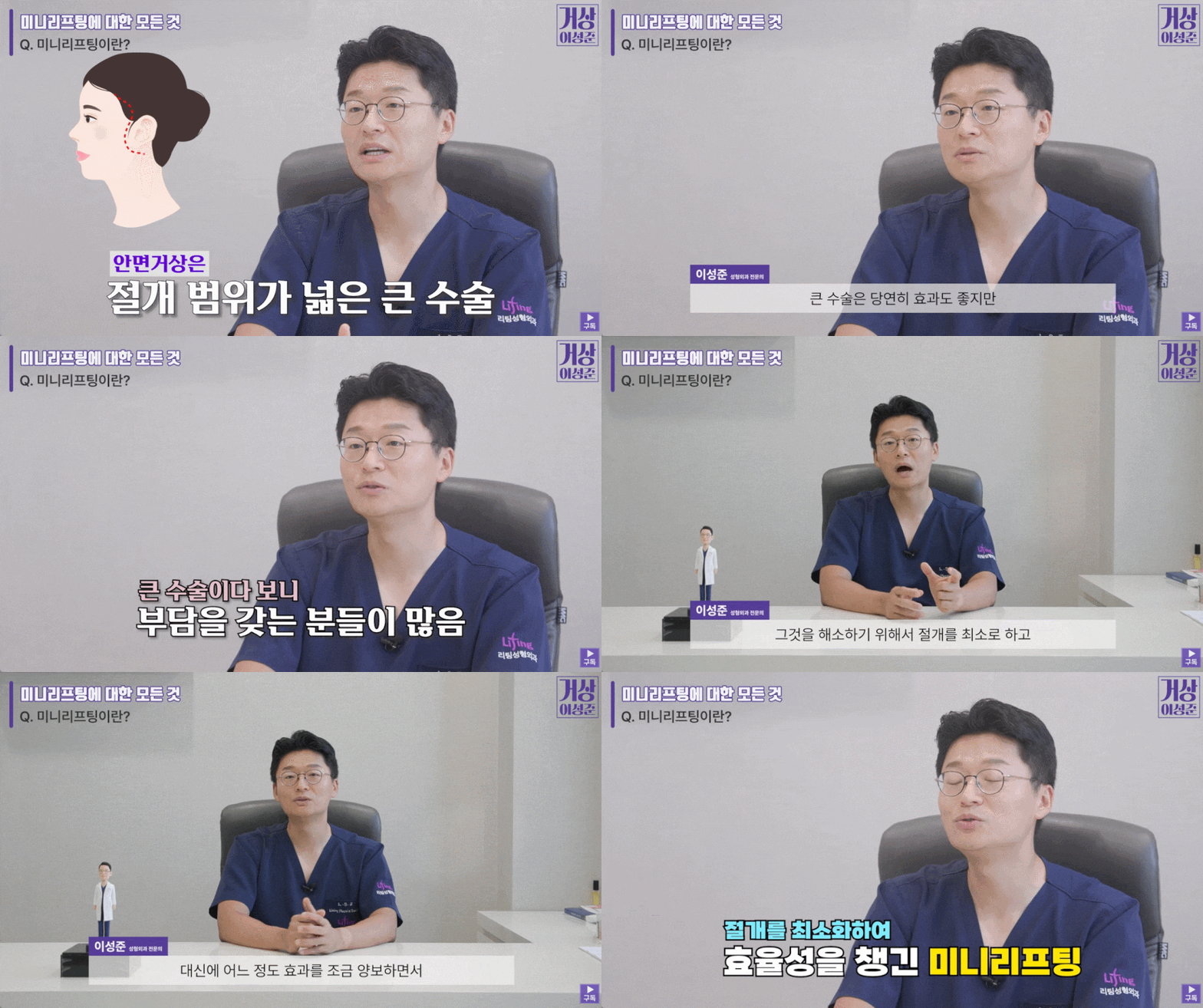
Many people choose a facelift for people in their 20s to improve facial sagging after contouring surgery, but recently more cases have been choosing mini lifting, which offers a quicker effect with less burden.
Mini lifting combines the advantages of a facelift and a procedure-based lift, providing highly efficient lifting effects while reducing the burden of incisions.
By making only minimal incisions on the inner side of the face, recovery time is very short.
It also allows customized lifting for specific areas such as sagging cheeks, nasolabial folds, and asymmetrical jaws, restoring a natural facial line in a minimal amount of time.
It partially achieves the effects of a facelift and combines SMAS-layer lifting techniques, offering a longer-lasting lift, which is why it is one of the lifts many people seek out.
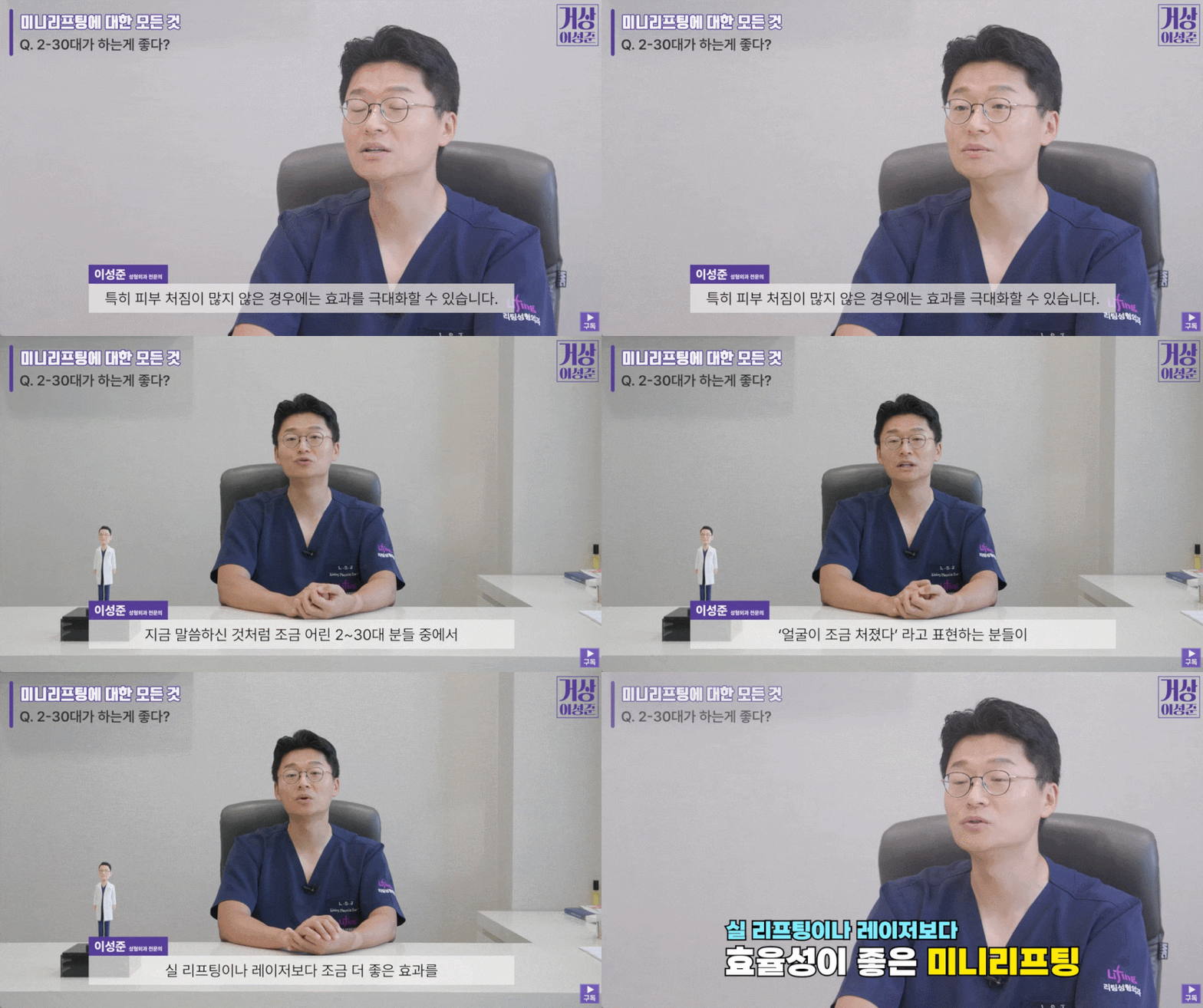
For a facelift in your 20s: facelift vs. mini lifting, which should you choose?
A facelift is suitable when facial sagging is severe overall or when elasticity has decreased significantly, and when a strong, long-lasting result is desired.
On the other hand, mini lifting is recommended when localized sagging occurs after contouring surgery or when the skin still has relatively good elasticity, as in younger people in their 20s and 30s.
It is most important to receive an accurate diagnosis of your condition at a specialized plastic surgery clinic and choose the appropriate procedure based on the skin’s elasticity and the degree of sagging.
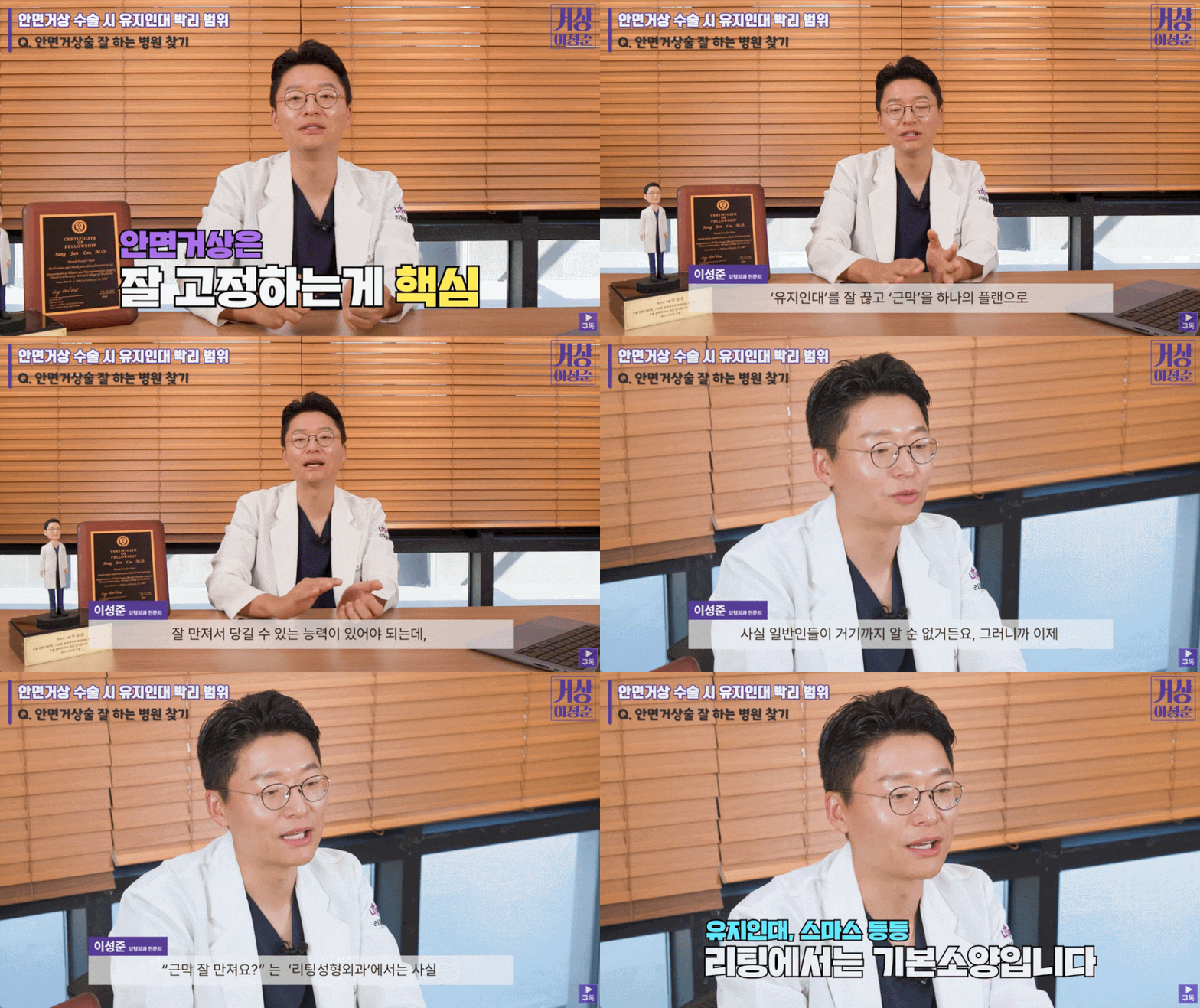
Because it is different from normal aging
If you are worried about skin sagging after contouring surgery, the cause is different from normal aging, so a strong facelift in your 20s is needed.
Other lifting procedures that only pull the surface of the skin are unlikely to deliver results as sufficient as a facelift.
At this point, you need help from medical professionals who can carefully identify the location and role of the SMAS layer and retaining ligaments, and properly dissect them.
For lifting that is long-lasting, natural, and satisfying, we recommend looking for a plastic surgery clinic that specializes in lifting.
Become younger tomorrow than you were yesterday!
If you’re wondering what kind of facelift plastic surgery clinic to choose,