Hello, I am Lee Seong-jun, the chief surgeon at Liting Plastic Surgery Clinic Seoul Branch.
Anyone who is concerned about aging, sagging skin, and wrinkles has probably thought about a facelift at least once.
Among the many lifting methods, it is certainly one that can bring about a powerful change, but many people postpone it because they feel burdened by the incision.
Even with continuous skin care, as long as skin aging does not stop, there comes a day when help is needed.
Today, we will look at facelift surgery pain, as well as the issues many people ask about.
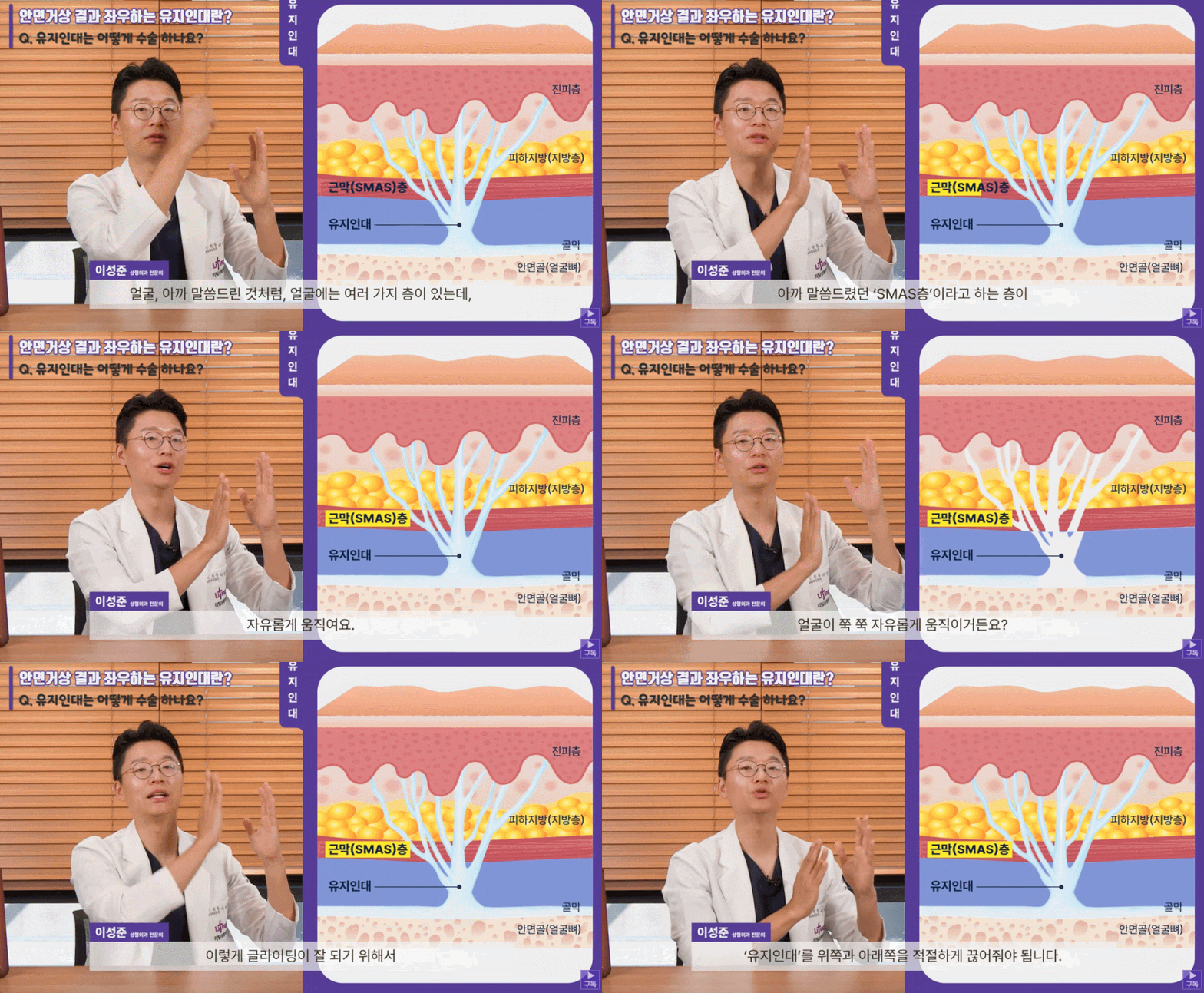
What is a facelift?
As the name suggests, a facelift is a method of lifting and correcting sagging skin across the face.
An incision is made in the area from around the temples to around the ears, the skin and the SMAS, which is the fascia layer, are separated and pulled upward, and then stitched closed.
Unlike laser lifting, which many people receive these days, it has the burden of an incision, but it has the advantage of bringing immediate and dramatic changes.
This is why, especially from middle age onward, more people need it even when facelift surgery pain is taken into account.
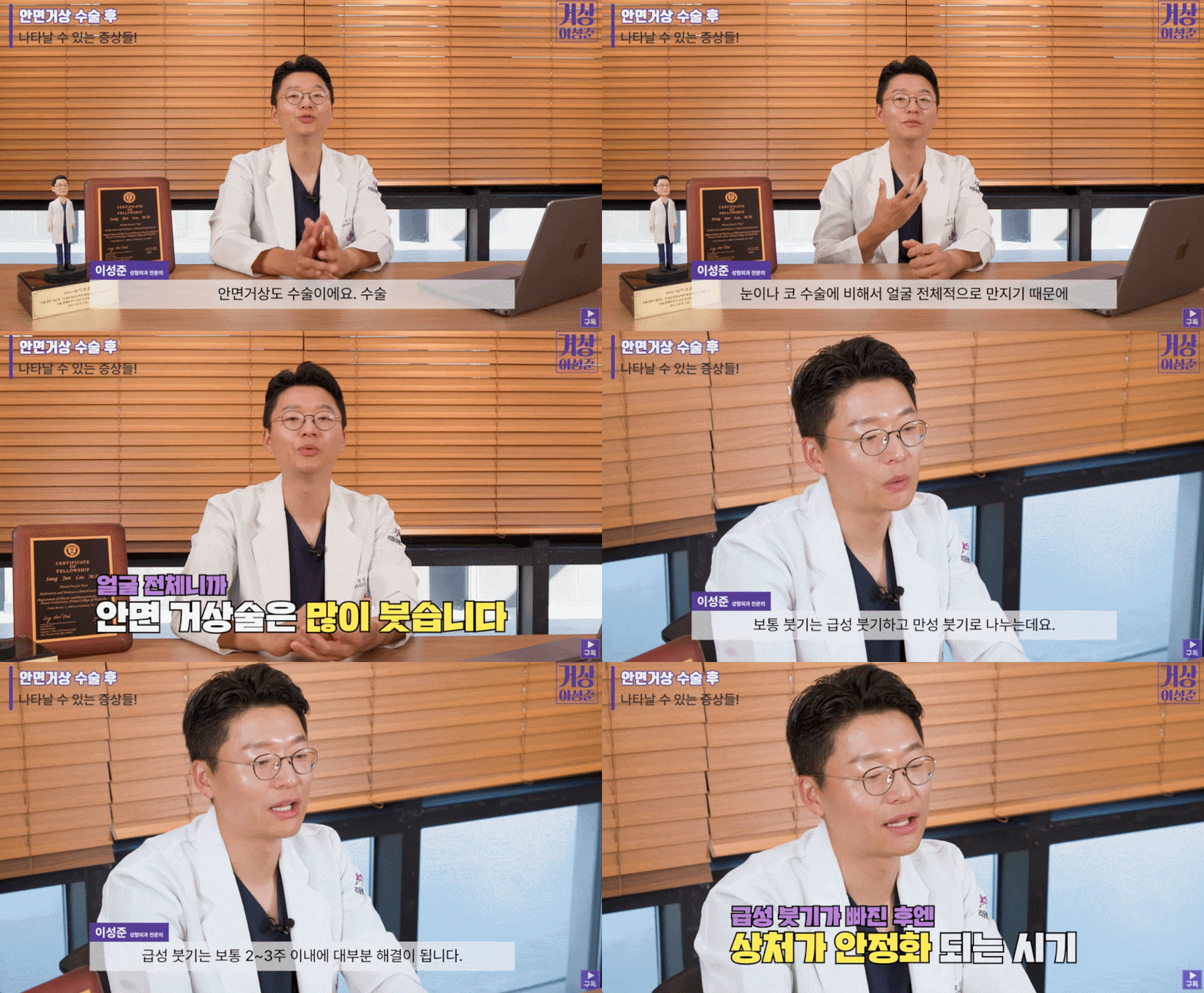
What about pain and swelling?
Because it is a method that lifts the skin across the entire face, facelift surgery pain and swelling cannot be avoided.
Compared with procedures that target only part of the face, such as the eyes or nose, it is natural for swelling to be greater.
Acute swelling generally subsides within 2 to 3 weeks, and then there is a stabilization period that lasts up to 3 months.
After that stabilization period, a period of becoming more natural continues for about another 3 months, allowing the face to adapt.
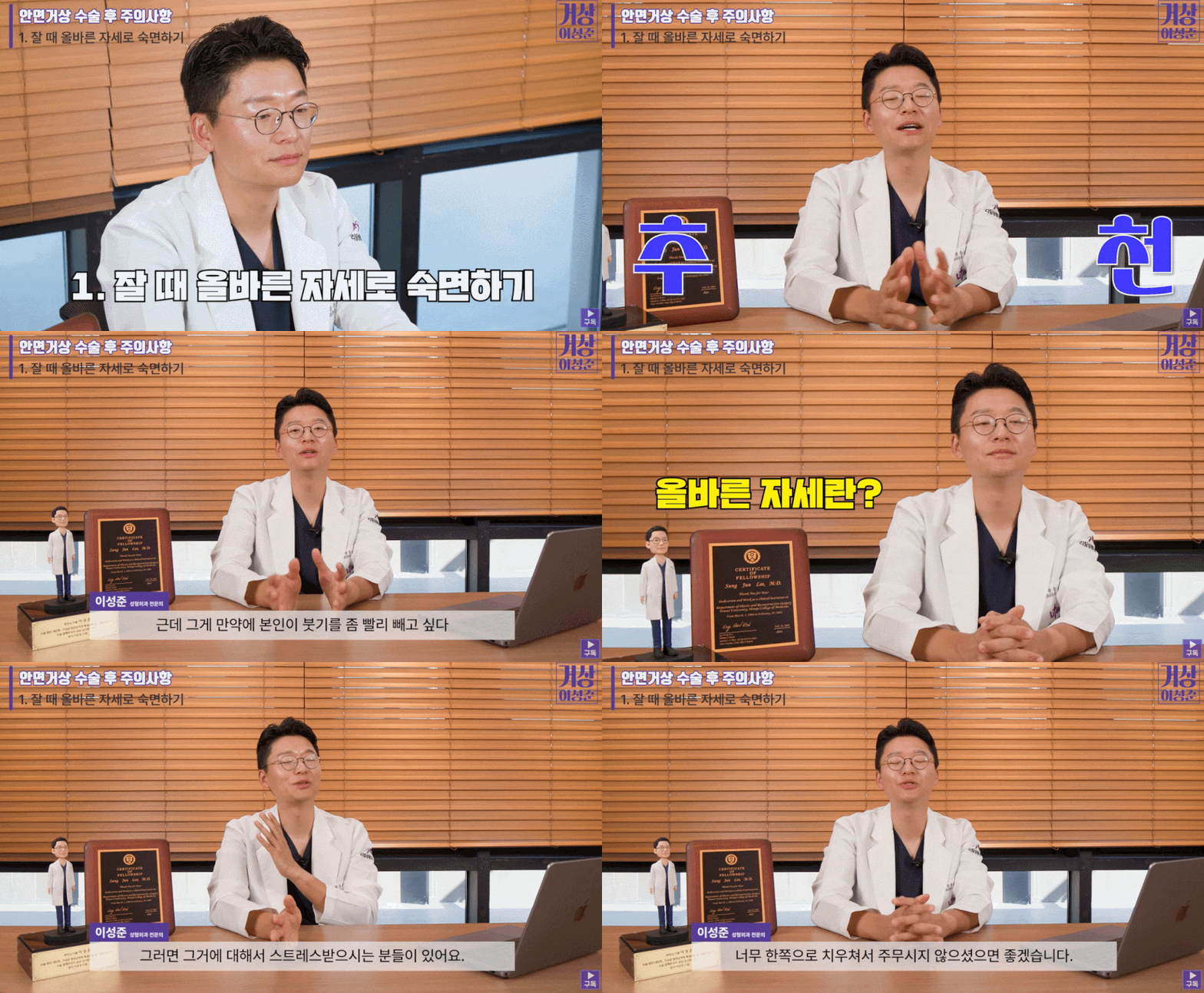
What should you be careful about in daily life?
To reduce facelift surgery pain and recover your condition more quickly, sleeping in the correct position is helpful.
Also, until the internal fascia has healed, it is advisable to avoid opening the mouth wide or doing stretches that move it excessively.
Even if it feels bothersome, touching your face repeatedly can cause irritation, so it is recommended not to touch it as much as possible.
Eating spicy foods can also make the face feel hot, so it is best to avoid them.
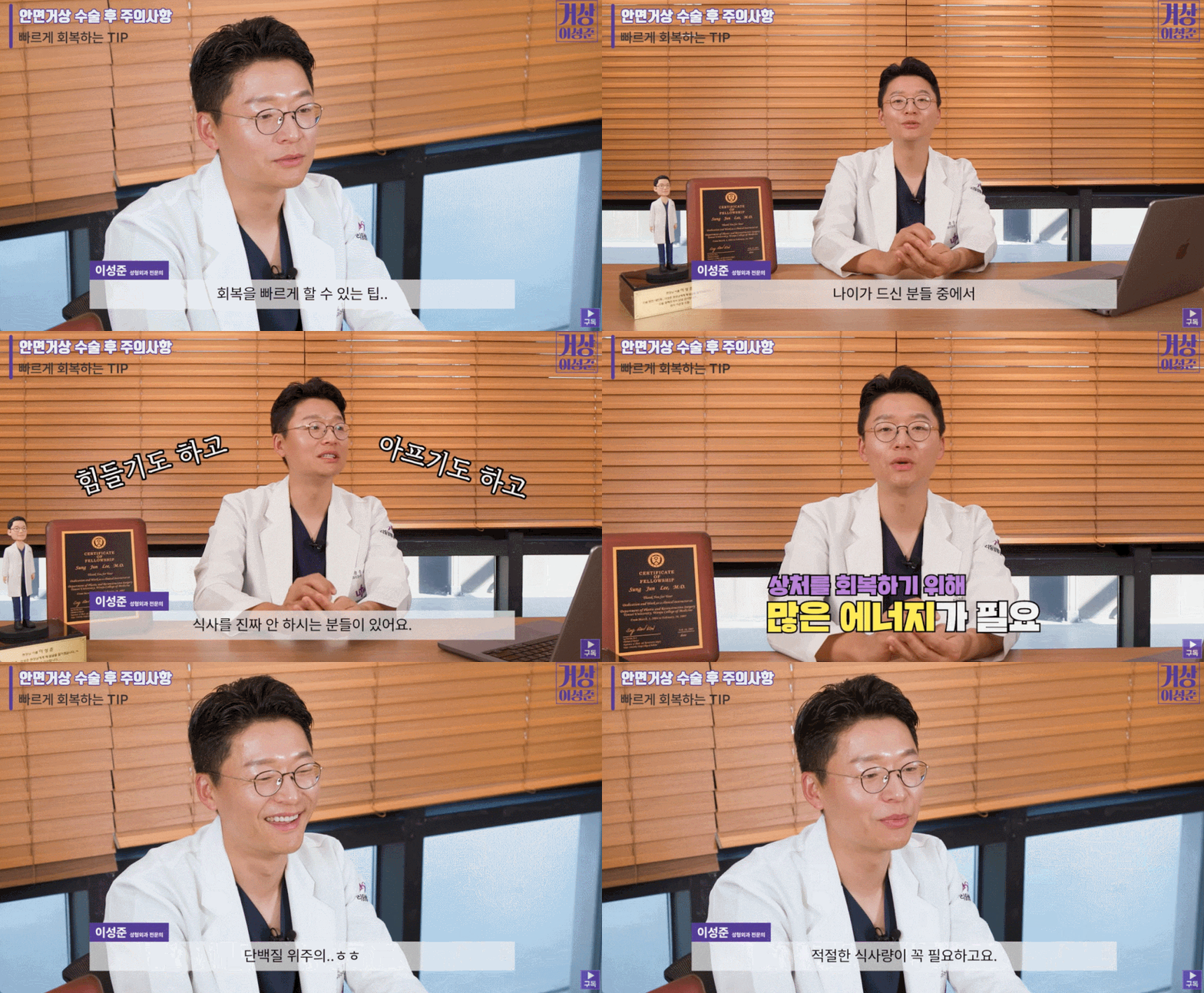
Why nutrition is important
People who undergo a facelift are usually older, so many tend to neglect nutritional intake.
Moreover, after a facelift, some people even skip meals because they cannot be bothered to keep up with eating.
It is important not to forget that healing the wounds created by the incision and stitches requires a considerable amount of energy, and that this energy is supplied through food.
If you rest your body and mind and provide sufficient nutrition through a balanced, protein-centered diet, you can recover your condition more quickly.
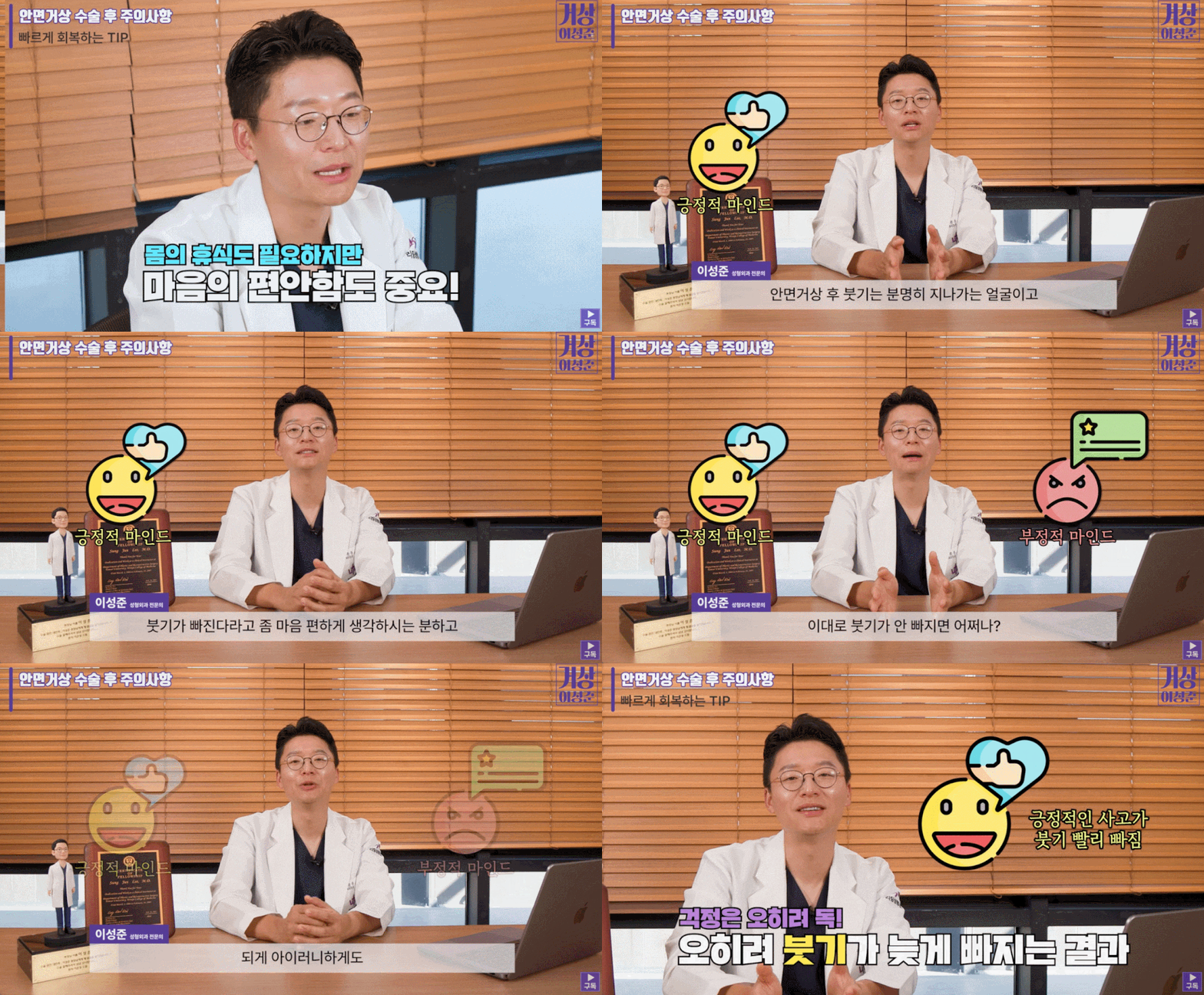
With a positive mindset
As you go through facelift surgery pain and swelling, you may have many thoughts during the stabilization period and the period of becoming more natural.
You may worry that the pain and swelling will continue, and keep thinking about things that have not happened yet.
It is more helpful to recognize that the face during the healing process is different from the face afterward, and to maintain your physical and mental well-being with a positive mindset.
Above all, if you choose a medical team you can trust and have the procedure performed by experienced professionals, you will be able to get through this period with greater peace of mind.
Become younger tomorrow than you were yesterday!
👇A hospital that is good at facelift surgery? We will tell you what makes it different👇