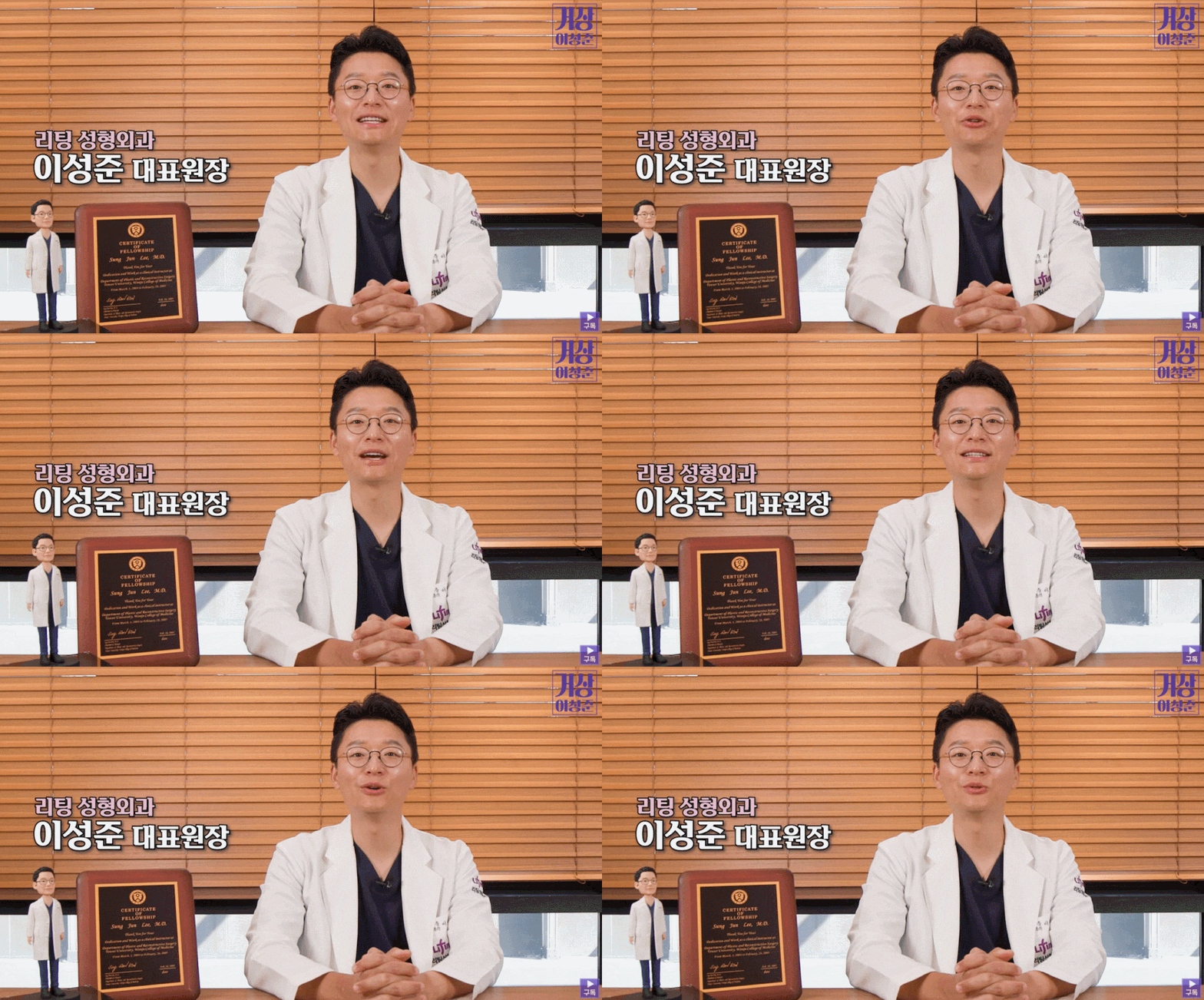
Hello, I’m Lee Seong-joon, Chief Director of the Seoul branch of Reting Plastic Surgery.
These days, with the cold wind that feels like it cuts into the skin, it can be a welcome season for those planning appearance changes such as cosmetic surgery.
That is because recovery can be a bit easier than in summer, when there is more exposure and the hot weather makes management difficult.
There are many different types of cosmetic surgery, but if sagging, loose skin that comes with age is your concern, you may consider a facelift, one method of lifting.
In particular, for people in their 50s and older, facelift results are often much more satisfying than laser lifting procedures such as Thermage or Ulthera.
Today, I’ll explain the pros and cons of a facelift in your 50s and share tips for choosing a medical clinic.

What is a facelift?
A facelift is a surgery that lifts facial tissues affected by sagging skin, directly corrects signs of aging, improves drooping, and tightens the skin and fat.
As we age, the fascial layer and retaining ligaments can no longer withstand gravity, eventually causing the skin to sag and loosen.
By tightening these loosened tissues, you can expect an effect of looking 10 years younger, which is why facelift surgery in the 50s, when aging has progressed substantially, is often performed.
If regular care has prevented wrinkles from forming in front of the ears, surgical help may not be necessary. However, if wrinkles in front of the ears are prominent, it is necessary to lift the overall tension of the skin through a facelift.
How is it performed?
A facelift in your 50s is suitable for people with noticeable signs of aging, such as deep nasolabial folds, forehead and glabellar wrinkles, under-eye wrinkles, neck wrinkles, a weakened jawline, and sagging cheeks.
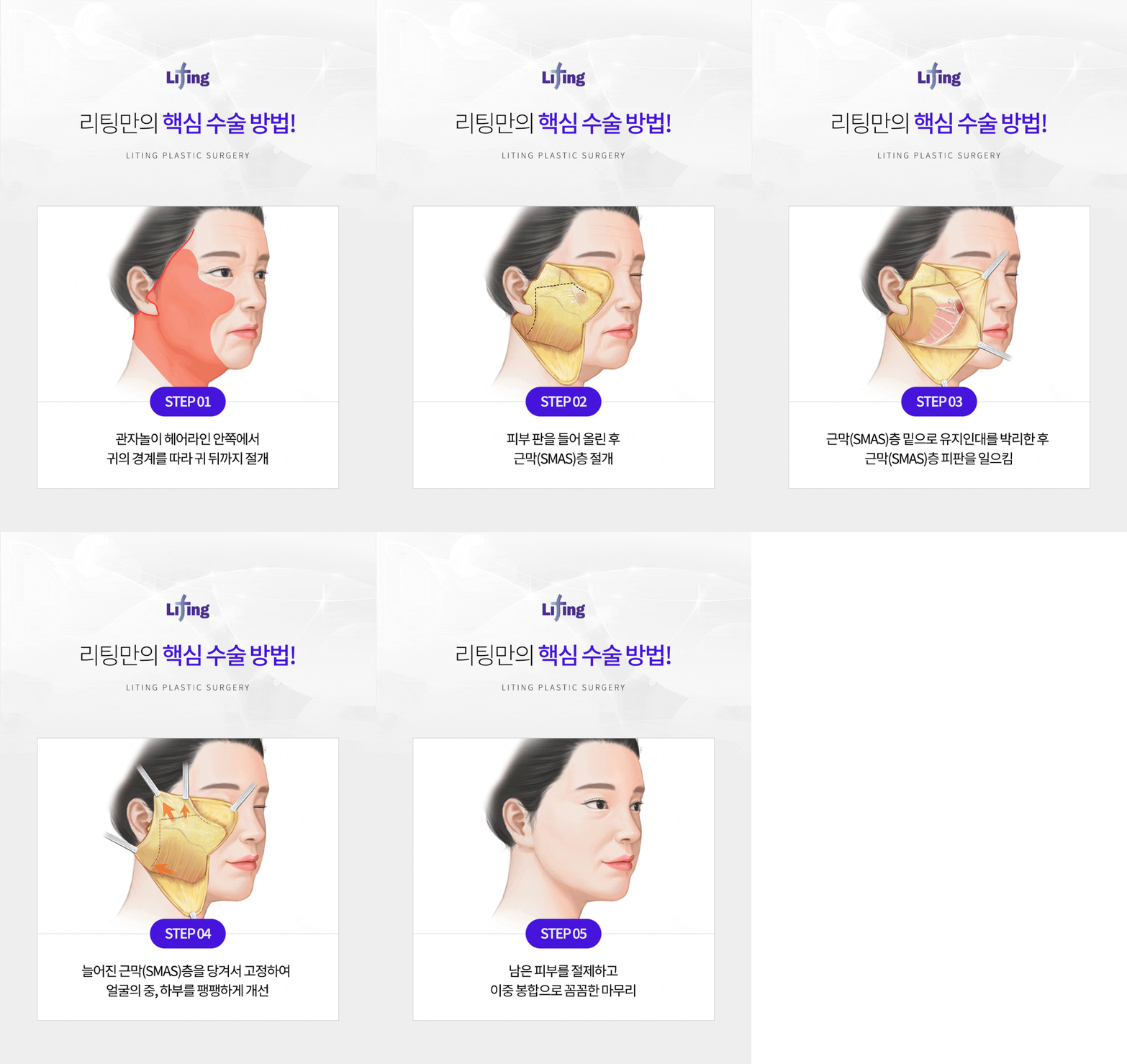
First, an incision is made along the edge of the ear, from inside the temple hairline to behind the ear, and the skin flap is lifted before dissecting the SMAS layer.
After removing the retaining ligaments beneath the SMAS layer, the flap is raised, and the loosened fascial layer is pulled and fixed to tighten the mid and lower face.
After that, the remaining skin is removed and the procedure is completed with careful double suturing.
Because this method involves incising the skin, there is inevitably some burden associated with the surgery itself.
In addition, it requires extensive anatomical knowledge, including of the facial nerves, and sufficient technical skill, so careful selection of the medical team is important.
Will it leave a lot of obvious marks?
As a way to improve sagging cheeks and wrinkles, many people also look into non-surgical procedures such as thread lifting or laser lifting.
Many choose procedures to minimize visible signs while reducing the burden of surgery.
However, a facelift in your 50s, like thread lifting or laser lifting, also naturally transforms the skin into a more lifted appearance and improves the overall look.
That said, the point at which it looks natural is a little different. Lifting procedures are relatively simple methods with no incision or only a small incision, so swelling or bruising does not tend to appear much.
But in the case of surgery, correction is performed through incisions, so swelling and bruising can occur, and it may feel unnatural during the recovery period. However, after enough time has passed, natural-looking results can be seen.
The importance of dissection in key areas
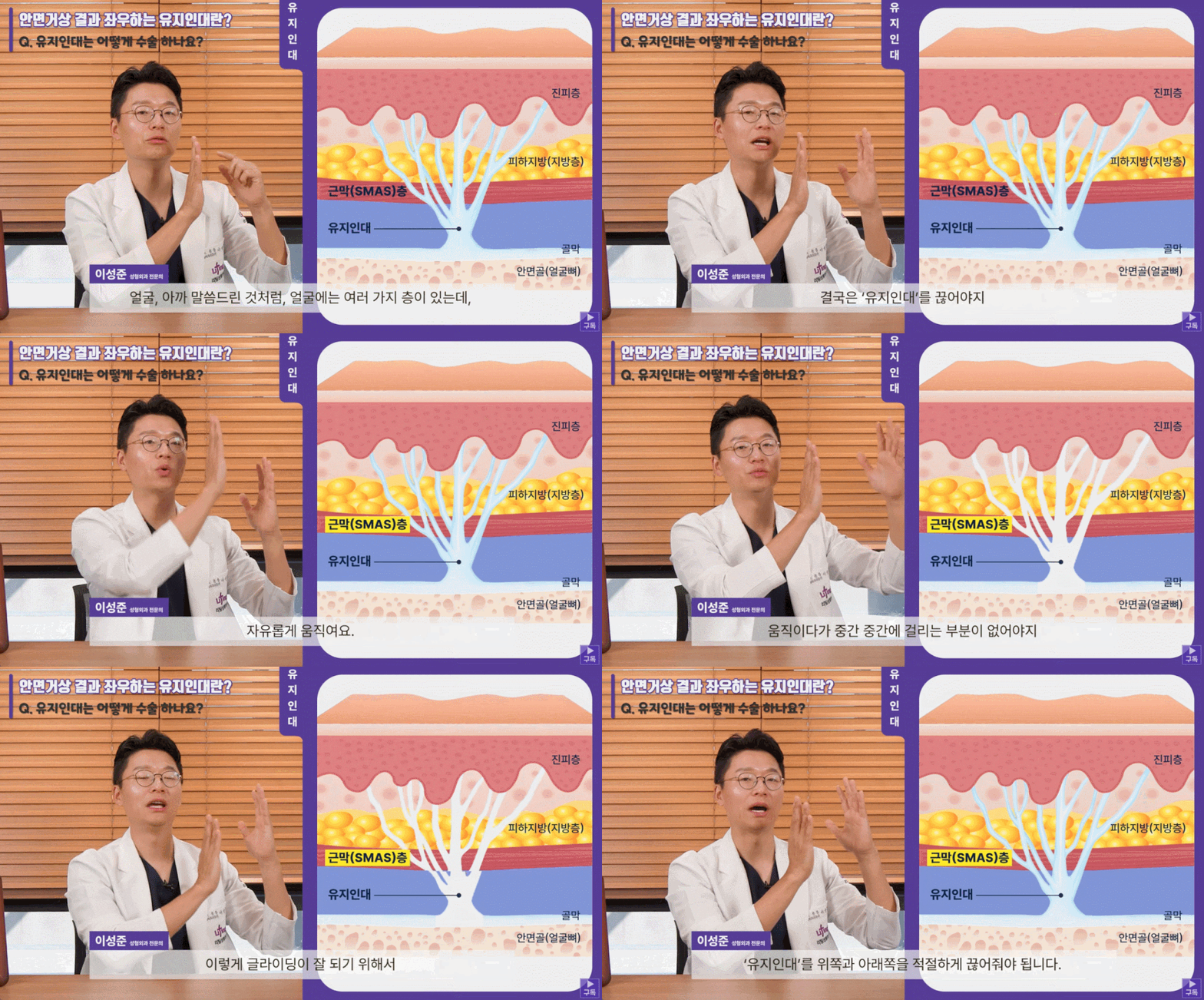
When considering a facelift in your 50s, the most important areas are the SMAS layer and the retaining ligaments.
The fascial layer located between the subcutaneous fat layer and the facial muscles is a key area for lifting, and the retaining ligaments are structures attached from the deep skin layers to the bone, making them decisive factors in sagging.
It is important to quickly find the actual lifting area without damaging surrounding tissues, pull it, and cut the necessary retaining ligaments all at once.
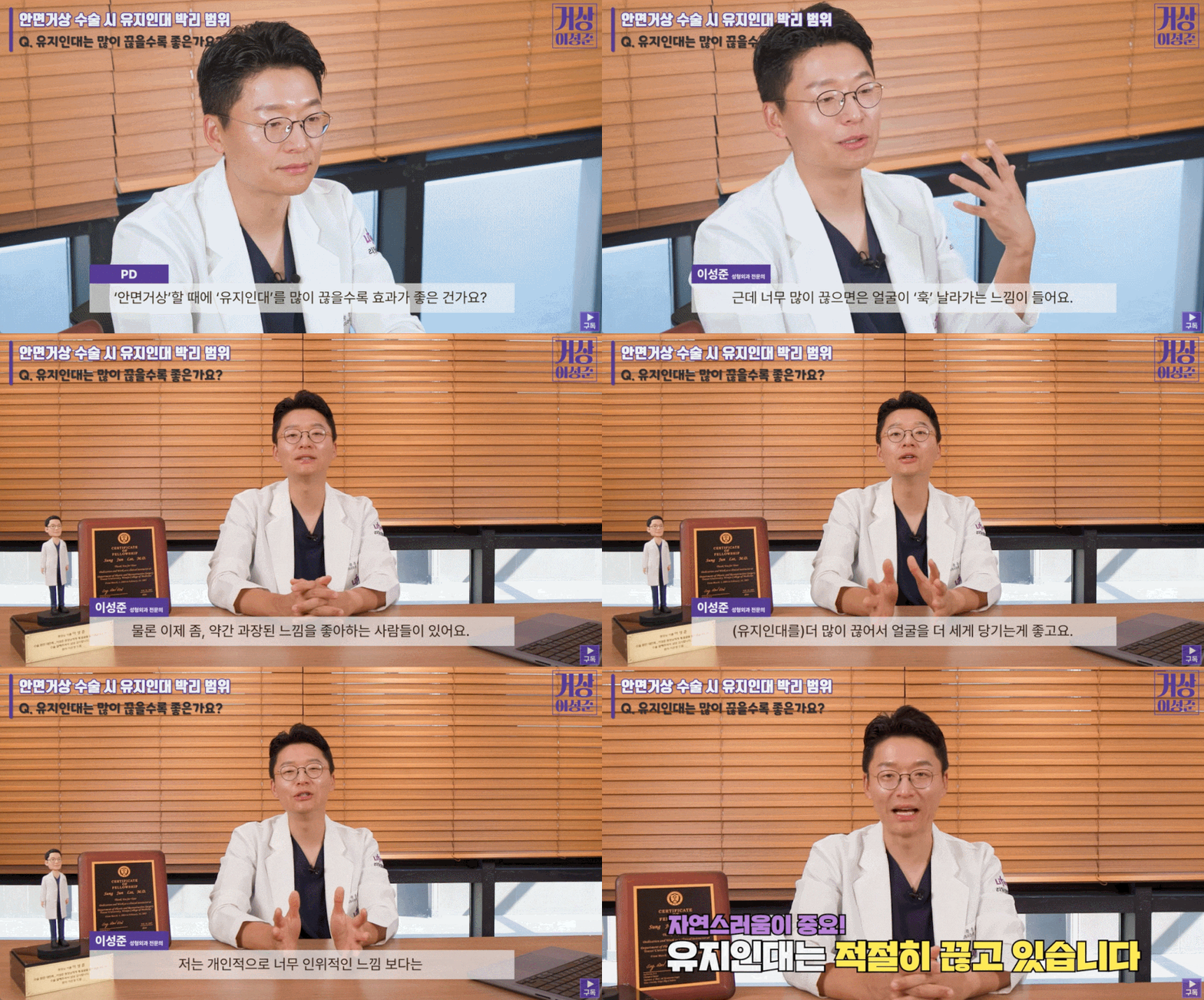
Some people think that the more dissection is done, the greater the effect, but that is a misunderstanding.
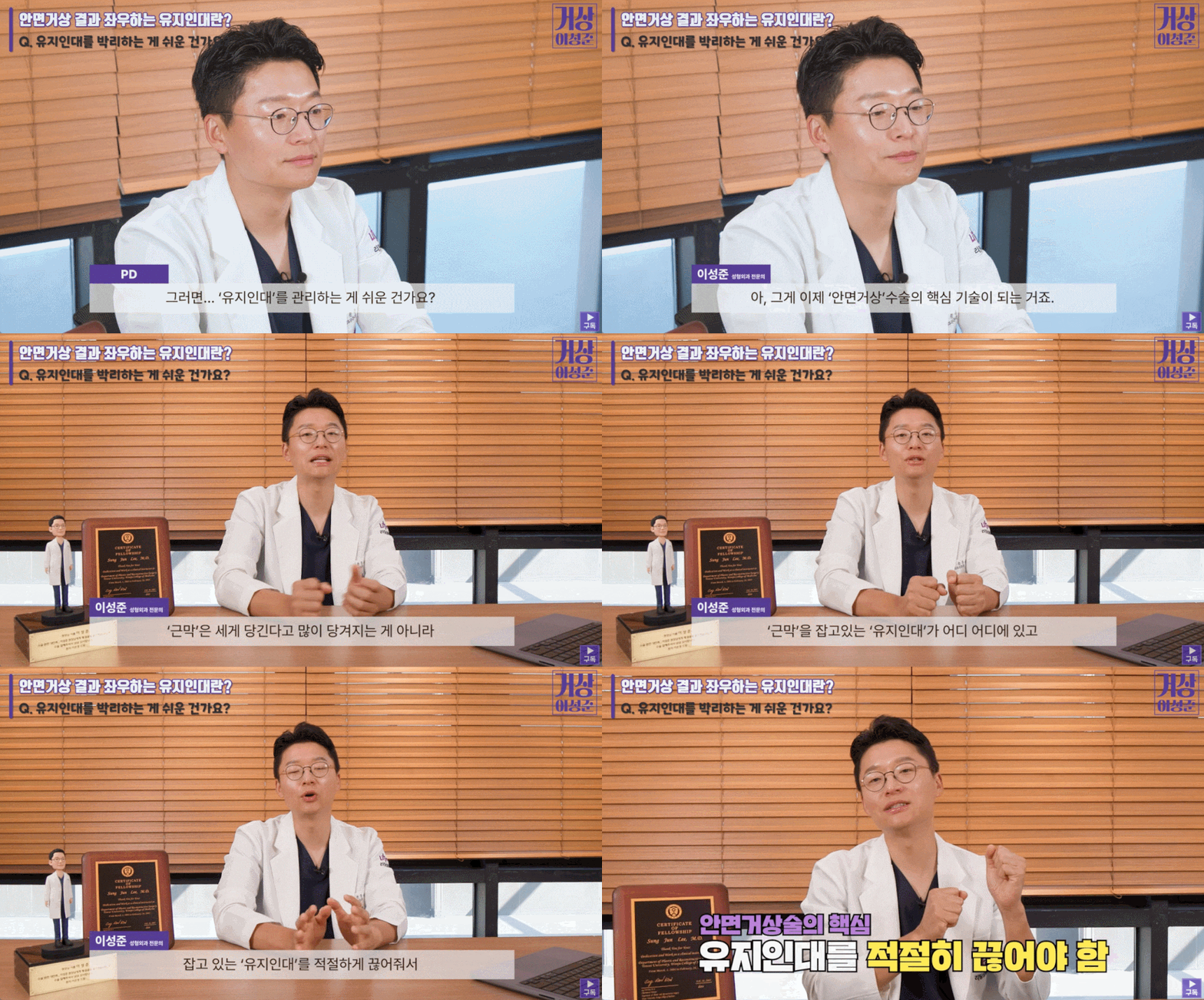
Knowing the direction of the fascial fibers, pulling them firmly into place, and having the skill to cut the retaining ligaments that act as the skin’s support structures in one step are the core of lifting.
The need for a customized solution
To proceed with a facelift in your 50s, a precise examination should first be performed to carefully assess the skin characteristics, wrinkle status, and degree of elasticity in each aging area, and then a systematic, customized plan should be established.
Rather than simply lifting the epidermis or dermis, the muscles and fascial layers must also be pulled up and the excess muscle layer removed to expect a stronger lifting effect.
However, to pull all the tissues beneath the dermis and cut the retaining ligaments at once while reducing swelling and bleeding, the medical team’s extensive clinical experience and skill are absolutely necessary.
Therefore, rather than choosing a place that simply advertises low cost, we recommend proceeding after 충분한 consultation at a plastic surgery clinic with proven skill and expertise.
Who performs it matters.
Our clinic has spent countless hours focusing solely on lifting and developing our techniques, and we perform various types of lifting surgery.
Customized surgery by area is possible, and veteran medical staff with extensive expertise in each procedure take charge to help improve aging.
We also perform partial-incision facelifts depending on the desired area and expected results, and we provide differentiated solutions based on a big-data set of numerous surgical cases.
In addition, we reduce concerns about incision-line marks through double suturing and provide customized care through scar management injections, laser treatment, and Hylight care.
If you are looking for a way to improve a youthful look, volume, and elasticity all at once, we hope you will consider getting help from our clinic, which prides itself on unmatched technique and expertise.
Become younger tomorrow than you were yesterday!
👇 A place that is skilled at SMAS lifting is different 👇