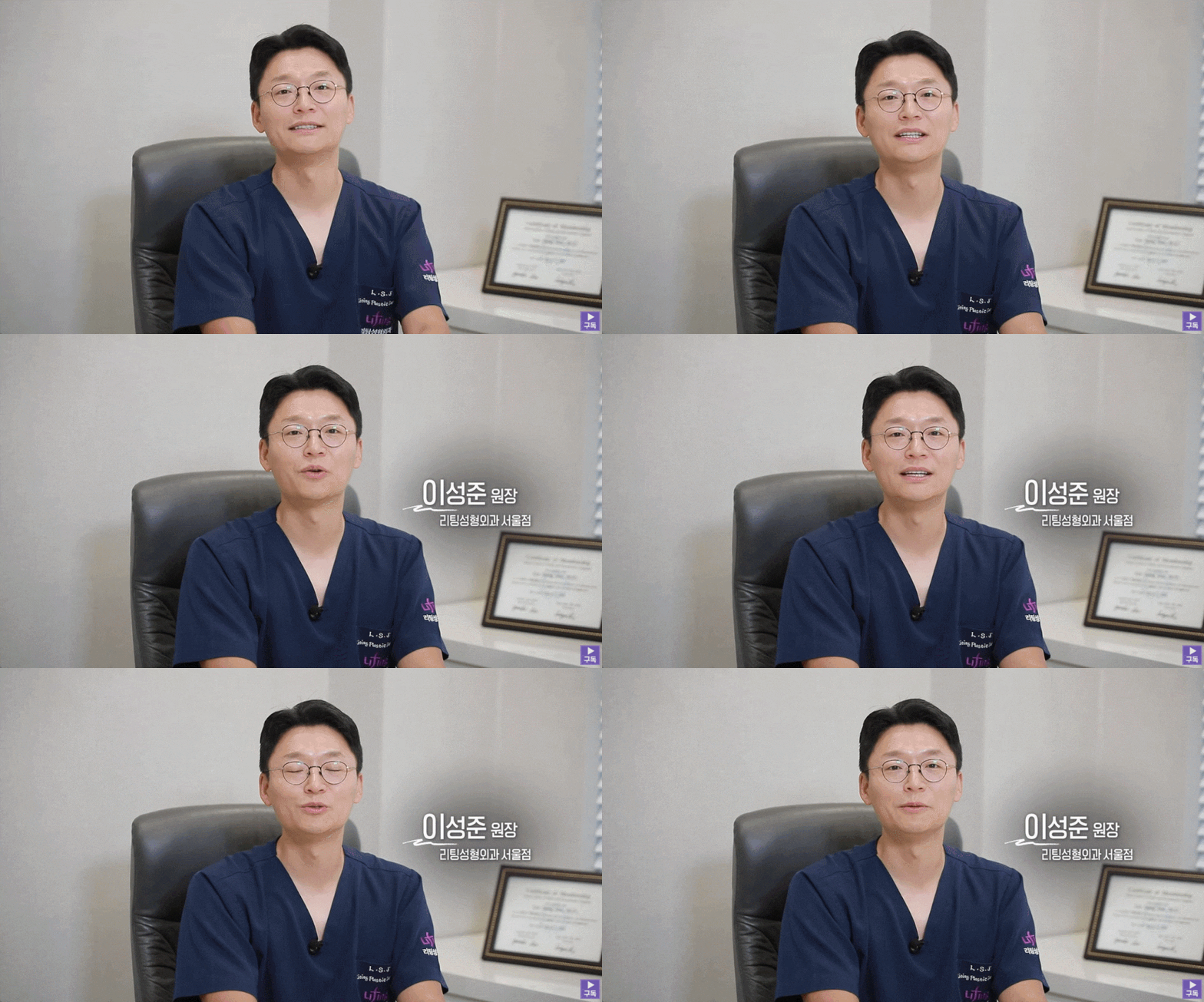
Hello, this is the Seoul branch of LITING Plastic Surgery.
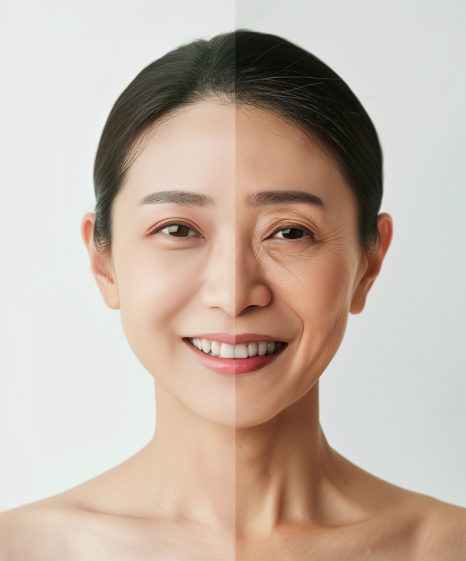

A person’s face
changes little by little
as they get older.
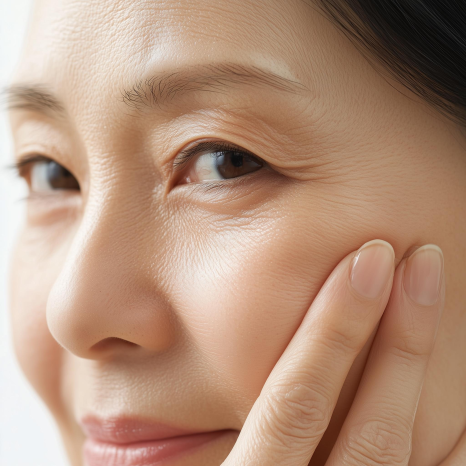
It starts with fine lines, and before long, skin elasticity decreases, the cheeks begin to sag, and the jawline starts to lose its shape.
Especially in the late 30s, collagen that supports the skin decreases rapidly, and you begin to notice that the person in the mirror looks different from before.
In your 40s, skin sagging accelerates even more, sometimes making you look older than your actual age,
and once you enter your 50s, clear signs of aging become even more noticeable.
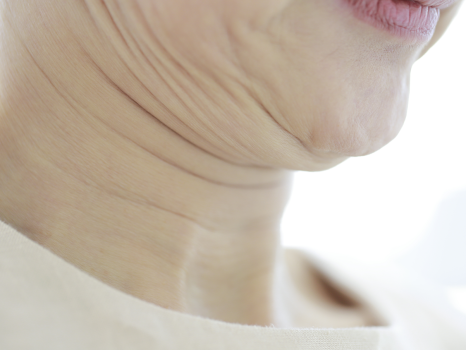
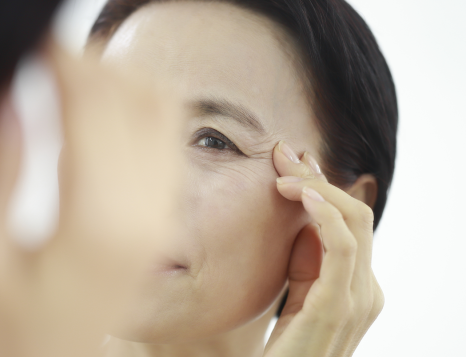
As more people live with these concerns, the LITING team took some time during a break to talk about these worries.
Then shall we begin? 😊
LITING Plastic Surgery Seoul Branch
Today’s Short Talk
Facelift & Lifting
| | First, it is important to understand how aging progresses. The skin is largely made up of the epidermis, dermis, fat layer, and fascial layer. The epidermis protects the skin from the outside, while the dermis contains sweat glands, sebaceous glands, blood vessels, nerves, and hair follicles, helping to supply nutrients. The fat layer helps maintain body temperature and store energy, and the deepest fascial layer connects the facial skeleton and skin while protecting blood vessels and nerves. In particular, collagen, which plays an important role in facial elasticity, decreases as aging progresses, causing wrinkles and sagging. |
| | So, in your 20s, you may not feel any major issues, but as you enter your 30s and then your 50s, collagen and elastic fibers in the skin decrease, and the fat layer also changes, causing the face to sag! |
| | That’s right. At first, wrinkles mainly appear in areas where facial muscles are used, but as aging progresses, the entire face sags downward. This becomes even more noticeable when the fibrous tissue in the fat layer loosens or swelling occurs. As these changes progress, non-surgical methods that only pull the surface may have their limits. |
| | Then the lifting method should also differ depending on the degree of aging. For example, in the early stages, a lifting procedure without worrying about scars would be useful, but if aging has progressed, a more fundamental improvement seems necessary. |
| | Yes, that’s right. In the early stages, we recommend methods such as thread lifting, which restore skin elasticity without incisions. Recovery is also quick and it does not interfere with daily life, making it suitable for mild sagging. However, when skin sagging has progressed further, a mini lift is recommended. This method reduces the burden of incisions while aiming for longer-lasting results and quicker recovery. |
| | But when aging progresses and the entire face sags and the contour changes, what should be done? |
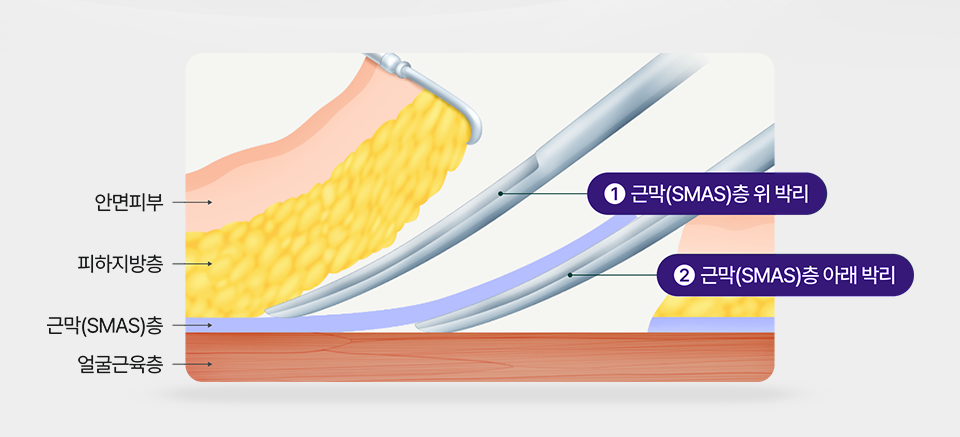
※What is the SMAS layer?
A thin fascial layer located beneath the skin
| | In that case, most places would recommend a facelift. A facelift targets the fascial layer and retaining ligaments that sag under the influence of gravity due to aging. This surgery involves dissecting and making incisions in the area, then tightly lifting the loose skin. The key is to precisely identify and lift internal structures such as the fascia (SMAS) and retaining ligaments. In this process, each tissue must be handled delicately according to its grain without excessive dissection in order to achieve natural results without bleeding or swelling. |

| | So it would be important for experienced medical staff to carry out this process in detail. If there is still insufficient volume in the skin after lifting, considering additional fat grafting or liposuction to create a natural contour could also be an option. |
| | That’s right. Each procedure, such as a facelift or mini lift, is applied in a detailed way depending on each person’s skin condition and degree of aging. If you are concerned about moderate or more severe sagging and loss of facial contour, a facelift or V-neck lifting may help with sagging in both the face and neck. |
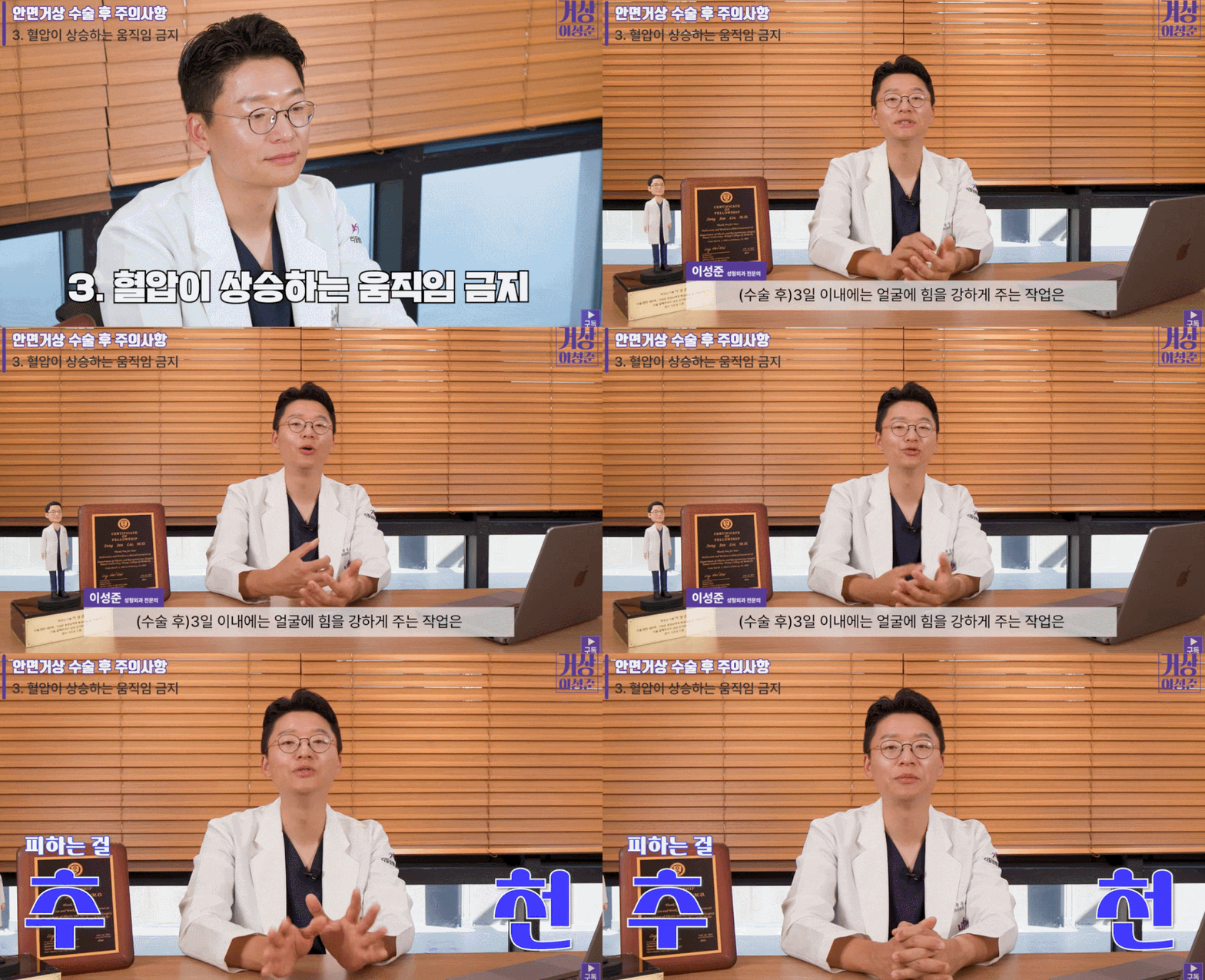
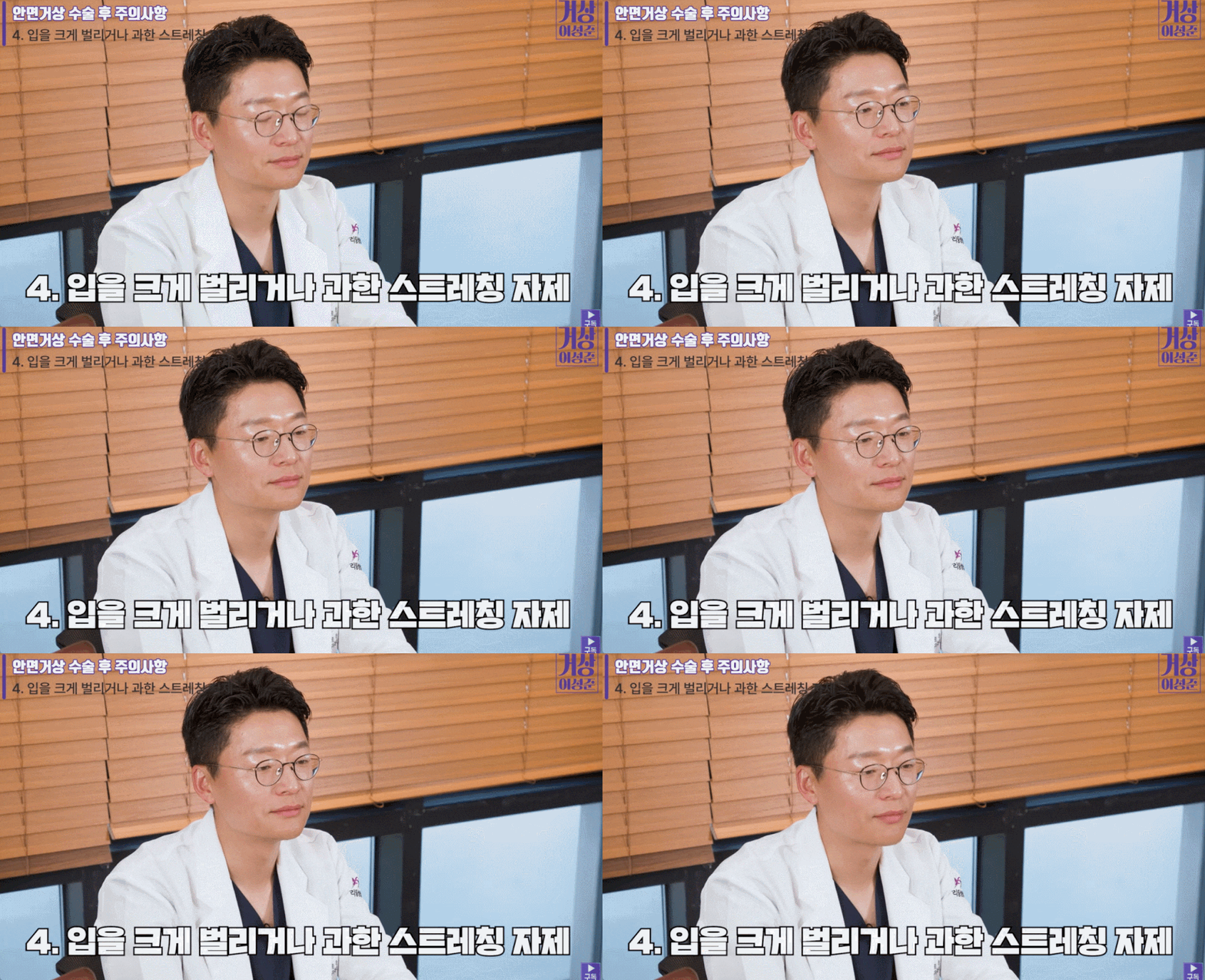
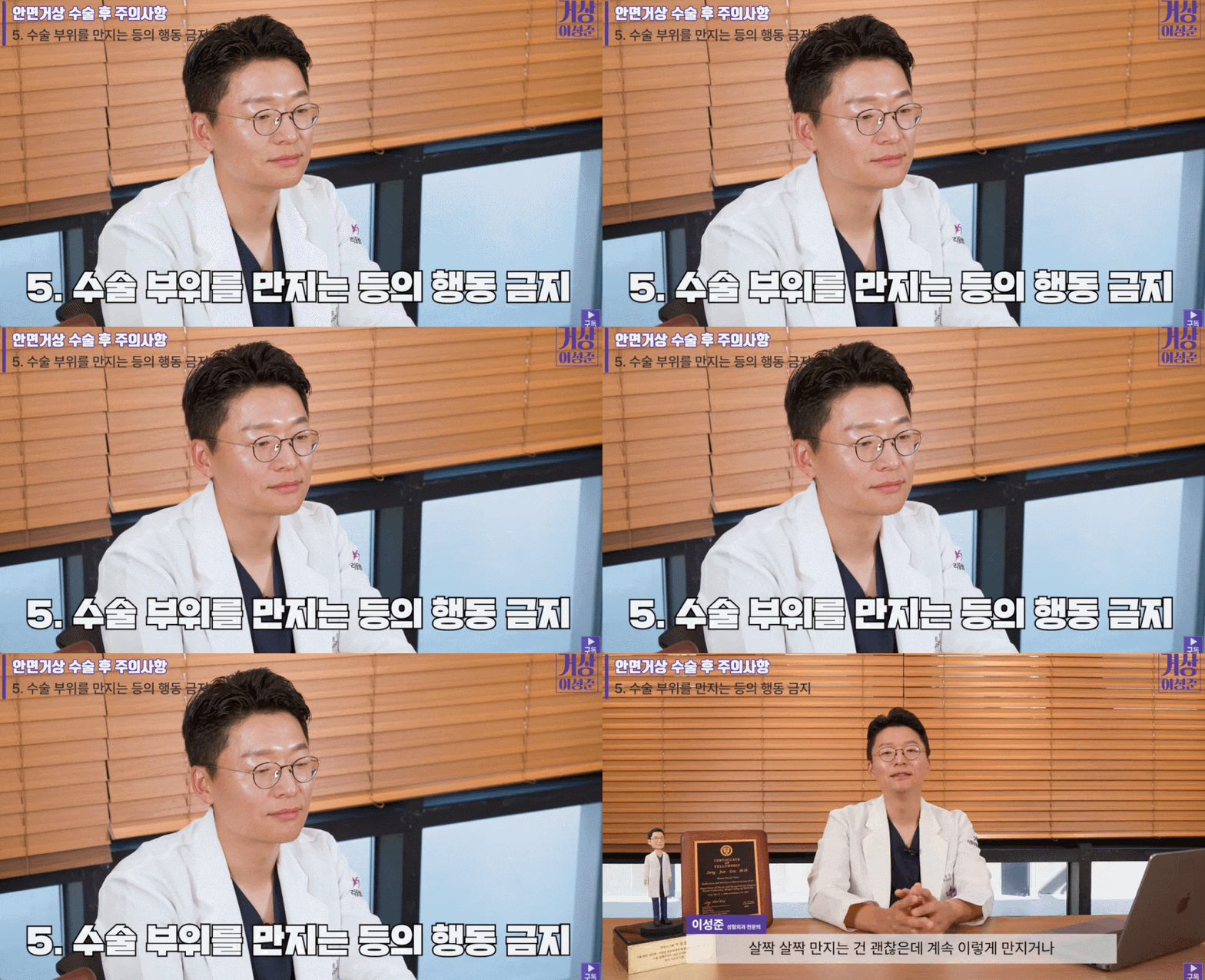
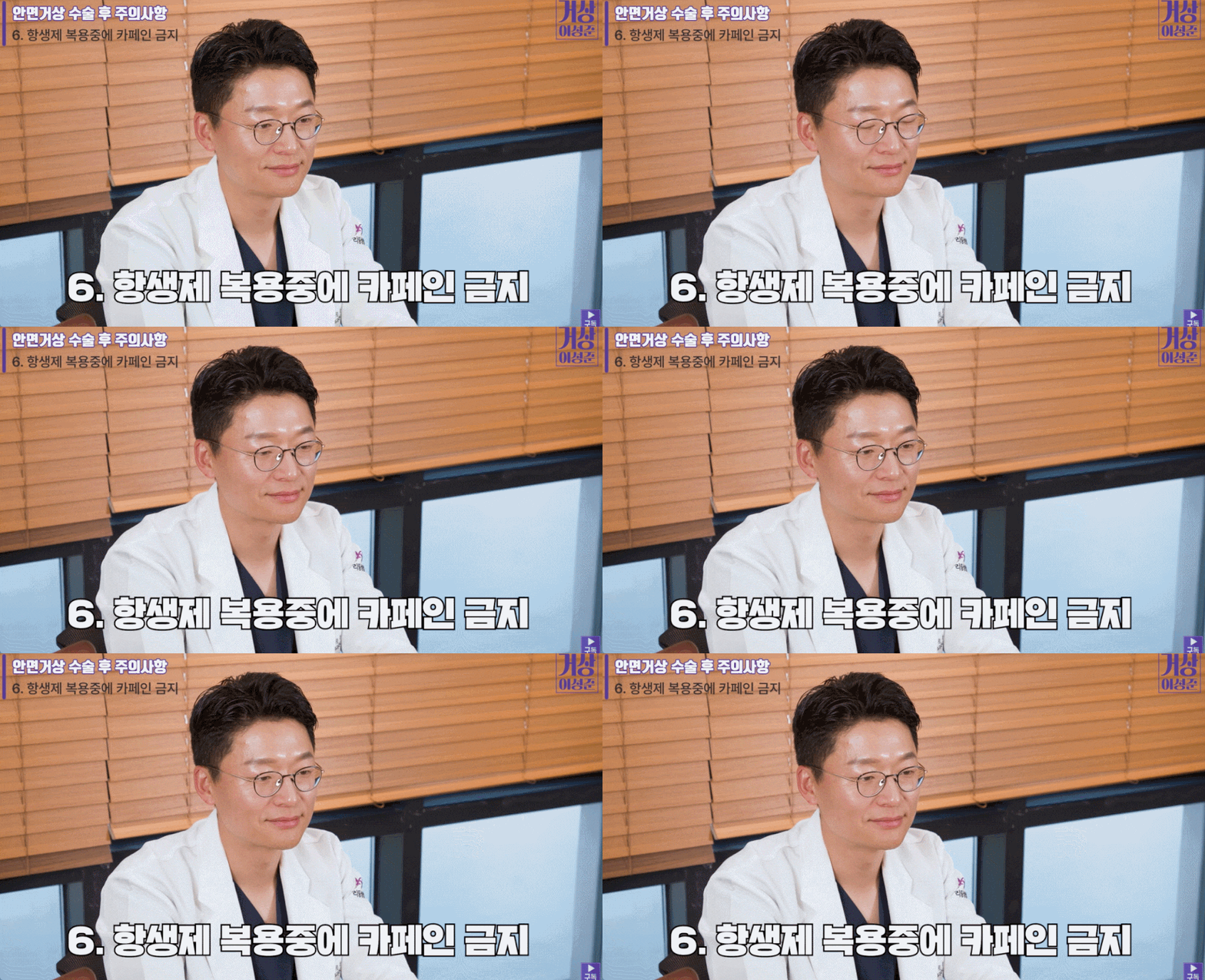
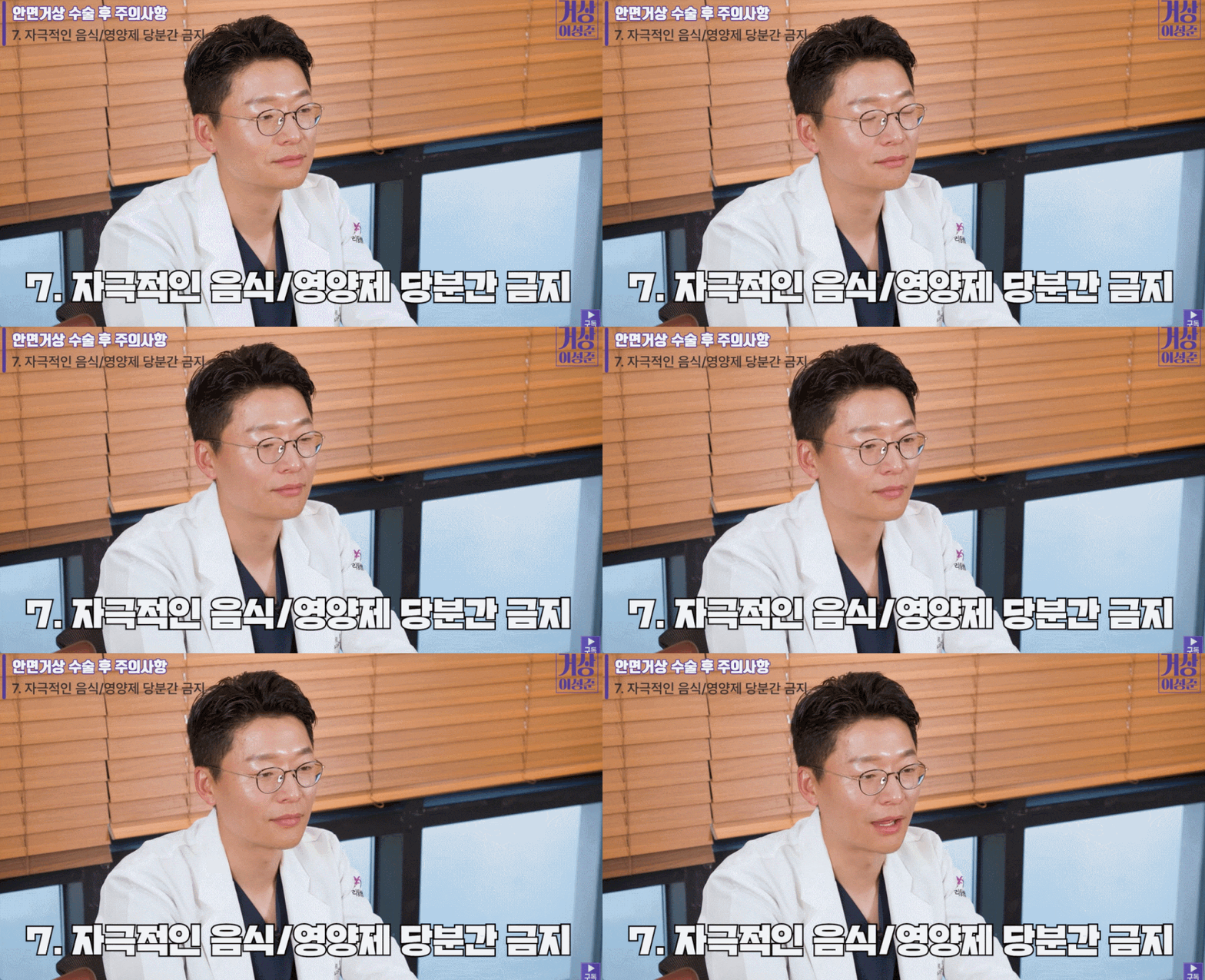
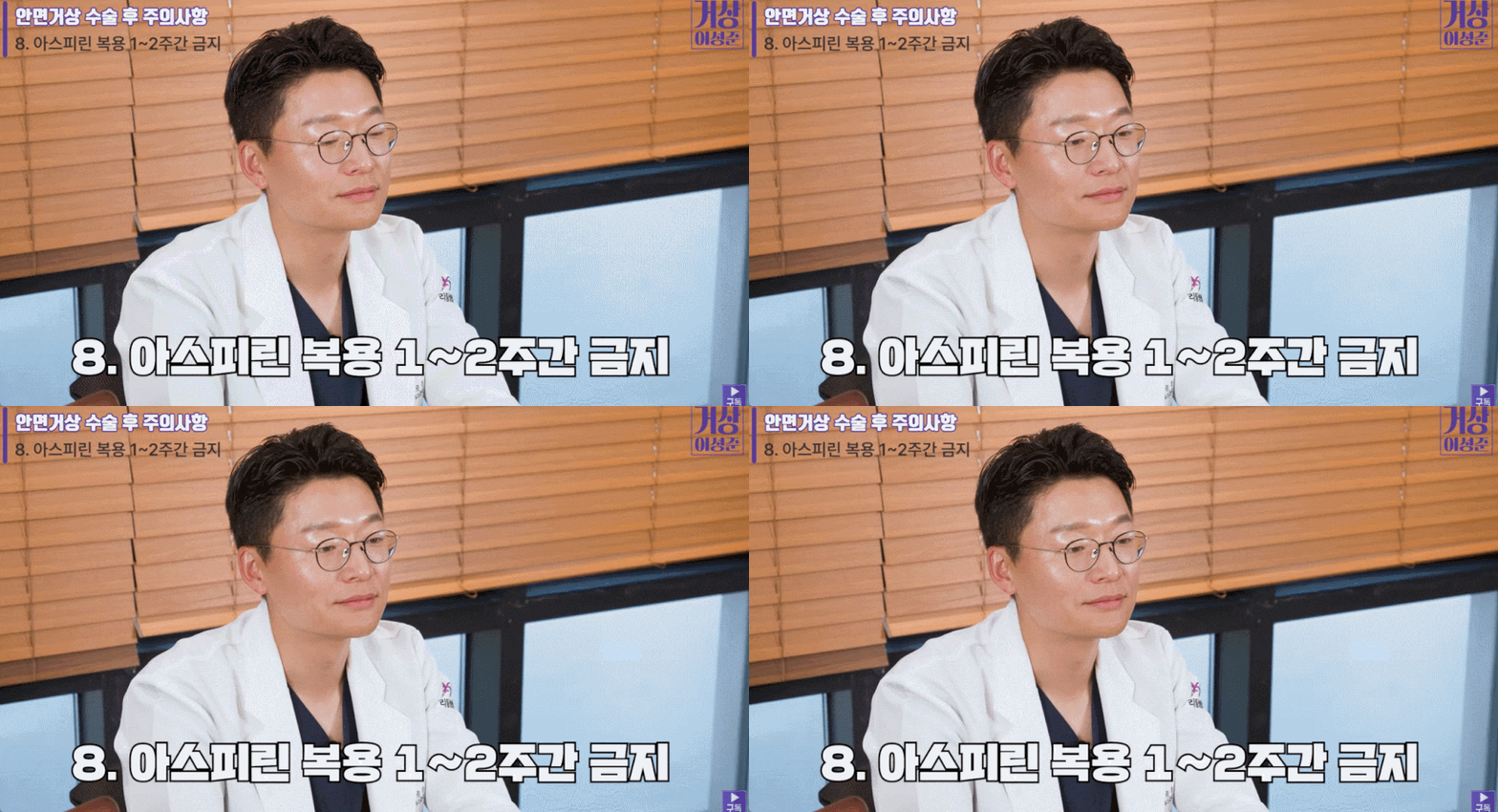
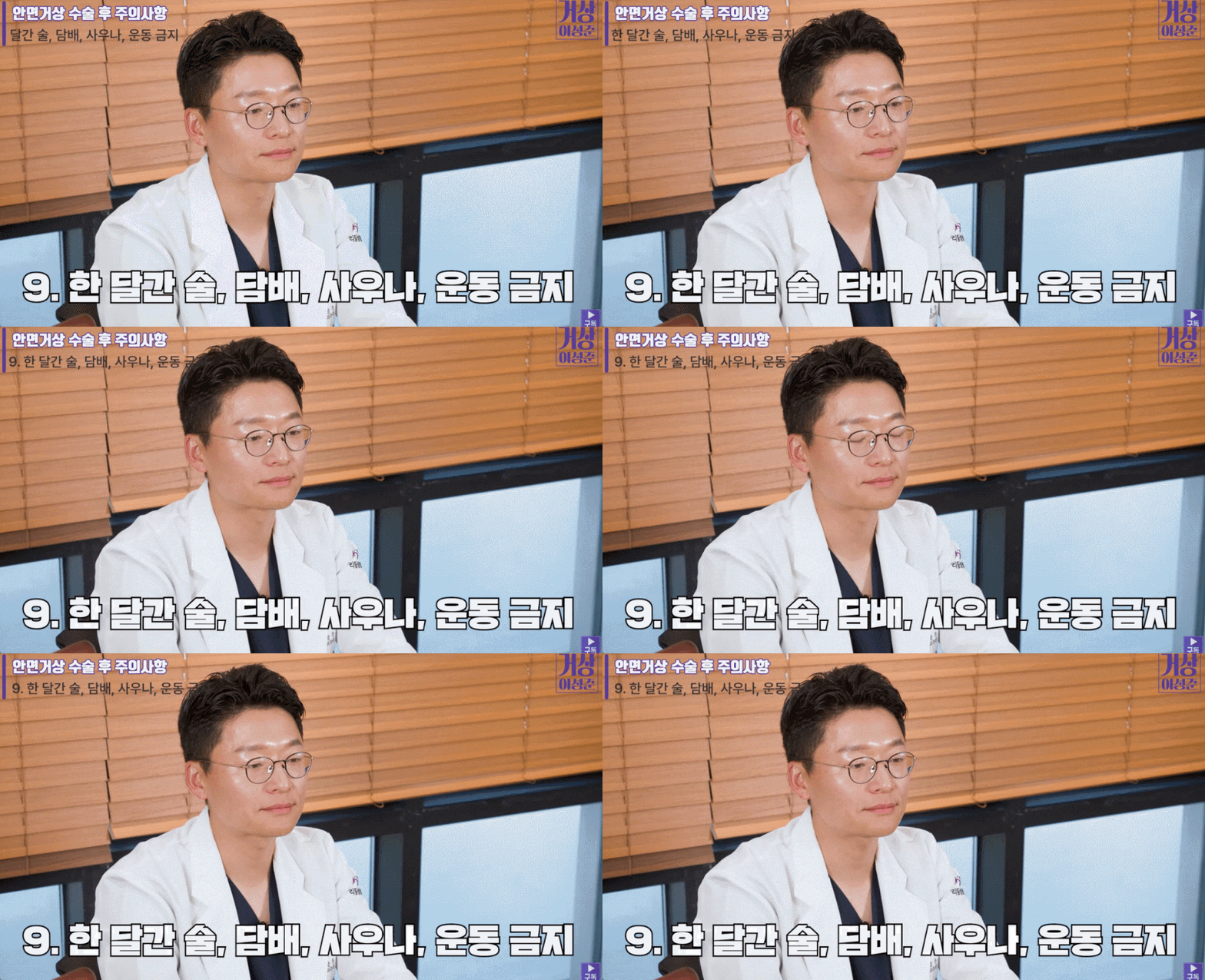
| | Then some caution would also be needed in post-surgery care. For example, during the first 1–2 weeks after surgery, you need to be careful when washing your face, avoid excessive facial expressions or external impact, and refrain from smoking and drinking. |
| | Yes, that’s right. After surgery, sufficient rest, adequate hydration, and regular follow-up examinations to check your recovery are very important for stable healing. To help maintain the lifted skin for a long time after surgery, combining it with non-surgical care methods can also be helpful. |
| 🚨Wait a moment here! Check the post-surgery precautions in the video |
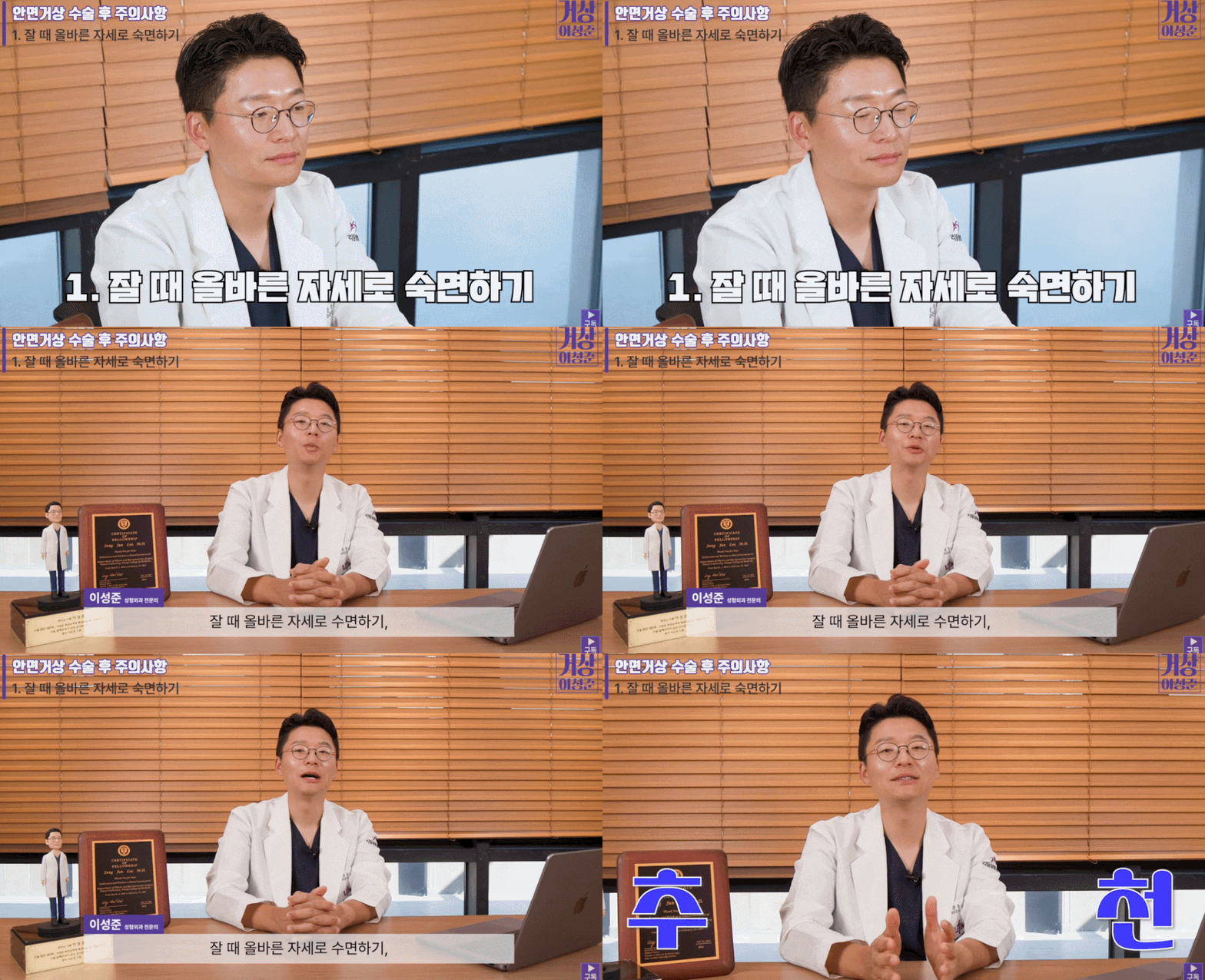
| | As mentioned in today’s conversation, skin aging is made up of changes in multiple tissues, from the epidermis to the fascial layer. Therefore, rather than simply improving surface wrinkles, it is important to seek structural changes in the face through overall lifting that includes the fascia and retaining ligaments. |
| | Hearing about the principles and application examples of each surgical method like this, customers will likely be able to make the right choice for their own aging condition. |
| 3-second way to diagnose facial aging! |

Did today’s LITING Short Talk help clear up your questions?
Going forward, we will continue to help address our patients’ concerns with objective information, without exaggeration.
We hope today’s conversation will be helpful to those considering facelifts and various lifting techniques.
If you have additional questions, it does not have to be LITING Plastic Surgery—please be sure to ask a nearby plastic surgery clinic that focuses on lifting.
Please leave simple questions in the comments!
Thank you.


LITING Plastic Surgery
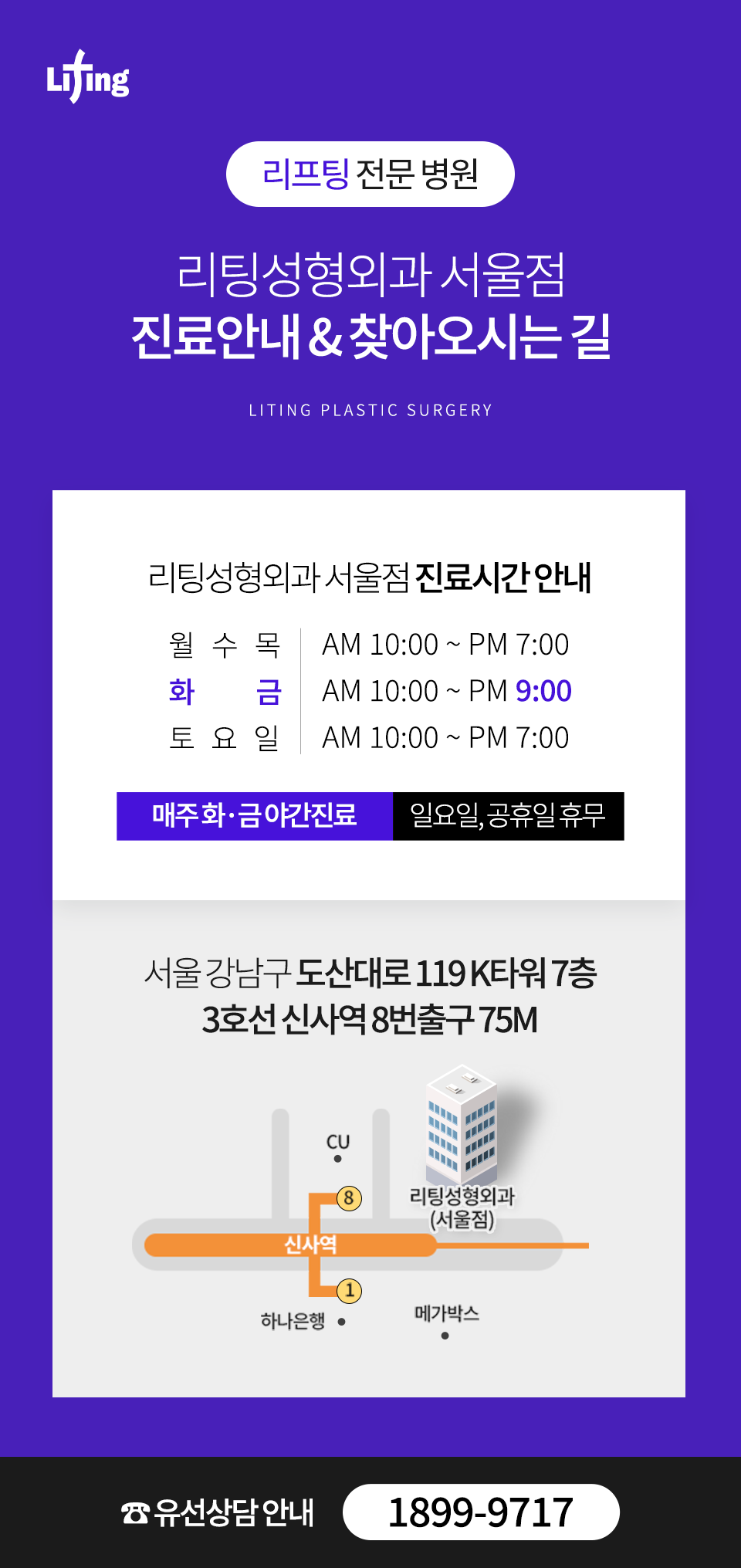
Clinic Information & Directions