Hello.
I’m Lee Seong-jun, the chief director of the Seoul branch of Liting Plastic Surgery.
Many people, as they enter their 40s,
begin to pay attention to skincare because
wrinkles start to appear and sagging becomes noticeable.
So they often undergo procedures such as lasers, thread lifting, Ulthera,
and Tenshima,
but continued procedures can become a financial and psychological burden,
and as aging gradually accelerates later on,
many begin to feel the limits of procedures alone.
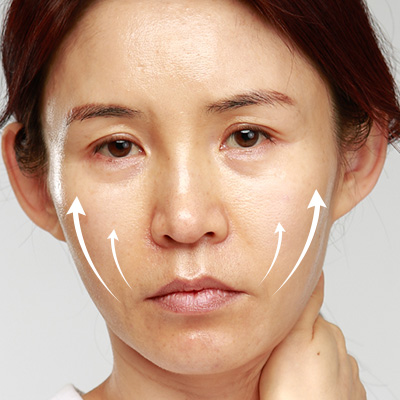
Along with these concerns,
as time passes and aging continues into middle age,
some people decide to slow the aging process with a facelift.
A facelift refers to a lifting surgery that pulls up sagging, loosened facial skin caused by aging to make it firmer.
Because a facelift is a major surgery that involves direct incisions on the face,
I think many people worry about which clinic to choose.
A Gangnam lifting clinic that performs facelifts well
must precisely handle and secure the fascial (SMAS) layer and the retaining ligaments.
Today’s post will explain the fascial layer and retaining ligaments,
which are the key elements of a facelift.
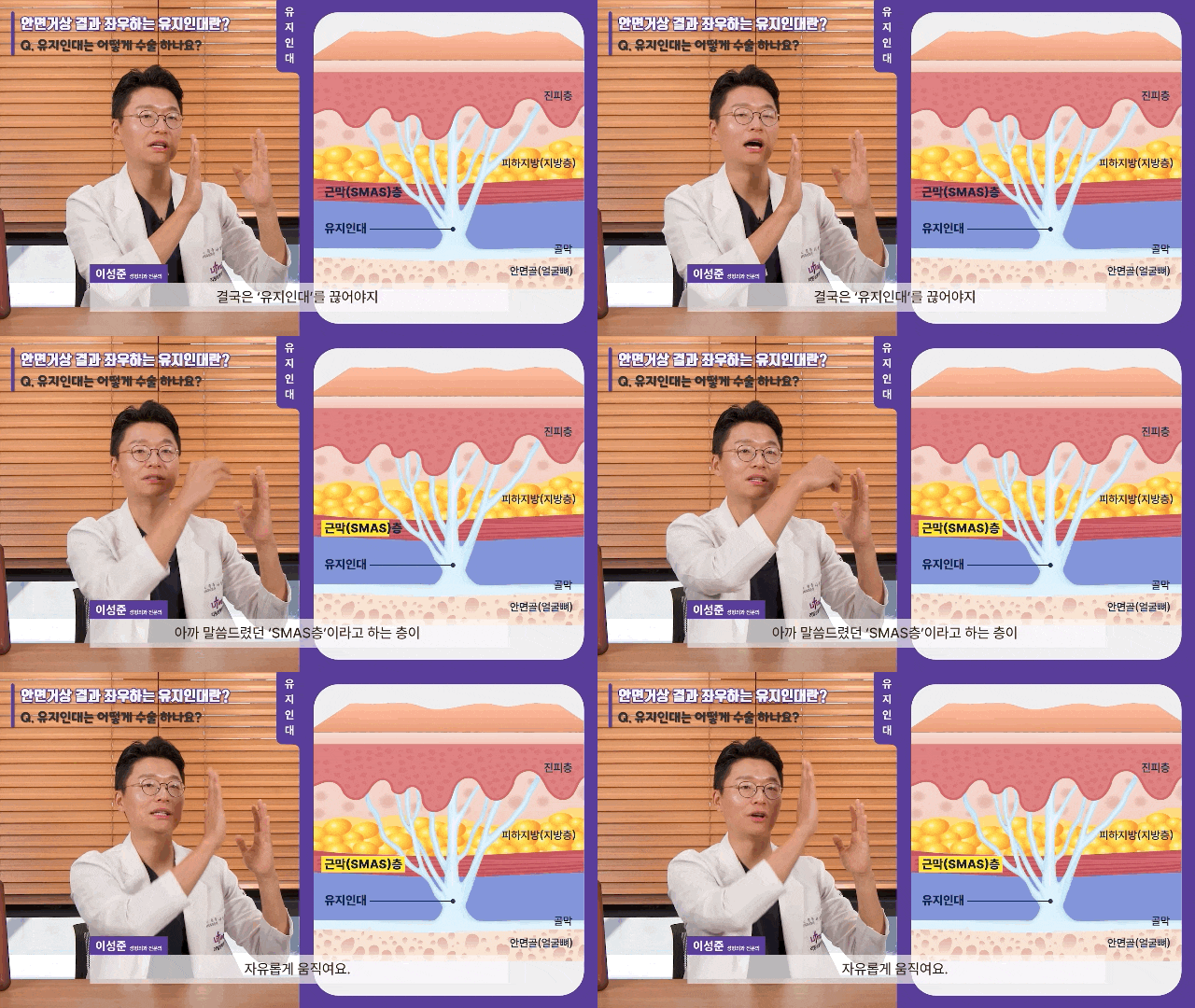
Retaining ligaments that determine facelift results
Retaining ligaments
are attached from the facial skin to the bone,
and act like straps that hold sagging in place,
while the fascial layer (SMAS)
is thin, layered, and located between the subcutaneous fat layer and the facial muscles.
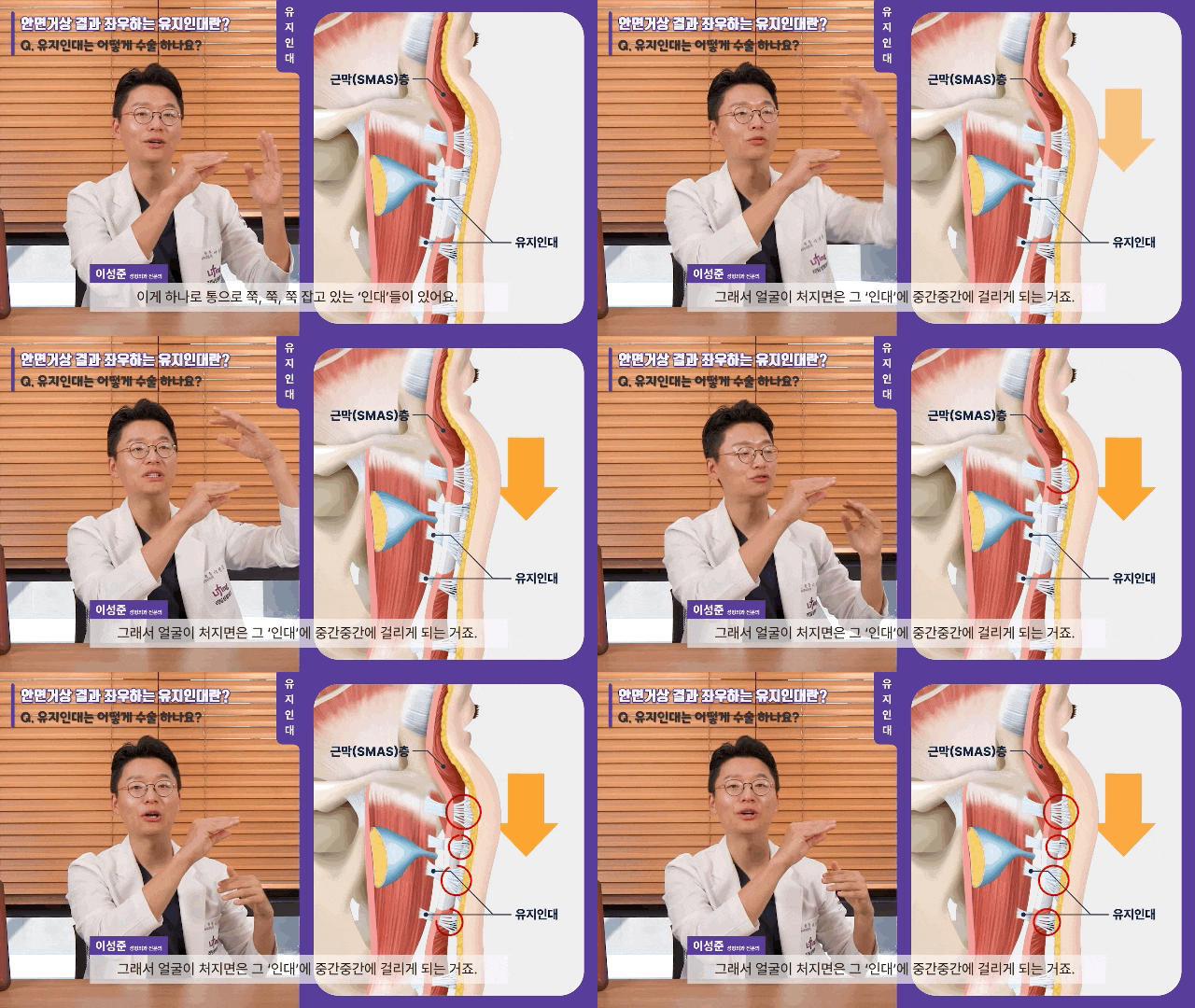
As aging progresses,
the facial fascia and retaining ligaments sag,
causing wrinkles and disrupting facial contours.
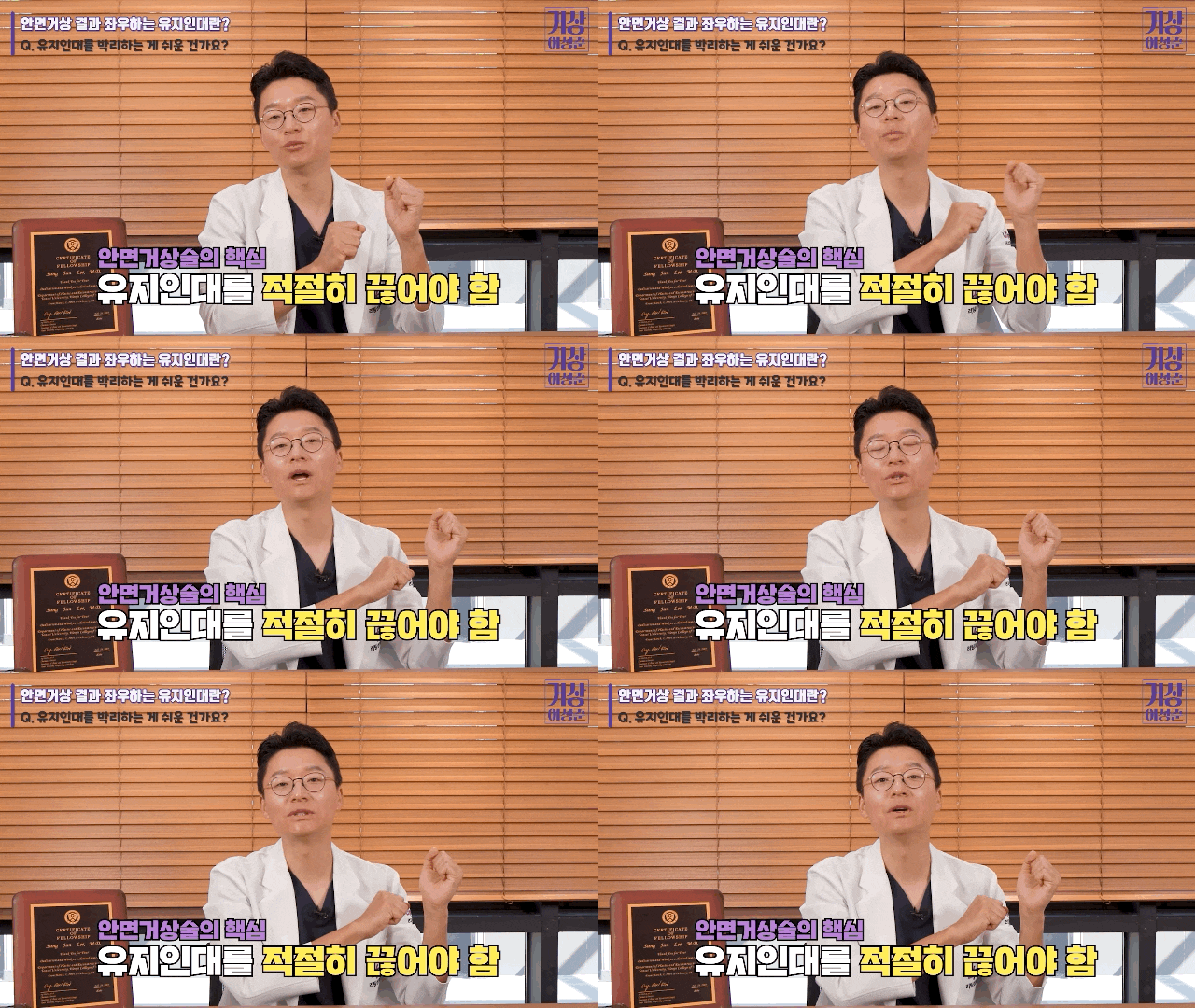
The retaining ligaments that connect the skin and fascia
and support the facial structure must be appropriately detached
so that the fascia can also move freely,
allowing for effective lifting results.
Dissection of retaining ligaments
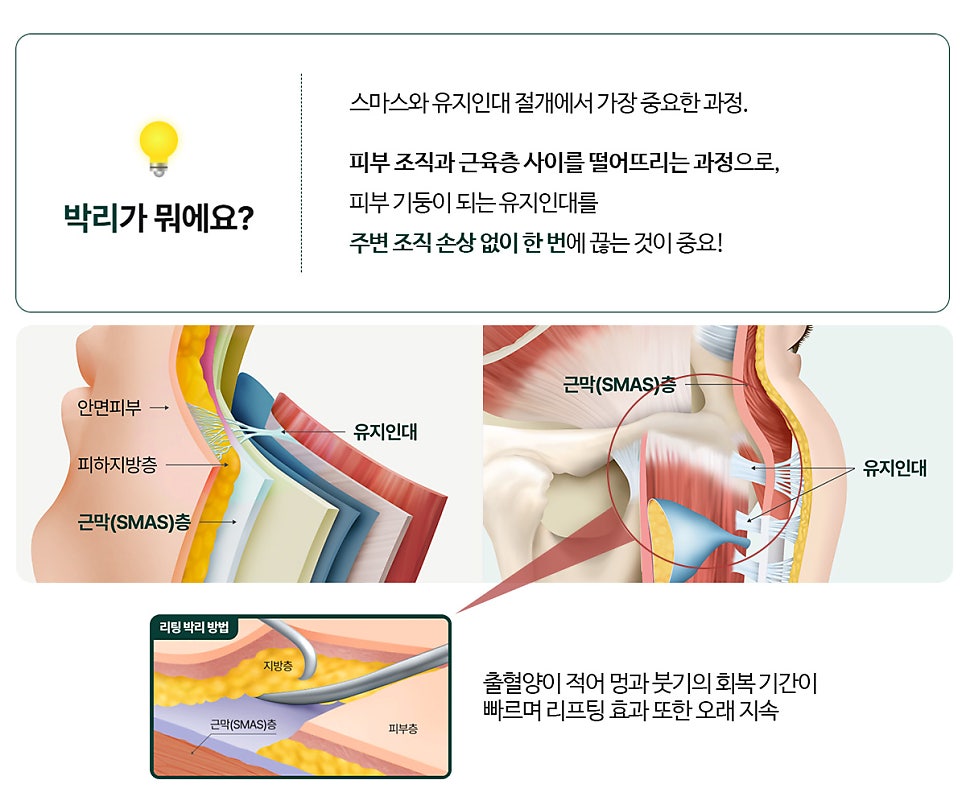
In a facelift, dissection refers to
the process of separating the tissue between the skin and the muscle layer.
After pulling up the wrinkled muscle layer and removing the muscle layer,
effectively lifting the retaining ligaments that serve as the skin’s support structure
in one step without surrounding tissue
creates effective lifting results.
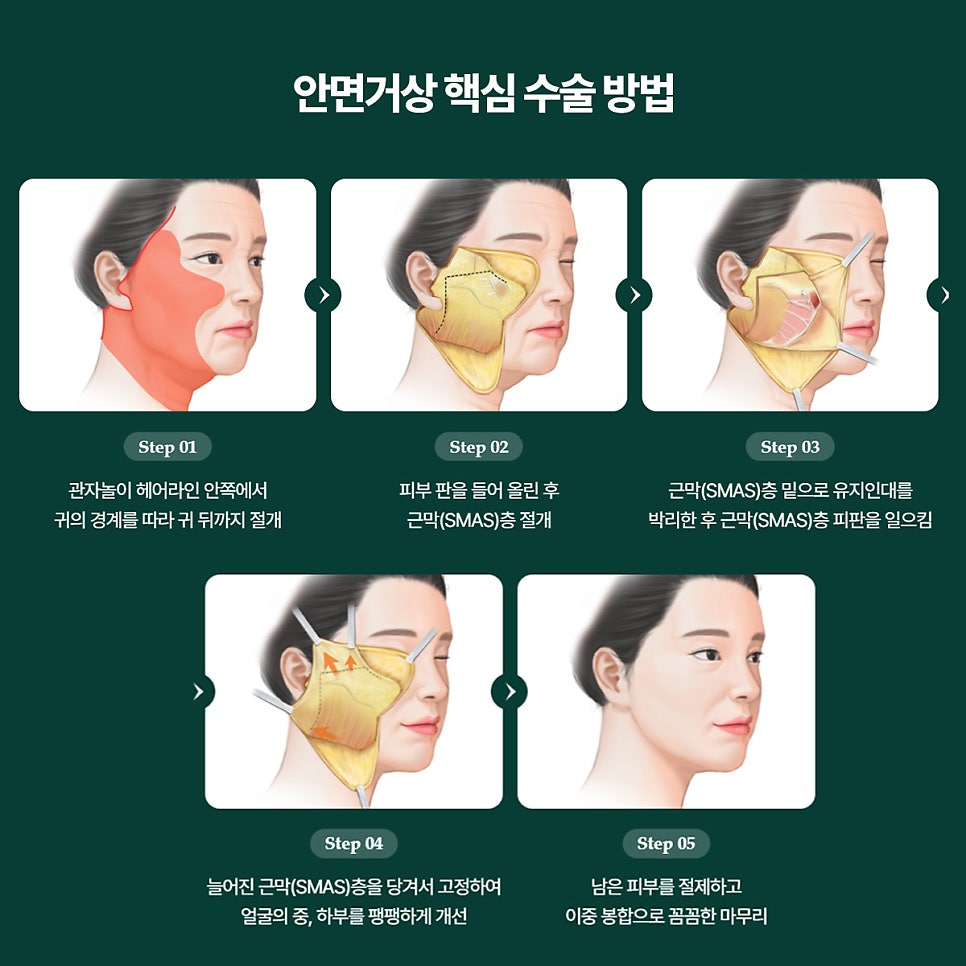
Traditional facelift surgery method
An incision is made along the boundary of the ear,
starting inside the temporal hairline and extending behind the ear.
Then the fascial layer is incised,
the retaining ligaments underneath are dissected,
the fascial layer is pulled and fixed,
the remaining skin is removed,
and the procedure is completed with double-layer suturing.
In addition to the traditional facelift surgery method,
there are various lifting procedures with different incision methods depending on the area you want to improve,
such as mini lifting, which reduces the burden of incisions,
custom mini lifting, which reduces concerns about scars and swelling,
and V-neck lifting, which can improve the lower face and neck wrinkles at the same time.
For better support and results,
it is also good to combine these procedures with thread lifting or facial fat grafting.
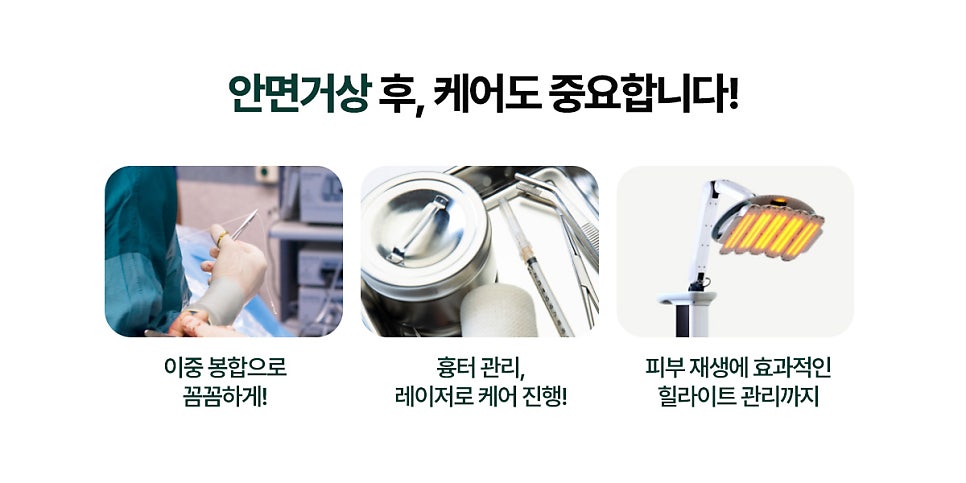
Facelift aftercare is also important.
With careful double-layer suturing of the incision area,
we minimize the visibility of the incision line,
and with lasers and injections for scar care in the surgical area,
along with HILIGHT care that helps reduce swelling and bruising and is effective for skin regeneration,
we would like to point out that because a facelift is a major surgery,
such thorough aftercare is also important.
Please refer to the facelift information shared today,
and make your decision carefully based on more accurate information.
That concludes today’s post 😊
If you would like more detailed information,
please refer to the YouTube link below.