Hello.
I’m Director Lee Seong-jun of Liting Plastic Surgery Seoul Branch.
As time passes,
the face also begins to change little by little.
In the past, even when I simply smiled with my eyes,
the skin looked firm and radiant,
but one day, while looking in the mirror,
there comes a moment when you think,
‘Huh...? Since when has this wrinkle been this deep?’
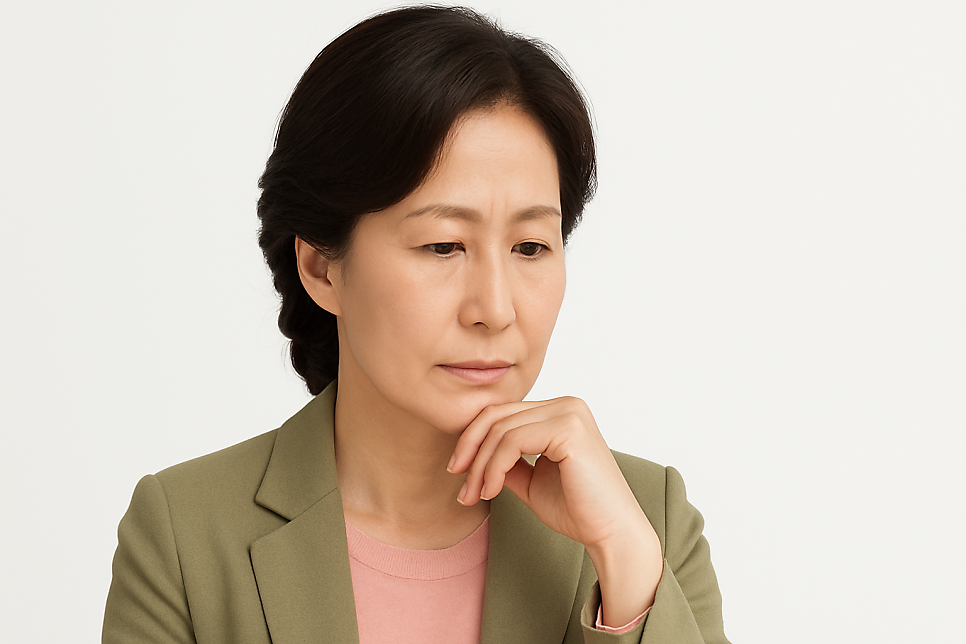
(This image was created with AI to help understanding.)
When your child’s wedding is approaching,
or when you have an important gathering or event to attend,
it’s easy to become even more aware of your face.
You may have dressed nicely and beautifully,
but if your face looks a bit saggy, many people
have probably experienced their mood dropping too.
Among these, nasolabial folds in particular can
change the overall impression of the face,
so they are often a source of deep concern.
So today,
we’d like to talk in a bit more detail about the topic that many people are curious about:
‘Is it really possible to get rid of nasolabial folds?’
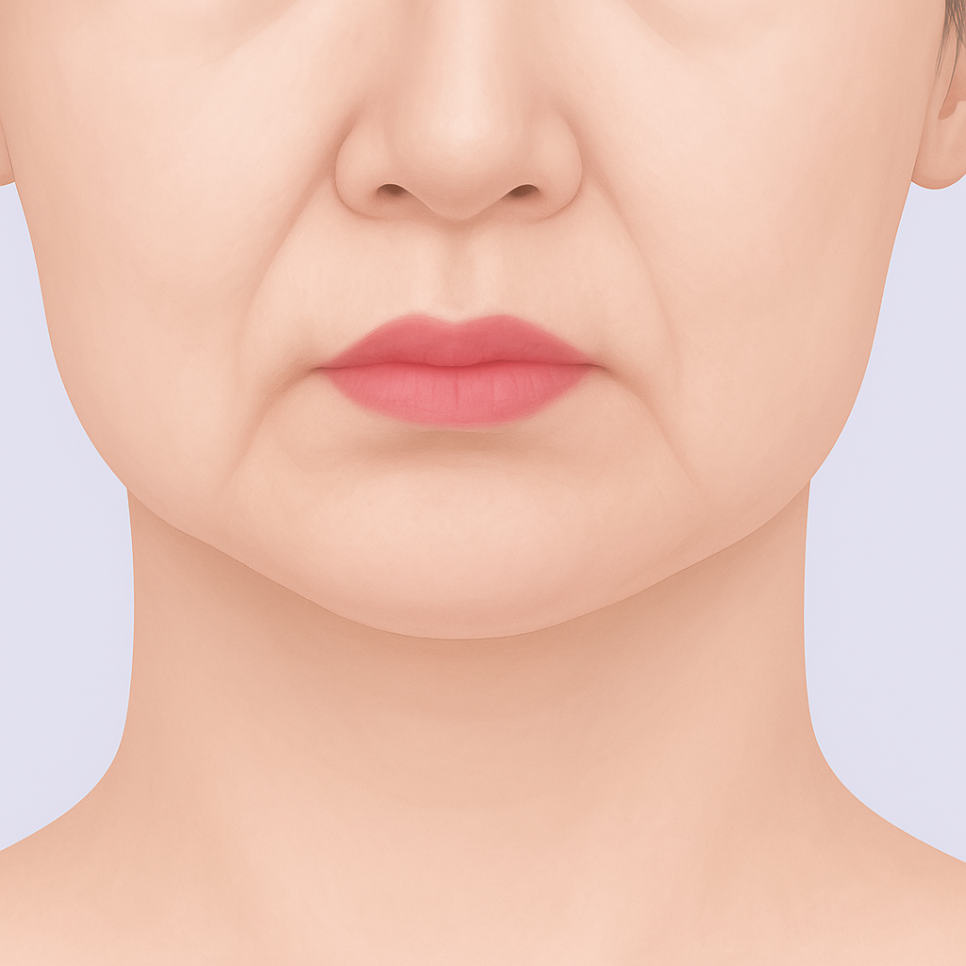
Nasolabial folds,
can they really be removed?
To give the conclusion first,
it is effectively difficult to remove nasolabial folds 100%.
"Huh? These days, I heard lifting
pulls wrinkles tight too..."
"Does that mean nasolabial folds stay as they are?"
Many people think this way.
It’s a natural question.
Anatomically, nasolabial folds are deep lines that run
from the side of the nose to the corners of the mouth,
and this area is not made up of skin alone,
but is also affected by the deep fat layer and the SMAS layer.
As we age, the SMAS layer sags downward,
and as the cheek tissue descends, wrinkles form as if pressed on top of it.
So completely flattening this nasolabial area
is practically impossible.
However,
improving this wrinkle is possible.
One of the methods is
‘Smile Mini Lifting.’
Smile Mini Lifting is a method in which, through an incision of less than about 2.5 cm
in the scalp above the sideburn area,
the sagging fascial layer is pulled upward from below and fixed in place.
Compared with a mini lift, the incision is larger,
and more of the fascia is pulled and secured.
Why does skin elasticity change like this?
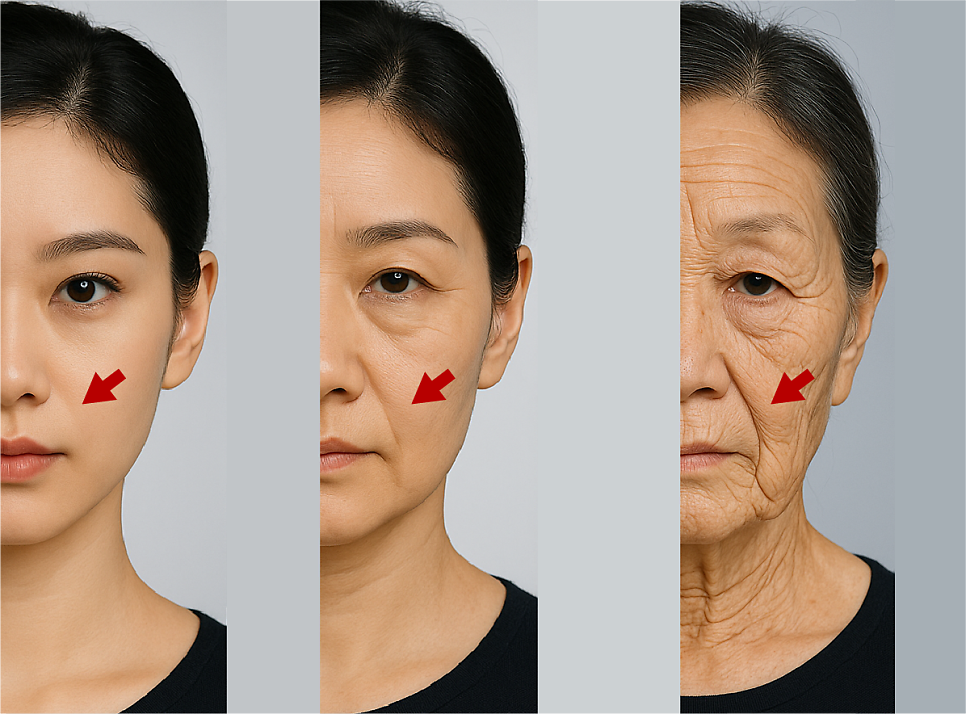
(This image was created with AI to help understanding.)
There are several combined reasons why changes in skin elasticity
make nasolabial folds deepen.
First, as we age,
collagen inside the skin decreases,
and the skin’s own elasticity declines.
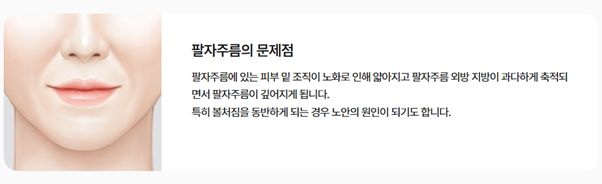
In addition, the cheek fat in the midface
begins to slowly descend in the direction of gravity.
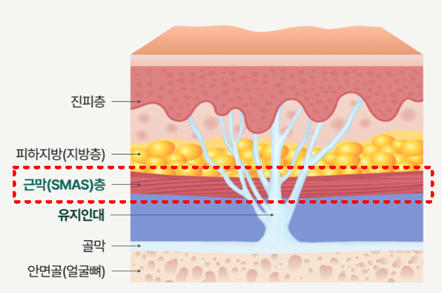
At this time, as the SMAS layer
also sags together,
a crease-like wrinkle forms in the nasolabial area.
But if you pull this nasolabial area too forcefully,
the upper cheek tissue may be pushed upward even more,
which can create a side effect that makes the cheekbones look more prominent.
So simply performing a procedure that says,
‘Just pull the nasolabial folds,’
can instead create an unnatural and burdensome impression.
For this reason, improving nasolabial folds
should not be approached as a simple problem,
but rather,
‘The key is to determine the surgical direction while considering the anatomical balance of the entire face.’
These days, the word ‘lifting’
is used very commonly.
Some people talk about a lift that slightly pulls only the midface,
while others refer to surgery that supports the entire face.
But in fact, lifting itself
is very diverse,
and the direction needed differs slightly from person to person.
There are various surgeries whose improvement range changes depending on the method,
in addition to the ‘Smile Mini Lifting,’ which is the most suitable option for getting rid of nasolabial folds, a key area that determines whether a face looks youthful or aged.
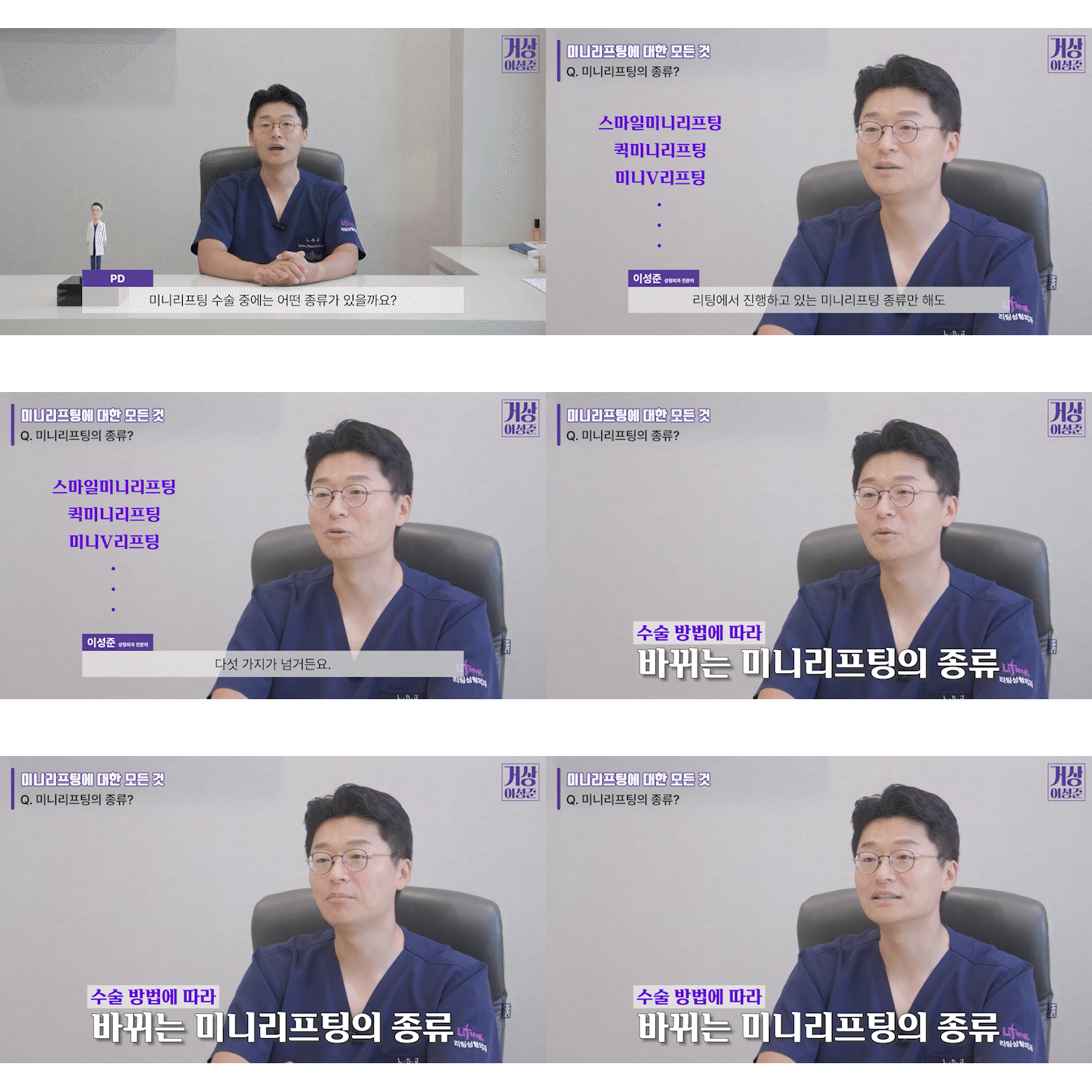
At Seoul Liting,
for people whose nasolabial folds have started to appear,
and who feel surgery is burdensome but want a longer maintenance period than a procedure can offer,
we recommend Seoul Liting Mini Lifting, which combines the advantages of a facelift and a procedural lift.
For those worried about a sagging face
along with a sagging neck,
we also offer Seoul Liting V-neck Lifting, a focused lifting surgery for the lower face,
which firmly lifts the face and neck at once for a natural result.
Depending on the current degree of skin sagging,
more people are looking for a customized lifting plan
that is neither too little nor too much,
using a surgical method that suits them best.

As with Seoul Liting Signature Lifting,
the surgical method and the range of improvement vary
depending on which area is the focus of correction.
📍 In the end, the key point is
Age matters too,
but the structure of each person’s face and the condition of their skin are even more important.
Even among people in their 40s,
some have firm skin and little fat,
while others may have fuller cheeks and significantly reduced elasticity.
So through a Seoul Liting solution that suits the individual,
we recommend a customized lifting plan while looking at the facial structure
with a more anatomical approach.
It may sound difficult, but put simply,
think of it as ‘slowly turning back time in the direction that best suits your face.’
When should nasolabial fold lifting begin?
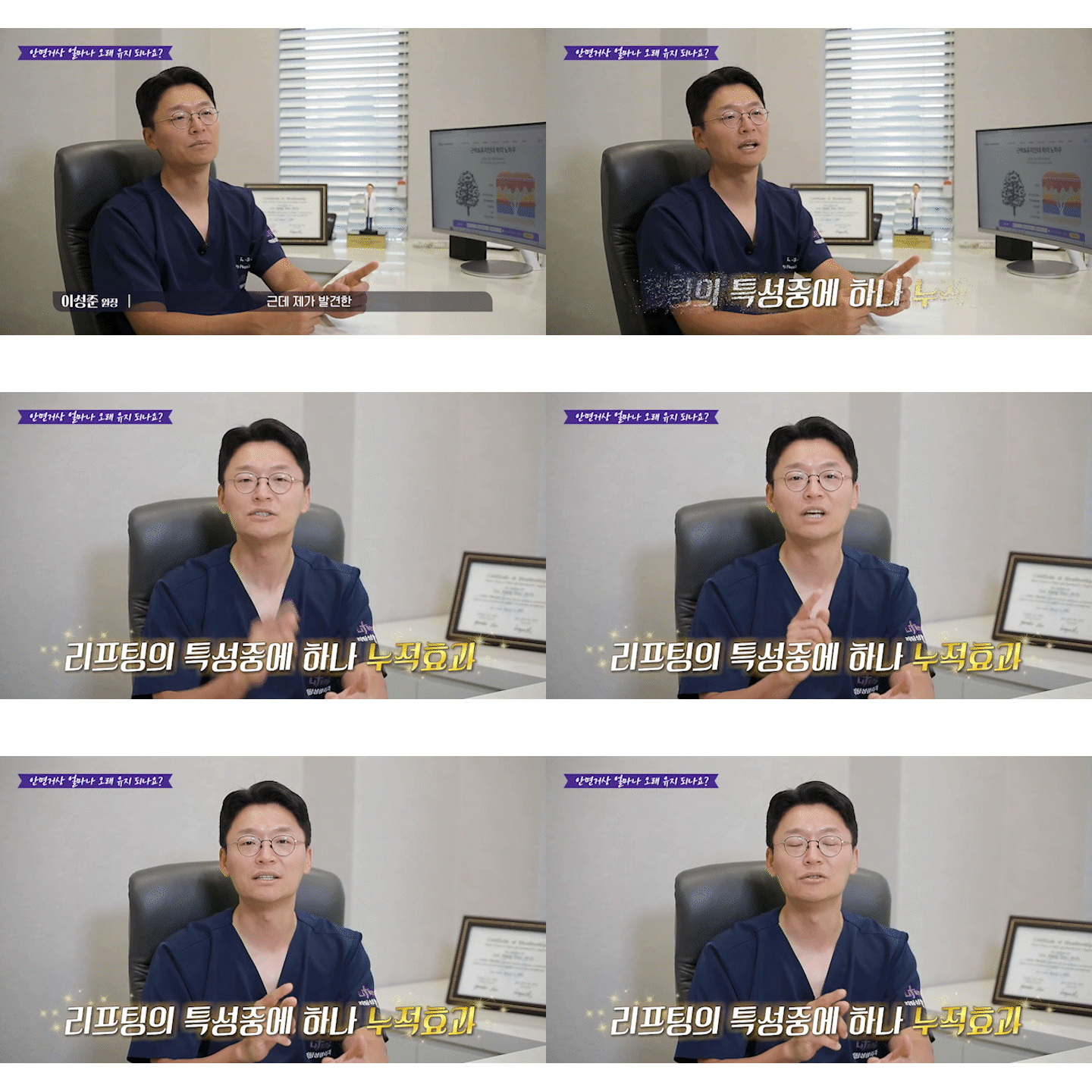
People often ask, ‘Should I start in my 40s?’
But that’s not necessarily the case.
These days, many people start Seoul Liting in their early 30s,
and even in their late 20s.
The reason is that managing before sagging becomes pronounced makes recovery easier and maintenance better.
To lift skin that has sagged severely,
more incisions and deeper manipulation are needed.
On the other hand, if you start a light, small lifting procedure before the skin has sagged much,
it can be maintained naturally for a much longer time with less burden.
Once you are in your 40s or older, the face sags more
and the skin becomes looser,
so if needed, lifting surgery may be performed together with a small amount of skin excision.
At that time, surgery that includes partial excision is performed,
and if more skin must be removed, it moves into traditional facelift surgery.
The approach differs by age group, but ultimately the important thing is ‘personalized care.’
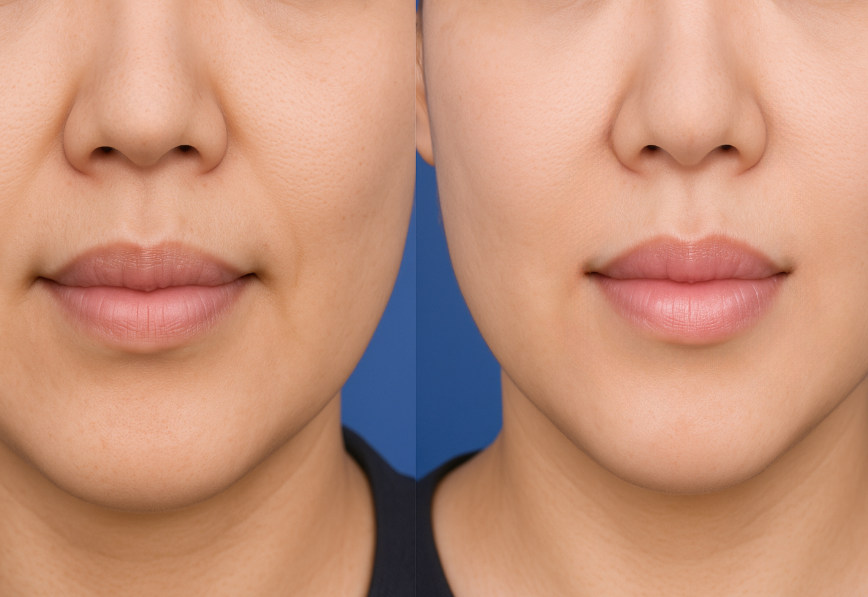
(This image was created with AI to help understanding.)
People in their 50s to 60s often need
a full-face lifting procedure,
and those in their 70s or older are treated only when they have sufficient health.
Rather than age, skin elasticity and health,
as well as the degree of sagging,
are more important.
Getting rid of nasolabial folds
may not mean a complete 100% improvement,
but they can improve sufficiently.
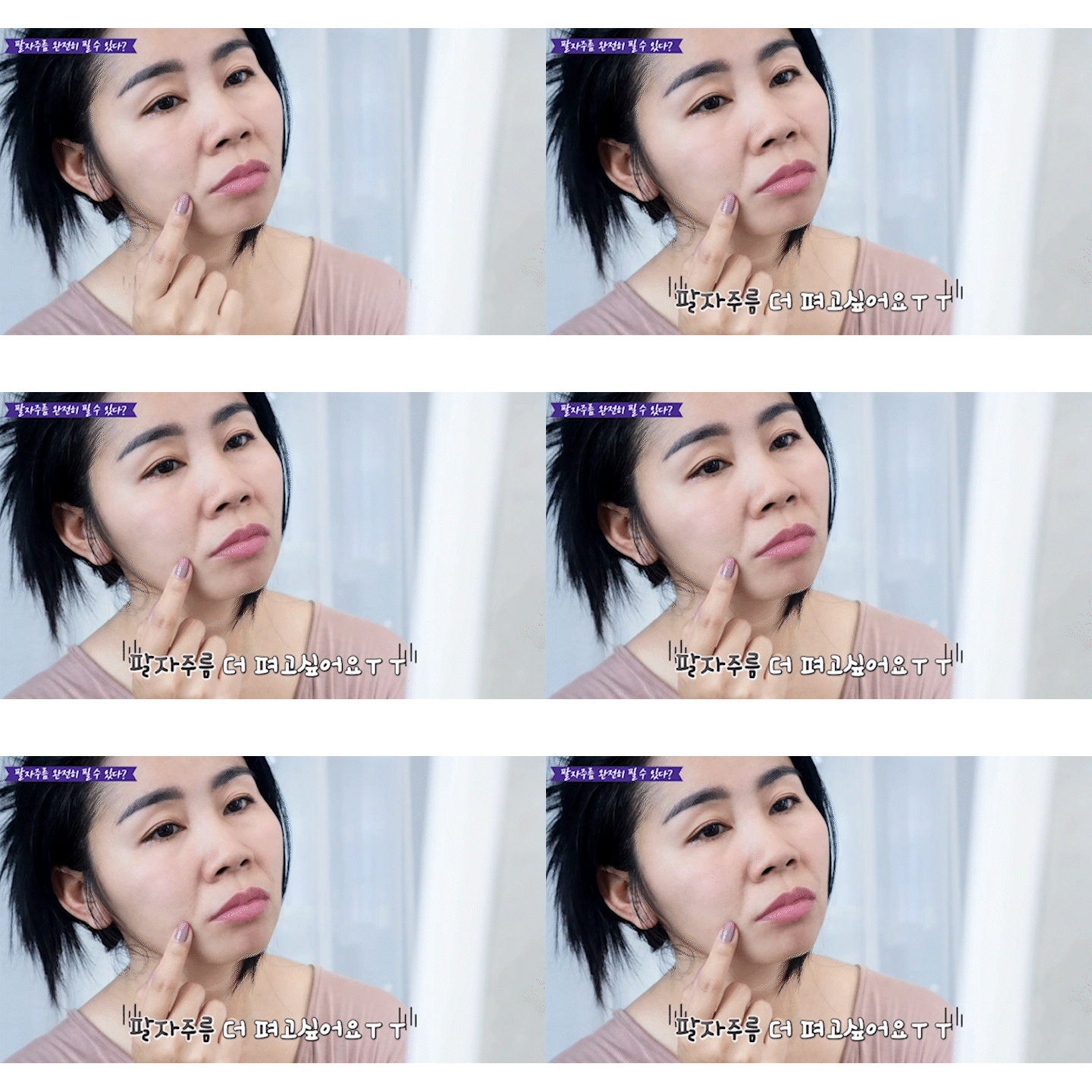
We often receive requests like, “Please remove only the nasolabial folds,”
but in fact, there is no surgery that improves only the nasolabial folds separately.
To improve the folds, the face’s overall
volume, sagging, and elasticity must all be considered,
and you should understand that in the process,
other areas such as the cheekbones may appear more prominent.
Things to consider before surgery and post-surgery care
✔️ You must accurately understand your own skin characteristics and health condition.
✔️ You should fully discuss your expectations and goals before surgery.
✔️ Recovery and care are needed for a certain period after surgery,
and this varies by individual.
✔️ Daily care such as sun protection, moisturizing, and avoiding alcohol and smoking is also important.
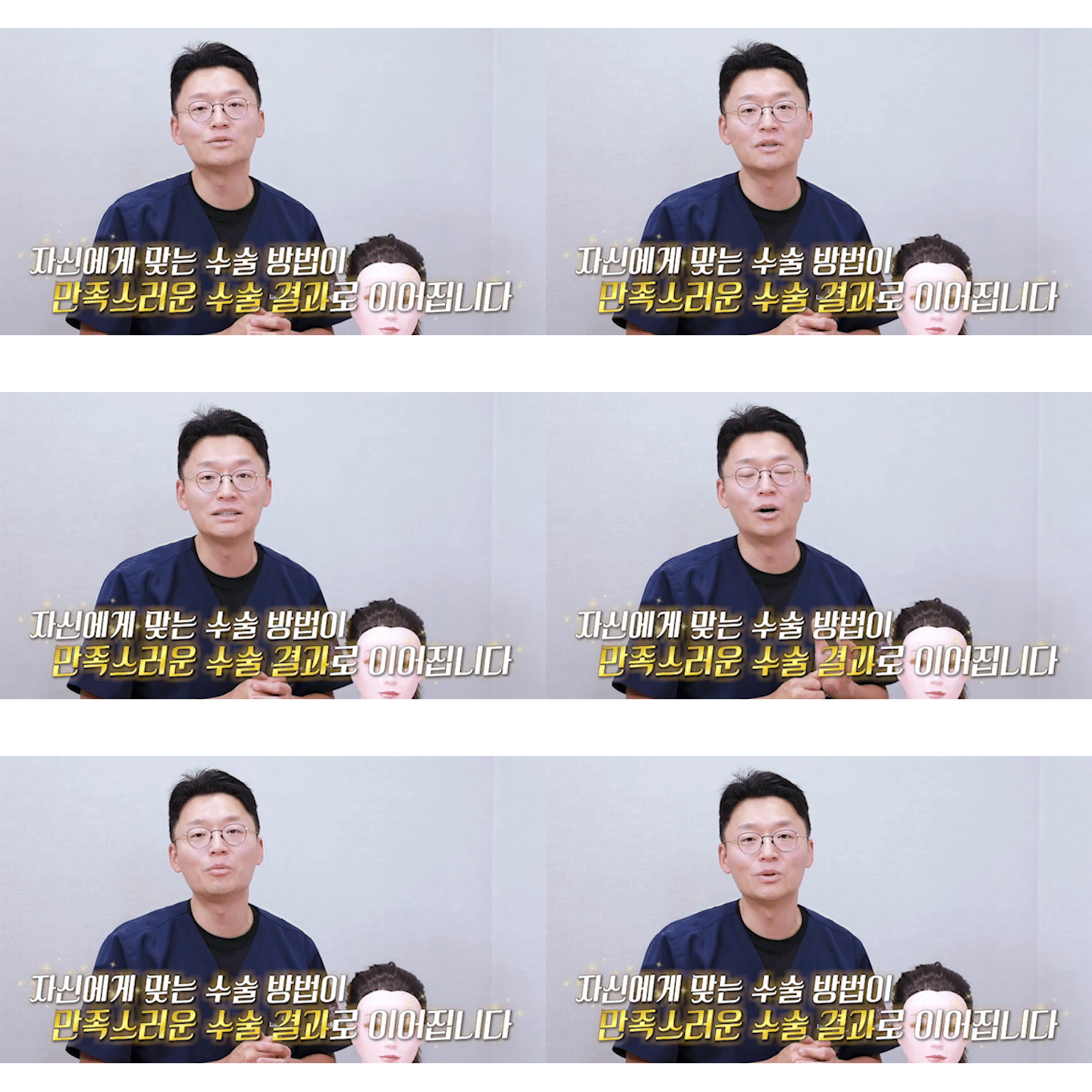
Seoul Liting surgery is
not simply about improving appearance,
but a process of designing a harmonious impression
that suits each person’s facial structure.
For nasolabial folds as well,
we recommend approaching them not as complete removal,
but as a way to restore a natural and healthy impression.
All surgeries should be decided after sufficient consultation,
and please always remember that individual differences may exist.
May you become more naturally youthful tomorrow than today,
and the day after tomorrow more than today.
This was Director Lee Seong-jun of Seoul Liting Plastic Surgery.
This article
is content intended to provide general information about
a surgery for getting rid of nasolabial folds.
Whether to actually undergo surgery
should be decided according to the individual’s health condition and purpose,
and should be carefully determined through consultation with a professional medical team.
If you would like more details,
please check the YouTube link below
for more detailed information.
https://youtu.be/WXeErL8LjU8?si=sQrZhqoYxFo-E-Yc