Hello,
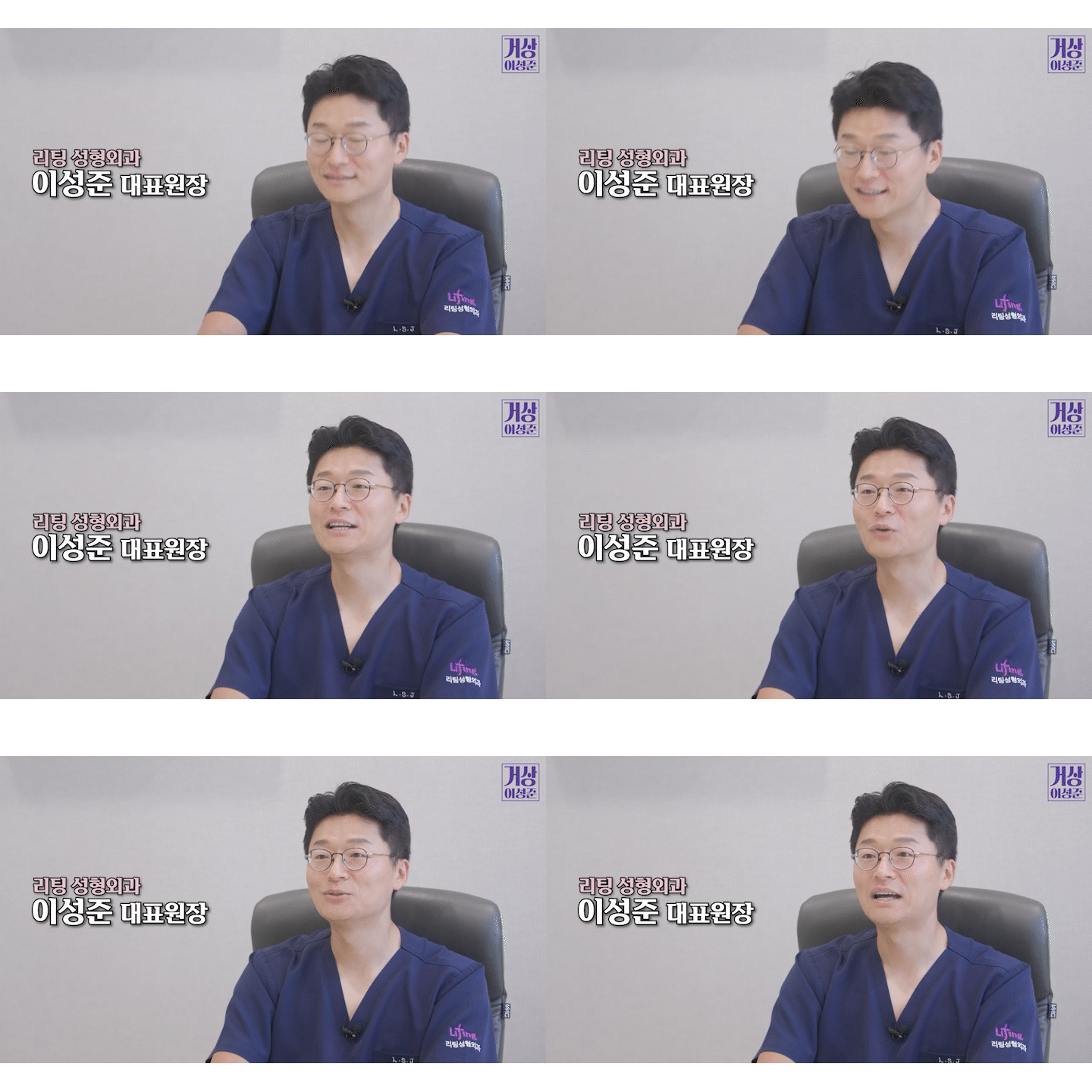
I’m Director Lee Seong-jun of Reating Plastic Surgery Seoul.
Sometimes, when you suddenly look in the mirror,
a strange feeling may pass over your familiar face.
Especially after your 30s, many people begin to feel
that the skin around the eyes, mouth, and jawline
is not quite the same as before.
In the middle of a busy daily routine, every time you look in the mirror,
“Why does my face look like this?”
and have been surprised by that,
I’m sure it has happened at least once.

During spring and seasonal transitions like now,
it can feel as though skin elasticity is dropping even more rapidly.
Although it is a natural phenomenon,
wanting to keep the appearance that feels like you
for a little longer
also seems natural.
For those people,
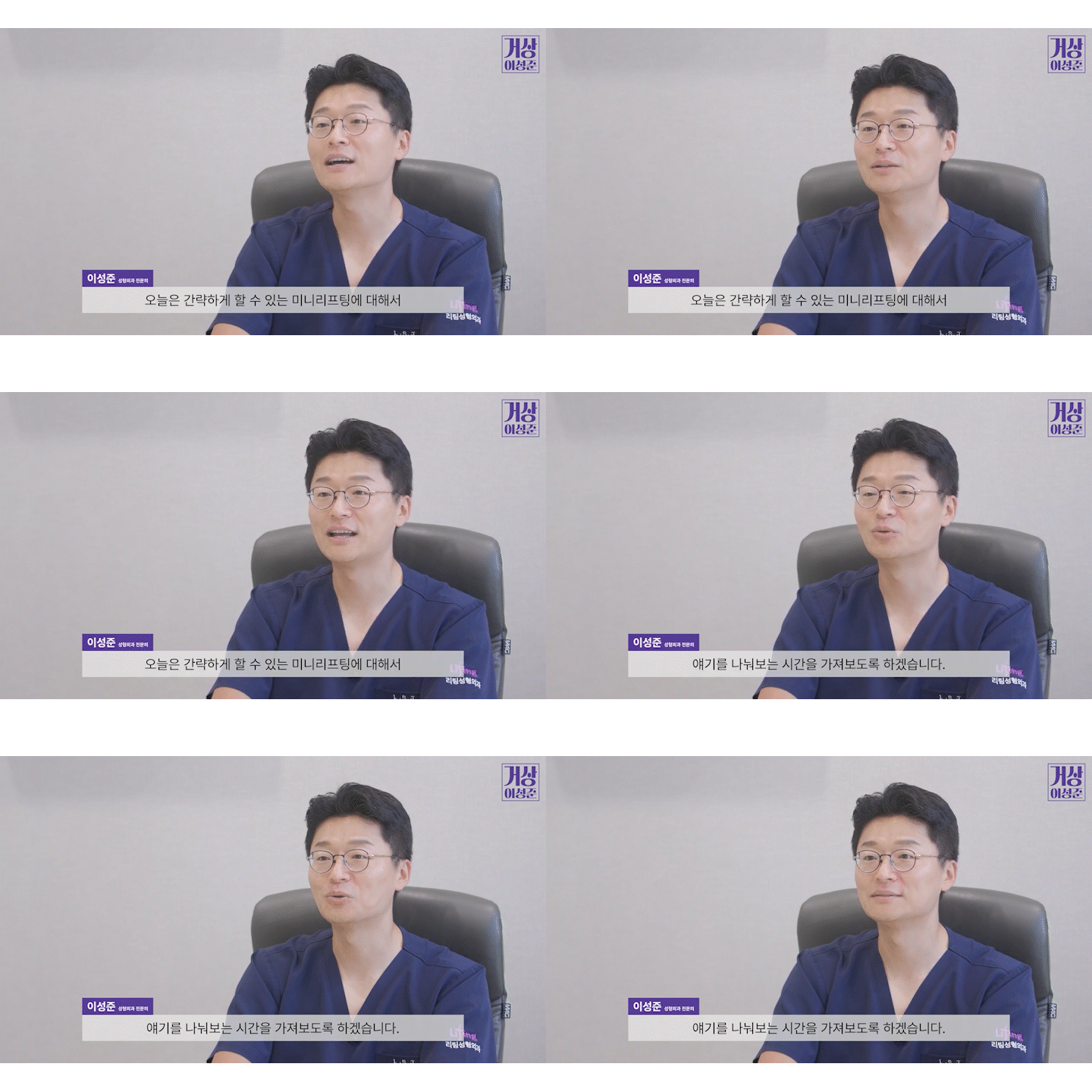
today I’d like to talk about a procedure called
“mini lifting.”
In particular, this is a procedure that many people ask about
when it comes to Gangnam plastic surgery and
“mini facelift recovery time,”
so I’ll explain that part as well.
What is a mini facelift?
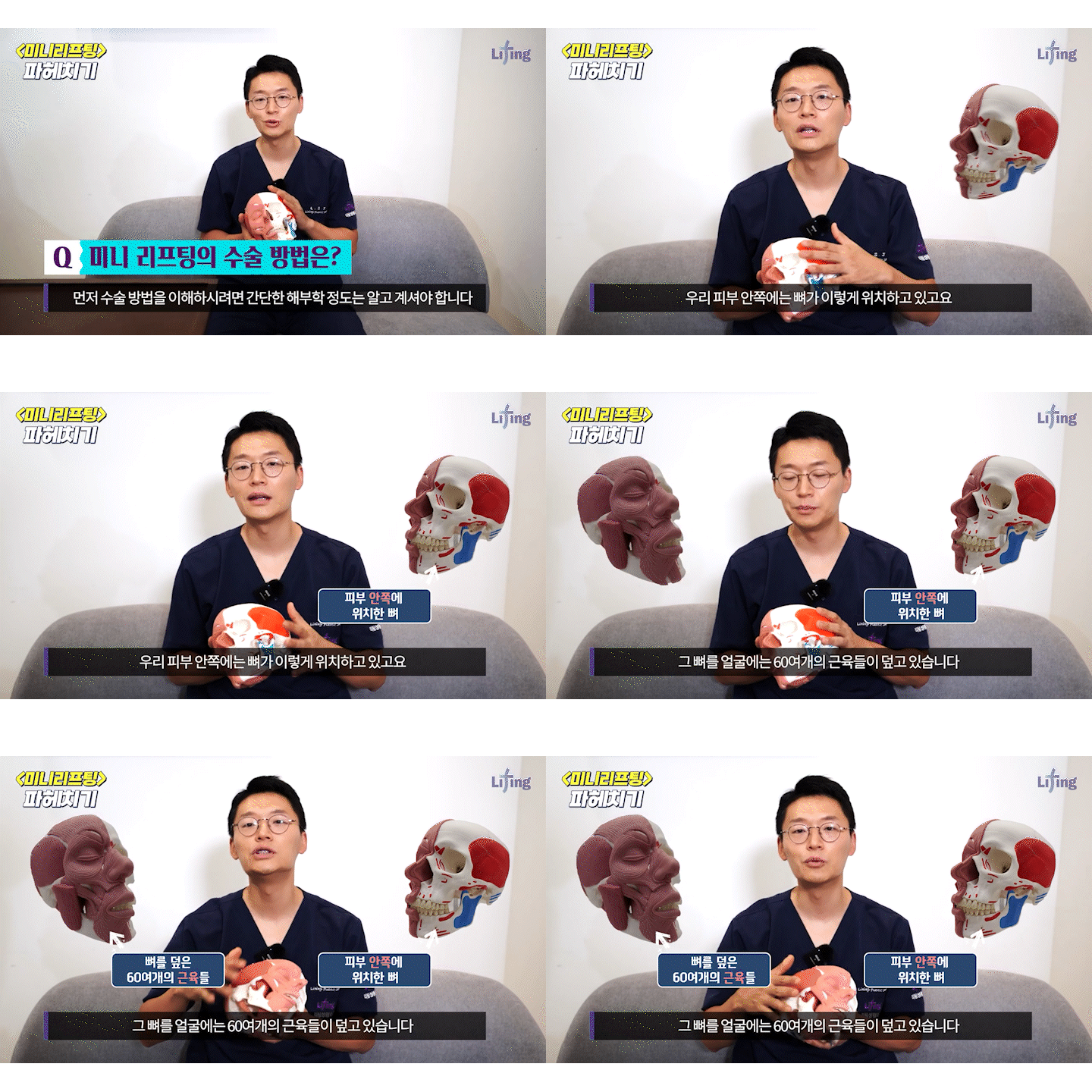
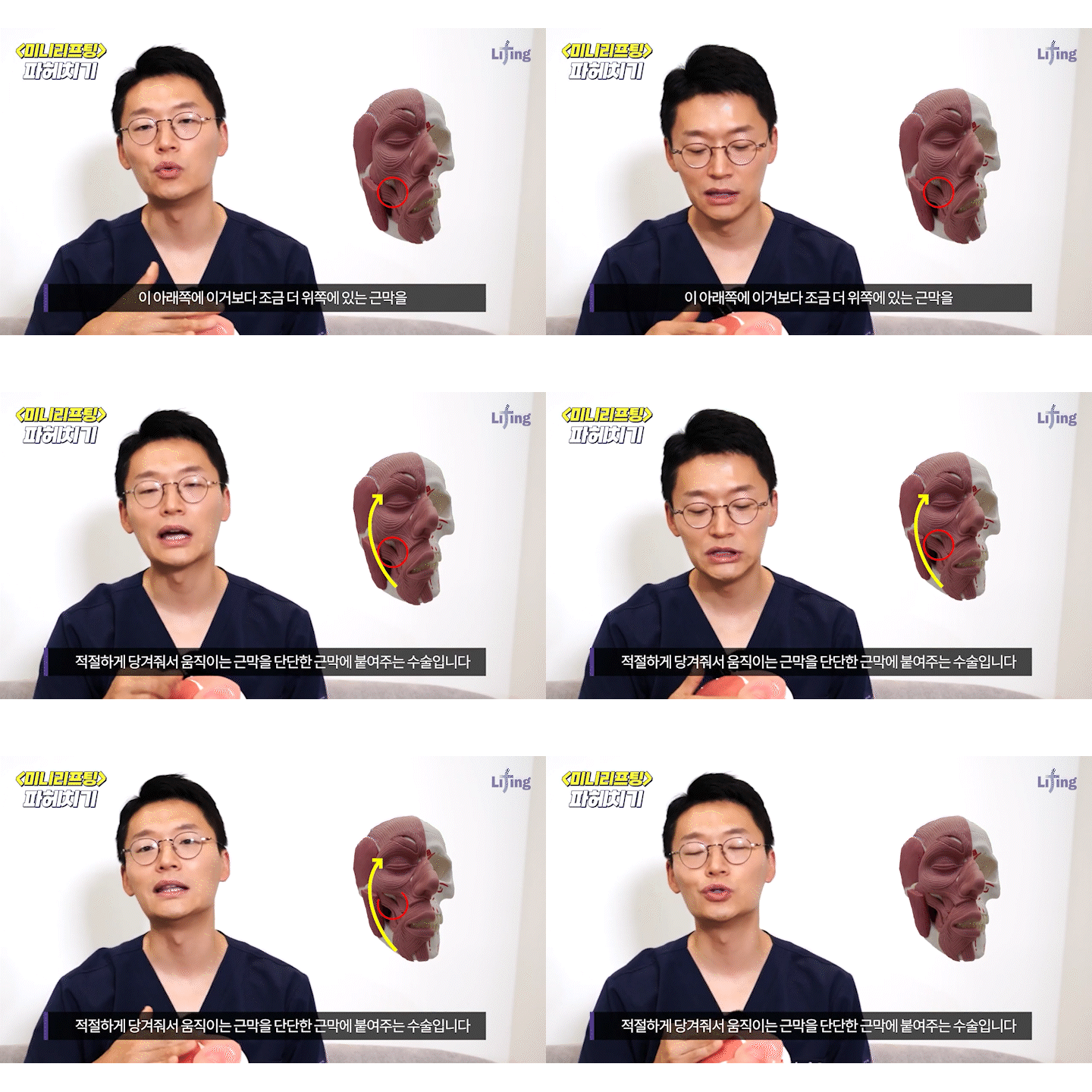
First, let me explain step by step
what kind of procedure mini lifting is.
What is commonly called “lifting” can be broadly divided into two types.
① A procedure that applies heat / radiofrequency / ultrasound
to the outer layer of the skin, or inserts threads,
② A surgical method that makes an incision and pulls up
loose skin and the tissue beneath it.
Mini lifting belongs to the latter category.
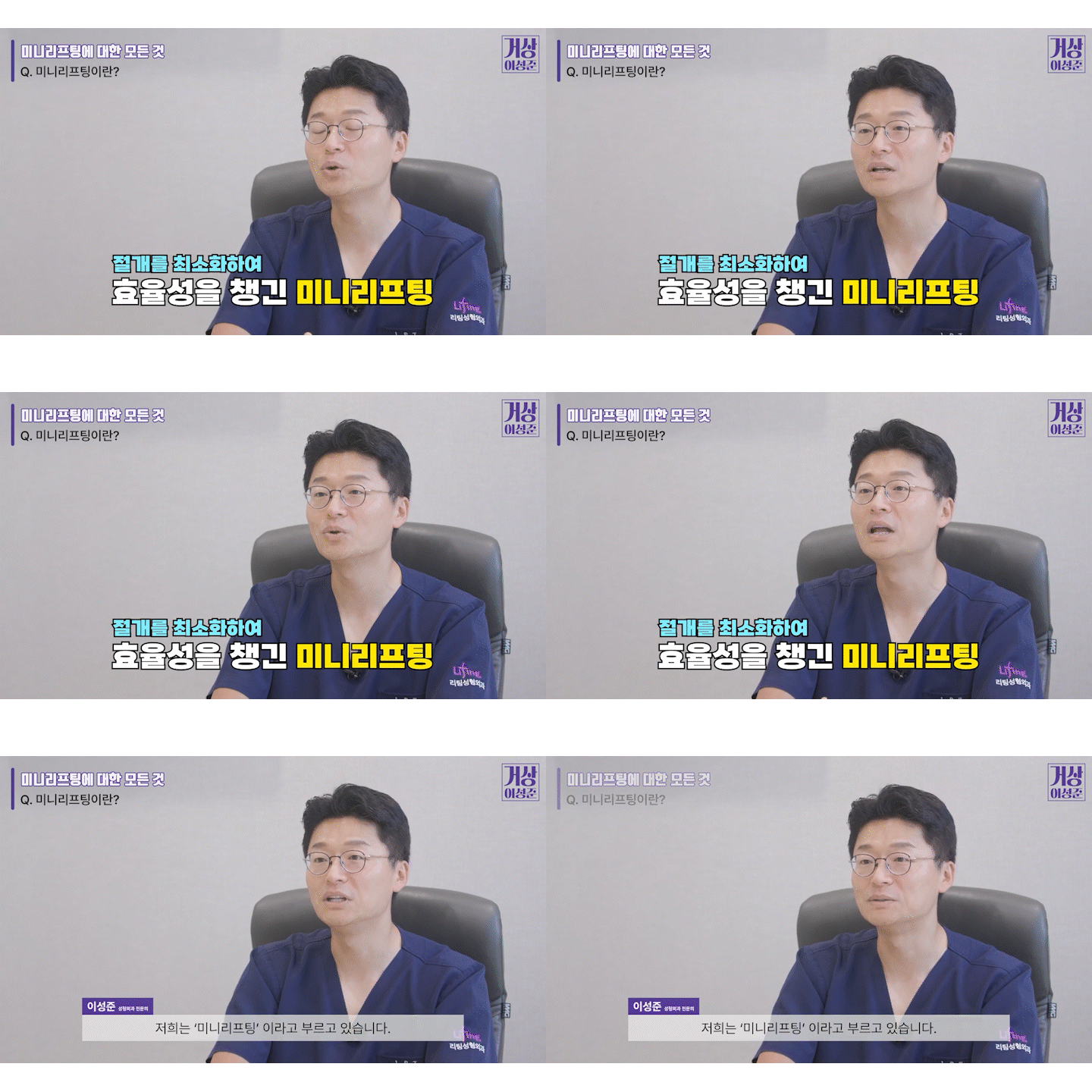
Compared with a general facelift,
the incision range is much smaller, under 2 cm,
so the burden of the incision is reduced,
and with a stronger effect than a procedure,
it can help improve sagging skin
and may be quite useful for
contouring the face and improving firmness.
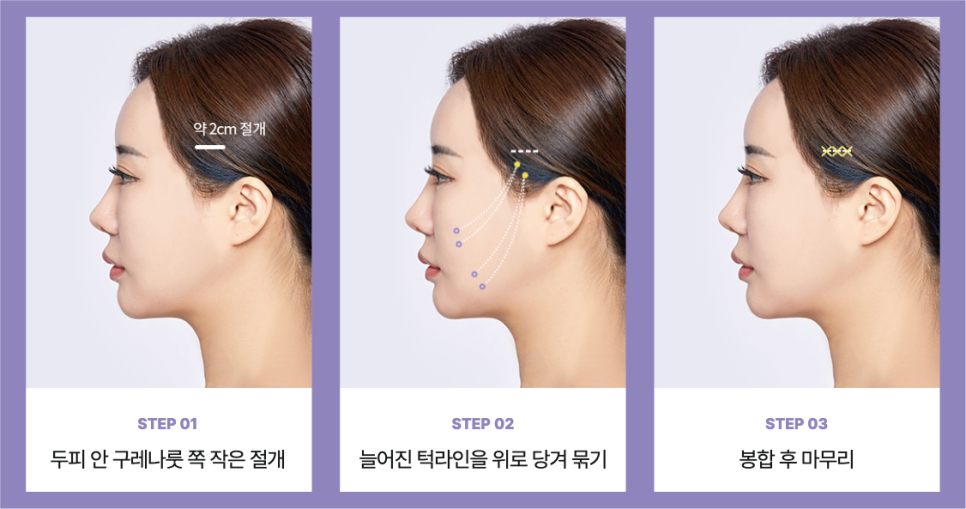
At Reating Plastic Surgery in Gangnam,
an incision of under about 2 cm is made inside the scalp, near the sideburn area,
and the sagging SMAS layer (fascia) is pulled upward and firmly fixed.
This SMAS layer is the fascial structure beneath the skin,
and because it is the area that is the main cause of sagging,
handling this layer well is
a very important key
in lifting surgery.
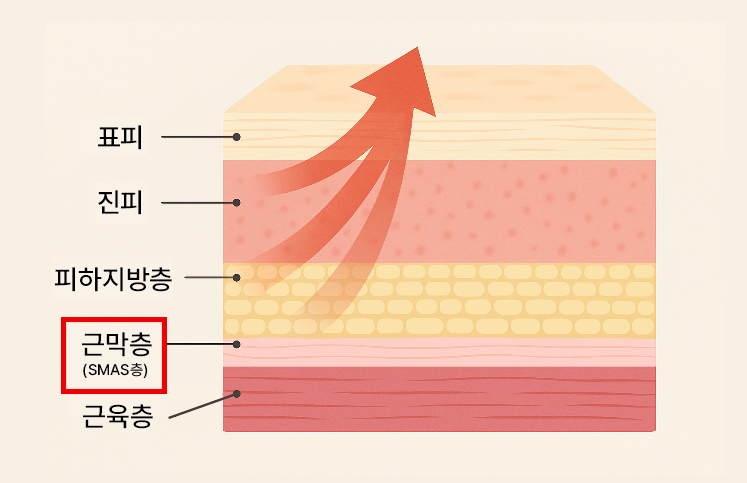
Even though the incision is small, the anatomical structure must be understood accurately and pulled correctly
for natural results to be achieved,
so sufficient preoperative evaluation
must come first.
Why choose a mini facelift?
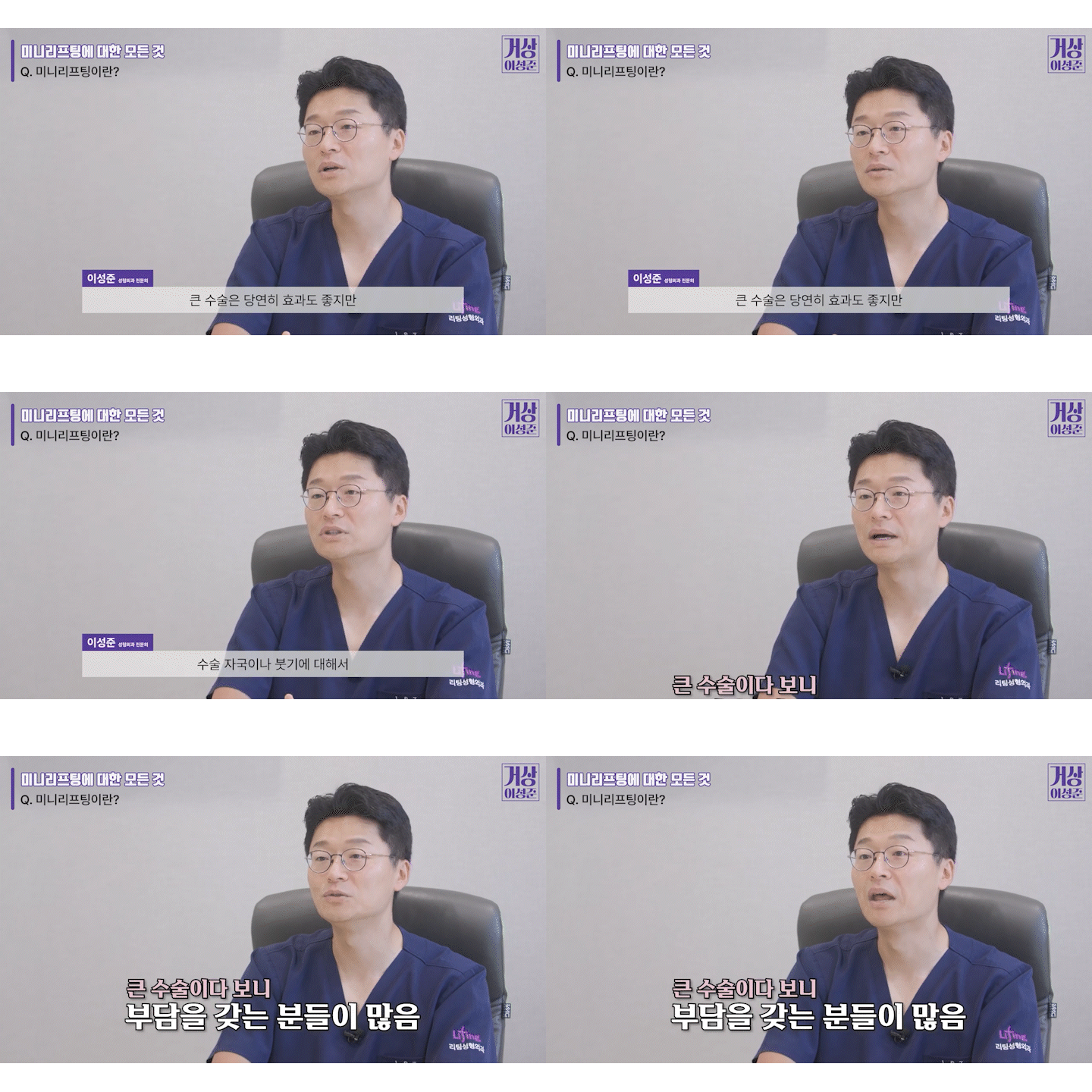
Many people
say,
“A facelift seems like too big and scary of a surgery,”
and hesitate.
Traditional facelift surgery involves incisions that extend in front of and behind the ears, and even into the scalp,
and the operation time is long,
so recovery must be approached carefully.
On the other hand, mini lifting has a relatively small incision range,
and because the pulling area is focused,
recovery is quick enough that you may be able to wash your hair the next day,
so it is generally less burdensome.
However,
of course, surgery is still surgery.
There is no surgery that is completely pain-free
or has 100% no swelling,
and the speed of recovery
also varies from person to person.
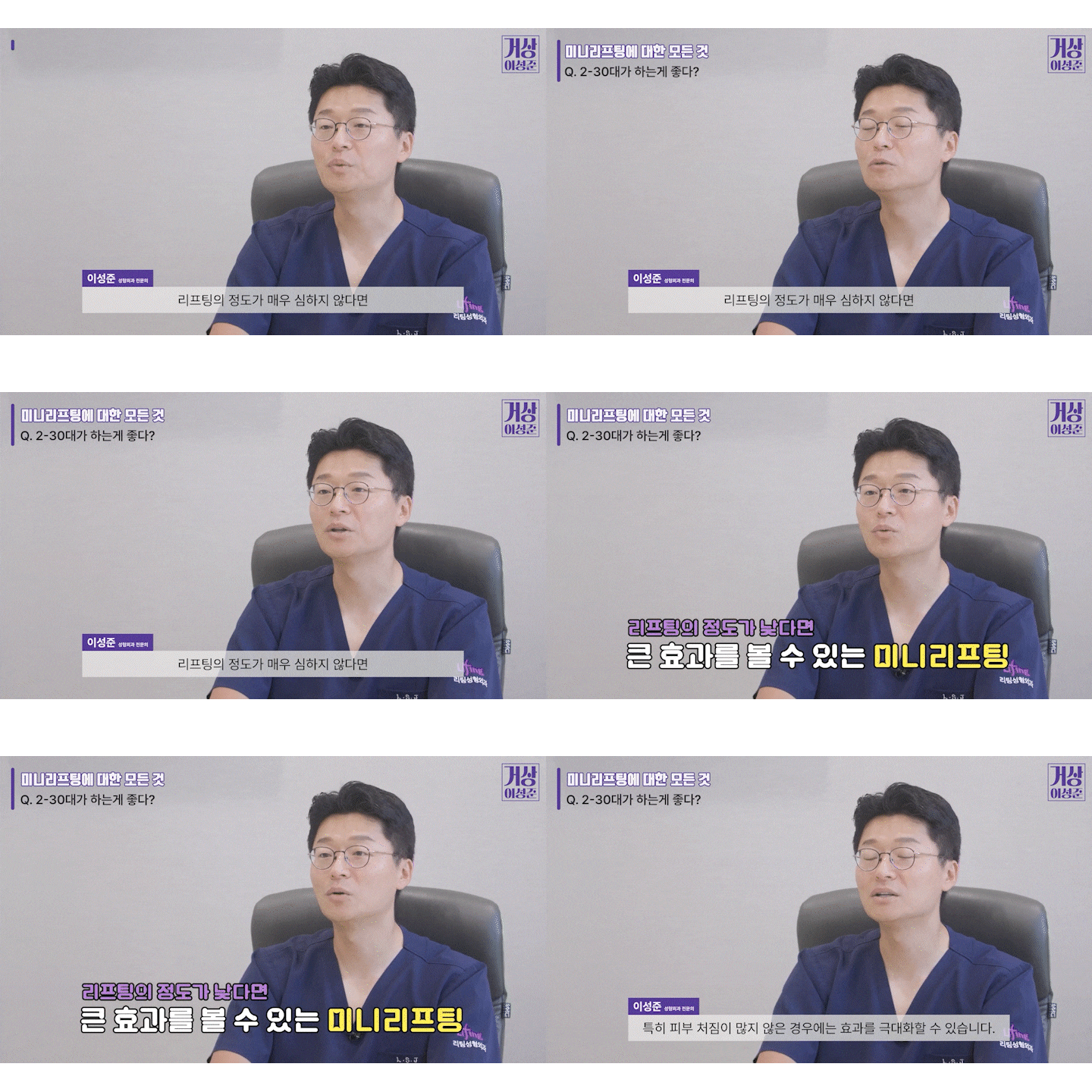
Still, it is clearly one of the options among various procedures.
Especially for people in their 30s to early 40s,
whose skin sagging has begun in earnest,
but who are not yet considering a major surgery,
mini lifting can be a reasonable alternative.
Director, how long is the recovery period for mini lifting?
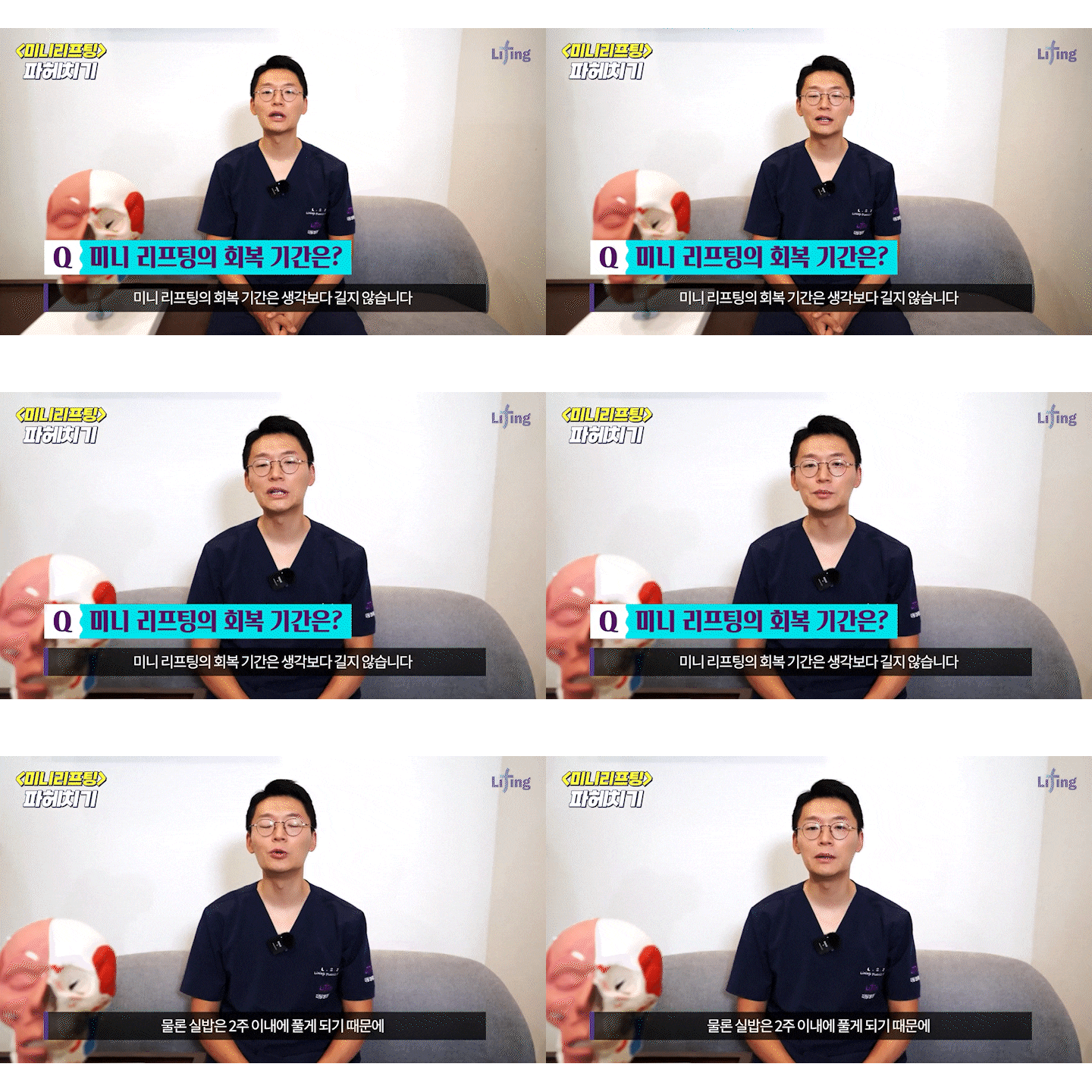
“How long does mini facelift recovery take?”
“Can I go to work the day after surgery?”
To answer first,
because the incision range is small,
in many cases, a quick return to daily life
is possible.
Swelling is usually at its worst immediately after surgery
through about 1 to 2 days,
and then gradually subsides.
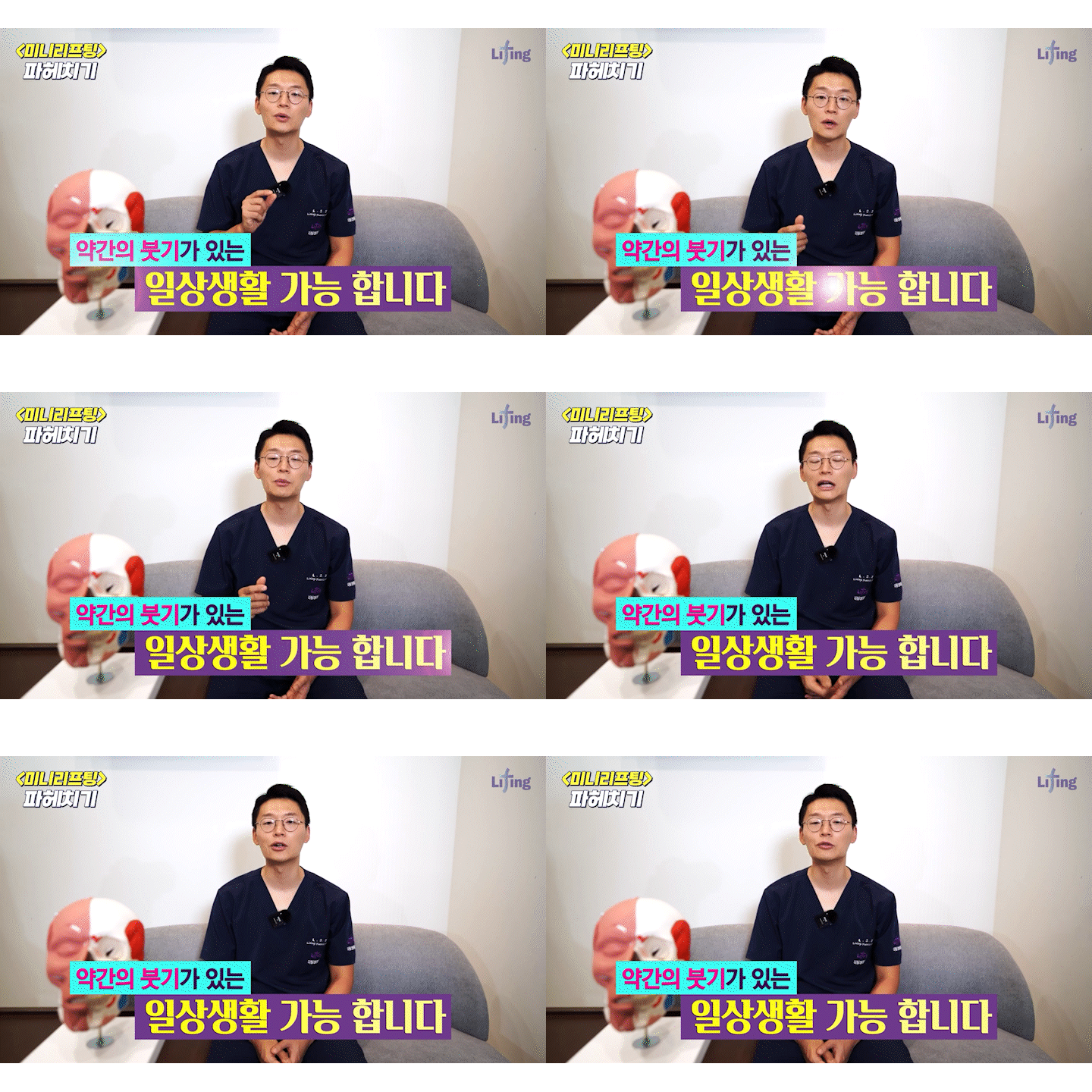
Swelling and bruising differ depending on a person’s skin condition
and recovery ability.
Some people say they can go out after just 1 to 2 days,
while others feel discomfort for more than a week.
In general, many people experience recovery at a level similar to that of a laser lifting procedure,
but since it is still a surgery that involves an incision,
you should take the recovery period into consideration.
Who may benefit from a mini facelift?
| ㆍPeople concerned about sagging in specific areas rather than the entire face |
|---|
| ㆍPeople who feel a facelift is too burdensome, but that procedures alone are not enough |
| ㆍPeople who want a quick return to daily life, but want a clearer change than a temporary procedure |
| ㆍPeople in their 30s and 40s whose nasolabial folds, jawline, and cheek area are beginning to show skin sagging |
Mini lifting,
how is the surgery performed?
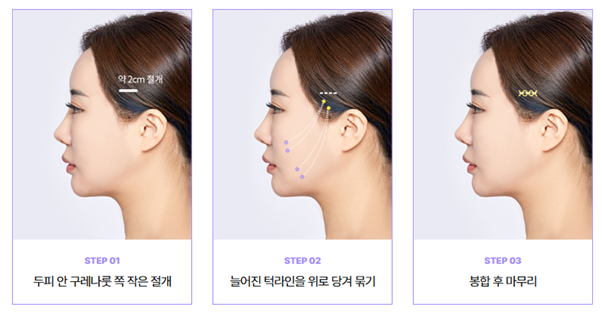
Mini lifting surgery is carried out through the following steps.
① Incision of under 2 cm (average 1.5 cm) in the scalp above the sideburn area
② Pulling the sagging SMAS layer (fascia) from bottom to top and tying it
(*when dissection is performed)
③ Removal of sagging skin
(*when dissection is performed)
④ Use of cog threads
⑤ Finishing after suturing
Things you must remember before surgery

☑️ Sufficient consultation and evaluation
must come first.
The surgical area, incision range,
and pulling direction
may vary depending on each person’s anatomical condition.
☑️ Expectations need to be set.
As the name “mini” suggests, mini lifting is not a procedure that dramatically lifts the entire face,
but rather one that naturally improves the necessary areas.
☑️ Surgery must be performed with
a thorough understanding of anatomy.
In particular, when dealing with complex structures such as the SMAS layer,
anatomical knowledge is essential.
How should you manage yourself after surgery?
| During the first week, eat soft foods and avoid strenuous exercise |
|---|
| Keep the surgical area clean |
| If combined with additional procedures, timing adjustments are necessary |
| Check your condition through regular follow-up visits |
And above all, what is most important is
that even after surgery,
consistent skin care and a healthy lifestyle should be maintained.
Surgery is only the beginning,
because the effort to maintain youth
must continue.
However, lifting is not the only answer.
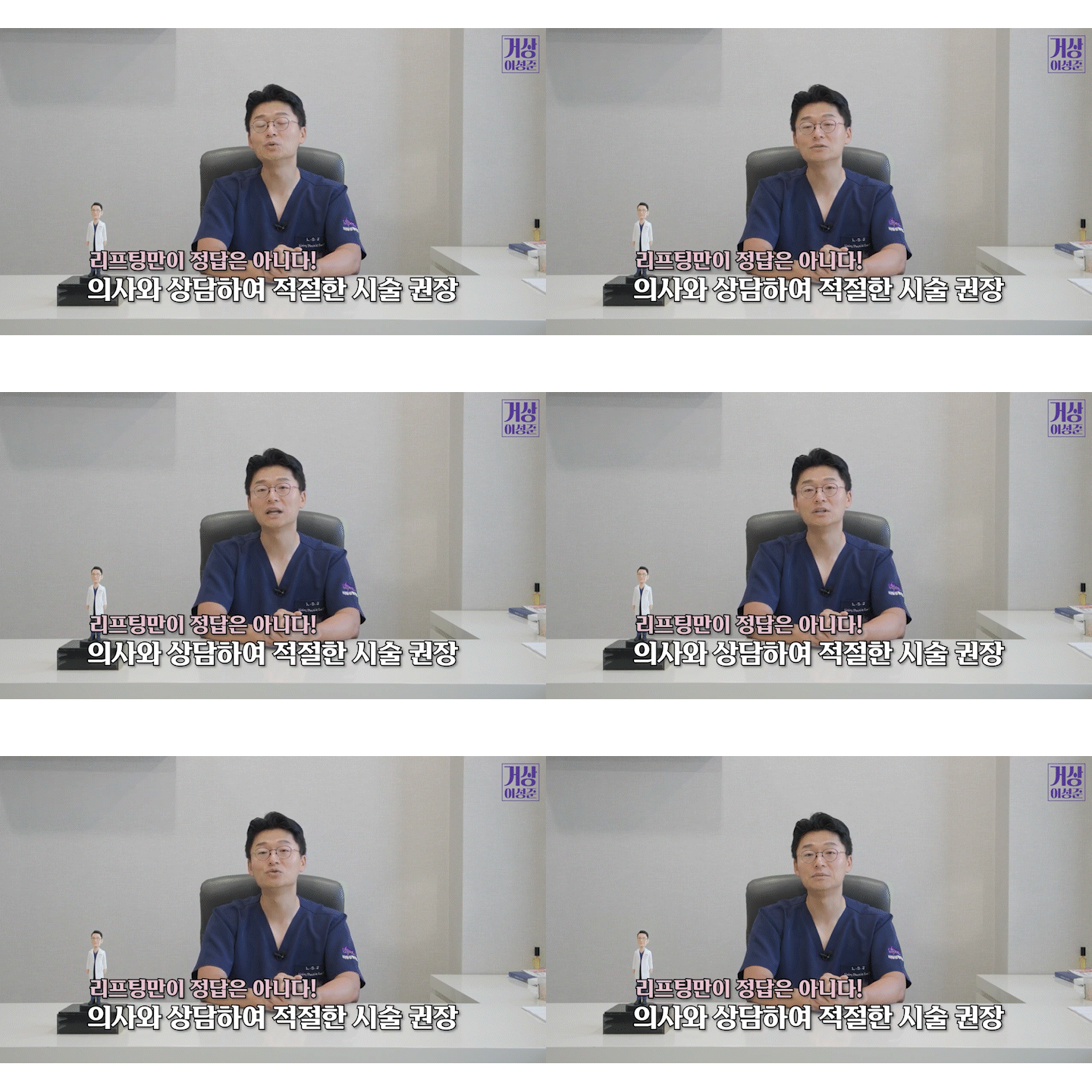
The causes of facial sagging
are often complex, including not only skin aging but also volume loss, muscle laxity,
and changes in skin thickness.
So it may not be solved by mini lifting alone.
Therefore, through sufficient consultation with an experienced medical team,
you should be recommended the method most suitable for your current condition,
and then decide on the direction of surgery or procedure accordingly.
Change should be natural,
and it should not be forced.
Today,
I provided information about the mini lifting surgery performed at a Gangnam plastic surgery clinic and its recovery period.
What people considering surgery fear most is
“What if I make the wrong choice?”
That is probably the concern.
So before every surgery, we always conduct sufficient consultation,
carefully analyze each person’s condition,
and suggest the best method.
What matters most is that surgery should not simply change the appearance,
but should help restore one’s confidence
and improve quality of life.
I think lifting is not a means of regaining youth,
but a process of maintaining what feels like you.
I always wish you good health and beauty.
Thank you for reading this long post.
I hope you become more naturally youthful tomorrow than today,
and the day after tomorrow more than tomorrow.
This was Lee Seong-jun, Director of Seoul Reating Plastic Surgery.
This article is
content intended to provide general information
about facelift surgery.
Whether or not to actually undergo surgery
should be determined according to each individual’s health condition and purpose,
and should be decided through consultation
with a professional medical team.
If you would like more detailed information,
please check the YouTube link below
for further details.
https://youtu.be/kIW0ALFRI6Y?si=heJ6K90jbIM53a3n