
Patient 1:
“I had a facelift at an Apgujeong plastic surgery clinic a few years ago.
I was really satisfied at the time,
but these days, whenever I look in the mirror,
my neck feels especially saggy.”
Patient 2:
“Overall,
my face seems to have sagged again.
Do I need revision surgery...?”
Hello.
I’m Director Lee Seong-jun of Liting Plastic Surgery Seoul Branch.
People who are considering facelift revision surgery often say this in the consultation room.
It took a lot of courage to decide on the first surgery,
but when you start thinking about surgery again,
more worries and hesitation usually follow.
Will the scars be okay?
Will my face change again?
Is it really necessary right now?
There are probably many things you’re curious and worried about.
But rather than being too drawn to the word “revision surgery,”
it is important to first calmly examine your current facial condition
and the overall direction of care.
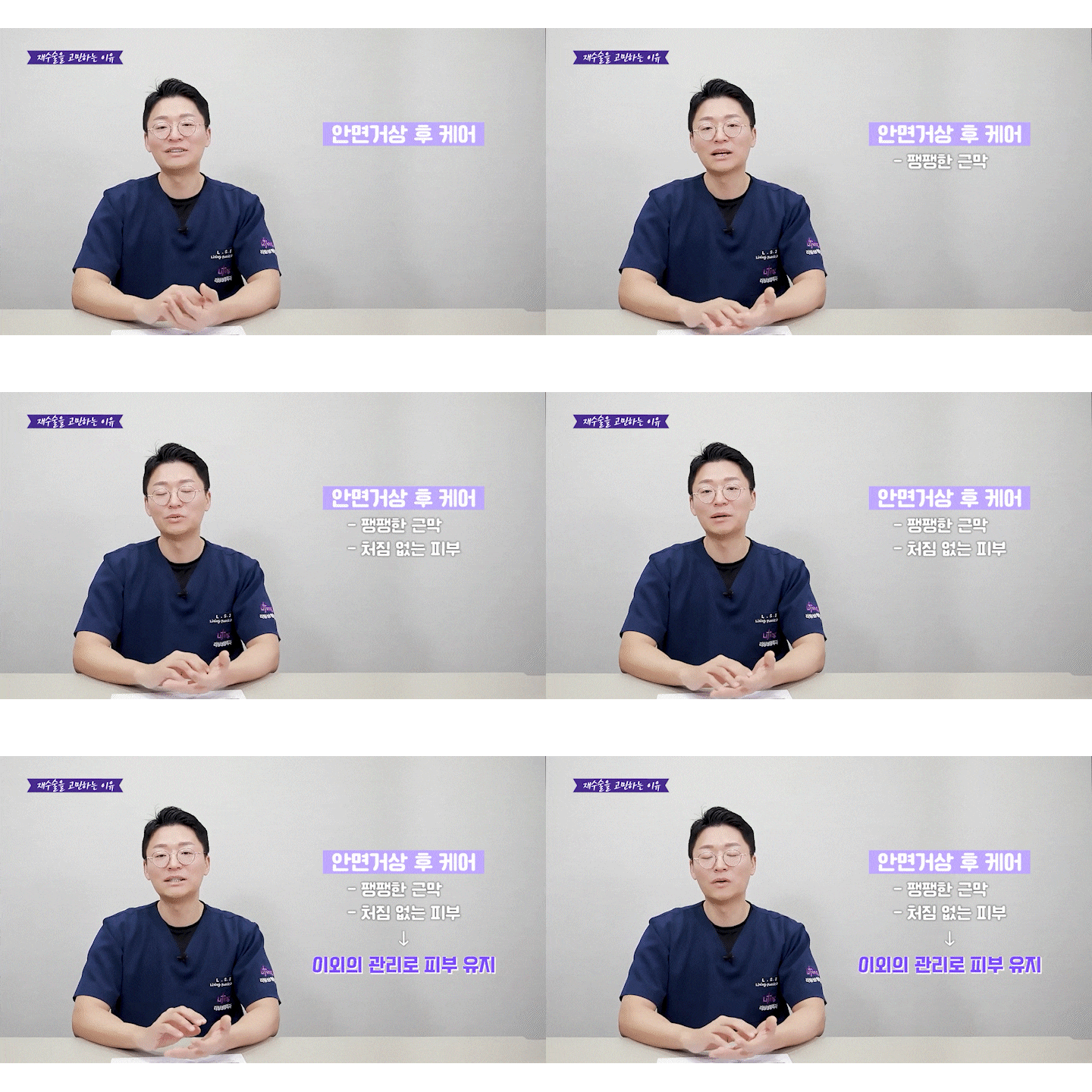 That is because, after a facelift,
“timing” and “ongoing care”
are very important.
That is because, after a facelift,
“timing” and “ongoing care”
are very important.
Today, for those who received a facelift at an Apgujeong plastic surgery clinic
and, over time, are considering revision surgery because of imbalance in the neck area
or overall facial sagging,
I will organize information that may be helpful.
📌 Why does only the neck seem
more saggy?
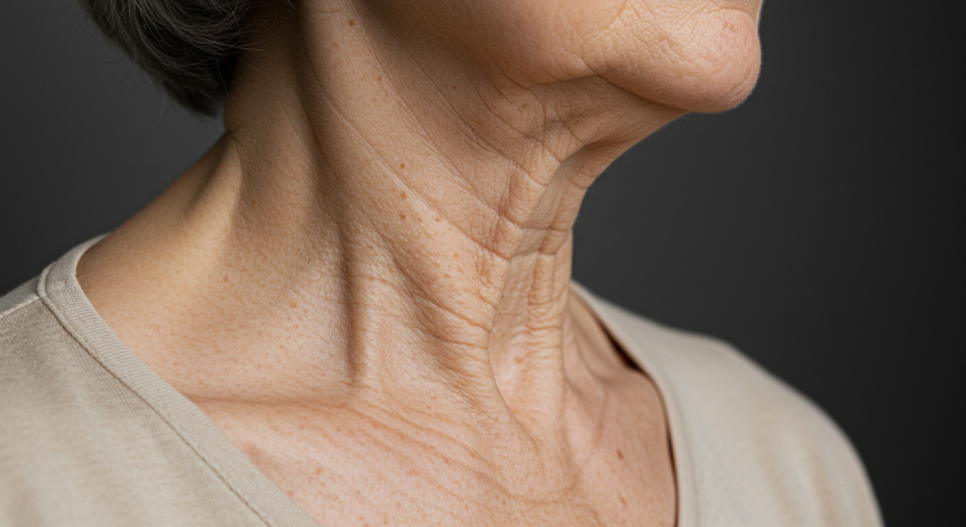
When you first had a facelift,
there was likely a strong focus on the midface or lower face.
Jawline definition, nasolabial folds, cheek sagging, and other noticeable areas
were probably the main targets of surgery.
However, as time passes,
the neck area, which was relatively untouched by surgery,
naturally follows the aging process.
As a result, the boundary between the face and neck becomes more distinct,
and you may feel as though the overall balance has been disrupted.
The changes below may appear together.
| Increased neck wrinkles |
|---|
| Increased fat under the chin |
| Reduced volume below the cheekbones |
| Decreased skin elasticity |
When these changes overlap,
the jawline becomes less defined,
and the overall contour may feel like it has collapsed.
The face may seem less refined,
and while the face itself still looks distinct,
only the neck may appear blurred.
📌 Neck wrinkles can broadly be
classified into 3 types.
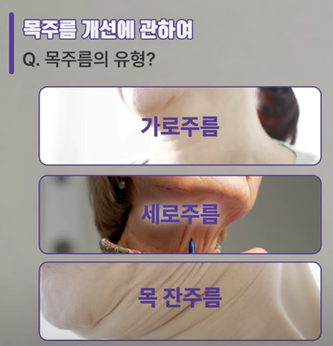
The treatment method for each of these three types differs depending on the cause of the neck wrinkles.

Horizontal neck wrinkles are often caused by lifestyle habits,
such as naturally having more skin on the neck from birth
or frequently bending the head downward.
The main cause is the indentation of the neck skin,
so regenerative procedures that restore damage to the dermis
can help cover horizontal wrinkles.
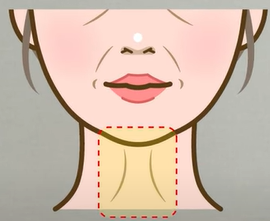
And the vertical wrinkles that many people worry about
occur as muscle tone decreases over time.
In that case, one possible solution is to tighten the muscles.
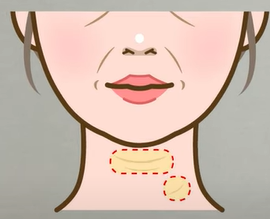
In addition, fine wrinkles can be caused by two factors:
one is having excess skin,
and the other is thin skin with insufficient elasticity.
In most cases, these two factors occur together.
The most dramatic way to improve these various neck wrinkles
may be surgery.
At Apgujeong plastic surgery clinic,
as a solution for this,
an overall lift (V-neck lifting)
can be considered.
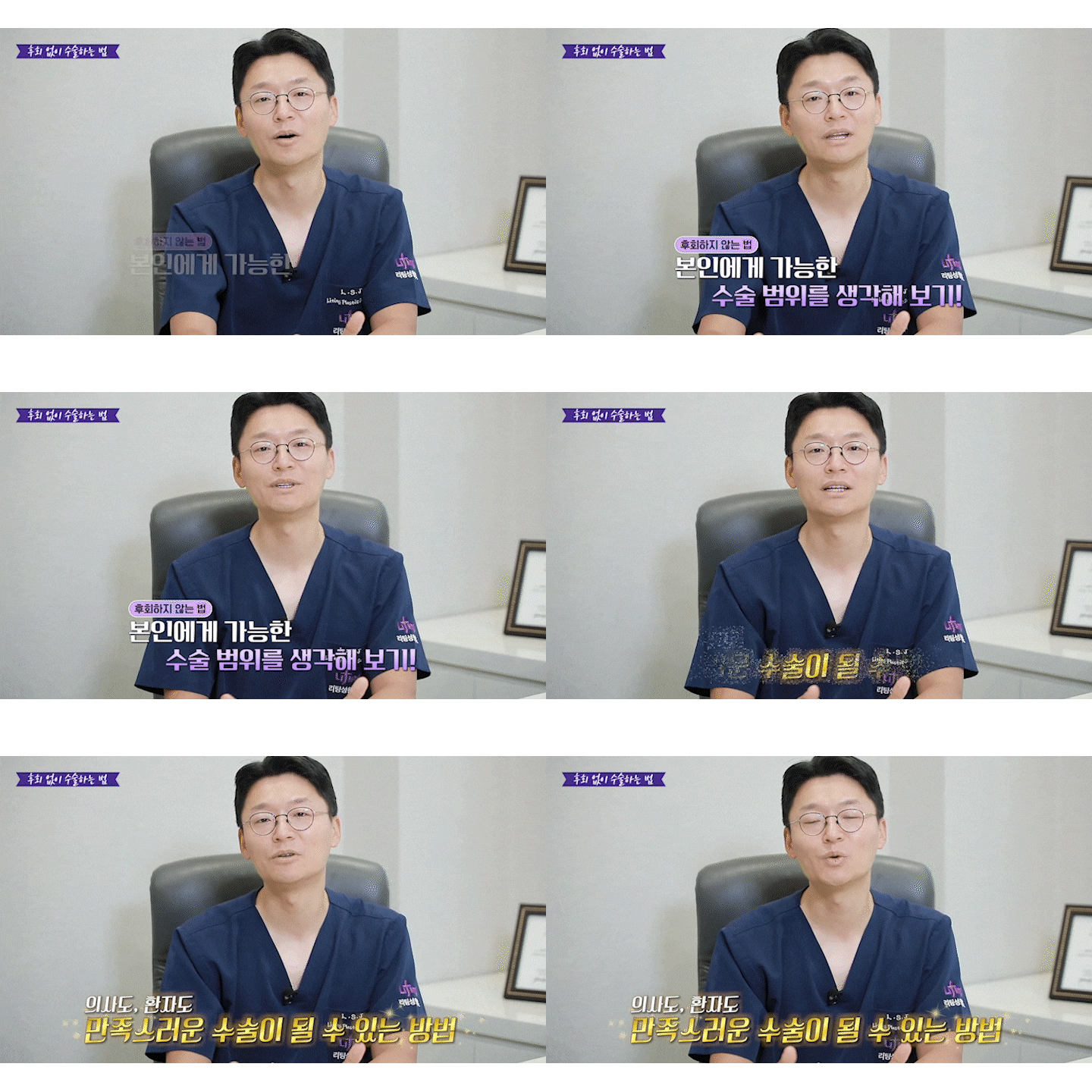
Even if you have already had a facelift,
if sagging appears again over time,
and especially if it begins to affect the neck line as well,
revision surgery with an overall lift (V-neck lifting)
may be worth considering.
Rather than simply operating on the neck alone,
a lift that adjusts the face and neck together
can lead to a more natural and harmonious result.
An overall lift (V-neck lifting)
raises the midface, lower face,
as well as the jawline and neck line together.
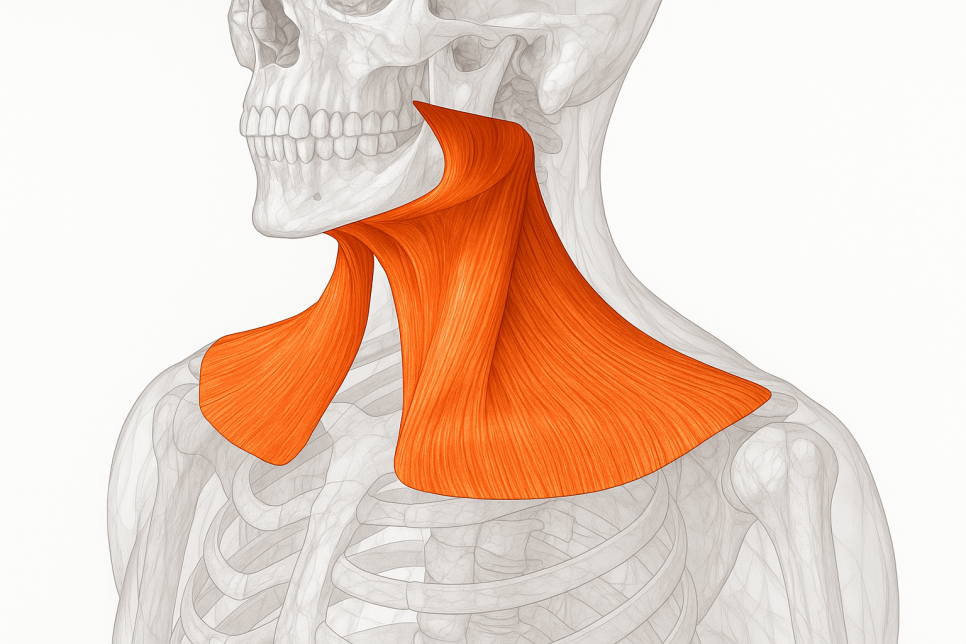
Most importantly,
the neck area, separate from the SMAS layer,
can also have sagging caused mainly by the loosening
of a thin fascial layer called the “platysma muscle.”
In such cases, simply pulling the skin may have limited effect,
so a surgical approach that also adjusts the direction of the platysma
may be necessary.
📌 What if you’re very worried about revision surgery?
“I’ve already had surgery once—can I do it again?”
“Will I end up with twice as much scarring?”
“Will recovery take even longer than the first time?”
When considering revision surgery,
you may worry about scars, recovery, and the burden of another procedure.
But you do not necessarily have to think of it that way.
At Liting Plastic Surgery in Apgujeong,
when a patient has already undergone a facelift,
we mostly approach revision surgery by reusing
or extending the existing incision line.
Therefore, rather than creating a new scar,
the procedure may be performed by tidying the area around
the existing incision.

In addition, before surgery,
we thoroughly analyze the skin laxity,
degree of adhesion,
and the location of previous scars,
and plan a customized lift tailored to the individual facial structure.
Rather than pulling forcefully,
we pursue a natural lift
focused on facial harmony.
Recovery speed varies widely from person to person.
It may feel longer than the first surgery,
but there are also people who say they recovered even faster.
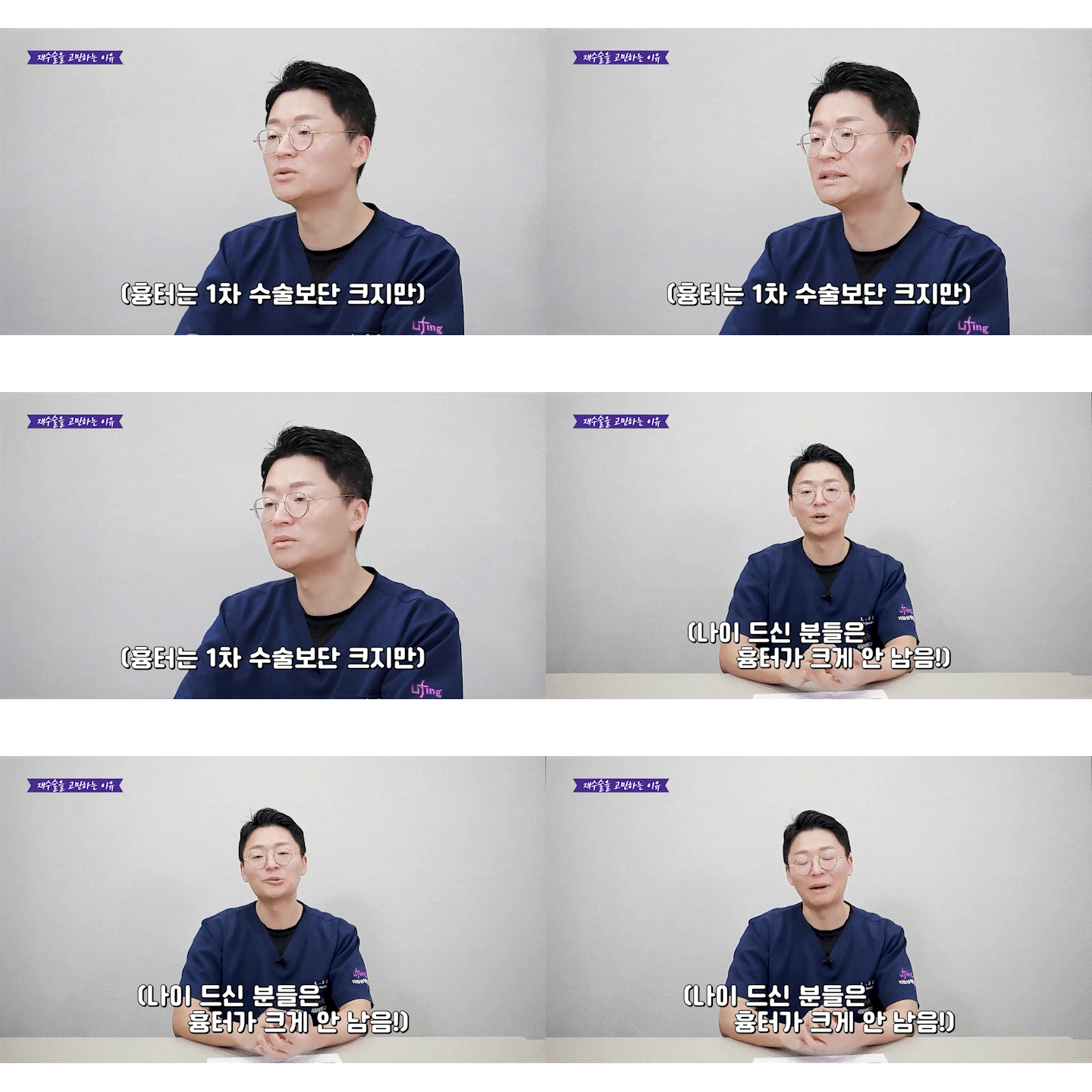
Because the outcome may differ depending on the surgical technique or recovery management,
please receive detailed guidance during your consultation based on your own situation.
📌 The facelift maintenance period and
revision surgery: when is the right time?
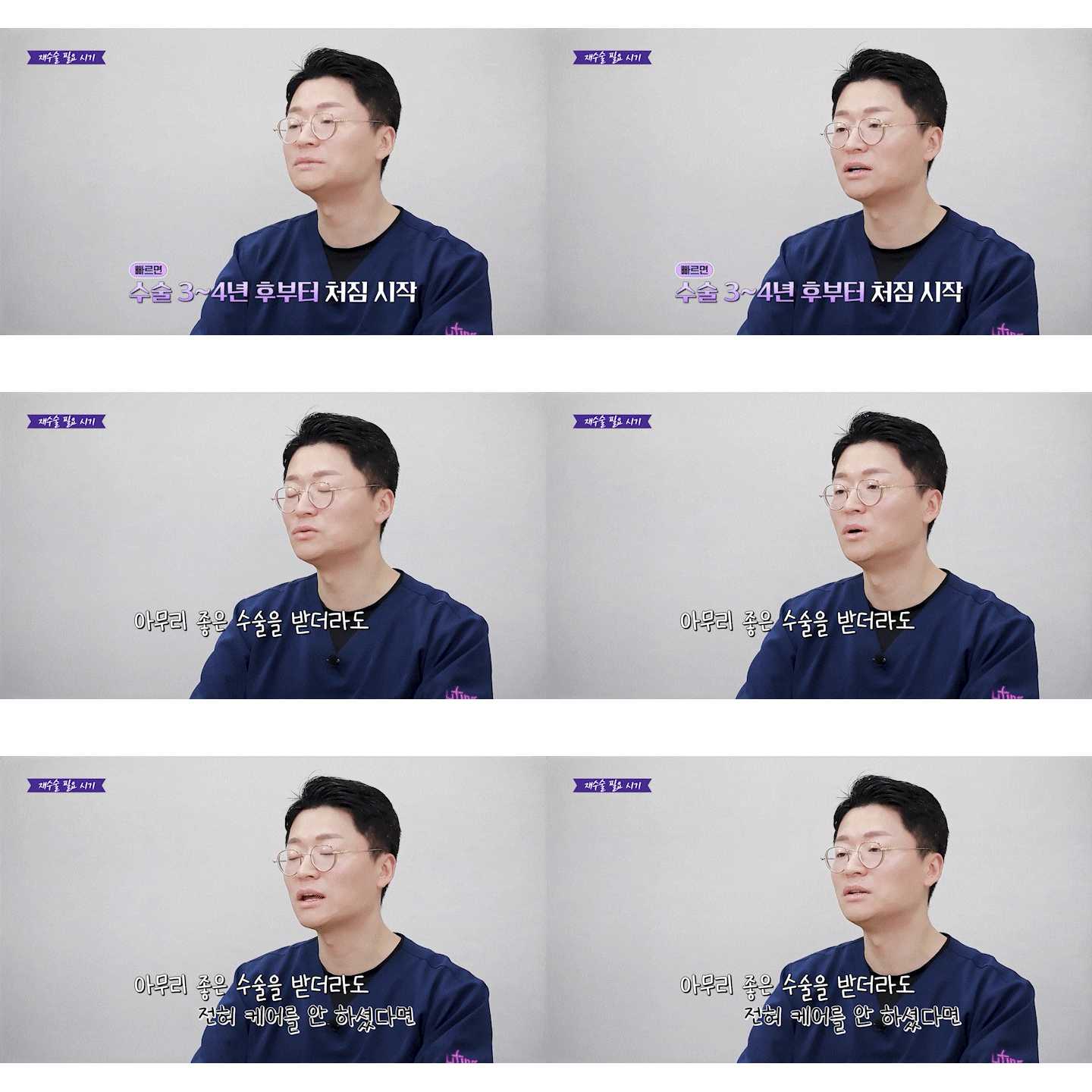
Please keep in mind that the facelift maintenance period
varies from person to person,
just as skin types and degrees of sagging differ.
On average, it can be considered to be about 5 to 10 years.
Many people think after facelift surgery,
“this should last for a few years.”
But if you do not maintain it,
feeling sagging again can happen in as little as 3 to 4 years.
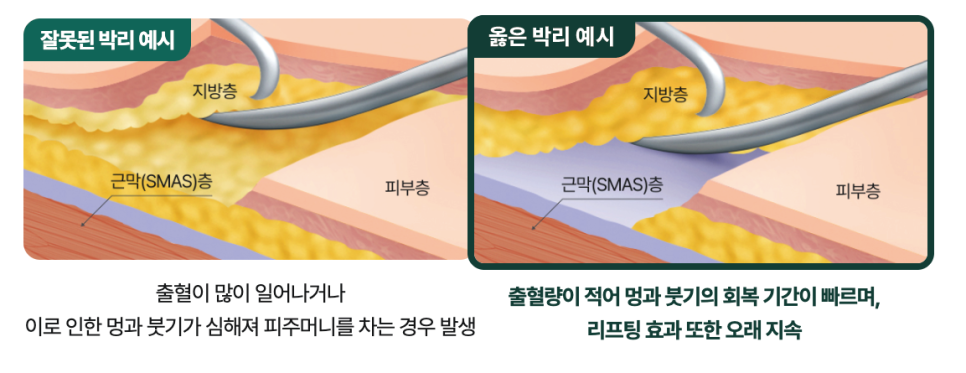
The facelift maintenance period
varies depending on your skin condition and the approach used during surgery.
In general, it may be influenced by factors such as the following.
| Skin elasticity and thickness |
|---|
| Strength of SMAS layer fixation |
| Scope of surgery (face only or overall lift) |
| Lifestyle habits (smoking, weight changes, UV exposure, etc.) |
| Whether consistent post-surgery care is maintained |
Ultimately, surgery is not permanent.
Because aging does not stop,
it is very natural for the lifting effect to gradually weaken over time.
📌 How should you choose the lifting procedure
that is right for you?

As time passes, aging can return for anyone.
What matters is correctly distinguishing whether the whole face has sagged again
or whether only a specific area has changed.
| If the overall flow of the face and neck has sagged together | → Overall lift (V-neck lifting) |
|---|
| If you want to refine only a specific area that feels uncertain | → Liting M·U·L·J lifting |
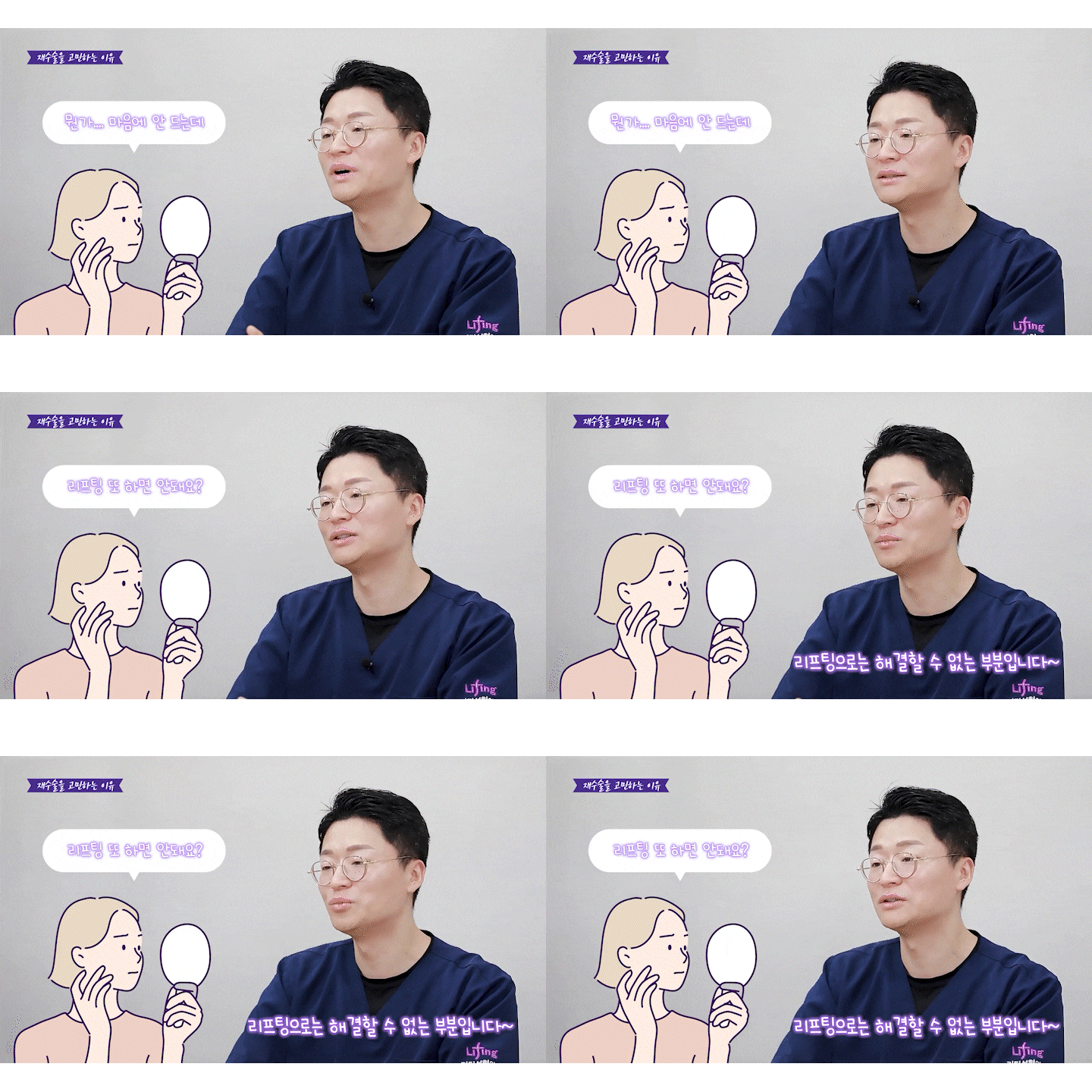
However, even if you feel that a lift is needed,
when it is actually examined,
the cause of the problem may be in a different area.
Therefore, above all,
it is important to find the direction that suits you best
through 충분한 consultation with a specialist.
Even if you feel you are not the way you used to be,
you do not have to worry alone for too long.
At Liting Plastic Surgery in Apgujeong,
rather than simply recommending surgery,
we analyze the structure of the face and neck together
and guide you toward the most harmonious lifting direction.
I hope you become more naturally youthful,
more today than yesterday,
and more tomorrow than today.
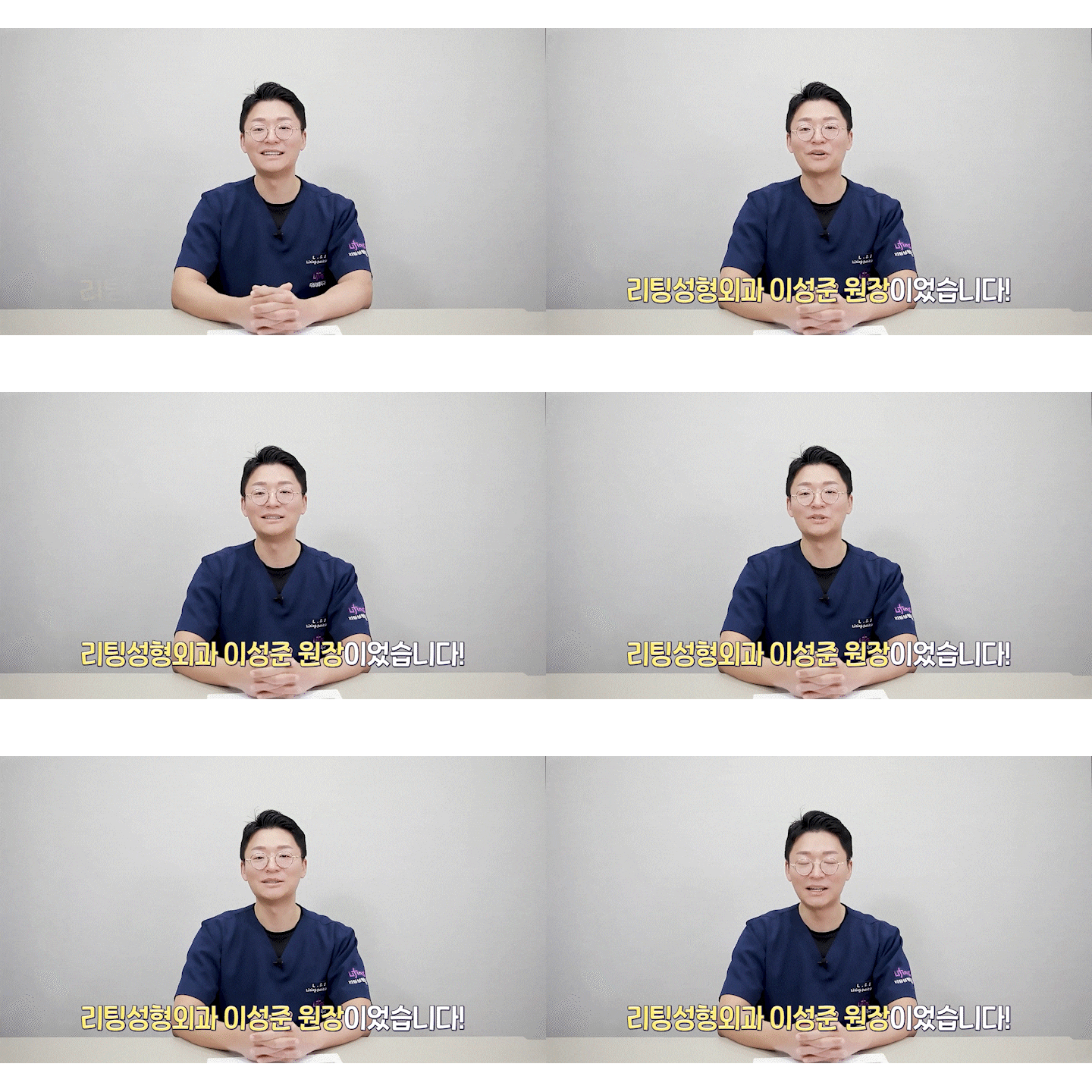
This was Director Lee Seong-jun
of Seoul Liting Plastic Surgery.
This article is content intended to provide general information
about the facelift maintenance period and revision surgery.
Whether surgery is actually appropriate
should be determined based on the individual’s health condition and purpose,
and should be decided through consultation with a specialist medical team.
If you would like more detailed information,
please check the YouTube link below for further details.
https://youtu.be/7pWp6lZaZT8?si=iQ8Ie1eBzgtix9-i