Hello.
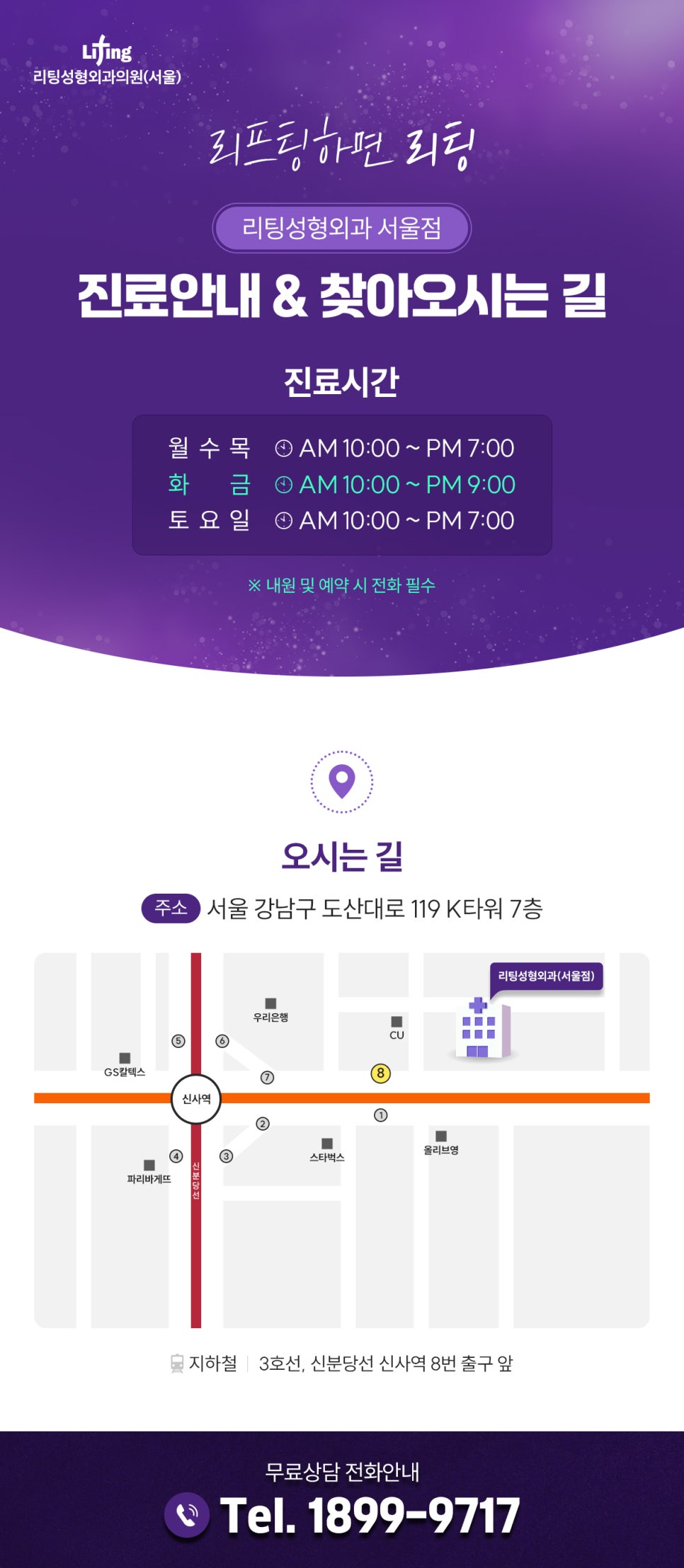
I am Director Lee Seong-jun of Re-Ting Plastic Surgery Seoul Branch.
A season with light clothing, clear weather, and
more outdoor activities
is summer.

In summer,
as travel, gatherings, and various events increase,
opportunities to spend time with other people
naturally increase as well.
As the weather gets hotter,
clothing becomes lighter,
and many people tie their hair up more often,
attention to facial lines and
skin elasticity
also increases during this period.

The rise in inquiries such as,
“I want a fresh change before summer vacation”
is not unrelated to this trend.

In particular, when you feel that facial contours are not clear due to reduced skin elasticity, sagging cheeks,
and a less-defined jawline,
people look for facial thread lifting as a procedure that can be tried without too much burden.
At the Sinsa-dong plastic surgery clinic as well,
many people who have these concerns
start consultations,
especially in the summer.
What Is Facial Thread Lifting?

Facial thread lifting
is a procedure in which
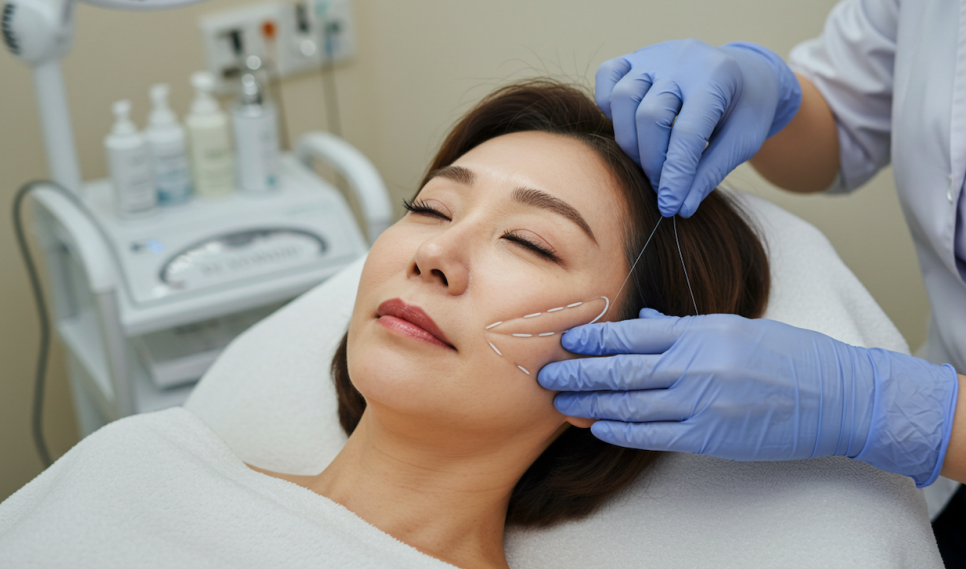
special lifting threads are inserted beneath the skin
to pull up and fix sagging tissue.
As a relatively simple method without incisions,
it is used to improve age-related changes such as
reduced skin elasticity, sagging cheeks,
and a blurred jawline.
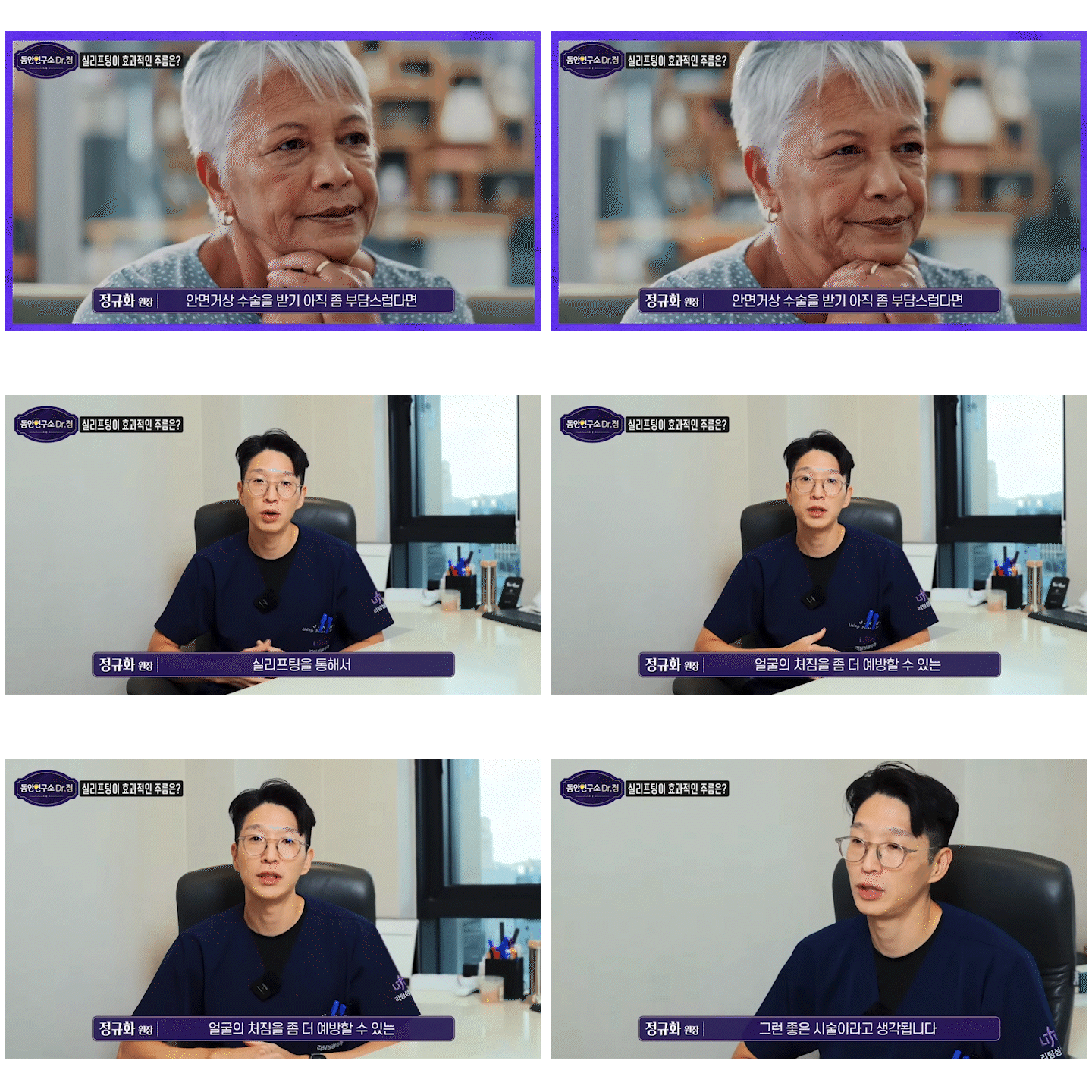
Unlike surgical lifting,
thread lifting does not involve incisions,
which helps reduce concerns about scars that may remain on the skin surface,
and because the recovery period is relatively short,
returning to daily life is comparatively easier.
When inserting the threads,
it is important to secure fixation by considering each person’s anatomical skin structure,
such as the dermis, subcutaneous fat layer, and fascial layer.
What Is the Dual Method in Facial Thread Lifting?
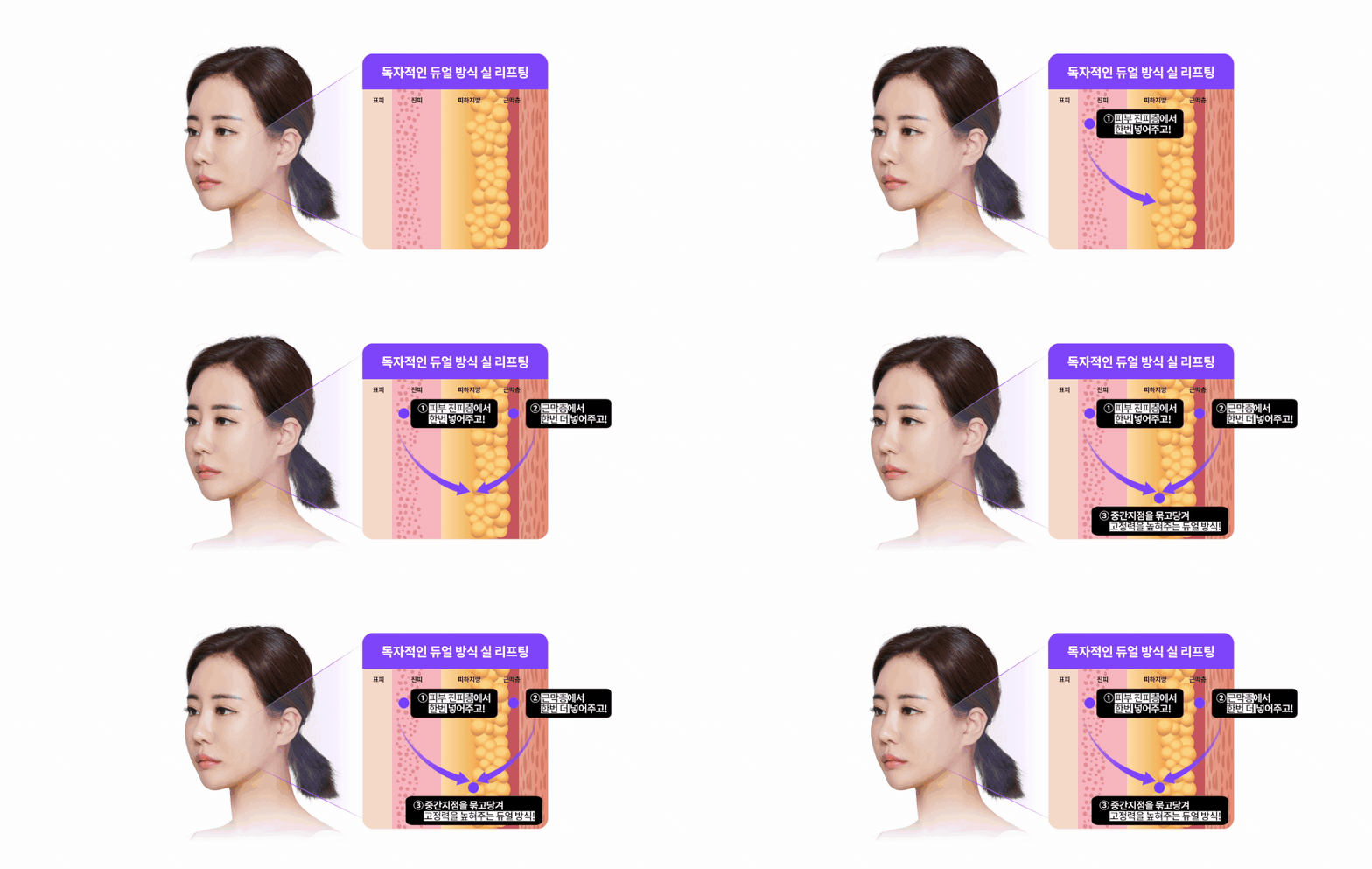
Recently, in facial thread lifting,
a new approach called the dual method
has been drawing attention.
As the name suggests, the dual method
involves inserting threads into
the dermis and the fascial layer (or SMAS layer) respectively,
and lifting both layers at the same time
while securing the thread at the midpoint.
Compared with conventional thread lifting,
which pulls only the layers closer to the skin,
and therefore may have a shorter duration or be more likely to cause a foreign-body sensation,
the dual method combines the lifting effect of pulling each layer separately,
once in the dermis and once in the fascial layer,
allowing for stronger fixation and longer-lasting lifting.
In particular,
✔️ thin areas of the skin
✔️ areas with a rapid decrease in elasticity
✔️ cases where it needs to be combined with mini lifting or similar procedures
may be expected to show improved results in terms of durability and effectiveness.
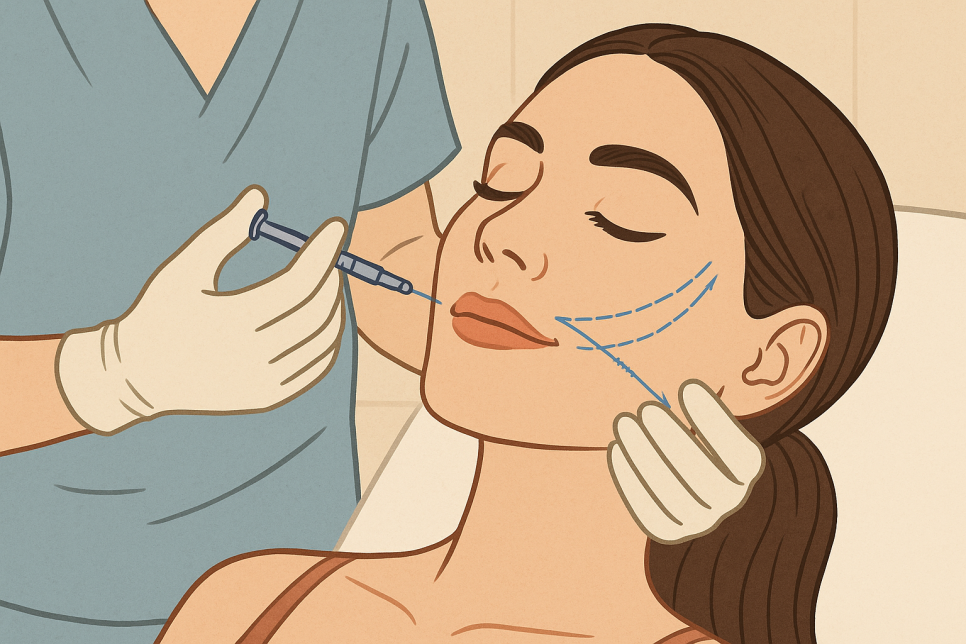
At Re-Ting in Sinsa-dong, plastic surgeons carefully diagnose each patient’s skin structure, sagging pattern,
the type of thread (such as Miniting 6 types), and even the insertion depth
before deciding whether to apply the dual method.
The dual-method facial thread lifting is not simply about using more threads;
based on anatomical structure, it precisely secures the dermis and fascial layer separately,
and therefore requires a high level of technical skill and experience.
Who Should Consider Facial Thread Lifting?
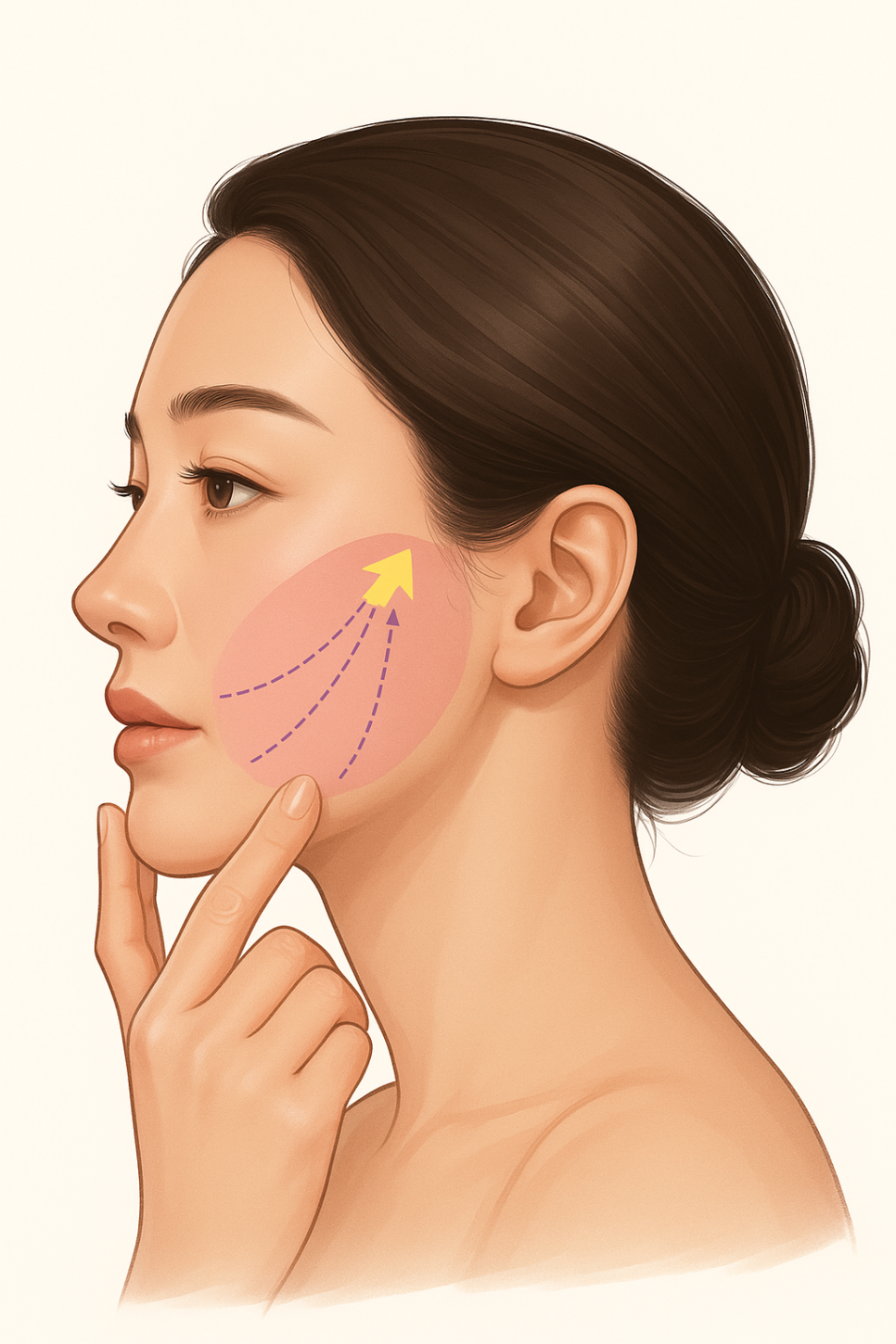
Facial thread lifting
can be considered for people who
✅ feel burdened by incisions or general anesthesia,
✅ want a quick recovery due to a busy schedule,
✅ or want to improve facial contours without surgery.
In particular, in the case of the dual method,
it may be considered when
✅ sagging in the cheeks or jawline appears in a complex way across multiple layers
✅ conventional thread lifting alone was not satisfying
✅ overall elasticity/wrinkle improvement or correction of left-right asymmetry is needed

On the other hand,
if skin sagging is very severe,
or if there is accompanying deformation of the bone structure,
or if there is excessive fat accumulation,
surgical lifting or combined treatment may be more appropriate.
Facial Thread Lifting Procedure
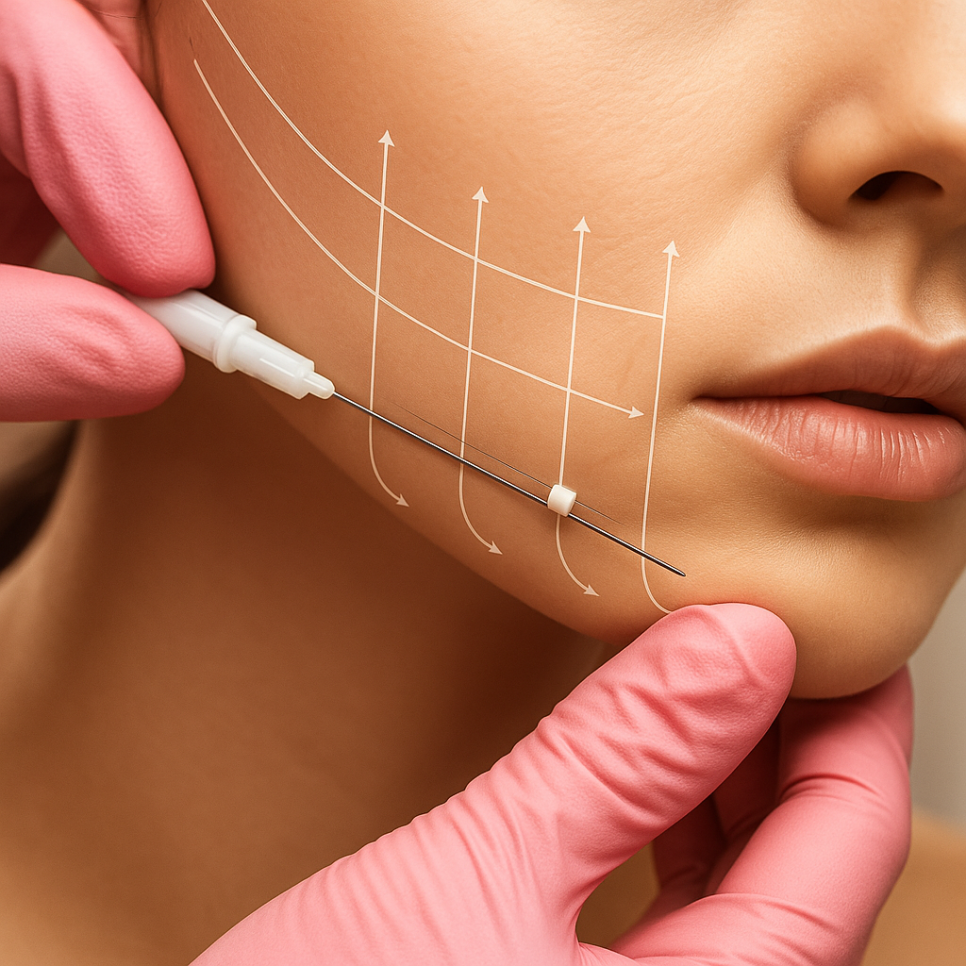
① Individual customized diagnosis
We consult on the skin condition, facial structure,
and desired improvement areas.
② Anesthesia and design
After local anesthesia or sedation,
we design the thread insertion path and fixation points.
③ Thread insertion
Special threads are inserted into an anatomically appropriate layer
(such as the dermis or fascia).
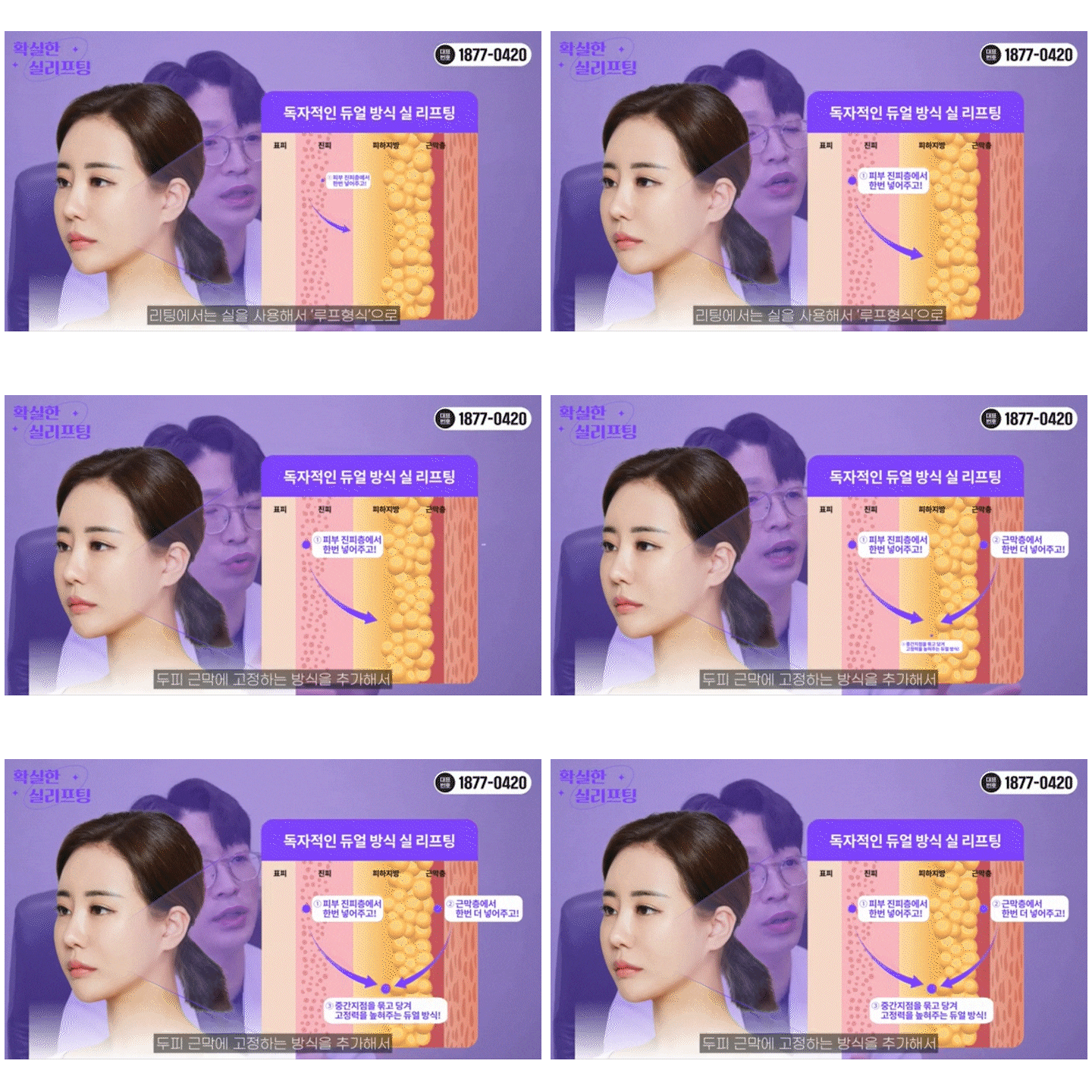
In the case of the dual method,
the threads are fixed in two layers respectively
and tightly tied at the midpoint.
④ Completion after the procedure
After a simple compression dressing immediately after the procedure,
returning to daily life is possible.
| 🔸 Procedure time | About 30 minutes |
|---|
| 🔸 Pain | A slight stinging sensation, discomfort varies by person |
| 🔸 Recovery | Most people can wash their face the next day after the procedure |
| 🔸 Duration | About 6 months or longer (varies by person) |
After thread lifting,
swelling, bruising, and discomfort
may vary in degree and duration depending on the individual’s skin condition and lifestyle habits.
Points to Check Before the Procedure
Rather than thinking only about “which procedure to have,”
it is a good idea to carefully check a few important points.
First,
thread lifting, especially the dual method,
can be influenced by the surgeon’s experience, understanding of anatomy,
and manual skill.
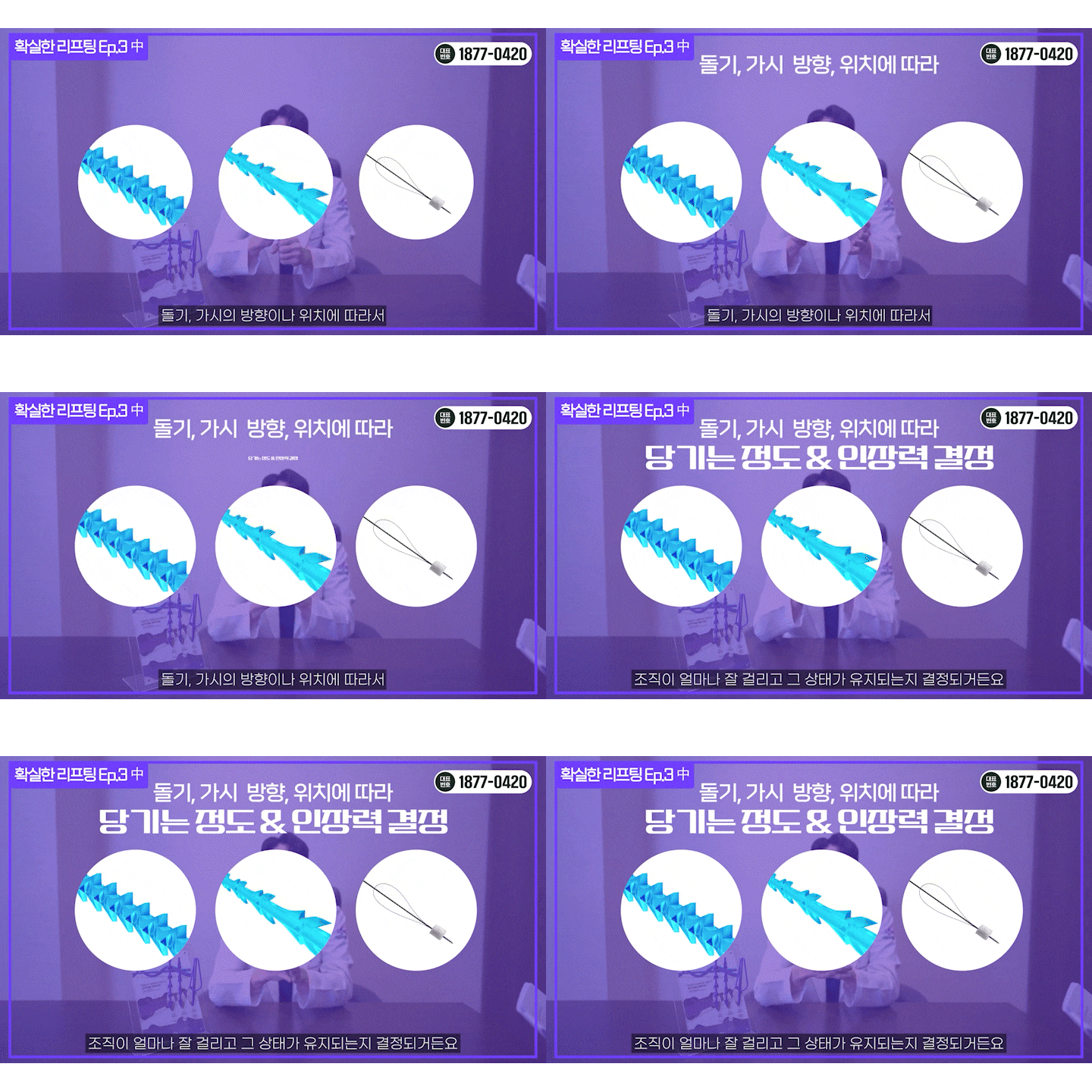
Even when using the same thread,
lifting results can differ depending on who designs it, how it is designed,
and which layer the thread is placed in.
Also,
it is advisable to receive a detailed explanation of the types and characteristics of the threads used in the procedure.
If you are first diagnosed for your skin condition, elasticity, recovery speed, and other factors,
you can more realistically predict the changes and limitations after the procedure.
Also,
the degree and duration of bruising, swelling,
and discomfort that may occur after the procedure,
as well as side effects that may rarely occur such as inflammation, infection,
and a foreign-body sensation,
should be honestly explained by the Sinsa-dong plastic surgery clinic.
Summer Facial Thread Lifting Care Tips
In summer,
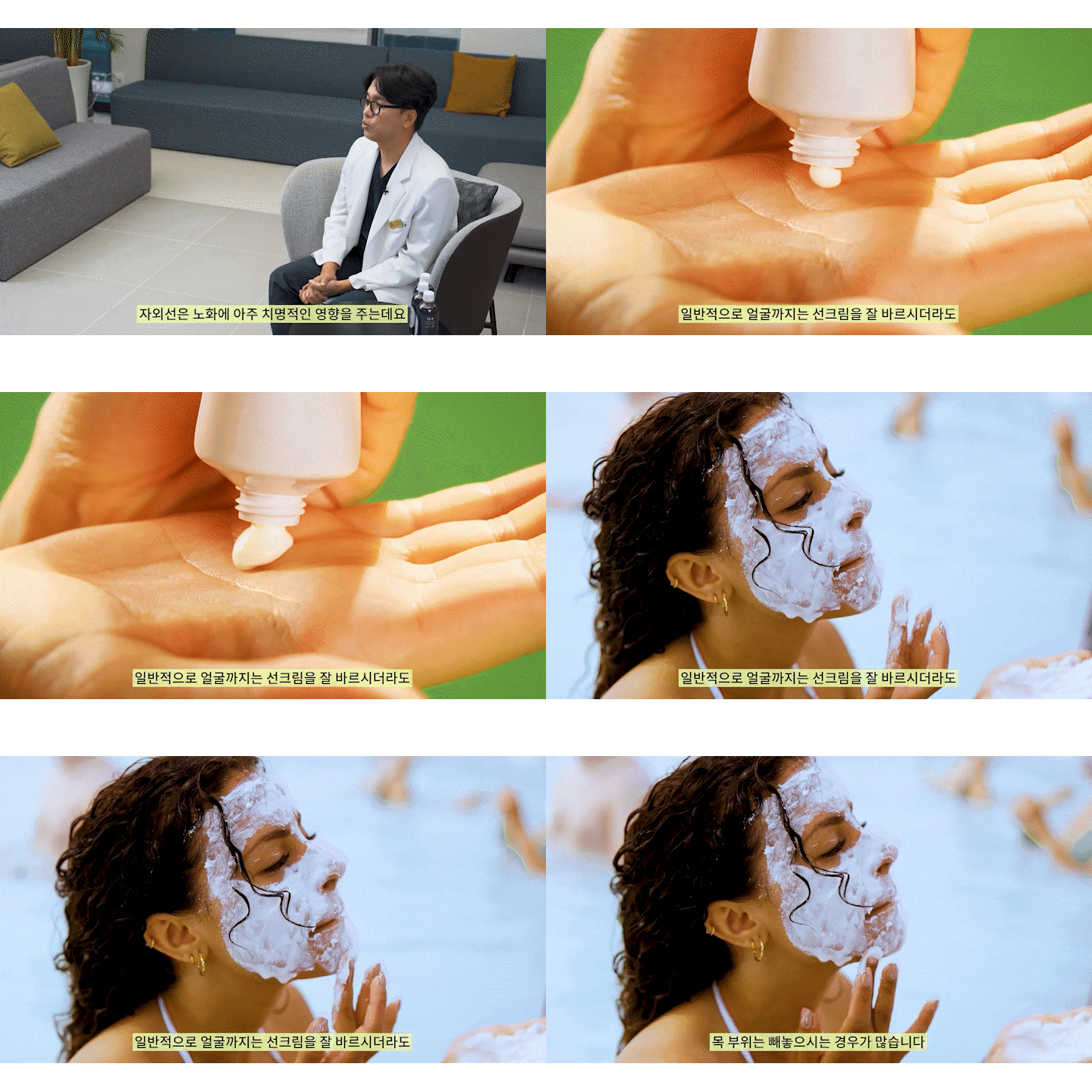
👉 minimize exposure to ultraviolet rays
👉 be careful of sweat and contamination around the procedure area
👉 maintain cleanliness when washing your face and using cosmetics
👉 use cold compresses to help reduce swelling
👉 pay attention to basic care
In particular, after thread lifting,
✔️ it is advisable to avoid alcohol, smoking, strenuous exercise, and saunas for 2–3 days
✔️ when going बाहर, it is recommended to apply sunscreen carefully
✔️ even in summer, if you get enough rest and nutritional intake in an indoor environment,
more stable recovery can be expected.
For a Wise Choice
Facial thread lifting can be a practical option
for people who want to naturally refine facial contours without the burden of incisions.
However, all procedures and surgeries can produce different results depending on the individual’s skin condition, desired changes,
and lifestyle patterns,
so
please make a careful choice of the most suitable method for you after 충분히 consulting with experienced medical staff.
We sincerely support your positive changes.
Thank you for reading this long post.
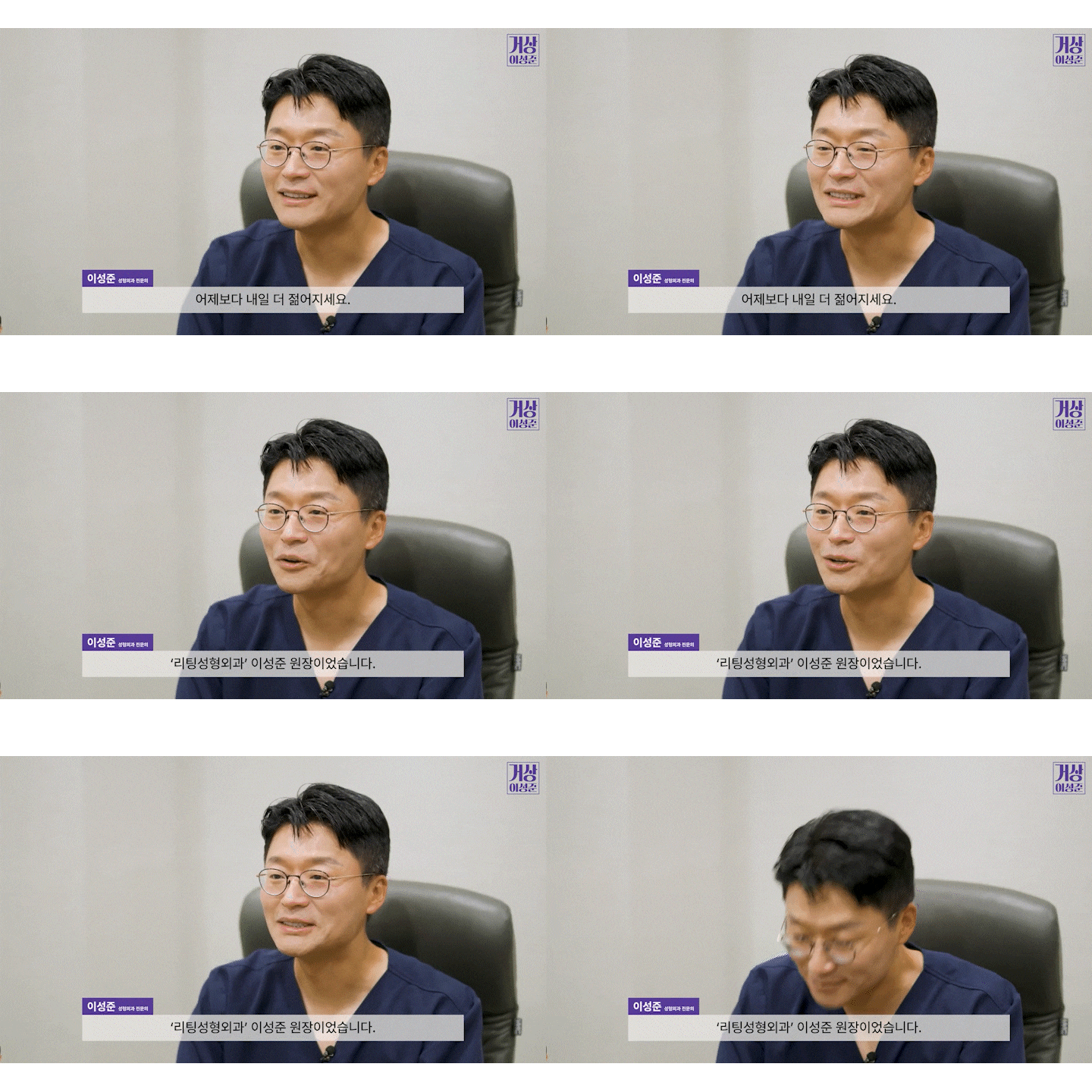
We hope you become more naturally youthful tomorrow than today,
and today more than yesterday.
This was Director Lee Seong-jun of Seoul Re-Ting Plastic Surgery.
This article is content intended to provide general information
about facial thread lifting procedures.
Whether to undergo the actual surgery should be determined according to the individual’s health condition and purpose,
and should be judged through consultation with a medical professional.
If you would like more details,
please check the more detailed information at the YouTube link below.
https://youtube.com/shorts/1BHeDz4sqUw?si=5QN50uPBhAG8asSW