Hello.
I’m Director Lee Seong-joon of Liting Plastic Surgery Seoul Branch.
Even if your face felt lighter after dieting over the summer,
when the weather cools in autumn, it can start to look saggy,
and with an increased appetite,
cheeks and the jawline can feel heavier than before.
Even small changes in routine or a slight increase in food intake can make the cheeks look fuller and the jawline less defined.
Seasonal changes and shifts in daily habits can have a noticeable effect on facial contours.
This is difficult to explain through body weight or skin elasticity alone,
and the position and structural balance of the facial soft tissue play an important role.
In particular, the difference becomes more apparent in key contour lines such as the cheekbones, jawline, and cheeks.
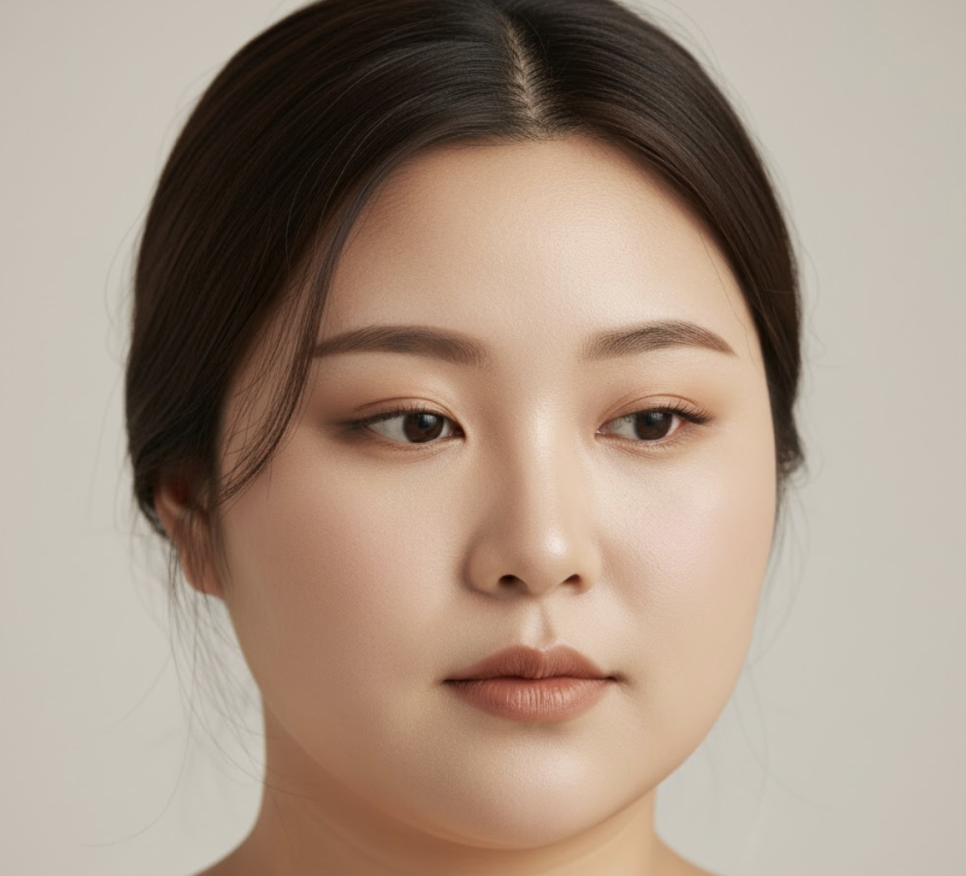
Recently, many people have been saying,
"My facial contours don’t look like they used to."
"I feel like my jawline has collapsed."
At this time, interest in naturally refining facial contours rises because
seasonal changes and changes in daily habits overlap,
making soft tissue imbalance more noticeable.
For those with these concerns,
in this post, I’d like to take a detailed look at “Mini Contouring,”
which approaches structural issues in facial soft tissue
without bone reduction.
In particular, we will look at the principles of a soft tissue-centered approach,
and the differences from existing procedures such as liposuction and thread lifting.
| 📚 Table of Contents 📚 |
|---|
| 1. What is “Mini Contouring,” a contour surgery that does not shave bone? 2. Why soft tissue instead of bone? 3. The structural approach of Mini Contouring — a three-step design 4. Differences from liposuction and thread lifting 5. A recovery-centered contour approach 6. Customized design — different approaches by face shape 7. When Mini Contouring may be worth considering 8. Closing thoughts |
- What is “Mini Contouring,” a contour surgery that does not shave bone?
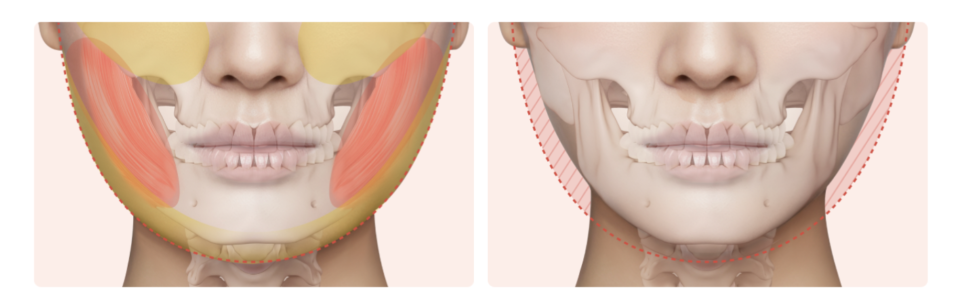
A facial impression is not determined by bone structure alone.
The cheeks, muscles, fat,
and the fascia and ligaments connecting them
all determine the three-dimensionality and balance of the facial line,
and when they sag or become unbalanced,
the face can look larger or feel heavier.
Because these changes are difficult to explain by fat or skin issues alone,
a customized design that considers both structural balance and soft tissue condition is necessary.
“Mini Contouring” is a surgery that approaches exactly this kind of soft tissue structure.
By organizing and repositioning the soft tissue,
it can naturally refine the facial line
and help restore overall contour balance.
In other words, it is a process of restoring the balance and harmony of facial soft tissue while leaving the bone unchanged.
- Why soft tissue instead of bone
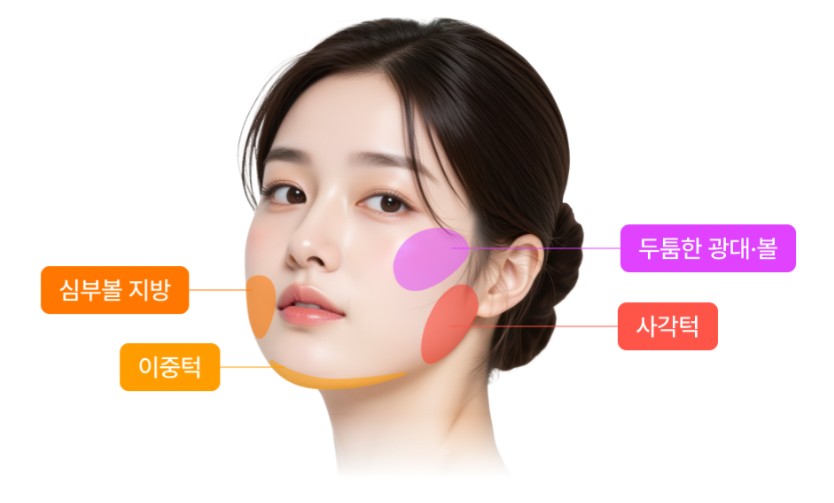
Most facial fullness and sagging arise not from the bone,
but from changes in the layers beneath the skin,
that is, the position of fat, fascia, and muscle.
Over time, as elasticity is lost and these tissues shift downward under the influence of gravity,
the cheeks below the cheekbones can appear fuller and the jawline can become less defined,
making the face look broader.
Changes in soft tissue are difficult to explain simply as skin sagging or weight gain,
and they have a major effect on the facial line and overall impression.
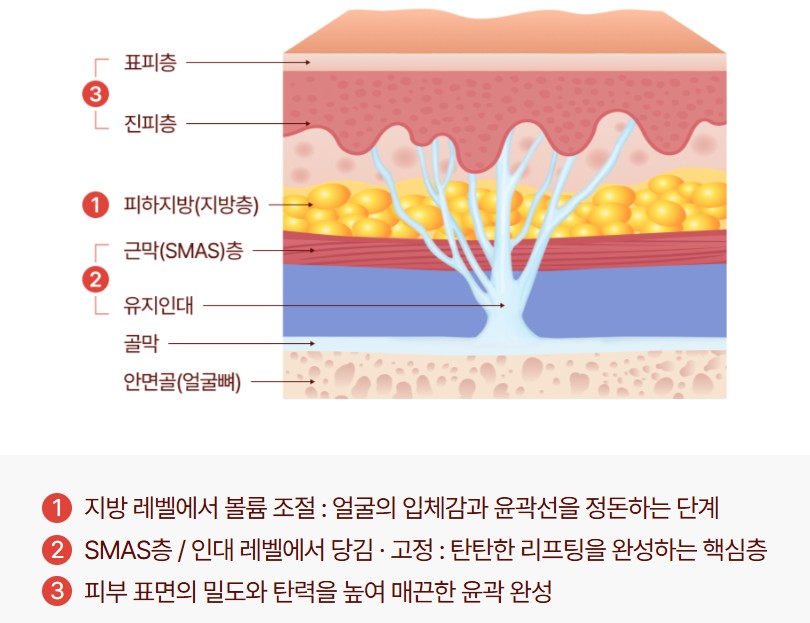
Mini Contouring uses an approach that reorganizes the soft tissue structure
in order to address these changes.
By organizing and repositioning the tissue,
it naturally refines the flow of the facial line
and helps restore contour balance and dimensionality.
If a customized approach is designed after evaluating each person’s soft tissue distribution and elasticity,
more natural and stable contour results can be expected.
- The structural approach of Mini Contouring — a three-step design
Mini Contouring is
a surgical method that can be approached systematically in three stages,
according to each person’s facial structure, skin elasticity,
and soft tissue distribution.
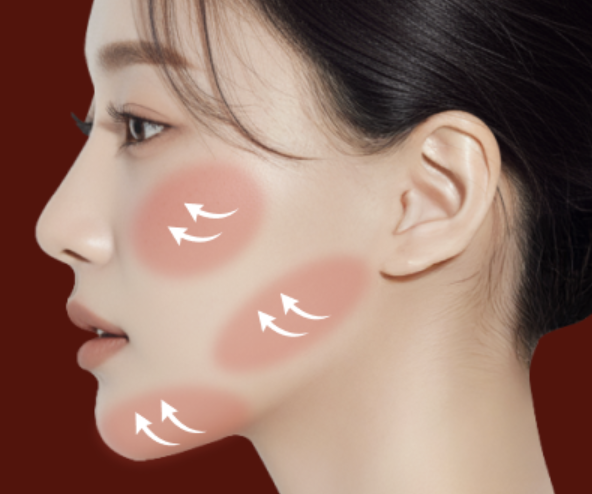
STEP 1. Basic contour refinement
By organizing the major soft tissues such as the cheekbones, cheeks, and under the chin,
the overall flow of the facial line is naturally refined.
At this stage, the key is to first secure balance and dimensionality across the face.
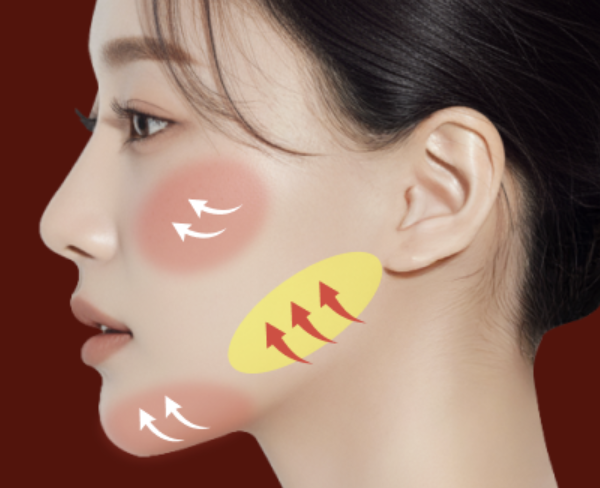
STEP 2. Reinforcement of the upper jawline
(cheek and jawline focus)
The fascia layer is securely fixed to reinforce the line above the jawline.
This makes the cheek and jawline appear more defined,
and the overall flow of the facial contour is connected more naturally.
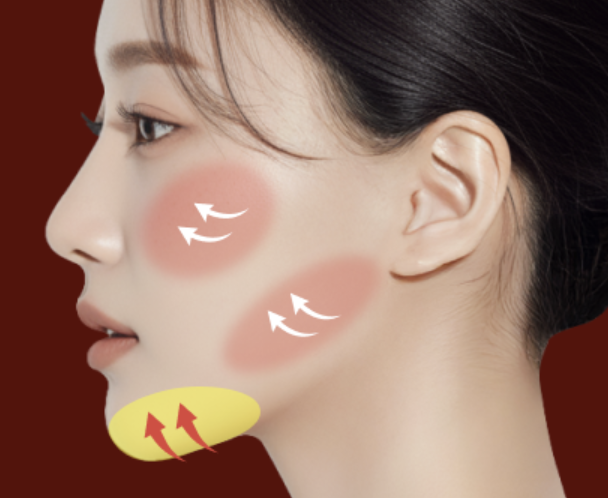
STEP 3. Reinforcement of the lower jawline
(double chin and neck line focus)
Sagging in the lower jaw and neck area is eased,
and if needed, the lower ligaments are repositioned
so that the jawline and neck line connect naturally.
The order and scope of each stage may vary depending on the individual’s tissue structure,
skin elasticity, and age group,
and through this, a natural restoration of the contour line is possible based on a customized design.
- Differences from liposuction and thread lifting
Mini Contouring is intended to improve the facial contour,
but although it shares a similar goal with
liposuction or thread lifting,
its fundamental approach is different.
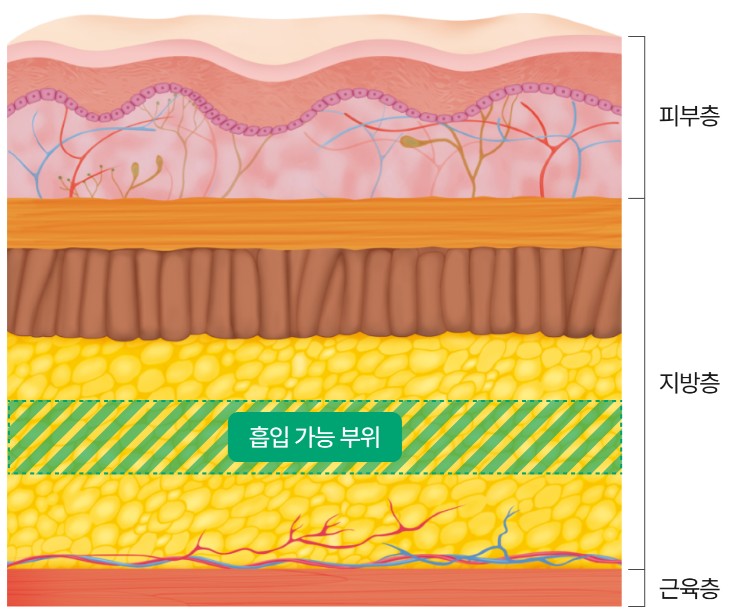
Liposuction focuses mainly on reducing the amount of fat in specific areas.
By removing unnecessary fat from the cheeks, under the chin, or neck,
it reduces volume and helps the contour look slimmer,
but it does not correct the position of the soft tissue or structural balance.
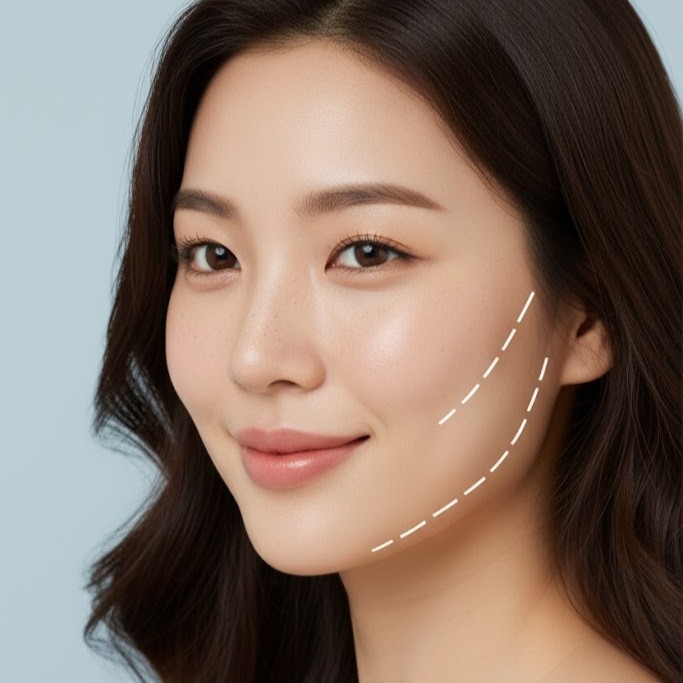
Thread lifting is a procedure that improves sagging centered on the skin surface,
and is used when skin elasticity weakens
or mild sagging appears.
It can lift the skin and refine the contour,
but because it does not reorganize the fascia layer or deeper soft tissue,
it has limits when it comes to structural stability of the contour.

By contrast, Mini Contouring is an approach that fundamentally repositions the facial soft tissue structure.
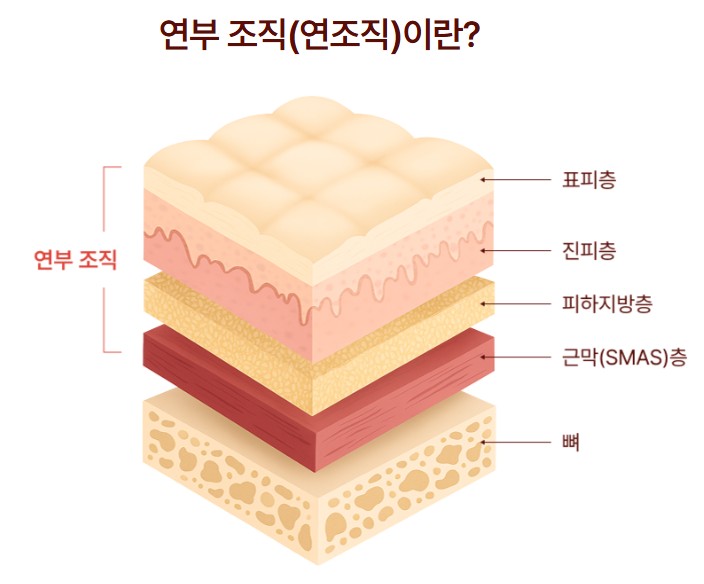
Through structural reorganization that includes the subcutaneous fascia layer (SMAS),
it improves both the three-dimensionality and balance created by the muscles, ligaments, and fat.
In other words, it goes beyond volume reduction or skin tightening and is a structural approach that considers the stability and flow of the entire facial contour.
In this way, Mini Contouring makes it possible to provide a precise customized approach based on anatomical structure,
and more natural results can be expected.
- A recovery-centered contour approach

Because Mini Contouring does not include bone cutting,
tissue damage is relatively small,
and recovery after surgery is relatively smooth.
However, during recovery,
temporary swelling, a feeling of tightness,
and slight discomfort may occur,
and the degree and duration vary depending on the individual’s skin elasticity,
soft tissue condition,
and constitution.
The speed of recovery and the timing of returning to daily life may differ from person to person,
but with enough rest and care,
and by following the guidance of a specialist,
natural contour recovery can be expected.
- Customized design — different approaches by face shape

Mini Contouring
requires different areas of focus depending on the face shape and the distribution of soft tissue,
and the surgical plan and approach are also designed individually accordingly.
For example,
a face with prominent cheekbones focuses on
📌 organizing the soft tissue below the cheekbone
A face with fuller cheeks focuses on
📌 midface fat repositioning
A face with a weakened jawline focuses on
📌 fascia fixation and reinforcement of the lower ligaments
In this way, by carefully considering each feature,
the balance and dimensionality of the overall contour are adjusted.
Because the approach differs depending on whether the main concern is cheek fullness or sagging of the jawline,
a personalized design is essential for restoring a natural facial line
and achieving stable results.
At the Sinsa Station Lifting Plastic Surgery Clinic,
based on each individual’s facial structure and soft tissue condition,
we consider it important to systematically design the direction and stages of contour refinement.
- When Mini Contouring may be worth considering
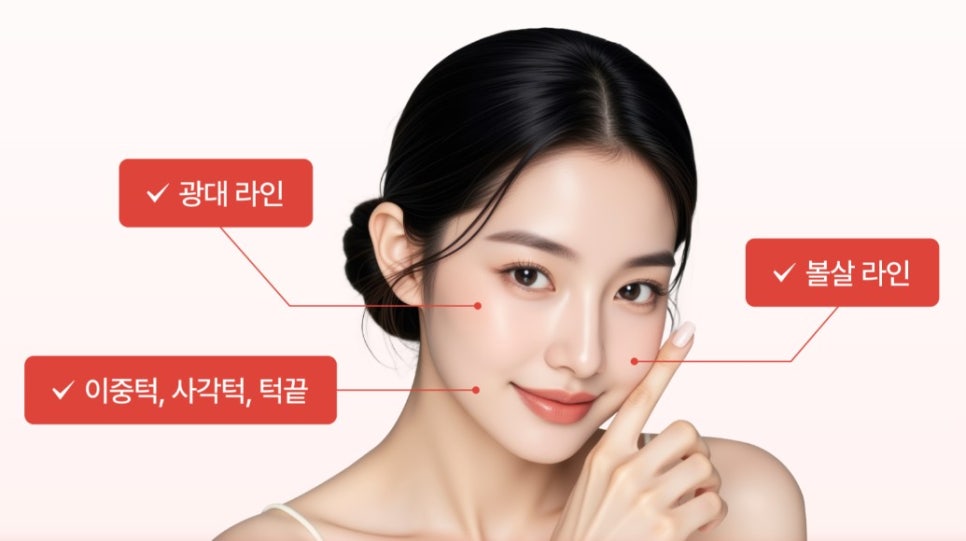
In the following situations,
Mini Contouring
may be an effective alternative.
| ✔️ When bone surgery feels burdensome, but you want to naturally refine the facial line |
|---|
| ✔️ When some sagging remains a concern even after repeated lifting procedures |
| ✔️ When the face feels overall heavy because of cheek fat or jaw fat |
| ✔️ When soft tissue imbalance remains after a previous facial contour surgery |
In this way, an anatomical approach that considers soft tissue and structural balance helps refine the facial line more naturally
and design a stable contour.
Of course, the need for improvement and the method must be determined through an individual professional diagnosis at the Sinsa Station Lifting Plastic Surgery Clinic,
and whether surgery is appropriate or which approach to take should be decided after consulting a specialist,
following a comprehensive evaluation of the individual’s facial structure, soft tissue condition,
and skin elasticity,
so that the method is suitable for one’s facial structure and goals.
- Closing thoughts
In dry autumn weather with large temperature swings between day and night,
the facial line can easily feel heavier than usual.
“Mini Contouring” is a method that does not reduce bone,
but instead refines the facial line naturally by organizing the position of the soft tissue.
For any surgery,
the most important process is to fully understand
whether it is really what you need
before making a decision,
and when you choose a customized approach that matches your facial structure and concerns,
results can appear more natural and stable.
Please be sure to confirm the specific diagnosis and plan
through 충분히 discussing it with a specialist.
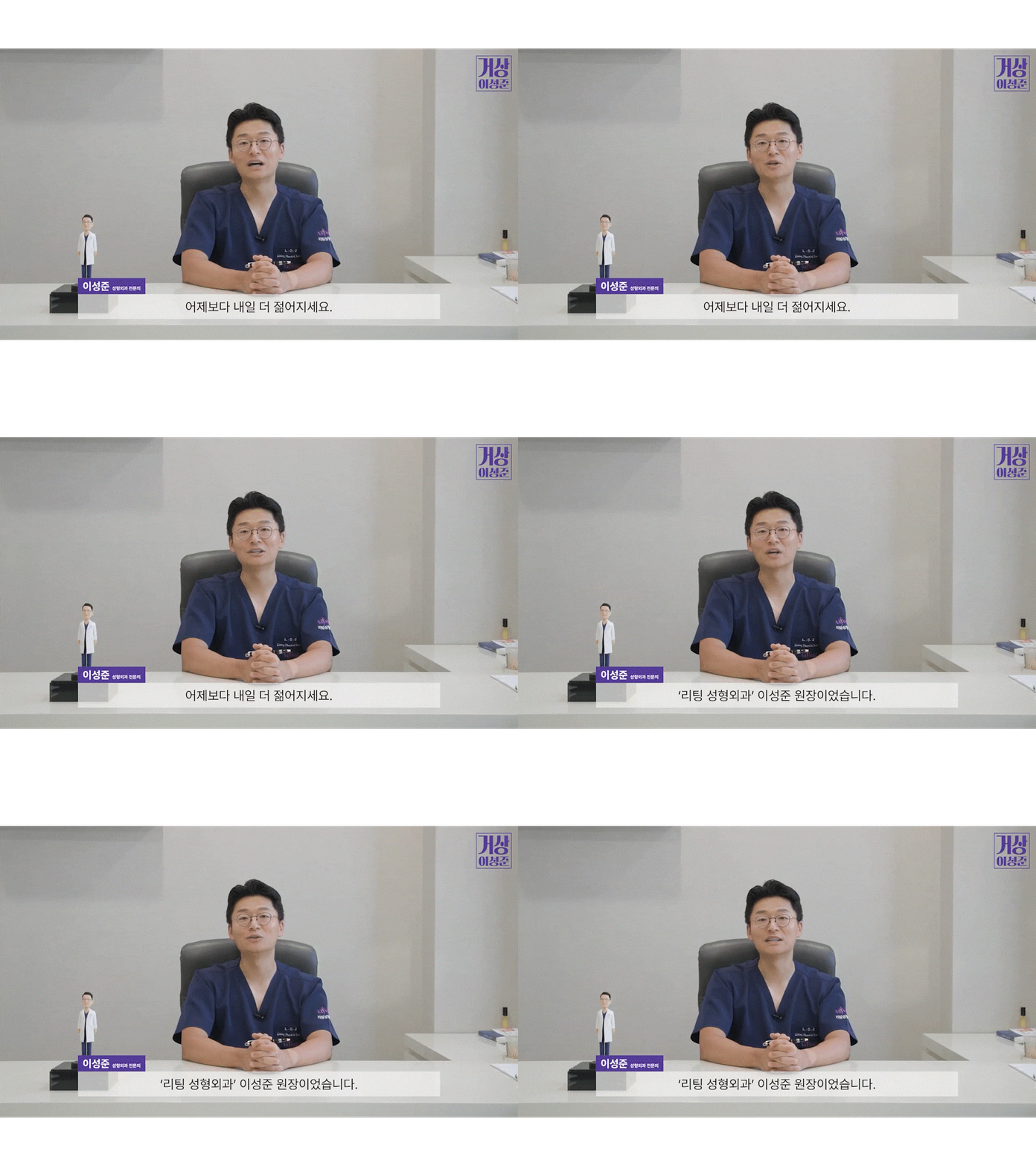
I hope you become more naturally youthful
from yesterday to today,
and from today to tomorrow.
This was Director Lee Seong-joon
of Seoul Liting Plastic Surgery.
This content is
for the purpose of providing general information
about Mini Contouring.
Whether to actually undergo surgery should be decided according to the individual’s health condition and purpose,
and we recommend making that decision through consultation with a medical professional.
If you would like more details,
please check the more detailed information at the YouTube link below.
https://youtube.com/shorts/4vQDG_XA6sY?si=fenjGLlH9k7sOryu