Hello.
I’m Director Lee Seong-jun of the Seoul branch of Liting Plastic Surgery.
These days, it really feels like
the weather is clearly moving into winter.
The air becomes dry,
and I often hear people say
that makeup does not go on well in the morning.
When makeup does not apply well,
after your 30s,
it is often not because the skin is dry,
but because the skin’s elasticity structure
has weakened, leaving the skin texture
less smooth.
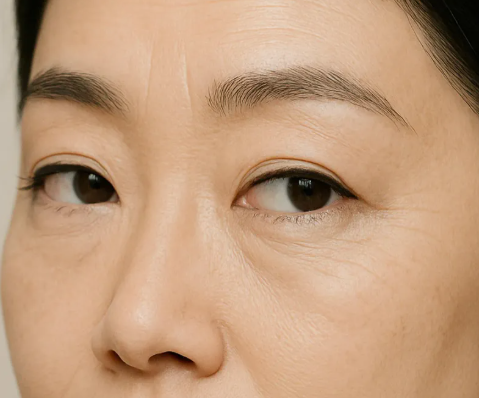
When elasticity decreases, the skin surface
becomes subtly uneven,
and foundation no longer adheres
evenly.
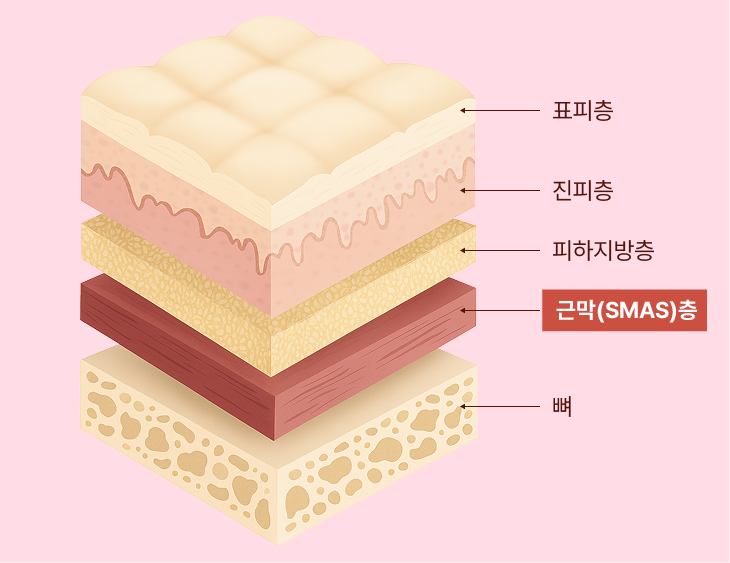
Skin is not just one layer;
the fat layer underneath and the
fascia (SMAS) layer also work together
to maintain the shape of the face.
When these layers sag,
even with the best base makeup,
jawline definition and cheek tissue can slide downward,
creating a stretched-looking face.
That is why, in winter,
demand for “lifting” increases more than basic care.
Rather than makeup that only temporarily covers dry skin,
and rather than home devices that only work briefly while being used,
the trend of looking for care that
“corrects the facial line itself”
has naturally increased.
In the end, reduced elasticity is not simply
a problem on the skin surface;
it begins with changes in the structure beneath the skin.
So the key to lifting is not to “pull” the skin,
but to help restore balance to the facial line
by returning the disrupted structure to its place.
Today, we will look at the skin structure
that determines changes in the facial line
and the lifting approaches suited to it,
step by step.
| 📍Table of Contents📍1️⃣ Sagging face: a problem of skin structure2️⃣ Apgujeong Thread Lifting, the first non-incisional lifting step?3️⃣ Mini lifting: reduce the burden of incisions!4️⃣ Facelift surgery: addressing the entire face5️⃣ Choosing a lifting procedure: the important criteria are ‘degree and direction’6️⃣ Effective maintenance methods for thread lifting without dimple side effects7️⃣ The facial line is determined by the ‘timing of care,’ not age |
1️⃣ Sagging face: a problem of skin structure
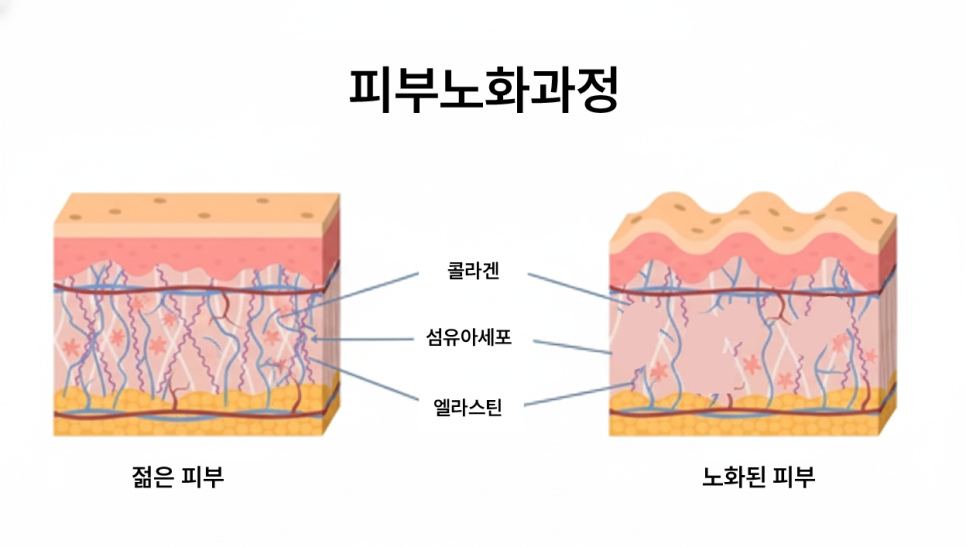
As we age, the skin’s
elastic fibers (collagen and elastin)
gradually decrease.
An even bigger change happens
deep inside the face.
The SMAS layer that supports the skin
sags downward with gravity,
and the fat above it moves along with it,
causing the facial line to collapse.
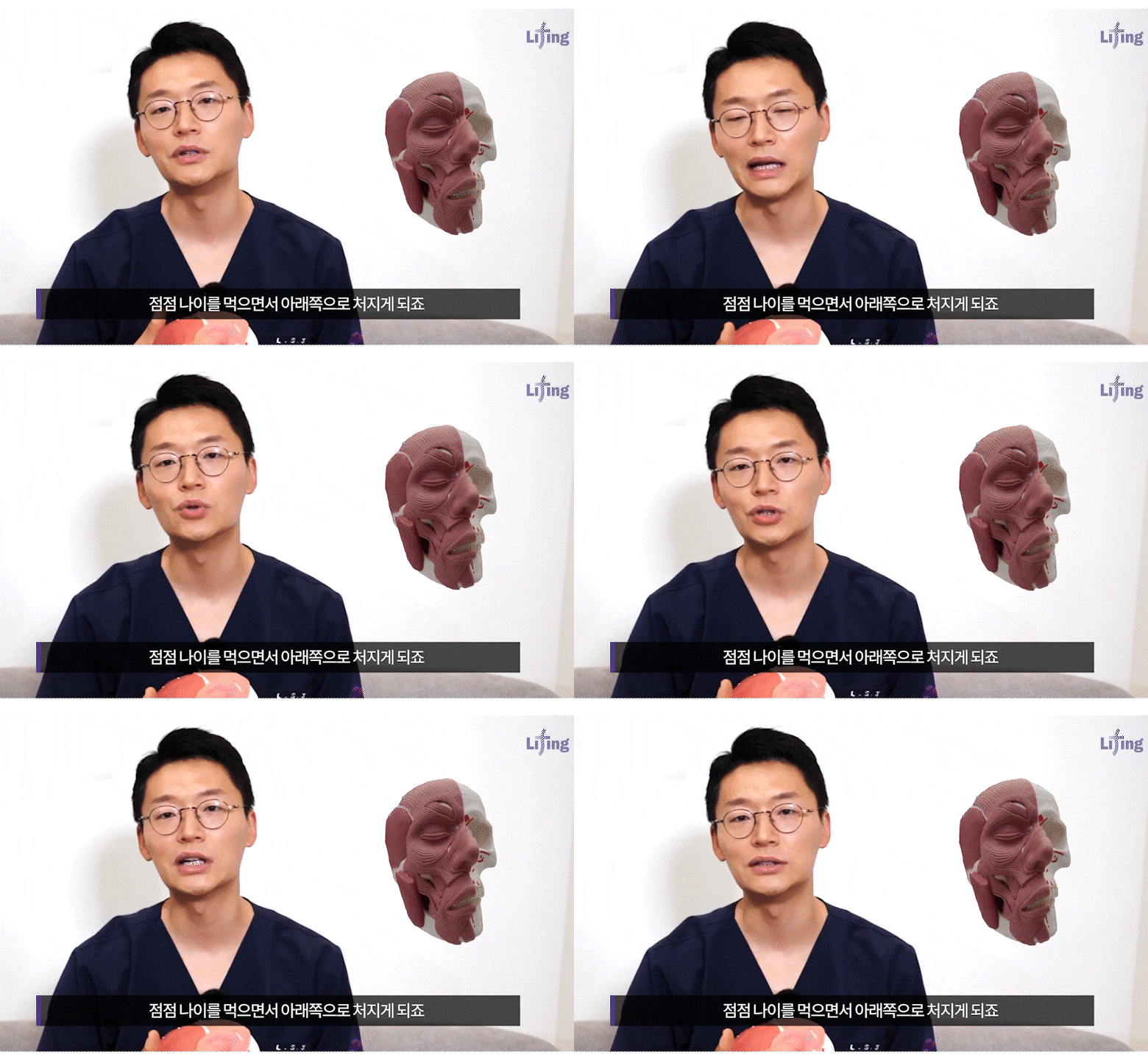
During this process, the cheeks shift downward,
and the jawline expands outward.
So it is difficult to anatomically
improve this sagging with moisturizers or massage alone.
This is exactly why
“facial sagging lift” is needed.
If you need to pull the structure rather than the skin,
it can help restore balance to the facial line.
For this reason, more precise lifting approaches
that address the internal skin structure
have become more important than simple lifting.
A “first-step lifting” that returns the face’s flow
without incision burden
Apgujeong Thread Lifting is one of the representative methods.
2️⃣ Apgujeong Thread Lifting, the first non-incisional lifting step?
Many people say,
“surgery feels too burdensome.”
So the alternative developed for that reason
is Apgujeong Thread Lifting.
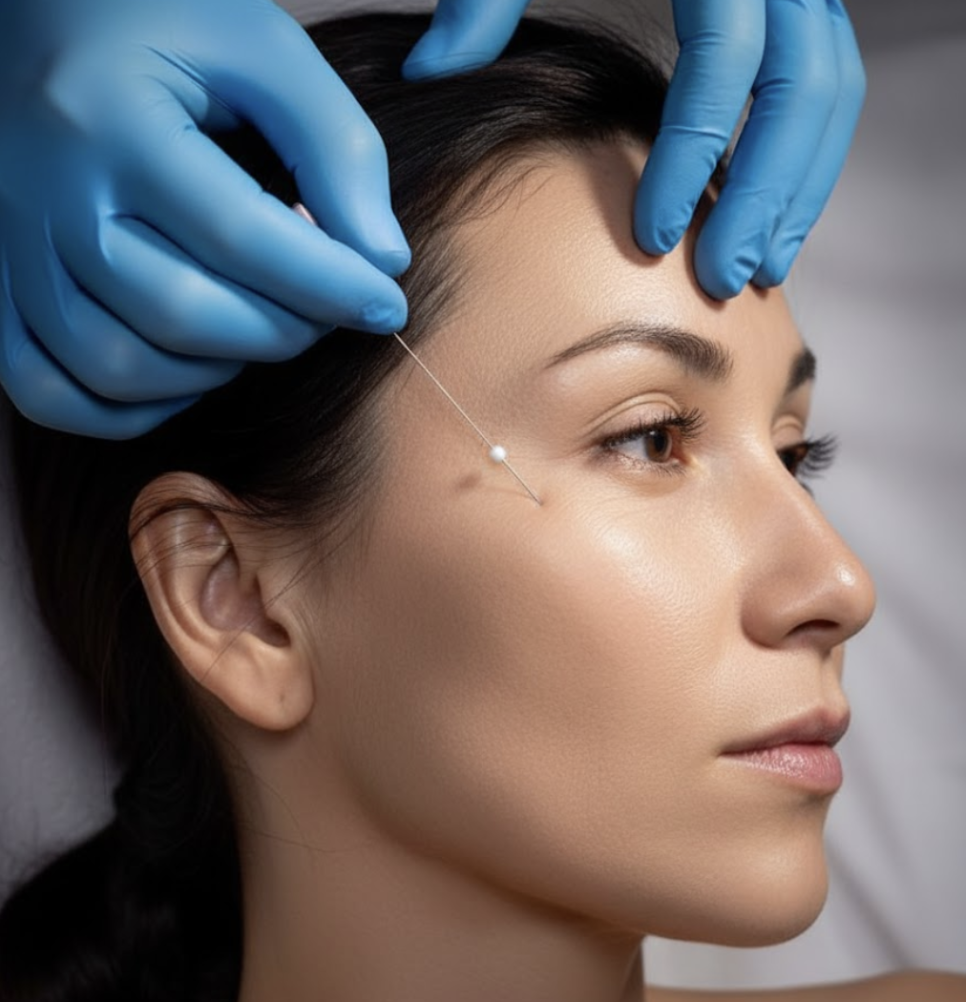
Special medical threads are inserted
into the layer beneath the skin
and used to secure sagging tissue
in an upward direction.
The threads are made of safe ingredients
that dissolve and are absorbed by the body,
and for a certain period after the procedure,
they play a role in inducing collagen production in the skin.
Of course, the degree and duration
vary depending on each person’s skin condition.

The advantage of thread lifting is
that it can pull the tissue
without incision.
Because of that, recovery is relatively quick,
and returning to daily life is easier.
It is a method well suited for auxiliary use
in improving early sagging around the cheeks,
nasolabial folds, and jawline.
However, the same results do not appear
for everyone.
If the skin is thin or the fat layer
is too limited,
the threads may not provide enough support,
and the degree of improvement may be limited.
Therefore, adjusting the direction, number,
and depth of the threads to match the facial structure
is important.
However, in cases where fundamental sagging has progressed,
a method that directly approaches the SMAS layer
and organizes the skin structure
may be helpful.
3️⃣ Mini lifting: reduce the burden of incisions!
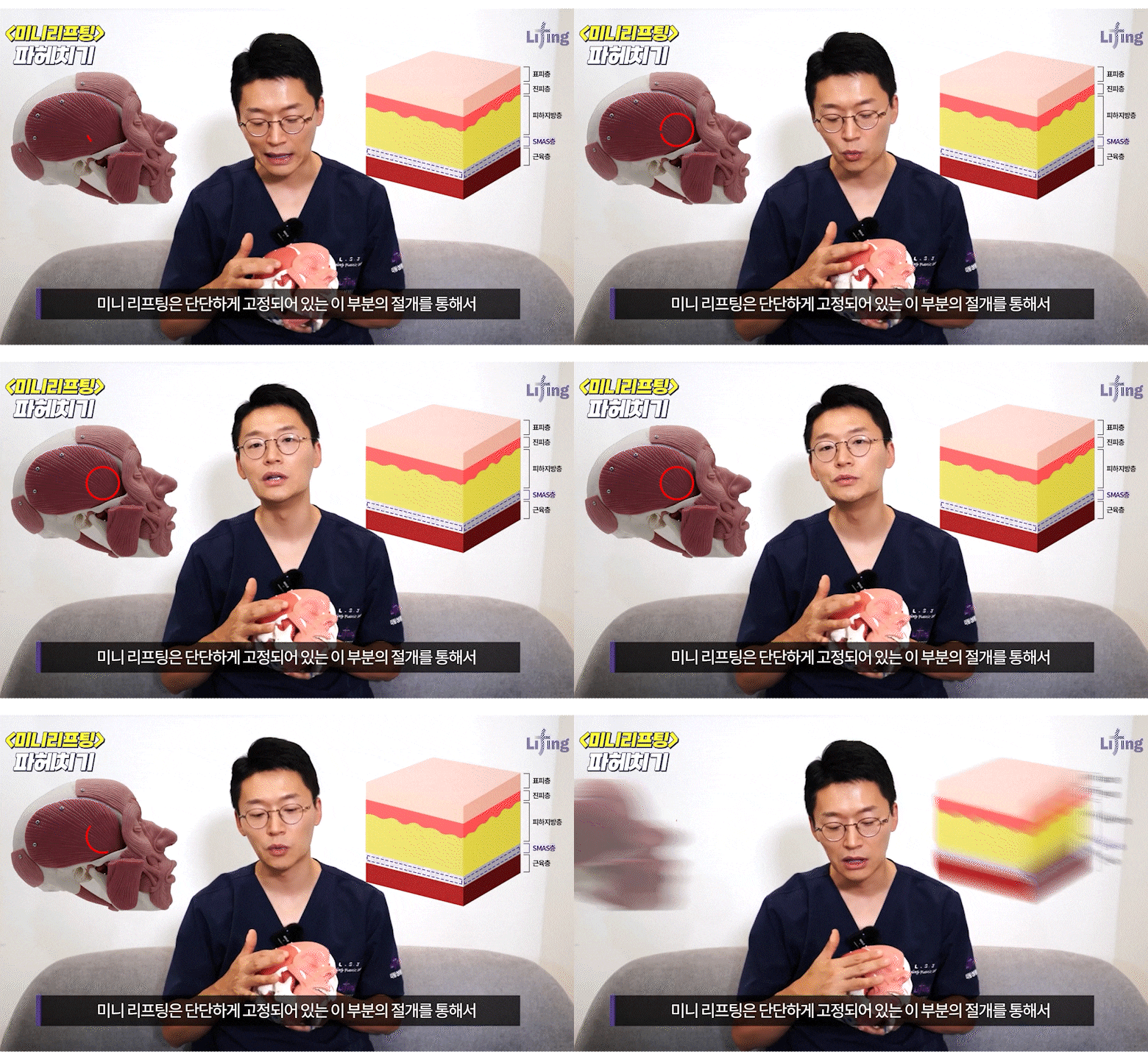
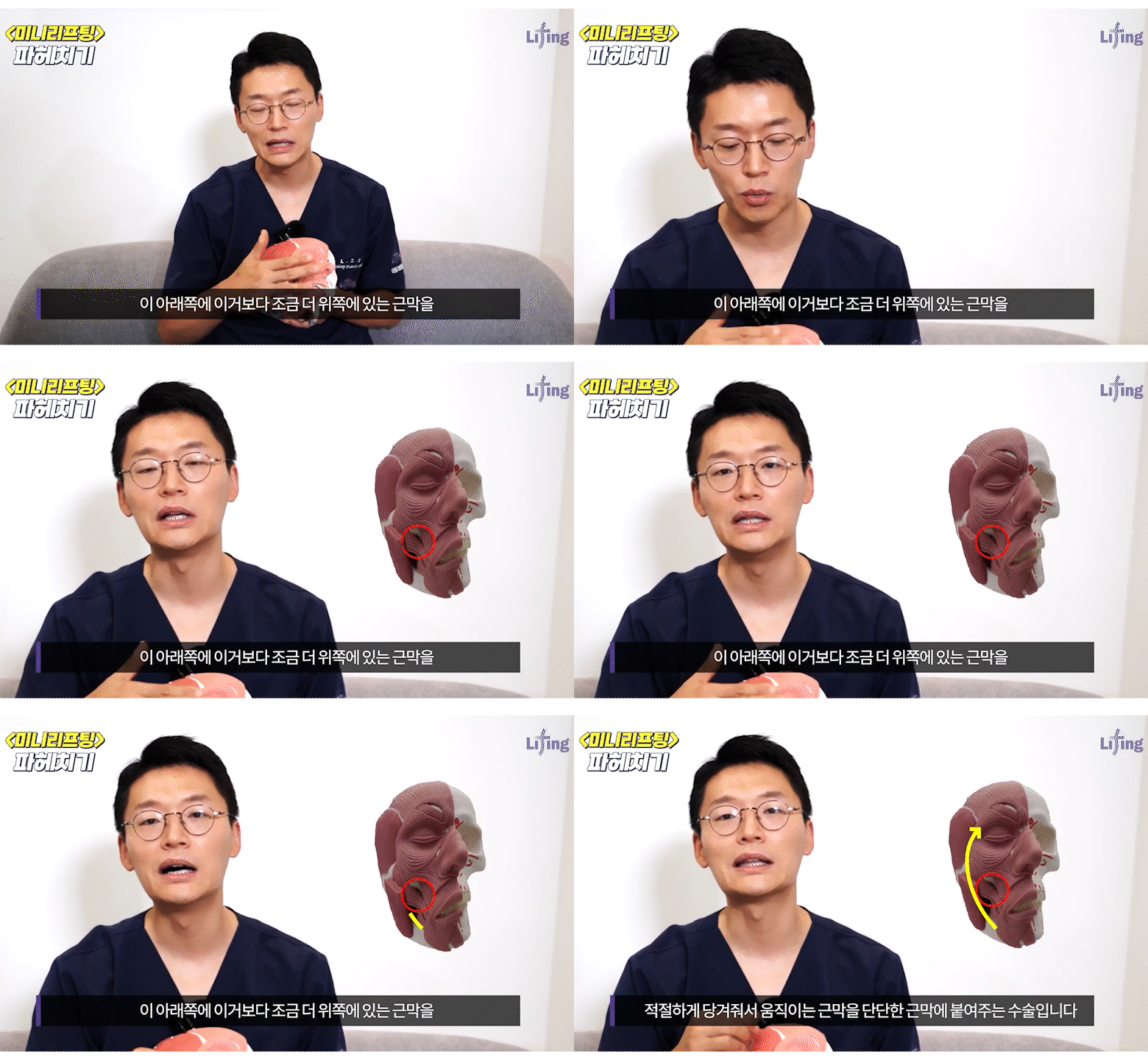
If skin sagging has progressed a little further,
mini lifting may be considered.
This method is a surgery that pulls the deeper
SMAS layer of the skin together,
restoring the elastic structure of the entire facial line.
Its defining feature is that the incision range is relatively reduced,
which shortens the recovery period.
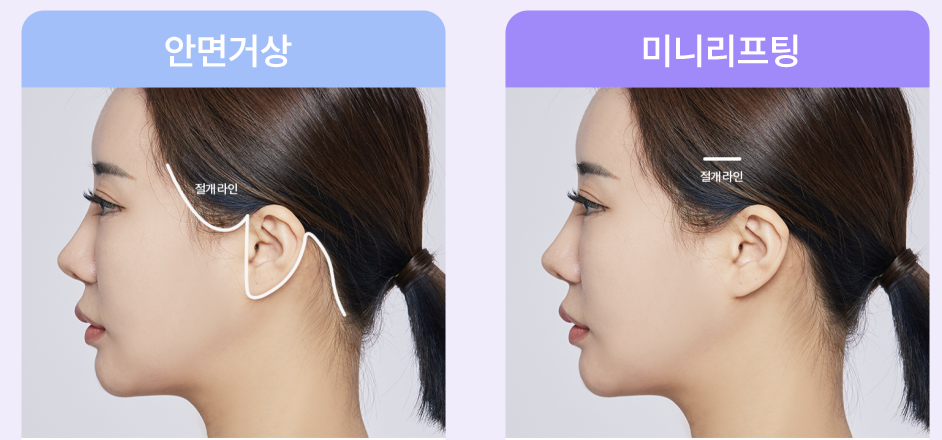
Compared with traditional facelift surgery,
the incision area is smaller,
and the burden of returning to daily life can be reduced,
so many people consider it as the next step after thread lifting.
However, the decision to undergo surgery should be based not simply on age,
but on a comprehensive assessment of skin elasticity,
bone structure, and fat distribution.
In this way, if thread lifting feels limited,
a more fundamental approach,
facelift surgery, may be considered.
4️⃣ Facelift surgery: addressing the entire face
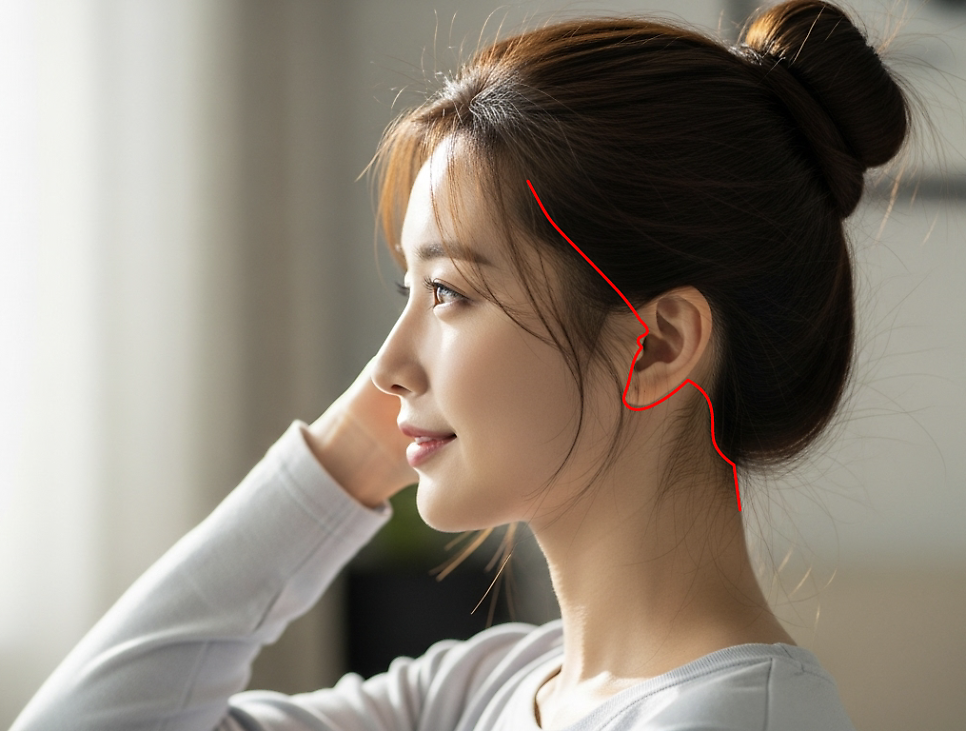
Facelift surgery is a surgical method
that repositions the elastic structure of the entire face.
Not only the skin,
but also the SMAS layer beneath it
is separated and fixed to return sagging tissue
to its original position.
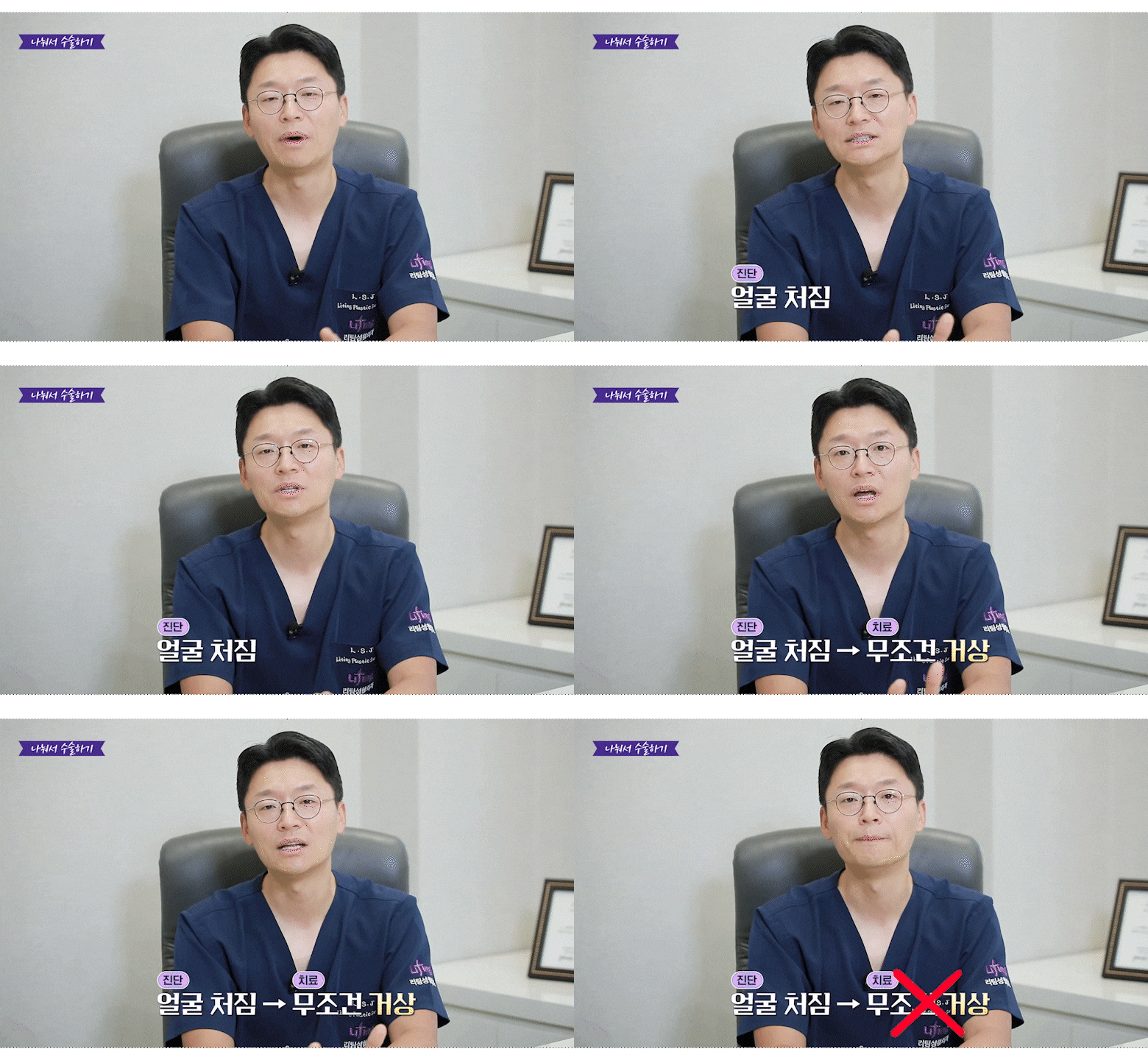
It is often considered in people in their 40s to 60s,
but
the more important factor than age is
“the degree of facial sagging.”
If there is a lot of extra skin, or if the nasolabial folds
and jawline sagging are severe,
thread lifting alone may have limitations.
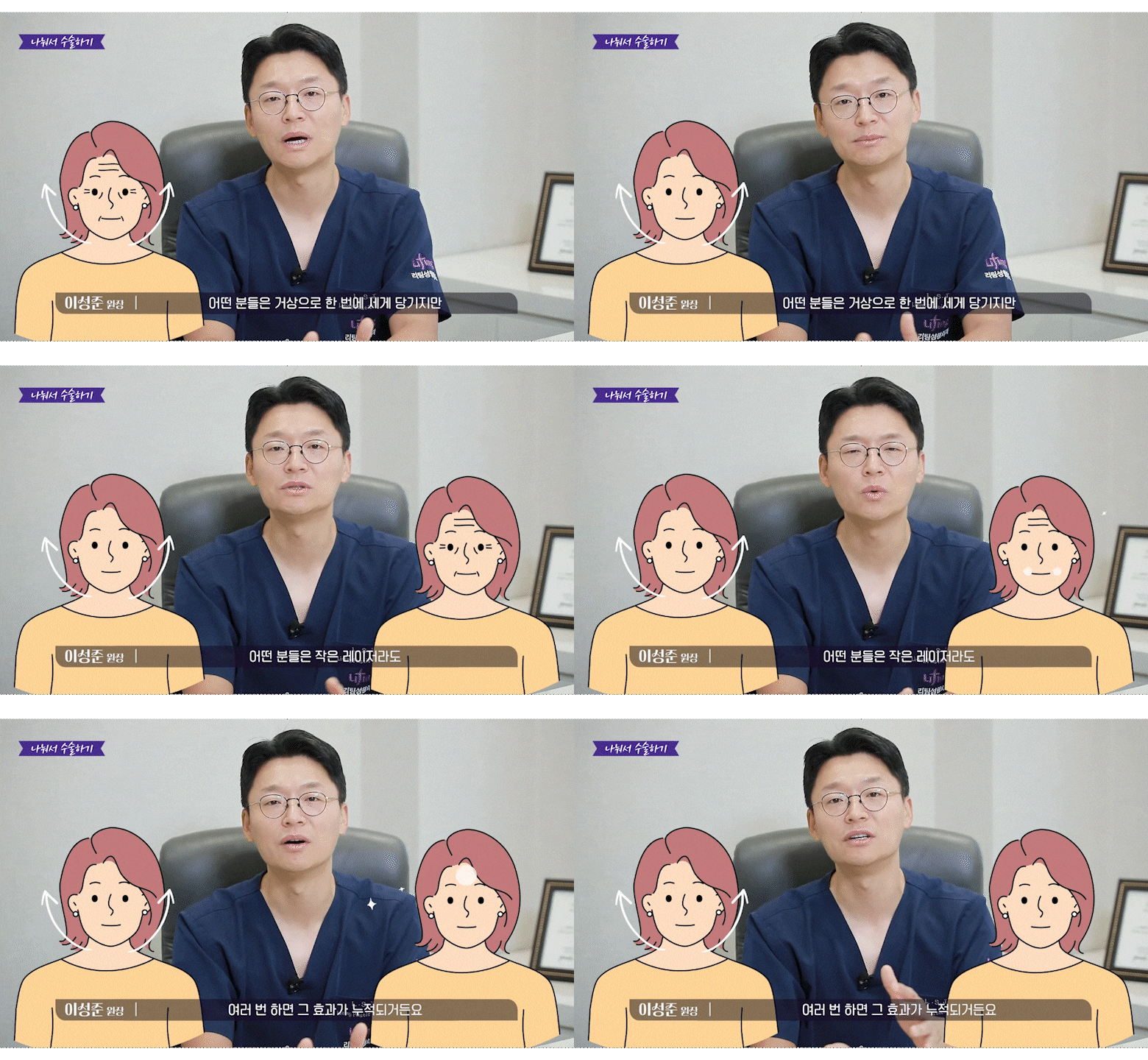
In such cases, a facelift surgery
that rebuilds the overall structure
is needed.
It covers a wider area than a procedure
and recovery takes longer,
but when structural sagging is significant,
a more anatomical approach may be helpful.
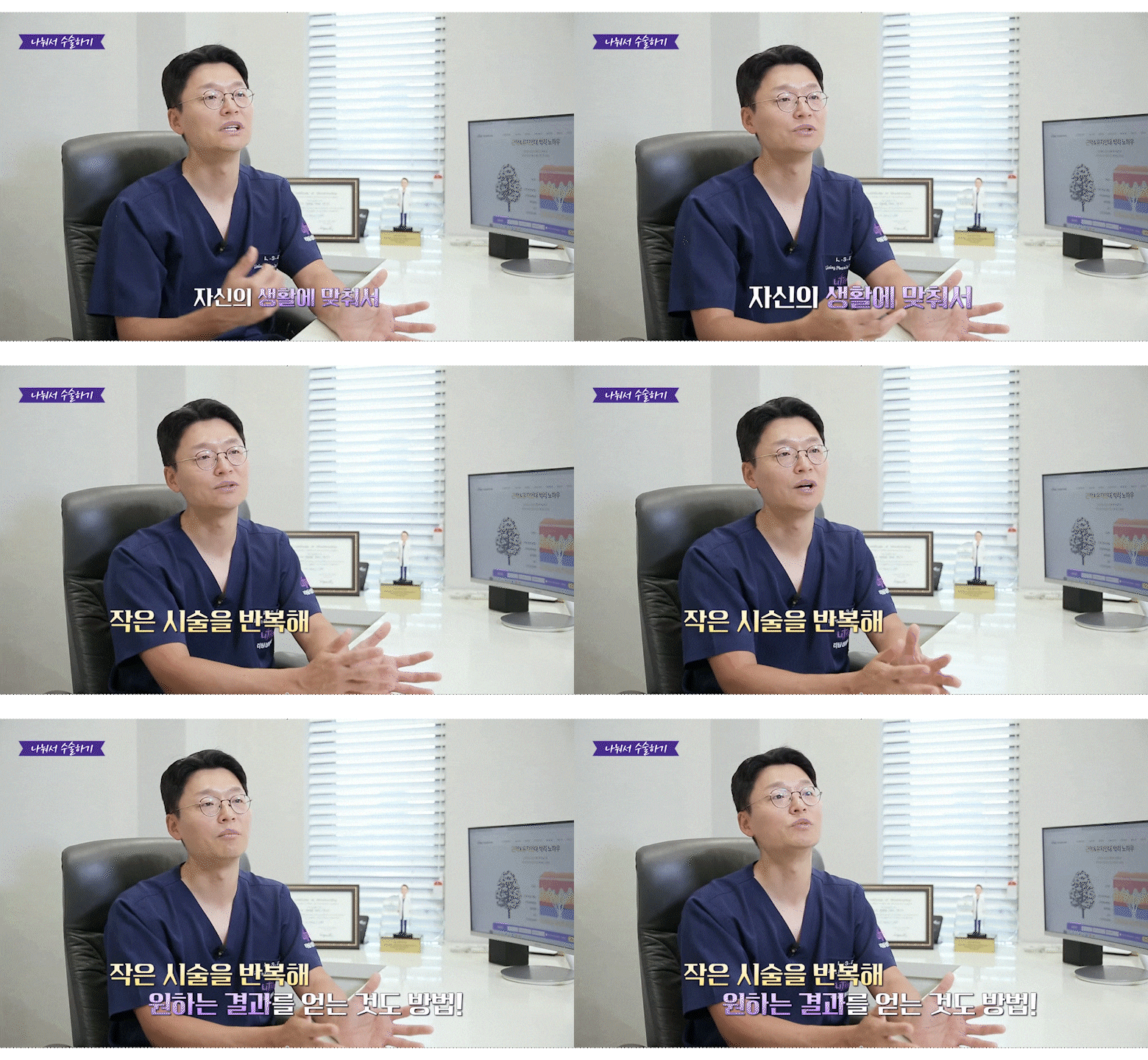
Of course, as with all lifting procedures,
even after surgery, the maintenance period
can vary depending on care and lifestyle habits.
5️⃣ Choosing a lifting procedure: the important criteria are ‘degree and direction’
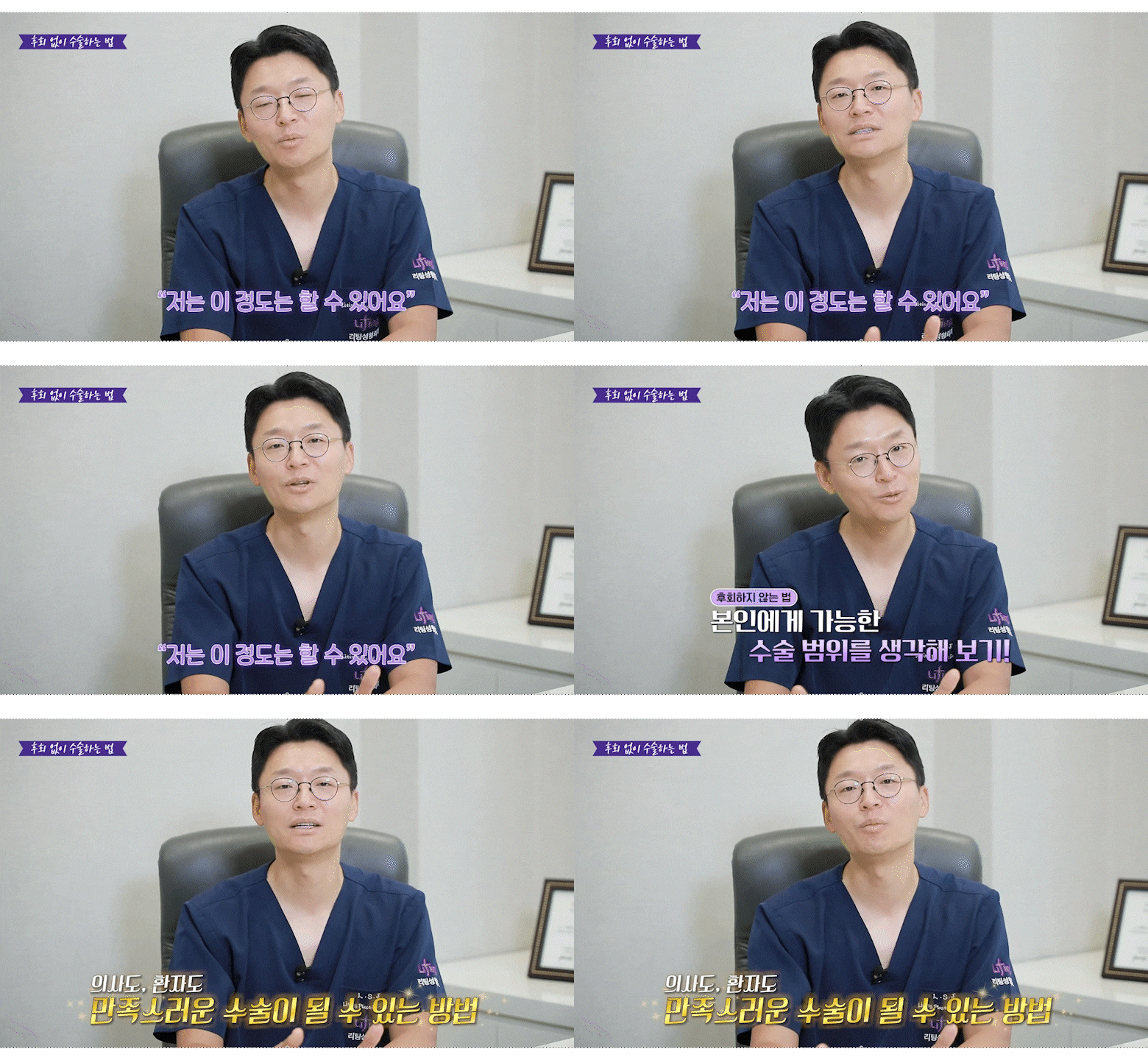
Lifting is not categorized by age.
The criteria are the degree of sagging,
fat distribution, SMAS elasticity, and skin thickness.
If the sagging is in a subtle stage,
preventive care with Apgujeong Thread Lifting
If the sagging is moderate,
structural correction with mini lifting
If the sagging is moderate to severe,
reconstruction with facelift surgery
Also, in some cases, procedures are combined.
For example, after a facelift,
when elasticity weakens after a certain period,
combining thread lifting can help support maintenance.
However, this kind of combination is more accurately seen not as
“increasing the improvement effect,”
but as a supporting role that helps maintain the result.
6️⃣ Effective maintenance methods for thread lifting without dimple side effects
Thread lifting has the advantage of relatively quick recovery
and immediate visible results,
but it also has limitations such as a shorter maintenance period
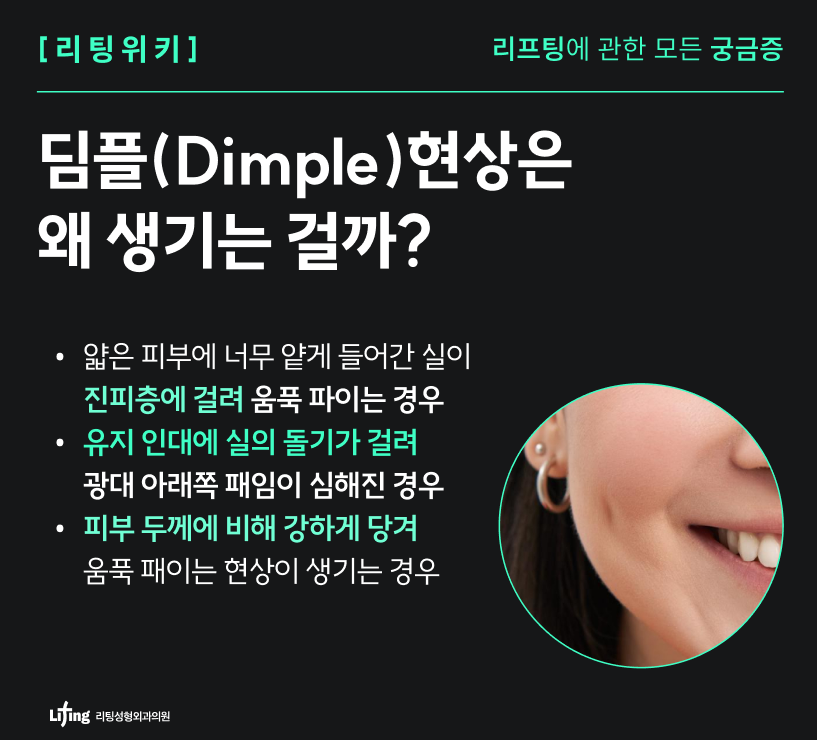
or the possibility of dimpling.
What is a dimple phenomenon?
“When the skin is too thin relative to the type, thickness,
and tensile force of the thread,
or cannot withstand the force,
the insertion site of the lifting thread becomes indented,
creating a hollowed cheek appearance.”
Dimpling can occur not only with thread lifting,
but also with laser lifting.
To prevent these problems,
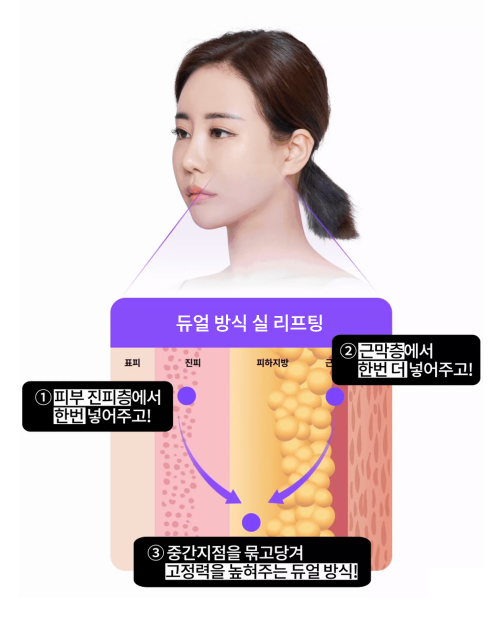
Liting Plastic Surgery Seoul applies a ‘dual-method thread lifting’ approach.
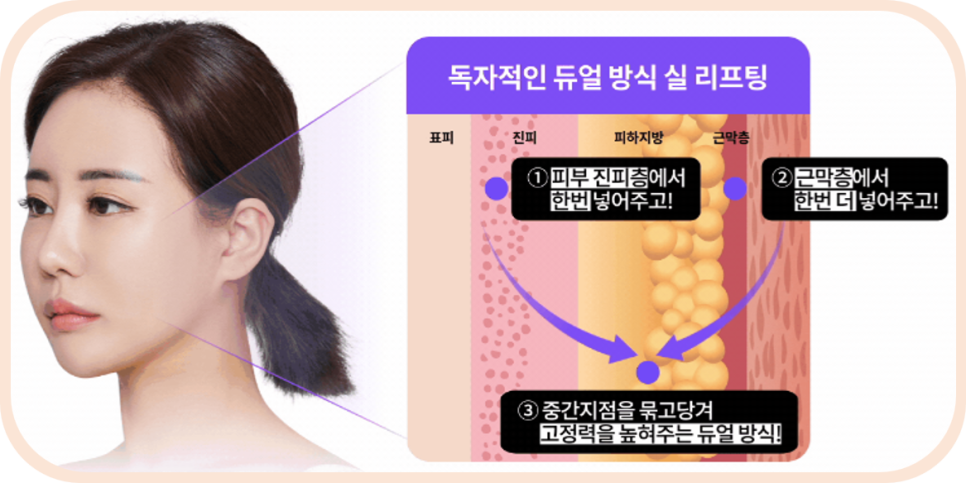
What is the dual method?
A thread is inserted once in the dermal layer of the skin,
and inserted once more in the SMAS layer,
then the middle point is tied to lift the ligaments together.
Through this, the tension of the threads is distributed,
and fixation is strengthened to prevent skin indentations
or unevenness while enhancing the durability of the lifting effect.
Also, thread lifting is better performed not as a standalone procedure,
but in combination with booster treatments
or laser lifting,
which helps restore elasticity and strengthen maintenance.
In the end, the key to thread lifting is not simply the “pulling force,”
but the balance of the correct depth and direction
suited to the facial structure,
and appropriate tension.
With this dual-structure design,
we pursue stable and long-lasting thread lifting results
without dimple side effects.
Once a stable lifting effect is maintained,
the timing of checking facial changes becomes important.
7️⃣ The facial line is determined by the ‘timing of care,’ not age

Skin sagging does not happen overnight.
It gradually accumulates, and one day,
you suddenly feel, “My face has changed.”
That is why the key to lifting is
“taking care in advance.”
Cosmetics have their limits,
and exercise alone makes it difficult to restore the jawline
and SMAS structure.
However, if you manage both the skin and SMAS together
through facial sagging lift at the right time,
you can slow the pace of facial line changes.
In the end, what matters is timing.
If you start too late, a surgical
method may become necessary,
and if you start too early, it may turn into
an unnecessary procedure.
Therefore, it is wise to regularly check
the degree of facial changes,
and manage it with the appropriate method
at each stage.
I hope you become more naturally youthful
tomorrow than today,
and today more than yesterday.
This was Director Lee Seong-jun
of Seoul Liting Plastic Surgery.
This post is
content intended to provide general information
about Apgujeong Thread Lifting surgery.
Whether surgery is actually appropriate should be determined
according to an individual’s health condition and purpose,
and should be judged through consultation with a medical professional.
If you would like more details,
please check the more detailed information
at the YouTube link below.
https://youtube.com/shorts/8s4mGZMf4S4?si=2pqyVfENlb_ELf34