�
Hello.
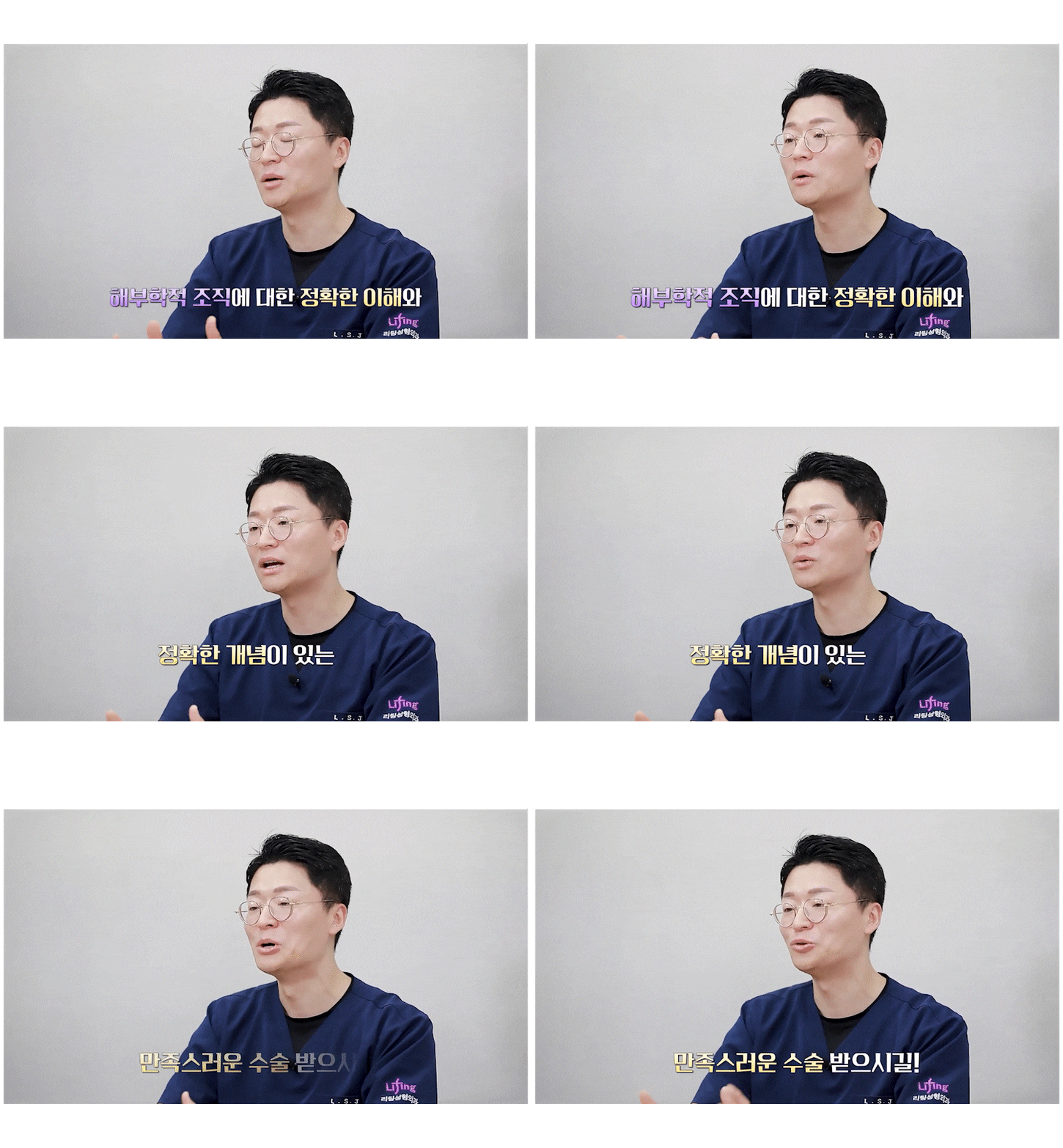
I am Dr. Lee Seongjun of ReTING Plastic Surgery Seoul Branch.
�
�
As the end of the year approaches,
there naturally become more occasions to meet people.
�
With year-end gatherings, company dinners, and other face-to-face appointments increasing,
�
when you see familiar faces after a long time,
you may find yourself thinking,
'Did I change a lot more than others?'
�

�
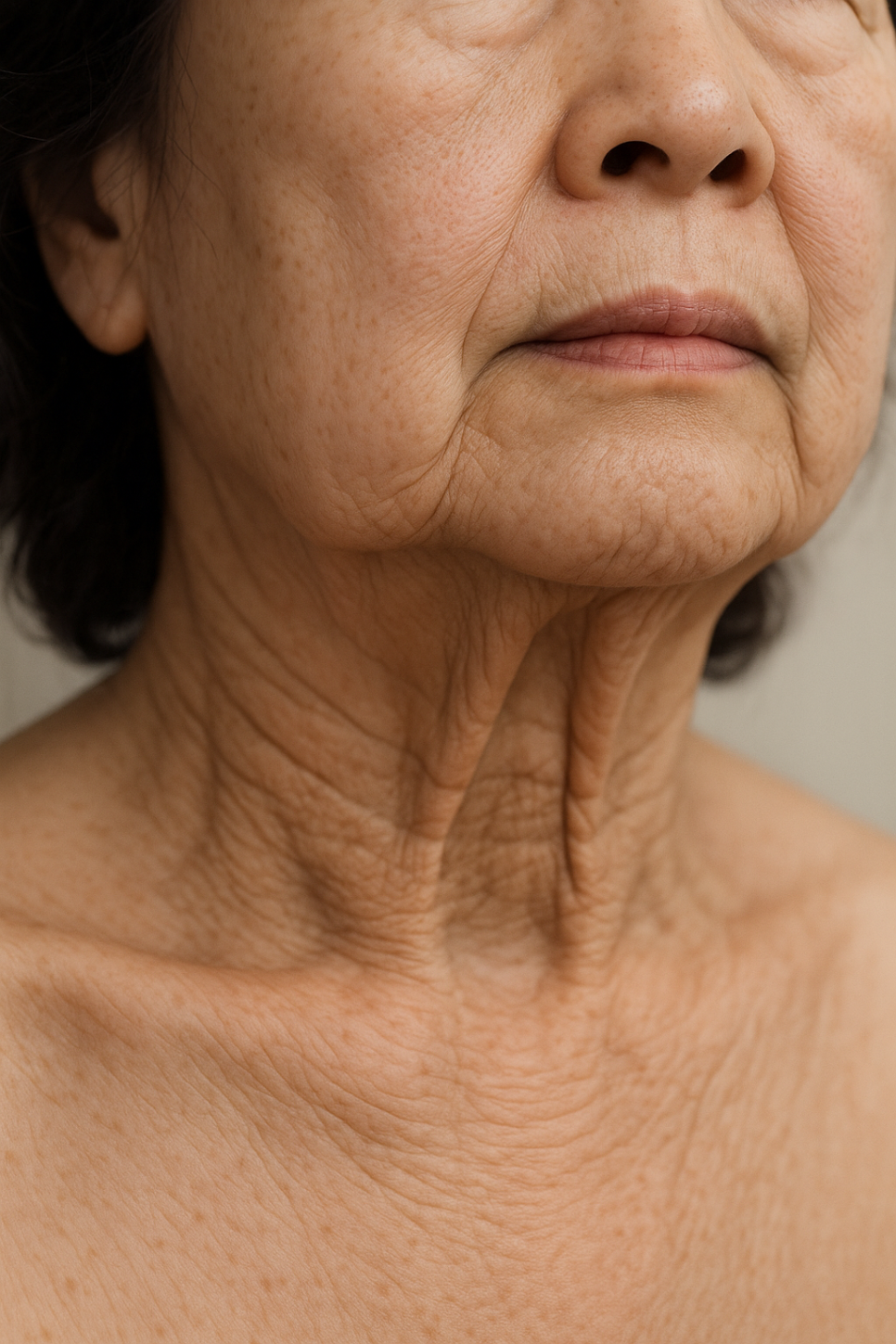
Especially when looking in the mirror,
the change that stands out first is
the lower part of the face, the lower facial line.
�
This is because, as time passes naturally,
the muscles, fat, ligaments,
�
and skin layers that make up the face
undergo changes at different speeds.
�
�
Among them, the lower face is
the area that reveals changes in shape
the earliest.
�
This is because the facial muscles and
fat in the lower face are intricately intertwined,
�
and the SMAS layer supporting them is a structure
that is easily affected by gravity.
�

�
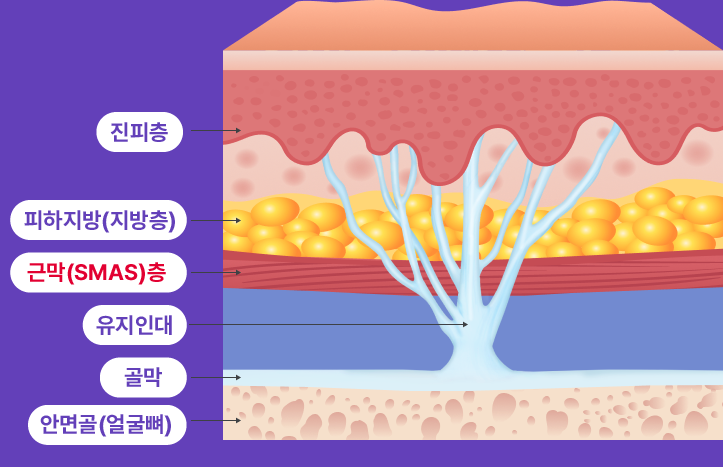
The SMAS layer is a fascial structure beneath the skin,
and it can be considered a key foundation
that maintains facial movement and shape.
�
When this layer loosens,
the cheeks and jawline gradually
shift downward,
�
and as a result, the contour of the lower face
becomes less defined.
�
�
However, these changes can vary
depending on an individual's skin thickness,
fat distribution,
�
and muscle-use habits.
�
That is why it is helpful to understand changes in the lower face
not by the surface,
but by the 'flow of structure.'
�
�
Today, based on the principles of these structural changes,
�
I will organize, step by step,
the lifting methods that approach the lower face,
the jawline, and the neck line.
�
| � Table of Contents � | 1. Understanding 'Mini Lifting' Anatomically | 2. Why Does Focusing Only on the Jawline Feel Imbalanced? | 3. The Expansive Perspective of V-Line Lifting | 4. Structural Comparison of Mini Lifting and VN Lifting | 5. Types That Should Consider the Lower Face and Neck Line Together | 6. Understanding Aging Anatomically |
| --- | --- | --- | --- | --- | --- |
�
�
- Understanding 'Mini Lifting' Anatomically
�
If you look at changes in the lower face
only from the surface,
it is easy to miss the cause.
�
�
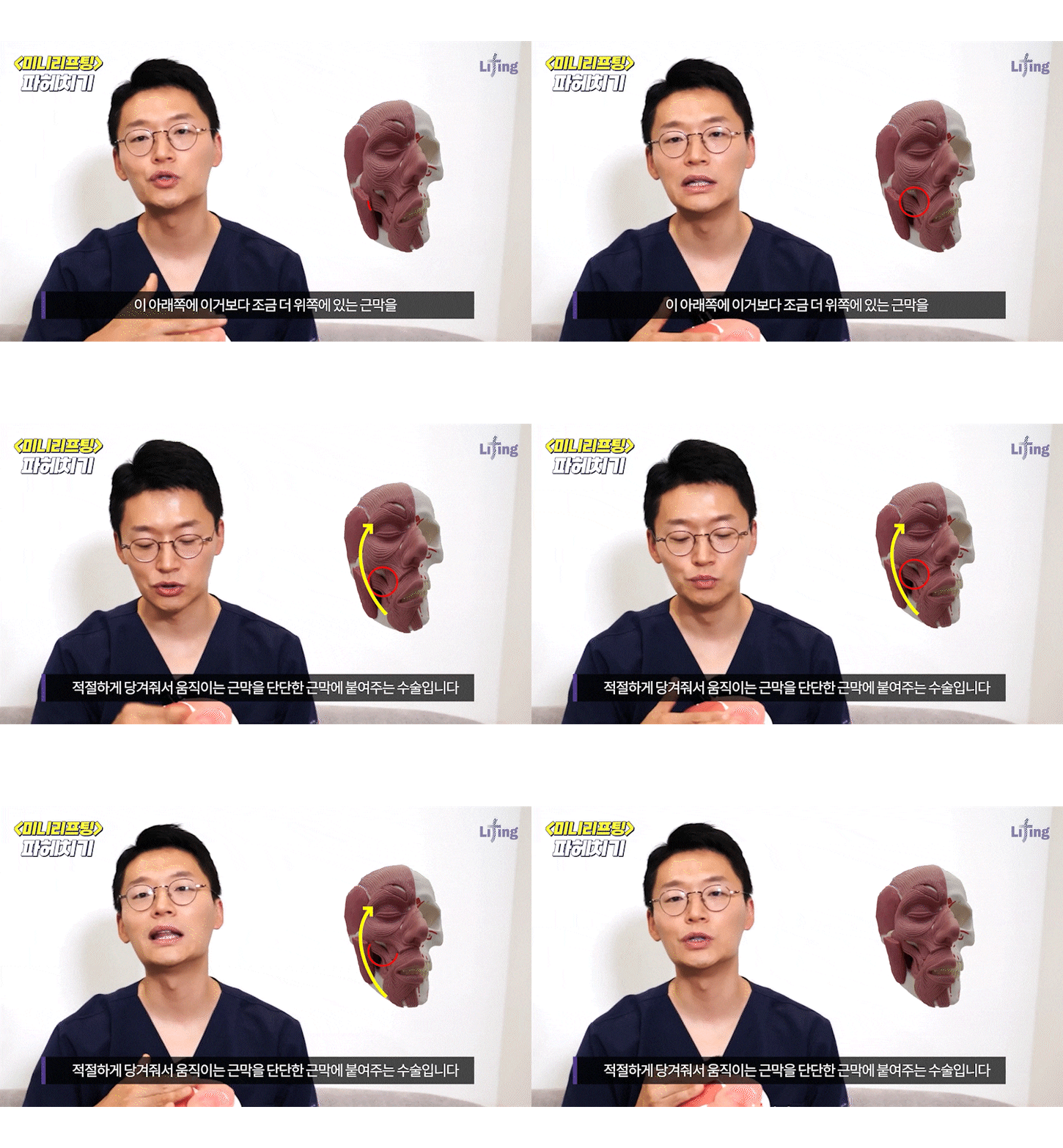
'Cheongdam Mini Lifting' is known as a method
that approaches by considering the direction and movement
of this fascial layer, that is, the SMAS layer,
together.
�
�
Unlike procedures that pull only the skin surface,
�
it takes an anatomically informed approach that understands
the movement of the lower facial fascial layer
and organizes the necessary areas.
�
�
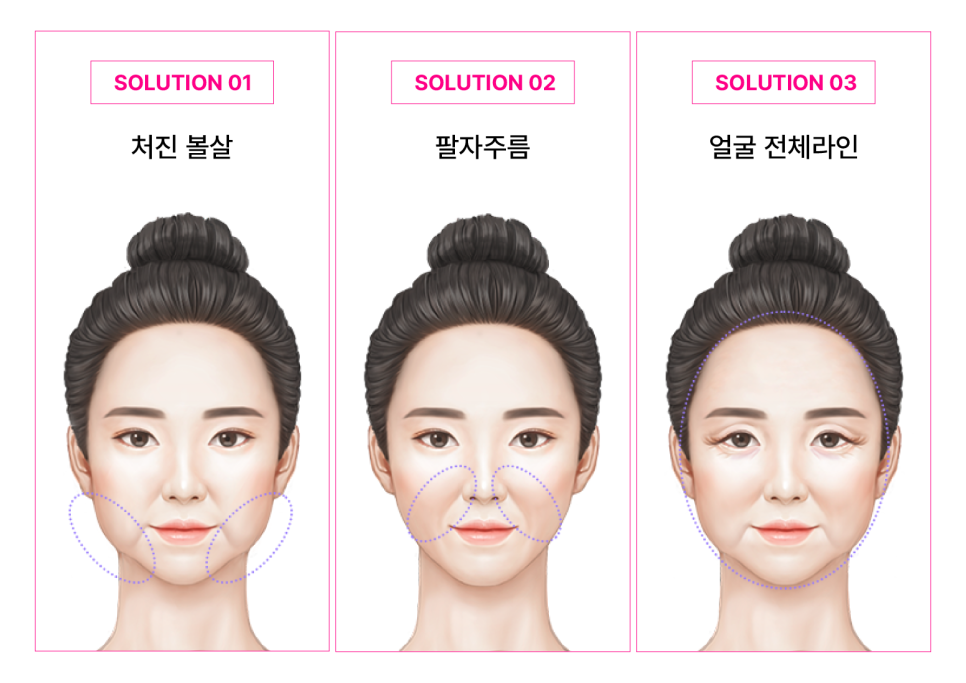
Cheongdam Mini Lifting is characterized by
focusing on the 'mild sagging' of the lower face.
�
By adjusting the fascial layer that has moved downward over time
toward the more stable upper area,
�
it guides the overall impression of the lower facial line
toward a more refined direction.
�

�
In this process, the incision range is about 1 to 2 cm
in the sideburn area inside the scalp,
�
and the range of access may vary depending on
the individual's facial structure and degree of sagging.
�
�
A small incision or a small degree of adjustment does not mean
that the surgery is 'simple.'
�
The key lies in 'how precisely the structure is understood
and approached.'
�
�
Because Cheongdam Mini Lifting targets changes in the lower face,
�
the results can vary depending on the individual's fascial condition
and skin elasticity.
�
If you understand the structure of the lower face,
�
it is necessary to examine together how the jawline
and the structures below it are connected.
�
�
- Why Does Focusing Only on the Jawline Feel Imbalanced?
�
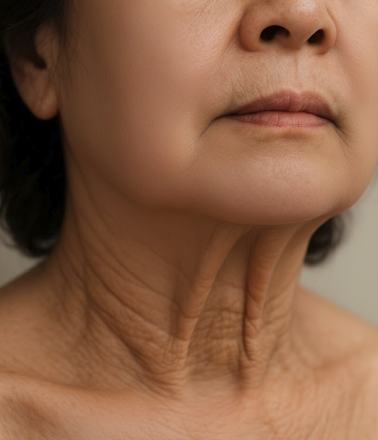
Many people strongly feel blurring of the jawline,
but at the same time,
�
they often think of the 'neck line' below it as a separate matter.
�
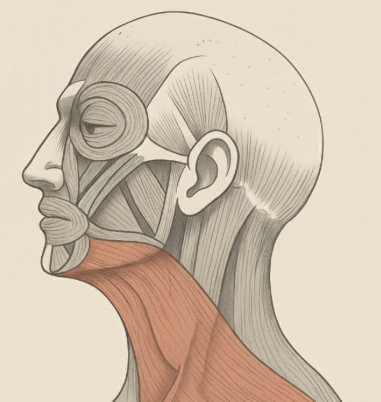
However, anatomically,
the jaw and the neck are not completely separate structures.
�
�
The fascial and fat layers beneath the jaw extend
toward the front of the neck,
�
and changes in the lower face in the direction of gravity
also affect the neck area.
�
So when only the jawline and midface are adjusted,
�
the boundary under the jaw may appear even more prominent.
�
�
Even if the facial line is refined,
if the neck line remains unchanged,
a relatively larger contrast may appear.
�
�
For this reason, when an approach centered only on the lower face
does not lead to improvement,
�
a perspective that looks at the connection between the jaw and neck
becomes necessary.
�
Based on this flow,
�
it is worth examining how an approach that addresses the lower face
and the neck line together is connected.
�
�
- The Expansive Perspective of V-Line Lifting

�
For this reason, the approach that considers
the lower face and neck line together
is the 'VN lifting.'
�
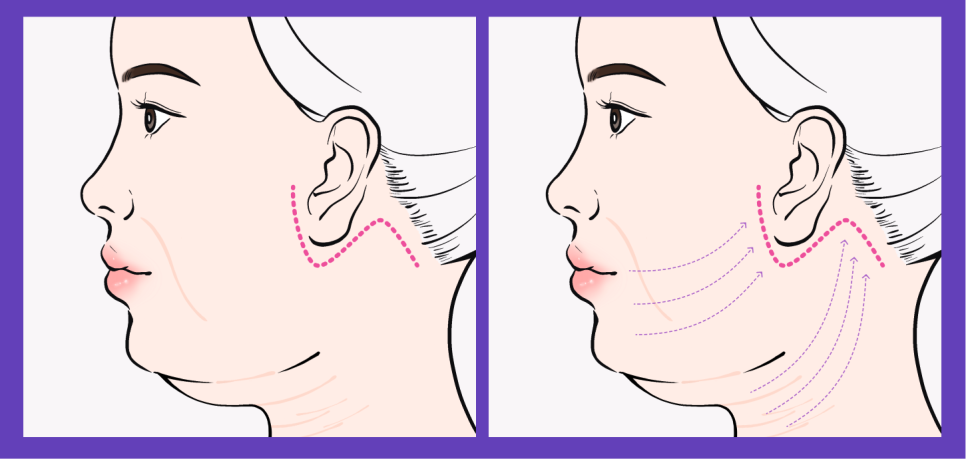
VN lifting is a structural lifting procedure
that addresses the lower face and neck together,
�
and interprets the contour extending from the jawline to the neck line
as one continuous area.
�
�
If Cheongdam Mini Lifting focuses on
mild sagging of the lower face,
�
V-Line Lifting can be considered
a broader concept that extends
to the connecting area below it.
�
�
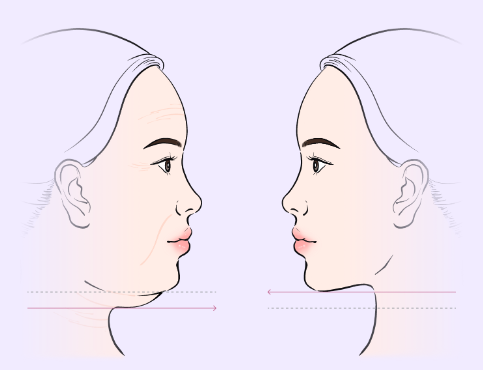
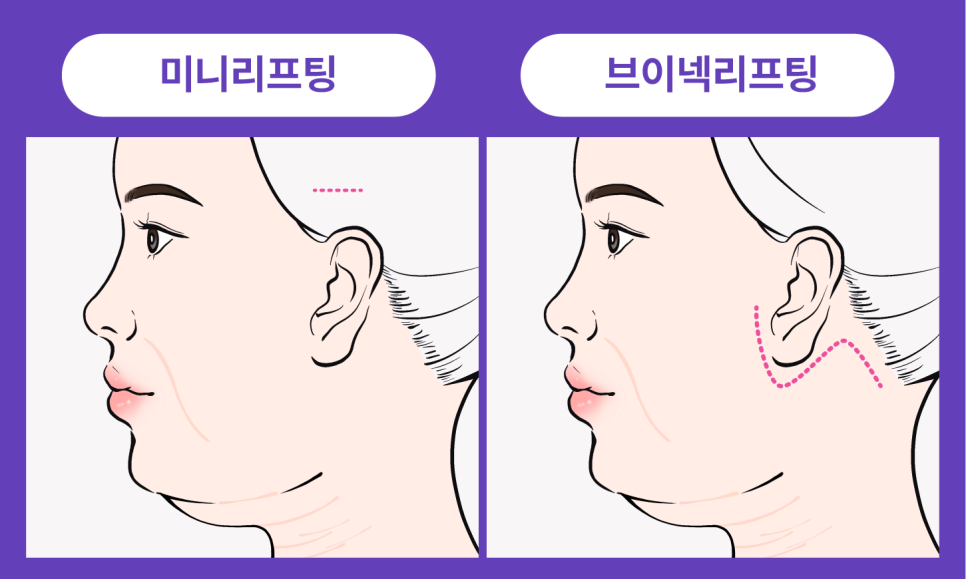
Approaching along the area in front of and behind the ear,
and the hairline at the back of the neck,
�
it adjusts the SMAS layer upward
to address the gentle flow of the neck line as well.
�
�
The important point here is not
'how widely it is treated,' but rather
'how balanced the organization is.'
�
The connecting area between the jaw and neck differs from person to person
in fat volume, fascial thickness,
skin elasticity, and more,
�
so the same method does not produce
the same result for everyone.
�
�
Ultimately, the direction of VN lifting is
about understanding the face and neck line
as a connected flow and adjusting that relationship.
�
Now, let's organize the structural differences
between the two approaches by item.
�
�
- Structural Comparison of Mini Lifting and VN Lifting
�
| Category | Mini Lifting | VN Lifting |
|---|
| Treatment area | Focus on the lower face | Lower face + neck line |
| Incision location | Sideburn area inside the scalp | In front of and behind the ear, and along the nape hairline |
| Layer treated | Mainly the SMAS layer | SMAS layer + connection area of the neck line |
| Purpose | Organize vertical sagging | Harmonize the facial-neck connection line |
| Application direction | Localized approach | Expanded approach |
�
Both methods are the same in that they organize the structure
around the fascial (SMAS) layer,
�
�
but VN lifting differs in that it assumes
that the lower area of the face and the neck line
are one structure.
�
�
This difference becomes the 기준 for determining
the range of approach depending on the individual's condition.
�
�
- Types That Should Consider the Lower Face and Neck Line Together
�
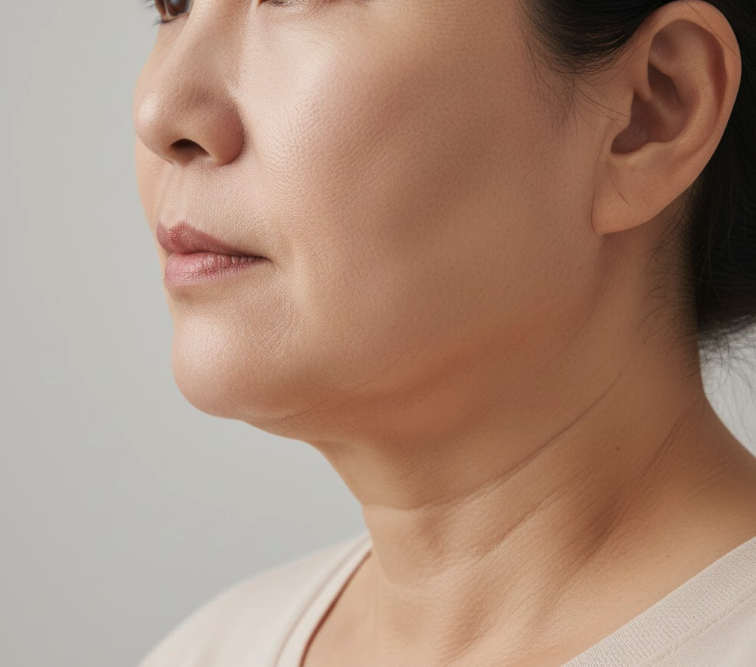
✔️ When there is a lot of soft tissue below the jawline,
making the boundary of the contour appear blurred
�
✔️ When a pattern is observed in which the lower face and a double chin
sag downward together
�
✔️ When the elasticity of the neck area decreases
and wrinkles begin to form
�
✔️ When the distinction between the jaw and neck
looks unclear from the side
�
✔️ When sagging under the chin becomes more noticeable
after weight changes
�
�
Changes in the lower face and neck line are not
a fragmented issue,
�
but begin with understanding the structural flow
of facial aging.
�
The common point among these types is
�
that the changes appearing in the lower face and neck line
show up first in movement,
not in appearance.
�
Understanding this point makes the next stage
of structural approach clearer.
�
�
- Understanding Aging Anatomically
�
Changes in the face begin deeper than the surface.
�
Changes in the position of the fascial layer lead to
the movement of skin and fat,
�
and as a result, they create visible
changes in contour.
�
�
'Cheongdam Mini Lifting'
is a lower-face-centered approach that addresses
these structural changes,
�
and 'VN lifting' can be understood as an expanded approach
that examines the connection between the jawline and neck line
together.
�
The common point of the two methods is not
'drawing the skin tight,' but rather
�
'understanding and adjusting the structure.'
�
�
In the end, lifting is not about
going back in time,
�
but can be understood as a process of
reorganizing the structure of the face.
�
This perspective makes lifting seem not as a simple change,
but as a procedure that corrects the flow
of facial structure.
�
�
What is needed in that process is
�
not speed, but direction, and a perspective that respects
the face's inherent balance.
�
An approach that considers one's own structural characteristics
and lifestyle ultimately leads to the most natural result.
�
I hope you become naturally younger,
more so tomorrow than today,
and today more than yesterday.
�
This was Dr. Lee Seongjun
of Seoul ReTING Plastic Surgery.
�
This article is
content intended to provide general information
about mini lifting and V-line lifting procedures.
�
Whether surgery is actually performed
should be determined according to the individual's health condition
and purpose,
�
and please make your decision
through consultation with a medical professional.
�
If you would like more details,
please check the more detailed information
at the YouTube link below.
�
https://youtube.com/shorts/Xi8vGKSuOUM?si=xdYBXGW7XgAL0eDT
�