Hello.
I am Director Lee Seong-jun of the Seoul branch of Liting Plastic Surgery.
As the end of the year draws near,
we naturally look back on the self-care plans
we made at the beginning of the year.
Among the plans we put off while staying busy
throughout the year,
the wish to refine the facial line
tends to come to mind once again
around this time of year.
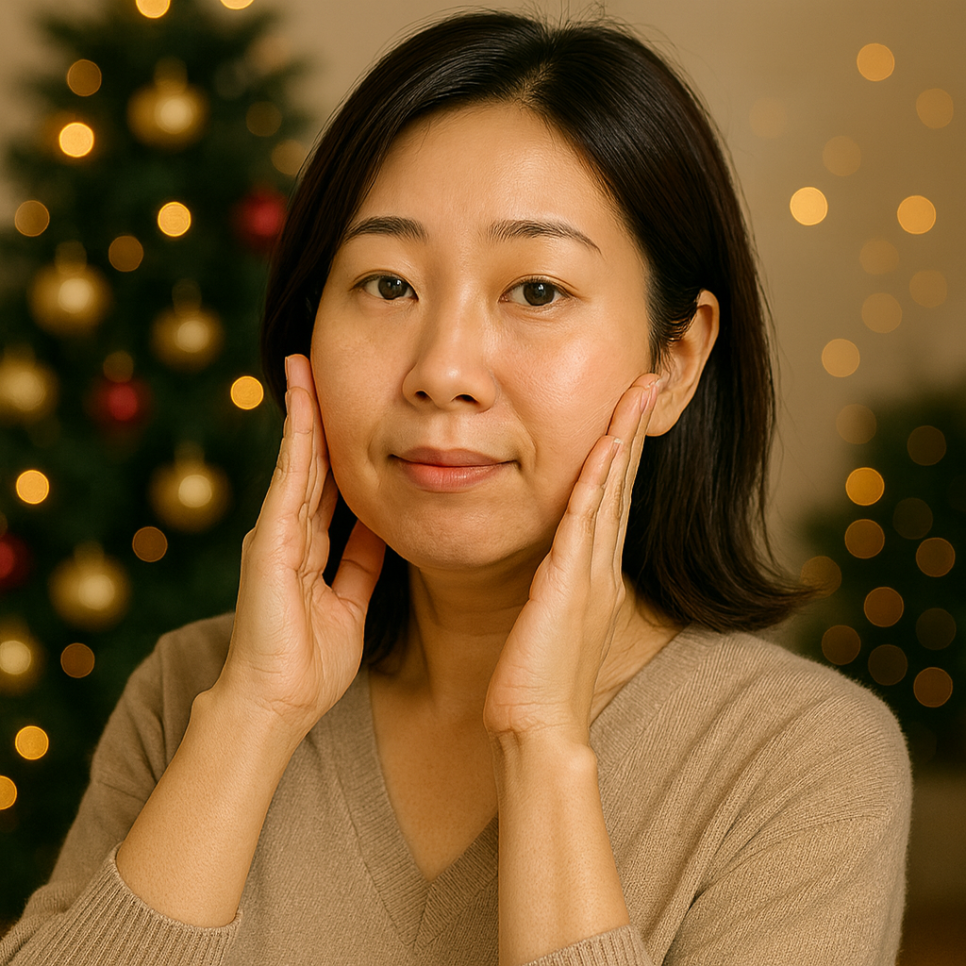
Many people take the goals they have kept
only in their hearts
and turn them into real action
as the year comes to a close.
In particular, facial contouring surgery
must consider the overall proportions,
three-dimensionality, and harmony of the face
all at once,
so it is one of those procedures that
is not easy to choose lightly.
It can feel as though you are changing
the entire structure of your face.

But recently,
methods that can improve facial contours
without cutting the bone
have rapidly advanced,
lowering the burden of surgery
and greatly increasing demand from people
who want to refine the lines they already have
in a more delicate way.
Now, it is no longer only about
large-scale surgery that shaves bone.
A method that organizes the contour flow
mainly through soft tissue
has established itself
as another alternative to facial contouring surgery.
This soft-tissue-centered approach
is sometimes called mini contouring.
Today,
I will talk more deeply about
how the mini contouring procedure at
Sinsa Contour Plastic Surgery,
which addresses contours without bone incision,
works,
and how it is applied and approached
in actual surgery.
| 📂 Table of Contents |
|---|
| ① Facial contouring surgery: do you really have to shave bone? |
| ② What is contour surgery without shaving bone? |
| ③ The role of soft tissue |
| ④ Cases in which it may be worth considering |
| ⑤ Mini contouring surgery method and process |
| ⑥ Ultimately, naturalness starts with being true to yourself |
① Facial contouring surgery: do you really have to shave bone?

Many people think of contouring surgery
as a process of shaving bone,
but in reality, the reason the face or contour line
may look larger
is not necessarily due only to bone structure.
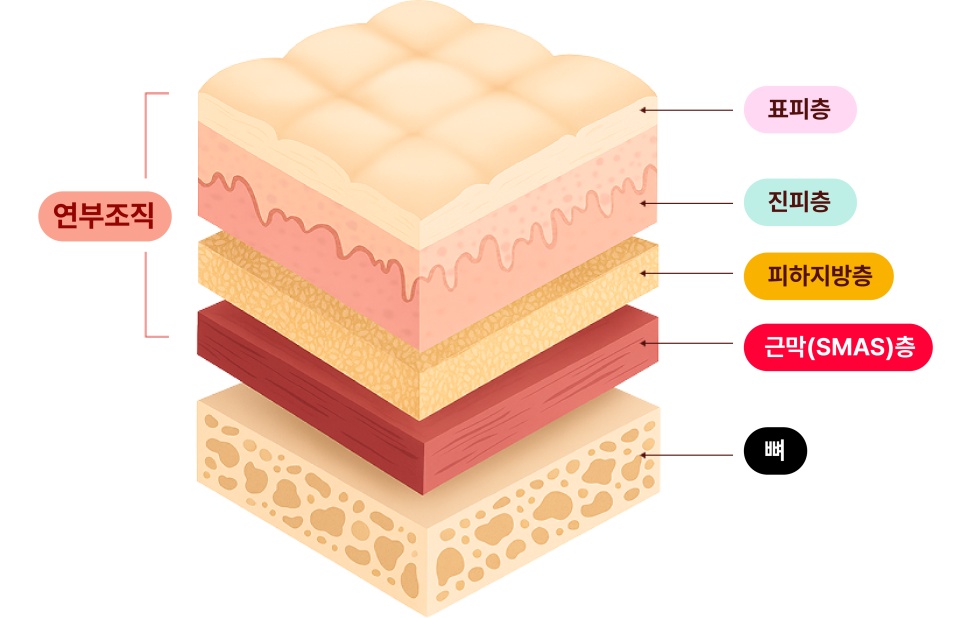
The factors that influence facial contours
are more varied than you might think.
Typical examples include the following
soft-tissue structures.
✔️ Subcutaneous fat
✔️ Muscle
✔️ Fascia (SMAS layer)
✔️ Retaining ligaments
The arrangement, thickness, and elasticity of these
soft tissues outside the bone
play a very large role in determining
facial three-dimensionality and outer lines.
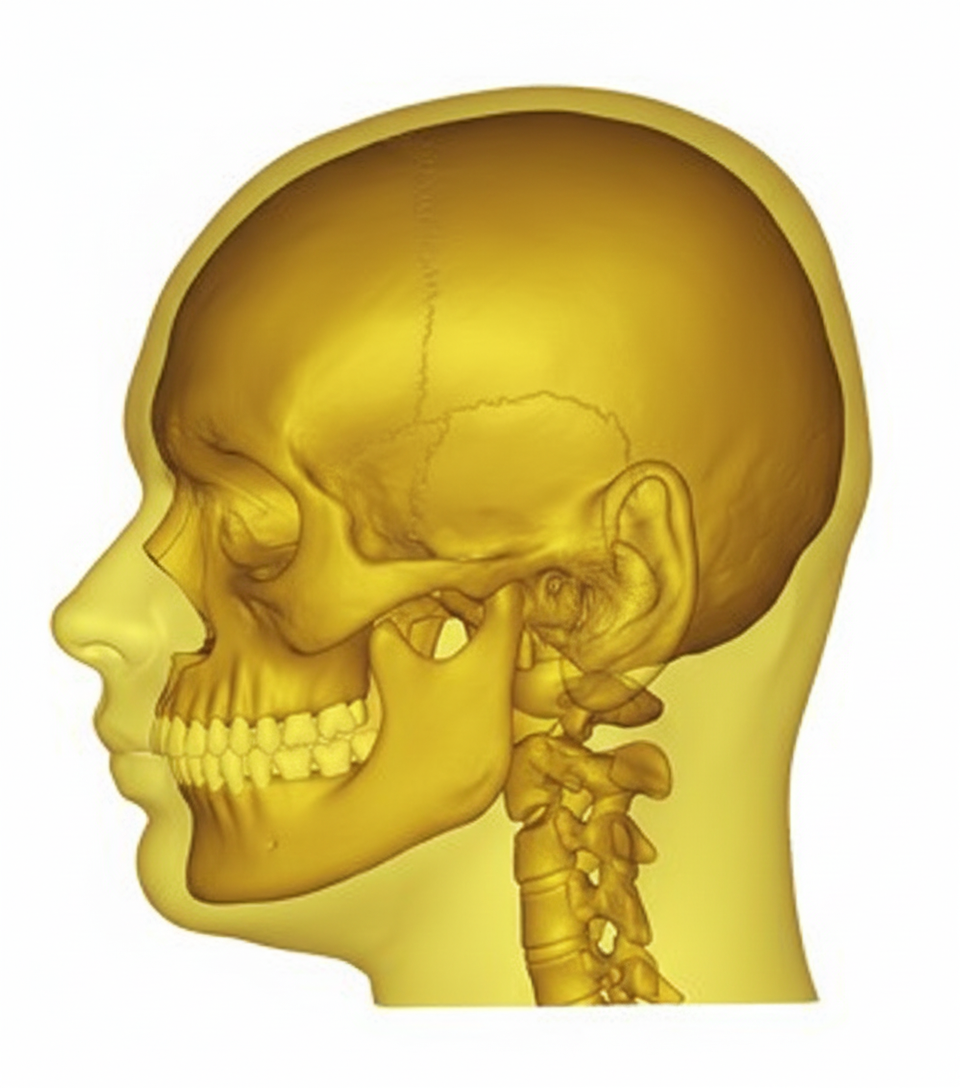
In other words, more than 70% of the actual contour line
is determined
not by the bone itself, but by the form and density
of the soft tissue covering it.
If soft tissue develops thickly,
sags downward,
or becomes unevenly concentrated in certain areas,
the face can look larger and the contour line
heavier and less defined
regardless of bone structure.
✅ Based on this principle,
Sinsa Contour Plastic Surgery
performs a non-incisional, bone-preserving approach
focused on refining the contour line
through the redistribution and organization
of soft tissue.
② What is contour surgery without shaving bone?
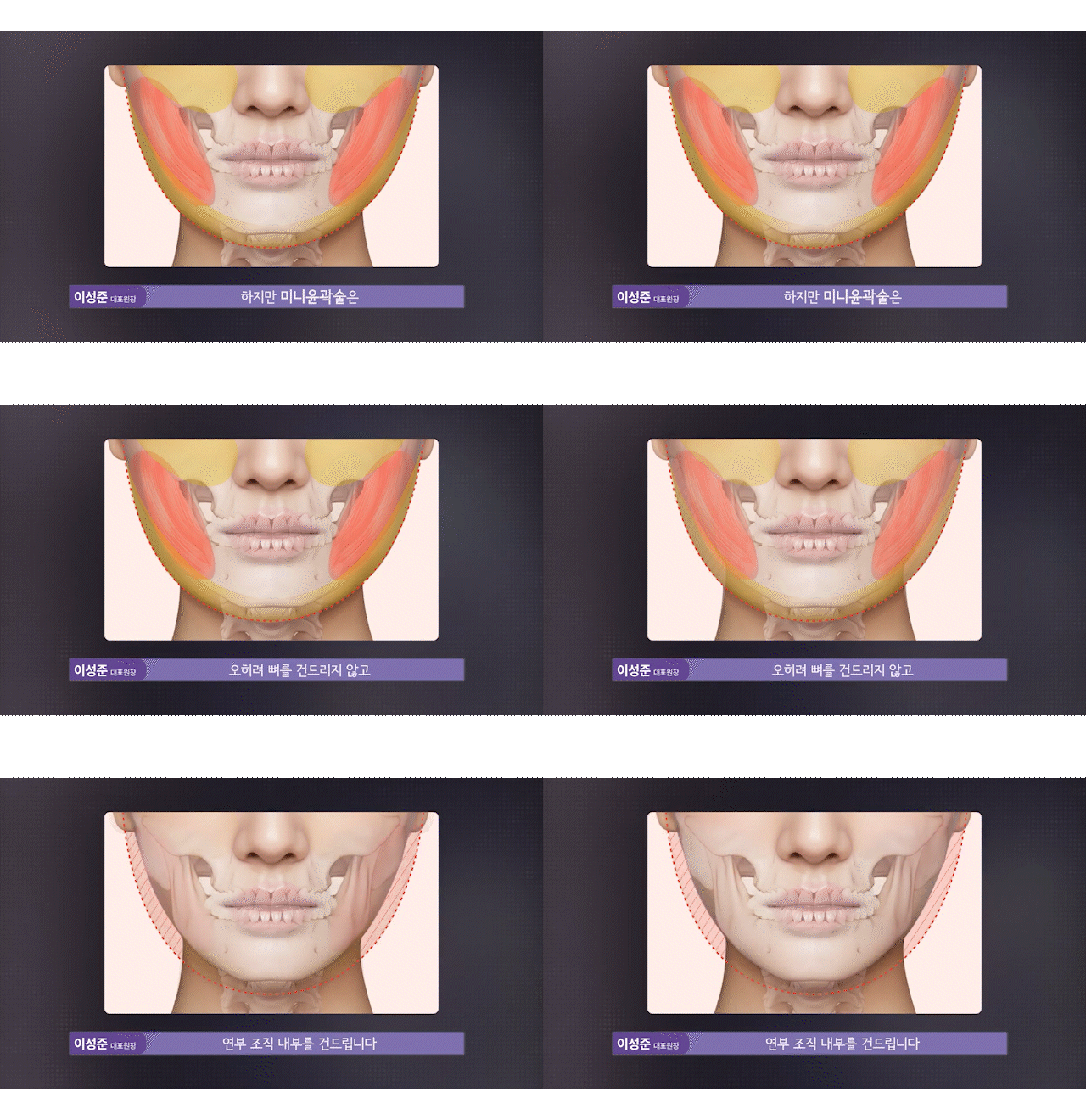
Contour surgery performed without bone resection
is called mini contouring
at Sinsa Contour Plastic Surgery,
and it is a method that carefully organizes
the contour flow
mainly around the various soft tissues
that determine facial lines.
The key is to systematically reorganize the multiple layers of soft tissue,
from skin to fat to fascia (SMAS) to muscle to ligaments,
and to increase elasticity and secure fixation
in the necessary areas
so that the overall facial line
is corrected naturally.
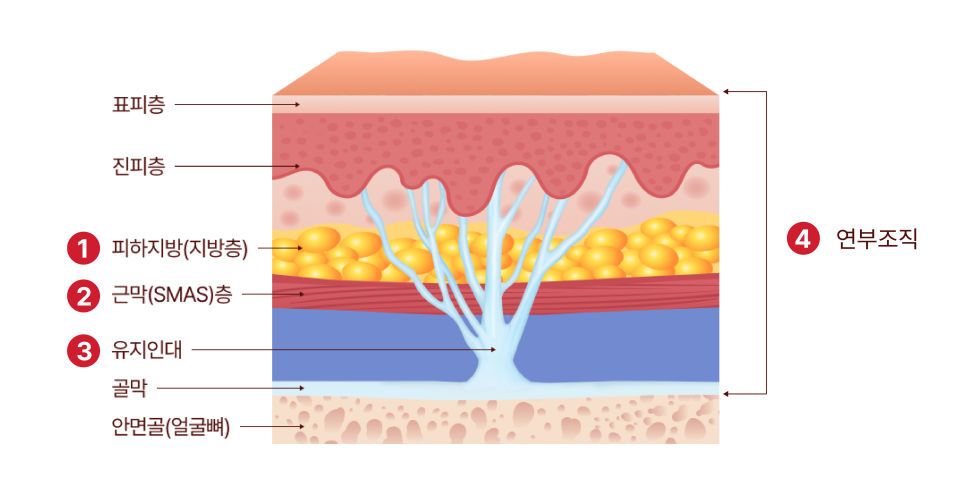
✔️ The main steps are as follows.
| 1️⃣ Selective removal and organization of the fat layer |
|---|
| 2️⃣ Reinforcement and fixation of the fascia (SMAS) |
| 3️⃣ Repositioning of retaining ligaments |
| 4️⃣ Overall organization and fixation of soft tissue |
This method does not deal only with the
surface of the skin.
It is a way to form a more balanced and slimmer contour line
by three-dimensionally adjusting the structure
of the inner facial layers.
Because bone is not resected,
changes occur mainly in the soft tissues,
and the goal is to preserve the face’s own
natural appearance even after surgery
while efficiently improving only the heavier areas.
③ The role of soft tissue
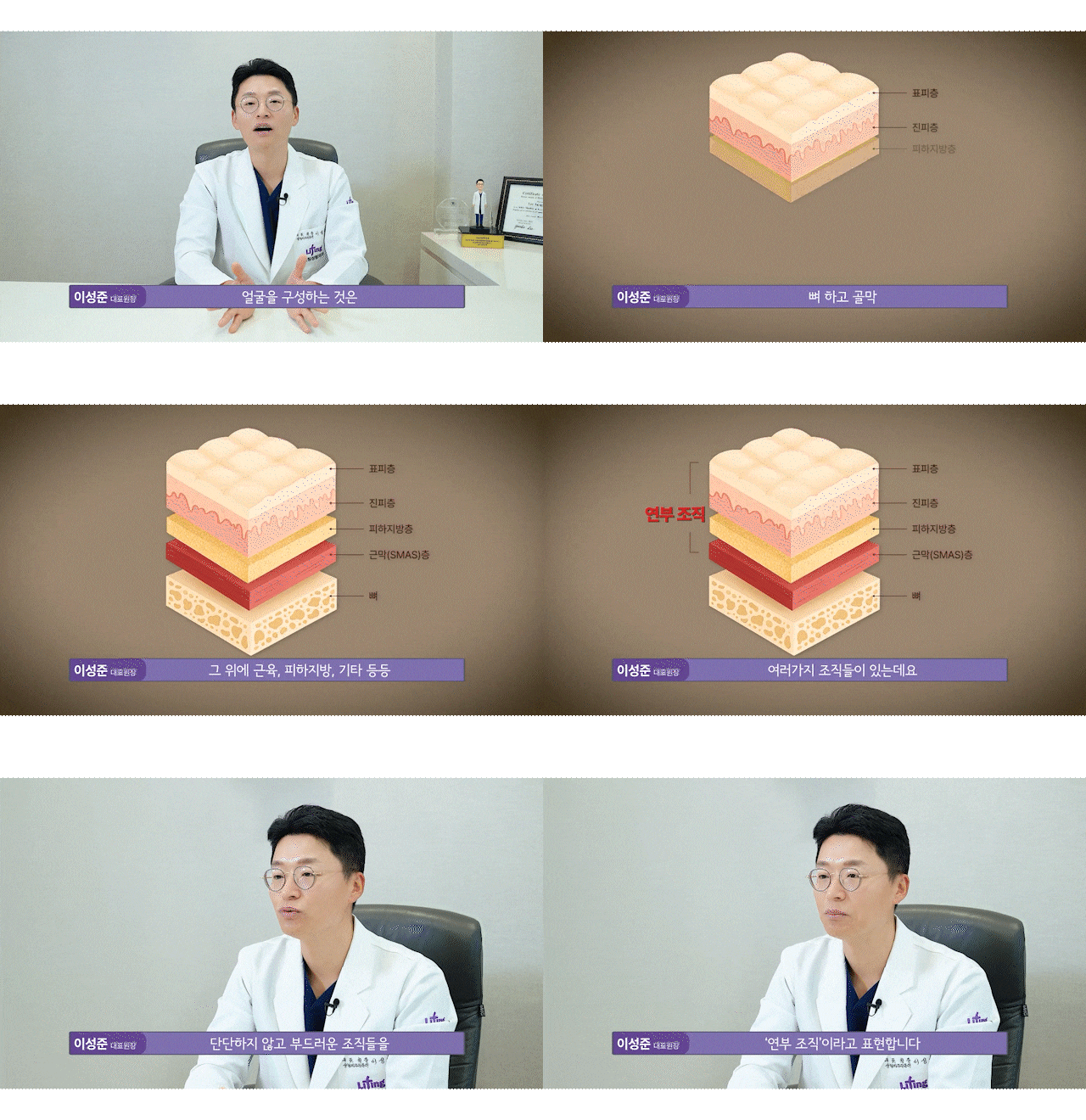
In contour plastic surgery, soft tissue
is the most essential element.
More than the bone that we often think of as defining
facial shape,
the condition of the various soft tissues covering it
actually has a major effect on the face’s impression
and outer line.
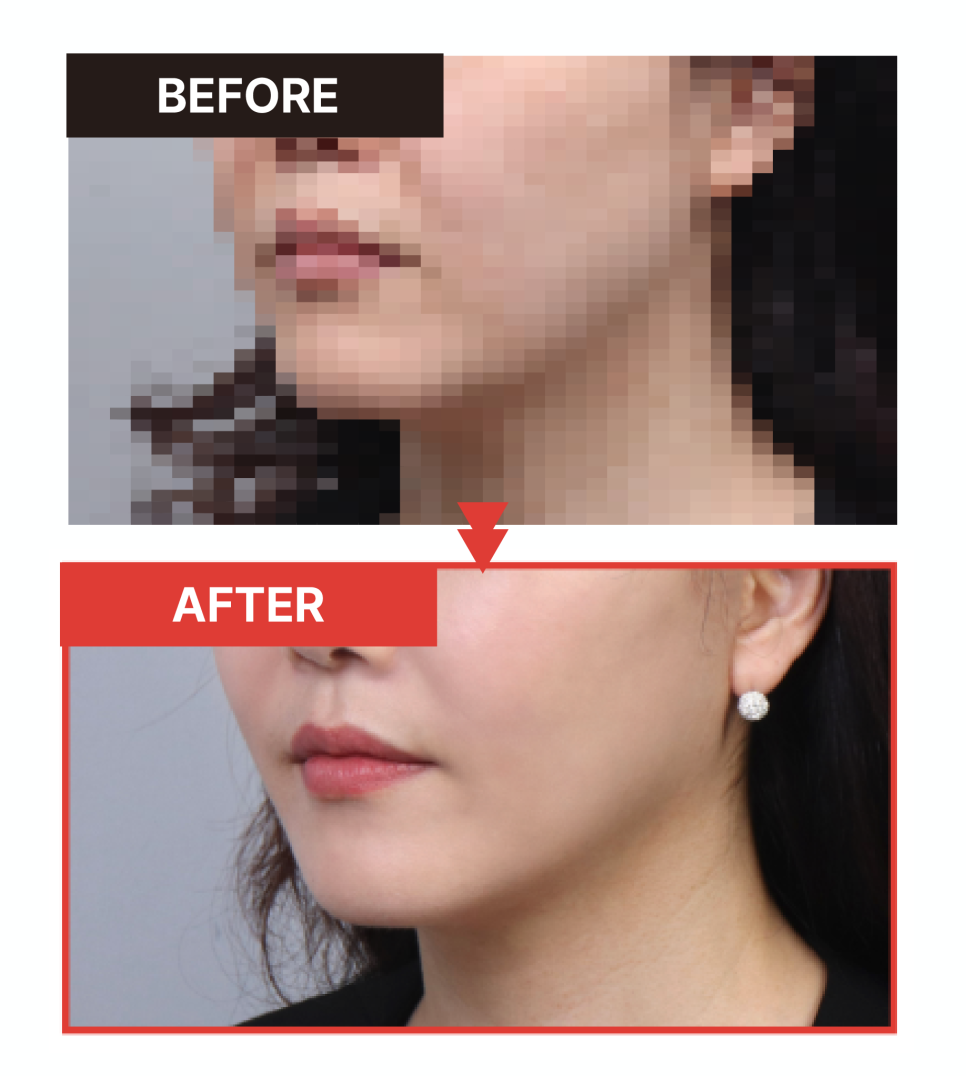
※ The patients above are customers who underwent surgery at Liting, and this is to inform you that the photos are used with consent.
※ The above cases may have different results depending on individual conditions, and the recovery process and degree of change may vary from person to person.
Soft tissue includes structures such as the following.
Skin, fat layer, fascia (SMAS),
muscles, retaining ligaments, and more
These refer to all soft layers
except for bone.
✔️ Characteristics of soft tissue
| · Determines facial shape and texture |
|---|
| · Contributes to expression, elasticity, and contour line together |
| · When sagging or enlarged, the contour flow becomes heavier |
In the end, the practical factors that determine contour changes
are the thickness,
arrangement, elasticity, and positional relationship
of soft tissue,
and if these aspects are not carefully considered,
the expected changes after surgery may not appear as hoped,
or the balance between areas may become uneven.
✅ At Sinsa Contour Plastic Surgery,
the anatomical structure of this soft tissue
is analyzed in detail,
and a customized repositioning and organization plan
is established to match each person’s facial shape
and soft-tissue characteristics.
④ Cases in which it may be worth considering
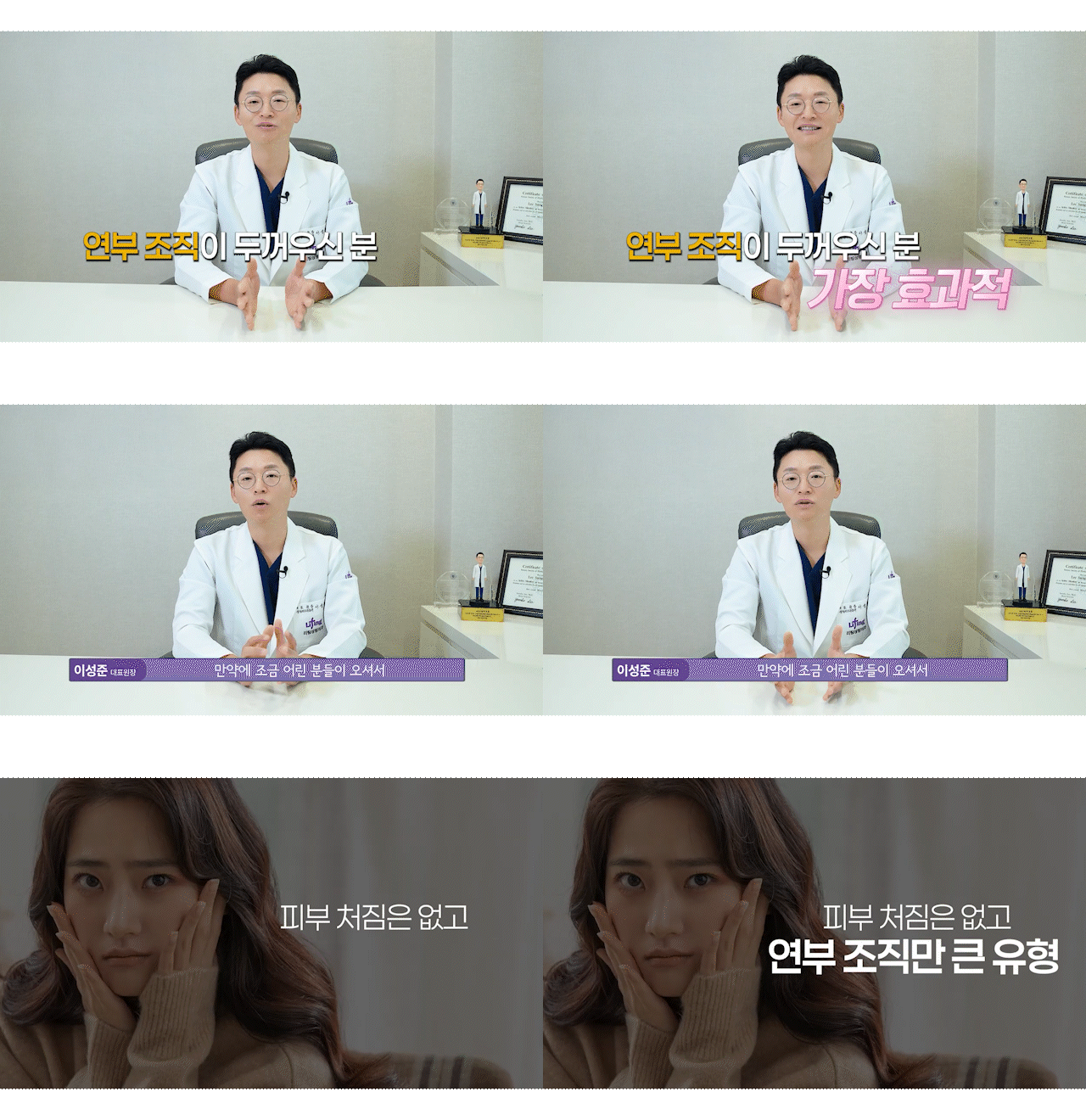
If any of the following situations apply,
you may want to consider mini contouring,
which approaches the problem mainly through soft tissue
without bone incision.
✔ Your face looks large,
but the cause is not really the bone structure;
it is due to the thickness or sagging of soft tissue
✔ Cheek fat, fat or fascia around the cheekbones,
double chin, and other soft tissues are developed,
making the facial line look heavy
✔ After previous contouring surgery,
soft tissue remains or sagging develops,
making the line look blurred again
✔ You want to naturally refine the overall contour flow
while minimizing surgical burden
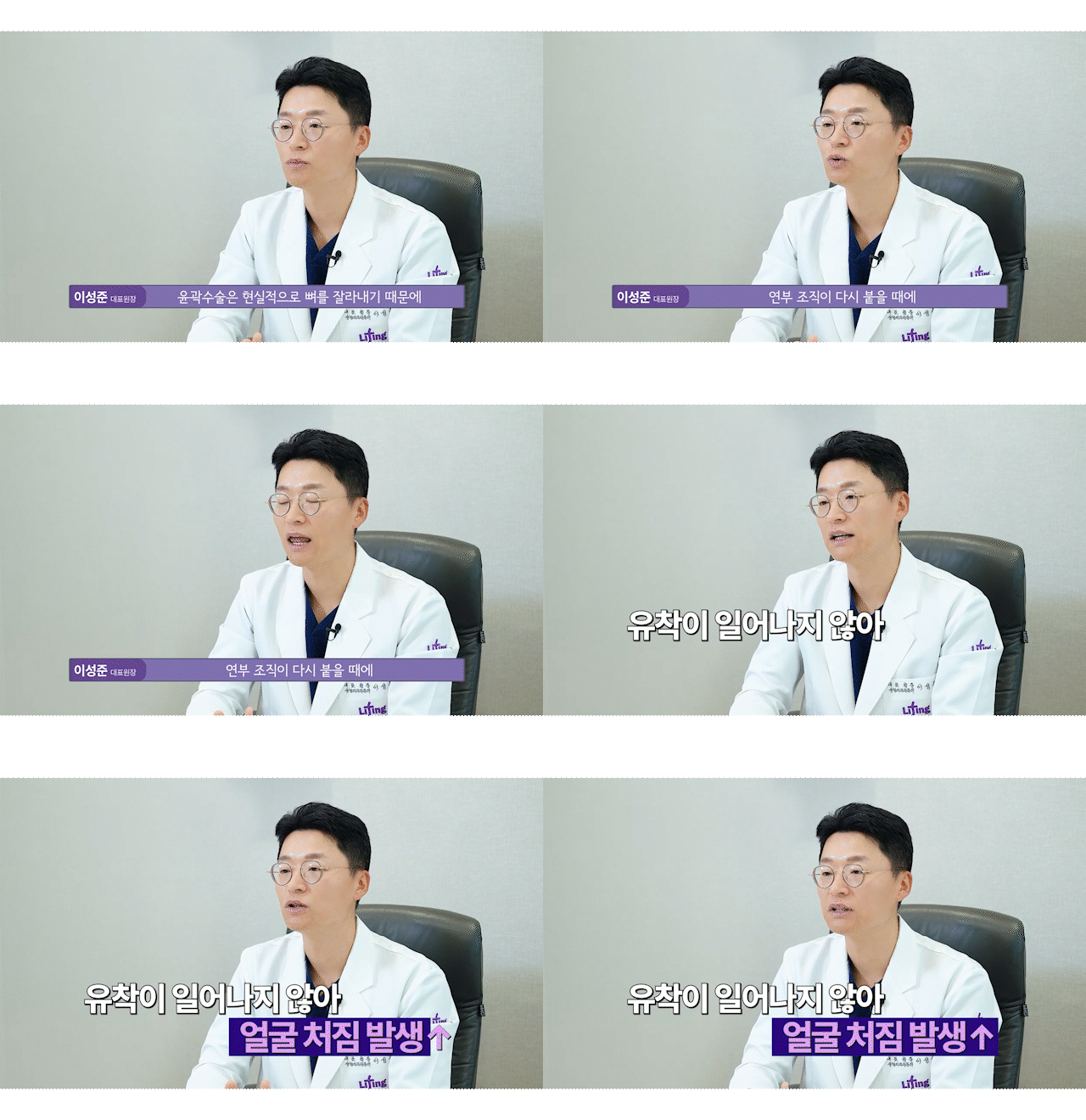
In such cases,
a method centered on the redistribution and organization
of soft tissue without bone incision
may be a more appropriate choice.
Especially when there is no major problem with the bone itself
but you are concerned about the face’s “volume”
or “contour flow,”
a soft-tissue-centered approach
can be safer and more efficient,
and it also tends to reduce the burden of recovery relatively.
⑤ Mini contouring surgery method and process
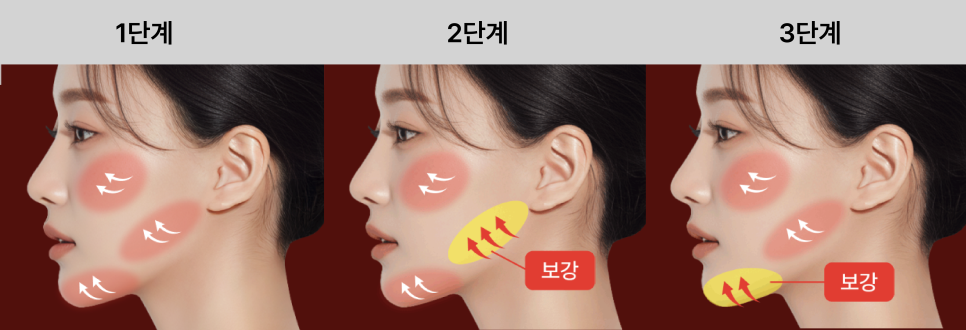
At Sinsa Contour Plastic Surgery,
after analyzing each individual’s facial shape,
soft-tissue distribution,
degree of sagging, and line imbalance,
mini contouring is systematized into
1 to 3 stages and applied accordingly.
Each stage can be performed on its own,
and if needed, stages 2 and 3 can be performed together
to refine the contour flow even further.
※ This varies depending on the degree of facial line imbalance,
the location of sagging, and fat distribution.
✅ Step 1. Mini contouring (standalone)
The stage that organizes the overall facial contour
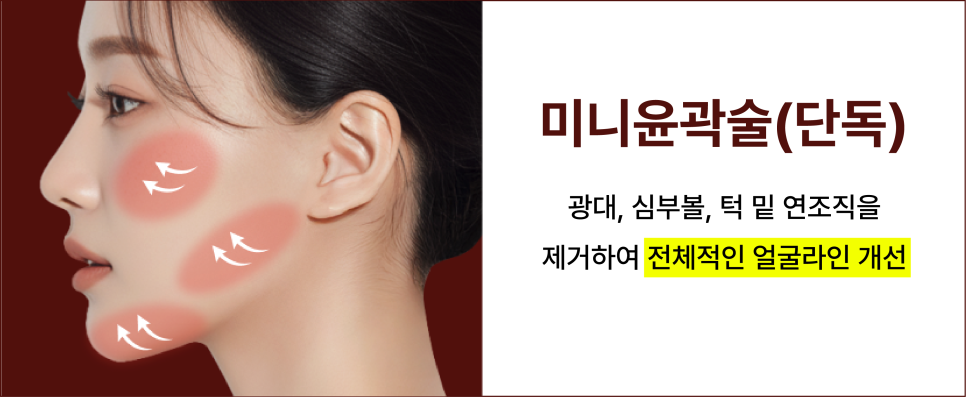
Mini contouring 1 reduces unnecessary volume
across the face, such as the cheekbones, deep cheeks,
and under the chin,
and organizes the elements that interfere with
three-dimensionality to establish the basic contour flow.
| ✔️ Main target areas |
|---|
| Fat layer below the cheekbonesDeep cheek fat layerFat and fascia under the chin |
This process focuses on reducing unnecessary volume
and
smoothly organizing the overall facial contour.
✅ Step 2. Mini contouring + upper jawline reinforcement
Cheek and jawline focus
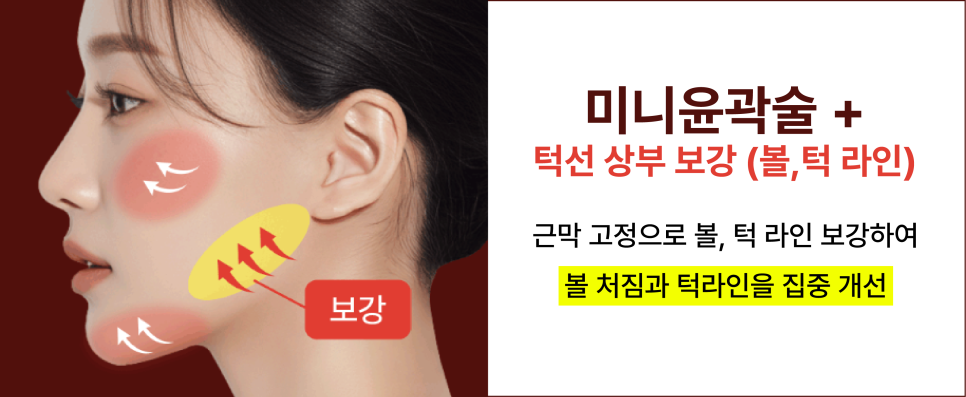
Mini contouring 2 focuses on the mid-to-lower face line.
If cheek sagging and a blurred jawline occur together,
it secures the SMAS layer and strengthens elasticity
to clearly organize the contour line.
| ✔️ Main procedures |
|---|
| SMAS fixation and ligament reinforcementCheek line refinementJawline strengthening |
The core of this stage is
improving sagging under the cheeks,
and structurally compensating for the causes
of a blurred jawline.
✅ Step 3. Mini contouring + lower jawline reinforcement
Focus on double chin and under-chin area
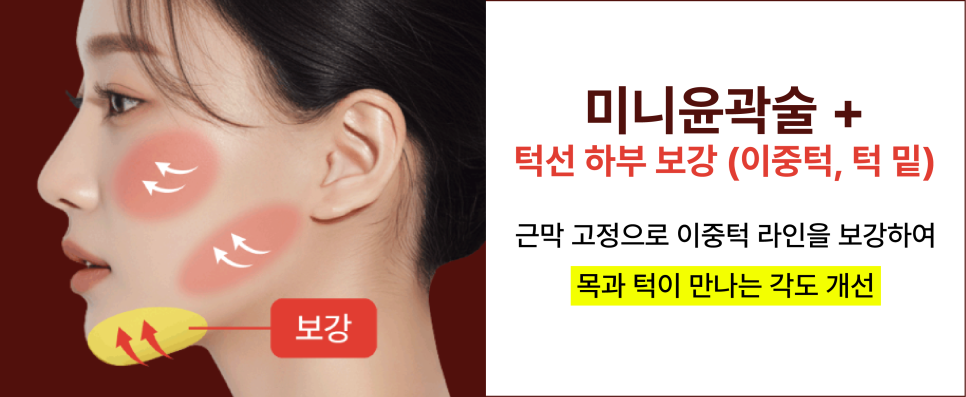
Mini contouring 3 addresses the double chin and the boundary area
between the neck and chin.
The fat, fascia, and ligaments under the chin are repositioned,
and if needed, the fascia is fixed so that the neck line and jawline
connect naturally.
| ✔️ Main procedures |
|---|
| Fascia reinforcement in the double-chin areaRepositioning of soft tissue under the chinAdjustment of the neck-chin angle |
This process may help reduce the heaviness
of the lower face,
and by multilayered organization of the causes of the double chin,
it may help soften the impression of a dull-looking neck line.
It is also often performed together with stage 2,
and the scope and direction of the procedure are determined
according to the condition of the lower facial soft tissue.
⑥ Ultimately, naturalness starts with being true to yourself
As the end of the year approaches,
all the plans set at the beginning of the year
come back to mind.
Among them,
there may also have been a personal goal
such as, “This year, I want to take better care of myself.”
Facial contouring surgery is not simply a choice
to dramatically change one’s appearance,
but a process of understanding one’s facial structure
and finding the most harmonious balance within it.
In particular, mini contouring is a method
that reflects this philosophy well,
focusing on creating natural changes centered on soft tissue
without bone incision.
Sinsa Contour Plastic Surgery values improvements
that do not unnecessarily create a large change,
and instead respects each person’s facial flow and features
while aiming for enhancement that does not lose
what makes them themselves.
This approach to mini contouring,
based on naturalness,
is something we believe creates
“sustainable contour changes”
that do not feel awkward even as time passes,
and that maintain harmony across the face.
May you become more naturally youthful tomorrow than today,
and today than yesterday.
Seoul Liting Plastic Surgery
Director Lee Seong-jun.
This article is
content intended to provide general information
about facial contouring surgery.
Whether surgery is actually appropriate
should be decided according to the individual’s health condition
and purpose,
and should be determined through consultation
with a medical professional.
If you would like more details,
please check the YouTube link below
for more detailed information.
https://youtube.com/shorts/K1-44KrWH9Q?si=EpO4rQhGylwTq5AB