
Hello.
I am Director Lee Seong-jun from Liting Plastic Surgery Clinic, Seoul Branch.
Winter is also the busiest season for
brides and grooms-to-be
who are preparing for marriage.
As there are more things to take care of,
such as the venue, dress, makeup, and photo shoot,
it is natural to look at
your own facial impression or contour
once again.

Especially under a camera or lighting,
some people may begin to think about
defining their contour at least once
because of impressions like,
“my cheekbones look prominent” or
“my face seems wide.”

This season is also relatively suitable
for planning procedures or surgeries
that require a recovery period.
Because the lower temperatures make swelling management easier,
and it is also easier to secure enough recovery time
between year-end schedules.
For these reasons, year-end and winter are also times
frequently sought by people who want to
refine their facial contours.
Today, among these topics,
we will calmly organize, from a medical perspective,
what is called mini contouring surgery,
which refines the contour by focusing on the soft-tissue structures
that make up the facial line,
rather than directly working on bone.
| 📖 Table of Contents 📖 |
|---|
| 1. “Gwangdae complex”: is it a problem with the cheekbone?2. Facial contours are not determined by bone alone3. A contour design perspective centered on soft tissue4. The 1st, 2nd, and 3rd stages of mini contouring surgery5. Main areas improved by mini contouring surgery6. It is okay even if the change is not dramatic |
- “Gwangdae complex”: is it a problem with the cheekbone?

“Gwangdae complex” often begins
from a subjective impression that
the cheekbone area looks especially prominent,
or that the overall facial contour looks wide.
However, this impression is not necessarily explained
only by the size or shape of the cheekbone itself,
that is, by bone structure alone.
The impression of the cheekbone area
is formed in a complex way as
multiple layers of structure work together.
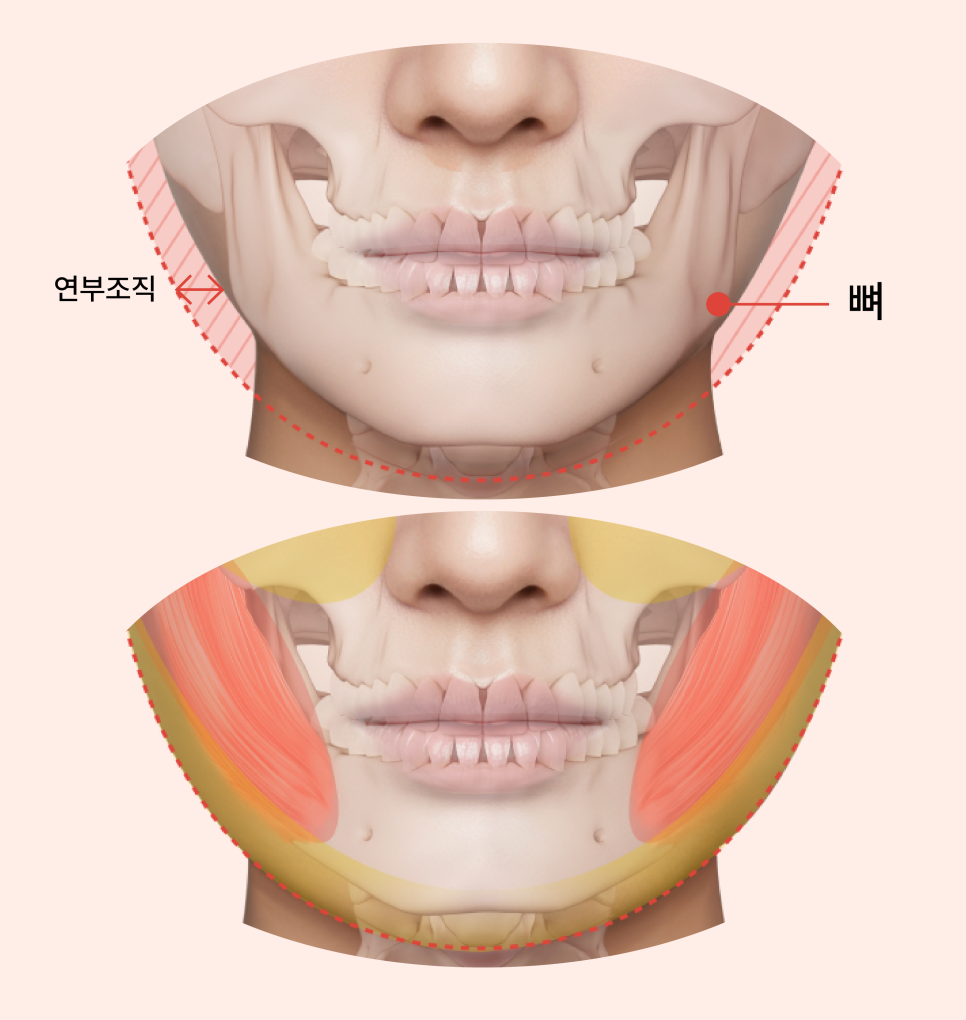
| ✔ Thickness of fat✔ Degree of muscle development✔ Elasticity and position of the skin and fascia |
When these factors overlap and interact,
even with the same bone structure,
the facial impression can appear completely different.
Therefore, when considering contouring surgery,
rather than interpreting the expression “large cheekbones”
simply as bone prominence,
it is necessary to look at how the three-dimensional structure
of the entire face is harmonized.
- Facial contours are not determined by bone alone
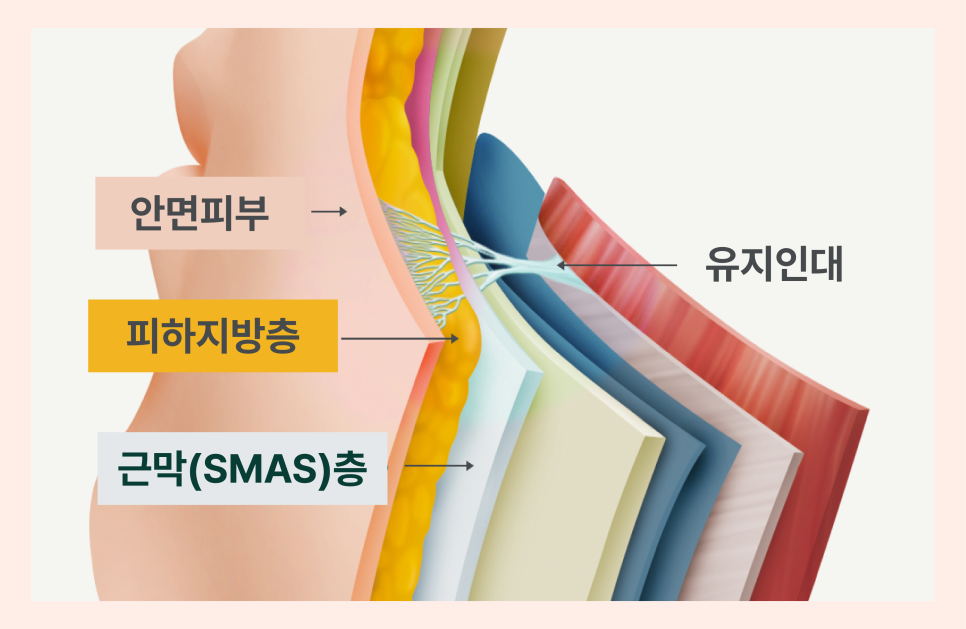
When many people think of facial contours,
the first thing that comes to mind may be
the size or shape of the bones.
But in reality,
the facial line we perceive is greatly influenced by
the soft layer called soft tissue that sits on top of the bone.
Soft tissue includes
skin, fat, fascia, and muscles,
and depending on the thickness, position,
and elasticity of these structures,
even with the same bone structure,
the face shape can look completely different.
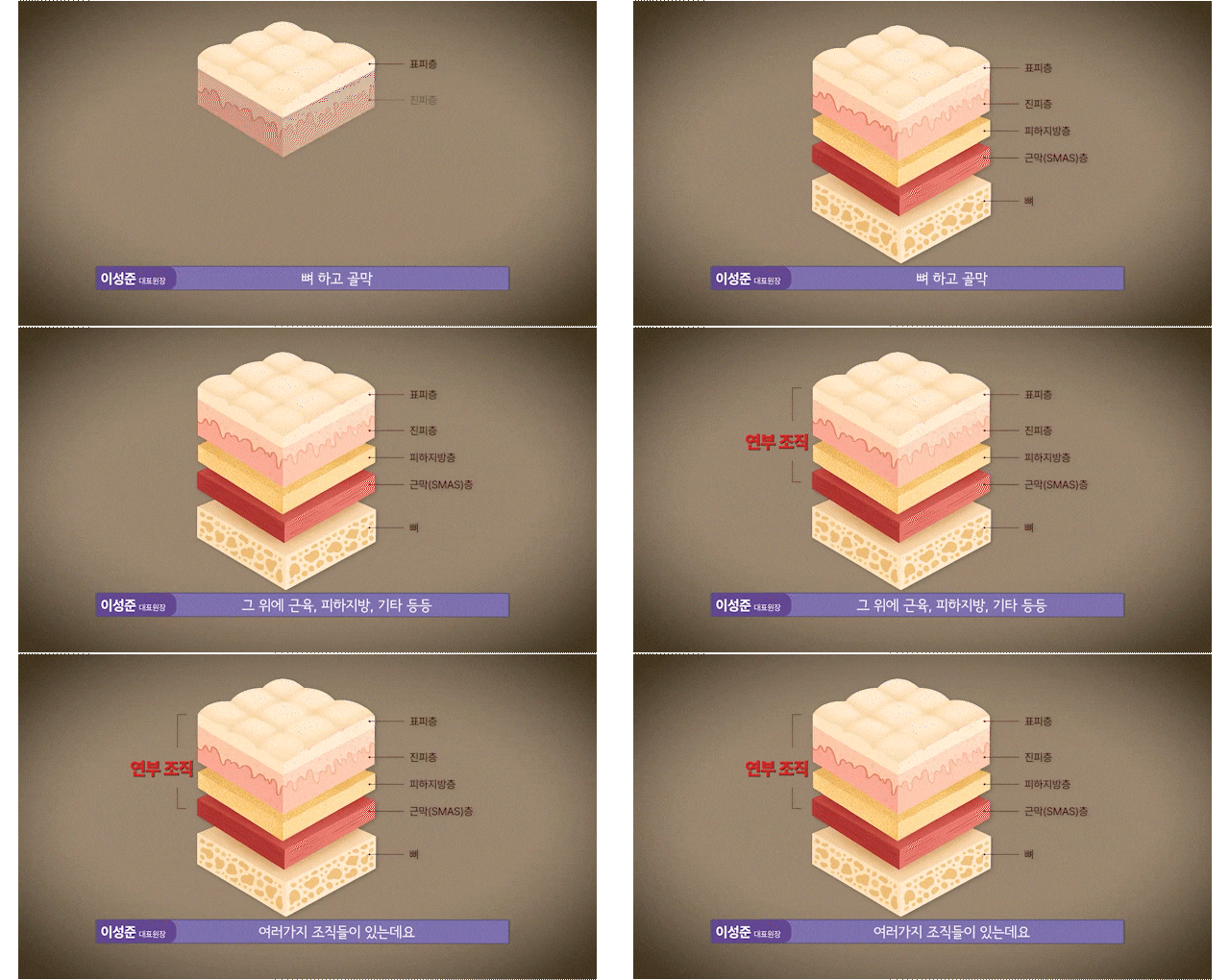
For this reason, contouring surgery is not simply
a method focused on reducing the size of bones
or changing their shape,
but can be understood as a direction that considers
various structural elements that make up the face together
and naturally organizes the overall impression.
In other words, the goal of contouring surgery is not
to become smaller at all costs,
but to create a balanced and harmonious impression
within one’s own facial structure.
- A contour design perspective centered on soft tissue
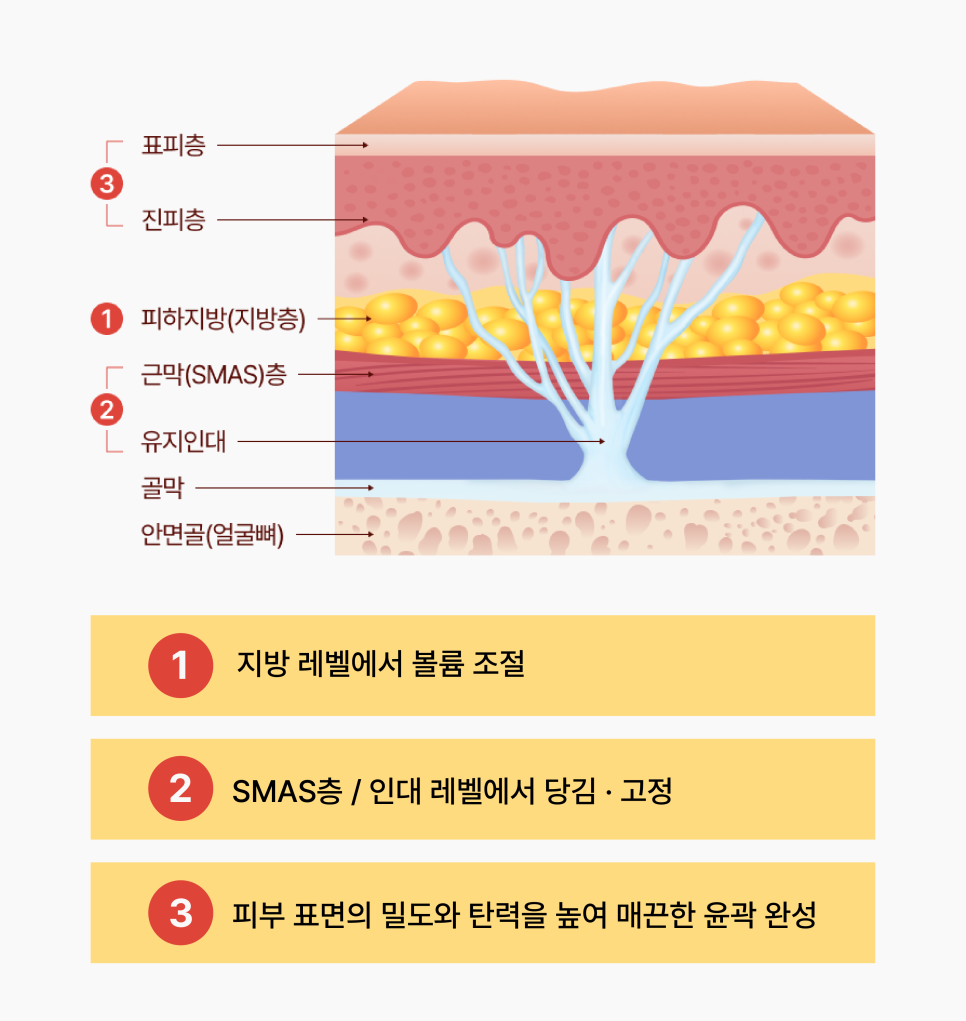
When refining facial contours,
rather than judging only based on bone structure,
an approach that also examines the composition and arrangement
of the soft tissue beneath the skin
may be considered important.
From this perspective,
rather than viewing the soft tissue that makes up the facial line
as a single mass,
its contour impression is comprehensively reviewed
by distinguishing the role and characteristics of each structure.
① Distribution and volume of the fat layer
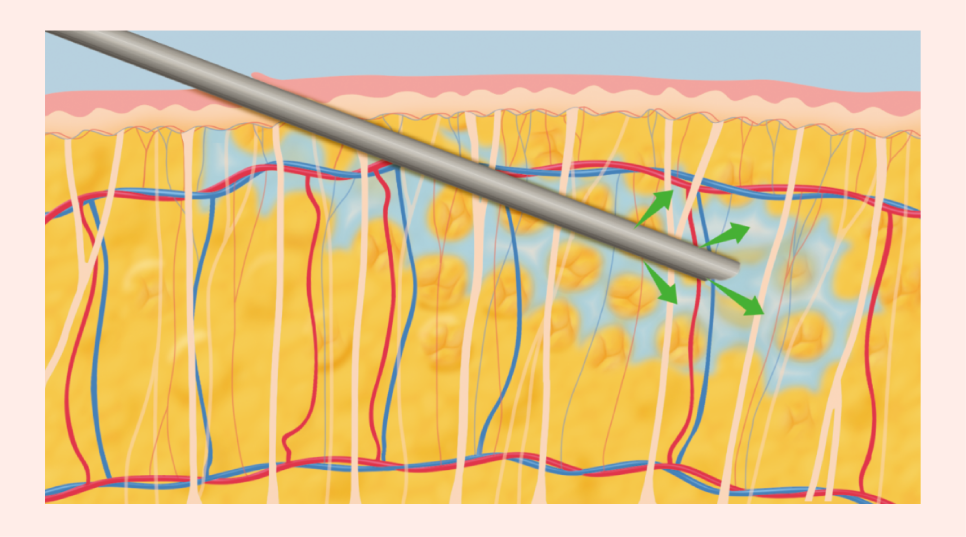
Fat is one of the factors that affects the three-dimensionality
and contour impression of the face,
and if it gathers excessively in a certain area
or is distributed unevenly,
the contour may appear more emphasized.
Therefore, looking at the distribution and volume of fat
within the overall flow of the face
is one criterion in contour design.
② The role of the SMAS layer and ligament structures
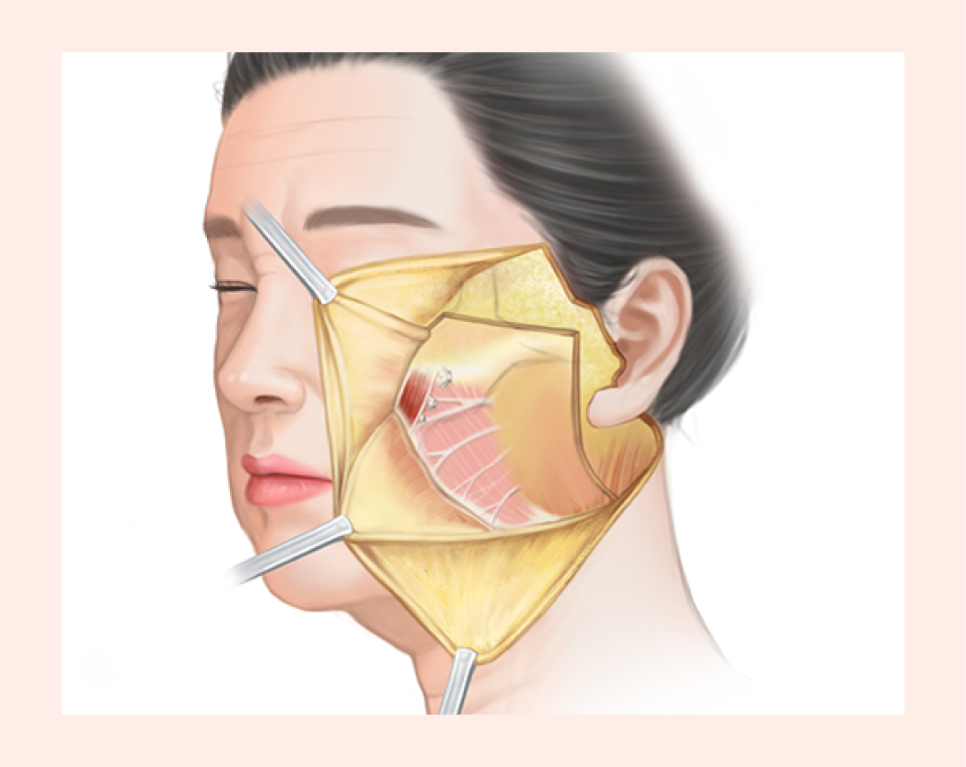
The SMAS layer and ligament structures are core structures
that support facial elasticity and contour stability.
Depending on the condition of these structures,
the pattern of sagging or the flow of the contour line
can change,
so they are also elements considered when evaluating contour.
③ Density and texture of the skin surface
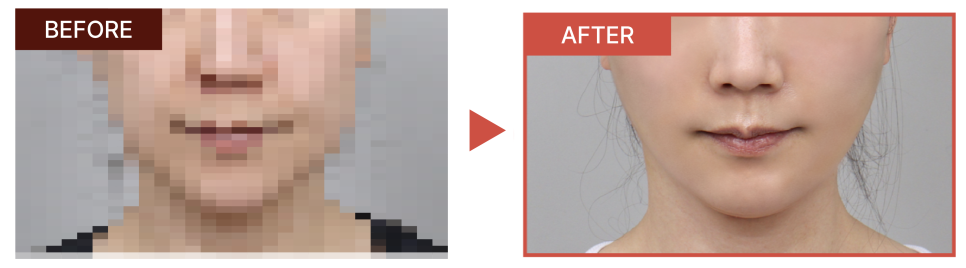
※ The patients above are clients who underwent surgery at Liting, and we inform you that the photos are used with consent.
※ The above cases may produce different results depending on each individual’s condition, and the recovery process and degree of change may vary from person to person.
The skin layer is the part that affects the finishing touch
of the contour impression,
and depending on the density, texture,
and surface condition of the skin,
the contour line may be perceived as softer
or sharper.
Viewing the facial contour as a single flow
by combining these factors
is the core of a soft-tissue-centered approach.
- The 1st, 2nd, and 3rd stages of mini contouring surgery
Mini contouring surgery can be considered in the following stages
by varying the scope of approach according to each individual’s
facial structure and soft-tissue condition.
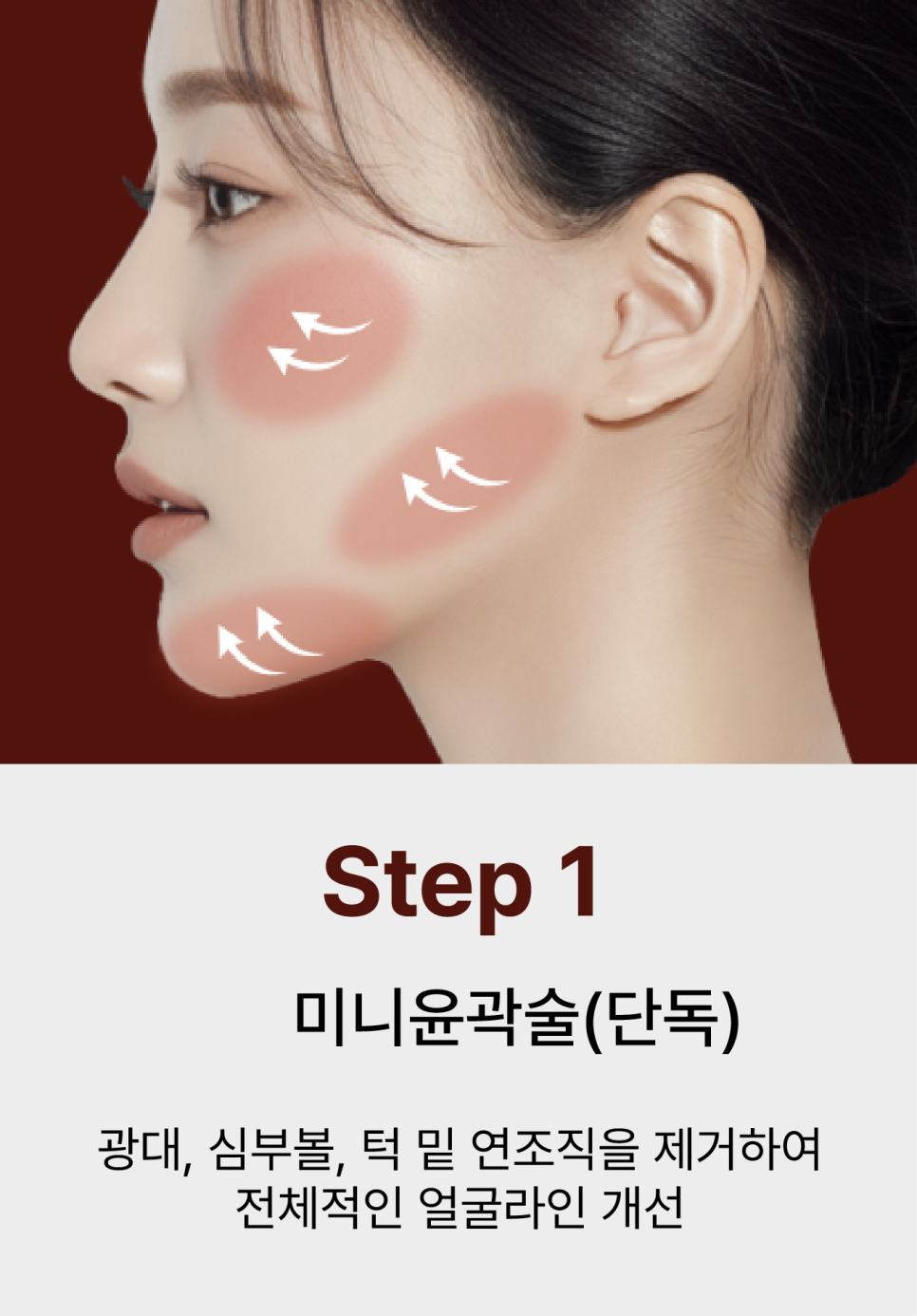
| Step 1. Mini contouring surgery (standalone) |
This is an approach that focuses on the soft tissue in the cheekbone,
deep cheek, and under-chin areas,
and gently organizes the facial contour line
so that it is not overly emphasized.
Rather than producing a major change in face shape,
it can be seen as a stage reviewed in the direction
of refining the basic contour impression.
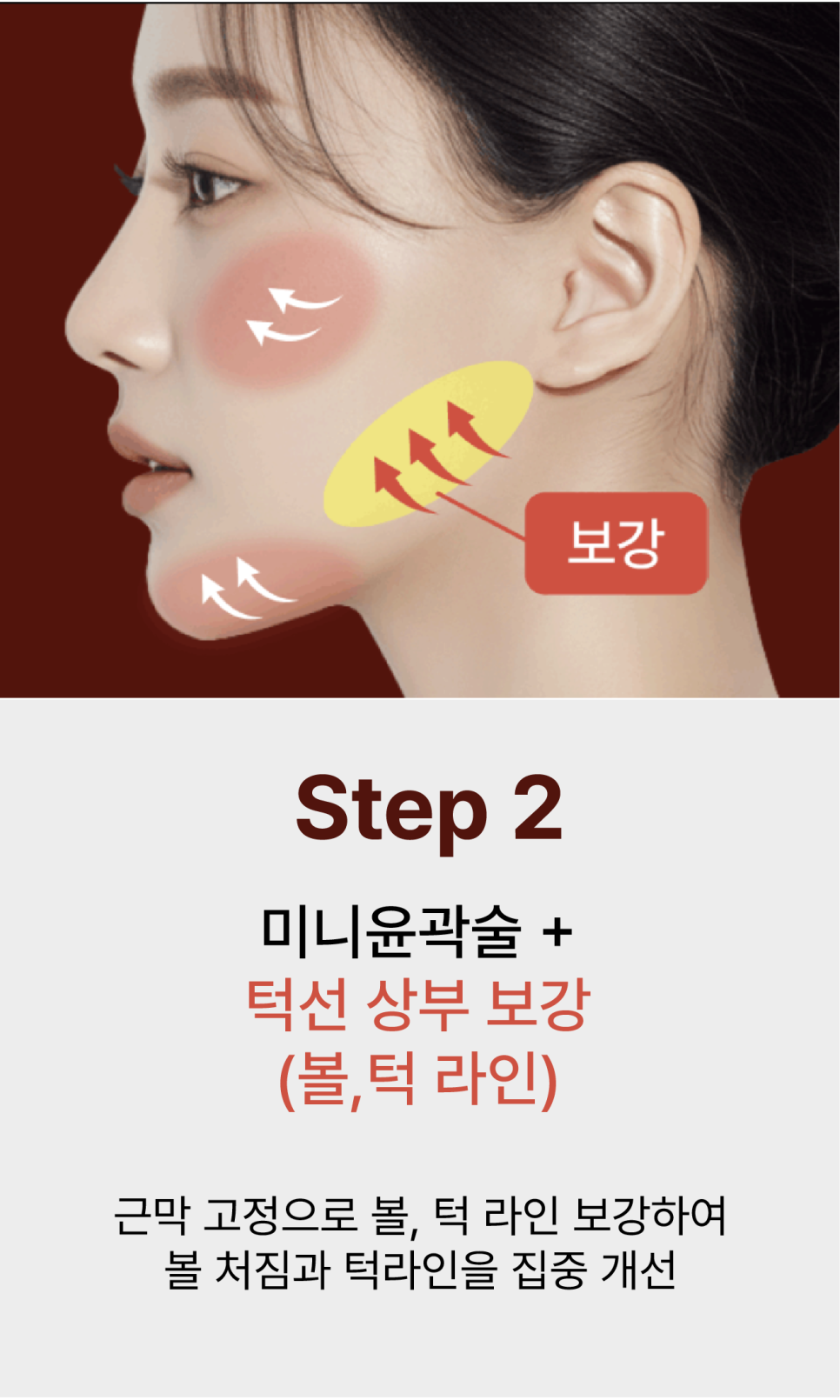
| Step 2. Mini contouring surgery + upper jawline reinforcement |
This is an approach that considers
the fascia structures of the cheek and jawline areas together,
and focuses on cases where the sagging around the cheeks
or the jawline appears disorganized.
It focuses on structural support
so that the lower face contour appears more stable.
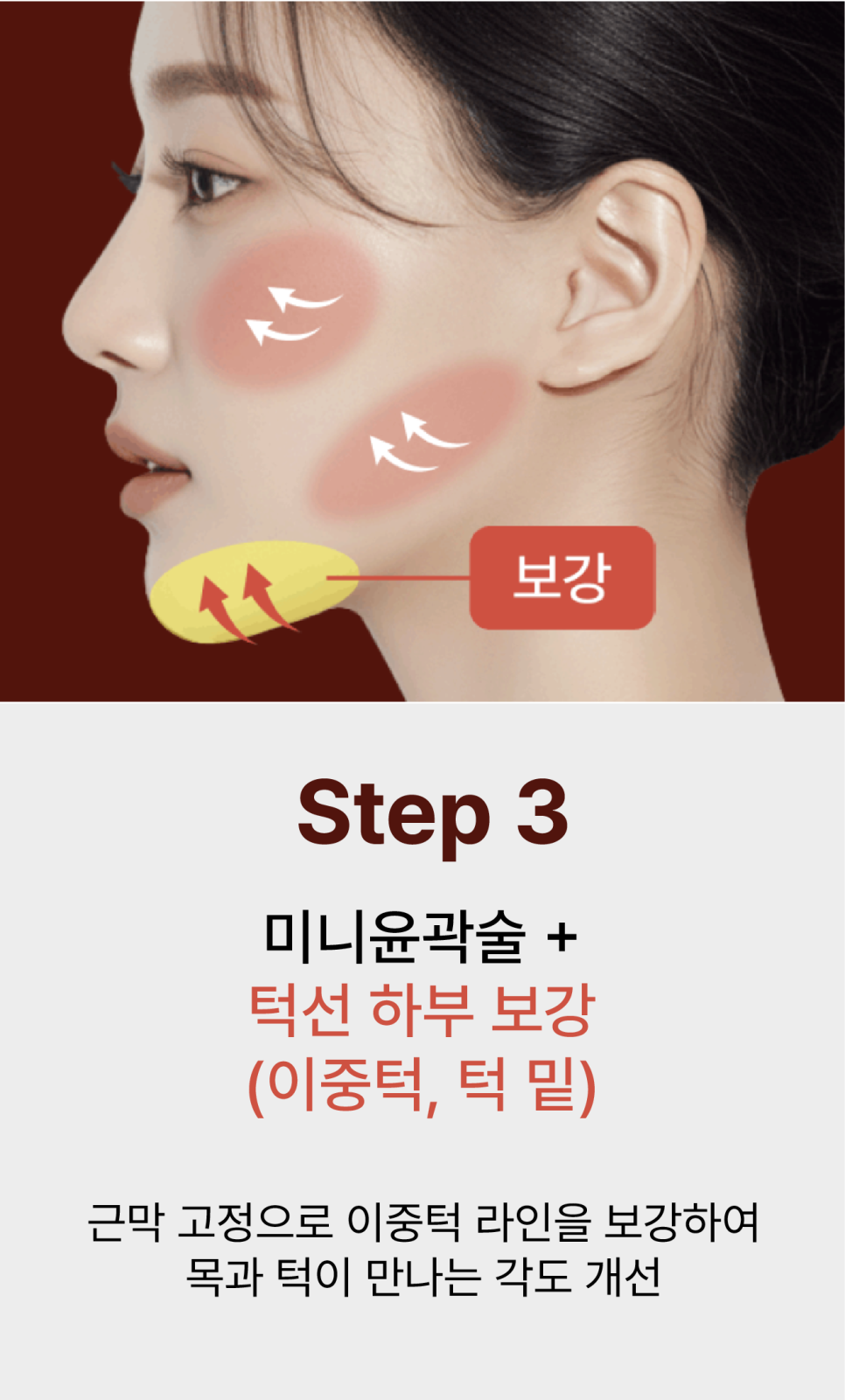
| Step 3. Mini contouring surgery + lower jawline reinforcement |
In cases where lower soft tissue such as a double chin
or the under-chin area affects the contour impression,
this is an approach that considers the connection structure
where the neck and jaw meet.
Its purpose is to examine the overall flow
so that the boundary between the area under the chin
and the neck line does not appear overly separated.
※ The surgical method and incision range may vary depending on each individual’s degree of skin sagging, distribution of soft tissue, and wrinkle condition.
- Main areas improved by mini contouring surgery
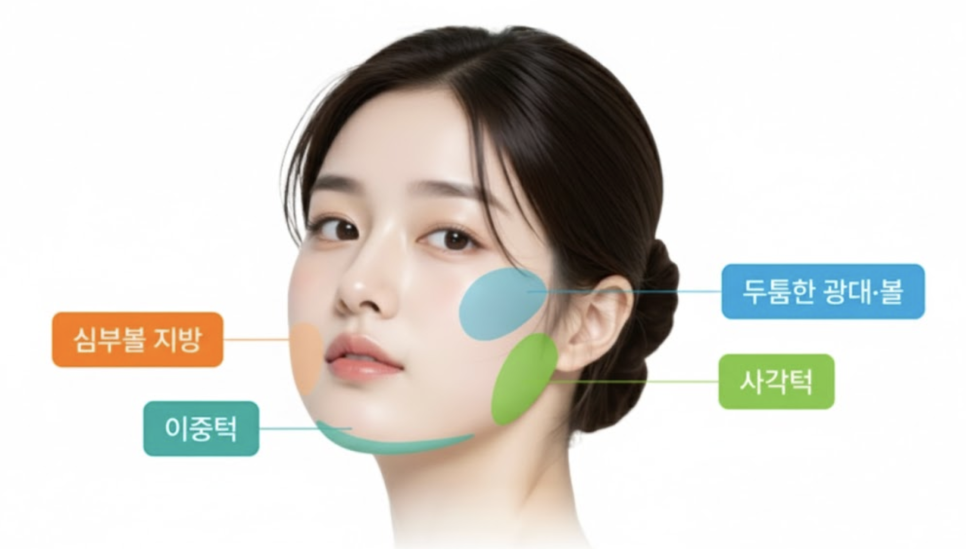
Mini contouring surgery is not limited to a specific area,
but can be described as an approach that considers
major areas that make up the facial contour together,
such as the cheekbone line, cheek line,
double chin, square jaw, and chin tip.
In this process, the fat, muscles,
fascia, and ligament structures that affect the facial contour
are examined anatomically,
and each area’s role in the overall facial impression
is comprehensively reviewed.
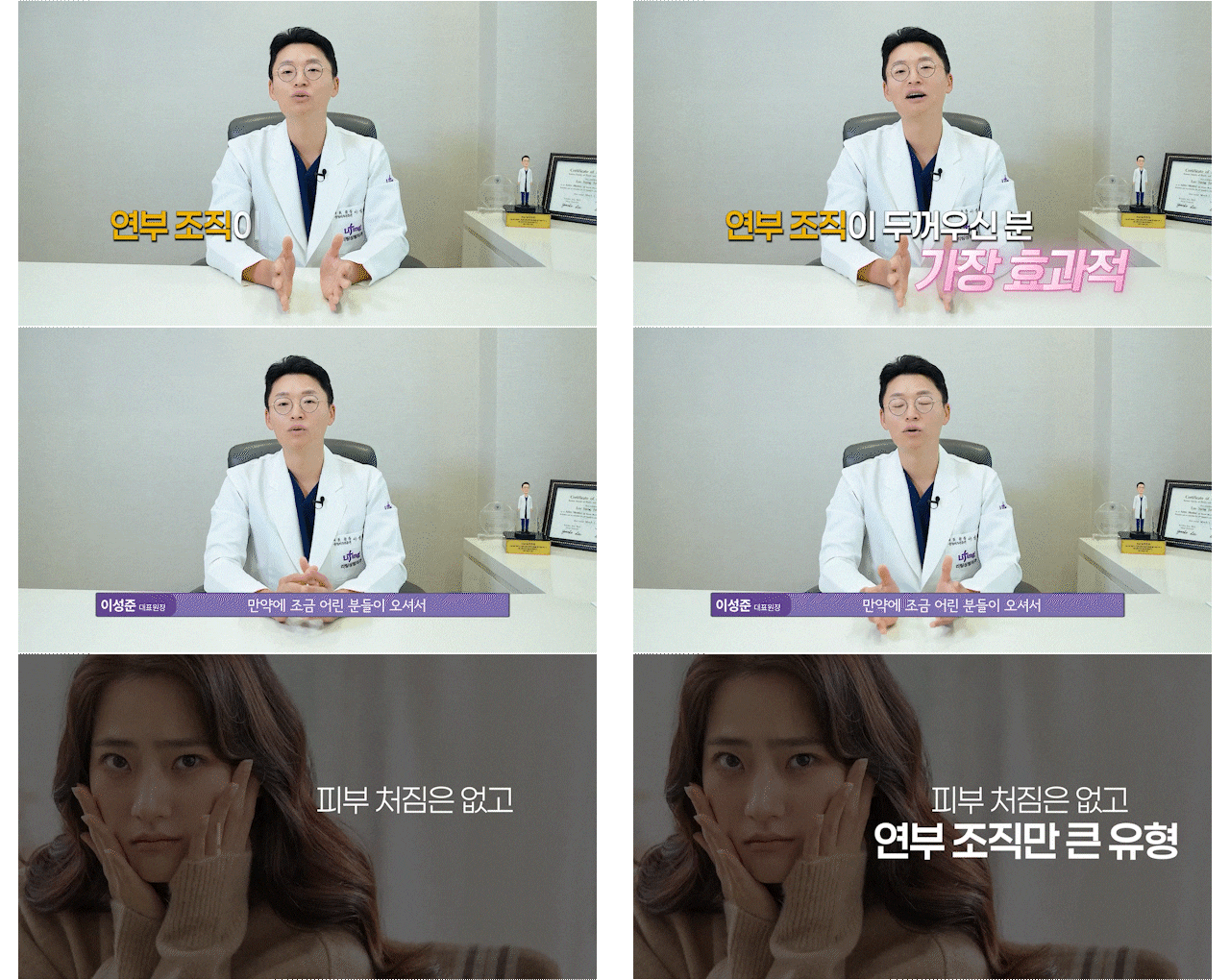
Through this, the approach is taken in a way that considers
both the overall contour flow and three-dimensionality,
so that only one specific area of the face does not stand out excessively.
However, the degree of change and the recovery process
due to this approach may differ depending on
the individual’s facial structure, soft-tissue condition,
and lifestyle habits.
- It is okay even if the change is not dramatic
The period before marriage is also a time
when we reflect on ourselves the most.
In that process,
having concerns about facial contour is often not because
one wants to become a completely different person,
but because one wants to find an impression
that suits the current self a little better.
Contouring surgery is not the process of creating a new face,
but rather a process of understanding one’s own structure
and finding a form that naturally harmonizes within it.
The beauty of the face does not come from a fixed standard,
but from the harmony each person’s face possesses
and the confidence that comes from it.
As the upcoming wedding and the new season approach,
I hope you can smile with a little more confidence
and a little more ease,
and I sincerely support that journey.
May you become more naturally youthful tomorrow than today,
and today than yesterday.
This was Director Lee Seong-jun
of Seoul Liting Plastic Surgery Clinic.
This article is
content intended to provide general information
about contouring surgery.
Whether to undergo the actual surgery should be decided
according to the individual’s health condition and purpose,
and should be determined through consultation with a medical professional.
If you would like more details,
please check the YouTube link below
for more detailed information.
https://youtube.com/shorts/K1-44KrWH9Q?si=swUjwC8oVpIlpS7N