In a previous post, we explained the 6 materials used in rhinoplasty and the 5 angles that should be considered during surgery,
and today, I would like to explain in more detail rhinoplasty using ear cartilage.
Rhinoplasty
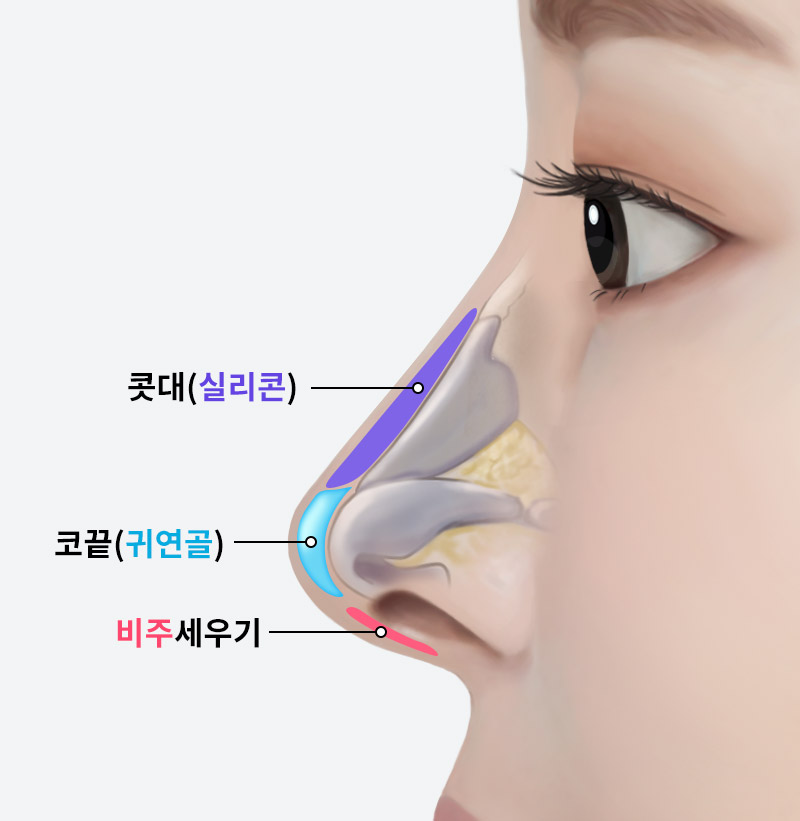
Source: TS Plastic Surgery website
The nose is located at the center of the face, and the nasal tip is the most protruding part of the face. Because it is at the center of the face, the overall impression can change depending on the shape of the nose, and because it protrudes, it is also an area that is relatively easily exposed to external impact or pressure.
During surgery, the bridge of the nose is mainly made of bone, so even if an implant is used, it is relatively well fixed. The nasal tip, however, has a cartilage structure and requires flexible movement. In particular, when the skin is thin or sensitive, using autologous cartilage is safer and can produce more natural results. The most commonly used types are septal cartilage and ear cartilage.
Nasal tip surgery using septal cartilage – changes in the internal nasal structure
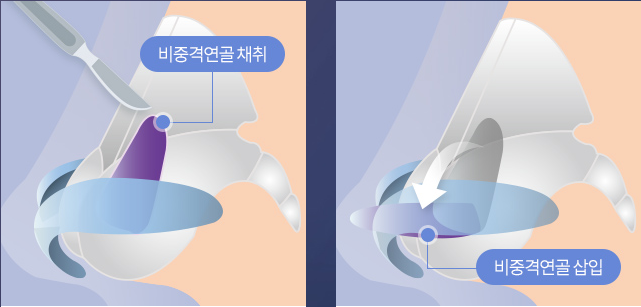
Source: TS Plastic Surgery website
Septal cartilage is the cartilage that makes up the lower one-third of the nose and plays a role in supporting the lower part of the nose together with the upper nasal bones.
In nasal tip surgery using septal cartilage, cartilage is harvested from inside the nose and extended to raise the height of the nasal tip.
However, if too much septal cartilage is removed, the structure supporting the nose becomes weaker, which can lead to a saddle nose deformity where the bridge sinks. Also, when a relatively weak septal cartilage is used for extension, the height of the nasal tip may gradually decrease over time, or the columella may become crooked.
Ear cartilage nasal tip surgery – adding ear cartilage to the existing nose
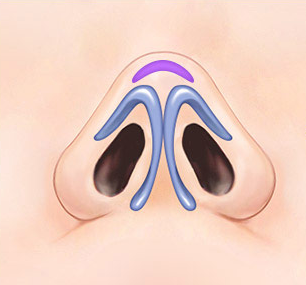
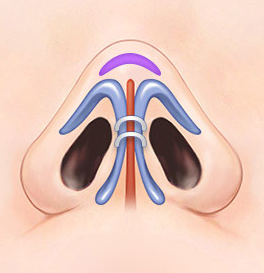
Source: TS Plastic Surgery website
Ear cartilage rhinoplasty for the nasal tip is a method of increasing height by harvesting ear cartilage and grafting it onto the nasal tip. Because it involves grafting only cartilage without altering or damaging the existing nasal tip structure, it is characterized by a lower concern for side effects such as weakened support of the nasal bridge.
Rhinoplasty using ear cartilage has been performed for a long time. Recently, surgeries using septal cartilage or rib cartilage have increased when a higher, more dramatic nose is desired, but for those who prefer a natural and soft-looking nose, ear cartilage can be an effective option.
Ear cartilage nasal tip surgery that can provide natural results
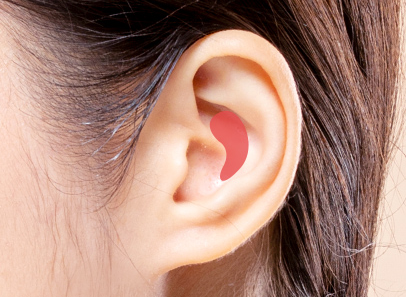
Source: TS Plastic Surgery website
Ear cartilage has excellent elasticity and a rounded shape, making it an effective material for naturally refining the nasal tip or extending it slightly. Because it is autologous cartilage, there is little concern about rejection during grafting, and the likelihood of problems such as visibility through the skin is also low.
In addition, because ear cartilage is elastic, it helps shape the nasal tip naturally, and unlike when relatively firm septal cartilage is used, the movement of the nasal tip after surgery can be smoother, making it possible to expect more natural results.
Even in nasal tip surgery using septal cartilage, ear cartilage is sometimes used together to further extend the tip or create a more natural shape, and when the strength of the septal cartilage is insufficient, ear cartilage may be used as reinforcement to improve support.
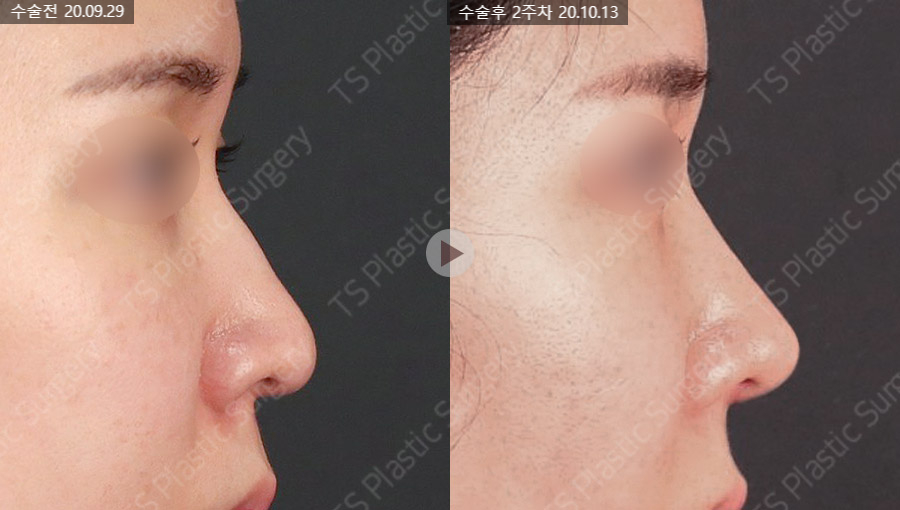 TS Plastic Surgery - Surgery for a hooked nose + aquiline nose / using ear cartilage + no implant
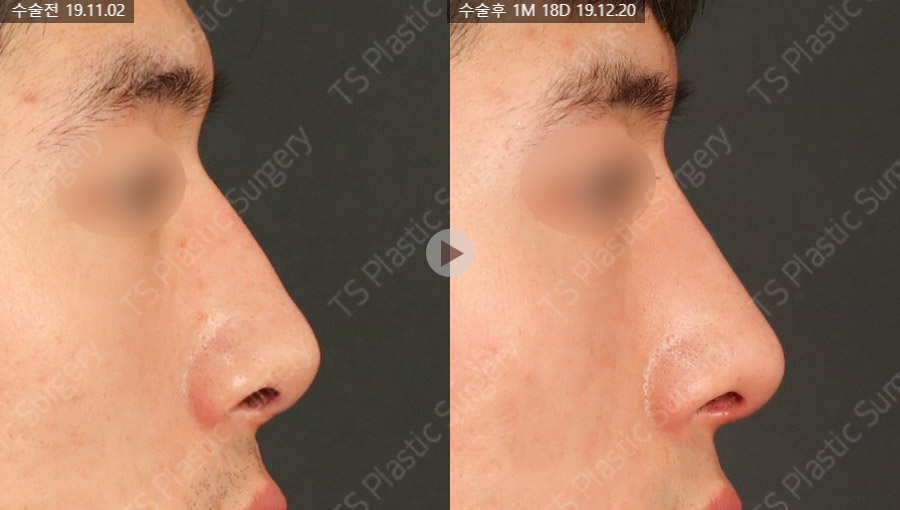 TS Plastic Surgery - Surgery for a hooked nose + crooked nose / using ear cartilage
If you are concerned about columella bending or nasal tip drooping, a natural line may be appropriate
One of the side effects that can appear after rhinoplasty is nasal tip drooping or columella bending. As the trend toward higher, more dramatic nose lines has increased, nasal tip surgery using the septum has also increased, and in the process, these issues may occur when a septal cartilage that is small or weak in strength is used.
The nasal tip is an area that is continually exposed to external force through everyday movements such as opening the mouth or yawning.
If the cartilage serving as the support is weak or the height is raised excessively, repeated pressure can cause the nasal tip to drop or the columella to bend.
If you are concerned about such side effects, it may be helpful to consider a method that improves the nose to a natural height rather than an excessively raised design, allowing you to expect a refined impression. In the case of a natural nose line, it does not rely heavily on the size or strength of the septal cartilage, and by supplementing nasal tip support with ear cartilage, it helps maintain the shape.
※ Since side effects such as inflammation, bleeding, and nerve damage may occur depending on the individual, sufficient consultation with the medical staff is necessary before surgery.
This is an example image to help with understanding.