What is a bulbous nose?
Source: TS Plastic Surgery website
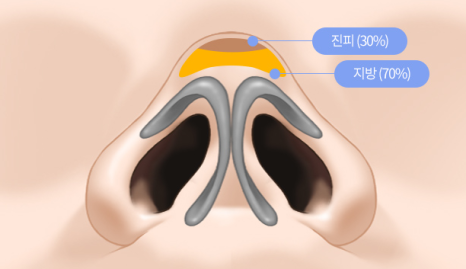
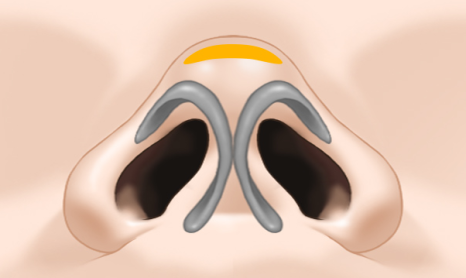
A bulbous nose refers to a nose shape with a broad and rounded tip, with a lot of soft tissue that makes it look blunt.
In general, a bulbous nose is caused by small cartilage at the nasal tip and thick skin and subcutaneous tissue,
and it can give the face a dull impression.
For bulbous nose tip surgery, depending on the individual’s nasal structure and condition,
customized surgical methods such as gathering the cartilage together or removing subcutaneous fat may be considered.
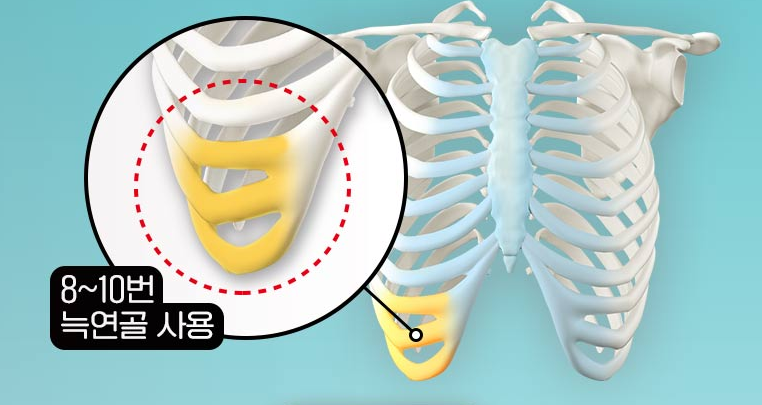
The method of using autologous rib cartilage for bulbous nose tip surgery can be considered one way to refine the shape of the nasal tip in greater detail.
Let’s take a closer look at why autologous rib cartilage (rib cartilage) is used and what advantages it has.

Source: TS Plastic Surgery website
Because autologous rib cartilage is cartilage harvested from the patient’s own body,
it has the advantages of a natural shape, high durability, and minimized rejection reactions.
Unlike artificial implants, it can blend with the original nose to achieve a more natural result,
and it can also maintain a natural feel to the touch.
In addition, autologous rib cartilage is stronger than ear cartilage or septal cartilage,
so it can provide stable support for the nasal tip over a long period of time.
Since the nasal tip is an area that can be deformed by facial movement or external impact,
this durability can help support the stability of the nasal tip shape after surgery.
Lastly, because autologous rib cartilage uses the patient’s own tissue, it can reduce rejection reactions caused by the immune system,
which may lower the risk of inflammation or complications and allow the recovery process after surgery to proceed more smoothly.
 Source: TS Plastic Surgery website
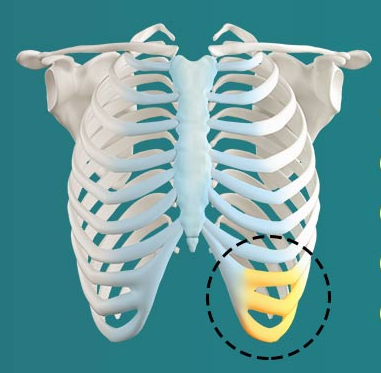
Bulbous nose tip correction using autologous rib cartilage is a procedure that may be considered as a way to improve the shape of the nasal tip
and create a sharper, more natural appearance.
Autologous rib cartilage is designed to be inserted into the nasal tip so that the desired shape can be formed,
and in this process, the cartilage supports the nasal tip to help maintain a more stable shape.
Source: TS Plastic Surgery website
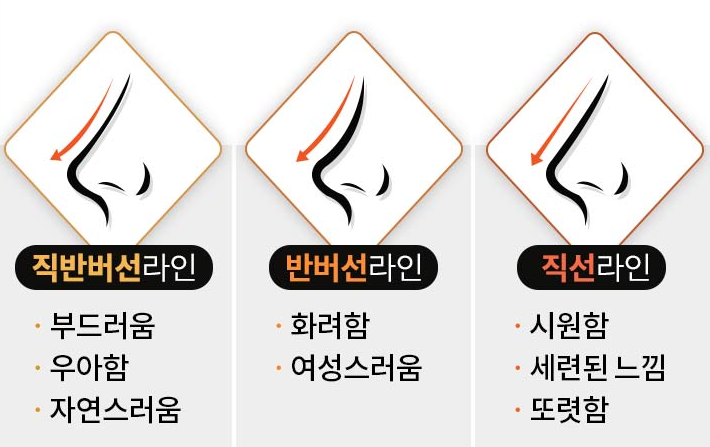
In addition, when performing rhinoplasty, it is important to consider not only the choice of materials used,
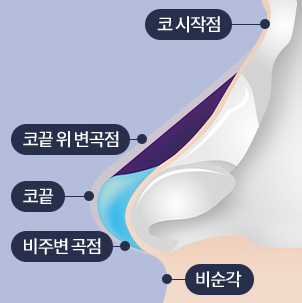
but also the harmony between the nose line and the angles of five key points.
The harmony of these elements in rhinoplasty is an important factor in creating the overall balance of the face and a harmonious image,
so the procedure is designed to fit the patient’s facial structure, pursuing a natural and balanced rhinoplasty result for each individual.
※ Depending on the individual, side effects such as inflammation, bleeding, and nerve damage may occur, so sufficient consultation with the medical staff before surgery is necessary.
The image is an example provided to aid understanding.