Revision rhinoplasty is performed when the desired result was not achieved in the first nose surgery,
or when the shape of the nose changes over time.
At this time, various methods are needed to improve the shape of the nose through surgery,
and one of them is a method that uses autologous rib cartilage.
Autologous rib cartilage is a method that uses cartilage harvested from the patient’s own body,
and it offers several advantages over artificial materials implanted from outside the body or cartilage from other areas.
�
What Is Autologous Rib Cartilage?
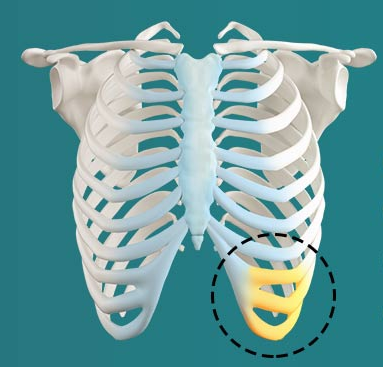
Source: TS Plastic Surgery website
Autologous rib cartilage refers to cartilage harvested from the ribs.
Among the many parts of the body, the ribs are an area where the cartilage is firm and can be used effectively,
so it can play an important role in nose surgery.
In particular, because autologous rib cartilage is material harvested from the patient’s own body,
it may cause less of an immune response and can be advantageous for shaping.
�
Advantages of Autologous Rib Cartilage

Source: TS Plastic Surgery website
Autologous rib cartilage is material harvested from the patient’s own body,
so it can minimize the risk of immune reactions or infection.
It can also help reduce the side effects that may occur when using artificial materials or another person’s cartilage,
and is regarded as a safe material.
However, autologous rib cartilage also has drawbacks.
Because a separate procedure is needed to harvest the rib cartilage, it may leave a scar.
�
How Autologous Rib Cartilage Revision Rhinoplasty Is Performed
Source: TS Plastic Surgery website
Fast rib cartilage harvesting
Because the rib cartilage is harvested under sleep anesthesia, the surgery time can be shortened,
and recovery at the harvest site is faster.
�
Minimal incision at the harvest site
When harvesting autologous rib cartilage, a minimal incision within 2 cm can help reduce scars and pain.
Because the incision is small, postoperative pain is less and recovery is faster,
and thanks to the small incision, there is less scarring and a significantly lower risk of infection or complications.
�
Prevention of warping
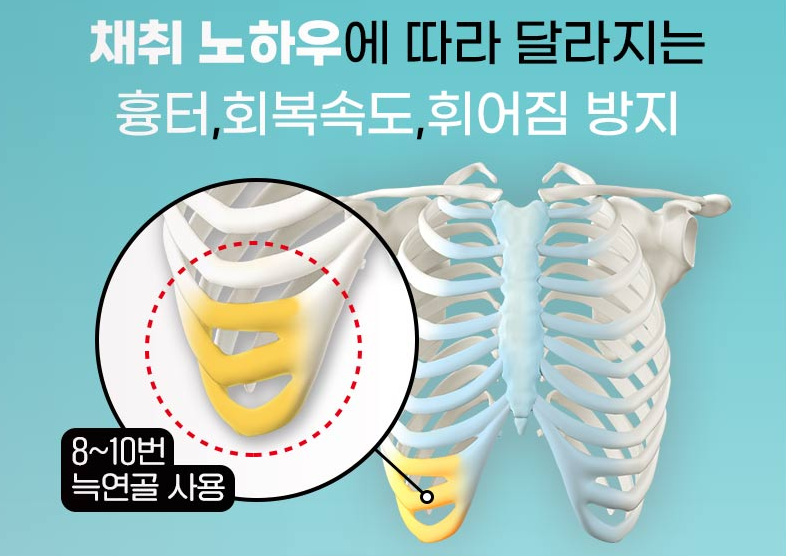
A rib segment between the 8th and 10th ribs, which has less bending, is selected and carefully shaped so that it does not warp.
Using autologous rib cartilage in revision rhinoplasty is one efficient method,
and it offers various advantages such as safety, durability, and the ability to precisely adjust shape.
By using cartilage harvested from one’s own body,
the chances of obtaining a natural and lasting result after surgery are higher.
If you are considering revision rhinoplasty using autologous rib cartilage,
it is important to consult with a specialist and choose the surgical method that is most suitable for you.
※ Depending on the individual, side effects such as inflammation, bleeding, and nerve damage may occur, so sufficient consultation with medical staff before surgery is necessary.
This is an example image to help with understanding.