Rather than simply creating double eyelids, these days many more people are looking for eye corner surgery to make the overall eye ratio more natural.
If the inner corner of the eye is covered, or the vertical and horizontal width is insufficient, making the eyes look stuffy, eye corner surgery can often create a noticeably different impression.
Because the opening position and effect differ depending on the direction, the most important thing is to choose the option that fits your eye shape.
What kind of surgery is eye corner surgery?
Eye corner surgery literally
is a procedure that opens the blocked areas around the eyes.
The method of improvement differs depending on whether the blocked area is on the front, back, lower, or upper side of the eye, and even a slight difference in the opening direction can greatly change the impression, so choosing based on the individual eye shape is key.
Types of eye corner surgery
Inner corner surgery
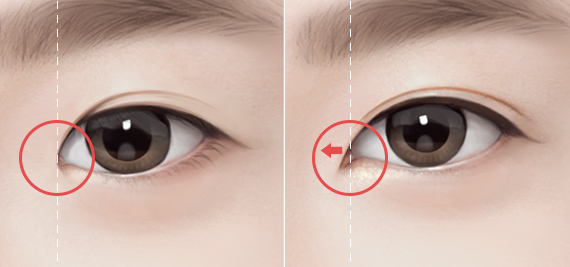
Source: TS Plastic Surgery website
Inner corner surgery is a procedure that opens the inner corner when it is covered and makes the lacrimal caruncle appropriately visible.
In cases where the inner corner is covered and the eyes look short,
after inner corner surgery, the starting point of the eyeball becomes visible, and the result often improves to look much clearer and with the space between the eyebrows and eyes naturally refined.
Cases recommended for inner corner surgery
① When the inner corner is thickly covered and the eyes look narrow
② When the impression looks stuffy or the starting point of the eyeball is covered
③ When the double eyelid line folds inward toward the front
Upper corner surgery
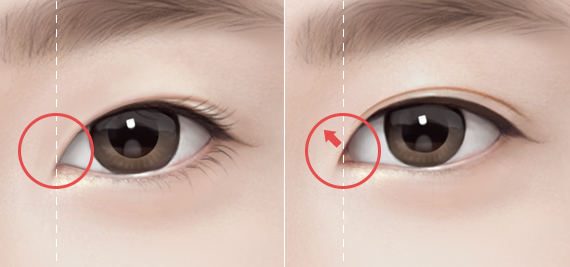
Source: TS Plastic Surgery website
Upper corner surgery is a procedure that exposes the inner corner that is covered in a 45-degree direction.
Rather than focusing only on exposing the inner corner, it restores the structure of the eye's inner corner to a form suitable for double eyelid formation, fundamentally resolving the stuffy appearance of the eyes not only from an aesthetic perspective but also from an anatomical one.
Among eye corner surgeries, the demand is relatively lower, but it is effective in improving the impression of eyes that look compressed.
Cases recommended for upper corner surgery
① When the eyes look small, as if pressed down
② When only the front part of the double eyelid line is visible and the overall eye shape looks stuffy
③ When the upper field of vision is less exposed and the feeling of stuffiness is strong
Outer corner surgery
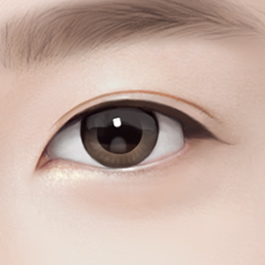
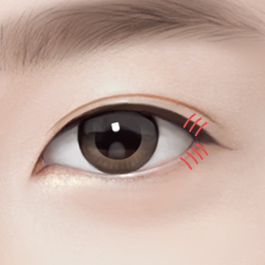
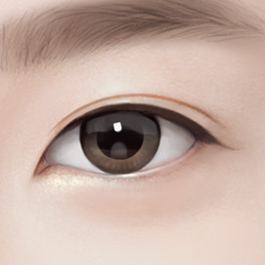
Source: TS Plastic Surgery website
Outer corner surgery is a procedure that improves the length of the eye by making an incision at the outer part of the eye when the horizontal length is short.
In cases where the back side is blocked and the eyes looked short, after outer corner surgery the eye shape becomes naturally longer and the change to a more open look is clearly visible.
Cases recommended for outer corner surgery
① When the eyes are short and both ends feel closed and stuffy
② When the line bends at the back
③ When the overall eyes appear to gather inward
Lower corner surgery
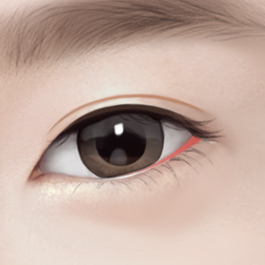
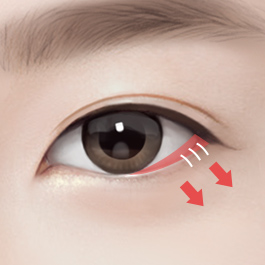
Source: TS Plastic Surgery website
Lower corner surgery is a procedure that widens the vertical width of the eyes by incising the inner conjunctiva and lowering the lower eyelid line of the eye.
For people whose eyes are short or only look round, undergoing lower corner surgery often reveals the eyeballs more and creates a much more natural sense of openness.
Cases recommended for lower corner surgery
① When the vertical length of the eyes is short, making them look like ‘small eyes’
② When the impression lacks sharpness and only a gentle look is strong
③ When the area under the eyes looks stuffy
Why are front/upper corner surgery and outer/lower corner surgery
performed together?
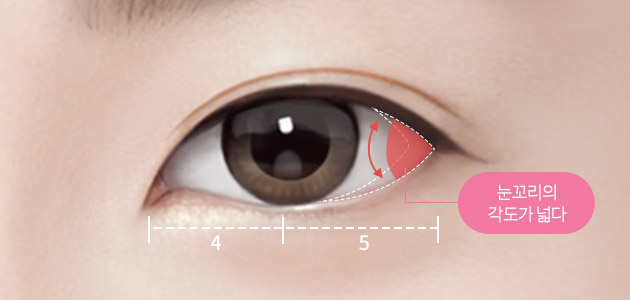
Source: TS Plastic Surgery website
Compared with performing just one type of eye corner surgery on its own,
opening the blocked directions in a matched pair is the best way to make the eye ratio look most natural.
If only one direction is opened, the blockage on the other side can stand out, making the eyes look awkward.
When the front is opened together with the upper side, and the back together with the lower side, the overall eye ratio becomes balanced, allowing for a natural and open look.
Simply put, rather than opening only one side, opening matched pairs gives the most harmonious improvement in the eye shape.
In closing
Because the improvement point differs for each direction of eye corner surgery,
it is much more important to know exactly “which direction is blocked in my eyes” than to ask “which eye corner surgery looks better?”
Depending on the eye shape, deciding which combination of inner, lower, outer, and upper corner surgery is appropriate is what allows a previously stuffy eye shape to be naturally refined and to create a clear change without being excessive.
Therefore, when planning eye corner surgery,
it is essential to consult with a specialist and determine the exact method that fits your eye structure and proportions.
※ Depending on the individual, side effects such as inflammation, bleeding, and nerve damage may occur, so sufficient consultation with medical staff is necessary before surgery.