Tattoo #SemiPermanentMakeup #MenEyebrowTattoo #TattooRemoval #SemiPermanentEyebrowRemoval #TattooRemoval #SemiPermanentMakeupRemoval #TattooRemovalClinic #TattooClinic #EyebrowTattooRemoval #SemiPermanentEyebrowRemoval
#EyelinerTattooRemoval #BlackTattooRemoval #ColorTattooRemoval #DeepOtaNevus #OtaNevusRemoval #MiniTattooRemoval #SemiPermanentEyebrowRemoval #EyelinerTattooRemoval #BodyToning
#UnderarmWhitening #BikiniLineWhitening #FreckleRemoval #FreckleRecurrence #BlemishRemoval #BlemishRecurrence #SenileLentigines #CoffeeStainRemoval #MelasmaRecurrence #MelasmaLaser #BrownSpotRemoval
#BrownSpot #MoleRemoval #MoleRemovalLaser #MoleRecurrence #PigmentDisorder #SenileSpot #SenileSpotRemoval #WrinkleElasticity #WrinkleElasticityLaser #Fotona #FotonaQX #AcneRemoval
#Telangiectasia #MultipleFreckles #FreckleLaser #CompoundNevus #SeborrheicKeratosisRemoval #UnderEyeSeborrheicKeratosisRemoval #MultipleSeborrheicKeratoses #FacialSeborrheicKeratosis #FacialSeborrheicKeratosisRemoval #AcquiredOtaNevus
#OtaSpot #OtaNevusLaser #OtaNevusTreatment #CaféAuLaitSpot #CaféAuLaitSpot #NevusOfIto #SeborrheicKeratosisLaser #FotonaLaser #BeckerNevus #FacialSpot #BilateralOtaNevus
#CaféAuLaitMacule #NevusRemoval #NevusOfHori #FacialMongolianSpot #OtaNevusCure #OtaSpotLaser #NevusTreatment #EctopicMongolianSpot #SkinSpot #BrownNevus #NevusSyndrome
#CoffeeWithMilkSpot #OtaSpotTreatment #BrownSpot #CaféAuLaitSpotTreatment #CaféAuLaitSpotRemoval #CaféAuLaitNevus #Nevus #EpidermalNevus #CaféAuLaitSpotTreatment #CongenitalNevus #CongenitalOtaNevus
#FotonaLaser #BeckerNevus #BlueNevus #SkinNevus #ItoNevus #DepigmentedNevus #CompoundNevus #MongolianSpotTreatment #HowToRemoveSeborrheicKeratosis #SkinSeborrheicKeratosis #NevusSebaceous #SeborrheicKeratosisTreatment
#Duhan #DuhanPlasticSurgery #DirectorShinDuhan #FacialBlackSpot #PortWineStain #RemovingSeborrheicKeratosis #BlackSpot #BlemishCare #MelasmaAndBlemishCare #RemovingSeborrheicKeratosis #FacialSeborrheicKeratosis #VascularTreatment
#HandBackSeborrheicKeratosisLaser #RefractoryPigmentation #SeborrheicKeratosisOnFace #BestClinicForTattooRemoval #BestClinicForTattooRemoval #SeborrheicKeratosisProcedure #HandBackSeborrheicKeratosisRemoval #HowToRemoveHyperpigmentation #Spot
#MelasmaSeborrheicKeratosis #Hyperpigmentation #ElasticityImprovement #SeborrheicKeratosisRemovalWork #MalignantMelasma #NevusSebaceous #CongenitalNevusSebaceous #PortWineStain #MelasmaSeborrheicKeratosisRemoval #BodyHyperpigmentation #MelasmaFreckles
#HyperpigmentationWhitening #FacialSeborrheicKeratosisTreatment #HowToRemoveFacialSeborrheicKeratosis #HypertrophicScar #FacialMelasmaRemoval #MelasmaRecurrence #LaserForMoleRemoval #FacialSeborrheicKeratosisRemoval #BlemishTreatment #FacialMelasma
#HowToRemoveMelasma #MaleMelasma #LaserForMelasmaRemoval #ChloasmaMelasma #NdYagLaserToning #ArmMelasma #HandBackSeborrheicKeratosis #FreckleAndBlemish #Lentigo #RemovingMolesOnTheBody #RefractoryMelasma
#Blemishes #MelasmaFreckleRemoval #FacialBlemishes #Melasma #HowToRemoveMelasmaAndFreckles #EyeAreaMelasma #UnderEyeMelasma #NdYagLaser #FotonaLaserToning #ClusteredLentigines #MelasmaTreatment
#ClusteredLentiginosis #MelasmaAndBlemishTreatment #MelasmaProcedure #MelasmaLaserTreatment #MelasmaAndBlemish #FacialHyperpigmentation #RemovingFreckles #HowToRemoveMelasma #MelasmaPigment #HowToRemoveFacialMelasma
#MelasmaTreatmentMethod #EyeAreaHyperpigmentation #Hyperpigmentation #HowToRemoveFreckles #FacialStaining #MelasmaFreckleTreatment #MelasmaEraser #FOTONA #MelasmaTreatment #MelasmaCare #AcneOnTheBackOfTheNeck
#MaleMelasma #FreckleTreatment #SkinHyperpigmentationLaser #SkinBlemishes #NdYagLaser #FacialWhiteningLaser #MelasmaBlemishRemoval #FreckleLaser #BlemishRemoval #MelasmaTreatmentLaser
Mole - Laser Procedure for Tattoo Removal
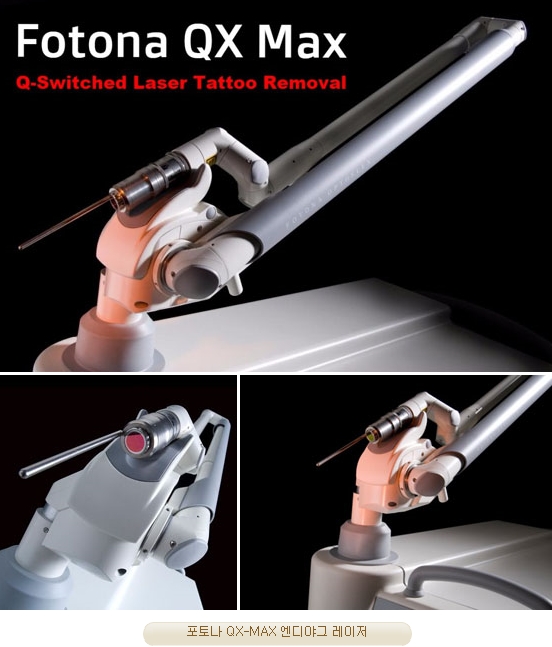
QX MAX Nd:YAG Laser Tattoo Removal
QX MAX Nd:YAG Laser Video
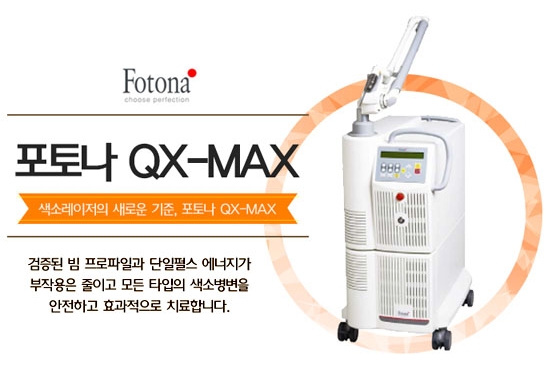
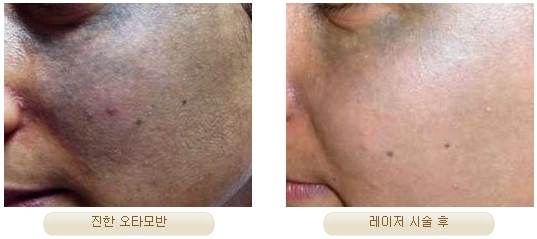
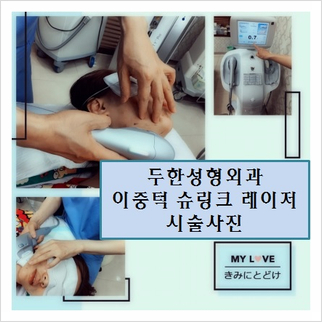
Fotona QX-MAX Treatment Effects
◎ Melasma, ABNOM, and other refractory pigment disorders
◎ Pigment disorders such as senile spots, freckles, and blemishes
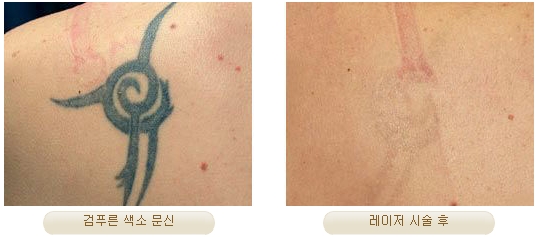
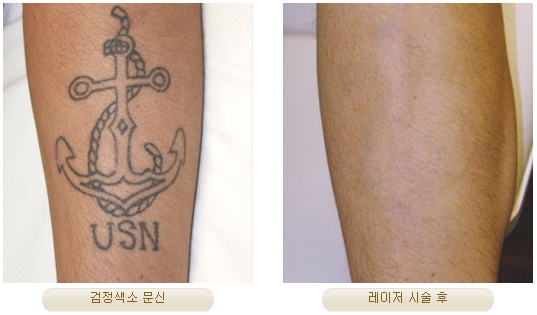
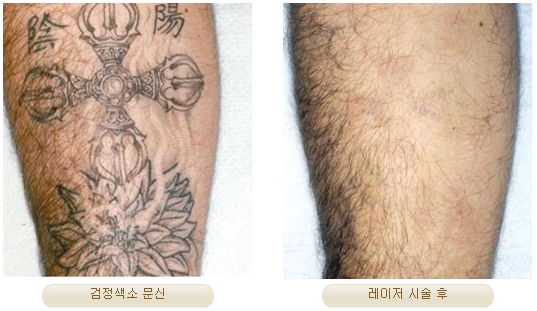
◎ Tattoo removal
◎ Increased wrinkle elasticity
◎ Acne
◎ Treatment of vascular conditions such as telangiectasia and port-wine stains
Fotona QX-MAX Key Features
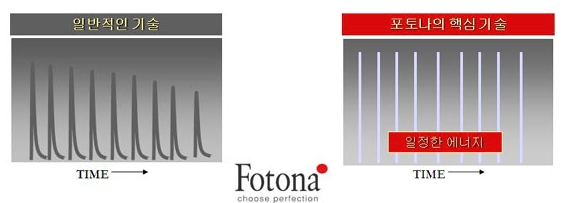
◎ The beam profile developed with the latest Lochnology delivers uniform energy at all times, minimizing side effects
◎ High and consistent laser output allows treatment of deeply located pigment and tattoos in one session
◎ Using Accelera mode, pigment treatment, pore reduction, and elasticity improvement can be achieved at the same time
Fotona QX-MAX Indications
① Melasma laser toning

② Refractory brown spots - café-au-lait spots, clustered lentiginosis, melanosis

③ Epidermal melanosis - freckles, blemishes, senile lentigines
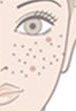
④ Dermal melanocytosis - Ota nevus, acquired Ota nevus-like macules
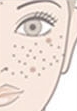
⑤ Body toning - underarm and bikini line whitening
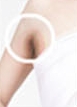
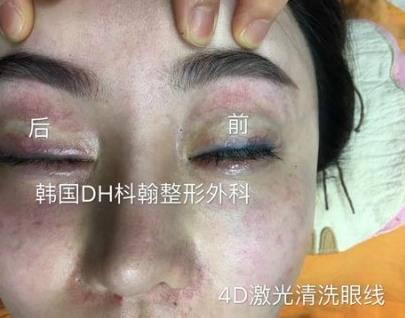
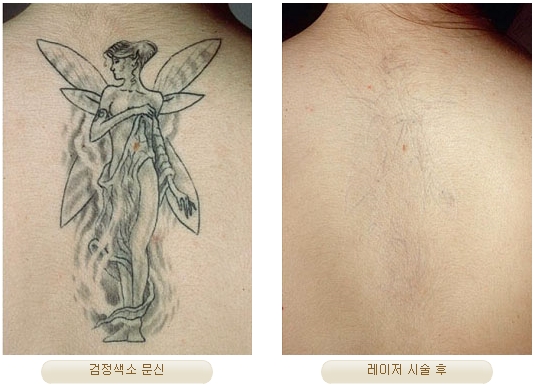
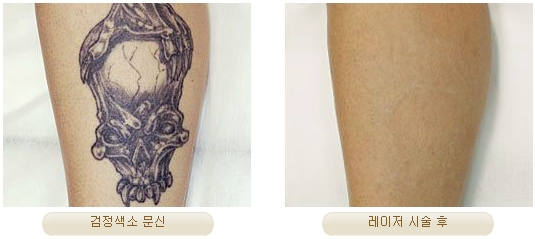
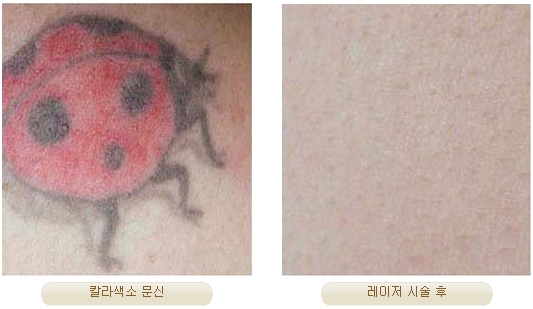
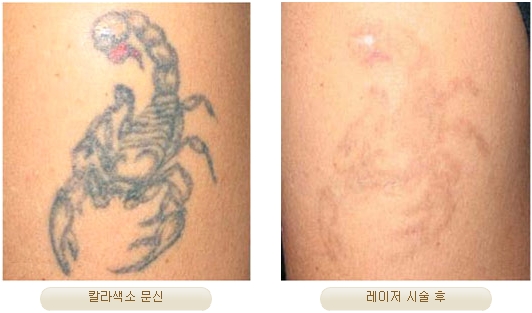
⑥ Tattoo removal - lettering tattoos, mini tattoos, semi-permanent eyebrows, eyeliner

Advantages of Fotona QX-MAX
- An innovative advancement in tattoo removal
A new standard in laser toning: "Super flat beam profile"
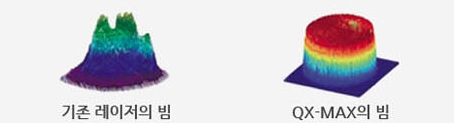
The flat beam profile using OPTOflex laser ARM technology and Vacuum Cell technology, along with the Energy Freeback Control method that keeps the continuously delivered energy during treatment consistently stable, makes it possible to treat all types of pigmented lesions, including recurrent melasma, refractory melasma, faint lentigines, acquired Ota nevus-like macules, café-au-lait spots, clustered lentiginosis, and laser-induced hyperpigmentation, in a way that conventional laser toning could not.
- World-class single-pulse output
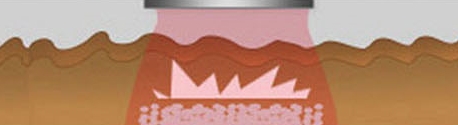
By generating world-class output in a single pulse, it is effective for refractory pigment disorders such as café-au-lait spots and for tattoo removal, unlike conventional methods that repeatedly deliver multiple beams to artificially increase low output.
Recommended for these people~
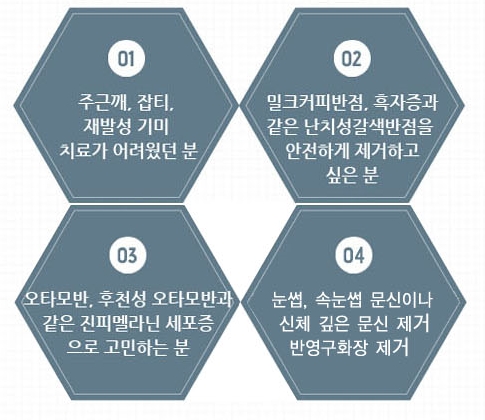
Precautions Before and After Fotona QX-MAX Treatment
▶ Since a topical anesthetic cream is applied to the treatment area and left to harden for about 30 minutes before the procedure, there is almost no pain.
▶ Light cleansing is possible from the day of treatment.
During Fotona QX-MAX Treatment
Carbon Dioxide (Co2) Resurfacing Laser
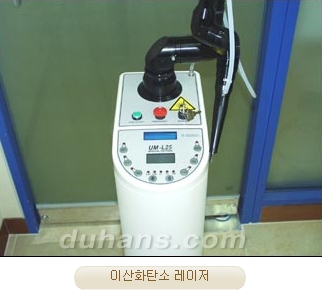
Various lasers have been introduced to dermatology and plastic surgery clinics so far.
Among them, the carbon dioxide laser is the most commonly used laser in plastic surgery and dermatology.
The main function of the carbon dioxide laser is to safely remove skin tissue without bleeding.
The carbon dioxide (Co2) laser is designed to remove moles without bleeding while minimizing heat damage to the tissue.
General course after mole removal with a carbon dioxide (Co2) laser
After removing moles, blemishes, and seborrheic keratoses, washing and makeup are possible right away.
After undergoing carbon dioxide laser resurfacing, you can immediately wash your face, apply makeup, and return to daily life.
If you were afraid of mole removal because you could not wash your face or wear makeup, there is no major problem with returning to social or daily activities after the laser procedure.
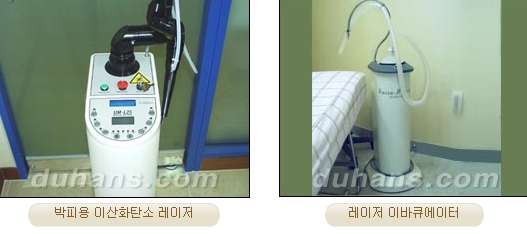
Carbon Dioxide (Co2) Laser Procedure
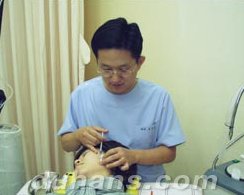
① First, local anesthesia is administered to the area with moles or blemishes.
② For seborrheic keratoses or freckles and blemishes, a topical anesthetic (EMLA) may also be used.
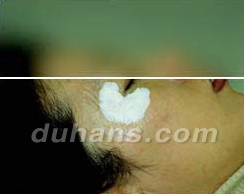
③ The laser beam is aimed at the area with the mole and fired to resurface the area with blemishes or moles.
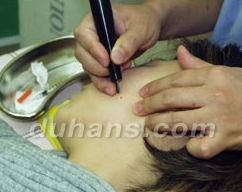
④ The laser must resurface down to the root of the mole to prevent recurrence.
However, if the resurfacing goes too deep, a sunken scar may occur, so the depth is adjusted appropriately.
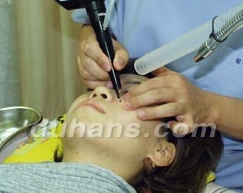
⑤ After the laser procedure, ointment is applied, makeup is done, and you leave for home.
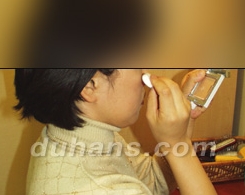
⑥ After returning home, wash your face twice a day and lightly apply the prescribed ointment.
The ointment only needs to be applied for about 7 days, and after applying it, you may put on makeup right away.
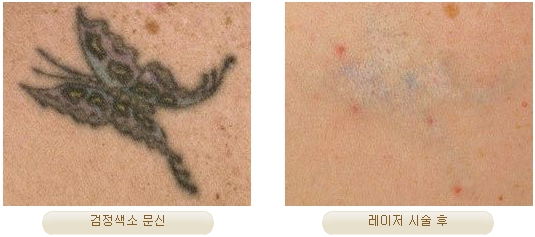
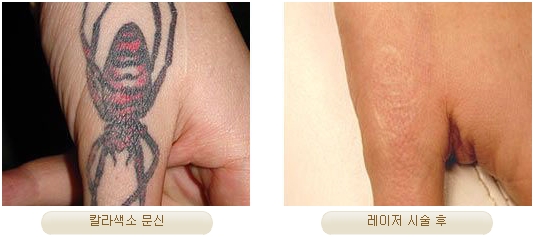
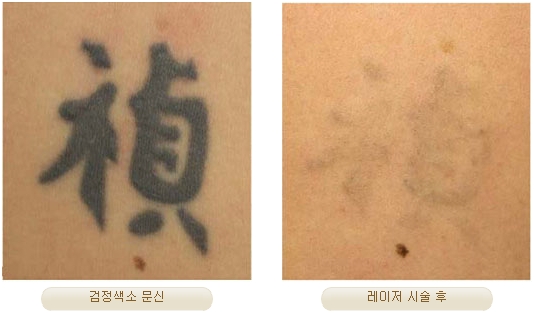
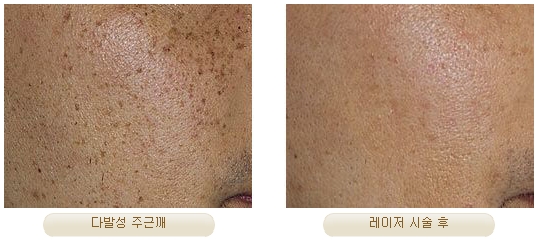
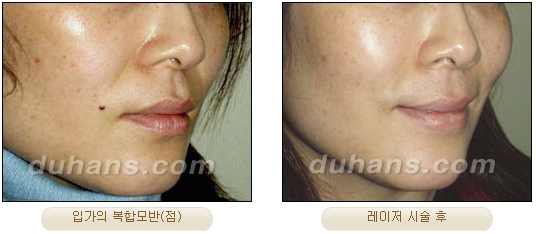
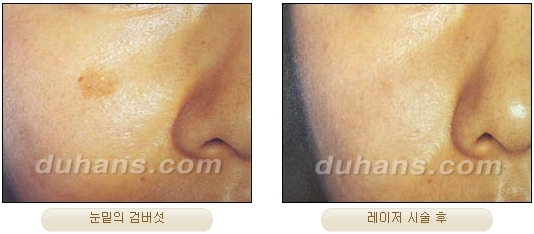
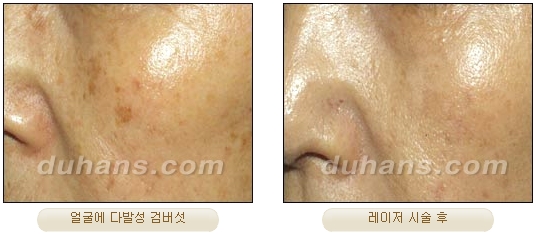
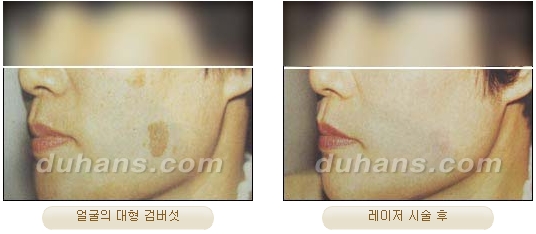
Course after laser treatment
| ① After laser treatment, the area where the mole was removed may temporarily look sunken, but it gradually fills in with new skin and heals. The healing period is around 7 to 10 days. |
|---|
| ② After the wound has healed, redness appears as part of the normal healing process. Redness means that the area where the mole was removed changes color to pink. This redness disappears within 1 to 2 months for small moles, and for larger moles it may take more than 3 months. It is a temporary phenomenon, so there is no need to worry even if redness appears. |
| ③ As the redness gradually fades, it returns to the original skin color and leaves a tiny scar. However, the scars at the sites where moles and blemishes were removed are so small that they are hardly noticeable. |
Precautions after laser treatment
| ① It is best to avoid places that may expose you to strong ultraviolet rays, such as beaches or ski resorts, for about 1 to 2 months. Strong ultraviolet rays can deposit melanin in the skin and cause blemishes and seborrheic keratoses to recur. If you must go to a place with strong ultraviolet rays, it is best to wear a hat or apply sunscreen. |
|---|
| ② You may wash your face right after the procedure, but it is better not to use soap for about 3 to 4 days. This is because soap cleansing can cause pain and irritation in the area where the mole was removed. |
| ③ Apply ointment immediately after washing your face. Use the ointment prescribed by the clinic, and apply only a very thin layer; do not apply it too thickly. Applying it too thickly may have the opposite effect, causing the wound to become soggy and heal poorly. |
| ④ After applying ointment, it is fine to go out wearing makeup. Even if you wear makeup, there should be no major problem with the area that received the laser treatment. |
Recurrence rates of moles, freckles, and seborrheic keratoses
It is common for moles to recur after removal.
For moles, the deeper and wider the root, the higher the chance of recurrence.
Depending on the depth of the mole, the average recurrence rate is usually around 10 to 20%.
For freckles, the recurrence rate is about 30%, and for seborrheic keratoses, the recurrence rate is 30 to 40%.
What happens if a mole with a deep root is completely removed to prevent recurrence?
If a mole with a deep root is completely removed out of concern for recurrence, the skin will be deeply excavated and may later leave an unsightly sunken scar.
Even if recurrence occurs, if the root is deep, it is generally better to leave it and remove it again later.

http://www.duhans.com