For those of us living alongside many people,
having a good first impression
is like having a powerful weapon.
If it is not someone you meet every day and know deeply,
but a relationship that you encounter in society and pass by,
the power of outward appearance becomes even greater.
A good first impression also helps make someone want to
get to know that person better,
and it plays a positive role in making company work such as contracts
progress more smoothly.
If the eyes are the part of the face that is seen first,
the nose is the part that holds the overall center
and plays a major role in creating that person’s image.
That is why people who want a good image or a refined impression
seek changes in their outward appearance through nose surgery,
such as nose wing reduction surgery.
When people think of nose surgery, they usually imagine
an operation to raise a low nose higher.
However, there are also many other cases, such as correcting a hooked nose,
surgery for an upturned or short nose,
improving the image created by a bulbous nose or a crooked nose,
tip surgery, nose wing reduction surgery, and more.
Because there are many different situations,
it is important to choose the right method for each one.
As much as raising a low nose is desired, many people also want
nose wing reduction surgery.
Even if the bridge in the center of the face is not low,
if the nostrils are wide, the nose can look blunt
and give off a less sharp impression.
When both sides are asymmetric, the problem becomes even more serious.
Because it is a part that cannot easily be hidden
and cannot be corrected with makeup,
people often feel a great deal of stress
and decide to undergo nose wing reduction surgery.
A wide nose wing can sometimes create a youthful effect,
but in general it tends to give a slow and dull impression,
so dissatisfaction tends to increase with age.
At times like this, even adjusting the width of the nose wings slightly
through nose wing reduction surgery can change the image
from dull to sharp and refined.
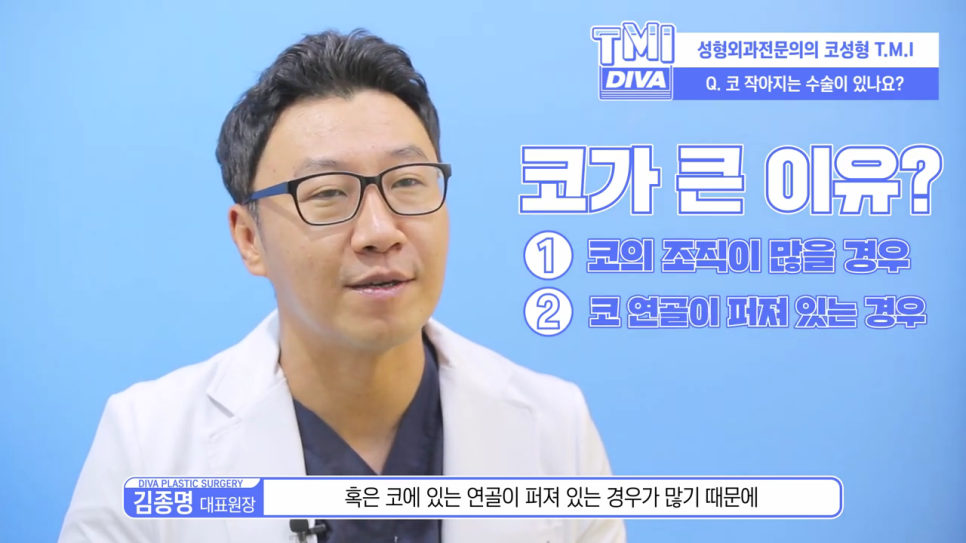
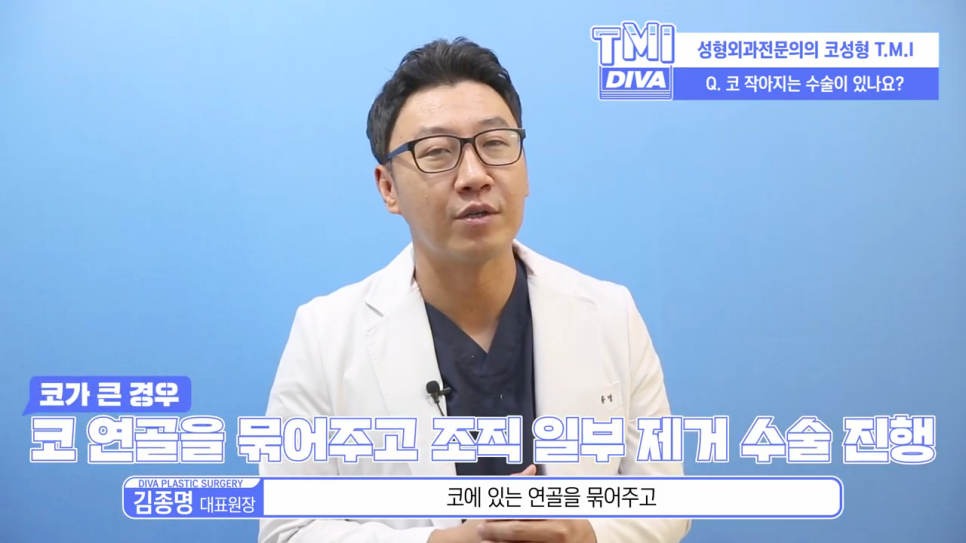
Nose wing reduction surgery uses methods such as
cutting and removing excess nose wing skin,
or pulling the nose wings together to reduce their size and suture them.
Because each patient has a different shape,
the surgery may be performed by making an incision and suturing
inside the nostrils,
or by making an incision on the outside.
Since both methods have advantages and disadvantages,
it is desirable to decide on the surgical method by considering
the patient’s nose characteristics and overall harmony.
In addition to nose wing reduction surgery, some clients visit because of
a protruding or crooked nasal bridge and other various problems.
If the line is not smooth and is protruding,
there may be not only external concerns
but also functional issues,
and this should not be overlooked during surgery.
Nose wing reduction surgery, as well as various types of nose surgery,
require more thorough diagnosis and examination than other areas.
Unlike other parts of the body, this is an area that must function perfectly
in terms of function as well,
so while beauty is important, safety and function
must come first.
If you have been stressed by an upturned nose,
a crooked nose, or a hooked nose,
improvement to a smoother line is possible through nose surgery.
In addition, changes in the shape of the nose can affect the overall face shape,
so even a face that seemed asymmetrical
can be expected to look more balanced.
If a low nose has made it difficult to leave a clear impression on others
and has felt plain,
you can raise the bridge or tip of the nose to enhance the line
and add dimension, transforming it into a more refined image.
A more dimensional nose brings vitality to the entire face.
Just by having nose surgery, you will naturally hear people say
that your image has changed dramatically.
At this time, if the procedure is carried out while considering harmony
with the overall facial features,
a natural line that looks as if it has always been yours
can be created,
so rather than being overly ambitious,
it is recommended to accept the medical team’s advice
and create a line by improving your own weaknesses.
As mentioned so far, nose wing reduction surgery, improving nasal shape,
raising a low nose, and other various nose surgeries
can be a good way not only to dramatically transform your image
but also to eliminate long-standing complexes.
However, you should remember that with anything, too much desire is not good.
Since no surgery or procedure can be said to be free of side effects,
it is best to pay attention to the possibility of them occurring.
In particular, if a problem called a side effect occurs in the nose,
it becomes highly visible in the center of the face,
so the likelihood of experiencing even greater stress than before surgery is high.
For example, even nose wing reduction surgery alone has the potential
to cause various problems such as scarring, asymmetry, overcorrection,
deformation of the nostril shape, and pinching of the nostril base.

To be free from these side effects,
it is necessary to be cautious when choosing a hospital.
Please be thorough and check whether the hospital has a systematic system,
whether it uses authentic materials and proper quantities,
and whether it has medical staff with extensive clinical experience,
before making your choice.
In addition, it is right to find a hospital that takes responsibility to the end
through follow-up care and has measures in place
to resolve any problems should they arise.
Changes to the face should lead to positive results.
Nose surgery such as nose wing reduction surgery,
which is started to reduce stress,
should not create another source of worry.
Of course, there is a revision surgery option,
but it is a more difficult method than the first surgery,
and before it can be performed, psychological, physical,
and financial burdens are significant,
so I hope you will have a successful first surgery
and receive good results.
I support everyone who is making an effort for beauty.
** This post is an advertising post written by DIVA Plastic Surgery in compliance with the Medical Advertising Act. **