
Interest in a youthful face has remained steady,
and
interest in firm skin and clear facial features
has also continued alongside it.
Among these, interest in the eyes is especially high. When the eyeballs are covered in a way that feels heavy or the eyelids sag and create a tired impression, it can make a person look older. For this reason, interest in the upper blepharoplasty recovery period is increasing.
The recovery period is about 7 days, and if you consider the time needed for swelling to subside and the area to settle, it usually takes about a month in total, but this can vary from person to person.
If proper aftercare is provided, recovery may progress faster than expected, which is why it is important to understand the importance of choosing the medical team.

Before checking the upper blepharoplasty recovery period, it is better to first determine whether the procedure is necessary.
It may be needed if the outer corners of the eyes sag due to aging, if the eyelids cover the eyeballs and block the field of vision, if vision continues to decline, or if the eyelashes poke the eyes and cause pain.
If the skin sagging is severe, skin breakdown may occur, and in such cases, it may be necessary to plan surgery and consider steps for improvement.
If it is not performed at the right time and is left untreated, functional problems may also arise, so it is better to receive a consultation and proceed with surgery as soon as possible.

Because it is a procedure that is often done as one gets older, there may also be concern about the upper blepharoplasty recovery period.
This is because skin elasticity, as well as the body’s overall ability to recover, may differ from when one was younger.
However, if the issue is left untreated because of these concerns, the financial burden may increase, and the recovery period may also need to be longer, so a prompt decision is necessary.

Basically, after understanding the characteristics of the skin, the procedure needs to be carried out by medical staff with the technical skill to allow a natural change to take place.
Since this is not simply for aesthetic purposes, but also requires restoration of the eye’s function, it is important to find medical staff with experience, know-how, and technical skill.

The cause of upper eyelid sagging can be seen as a steady decrease in the elasticity of the muscle that closes the eyelid.
Everyone experiences aging, so everyone goes through this to some extent, but depending on the person, the discomfort may not be significant, so surgery is not necessary for everyone.
However, as mentioned earlier, if various problems such as declining vision occur, it is advisable to consult a specialist and check the upper blepharoplasty recovery period so that improvement can be made.

Depending on how much the skin has sagged, appropriate incision and removal can be performed to change the sagging skin and eyelids, which can help create a clearer eye line.
Because the degree and shape of eyelid sagging, skin thickness, fat distribution, and amount of muscle differ from person to person, these factors should be checked in advance before proceeding.
Through a detailed review of these factors, it may be possible to determine not only the upper blepharoplasty recovery period but also the methods that can be applied differently.

Many people hope that upper eyelid correction can be applied while maintaining the current natural look.
An overly thick or large double eyelid can instead make someone look older or feel unnatural, so it is better to keep the existing line as much as possible.
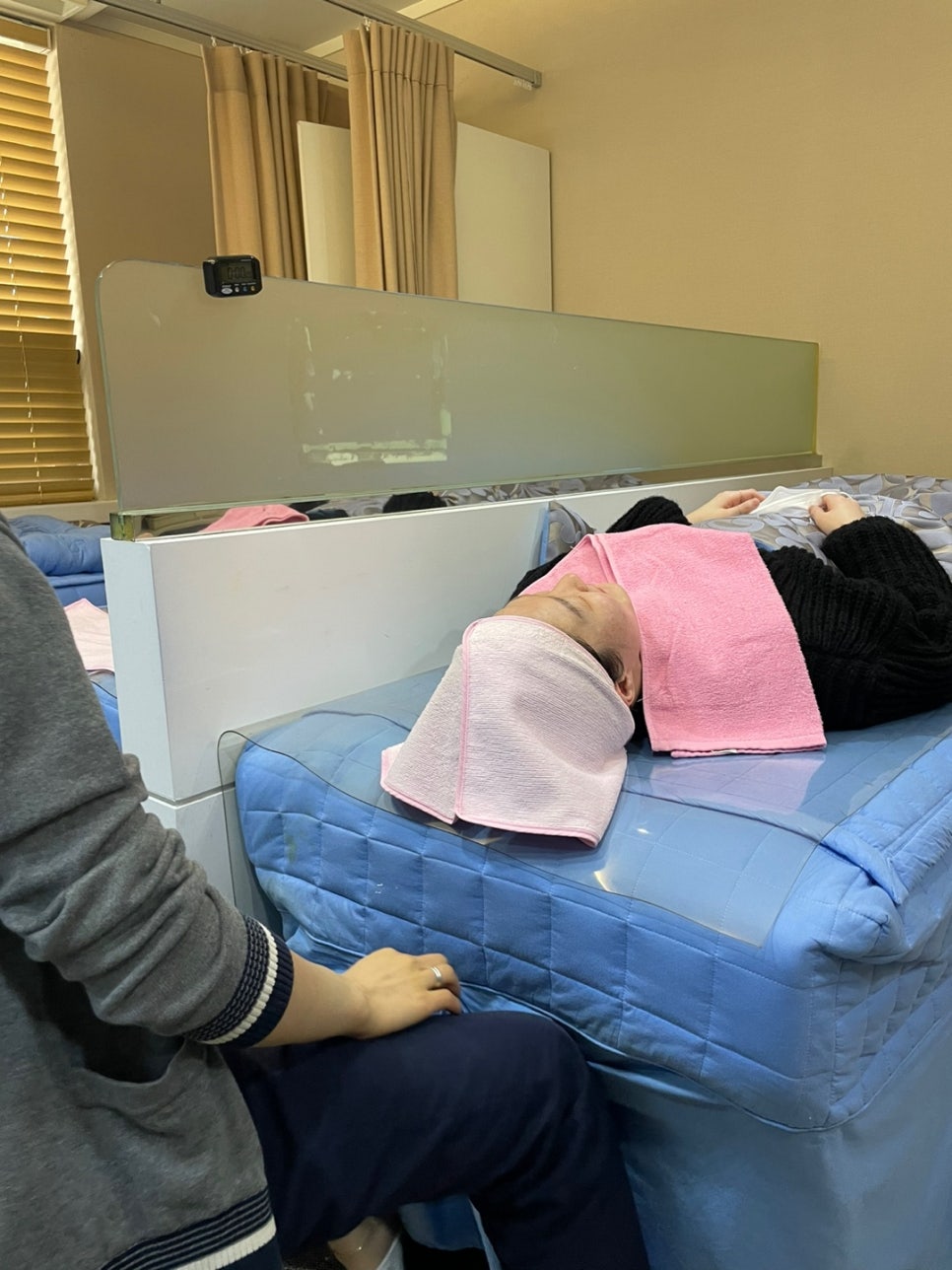
Before proceeding, it is also important to check whether there is age-related ptosis.
In severe cases, combining the procedure with ptosis correction may also help restore function.
If done at the same time, stitch removal is performed within 7 days, and the upper blepharoplasty recovery period can also be said to be about 7 days.
The eyes play a major role in determining one’s impression, so they are a point of interest for many people regardless of age.
Therefore, consultations should take both functional and aesthetic factors into account, and it is necessary to enable detailed planning that considers not only the upper blepharoplasty recovery period but also the method and a design that takes balance into account.

It is important to proceed with the necessary treatment and surgery for a stable result, and basically, the procedure should be carried out with recovery of health and function as the premise, while also considering the upper blepharoplasty recovery period.
** This post is promotional content written by Diva Plastic Surgery in compliance with the Medical Advertisement Act. **