
When people hear about under-eye fat repositioning in Gangnam, many think of it as a surgery performed after middle age to remove wrinkles caused by aging.
However, in recent years, it has also been performed on people in their 20s and 30s when hollows form under the eyes or when they are concerned about dark circles or fat, so it is difficult to see it as a surgery only for middle-aged and older adults.
Under-eye fat repositioning in Gangnam, as the name suggests, is a method that helps create a brighter, clearer appearance by removing and repositioning fat under the eyes.
If there are shadows under the eyes or dark dark circles, a person’s image can look tired and dull.
In this era, when people know that interpersonal relationships are more important than anything else in social life, many are choosing eye surgery as a way to improve their appearance.

Compared with covering dark circles with thick makeup or trying to improve the problem with eye creams and similar products, this is a faster and more certain way to see results, so it can lead to high satisfaction.
Under-eye fat that appears when the shape of the eyes changes either congenitally or later in life as a result of aging.
We will explain who needs under-eye fat repositioning in Gangnam and how the surgery is performed.

As mentioned earlier, under-eye fat repositioning in Gangnam is a method that can be effective when fat bulges unevenly under the eyes or when dark circles are present.
Unlike other plastic surgeries, it is not a method performed by shaving bone, so it may feel relatively simple.
However, considering the functional aspects of the eyes, which are among the most important parts of our body, it is clear that the decision should be made carefully.

That is why, for those who want under-eye fat repositioning in Gangnam, I would like to emphasize the importance of meeting with an experienced plastic surgery specialist who carefully checks the patient’s condition and performs the surgery using the method suited to that type.
Some people prioritize cost, but above all, the most important thing is a result without side effects.
This surgery requires delicate technique because it is performed by making a microscopic incision in the inner conjunctival area of the eye and then removing or flattening the fat.

Because there is almost no visible scar after the surgery, it can bring a dramatic change to the point where you may be told that you look younger, while also having the advantage that it does not look like you had surgery.
Since the incision area is close to the blood vessels under the eyes, if the surgery is performed using a method that is not suitable for the patient, problems may arise due to blood vessel damage.

Under-eye fat repositioning in Gangnam is not a method used only when there is a lot of fat.
Even if there is little fat, it can also apply to people who have dark circles, or who have both protruding fat and dark circles, and even those who are troubled because a tear trough has formed, making them look older and giving off a dull impression.

In some cases, eyelid sagging may also progress together, so it is necessary to think carefully about how the surgery should be performed.
When all of these factors appear in combination, overall improvement is needed to achieve a satisfactory result, so we recommend meeting with a plastic surgery specialist who has extensive experience and receiving consultation and examination.

In addition, for under-eye fat repositioning in Gangnam, you should not focus only on the under-eye fat itself; it should also be performed while considering harmony with other parts of the face in order to feel a positive change.
Since the eyes are the first area people look at when meeting someone, it is important to consider various circumstances and make the best choice.
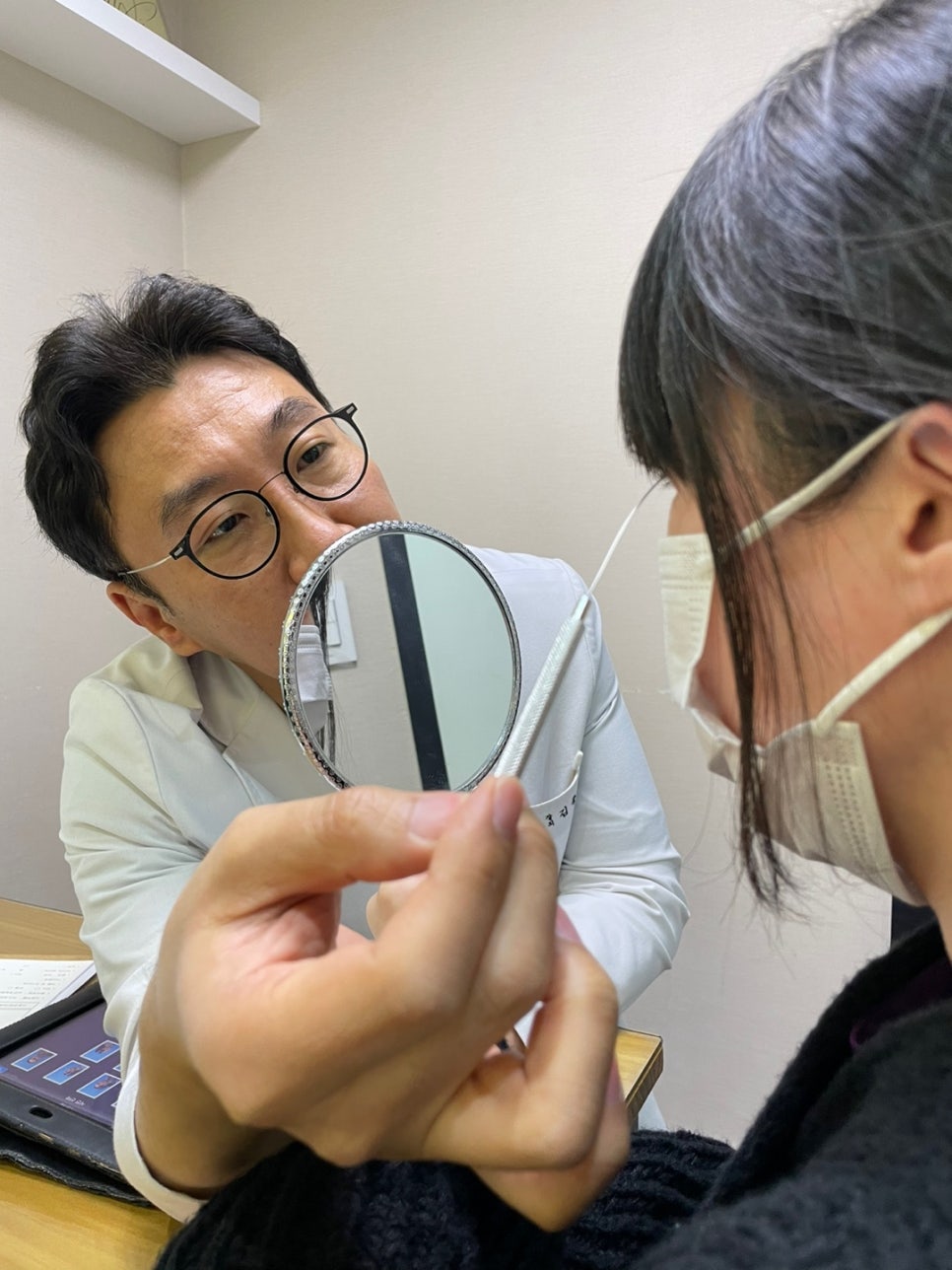
You may sometimes see celebrities on TV undergoing under-eye fat repositioning in Gangnam and showing smoother skin under the eyes.
If you want to remove the fat while preserving the aegyo-sal for a more natural look, that is also possible, so please make sure to express your thoughts during the consultation.
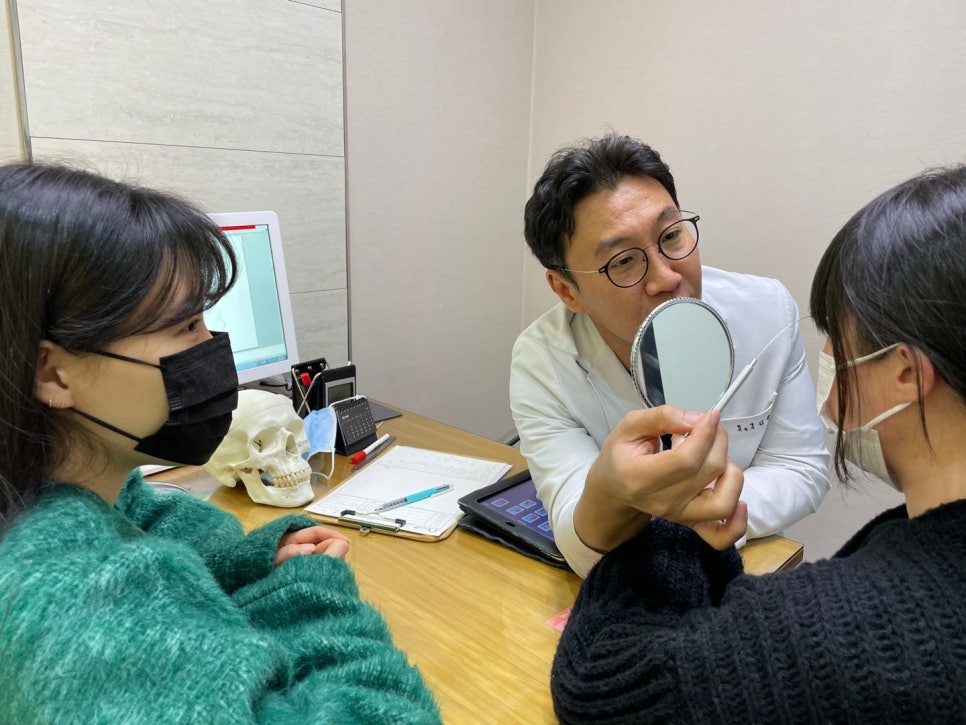
Under-eye fat repositioning surgery in Gangnam takes about 30 minutes to 1 hour and is a relatively simple procedure that recovers to some extent after about a week.
The fact that you can return to daily life quickly is also an advantage of this method.
To achieve good results without problems, you should choose the clinic carefully and follow all precautions well.
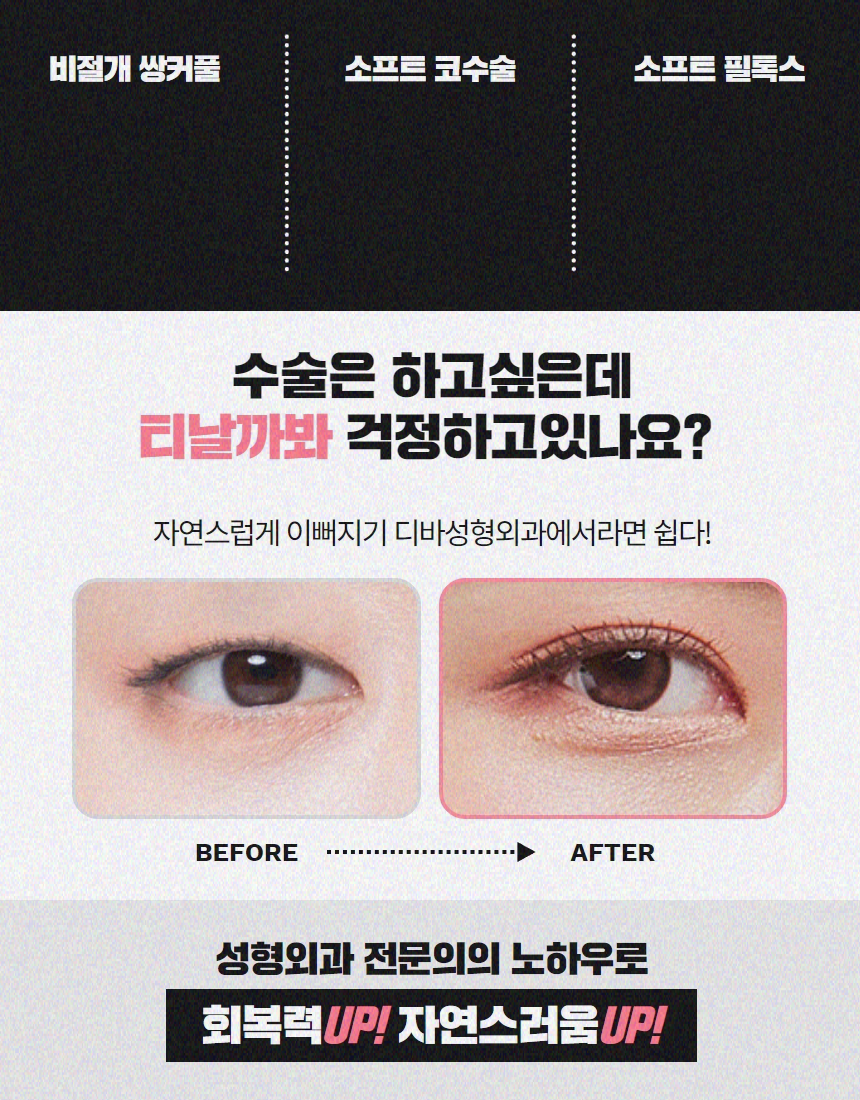
First, you should make efforts for positive changes before and after the surgery.
Before surgery, it is best to avoid excessive drinking, and to prevent swelling and bruising, it is recommended that you stop taking aspirin or anticoagulants.

After surgery, you can return to daily life right away, but it would be good to keep in mind that swelling or bruising may occur.
To recover more quickly, please avoid hot and humid environments, and cold compresses may also help.
Since this is a change in the eyes, please minimize stimulation from tools such as contact lenses or glasses.
Although you may be stressed because of your current under-eye condition, some of you may also be wondering whether this is a surgery you should have at a young age.
Recently, methods to prevent recurrence have been developed, and many people obtain better results when the procedure is performed before excess under-eye fat has become firmly established, so we recommend visiting the clinic, having an examination, and then making a decision.
It is not easy to accurately understand the condition of your own eyes by yourself.
Please consult with a specialist and receive a systematic examination.
Whether congenital or acquired, it is never welcome to have hollows under the eyes and a dull impression caused by fat settling together with dark circles.
We hope you will meet with an experienced plastic surgery specialist and regain a brighter image through under-eye fat repositioning in Gangnam that is suited to your condition.
This post was written by Diva Plastic Surgery as promotional content in compliance with the Medical Advertising Act.