
The nose, located right in the center of the face,
can play an important role in determining
a person’s overall impression.
Since mask-wearing was lifted, it has also been
a key area along with the eyes.
If someone has a complex about this area,
they may also seek consultation with the intention
of making improvements.
From an anatomical perspective, compared with
Westerners, East Asians tend to have thicker,
firmer nose-tip skin, and the nostrils are also
spread outward, with wider spacing between the
nostrils and a wider nose tip. Because of this,
the shape of East Asian noses can be somewhat
distanced from the sleek nasal bridge and refined
look that are considered recent trends.

When trying to improve a wide, bulbous nose,
people look into possible methods.
You can consider alar reduction and bulbous tip
correction.
First, alar reduction refers to reducing the size of
the nostrils by making an incision on both alae or
by using thread for correction.
Depending on how alar reduction is performed,
it may be done with incisions or without incisions.
If it is performed with incisions, people with a
wider range of concerns may have higher
satisfaction, and these days, thanks to advances in
medical technology, even if there is an incision
during the procedure, concerns about scarring can
be reduced, which is why many people choose it.
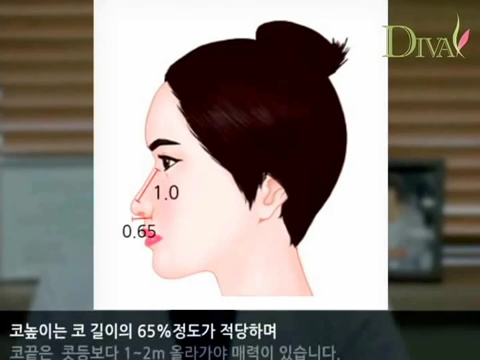
When done without incisions, it can be relatively
simple compared with an incision-based approach
and has the advantage of faster recovery.
However, the drawback is that the cases in which
non-incision methods can be used are somewhat
limited.
Bulbous tip correction refers to improving a round
and blunt nose tip into a more defined, elevated
shape.
Just as nose shapes differ from person to person,
a bulbous nose also has different types, so the
correction process may vary depending on the type.
If the nasal bridge and alae are wide, osteotomy of
the nasal bridge is performed, and the nose tip is
raised while also being reduced to achieve an
overall slimmer line.
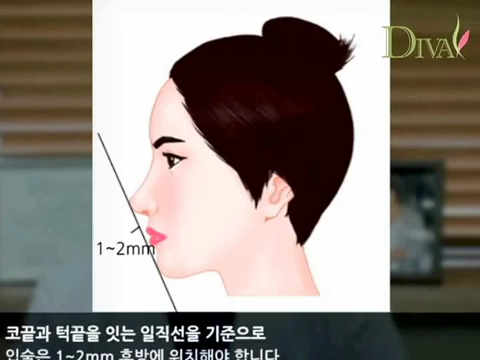
People all have different features, starting from
their facial characteristics and overall appearance.
Among these, the nose varies especially widely, so
it is necessary to diagnose each person’s nasal
condition through a detailed analysis and select the
appropriate procedure.
Only then can both the patient and the medical
team achieve a highly satisfying result.
In addition, if an incision procedure is performed,
and post-procedure care is insufficient, scars may
remain visible over time. Therefore, before
proceeding, you should make sure to confirm in
advance how aftercare will be carried out.
Also, if alar reduction has been performed,
improving a bulbous nose may still have limitations,
so it is necessary to add a customized procedure
based on the cause of the blunt, flat nose tip to
help create a slimmer tip.
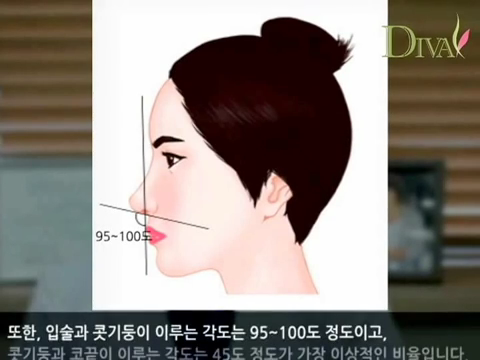
Bulbous noses also have many different causes.
Therefore, the procedure considered appropriate
for the cause should be selected.
A blunt nose tip caused by outwardly splayed alar
cartilage, a blunt nose tip caused by thick soft tissue
and skin, and a blunt nose tip caused by overly
large cartilage all require different approaches.
First, when the skin and soft tissue at the nose tip
are thick, excess fat tissue, muscle, and skin are
appropriately removed so that the bulbous nose tip
design can be refined.
When removing fat, the procedure should be carried
out by medical staff with extensive clinical
experience so that the skin tissue is not deformed
and a natural, definite improvement is achieved.

If the cartilage at the nose tip is large or spread
apart, and the alar cartilage at the tip is excessively
flared, it is necessary to pull it toward the center
and secure it with thread.
At this time, if the nose tip cartilage is the same
size, part of it is trimmed to reduce the volume of
the nose tip, and the cartilage is repositioned to
further refine the bulbous nose shape.
These series of procedures are complex and
highly detailed, so rather than focusing first on
cost, you should choose a clinic where medical
staff with abundant experience, know-how, and
technique are available.
You should also check whether the clinic is
equipped with proper and necessary devices.
Through 3D-CT and similar tools, it becomes
possible to diagnose internal functional issues that
cannot be seen with the naked eye, such as the
shape and curvature of the bones and a deviated
septum, while also providing detailed diagnosis of
what is needed, making customized procedure
planning possible.
In this way, more and more people are showing
interest in consultations to improve a bulbous
nose, such as through alar reduction.
Rather than simply raising the nasal bridge, it is
necessary to design a bridge that is balanced with
each person’s unique facial line, and you should be
able to meet medical staff with the skills suited to
that goal.

It is necessary to consider each person’s situation
and be able to judge what is appropriate in order
for both the patient and the medical team to expect
the desired result.
Whether using a non-surgical method or an
incision-based one, the first question is whether it
is right for me. If the appropriate option is found,
after carrying it out, proper aftercare must also be
provided.
Although the procedure is carried out in pursuit of
beauty, it can also raise your self-confidence and
significantly change the overall atmosphere of the
face, so you should think carefully one more time
before deciding and choosing.

The start is important, and the approach must be
adjusted according to the individual. You should be
able to meet and proceed with medical staff who
understand all of these points.
Rather than prioritizing cost and speed for a blind
pursuit of beauty, remember that you should first
confirm aftercare, whether problems may arise, and
whether the procedure is being carried out properly
before making your choice.
Each person has a line that suits them, and it is
necessary to proceed with the help of medical staff
who have experience and skill.
** This post is a promotional post written by Diva Plastic Surgery in compliance with the Medical Advertising Act. **