Papular scars
Treatment for raised scars
Hello, this is Raon Dermatology in Wangsimni!
Acne, pigmentation, and scars are among the biggest skin concerns for many of you. We have previously shared various pieces of content about scars through our blog. And today, we have prepared new content related to scars—specifically, "papular acne scars." Unlike common scars, there is not much information available about treatment. That may leave many of you feeling uncertain, so I hope this post helps ease that uncertainty even a little :)
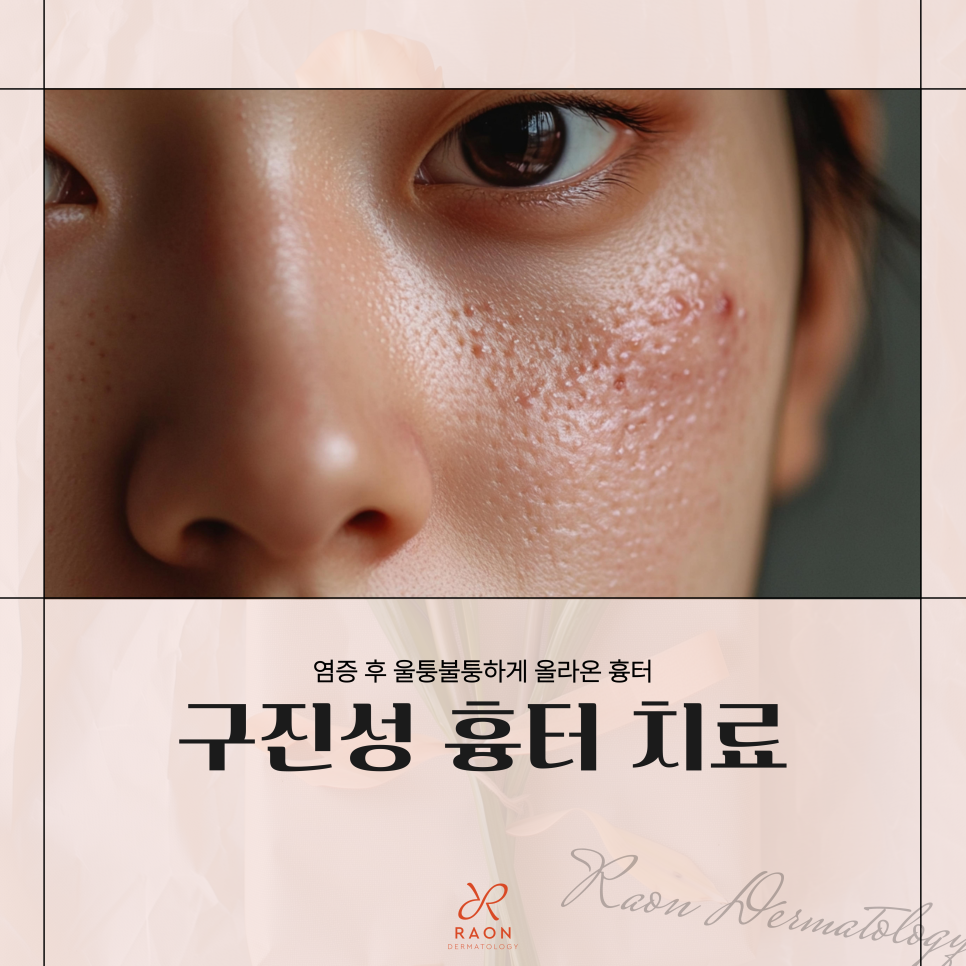
Papular scars
Papular scars, hypertrophic scars
I think many people may find the term unfamiliar. It may be easier to understand by looking at the photo below. Simply put, it refers to a bumpy scar that protrudes above the skin. In general, scars are depressed into the skin, but papular scars are the opposite. They occur when collagen fibers are excessively synthesized during the healing process of acne inflammation.
Papular scars mainly occur on the nose and chin, and are also called hypertrophic scars!
They differ from typical acne scars that cause the skin to sink inward, and naturally require a different approach to treatment.
< Papular scars >
-
Mainly occur on the nose and chin due to acne inflammation
-
Excessive production of collagen and elastic fibers
-
Scars that form above the skin surface
-
Also called hypertrophic scars
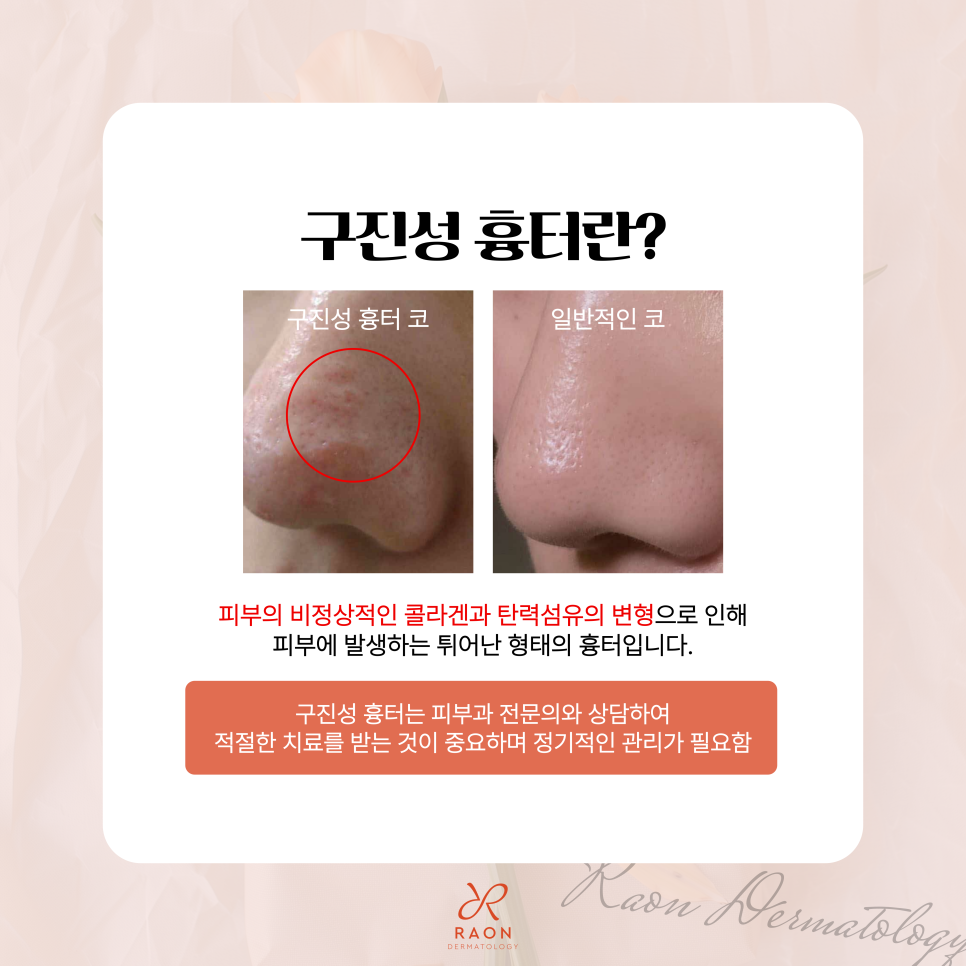
Papular scars (hypertrophic scars)
What causes them?
So why do papular scars occur in the first place? The most common cause is acne. Inflammation caused by acne and the process of healing that inflammation can lead to excessive production of collagen fibers and elastic fibers. As a result, scars form in a position higher than the skin surface. They are especially common on the nose and chin, where acne appears most often.
If acne is not treated properly and you squeeze, scratch, or otherwise irritate it yourself, the risk of papular scars naturally increases. Therefore, not squeezing acne on your own and having it extracted at a dermatology clinic is also one of the good ways to prevent papular scars.
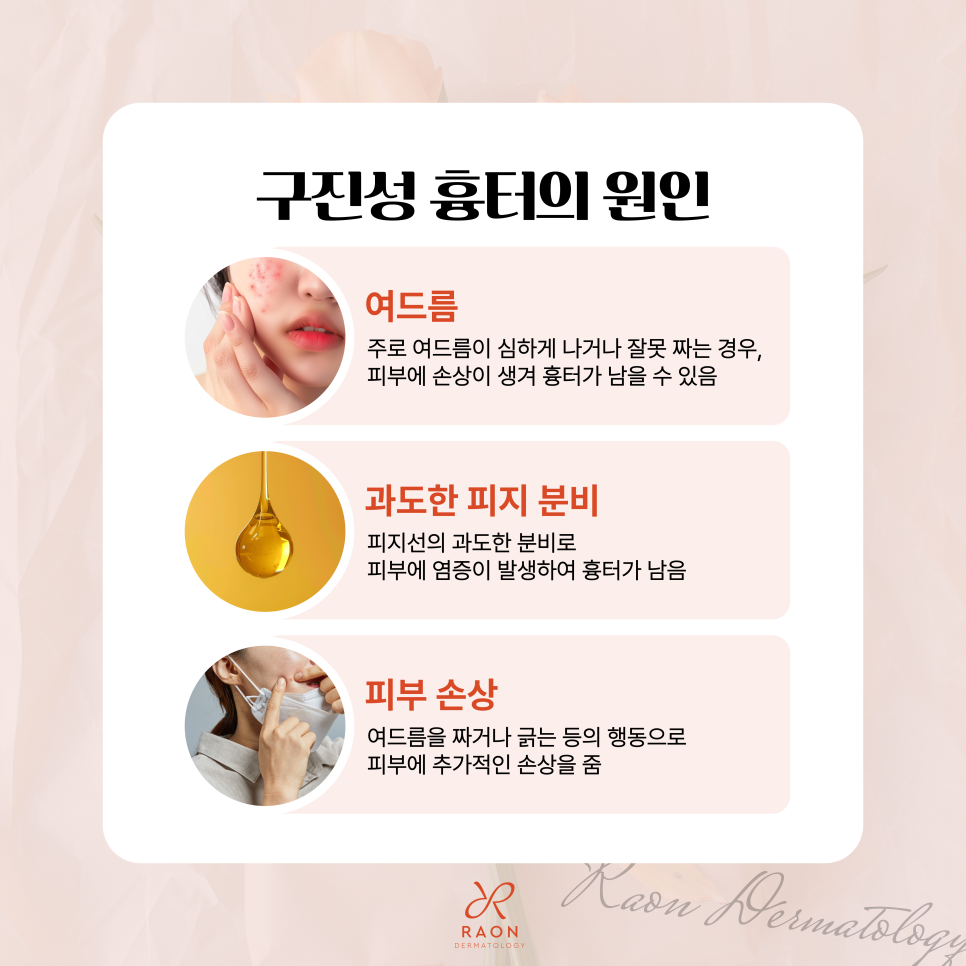
What causes them?
Main characteristics
Let’s take a closer look at some characteristics that are worth remembering. In appearance, they are flesh-colored or white and have a bumpy, raised shape. And as mentioned earlier, they most commonly occur on the nose and chin, but can also appear in other areas of the face.
Histologically, degeneration of collagen and elastic fibers is observed. Collagen refers to connective tissue. In other words, the collagen tissue has broken down and has an abnormal structure. Therefore, treatment should proceed in a way that destroys the damaged tissue and improves the arrangement of collagen fibers toward a normal pattern.
< Main characteristics >
-
White or flesh-colored raised appearance
-
Nose, chin, and the entire facial area
-
Degeneration of collagen tissue and elastic fibers
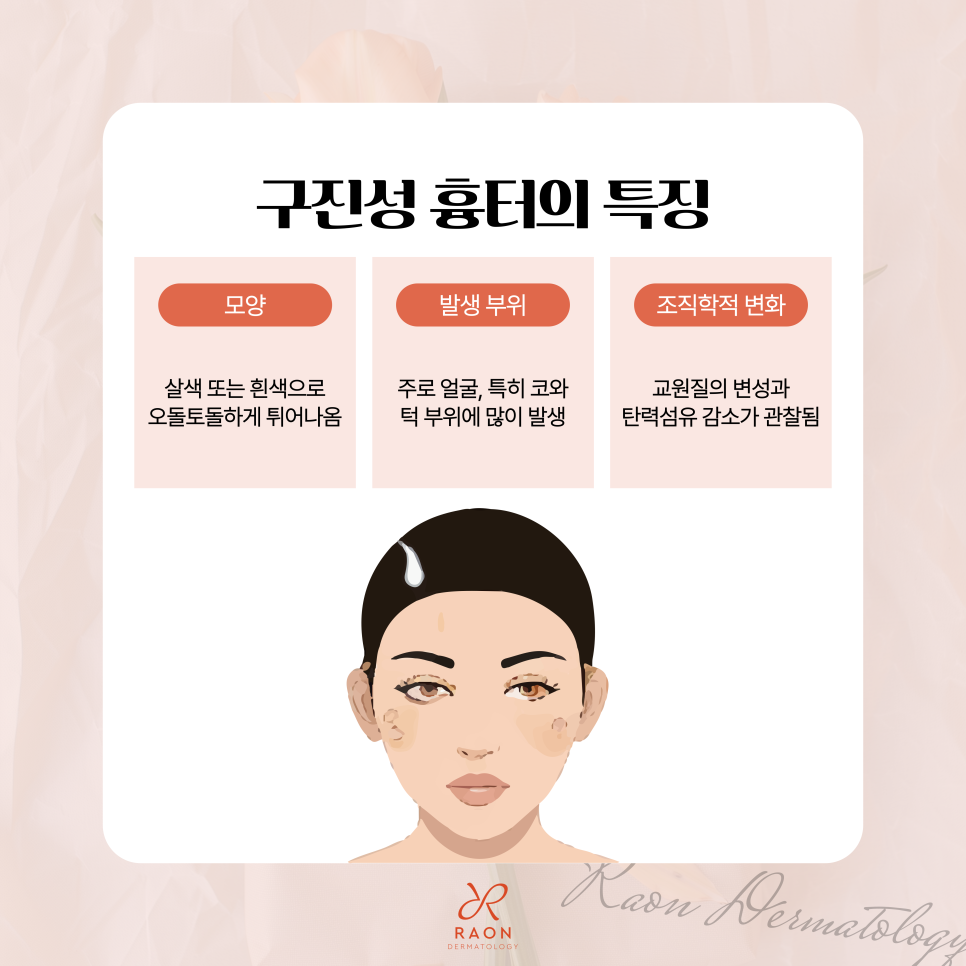
Main characteristics
Combination laser treatment
Because it is harder to improve than typical scars, combination treatment using a variety of laser methods is essential. We mainly use four lasers: Helios, M22, Potenza, and Clarity II. The laser combination varies slightly depending on the scar’s location, size, and shape.
To explain the overall approach, we first destroy the damaged collagen tissue and then induce the formation of new collagen. Over time, the tissue is reorganized by the newly formed collagen, and the papular scar improves. The appropriate number of treatments and the interval between them vary from person to person, so please keep that in mind!
Q. Why is combination treatment necessary?
-
The treatment difficulty is quite high
-
Treatment is needed from multiple angles
-
Various laser combinations are essential for this purpose
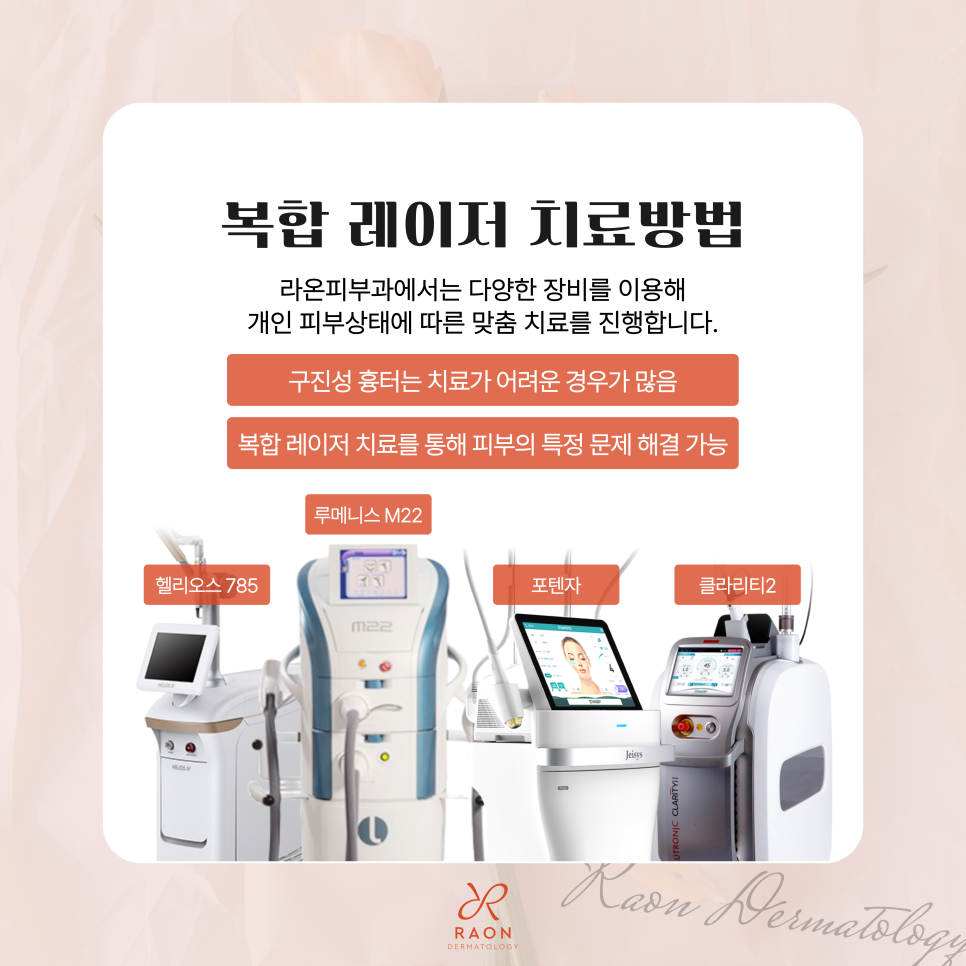
Combination laser treatment
Various laser combinations
For detailed information about each laser, please refer to our previous blog posts. Today, I’ll briefly explain each one. First, 1) Helios 785 is a laser that combines picosecond and nanosecond concepts. You may know it mainly as a pigment treatment laser. It can also be used for scar treatment because it has the effect of generating type III collagen.
- Second, Lumenis M22 ResurFX is a non-ablative fractional laser, a scar laser that causes minimal skin damage. You can think of it as helping promote skin regeneration in the scar area. 3) Third, Potenza, as many of you know, is a radiofrequency laser. It works by promoting collagen regeneration in the dermis to treat scars. Lastly, 4) Clarity II uses dual wavelengths and is also frequently used for treating pigmentation and pores, in addition to scars.
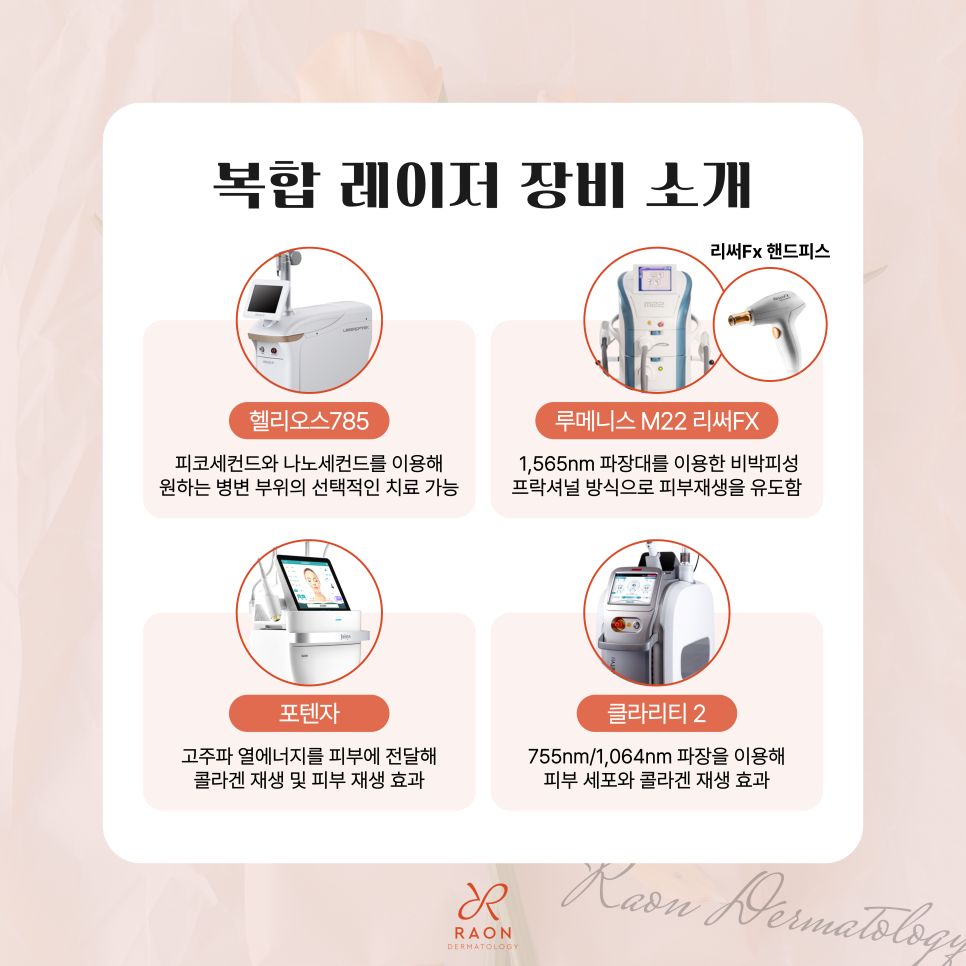
Various laser combinations
Treatment of papular scars

Located right by Wangsimni Ogeori, with excellent access to public transit
- Wangsimni Station Exit 9 in Haengdang-dong, Seongdong-gu -
👉 Easy access to 4 subway lines
Line 2 (Sindang, Sangwangsimni, Seongsu)
Line 5 (Singeumho, Haengdang, Majang, Dapsimni)
Gyeongui–Jungang Line (Oksu, Eungbong, Cheongnyangni)
Suin–Bundang Line (Seoul Forest)