Hello,
I’m Yoo Young-gi, Chief Director of Roy Plastic Surgery.
Today, I’d like to introduce a hump nose correction case involving a woman in her late 30s.
In fact, her hump was not especially severe,
but because people around her often said things like, “If only your nose were pretty, you could be a celebrity,”
it caused her quite a lot of stress.
At first, she thought about just putting up with it,
but over time it became increasingly noticeable, so she eventually decided to have surgery.
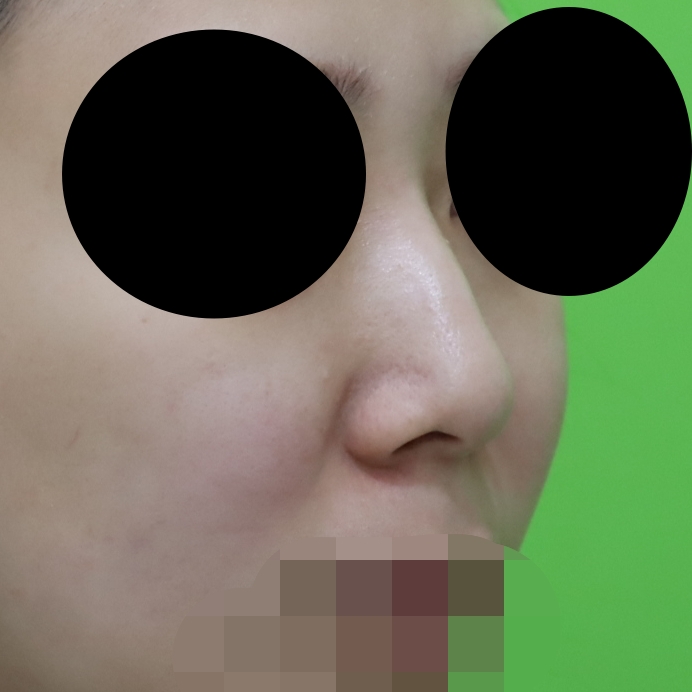
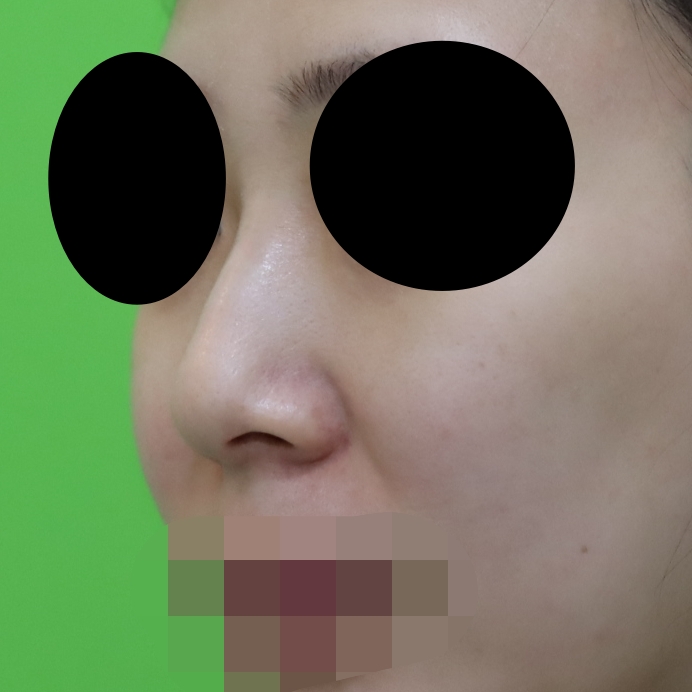 One of the reasons she was worried was
her vague fear that “a large amount of nasal bone would have to be shaved down.”
So after looking into several hospitals,
she learned about the preservation rhinoplasty method performed at Roy.
When people usually think of “hump nose correction,” they imagine cutting or grinding down the bone along the bridge of the nose to lower it,
but this preservation approach is a method that does not primarily remove the bone itself;
instead, it preserves the original structure and only changes its arrangement.
In other words, it keeps the overall framework while
straightening and repositioning the uneven parts.
That does not mean there is no osteotomy at all.
To smooth the bridge of the nose,
some bone movement is necessary.
At that point, rather than using a hammering method,
a piezoelectric osteotome is used for safer, more precise work.
She said this was also the decisive reason her perception changed from
“hump nose correction = painful and dangerous.”
These days, thanks to the piezotome, osteotomies can be performed more precisely and gently,
and bruising and swelling are decreasing compared with before.
At first, she only wanted the bump on the nasal bridge slightly smoothed out,
but after measuring with a 3D facial scanner and showing the expected results,
we told her that lifting the tip a little more would likely improve the balance of her face much more.
When she compared the expected appearance with and without lifting the tip,
the patient ultimately said, “Then please correct the tip as well,”
and we harvested ear cartilage and septal cartilage to use for tip projection.
As a result, the hump was naturally refined,
and the hump nose correction effect became clearly visible.
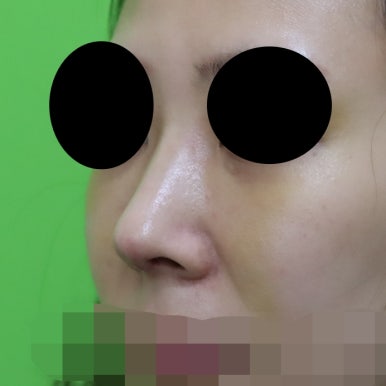
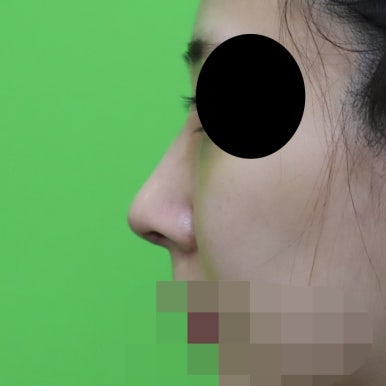
Looking at the preoperative photos, the small hump on the nasal bridge stood out more whenever she smiled.
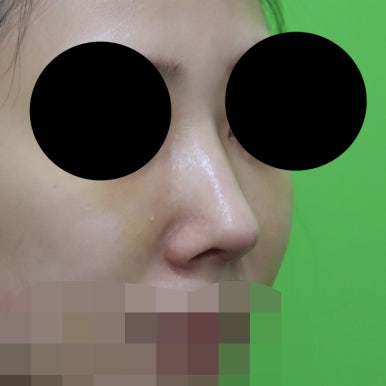
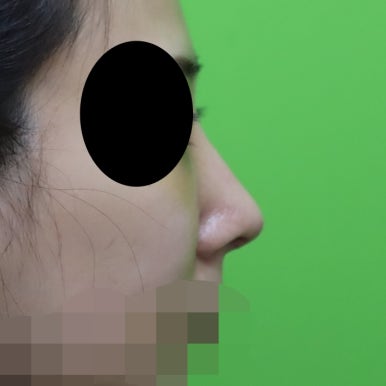
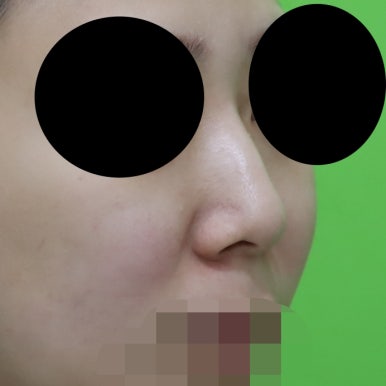
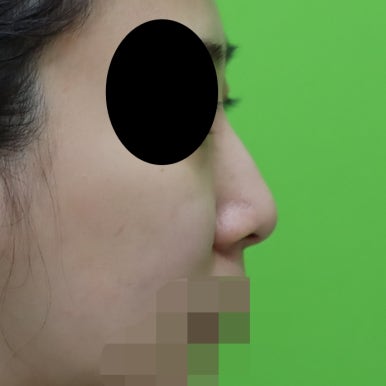
But comparing the photos taken on day 10, the bridge had become much flatter
and the tip was slightly lifted, creating a nice angle.
She was very satisfied, saying,
“I didn’t know a small change could change the overall atmosphere of my face this much.”
Shall we compare the before and after photos?
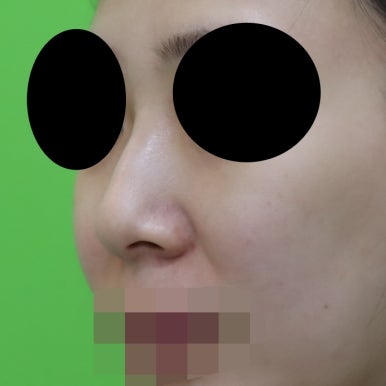
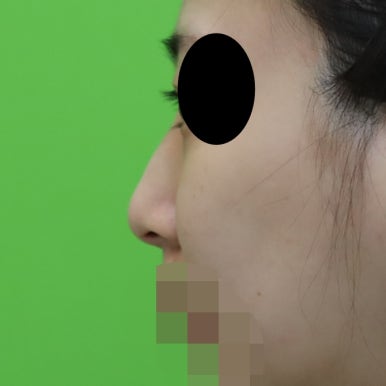
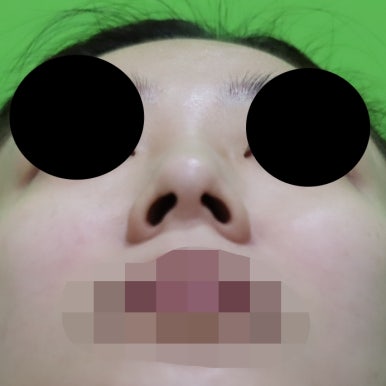
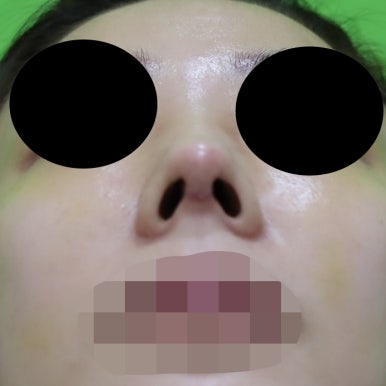
As such, “hump nose correction” does not necessarily mean that a lot of bone must always be shaved away.
Rather, if you use a preservation approach that keeps what should be kept and moves what should be moved,
you can achieve natural results while also reducing the burden of recovery.
In particular, because the piezotome minimizes damage to the surrounding tissue during osteotomy,
postoperative swelling and bruising were much less than expected.
The patient even left a review saying,
“People said hump nose correction is extremely painful, but it was better than I expected.”
Of course, not every case can be treated with the same technique,
but if you are considering “hump nose correction,” we recommend consulting to see whether a preservation method like this is possible,
rather than assuming the bone must be removed no matter what.
Sometimes even a small-looking hump can have a big impact on confidence or appearance,
so if you have made up your mind like this patient did, surgery can be one way to resolve the stress.
I hope today’s case was helpful in some way.
“Hump nose correction” is an area where, with the right diagnosis and choice of surgical method,
you can expect natural yet dramatic changes.
If you have any questions, please feel free to contact us anytime.
Thank you.
If you are curious about short nose rhinoplasty,
please refer to the following post.
https://blog.naver.com/youngkeeyoumd/223396399023
For Plus Friend chat inquiries, click the image below
Roy Plastic Surgery Clinic (Line 3, Sinsa Station)
Main phone: 02-516-5525
Weekdays 10:00 ~ 19:00
Saturdays 10:00 ~ 16:00
Roy Plastic Surgery complies with the Medical Service Act.
The photos in this post were taken under the same conditions,
and are images taken with the patient’s prior consent.
In addition, after plastic surgery and procedures, side effects such as bleeding, infection, and inflammation may occur depending on the individual, so caution is required.