During treatment consultations,
“I thought I only needed an implant,
but I was surprised when I was told that bone grafting was needed too.”
I often meet patients who say this.
In fact, the term bone grafting itself is unfamiliar,
and it is only natural that it can sound burdensome.
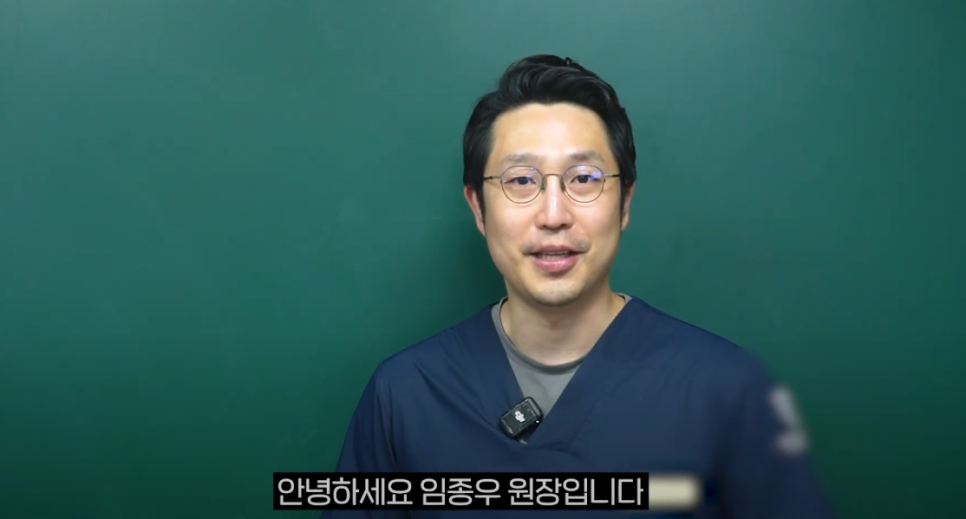
Hello,
I am Lim Jong-woo,
Chief Director of Gwanghwamun The Square Dental Clinic.
Today, I will explain in an easy-to-understand way
why bone grafting is needed during implant treatment,
along with real cases I often encounter in the clinic.
What is bone grafting, and when is it needed?

It is not simply a concept of “creating bone that does not exist.”
When people hear the term “bone grafting,”
they may think it is literally a procedure that makes new bone where none exists.
In reality, it is closer to the process of creating space
and preparing an environment where bone can grow.
In other words, it is not creating something from nothing,
but helping bone regenerate around existing bone.
Three major reasons bone grafting is needed

Bone graft materials contain substances that guide bone cells to grow well.
By placing the graft material in the area where bone formation is needed,
natural bone regeneration is encouraged.
In areas where bone is lacking, gum tissue may take up the space first over time.
At this point, the graft material helps secure space for bone to grow,
and supports bone cells in settling in place.
Because gum cells grow quickly,
they can cover the wound area before bone cells do.
Graft material or barrier membranes help prevent the influx of these gum cells
and contribute to securing a chance for bone cells to grow.
What materials are used?
The materials used for bone grafting vary depending on the situation.
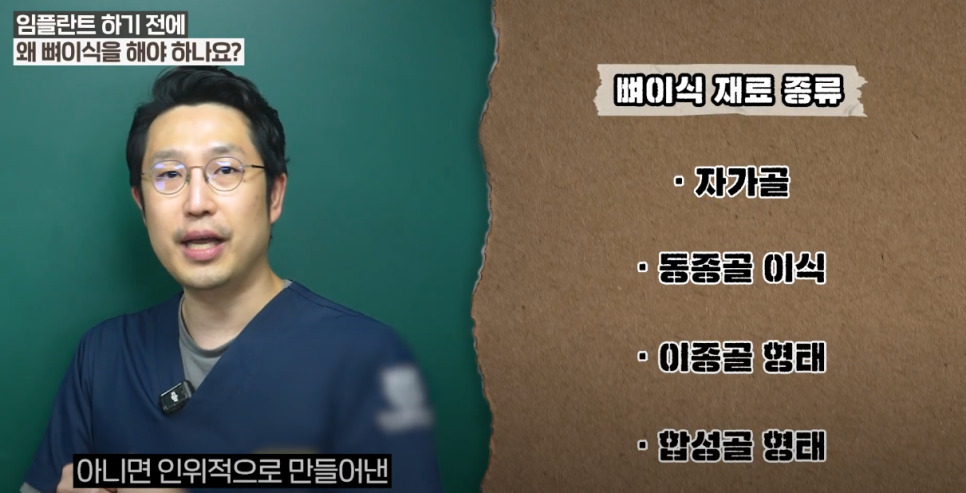
Autograft: using the patient’s own bone
Allograft: processed bone from another person
Xenograft: purified bone from another species, such as cattle or pigs
Synthetic graft: artificially manufactured material
Each material is selected according to the patient’s condition,
the scope of surgery,
and the risk of infection,
and is not applied uniformly in every case.
In what cases is it absolutely necessary?

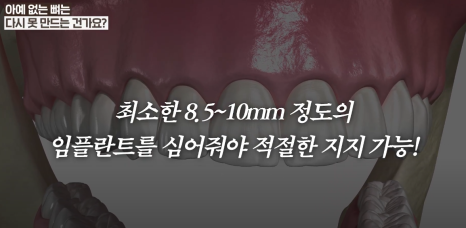
The most typical case is when there is not enough bone
because of the anatomical structure of the maxillary sinus (upper jaw bone).
In particular, if the upper jaw bone in the molar area is thin,
or if the maxillary sinus is positioned widely,
the existing bone alone may not be able to support the implant,
so bone grafting becomes essential.
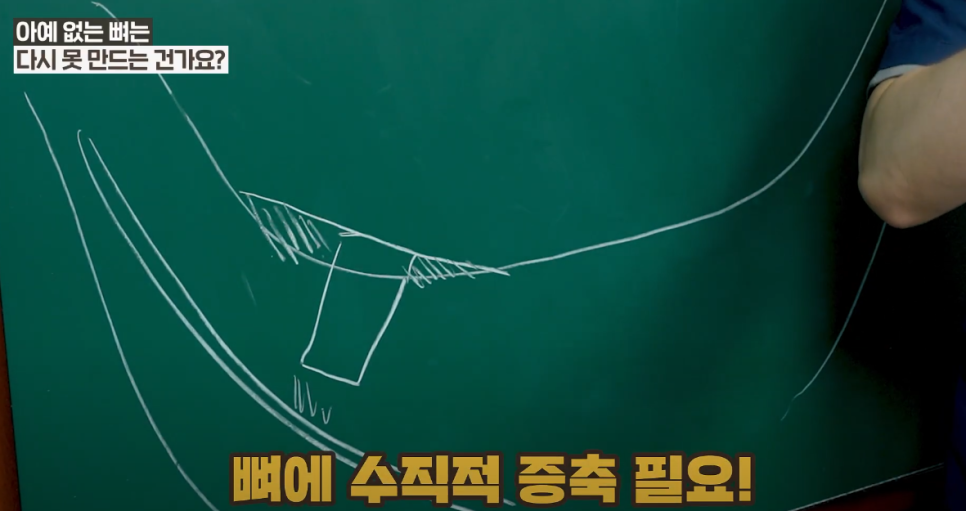
Also, in the case of the lower jaw,
when an implant must be placed too close to the nerve canal,
vertical bone grafting to increase the bone height may be necessary
in order to secure an appropriate amount of bone.
On the other hand, there are cases where bone grafting is not needed.
Bone grafting is not always necessary.

For example, if the existing bone has sufficient width and height,
and the maxillary sinus is shallow,
stable implant placement may be possible without grafting.
In such cases, treatment can be completed without additional surgery,
and the burden of the procedure may be reduced.
Why patients get confused
'Difference between diagnosis and knowledge'
One question often heard in the clinic is:
“Some clinics say bone grafting is necessary,
but others say it is not needed.”

This difference often comes from differences in the dentist’s diagnostic criteria,
the level to which knowledge has been updated,
and differences in experience.
For example, recent research has shown that in mild sinus lift procedures,
bone can grow even without graft material,
so some doctors make treatment decisions that reflect this.
Therefore, what matters is this:
after accurately reviewing your own CT images and oral condition,
and receiving an explanation,
you should understand the basis for the diagnosis.
Then unnecessary worry is reduced,
and trust in treatment increases.
Get an accurate diagnosis and decide whether treatment is needed.
An implant is not simply a treatment that “places an artificial tooth.”
It is a complex process that considers the condition of the bone,
the health of the gums,
and the surrounding anatomical structures.
In particular, bone grafting is neither something everyone needs
nor something everyone does not need;
it is a treatment option that varies according to each patient’s condition.
I consider it most important to provide each patient
with sufficient explanation and a diagnosis based on solid evidence.
That is because only then can patients understand the treatment process,
make their own choice,
and feel at ease.
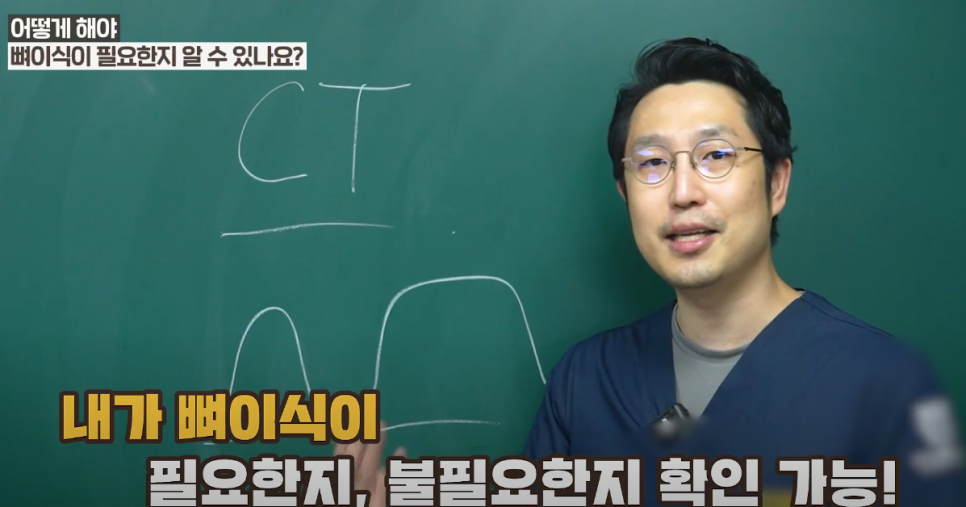
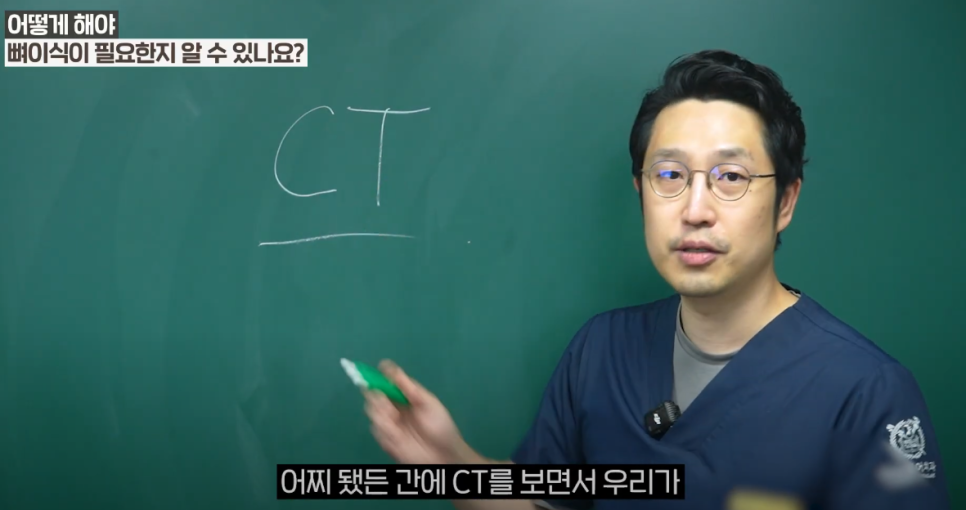

If you are planning an implant and have been advised by a doctor to undergo bone grafting,
please receive a thorough explanation through CT imaging and consultation
about why it is needed and what alternatives are available.
I believe it is best when you come to feel confident in your own treatment direction through that process.
“Bone grafting is an auxiliary treatment chosen when necessary,
and the correct answer may be different for each patient.”
Please keep this in mind.
If you have any questions, please feel free to let us know in the clinic at any time.
I sincerely support your decision.
Sincerely,
Lim Jong-woo
Chief Director, Gwanghwamun The Square Dental Clinic