One day, while looking in the mirror,
if it seems like there is a crack in a tooth,
or if sensitivity or a sharp, stabbing sensation appears after chewing hard food,
you may want to suspect a “tooth crack.”
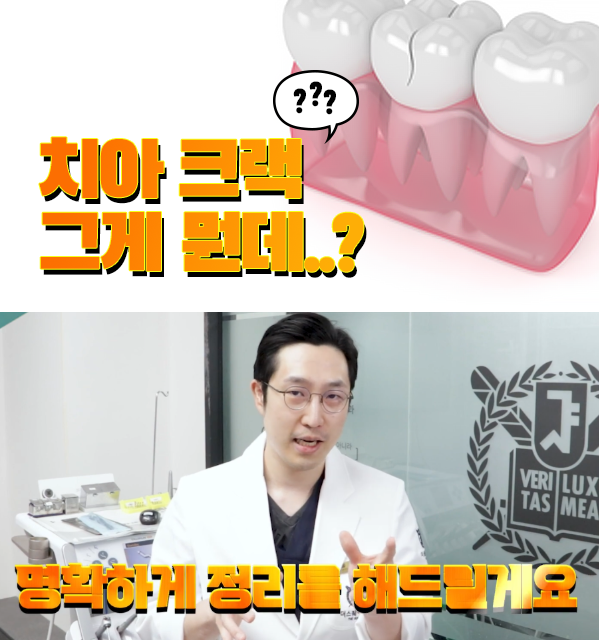
Hello.
I’m Lim Jong-woo,
Chief Director of Gwanghwamun The Square Dental Clinic.
Today, I’d like to clearly explain the “tooth crack” that patients often ask about.
It may not be visible on the surface, but if the treatment timing is missed,
a crack can lead to serious damage.
Tooth cracks: how far is okay,
and from where do they become dangerous?
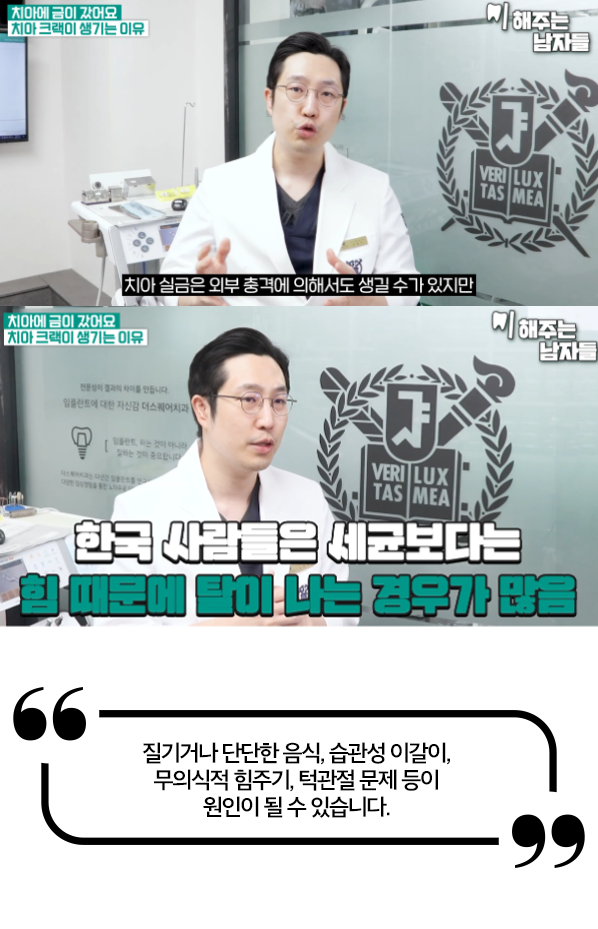
Cracks are usually not caused by bacteria like cavities,
but by physical force.
Chewy or hard foods, habitual teeth grinding,
unconscious clenching, and temporomandibular joint problems can all be causes.
In particular, they occur more often in places like Korea,
where people enjoy hard foods and have strong chewing habits.
Not all cracks require treatment.
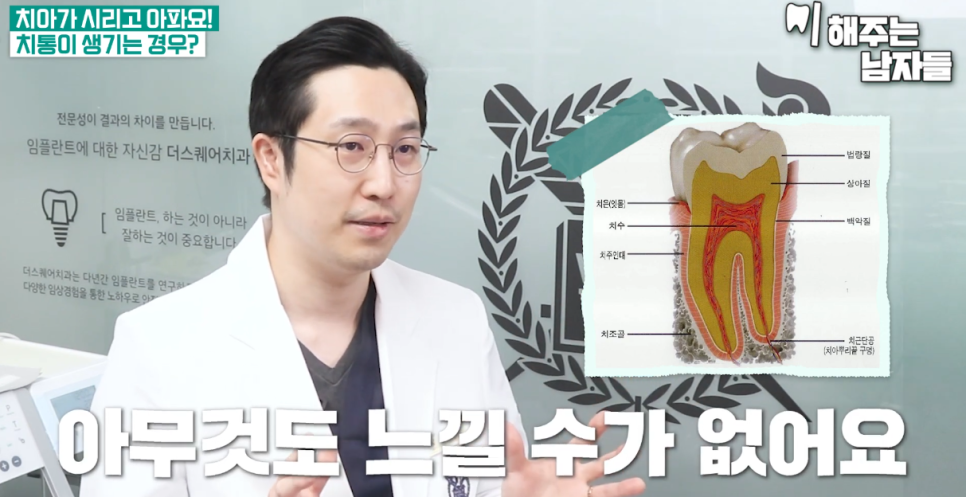
If only the enamel (the outer layer) is damaged,
there may be no symptoms,
and observation without treatment may be enough.
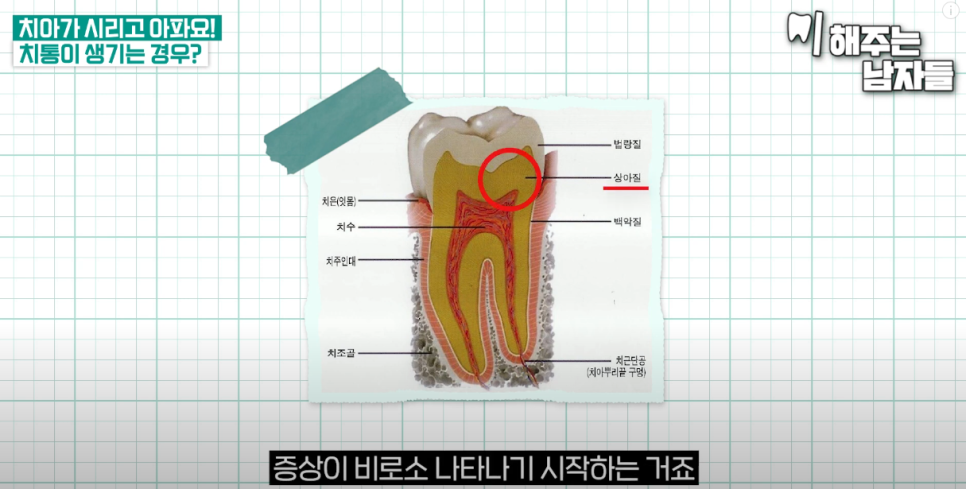
However, if the crack extends to the dentin (the layer closer to the nerve),
you may feel sensitivity to cold water,
or pain when chewing food,
and the symptoms tend to worsen over time.
In such cases, there is a high possibility that the nerve is being irritated,
so treatment is needed.
A boundary that is easy to miss
When should treatment begin?
If any of the following apply, it may be time to consider treatment.
· Pain when chewing becomes progressively worse.
· You react sensitively to cold water or sweets.
· You start avoiding use of a specific tooth.
These symptoms are signs that the condition may be progressing into irreversible pulp inflammation (pulpitis).
At this stage, root canal treatment and crown reinforcement may become necessary.
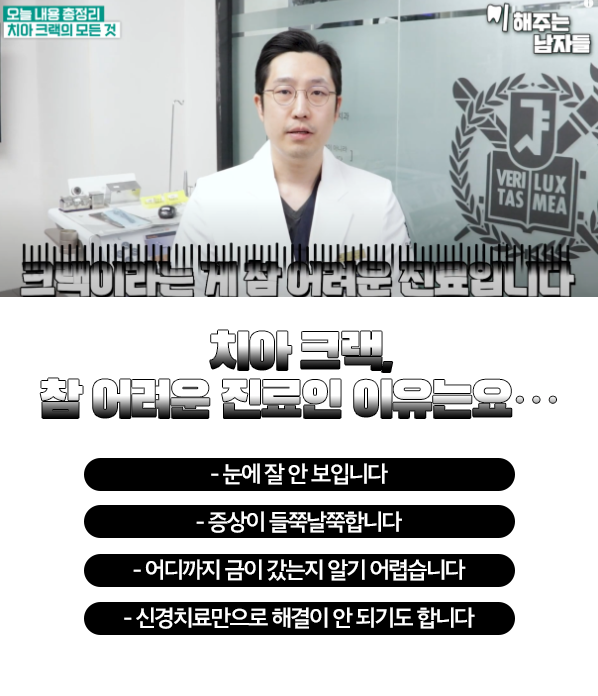
If it is left alone because diagnosis is difficult, it can become dangerous.
Tooth cracks are not easy to see on X-rays,
and the symptoms can be vague,
so they are often missed during oral examinations.
That is why, in clinical care,
we try the following three-step observation process.
Occlusal adjustment (dispersing biting force)
Take temporary medication and observe the progress
Regular follow-up every 3 to 6 months
Through this process, more than half of patients are able to remain stable without separate treatment,
but if symptoms continue, a crown, root canal treatment,
and in some cases even extraction may need to be considered.

If you get a crown, do you always need a root canal too?
Not necessarily.
If the crack is not deep and there is no nerve irritation,
preserving the nerve and treating it with a crown alone may be sufficient.
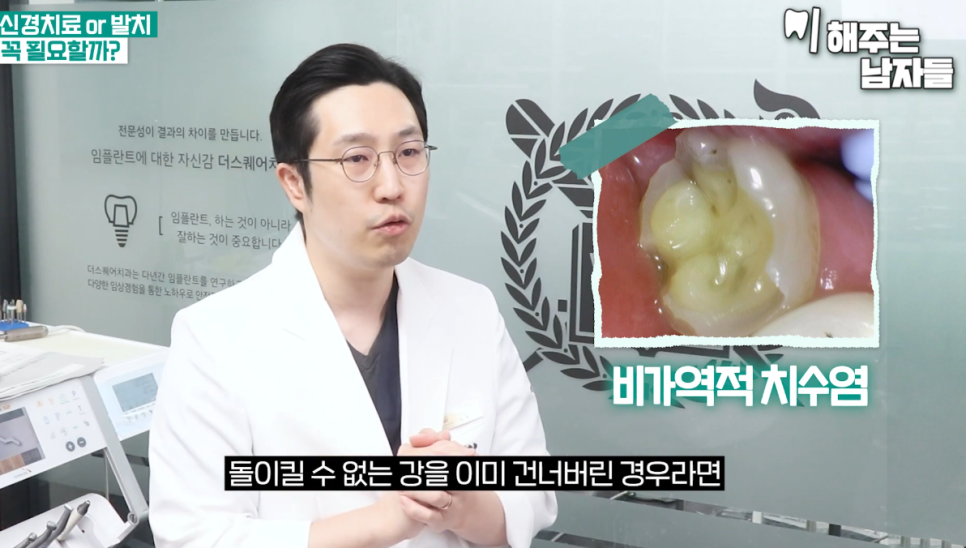
On the other hand, if inflammation has progressed to the nerve,
root canal treatment followed by crown reinforcement is generally performed.

However, if the crack reaches the root,
no treatment will be effective and extraction is necessary.
That is why early diagnosis is so important.
A small crack can
make you lose a tooth.
Tooth cracks may not be obvious on the outside,
but if the symptoms worsen,
they can become a problem that leads to tooth loss.
At first, they may begin as sensitivity or discomfort,
but if those symptoms repeat or intensify,
an examination and evaluation are absolutely necessary.
“Tooth cracks are a manageable problem if diagnosed early.
However, once the treatment timing is missed, they cannot be reversed.”
If you repeatedly feel sensitivity from time to time,
or have a tooth that feels uncomfortable when chewing,
do not put off treatment
and be sure to get a diagnosis at the dental clinic.
Healthy teeth are protected not because they are simply strong,
but because we listen to the signals they give us.
I wish you all a healthy smile today as well.
—
Gwanghwamun The Square Dental Clinic
Lim Jong-woo, Chief Director