“I brush my teeth every day, so why do I still get cavities?”
Modern people control their diets and exercise regularly for their health.
But when it comes to the daily habit of brushing your teeth,
are you really doing it properly?
Many patients say this
to us in the treatment room.
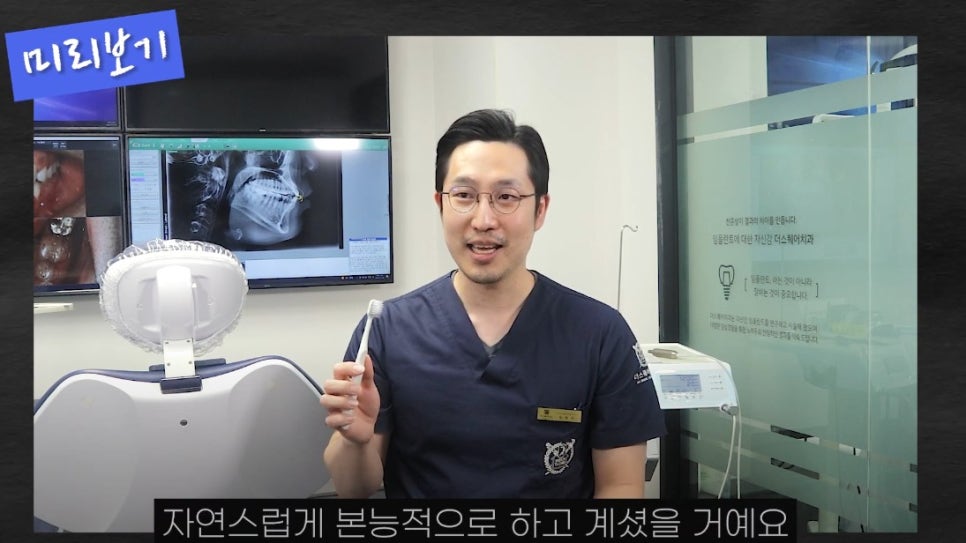
“I brush carefully, so why did I get cavities?”
But when we actually check how they brush,
most people either brush too hard or
only clean certain areas for a short time.
Hello,
I’m Lim Jong-woo,
Chief Director of Gwanghwamun The Square Dental Clinic.
In this post, I’d like to introduce
practical and doable tips for an ‘proper brushing routine’
as a dentist.
The Results of Bad Brushing Habits
Let’s stop “angry brushing” now!

Some people brush hard, brush fast,
as if they are hitting their teeth.
This is so-called “angry brushing.”
This method can instead cause tooth wear,
push the gums back, and even lead to tooth sensitivity.
Brushing should be gentle.
It is not about using a lot of force, but about the correct direction and angle.
- Start by changing your toothbrush grip.
Many people hold a toothbrush the way they would grasp something in the palm of their hand.
When you hold it this way, too much force is naturally applied,
and it can put strain on your teeth.
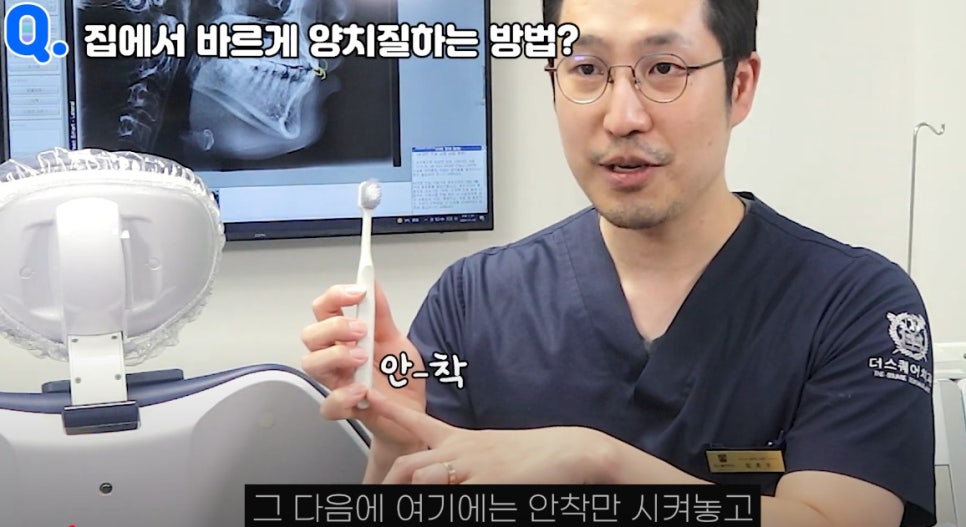
👉 Solution: I recommend the “pen grip.”
Hold the toothbrush with your fingertips, like you would hold a pen,
and control it gently.
Because the force is naturally distributed,
you can brush effectively
without irritating the gums.
- Three brushing methods matched to tooth structure
There are three main brushing methods: horizontal scrubbing, vertical brushing, and the Fones method.
Horizontal scrubbing: moving the brush side to side (the method many people use by default)
Vertical brushing: used for areas that should be brushed vertically, such as the front teeth
Fones method: brushing in circular motions
👉 It is important to use these three methods
in combination as appropriate to the situation.
In particular, you should brush evenly across the outer surfaces of the teeth,
the inner surfaces that touch the tongue,
and even the “gum pockets” between the gums and teeth.
- Care for the gums with the Stillman method
It is not enough to brush only the teeth you can see;
you must also remove plaque beneath the gums
to prevent cavities and gum disease.
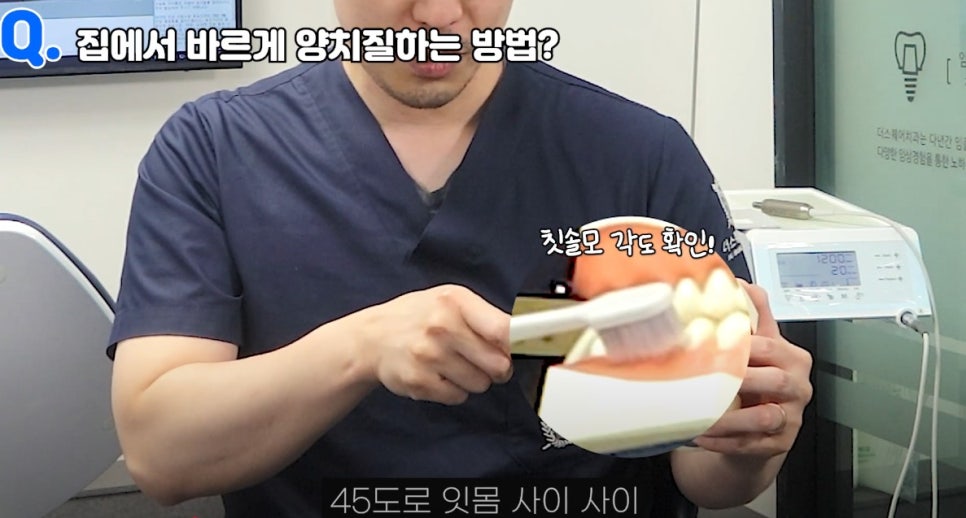
👉 The “Stillman method,” in which you tilt the bristles at a 45-degree angle
and brush with vibration at the border between the gums and teeth,
is effective.
It may feel awkward at first, but once you get used to it, it is not difficult at all.
Are electric toothbrushes always better?
Because electric toothbrushes provide automatic vibration,
they help make brushing more even and efficient.
The small head makes it easy to clean every corner,
and the timer function also helps you keep to the brushing time.
👉 Things to note:
With an electric toothbrush, the correct direction and angle,
as well as the grip, are still important.
The machine does the brushing for you,
but the effectiveness still depends on the user’s habits.
When and how many times should you brush?
After breakfast in the morning, and before bed
Brushing before sleep
→ At night, when saliva secretion decreases,
conditions become easier for cavity-causing bacteria to thrive.
If you snack frequently,
brushing 3 or more times is more effective.
But rather than frequent snacking,
it is more important to establish a brushing routine after meals.
Why does foam keep appearing when rinsing your mouth?

It is foam created by the surfactants in toothpaste.
If foam remains even after gargling 2 to 3 times
and feels uncomfortable,
I recommend using a tongue cleaner.
The surface of the tongue is one of the main causes of bad breath,
and if toothpaste residue remains there,
it can leave an unpleasant feeling.
How should you choose a toothbrush and toothpaste?
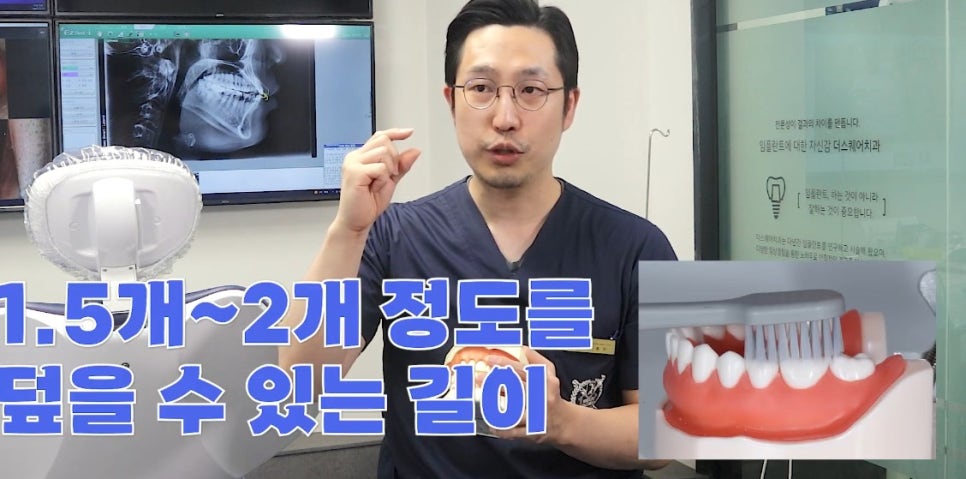
→ A head size that can cover 1.5 to 2 teeth
→ Bristles that are not too hard, but soft
→ Choose according to your purpose (cavity prevention, gum care, whitening, etc.)
→ For abrasives, a dental silica-based type is ideal
→ For surfactants, natural-derived ingredients are recommended if possible
The daily habit of brushing is the most powerful treatment.
Even with just one proper brushing routine,
you can see great benefits in preventing cavities, periodontal disease, and bad breath.
I often say this during treatment as well.
“More important than dental treatment
is brushing properly tonight.”
✅ Brush gently, accurately, and consistently
✅ The key is choosing the right direction, force, and tools with the gums in mind.
Teeth are said to be one of life’s five greatest blessings.
Since once the gums and teeth start to deteriorate,
it is difficult to reverse,
prevention is the surest treatment.
Starting now, try putting a proper brushing routine into practice.
If it is difficult to do on your own,
you are always welcome to get help from a nearby dental clinic.
Daily habits create healthy teeth.
I sincerely support the oral health of all patients.
—
The Square Dental Clinic
Chief Director Lim Jong-woo