Hello.
Gwanghwamun The Square Dental Clinic
I’m Lee Jong-woo, Chief Director.
When treating patients, there are many cases where people come in worried and ask,
“My tooth is loose. Do I need to have it pulled right away?”
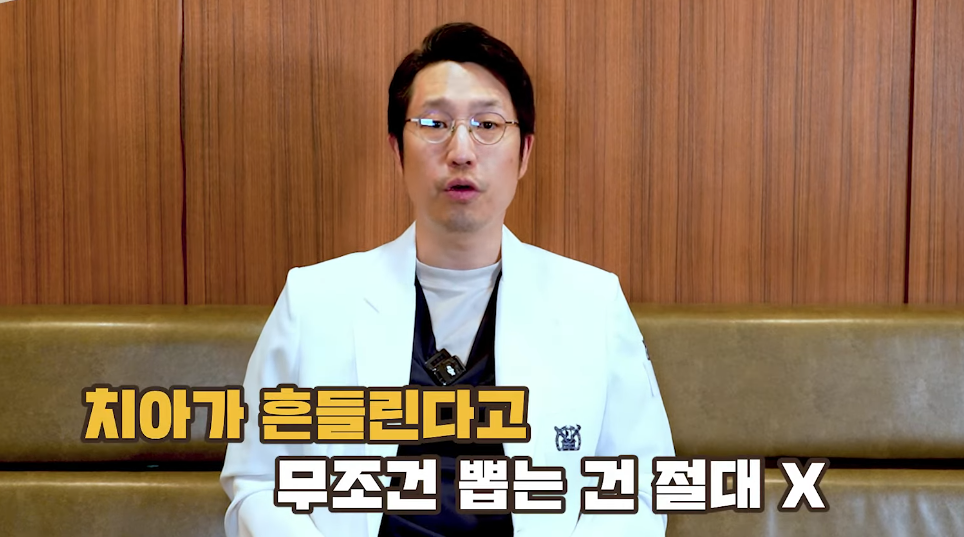
When you look in the mirror,
it may seem like your tooth moves more than before,
or you may feel a subtle wobble when chewing food,
so it’s natural to feel anxious.
However, not every case of looseness
means that extraction is needed right away.
There are various causes of tooth looseness,
and depending on the cause, cases that can be saved
and cases where extraction must be considered are clearly different.
Today, I’ll explain how to distinguish loose teeth,
when they can be saved with treatment,
and when extraction is unavoidable.
Degree of looseness and how it is judged
In dentistry, tooth looseness is divided into grades 0 to 3
based on a standard called “mobility.”
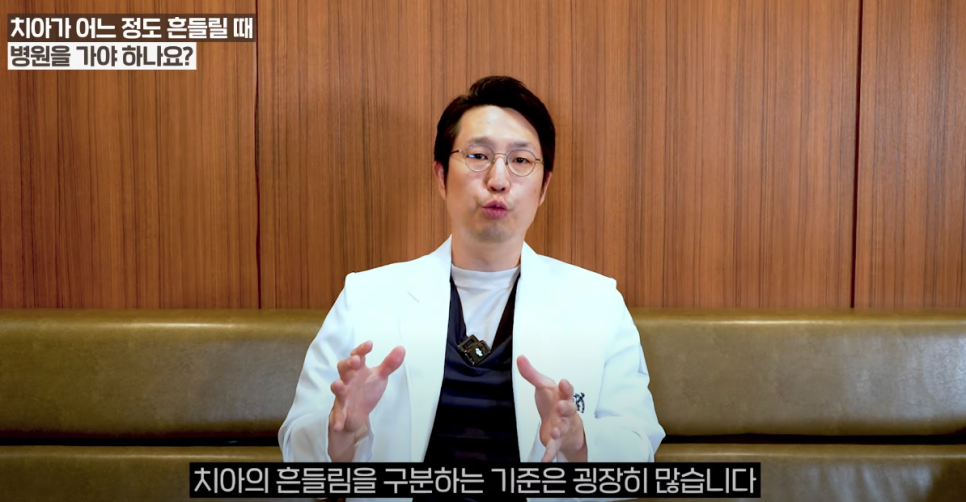
· 0–1 degree: May occur due to temporary gum inflammation
or lowered physical condition,
and can be stabilized through gum care and treatment
· 2 degrees or higher: Movement is noticeable even to the eye,
and because it may progress quickly, early treatment is needed
· 3 degrees: The supporting structure has collapsed significantly,
so extraction is likely to need consideration
Sometimes people think, “It’s only a little loose, so if I leave it alone it’ll get better,”
but delaying treatment without knowing the exact cause
can actually make the condition worse.
Main causes of loose teeth
There are three major causes of looseness.
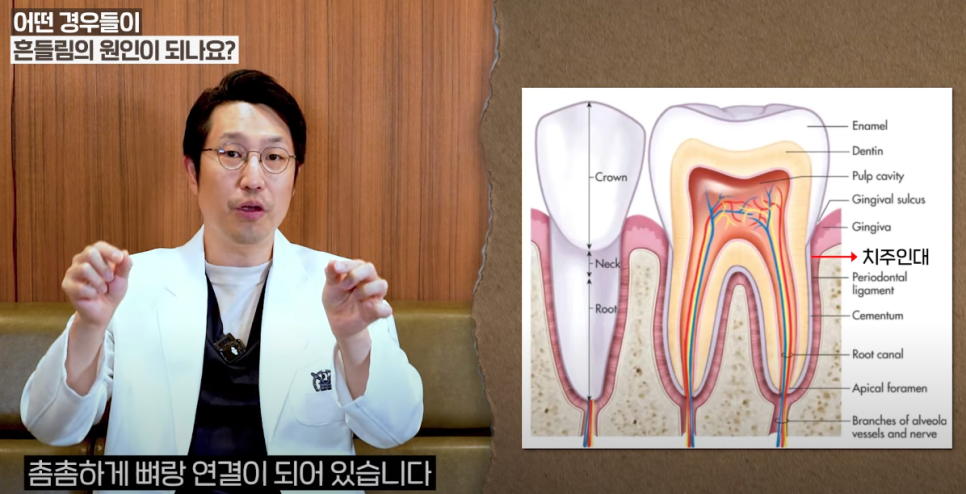
- Periodontitis (gum disease)
Tartar and bacteria damage the gums and alveolar bone,
weakening the foundation that supports the tooth.
As it progresses, the gums recede
and bone loss worsens the looseness.
- Trauma (excessive force)
Sudden impact (such as falling or hard foods), or
long-term habits like teeth grinding and clenching,
overload the teeth and ligaments and cause looseness.
- Apical inflammation
Infection or inflammation of the tooth’s internal nerve causes pressure to build up,
and damage around the root tip makes the tooth feel loose.
In many cases, this can improve with root canal treatment.
Warning signs you can check at home
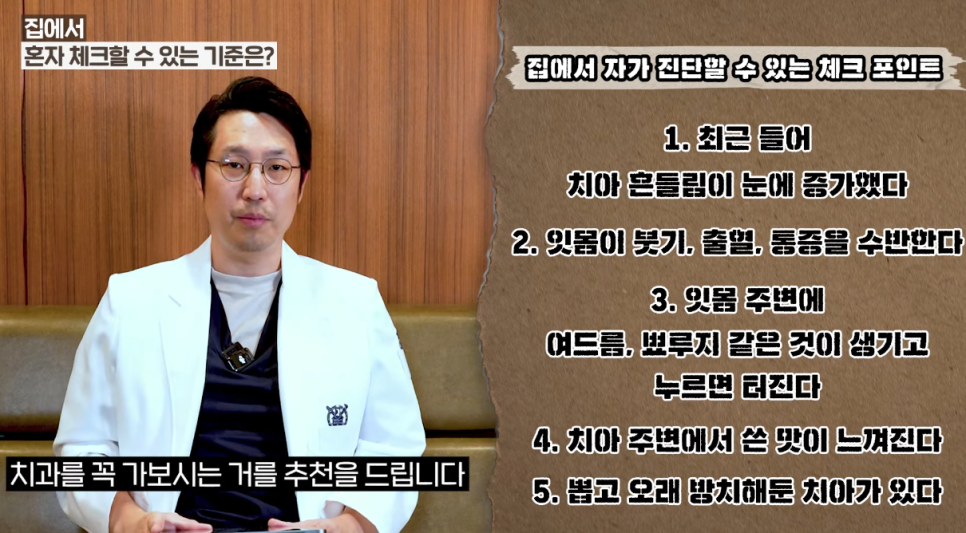
If you have any of the following symptoms, we recommend visiting a dental clinic.
The looseness has become noticeably worse recently and has not improved after 1–2 weeks of care
The gums are swollen and bleeding continues
A pus-filled bump keeps appearing on the gums
You notice a bitter taste around the tooth
A long-removed extraction site has been left untreated, causing adjacent teeth to become loose as well
Cases that can be saved and cases where extraction should be considered
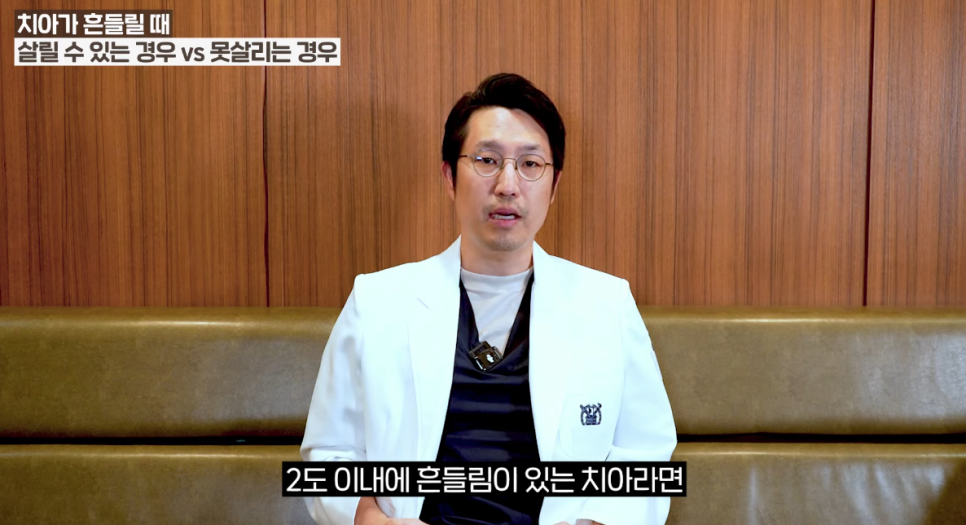
· Periodontitis at grade 2 or below:
Can be used long-term with gum treatment and thorough oral hygiene management
· Trauma without root fractures:
Recovery is possible with splint fixation and habit correction
· Apical inflammation:
Looseness may improve after removing the inflammation through root canal treatment
- Cases where extraction should be considered
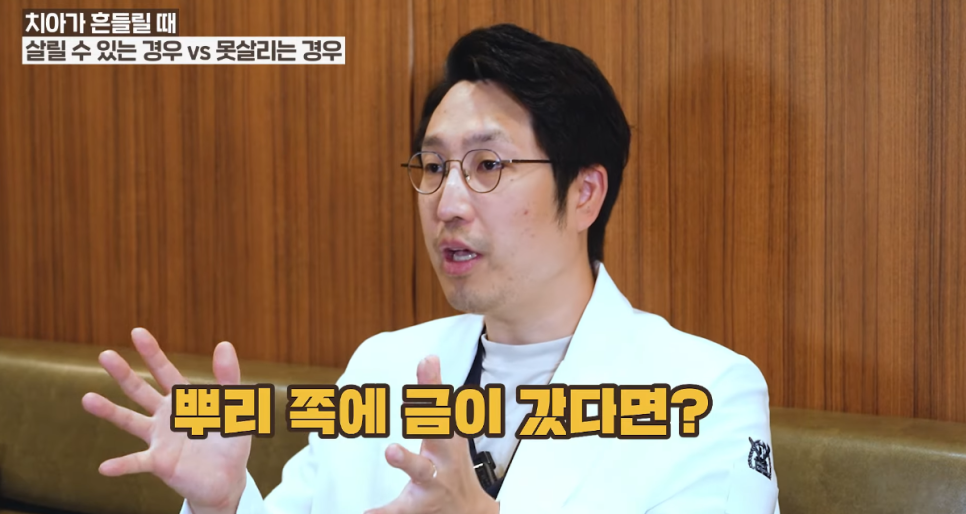
· Severe bone and gum damage due to advanced periodontitis
· Root fracture (crack in the root)
· A structure where hygiene management is impossible because of frequent inflammation and food trapping
The key points of treatment and management
If the looseness is caused by “force,” chewing habits and teeth grinding must be corrected.
Using a night guard (anti-grinding appliance)
can be helpful.
If gum disease is the cause,
tartar removal, periodontal treatment,
and proper brushing instruction are needed.
If it is apical inflammation, the internal pressure must be reduced
through root canal treatment.
Most importantly, the cause must be diagnosed accurately,
and treatment should begin before crossing the point of no return.
Early detection and proper treatment are the answer
Thinking that a loose tooth must always be pulled is a misconception.
But if you miss the window to save it, extraction becomes hard to avoid.
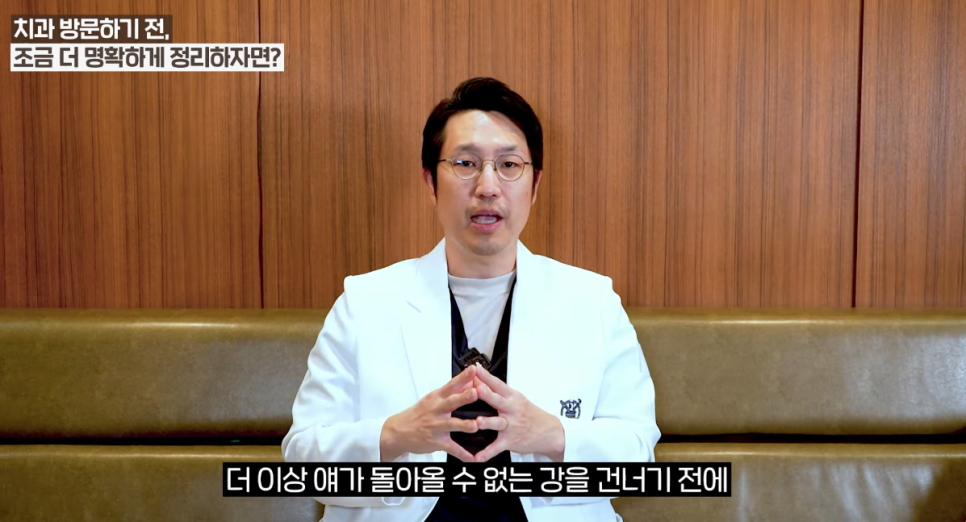
“Early detection and management
are the best ways to protect your natural teeth.”
Through regular checkups, receive a professional diagnosis,
and if you are worried, don’t hesitate to visit a dental clinic.
Teeth do not grow back once lost,
but if treated in time, they can be used for a lifetime.
I’ll support you so that your teeth can function healthily
for a long time.
_
Gwanghwamun The Square Dental Clinic
Sincerely,
Lee Jong-woo, Chief Director