“Doctor, my gums used to bleed when I brushed my teeth,
and lately I’ve noticed a black gap forming between my teeth.
It bothers me every time I smile.”
This is a concern I hear often in the clinic.
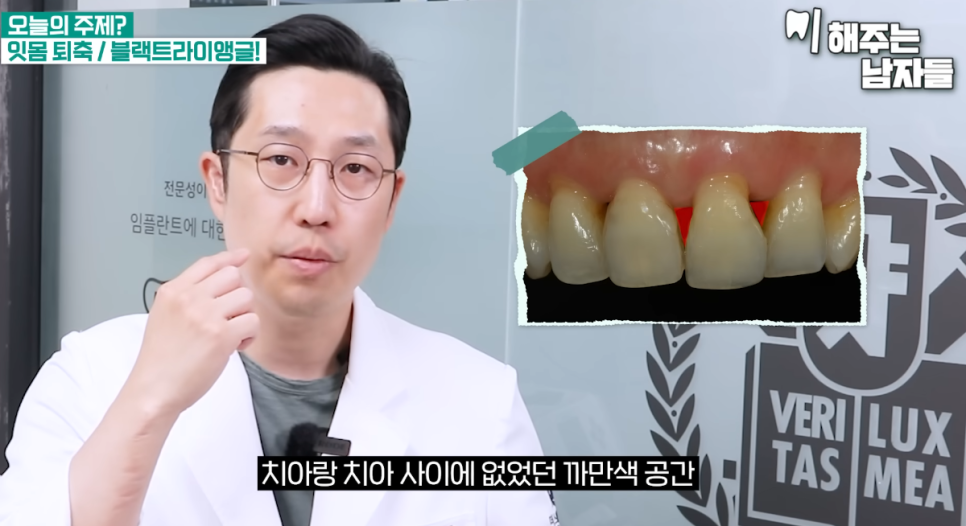
On the surface, it may look like a purely cosmetic issue,
but in fact, this ‘black triangle’
can be a sign directly related to gum health.
Hello,
I’m Lim Jong-woo, Chief Director of Gwanghwamun The Square Dental Clinic.
Today, I’ll explain step by step the causes of the black triangle that appears between teeth,
treatment methods,
and the habits you should remember to prevent it.
What is a black triangle?
A black triangle refers to an open, dark triangular gap
that forms when the gum tissue between teeth recedes.

At first, it may just be bleeding during brushing or swollen gums,
but over time the gums gradually recede (move upward),
exposing the tooth roots and making the gap appear dark.
This gap is more than just an appearance issue.
Food debris and bacteria can easily get trapped in it,
creating a vicious cycle that can worsen periodontal disease.
4 main causes
There are four major reasons why the gums recede and black triangles form.

- Improper brushing habits
· Brushing too hard or using only a side-to-side scrubbing motion
· Inflammation occurs because plaque between the teeth and gums is not removed
- Excessive chewing force
· Clenching your teeth tightly, or frequently eating hard and chewy foods
- Systemic diseases
· Gum tissue is more easily damaged due to weakened immune function caused by conditions such as diabetes or autoimmune disease
- Genetically thin gum type
· Because the gums and alveolar bone are thin, they recede easily in response to external stimulation
Risks of leaving it untreated

· Even if the teeth themselves are fine, the supporting structure weakens and tooth mobility can occur
· Loss of jawbone support may progress and can eventually lead to tooth extraction
· Dissatisfaction with appearance → reduced confidence when speaking and smiling
· More food trapping and worse bad breath
Treatment methods

A black triangle cannot be restored 100% to how the receded gum originally was,
but there are ways to improve it.
(1) Home care – Bass method brushing
This is a brushing method in which you tilt the toothbrush at a 45-degree angle
and gently vibrate it along the boundary between the teeth and gums.
· Use a soft-bristled toothbrush
· Clean 2–3 times a day, massaging the gums as you brush
(2) Dental treatment
- Prosthetic methods
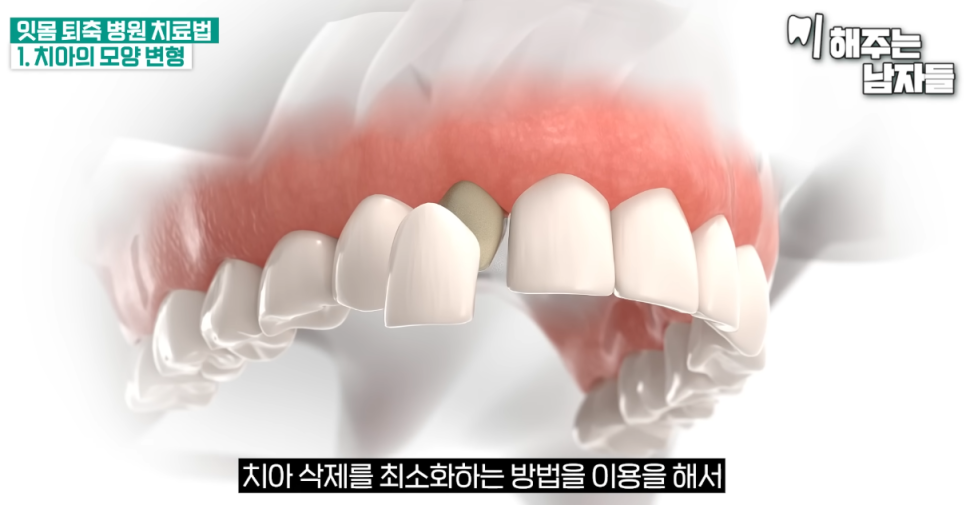
· A method that widens the sides of the teeth with veneers or laminates to cover the gap
· Protects the exposed root area and improves aesthetics
- Periodontal regeneration · gum grafting
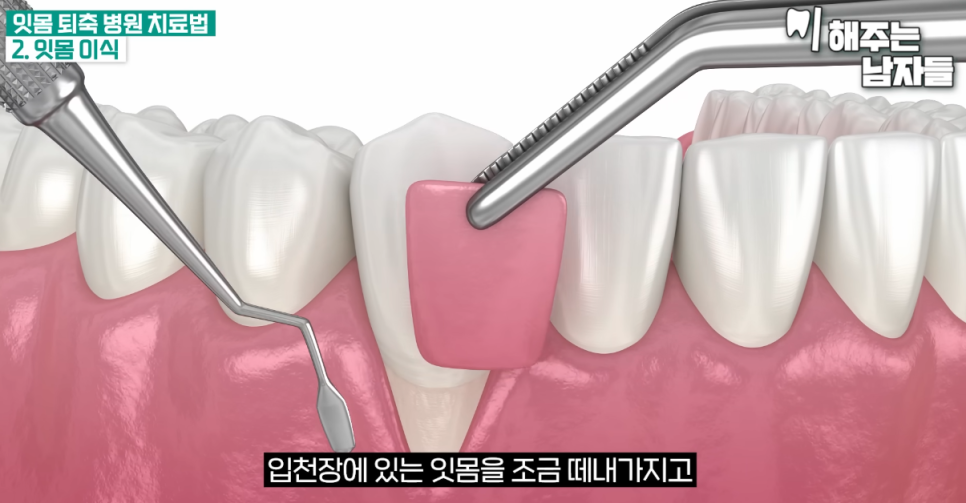
· A portion of gum tissue is taken from the palate and grafted to the sunken area
· Whether it successfully takes depends on the gum type, the cause, and the patient’s habits
Habits to avoid
· Overusing interdental brushes or toothpicks
→ Accelerates gum injury and recession
· Eating too many hard and chewy foods
→ Puts excessive strain on the teeth and gums
· Brushing too forcefully or brushing in the wrong direction
Prevention is best
I tell my patients this:
“Once a black triangle appears,
it is difficult to reverse.
But there are definitely ways to slow its progression and improve its appearance.”

Regular dental checkups, proper brushing technique,
and managing your eating habits are the most important preventive measures.
If you have developed a black triangle between your teeth,
I recommend not delaying and getting an accurate diagnosis at a dental clinic.
A small gap between teeth that shows when you smile
may be a bigger health signal than you think.
If caught and managed early,
you can protect both aesthetics and health.
Thank you.
_
Gwanghwamun The Square Dental Clinic
From Lim Jong-woo, Chief Director