“Doctor, I heard wisdom tooth extraction
is very painful.”
Wisdom tooth extraction is still
a source of fear for many people.
“Wisdom tooth extraction is not something to fear;
it can be manageable enough
if preparation and care are done well.”
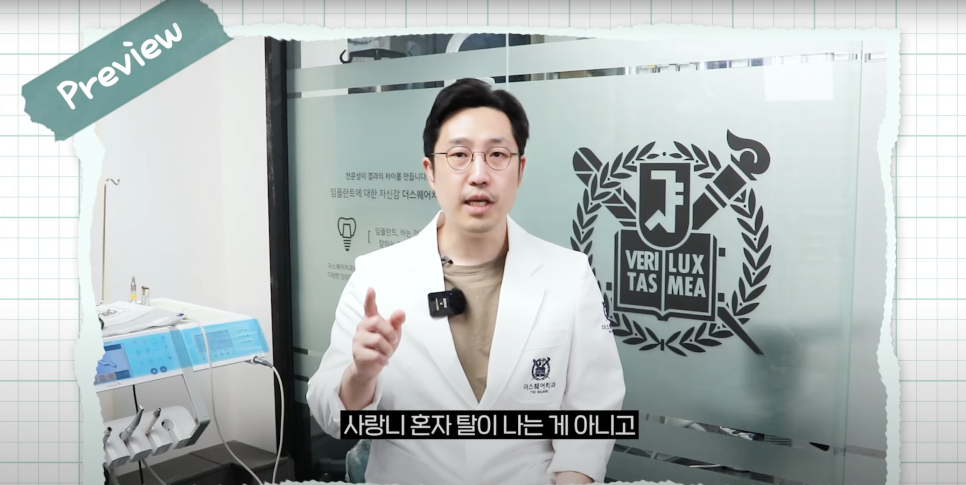
Hello.
I am Lim Jong-woo,
Chief Director of Gwanghwamun The Square Dental Clinic.
Today, I will explain step by step why wisdom tooth extraction feels scary,
the reasons discomfort occurs, and how to help recovery.
Why wisdom tooth extraction feels frightening
The reason people fear wisdom tooth extraction
is mostly due to vague anxiety.
“Will it hurt from the anesthesia itself?”
“Will swelling last a long time and make daily life difficult?”
These concerns usually come from
other people’s stories about their own experiences.
But in fact,
the recovery process can vary greatly depending on
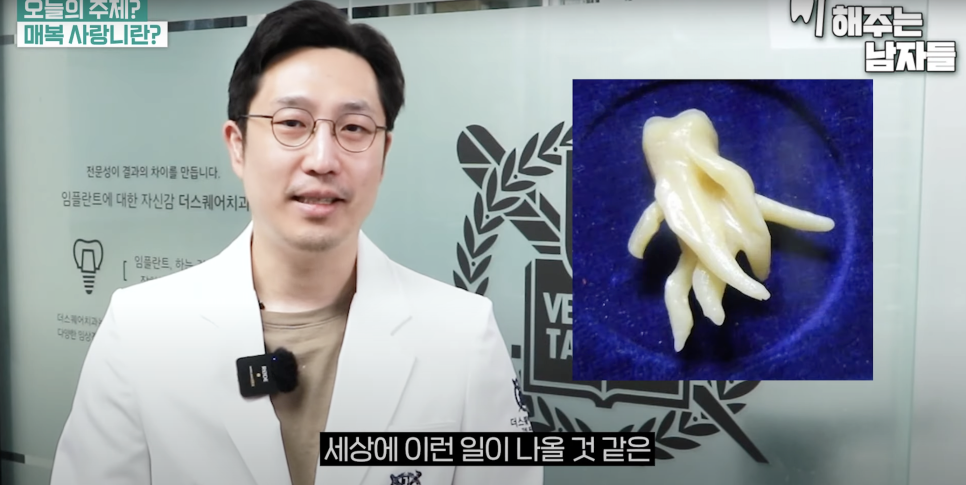
the wisdom tooth’s position, root shape,
gum condition, and the surgical method.
Even with the same wisdom tooth extraction,
some people recover in two days,
while others need a little more time.

Why does wisdom tooth extraction feel difficult?
Discomfort after wisdom tooth extraction
comes from the difficulty of the extraction and the process.
① When the anesthesia is insufficient
If there is inflammation around the wisdom tooth,
the anesthesia may not work well,
and pain may occur during extraction.
➡ At the dental clinic, this is sufficiently controlled
with supplemental anesthesia or
additional anesthesia.
② When the extraction takes a long time
If the roots are split
or deeply buried in the jawbone,
the extraction takes longer.
➡ The longer the surgery takes,
the greater the tissue damage,
and the more swelling and pain there may be.
Before extraction,
we carefully check the root shape and position,
as well as the distance from the nerves,
through imaging.
③ When the incision area is wide
In cases of severe impaction,
gum incision or bone removal may be necessary.
➡ The wider the incision area,
the more time recovery takes.
However, recent procedures follow the principles of minimal incision and minimal removal,
so the recovery burden is much lower than before.
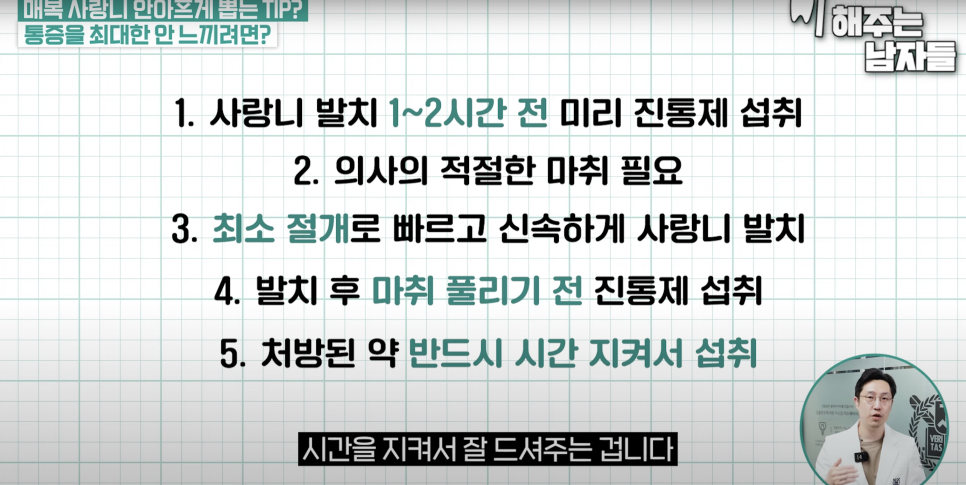
How to reduce pain and discomfort
The key to reducing discomfort after extraction is
preparing in advance.
● Medication before and after extraction
Painkillers and antibiotics must be taken on time.
● Minimal incision and quick surgery
This reduces tissue damage and speeds up recovery.
● Taking painkillers before the anesthesia wears off
● Care after extraction
Ice packs, soft foods,
and proper brushing and gargling are essential.
Lifestyle care tips to support recovery
To speed up recovery after extraction,
care in daily life is especially important.
● Sleeping posture: Sleep with your head slightly elevated
by raising your pillow a bit.
● Eating: Chew on the side opposite the extraction,
and avoid hot and spicy foods.
● Alcohol and smoking: Prohibited for at least one week.
They interfere with blood circulation and wound healing.
● Habit caution: Avoid using straws.
The pressure can interfere with recovery.
Above all, do not judge the situation on your own,
and if symptoms are severe, you must visit the dental clinic.

Extraction is not fear; it is preparation
Wisdom tooth extraction is something
anyone can feel anxious about.
But what matters is not fear,
but thorough diagnosis, appropriate surgery, and proper care.
“Do not be afraid of extraction;
focus on preparation and care.”
Your small preparation
turns wisdom tooth extraction from something fearful
into a process that protects your health.
_
Gwanghwamun The Square Dental Clinic
Chief Director Lim Jong-woo